Eat, Stay, Explore: Art, Culture, And Coastal Charm In Kochi
For visitors to the sixth Kochi Muziris Biennale, this guide invites a slower pace of travel to places that capture the true spirit of the city beyond the biennale.
- 20 Jan '26
- 4:10 pm by Manisha AR

|
Getting your Trinity Audio player ready...
|
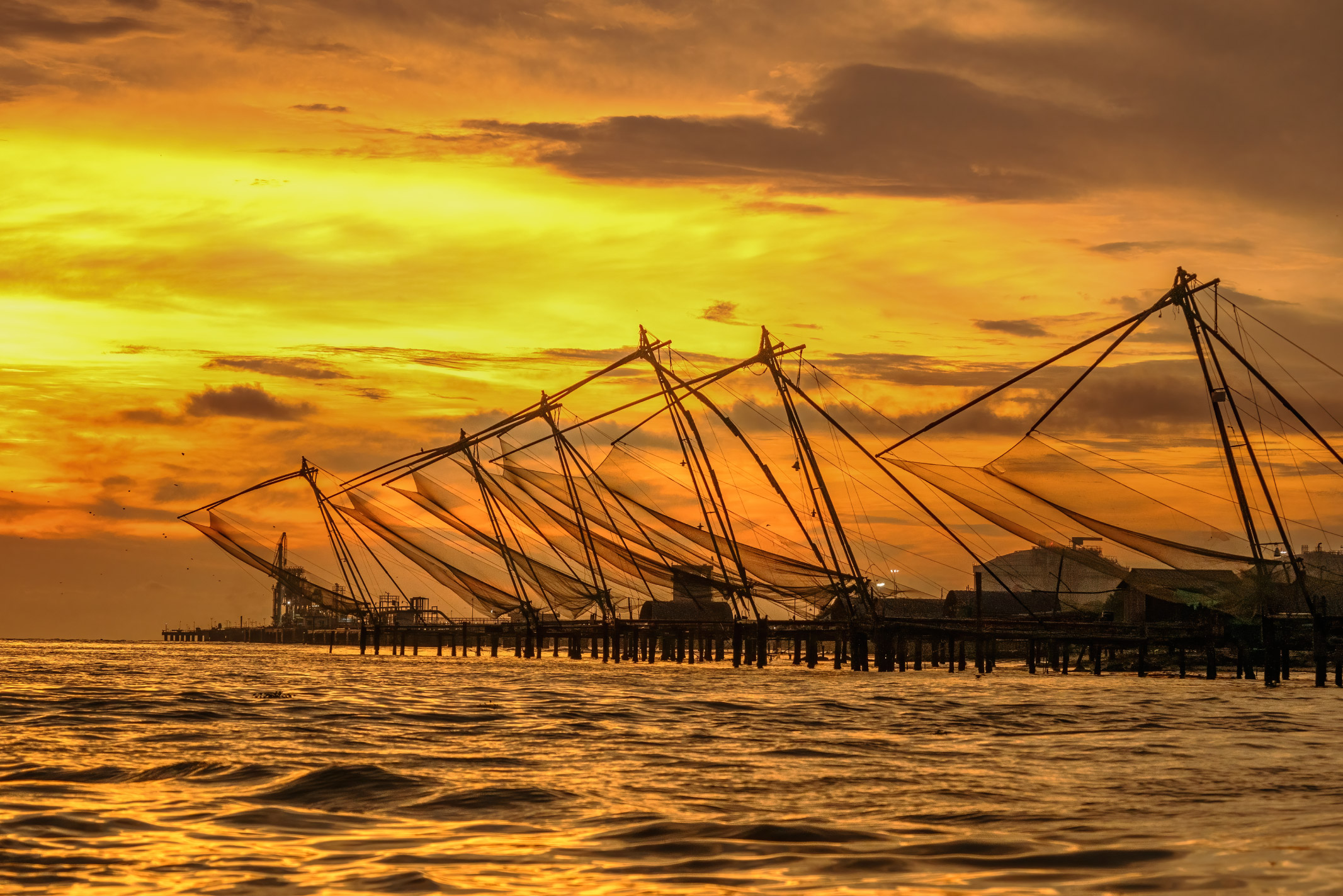
On the Malabar coast, where traders, settlers and pilgrims have crossed paths for centuries, Kochi feels instinctively prepared for the ebb and flow of artists and cultural nomads who gather here every two years. Once the seat of the Kingdom of Cochin, an independent trading hub from the 12th century until colonial powers arrived in succession, Kochi absorbed Portuguese, Dutch, Mysorean and British influences before merging with India in 1949. Its proximity to the sea made fishing and commerce central to daily life, and foreign contact came early, leaving behind a layered, multicultural imprint. Today, former Anglo-Dutch warehouses and Portuguese homes have been repurposed as Biennale venues, their histories quietly embedded in the walls.
For a town long accustomed to exchange, Kochi remains notably unhurried: coconut trees sway, humidity softens the air, and spectacle never quite takes hold. The tension between the city’s grounded rhythm and the Biennale’s shifting sense of time lingers as much as the art itself. Clean, walkable streets, warm weather and a rare openness to outsiders set Kochi apart. During the Biennale, this generosity, paired with a deep sense of self, makes the city an ideal place not just to observe, but to slow down and settle into the rhythms of a coastal town.
For those arriving in Kochi for the sixth edition of the Kochi Muziris Biennale seeking immersion, this guide is both an invitation to leave behind the urgency of fast-paced cities and a map to places that embody the city’s spirit. Begin with a leisurely brunch at Lila Art Café, housed in a former Dutch armoury; check into Brunton Boatyard, built on what was once an active shipyard; and pause at Pepper House, where art, design, culture and even chocolate reward unhurried exploration. While these spaces buzz with activity during the Biennale, each continues to shine long after the crowds have gone.
Also read: What to See and When to Experience the Kochi-Muziris Biennale
Eat at Lila – Curated Experiences
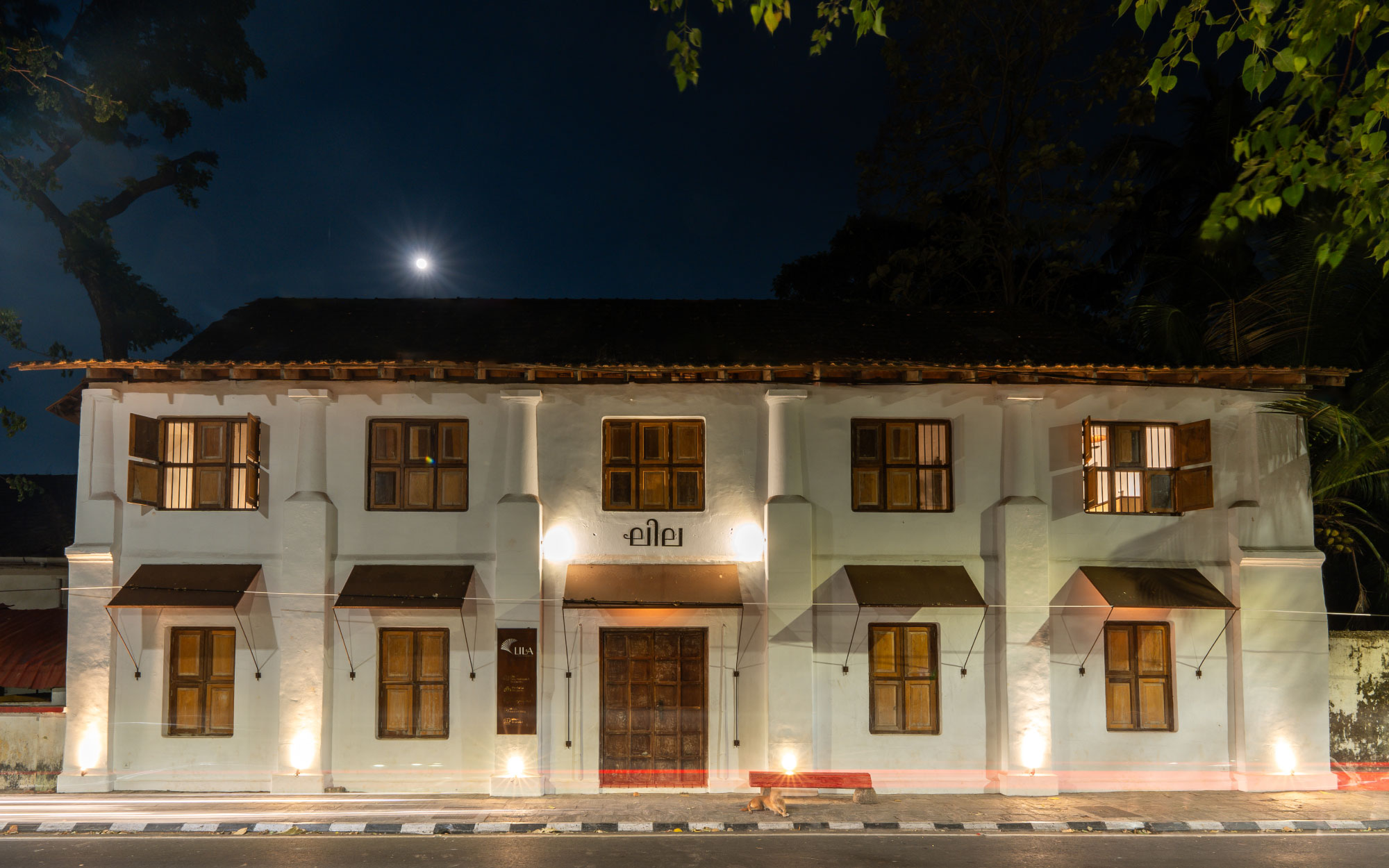
Located on Risdale Road within a 450-year-old Dutch building, Lila Art Café seamlessly blends heritage with modern design. Run by a couple with experience in hospitality, the space was designed by Kochi-based architectural studio Parinamah, led by Cyriac Panamkuzha and Thomas K. Mathew. One of their earliest café projects, Lila marked the beginning of their ongoing involvement with Biennale-linked spaces, including their recent work on Armaan Café in Mattancherry, which opened just a month ago.
When Panamkuzha first encountered the structure, it was in a dilapidated state, but its original function as a Dutch armoury defined its character. Previously, the building had lived many lives after serving as an armoury for the Dutch, including a bank, school and two residences. The open plan, narrow grid-like interiors, and original iron grills have been preserved. Portions of the two-storey building were removed to create a double-height courtyard, with gallery spaces flanking the entrance, a wooden sculpture by Parinamah greeting visitors, and the open courtyard beyond, overlooked by the second floor.
Also read: DP Curates: These 5 Homes In India Perfect The Art Of Hosting
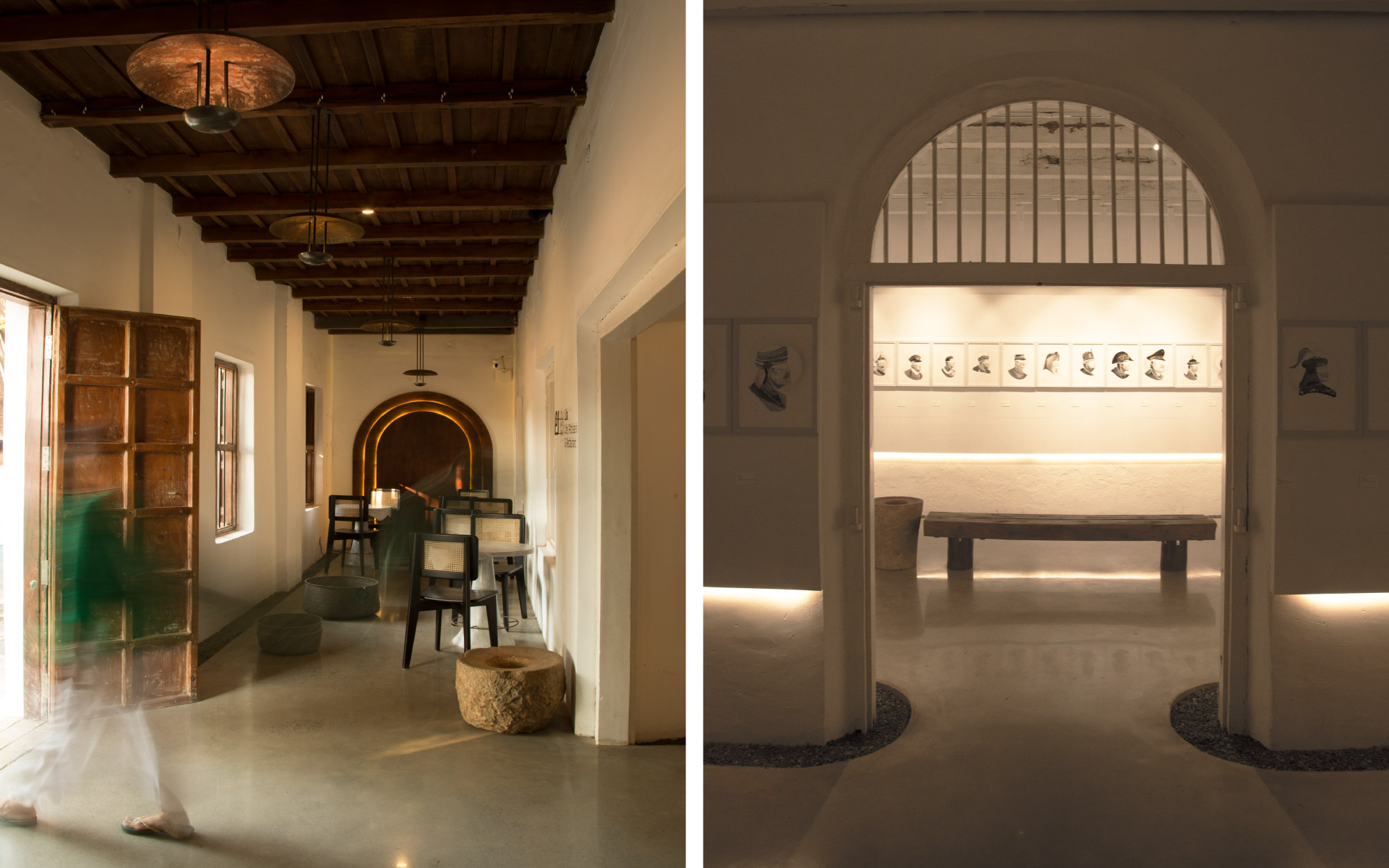
Collaboration and revival are central to Lila’s design ethos. Furniture was crafted from salvaged wood sourced from scrapyards, and artisans from Thrissur were brought in to execute the Pavaratty finish—a 120-year-old local technique traditionally used in Kerala churches to mimic European white marble. Many such churches were lost during the Portuguese annexation, making the revival of this craft especially significant. The second floor shifts in tone, designed as a more private dining area removed from the openness below. Chandigarh chairs contrast with rugged, whimsical light fixtures made from repurposed cement bowls and frying pans.
Lila’s menu draws from Kerala cuisine, balancing tradition and contemporary fusion. Options range from a ‘Madras Breakfast Set’ and ‘Country Breakfast’ to dishes like Fish Mango Curry and Kandhari Prawns with Butter Croissant. Beverages include tea, coffee, and fresh juices, with coconut milk offered as a recommended non-dairy alternative—apt for Kochi.
Also read: 10 Best Lagoon-Facing Retreats And Heritage Hotels In Kochi That Let You Stay Inside The City’s Past
Stay at Brunton Boatyard
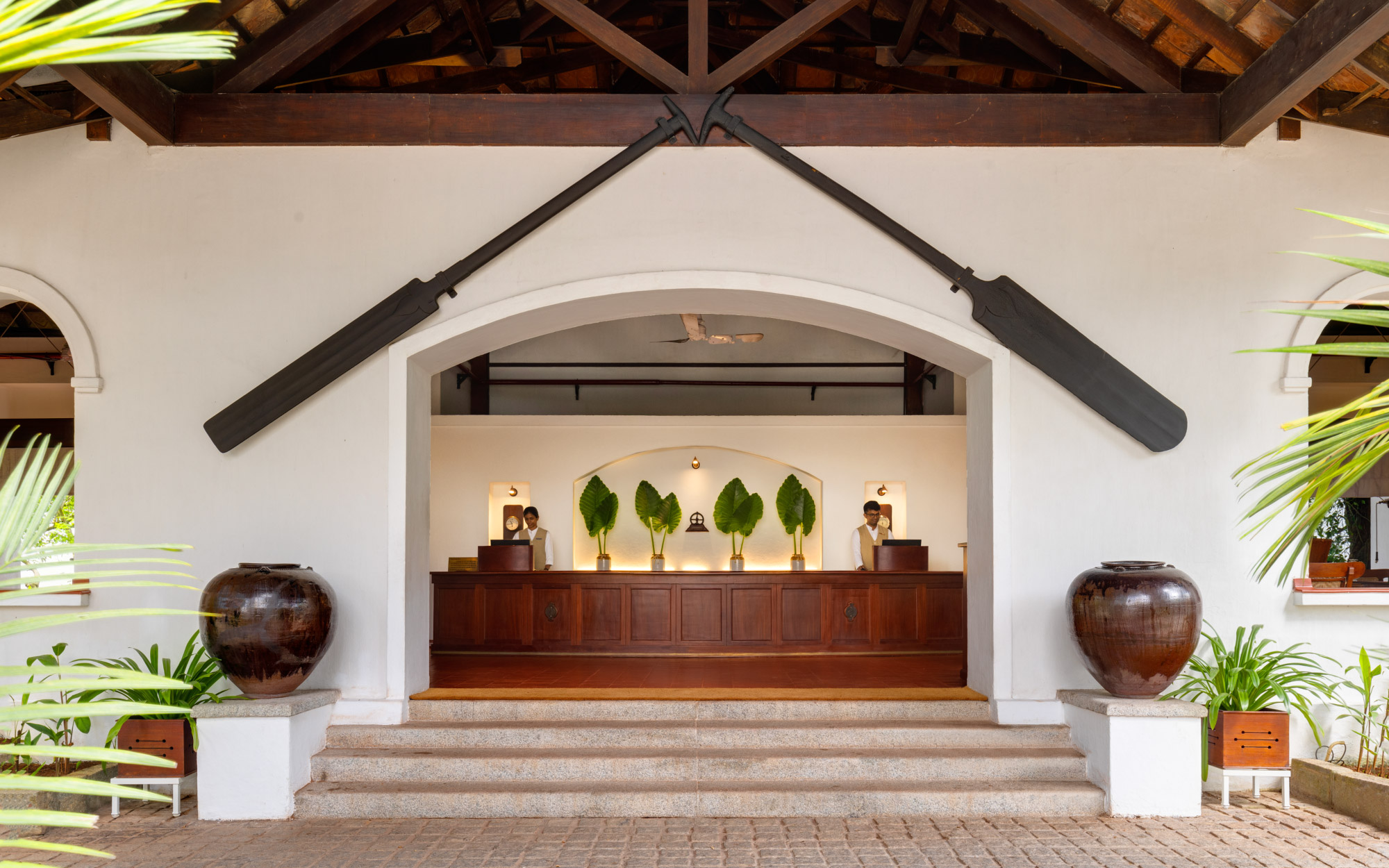
Brunton Boatyard began life in the 19th century as a working shipyard in Fort Kochi, established by George Brunton from Surrey, England. Brunton initially came to Kochi to assist his uncle in the iron trade, but soon expanded operations to build a fully equipped harbour workshop complete with lathes, steam power and hydraulic presses. In the early 1900s, the yard was among the pioneers in introducing motorboats to the region. Over time, however, demand for traditional boatbuilding declined, and the once-bustling yard was left abandoned.
Today, that historic industrial space has been transformed into a boutique heritage hotel that inspired the setting for Salman Rushdie’s novel ‘The Moor’s Last Sigh.’ The book, which spans events from the early 1900s onward, follows generations of a Portuguese merchant family in South India, drawing creative influence from the unique atmosphere and historical layers of the Brunton Boatyard and its surroundings.
Also read: This 11,000 Sq Ft Home In Kasaragod, Kerala Is Every Art Lover’s Dream
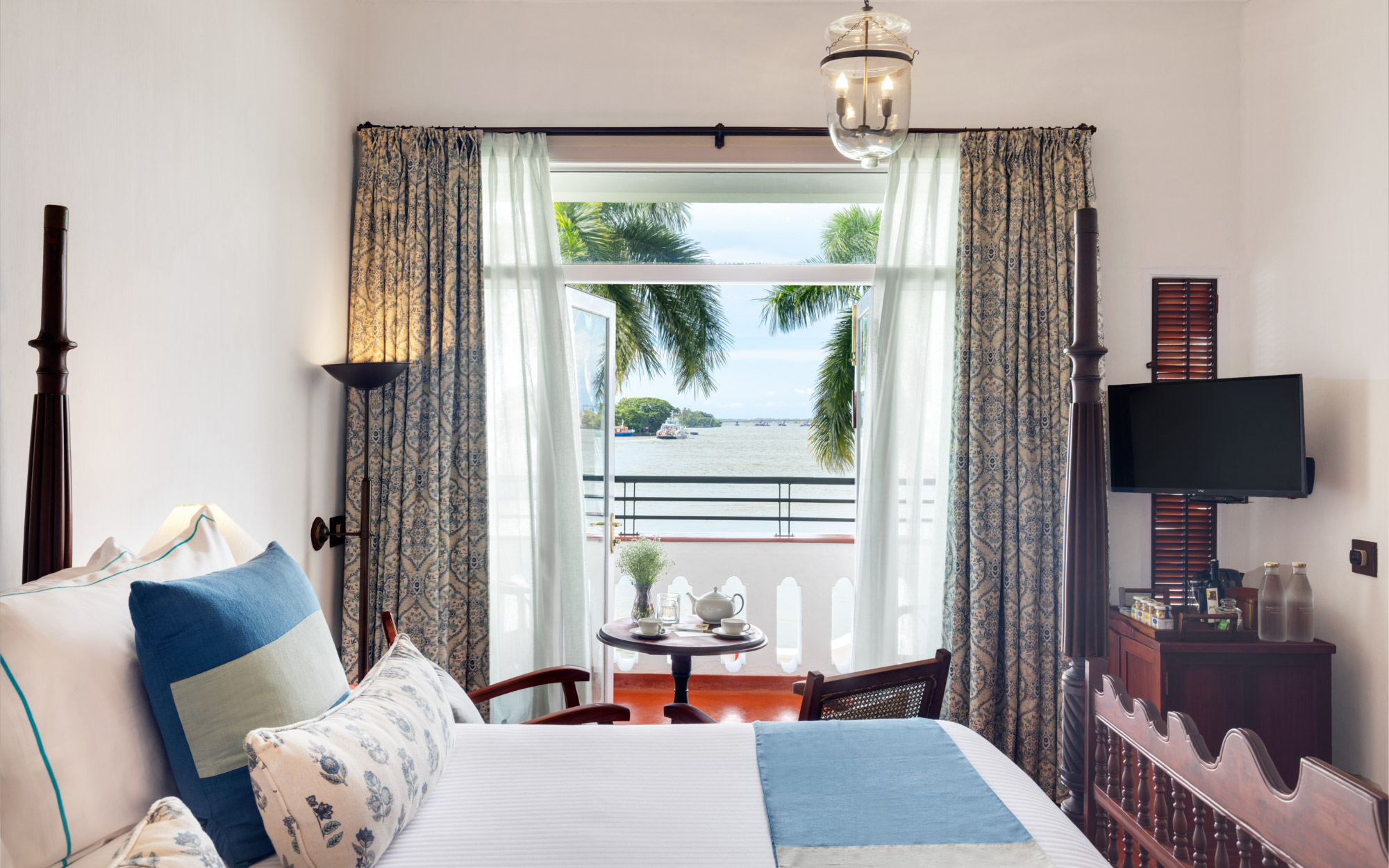
The hotel’s 22 rooms reflect its maritime past while offering modern comfort, with large windows and balconies framing sweeping views of the Arabian Sea and Kochi harbour. The restored architecture uses lime-plastered walls, terracotta floors and reclaimed teak wood to evoke the feel of the original boatyard and the region’s shifting histories.
Dining and leisure at Brunton Boatyard also draw on the region’s rich heritage. On-site restaurants, both outdoor and indoor, celebrate Kochi’s multicultural influences through menus that mix local Kerala dishes with flavours shaped by centuries of trade and cultural exchange. Meanwhile, amenities like the sea-facing pool, spa and heritage experiences encourage guests to unwind and connect with both the coastal setting and the layered stories of this port town.
Also read: A Closer Look At The 6th Kochi-Muziris Biennale 2025 Through The Eyes Of Its Curator, Nikhil Chopra
Explore Pepper House
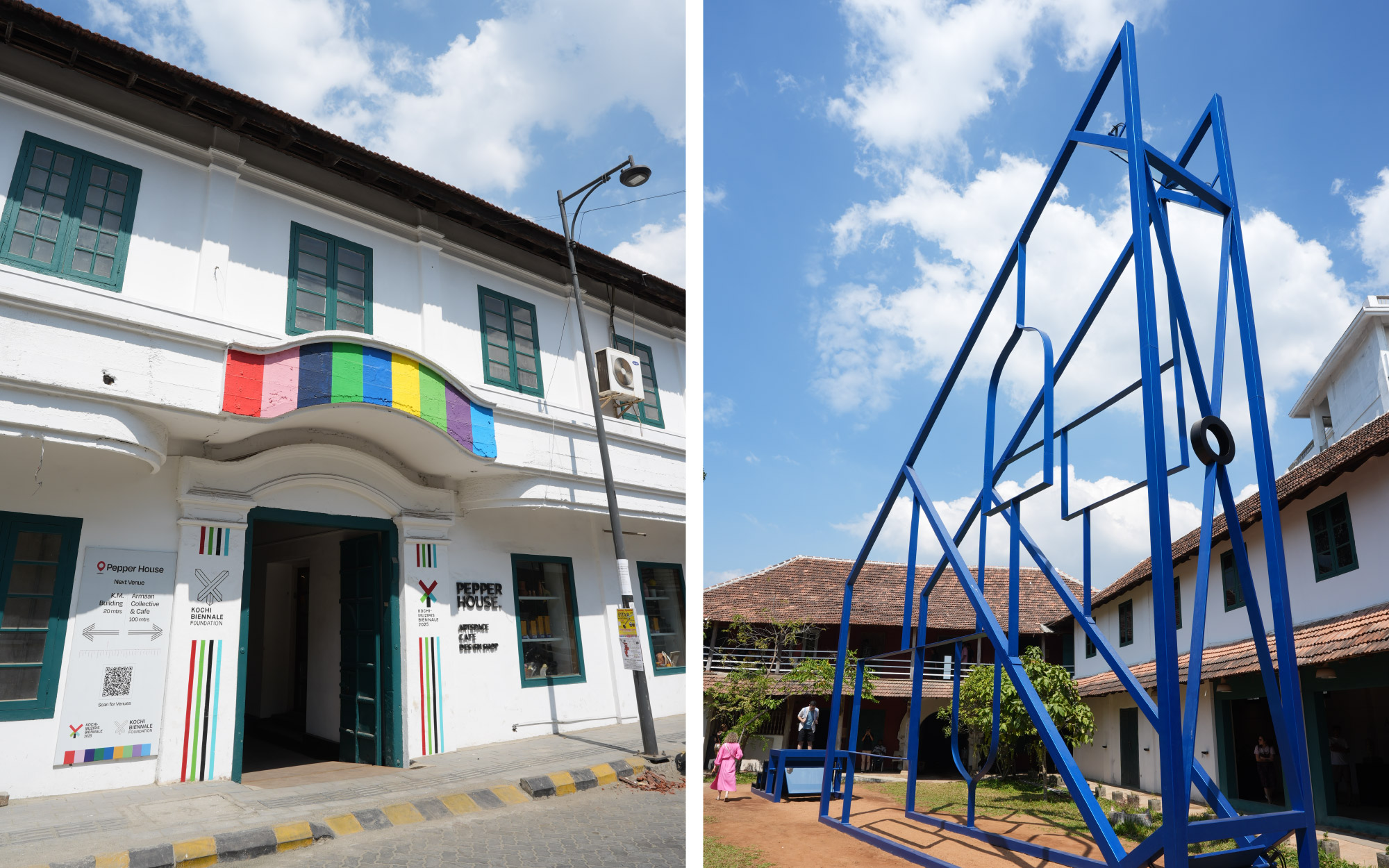
Conceptualised as an interdisciplinary space for art and culture, Pepper House opened in 2012 after extensive restorations were made to a 400-year old dockside spice warehouse. Initiated by Issac Alexander and his partner Tinky Mathew, the project was initiated to support the first edition of the Kochi Biennale that went on to put the city on the global cultural map. By the second edition, the space began to take a new shape with the addition of a cafe, a design shop and also the introduction of the Pepper House Art Residency program. Issac’s wife, Tinky Mathew explains that when they first opened, the idea was to showcase contemporary Indian design to the visitors of the Biennale. She reached out to and collaborated with makers and creators who aligned with the idea to custom-create pieces for Pepper House. The first edition saw the works of Architect Rooshad Shroff, Aneeth Arora and Sreejith Jeevan among others.
These incremental additions reflected a broader ambition for the space. In an interview, the couple shared that the inspiration for Pepper House came from institutions like Somerset House and Pioneer Works, which function as living cultural environments rather than static venues. A shapeshifting space, Alexander describes Pepper House as “rooted, interdisciplinary and evolving.” The space has previously hosted residencies, bar takeovers and even a space for open studios. Over the years, they have worked with over 150 independent brands and practices. For the duo, “curation here is guided by alignment rather than novelty.” It’s important that the brand aligns with the ethos of the space and the pace of Kochi. Mathews reveals how her favourite brands – within Kochi as well as pan India — are the ones with whom she continues to have a great relationship that has been built over time.
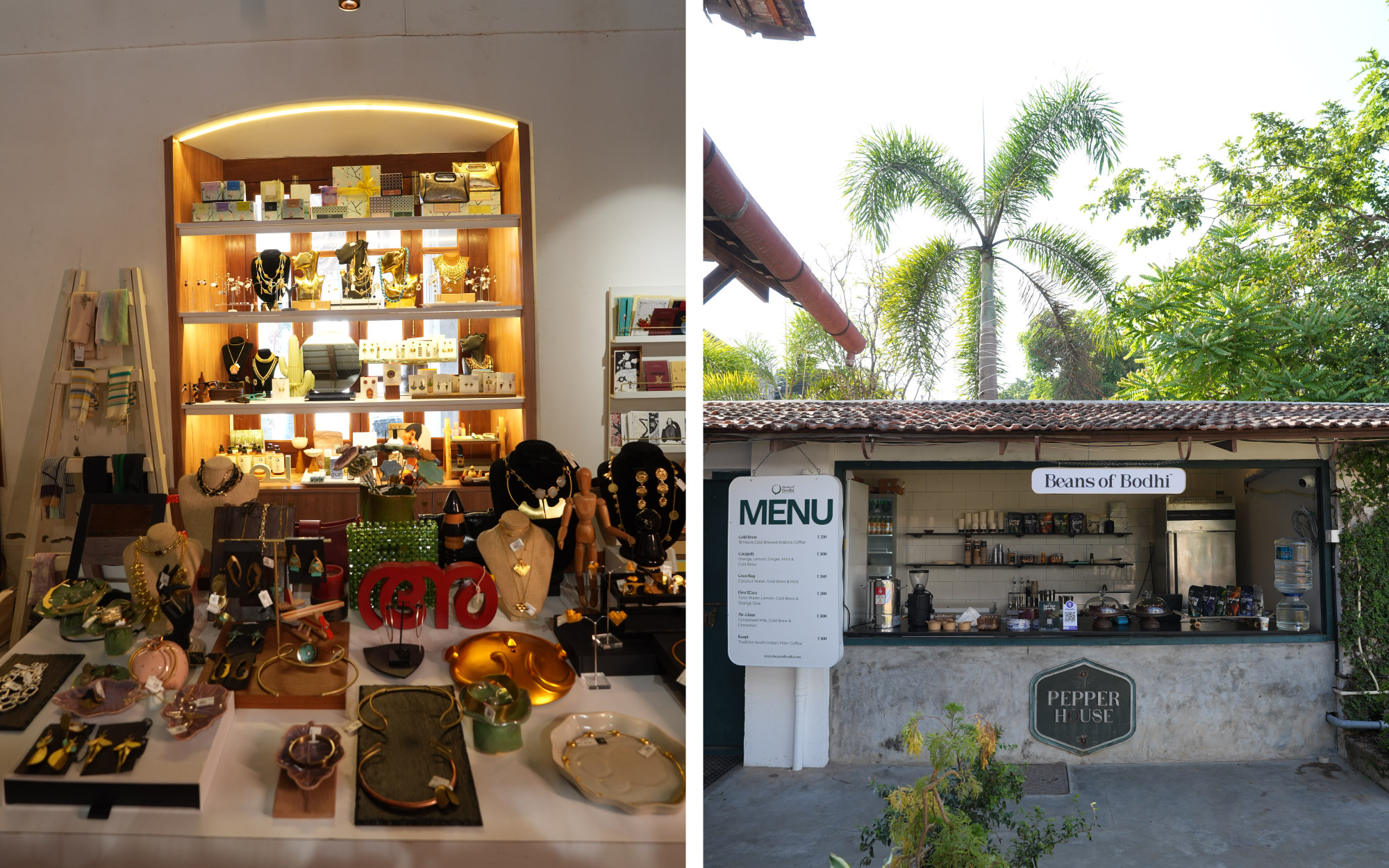
Since the first Biennale, Pepper House has evolved in both design and offerings. In addition to their store, which features apparel, footwear, jewellery, bags, accessories, home and lifestyle objects, and publications, their café now carries the chocolate brand Rakoudella. In the coming months, Pepper House will host a design exhibition exploring a century of furniture history, a chef residency culminating in an eight-course dinner titled ‘Tidelines’ that examines migration and identity through food, and a tree-to-bar chocolate workshop. Parallel to the Biennale, the space also features performances by artist Hiwa K. and a site-specific courtyard installation, ‘Yantra (32°N/Horizon)’, by Utsa Hazarika, crafted from metals and mirrors.
“For me, these projects capture what Pepper House is about: a place people return to,” shares Alexander, “not for isolated events, but to engage with ideas as they take shape over time.” While there is no singular item or program that defines Pepper House, it’s the experience of encountering a new brand, designer, artist, or creative when you enter the space that makes it unforgettable.