India Returns To The Venice Biennale After 7 Years – DP Talks To Curator Amin Jaffer
After a 7-year hiatus, India returns to the Venice Biennale. In conversation with curator Dr. Amin Jaffer, we unpack his concept, inspiration and more.
- 14 Apr '26
- 1:46 pm by Urvi Kothari

|
Getting your Trinity Audio player ready...
|
Every two years, the winding lanes and historic palazzos of Venice convert into a melting pot of art and culture. Since its founding in 1895, the Biennale di Venezia has evolved from a modest international exhibition into one of the most influential platforms for contemporary art, shaping global artistic conversations. The 61st International Art Exhibition unfolds under the theme ‘In Minor Keys’, conceived by the Cameroonian-Swiss art curator, late Koyo Kouoh. Expanding on Kouoh’s relational geography of artistic encounters, the exhibition foregrounds ideas of enchantment and generative practices that foster collective reflection.
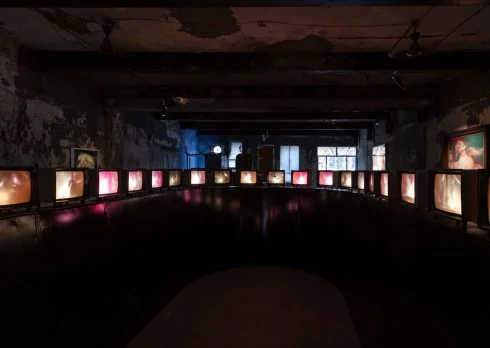
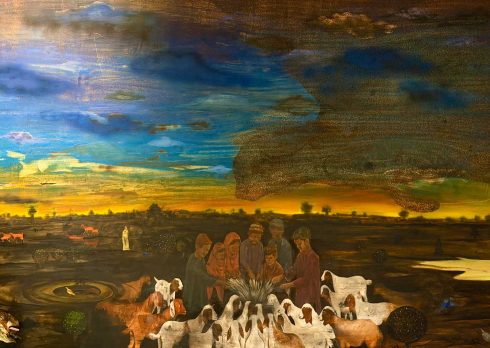
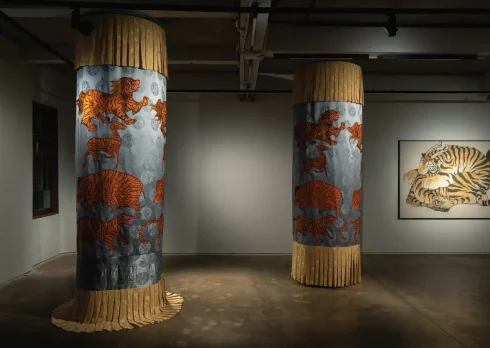
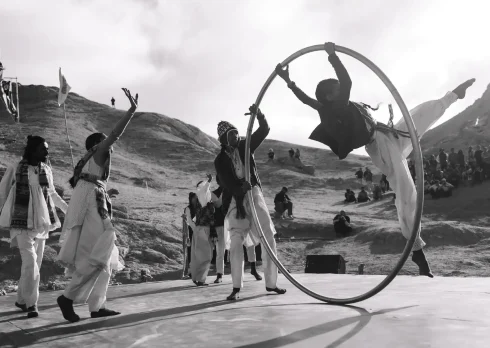
After a seven-year hiatus, India returns to the Biennale with a pavilion that invites quiet reflection on the fragile, shifting meanings of home. The India Pavilion presents ‘Geographies of Distance: remembering home’, curated by Amin Jaffer. The pavilion will be presented by the Ministry of Culture in partnership with the Nita Mukesh Ambani Cultural Centre and Serendipity Arts Foundation. “The pavilion explores home not as a fixed physical location, but as an emotional space carried within the self, a repository of culture, personal mythology and emotion”, shares curator Jaffer.
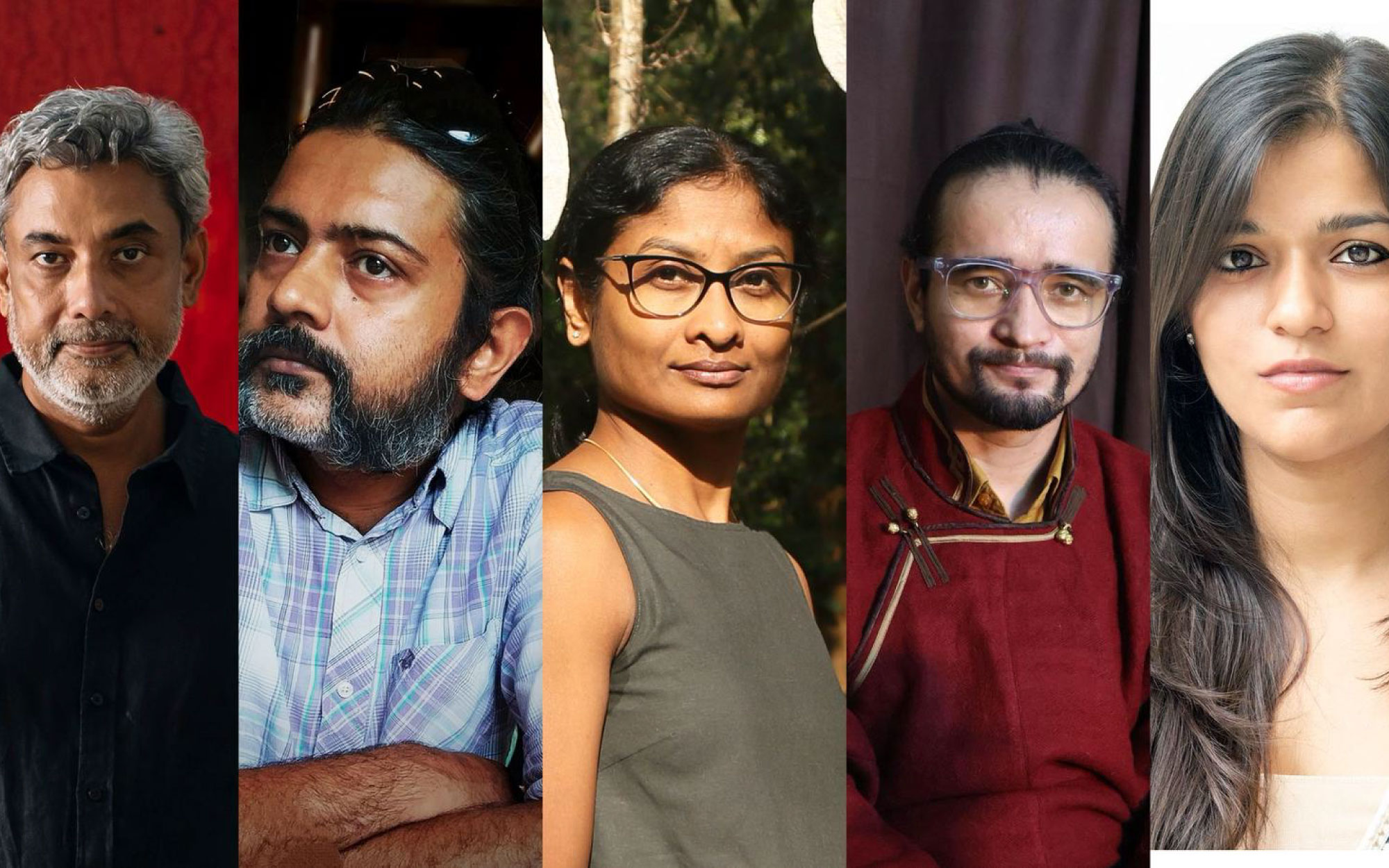
The exhibition brings together five artists working with organic materials rooted in Indian traditions. Alwar Balasubramaniam (Bala) from Tamil Nadu will present clay sculptures that create intimate dialogues with his surrounding landscapes while Delhi-based Sumakshi Singh will showcase ethereal thread installations reflecting on Indian architecture. From Karnataka, Ranjani Shettar will exhibit delicate floral forms crafted using indigenous techniques and architect Asim Waqif from Delhi will contribute site-specific installations made with bamboo. Completing the lineup, Ladakh-based Skarma Sonam Tashi will present works that explore ecology and cultural preservation.
Also Read: Brinda Miller Explains How The Kala Ghoda Festival Became A Cultural Phenomenon
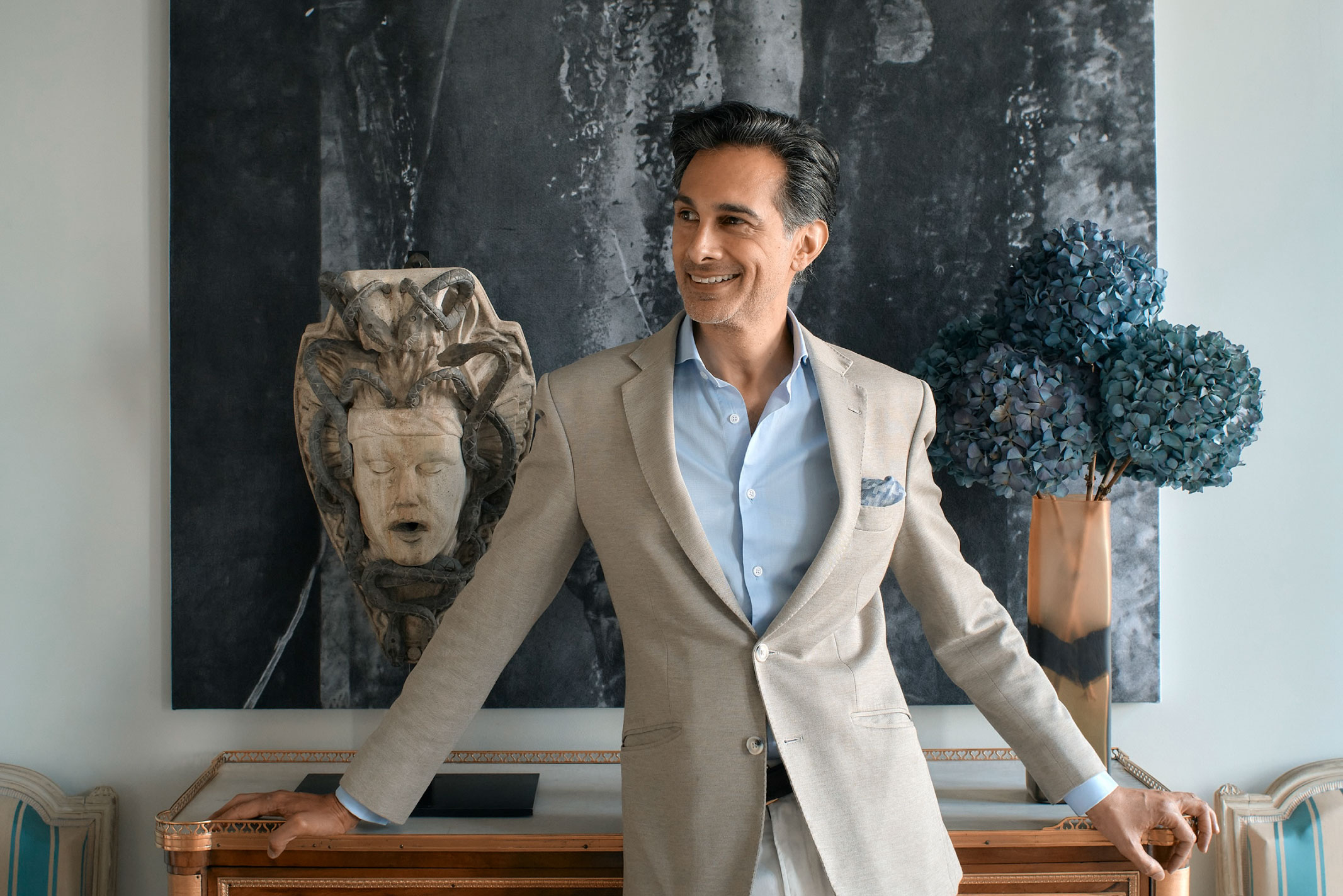
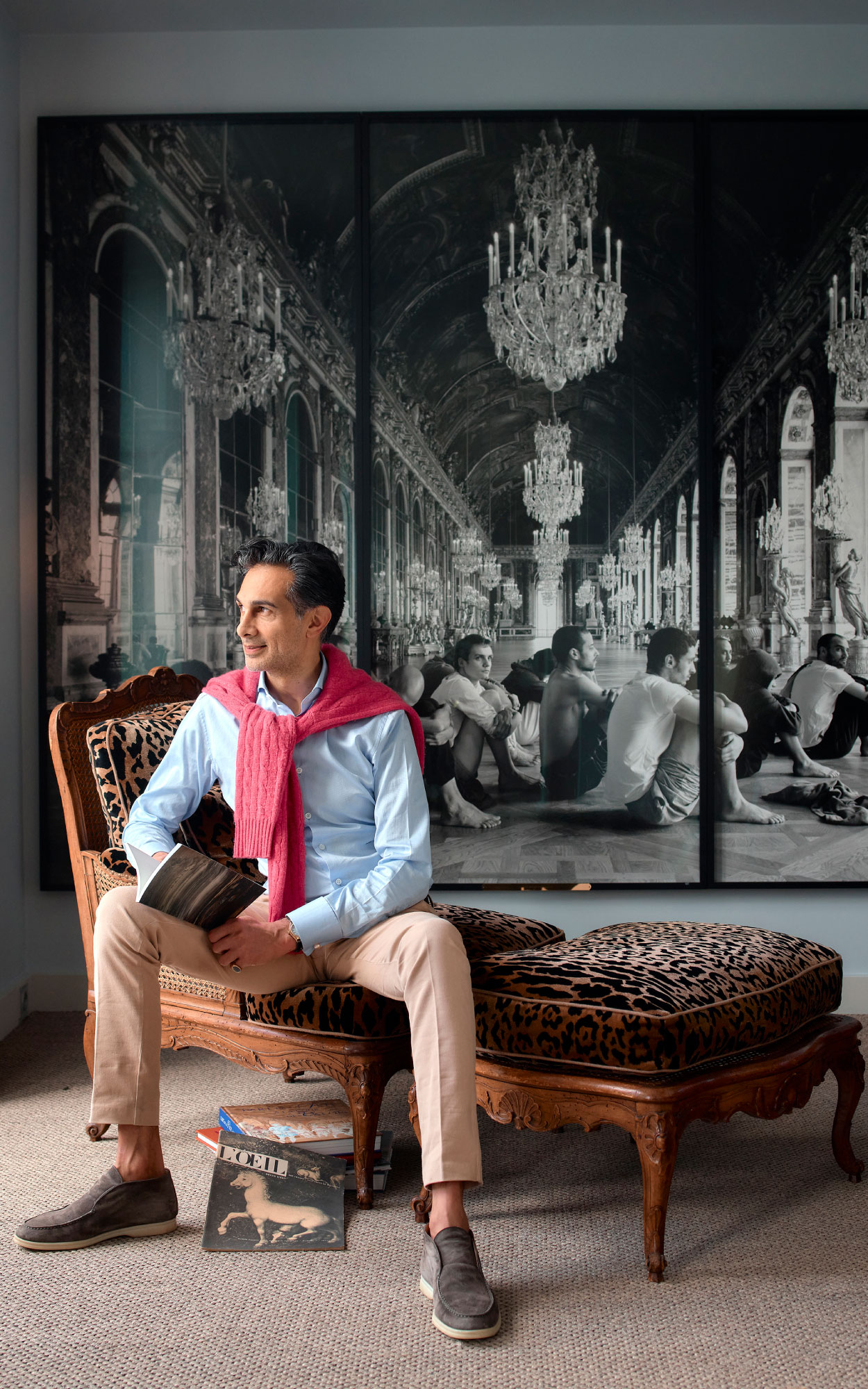
Director of The Al Thani Collection, Dr. Amin Jaffer’s curation will reflect the cultural depth of the nation at a key moment on the world stage. He has been the Artistic director of the Islamic Arts Biennale 2025 in Jeddah as well as the international director of Asian arts in Christie’s for a decade. In conversation with curator Jaffer, we unpack the rationale behind the concept ‘Geographies of Distance: remembering home’ and more.
Design Pataki: What was the starting point of this curatorial theme?
Dr. Amin Jaffer: The starting point is my own story, being Indian but born to a family that has been outside India for many generations. From a young age I was interested in how families such as ours maintained our Indian identity and culture so far away from home. Such thoughts took form academically in my early writings about furniture and domestic interiors in India. A fundamental question which I asked myself is whether home is a physical place or a portable emotional condition which is sustained through memory and ritual.
Design Pataki: What is your vision behind this curation?
Dr. Amin Jaffer: I wished to deliver an exhibition in which each artwork is given due attention and space, but which harmonise aesthetically and form a coherent narrative, that of remembering home. To ensure a curatorial link between the five projects, it is essential that the artists understand and endorse the conceptual and aesthetic vision behind the project. Naturally, this has involved extensive discussion and exchange, particularly at the start, when all of us were together on site discussing the use of the pavilion space. The complex architecture, which could be perceived as a constraint, proved to unify the artists.
Design Pataki: How do you interpret the biennale’s overarching theme, ‘In Minor Keys’?
Dr. Amin Jaffer: The title of the Biennale refers to the notes on the piano keyboard, which are elegiac and tender. The theme proposes a curation which is sensitive and introspective, profound yet understated. Since my early academic career, I have been interested in notions of home, domestic comfort and identity, driven by my own circumstances as an Indian born to a family outside the country for many generations. In developing a concept for the pavilion that reflected the Biennale’s overall theme, I returned to the question of home. The experience of India’s rapid urban transformation—through sustained demographic and economic growth accompanied by a technological boom—made me reflect on the yearning for home as it used to be. I have been revisiting towns and cities in India whose redevelopment has entirely renewed them, rendering them difficult to recognise.
Design Pataki: What guided your selection of these artists hailing from diverse practices?
Dr. Amin Jaffer: The aim was to bring together different artists working on a common theme, that of our relationship with home. In making a selection, it was important to represent the rich and diverse regions and visual traditions that characterise India, but also to bring together a variety of materials drawn from Indian civilisation.
Also Read: Vikas Dilawari On What It Really Takes To Save Mumbai’s Architectural Memory
Design Pataki: Looking at the pavilion, how do you see the five artists’ work converse with each other?
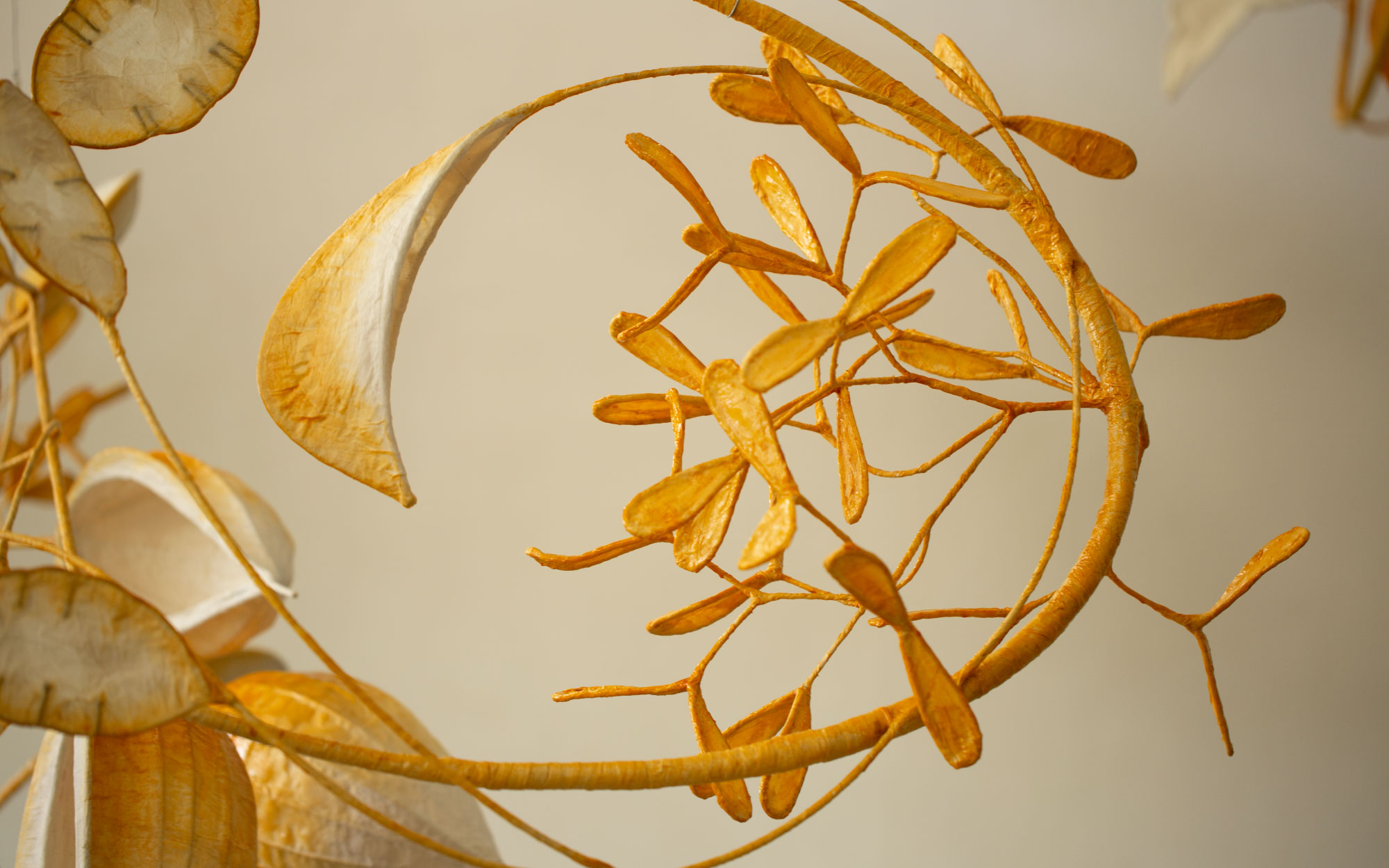
Dr. Amin Jaffer: The diverse elements explored—bamboo, thread, soil, papier-maché—all come together as elements that constitute the concept of home and belonging through both sustainable and emotional chords. Sumakshi Singh’s project to reconstruct in thread and embroidery her demolished family house in Delhi embodies both emotionally and culturally the importance of India as a textile– producing economy. The work is contemporary while being deeply grounded in Indian tradition. As if on cue, Bala’s work on earth complements Sumakshi’s thread house with an evocation of the soil beneath our feet. Then, Ranjani Shettar’s florally-inspired suspensions contribute an important element, which is that nature, where all beings start their journey on earth, also serves as a memory of home. Tashi’s work takes the concept of home to the level of community. It raises awareness about how traditional domestic architecture in Ladakh is being displaced by modern building practice, but still serves as a sustainable alternative. Finally, Asim Waqif’s sculpture in bamboo,which represents the scaffolding we see all over Indian cities, presents a powerful counterpoint, embodying renewal and change. The projects made for the pavilion are site-specific but are naturally grounded in the wider practice of the chosen artists.
Design Pataki: What role do national pavilions play today in shaping cultural narratives in a globalised art world?
Dr. Amin Jaffer: With an expected audience of more than 600,000 visitors, national pavilions at the Biennale di Venezia serve as a platform for addressing issues relevant in the contemporary state of a nation, from social structures and environment to political injustices. The projects themselves reflect the distinctive creative vision of participating countries, employing art to communicate across cultures.
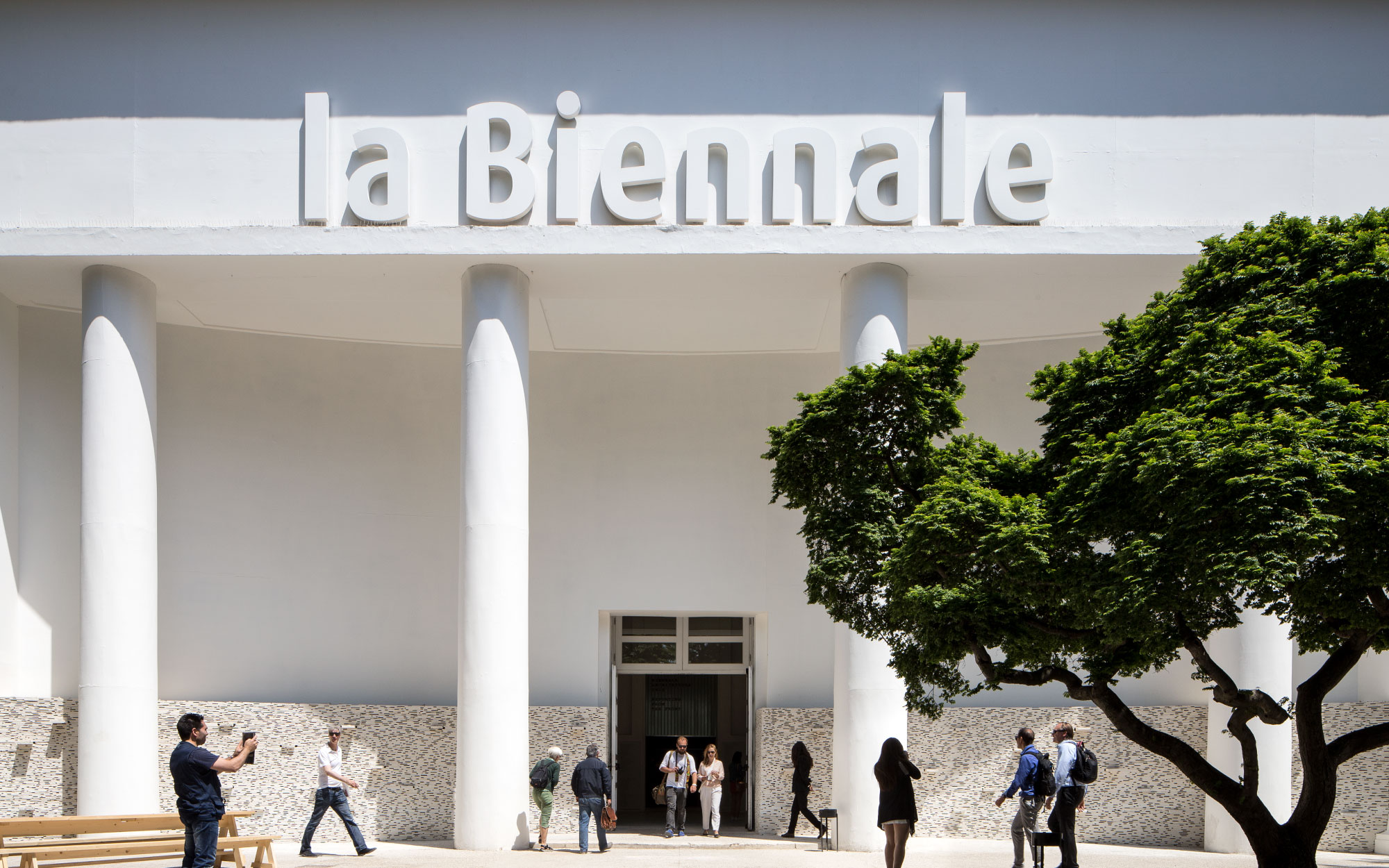
Dr. Amin Jaffer: The weeks before the opening are characterised by anticipation and reflection. All of us involved in the project are looking forward to seeing the artworks installed within the Isolotto and witnessing how the public responds. The Biennale opening is a moment of national pride and a reflection of the combined efforts of all involved with the project.
The India Pavilion will preview on May 6 at the Arsenale and will be on display until November 22, 2026.