Unfamiliar By Design: Inderjeet Sandhu On Rethinking Taste At Milan Design Week 2026
At a time when creatives are often pushed to define themselves within rigid categories, Inderjeet Sandhu resists tags. Neither strictly designer nor artist, his practice exists in between.
- 29 Apr '26
- 12:14 pm by Manisha AR

|
Getting your Trinity Audio player ready...
|
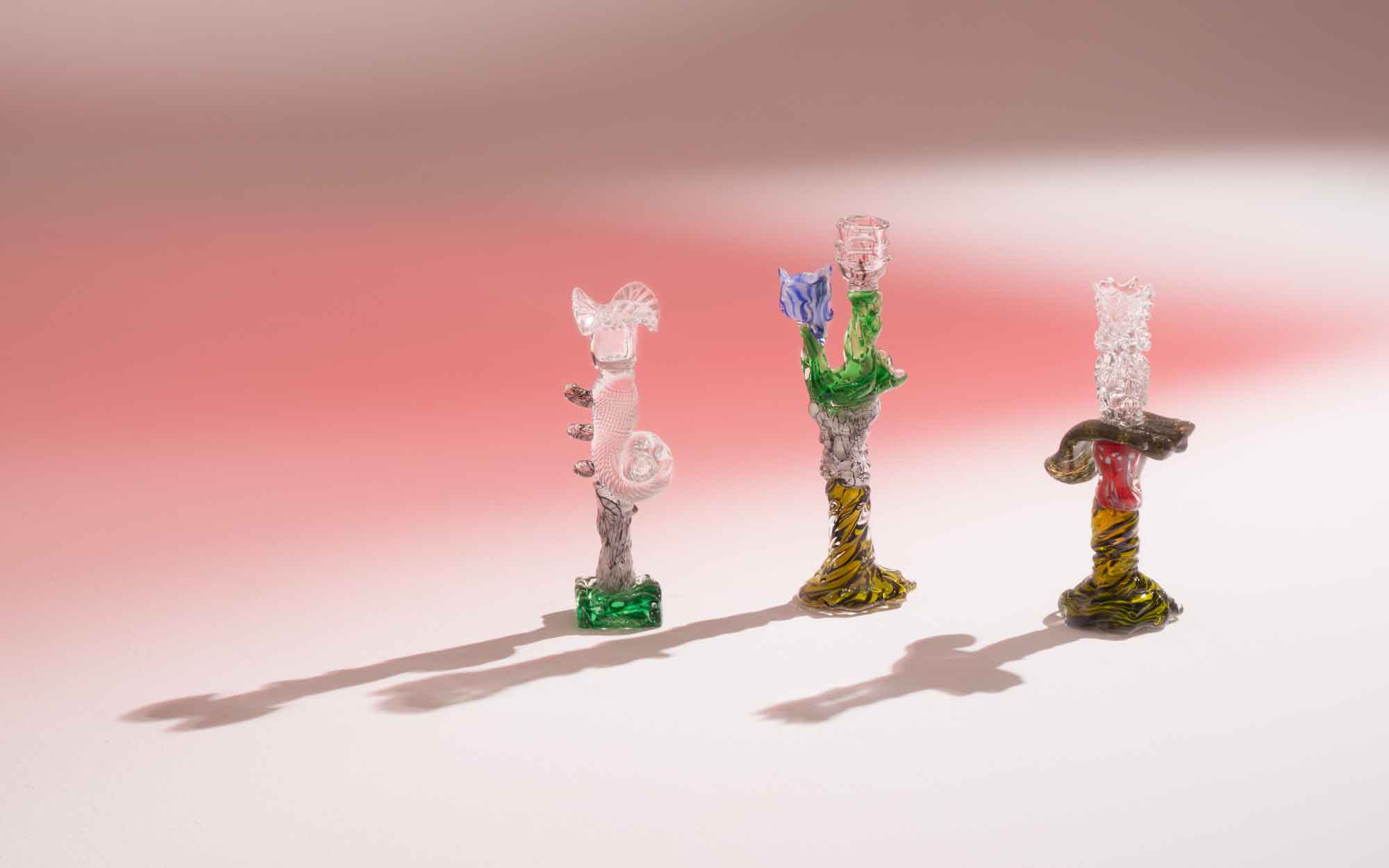
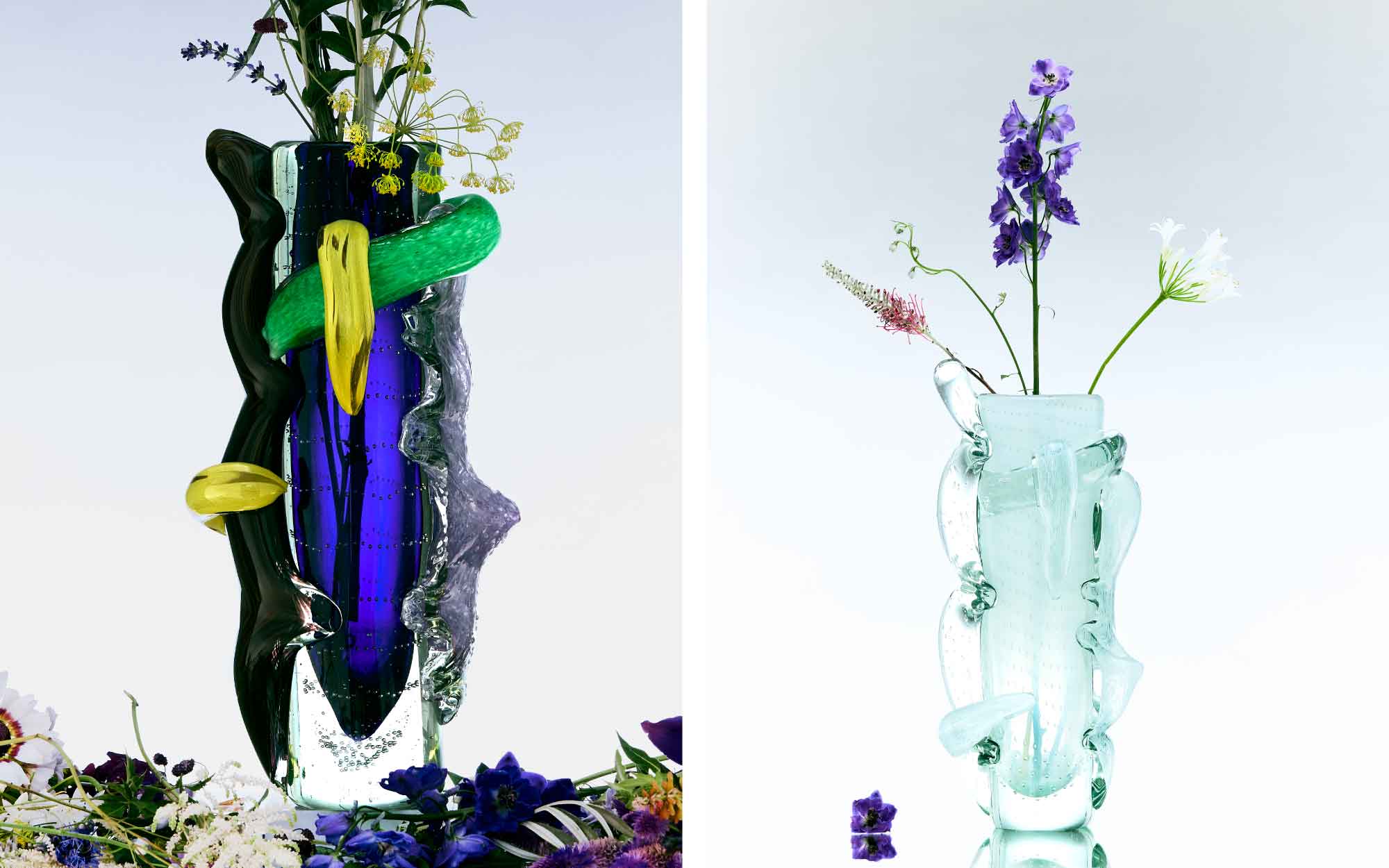
For Amsterdam-based multidisciplinary artist, glass is his current obsession. As part of Milan Design Week, two of his series were on view in “The Romance of Fragility/Glass” at Delvis (Un) Limited, Milan. Curated by Valentina Ciuffi, the exhibition brings together international designers to explore glass as a medium pushed to its limits. In his works ‘Merge,’ and ‘Fractured State,’ glass serves as a metaphor for the human condition. Part of the exhibition’s larger narrative exploring the material’s shift from function to storytelling, Sandhu’s multi-toned candlesticks appear almost tactile, their forms suggesting transfigured, animal-like figures in motion.
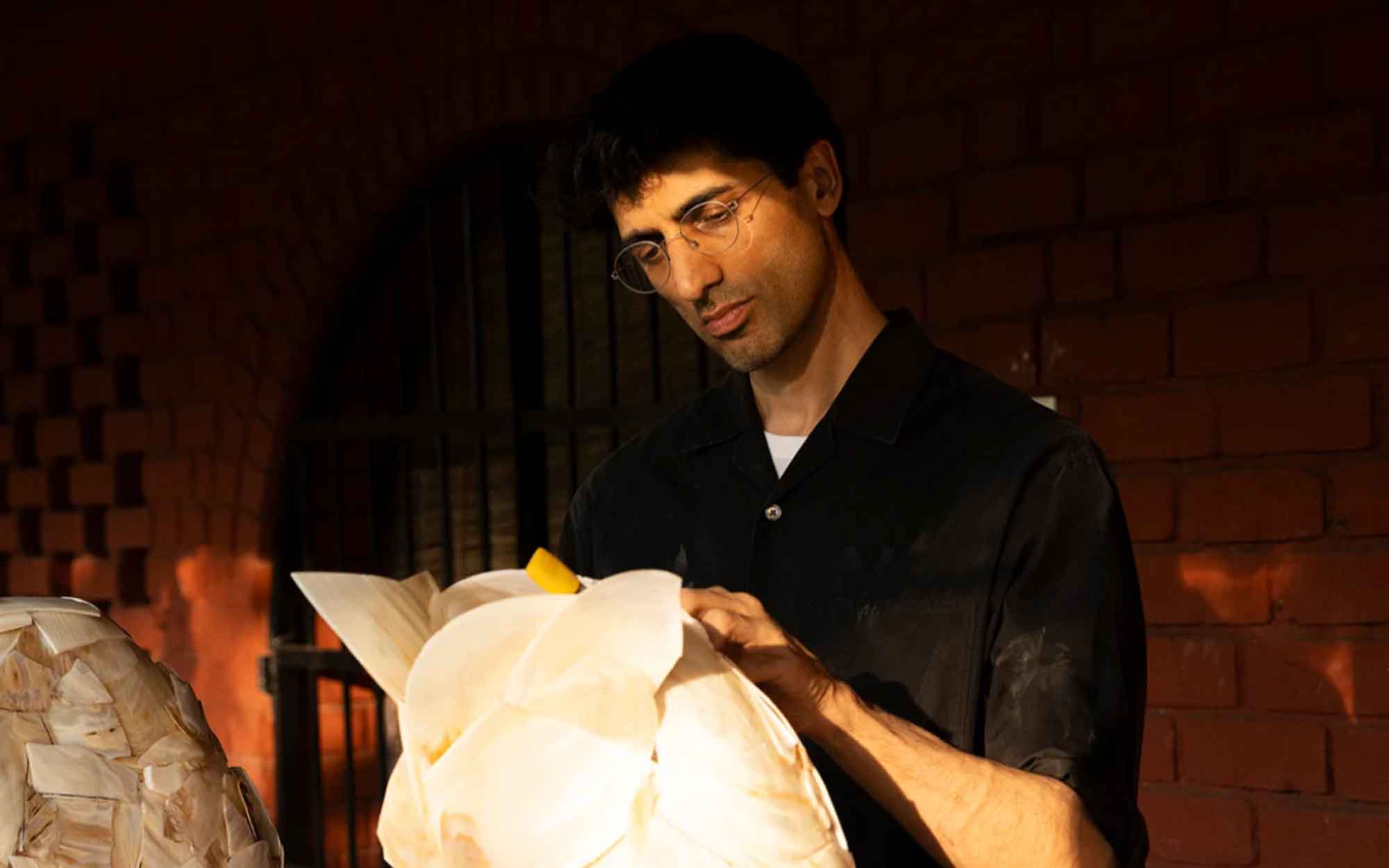
“I started working with glass seriously last year. It always felt like a form of alchemy, which made it intimidating because of the fire involved,” he shares with Design Pataki. Speaking shortly after returning home to Amsterdam, he reflects on a practice that moves fluidly between material experimentation and conceptual inquiry. A graduate of the Royal College of Art, his work is deeply informed by his bicultural Dutch-Indian background. He creates domestic objects that blur the line between the functional and the symbolic, often layered with sharp wordplay that gently nudge viewers to go beyond what meets the eye.
Also read: Here’s Your Design Vibe According To Your Horoscope In The Fire Horse Year 2026
Were there any shows you loved from Milan Design Week?
I love exhibition formats that feel like lived-in spaces, where visitors experience objects in a more intimate, domestic context. I enjoyed ‘An American Private Room,’ Yves Salomon Editions in collaboration with Michael Bargo at Casa Mascagni and Interno Italiano, by Osvaldo Borsani. This one isn’t specific to the Design Week, but Villa Necci is a great spot if you want to get away from all the design talk.
Design Pataki: Walk us through your current work at ‘The Romance of Fragility’ at Delvis (Un)Limited. What was the starting point for this body of work?
Inderjeet Sandhu: I recently started reading ‘Frankenstein’ by Mary Shelley. I can’t believe I waited so long to get to it. What struck me was how something assembled from familiar parts can feel unfamiliar, even monstrous. That shift, from recognition to rejection, mirrors both the immigrant experience and current politics, where difference is often perceived as a threat until it becomes familiar.
They (objects in the show) include familiar references, like a French candlestick, but are composed of disparate colours and visible joins. The patchwork is not a flaw, it defines the condition of the object. These objects represent bodies moving through systems, carrying different histories, trying to assimilate into environments that may not fully accept them. They appear as small beings, prompting questions: Are they grotesque or appealing? Do you accept or reject them? This reflects how design often deals with ideas of taste and judgment.
Design Pataki: You move between art, design, and craft; how do you define your practice today? In what ways has your Dutch-Indian background shaped this approach?
Inderjeet Sandhu: I describe my practice as existing between disciplines. My position is influenced by being of Indian origin and growing up in the Netherlands. I often work around the theme of the home. When my parents moved, they brought Indian objects with them. Over time, Dutch objects entered our home, creating a mix. Cultural identity for me became fluid, shaped by both interior and exterior influences. I became aware of how cultures merge, clash, and transform.
Some see my work as design, others as art. I approach it almost anthropologically, rooted in personal experience. I work with objects that are both functional and dysfunctional, exploring private and domestic spaces.
“I move between contexts without choosing a fixed label.”
Also read: Honey, I Shrunk the City: 3 Designers Scale Down Indian Cities Into Statement Objects
What is your favourite museum or design store in the world?
Musuem would be the Guggenheim in New York and the store Bless Service in Berlin.
Is there a designer, artist, or creative who should be on everyone’s radar?
John Baldessari for his conceptual and critical approach to art.
Design Pataki: Do you begin with a concept and then search for materials, or does material intelligence guide your thinking from the start?
Inderjeet Sandhu: My process can begin with either concept or object. Recently, I have been thinking about chairs. I consider what a chair represents, its function, its relationship to power, and its role in structuring the body. Chairs dictate posture and exist across different environments, each carrying different meanings and hierarchies. I analyse elements of the home and connect them to political themes, always relating them back to personal experience. I tend to follow themes that resonate with me.
Design Pataki: Several of your works carry provocative or loaded titles, what role does naming play in your practice?
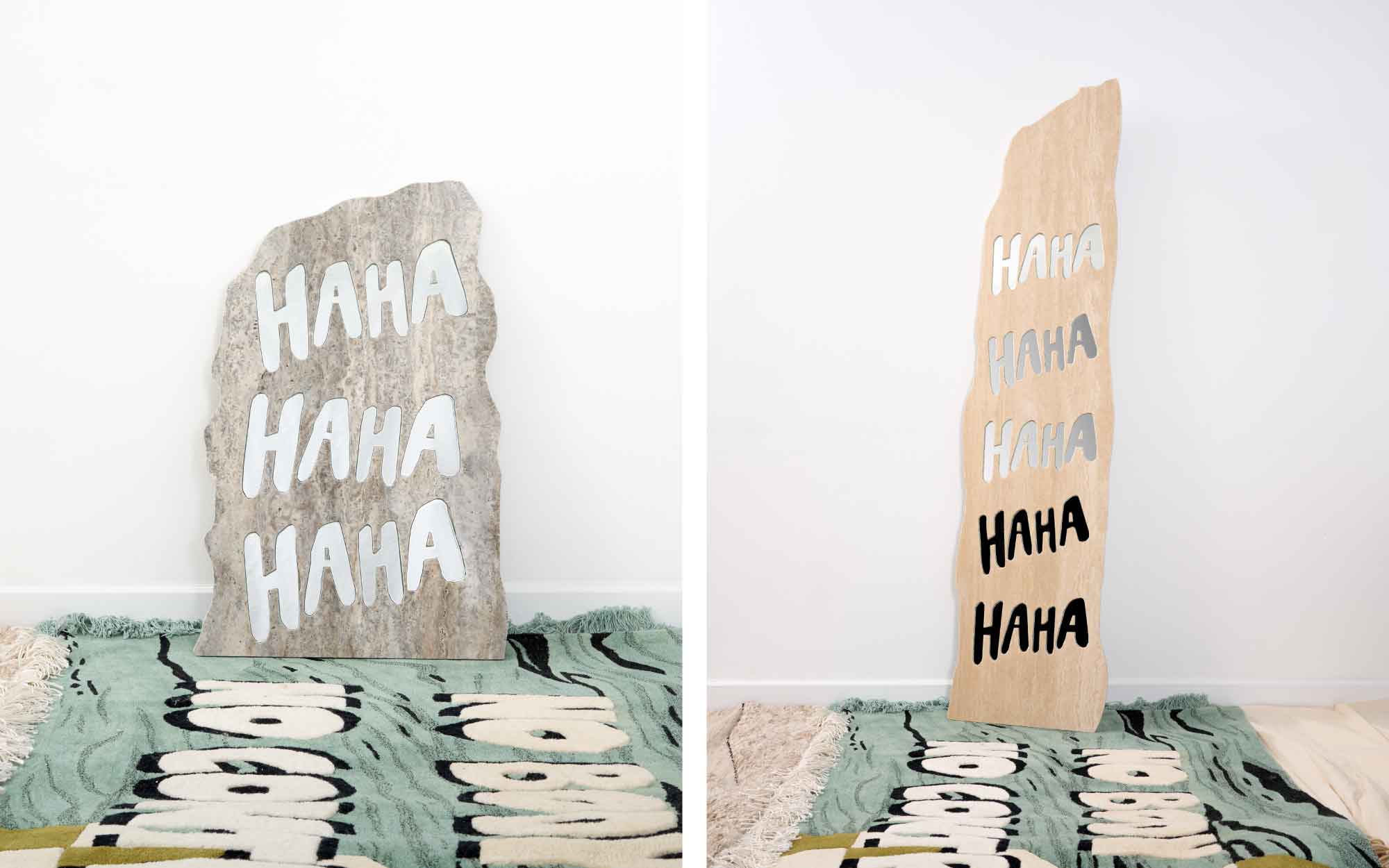
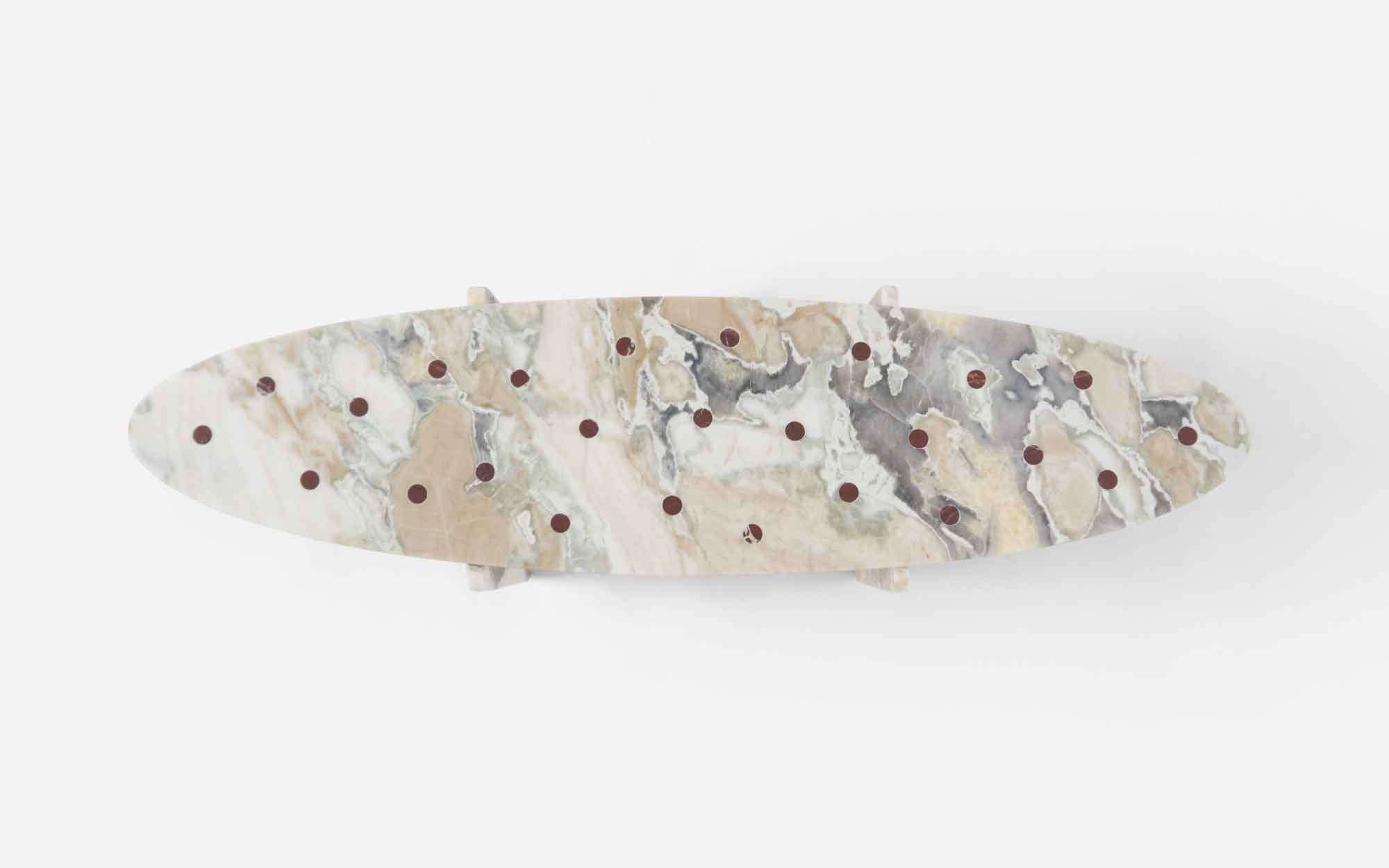
Inderjeet Sandhu: Titles in my work are direct. For example, ‘HAHA’ appears visually as mirrors inlaid in marble. It references digital language and everyday communication. It reflects distorted realities, especially in politics, where situations feel absurd or unreal.
Words like “racist” or “pervert” are intentionally provocative. For example, placing the word “racist” into a soft, luxurious carpet changes its impact. It creates tension between comfort and discomfort, forcing reflection. It raises questions: Are you complicit? What does it mean to live with such a word in an intimate space?
Design Pataki: It isn’t very common for design to engage with these conversations.
Inderjeet Sandhu: Design often avoids these conversations, but I see it as a space to engage with them. Objects attract through beauty and materiality, making them powerful tools for storytelling. I treat objects as building blocks for larger narratives about domestic life and its connection to political systems. Even simple items, like bananas, carry geopolitical histories involving labour, monoculture, and inequality.
Design allows these ideas to exist subtly. Some people engage only with the aesthetics, which is valid. Others recognise deeper meanings. This creates a layered experience. Humour and irony are central to my work. So while it may appear purely aesthetic, each work carries an underlying meaning. Objects should carry meaning and be treated with awareness. They can reflect broader social and political contexts. This awareness can extend to how we treat people and the world around us.
Also read: The Stories Behind Objects: Tej Chauhan’s Approach To Human-Centric Design
Silence or music in the studio?
Neither, I usually have a film or series running. I like the sound of people talking.
Function or friction in Design?
Function and friction are interconnected in my work. Objects can be usable while also creating tension or provoking thought.
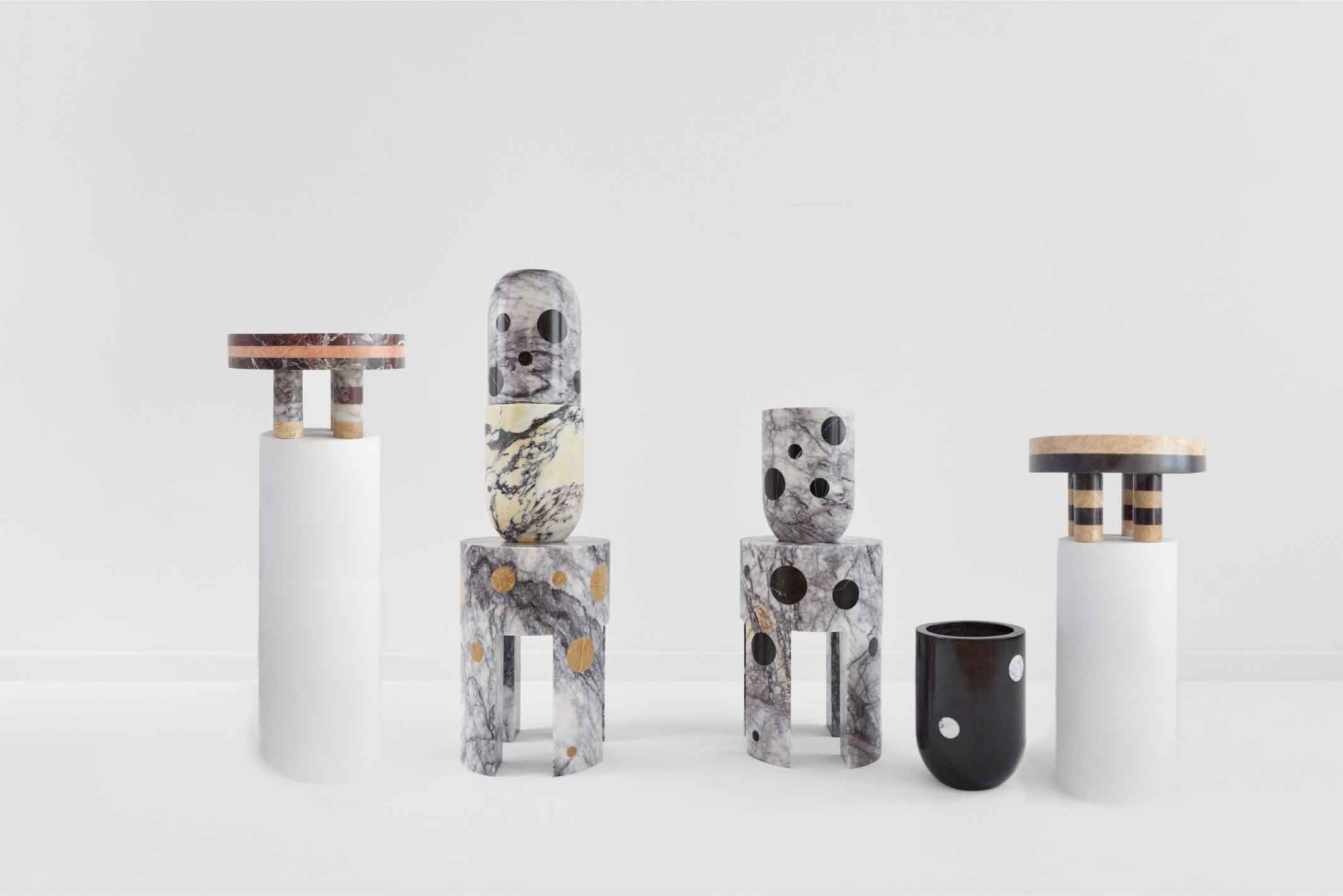
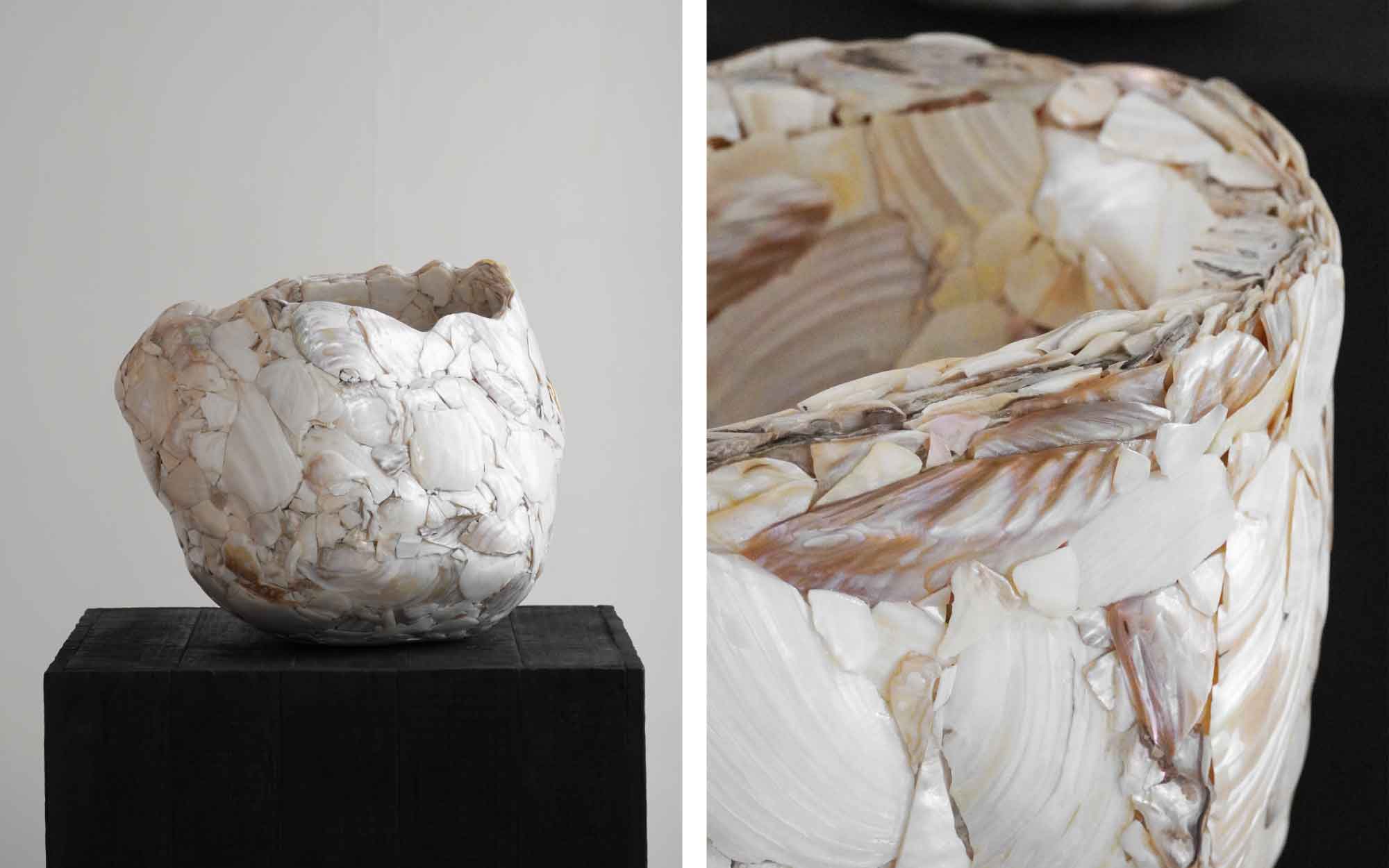 Close-up of monumental vases for Tidal Waves at Aequo, 2025. In collaboration with shell artisans at Santhoshi Handicrafts, Sandhu conceived a series of structurally sculpted Mother of Pearl fragments into stunning objects. (Image Credits: Aequo)
Design Pataki: Your 2025 collaboration with Santhoshi Handicrafts, supported by Aequo, reimagined Mother of Pearl in unexpected ways. How did that partnership take shape, and how do you engage with craft traditions without reducing them to a fixed aesthetic?
Inderjeet Sandhu: The collaboration began through Aequo, starting with conversations around how to approach Mother of Pearl. I was interested in the material but wanted to move away from its association with small, mosaic objects. At the same time, I was drawn to its deep history in India, especially in temple work and coastal regions.
I proposed scaling it up and working beyond the mosaic format. When we began working with Santhoshi Handicrafts, it became a shared, hands-on process. We build very differently, so it was a meeting of methods —they adapted to larger forms, while I learned from their technical knowledge.
The work embraced fragmentation and imperfection, which challenged their usual approach. It also led to reusing smaller pieces that would have been discarded, reducing waste. The final pieces, 12 layered sculptural bases, which left viewers unsure of the material. That sense of familiarity and surprise was important to me.
Design Pataki: What is something you believed early in your career that you now strongly disagree with?
Inderjeet Sandhu: Early in my career, I thought I needed to conform to certain aesthetics to be accepted. I no longer believe that. While it is important to understand the context of design, conforming tends to limit expression. I avoid making compromises in my work.
There is often an expectation that design must be understood clearly. I question whether that is necessary.
“Identity and practice can be layered and fluid without needing categorisation.”
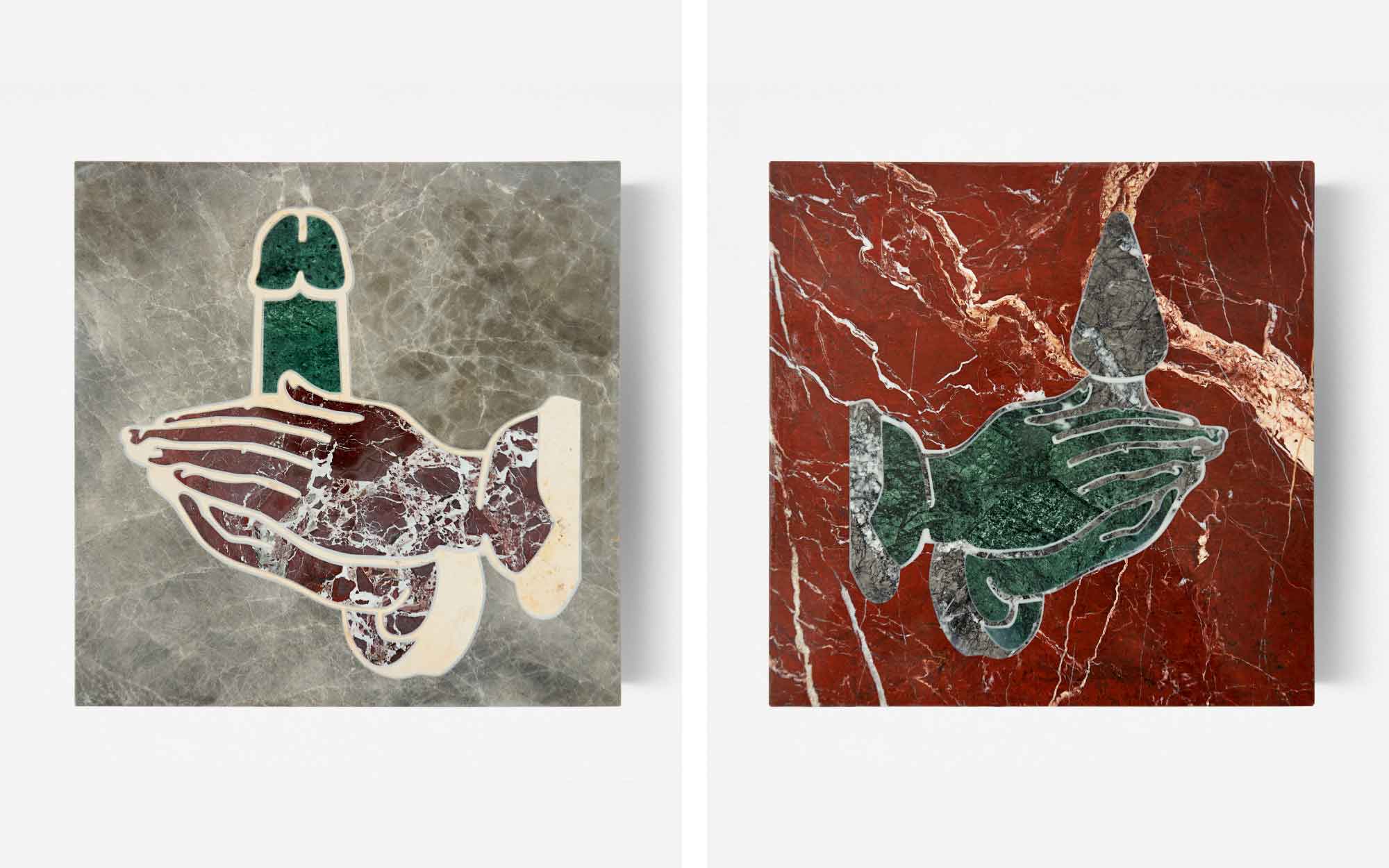
Design Pataki: Where do you see your work going next? Any projects you are currently working on?
Inderjeet Sandhu: Even though I move between design and art contexts, sometimes my work is shown in design settings, other times in museums, my practice follows consistent themes. I have an upcoming solo exhibition at a museum in the Netherlands. I am also working with glass and continuing my collaborations with Santhoshi Handicrafts. There may be a show of my works in October in India. I am also exploring ideas for chairs and other projects. I tend to have a lot of things in the fire at once.
Also read: ‘God Lies In The Details’: Studio Kilab’s Pursuit Of Meaningful Design In Kashmir
If you redesign a daily object, which one would it be?
Do I have to pick just one? Door handle, wall socket, plugs. While these have been done, I still want to take a stab at the extension cord and the vacuum cleaners.
A trend you wish would just disappear for good?
Aesthetic homogenisation needs to stop. I am critical of how this often becomes “good taste” leading to uniform interiors. I value individuality and lived-in spaces over minimal, impersonal environments.