Vikas Dilawari On What It Really Takes To Save Mumbai’s Architectural Memory
Conservation architect Vikas Dilawari on how conservation with minimal intervention and edifices in touch with context can preserve the cultural memory of that structure and in turn, of the city.
- 24 Mar '26
- 6:09 pm by Simran Almeida

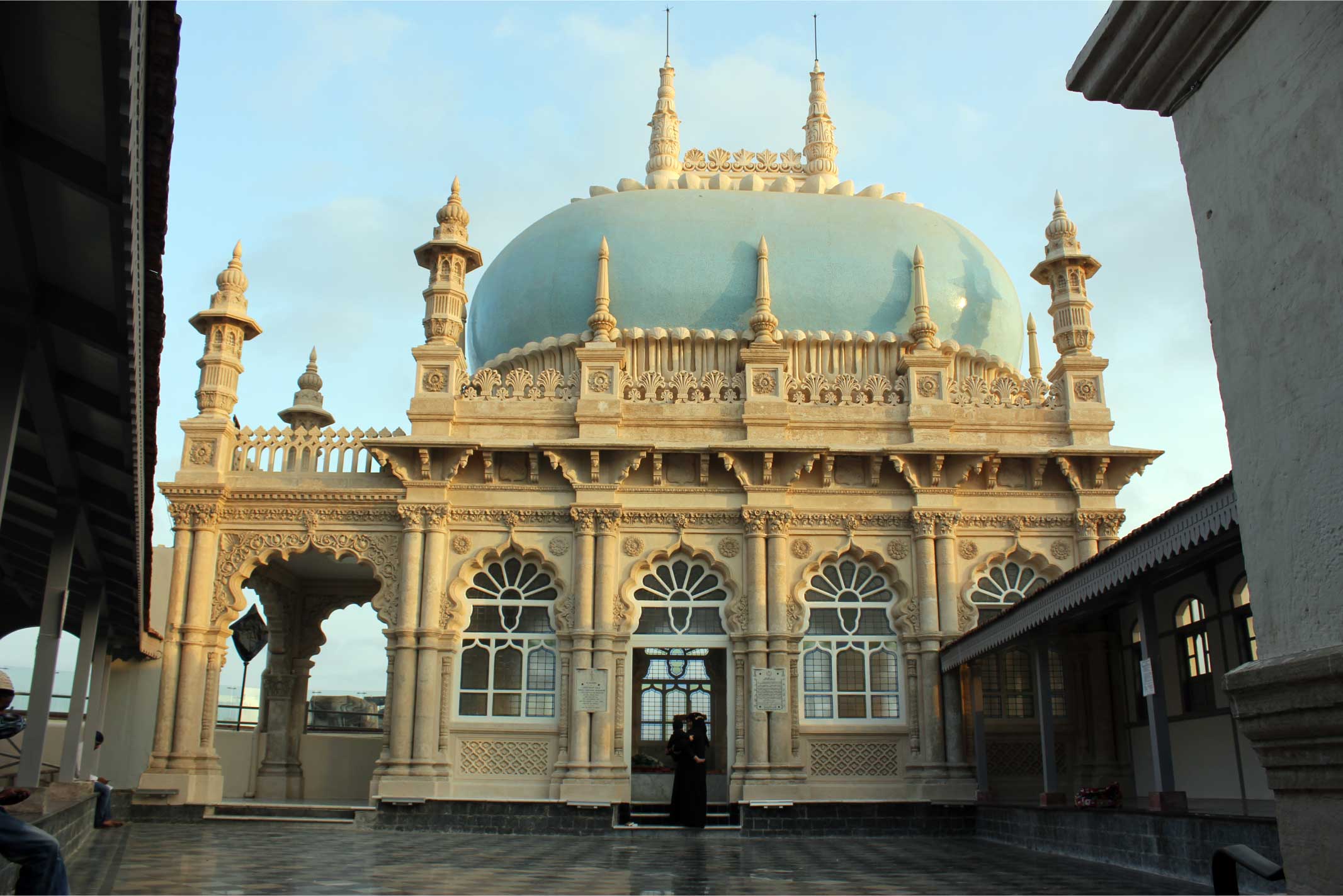
There is a distinct difference between conservation and restoration. While restoration imposes a renewed architectural authorship on a decaying structure, conservation, by contrast, adopts a custodial ethos, repairing solely those elements imperilled by time. A city’s character is assembled from fragments both conserved and restored. Mumbai, with all its developed parts, still deposits its soul in an ensemble of Victorian Neo-Gothic, Indo-Saracenic and Art Deco edifices. Standing on the precipice of multifarious architectural influences, conservation Architect Vikas Dilawari stands as a custodian and author of Mumbai’s fragile inheritances, inscribing and preserving its palimpsest of zeitgeists.
With the city’s current fixation on mindless development, razing anything that disrupts the glittering illusion of ‘Mumbai 3.0,’ history is too often treated as collateral rather than legacy. However, in this milieu, the civic body is occasionally jolted awake to resuscitate some fragments, either burnt or embellished by grime. Enter Vikas Dilawari, the architect who has left a trail of landmark conservation projects across Mumbai.
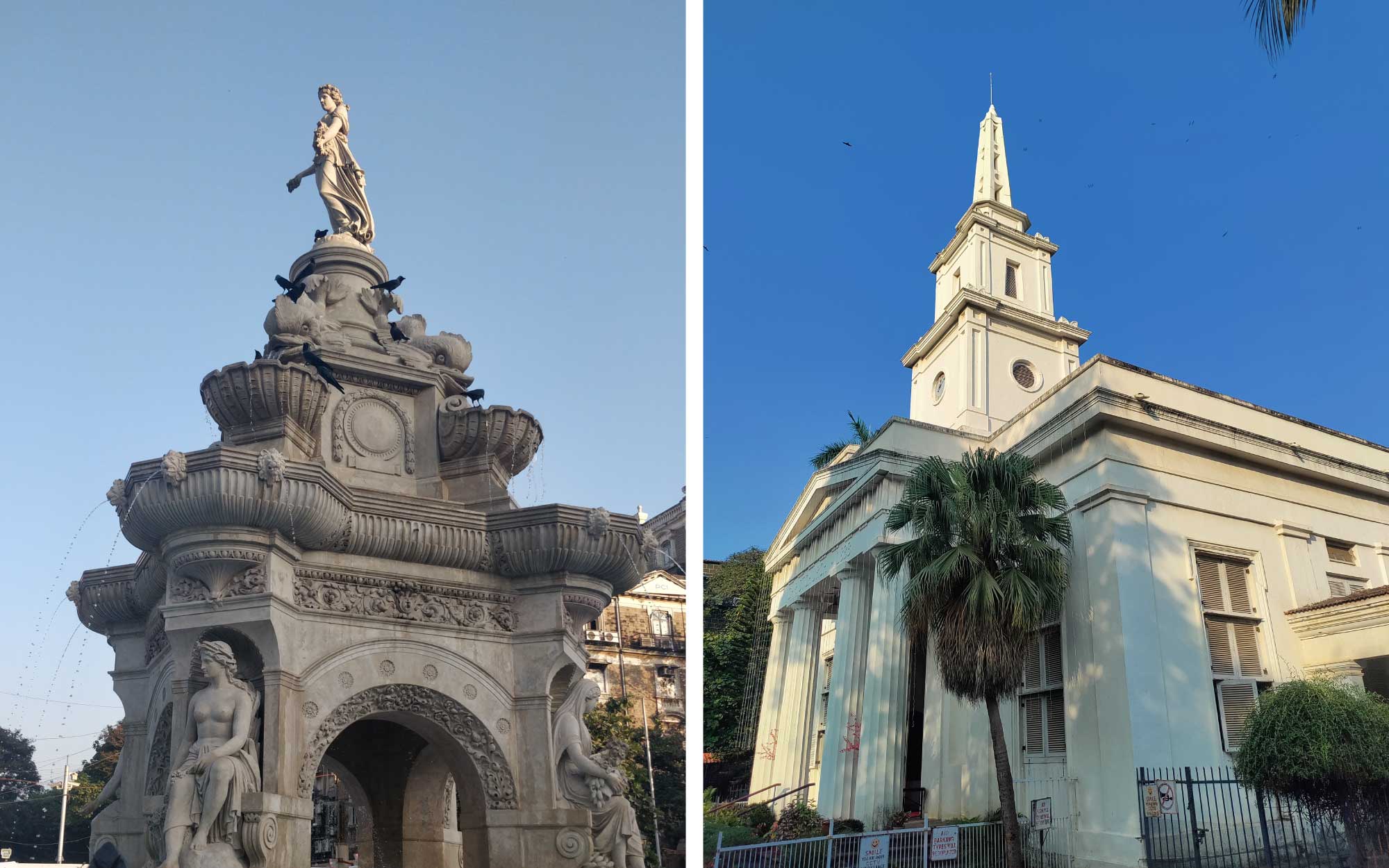
From safeguarding the century-old Renaissance Revival Commissariat Building to restoring the Gothic Revival stonework of Chhatrapati Shivaji Maharaj Terminus—a UNESCO World Heritage Site—Dilawari recently restored the 152-year-old Grade II-B Victorian style Museum—Dr Bhau Daji Lad Museum. He almost pursued a career in medicine but a chance turn, toward architecture during his college years, ultimately laid the foundation for his lifelong commitment to conservation. He also reimagined Flora Fountain as a public plaza in 2016 and conserved the JN Petit Library and Reading Room, which earned a UNESCO Asia-Pacific Award of Distinction in 2015. Enter the architect behind the facelift of the 152-year-old Grade II-B Victorian Dr Bhau Daji Lad Museum. Established in 1995, Vikas Dilawari Architects began with the humble renovation of the Oriental Building’s footpath. From that pavement to preservationist legacy, the practice grew in tandem with the city’s pioneering heritage conservation regulations. DP sits down with the architect to understand how he prescribes careful interventions for the city’s ageing fabric.
Design Pataki: How did you gravitate towards work in the field of conservation (aside from the college project—conservation of Crawford market)?
Vikas Dilawari: I was interning with Ved Segan Architects from 1984-1988, and we were handling the country’s first conservation project, i.e. conservation of the Gaiety theatre, and its environ in Shimla, so I was assisting him with that, and that’s how I gravitated towards conservation. Also, I liked history in school and was fascinated by the history of architecture.
DP: Your first major project was a footpath at the American Express Bank. How did that experience shape your early understanding of conservation?
VD: I was fortunate to have Mr. John Roskie, the head of the American Express Bank team, who understood (the essence of restoration) and gave me free hand and all the necessary support to implement the conservation of a lived-in structure. This taught me to be sensitive towards MEP, lighting, and services while also treating the interiors true to their authenticity. It gave me tremendous confidence—having worked on an important building space and with an MNC—this was very helpful while dealing with other banks like ANZ Grindlays, etc.
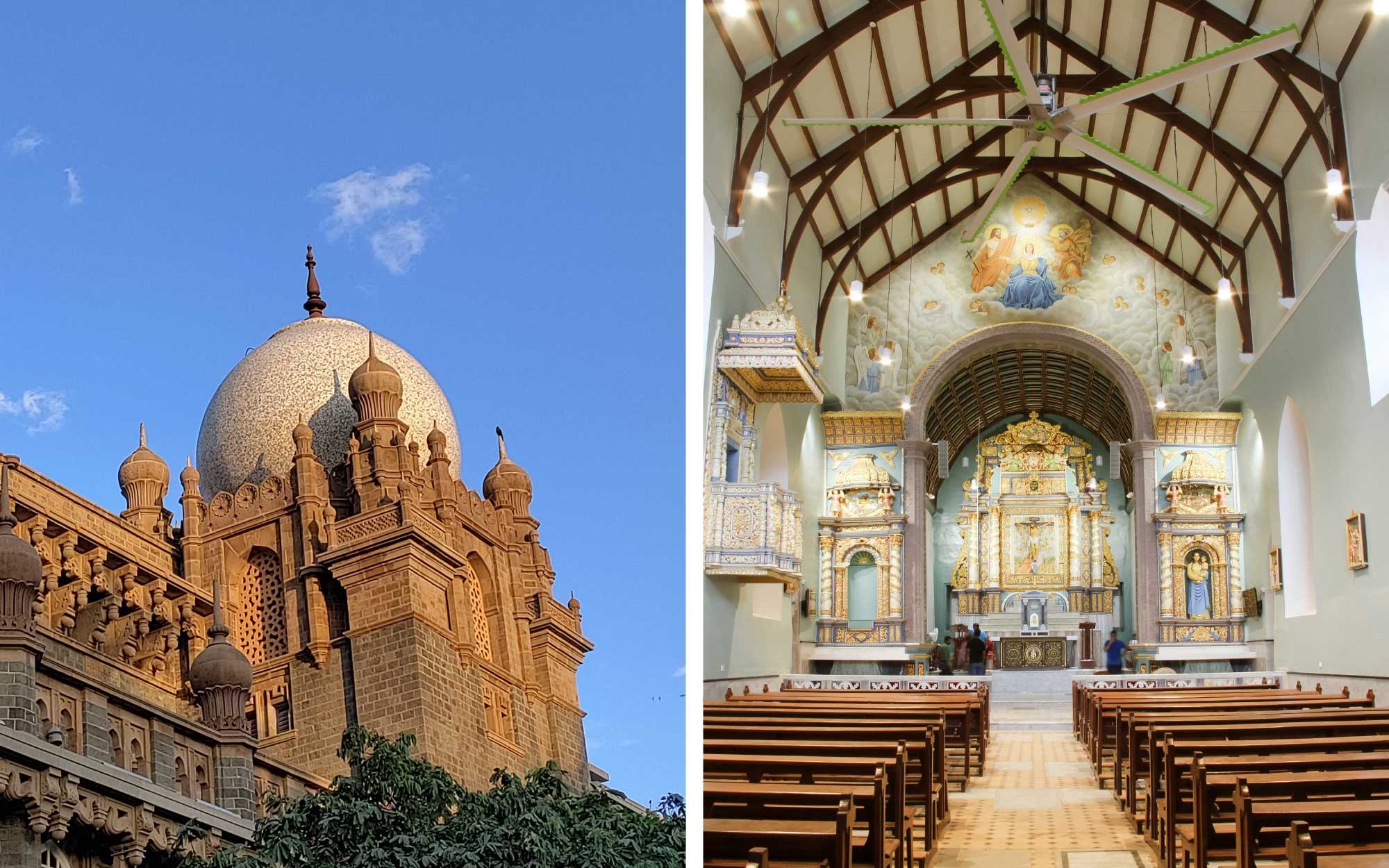
DP: Mumbai was the first Indian city to formalise heritage conservation through the Heritage Regulations for Greater Bombay. What did this moment mean for the city’s architectural future?
VD: This was a very momentous movement for all conservationists then, and we kept raving about it. This was possible due to some excellent NGO’s doing their roles, such as BEAG, IHS, INTACH, etc. Conservation in India of ‘Built and lived in heritage’ was never recognised, but this (movement) marked a turning point, where the state Government endorsed its protection. This (conservation approach), with the passage of time, started getting diluted, and it’s not the same as what it was in 1995. Now, grade III and precinct CESS properties can be demolished as the redevelopment has incentives. Due to the rent control act and the lack of incentives for repair work, buildings don’t get repaired or maintained, resulting in collapses. So, in 30 years, a lot is lost, especially the urban design and settings with which the historic areas were developed. However, through PPP (Public-Private Partnership), there is a silver lining in some projects, and the government is also keen on repairing and restoring its Grade I heritage buildings.
DP: Across your many conservation projects, how do you sensitively engage with the cultural memory and lived histories that buildings carry?
VD: It all depends on what a building is serving as now, because if it’s a monument, it is different, but if it’s lived-in, then the approach has to be practical to cater to the present needs of the users. Cultural memory is important, and if you adopt minimal intervention, you are tampering less; hence, you are respecting the authenticity of the material, i.e., fabric and history. Many a time, ill-informed repairs have heavily altered the cultural memory; in such cases, you strive to retain its core. A classic example is the Aga Khan Palace in Pune; an early 1900s structure built to give employment to people during famine, and was used as a mansion for a while, but became famous as Gandhiji was confined here under house arrest in 1940. While restoring it, you have to factor in all aspects—its identity as a palace, while also accommodating a person who endorsed simplicity, and in doing so, you tend to relate to its history by restoring it to its original state. But yes, with lived structures, there is a catch — evolving societal needs have changed planning concepts, and everyone now requires present-day amenities to be integrated sensitively.
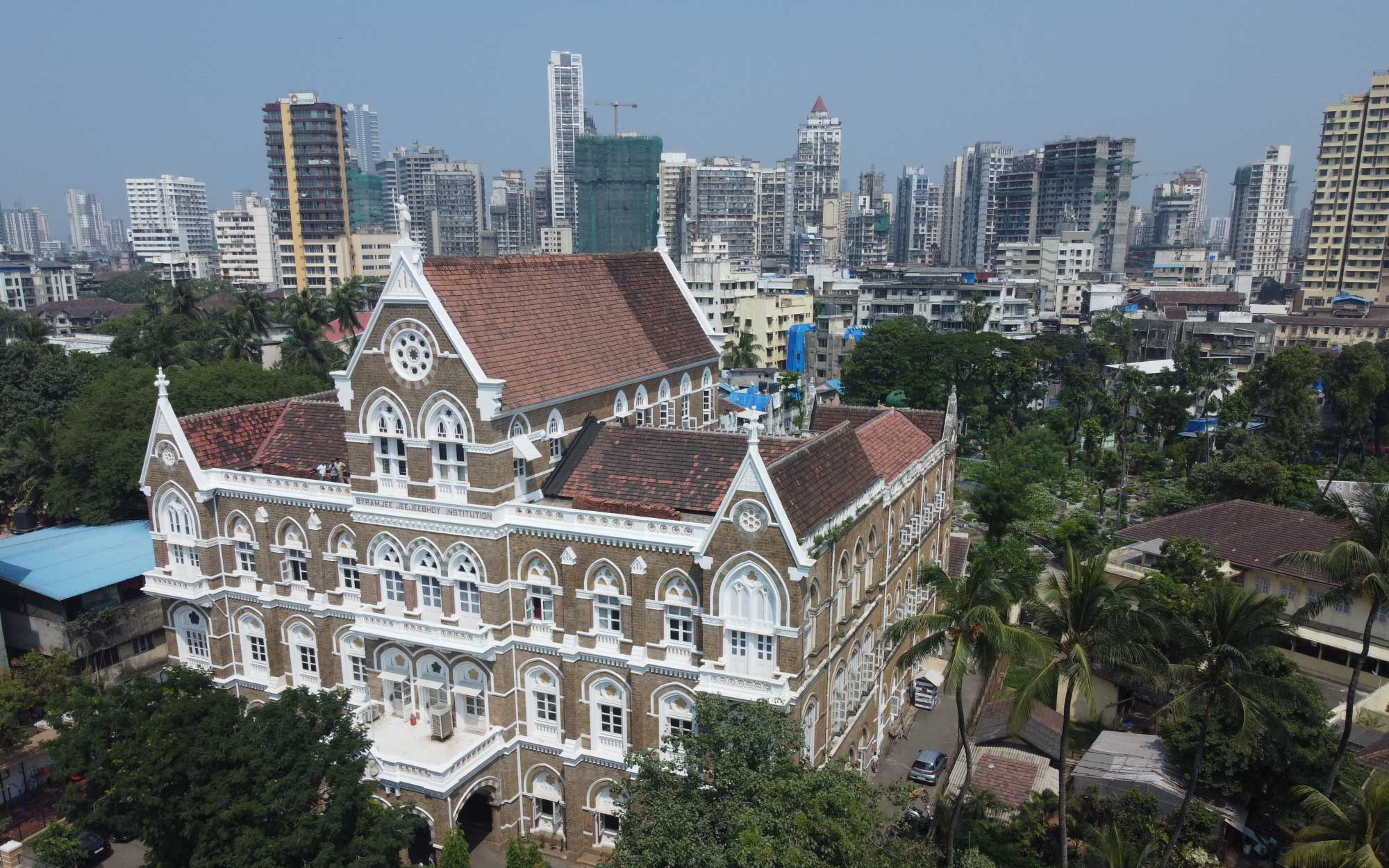
DP: In a restoration project involving multiple stakeholders, how do you stay true to the structure’s history and ensure the motifs, proportions and materials mirror the original structure?
VD: Every conservation project is an inbuilt activism; one is lucky if the client is already on the same page and understands conservation and its distinctness from beautification. The challenge is in integrating the services, and it is here that I try to step into the shoes of the original architect and try to imagine how he would have done it today if he were alive. The other challenge is getting it executed through a contractor, as they hardly understand and appreciate these aspects of history. Often, the political history has changed, and that area requires careful manoeuvring.
DP: A building’s grade often defines the boundaries of conservation. How does this translate into decision-making within your practice?
VD: A Building’s grade defines the boundaries of conservation, but there are underlying principles that guide every project that exist like a constant backdrop, like respecting the past, minimum intervention, retention of old fabric (materials), complete documentation of work, revival of crafts and tradition. However, grade I buildings require more sensitivity as the interventions can affect their cultural significance. This is followed respectively with grade II, III, and in a precinct as a place’s overall character is important. Many a time, one has to be practical to ensure that the building is saved, even if it means making necessary compromises, as the world never offers ideal situations in life, especially in practice. However, one has to strive for maximum sensitivity. Reviving arts and crafts is as much about process as it is about product, and this is where Eastern and Western philosophy need to be brought together in a conflicting way.
Also Read: Brinda Miller Explains How The Kala Ghoda Festival Became A Cultural Phenomenon
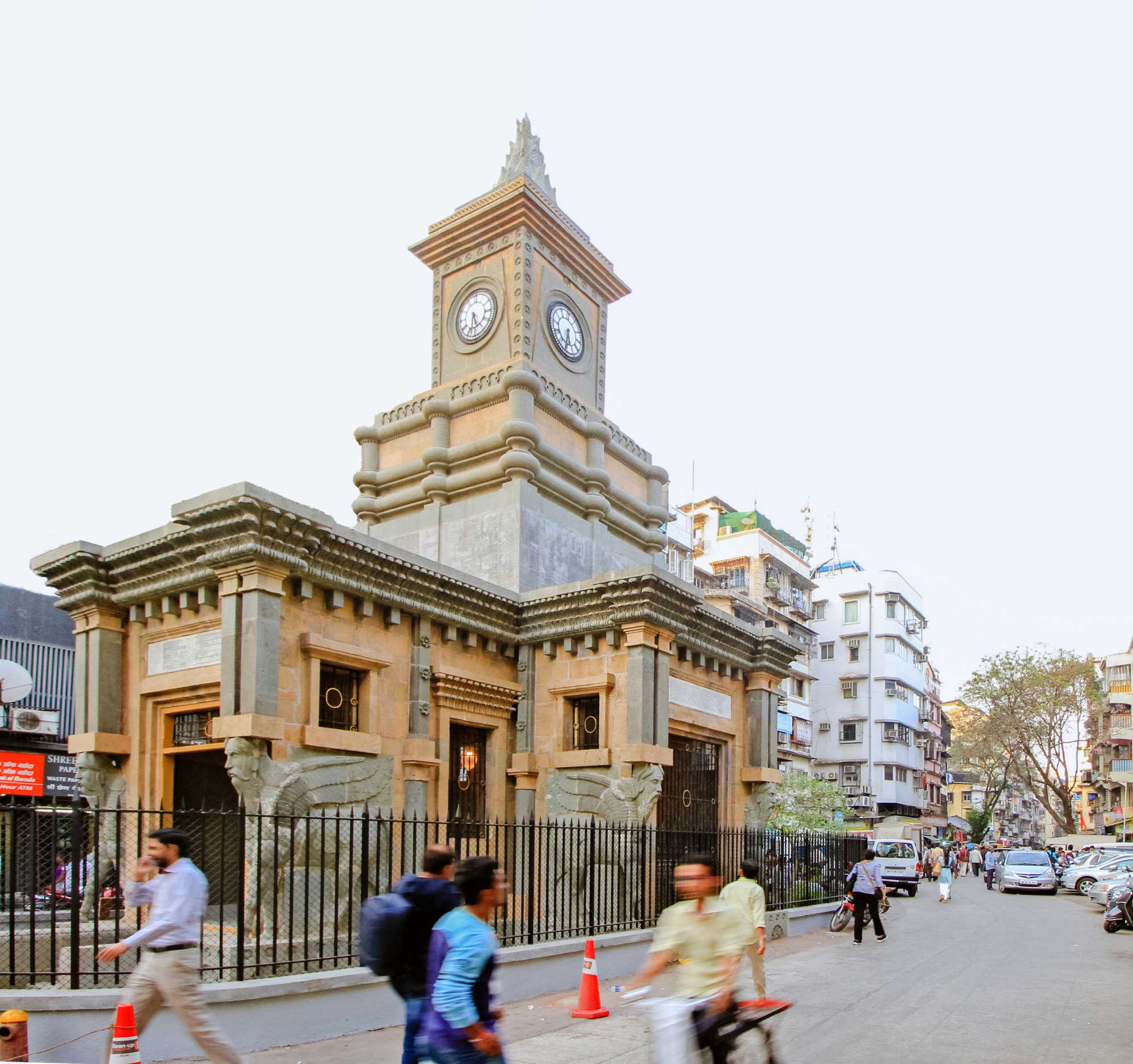
DP: Is conservation today about freezing history or about allowing buildings to evolve without losing their soul?
VD: Conservation is like medicine to treat a person so that they can continue to enjoy good health. The stream of medicine can be different, but overall, if it keeps the fabric going, the purpose is achieved. All buildings have to evolve according to the context and technology, and only then can they be sustainable and serve a purpose. However, the focus should be on harmony with nature, surroundings and continuity.