Kerakoll H40 Gel: A Legacy Of Shaping India’s Iconic Spaces
Discover Kerakoll H40 Gel, a multi-purpose gel adhesive designed for large-format applications and demanding substrates, where Italian materials science meets the evolving Indian architectural needs.
- 8 May '26
- 11:58 am by Aditi Singla

In the world of architecture, where tactile surfaces and material palettes mostly command attention, it is often what lies beneath that determines longevity, precision, and performance. The story of Kerakoll H40 Gel is rooted precisely in this foundational layer—one that has transformed from a technical solution into an architectural essential, over time.
Developed in Italy through advanced research in gel technology, the Kerakoll H40 Gel introduces a new engineering paradigm for ceramic, porcelain, and natural stone adhesives. It is not just laid beneath tiles; it is embedded in the making of modern architecture. At its core, it represents a decisive departure from conventional cementitious systems. Its gel-based formulation provides a fine balance of superior workability, extended open time, excellent slip resistance, high mechanical strength, and reliable performance—qualities that are essential in a landscape increasingly defined by expansive surfaces and precision-led detailing.
Also read: Where Architecture Frames The City And Privacy Becomes A Way Of Life
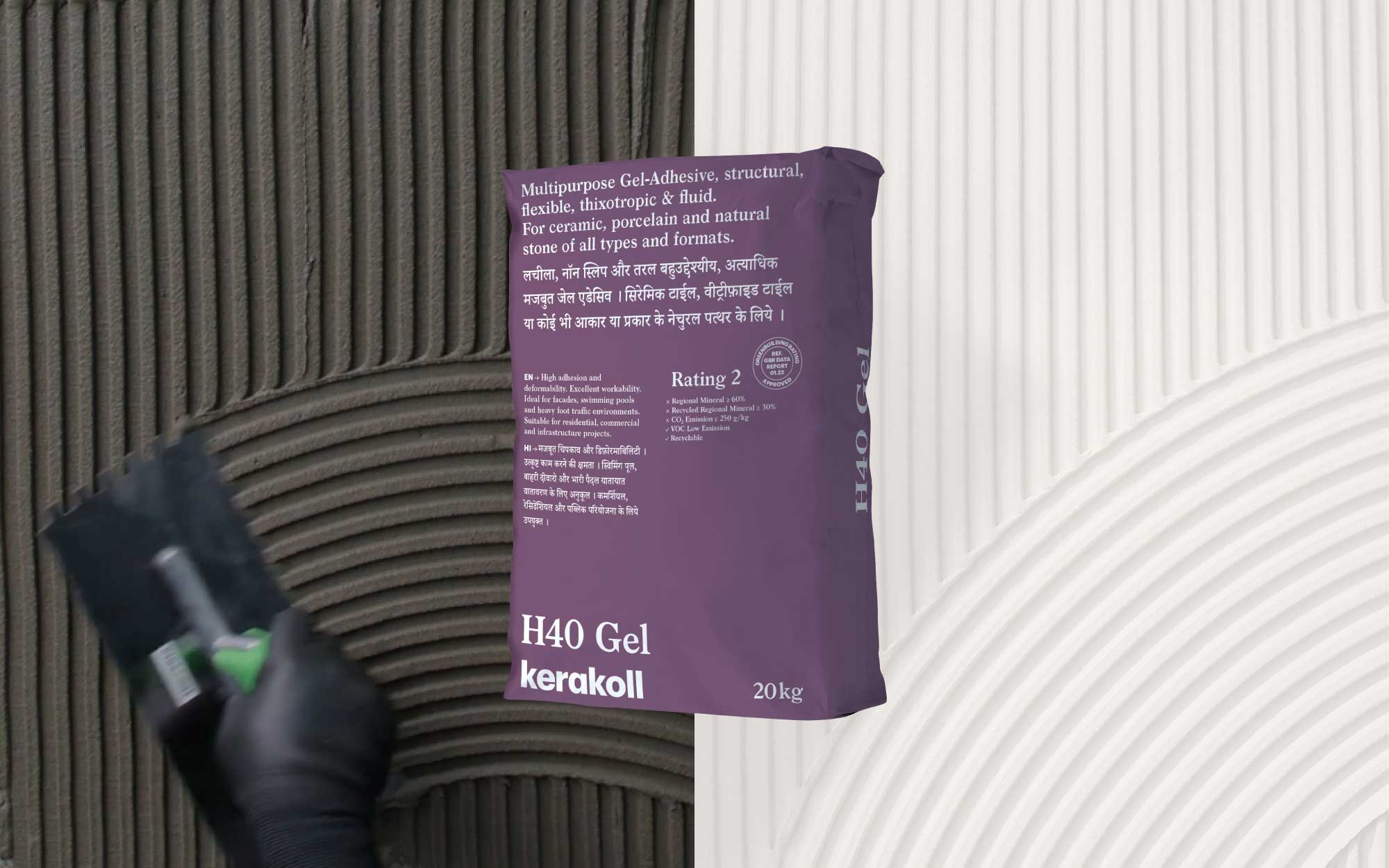
Yet, innovation in its purest form is rarely universal. When H40 Gel entered India, it encountered a landscape defined by climatic extremes, variable substrates, and complex site conditions. Here, the product did not remain static. Instead, it evolved and emerged as a pioneer in gel-technology-based adhesives and a defining benchmark in the premium adhesive segment. This evolution finds strong affirmation in real-world use. As Ali Hyder Shaikh, Senior Associate to Hafeez Contractor and a seasoned architect with over two decades of global experience, notes, “In large-scale, high-rise and high-performance projects, material reliability is critical. I recommend Kerakoll H40 Gel because its advanced gel technology ensures precision, durability, and execution confidence across complex developments. It supports architectural ambition while delivering the technical assurance required at scale.” The continuous bridge between global research and Indian execution is what defines H40 Gel’s enduring credibility and reliability on Indian ground, across scales, conditions, and complexities.
Also read: The Global Indian Edit: 3 NYC Architects Who Are Shaping The City’s Skyline
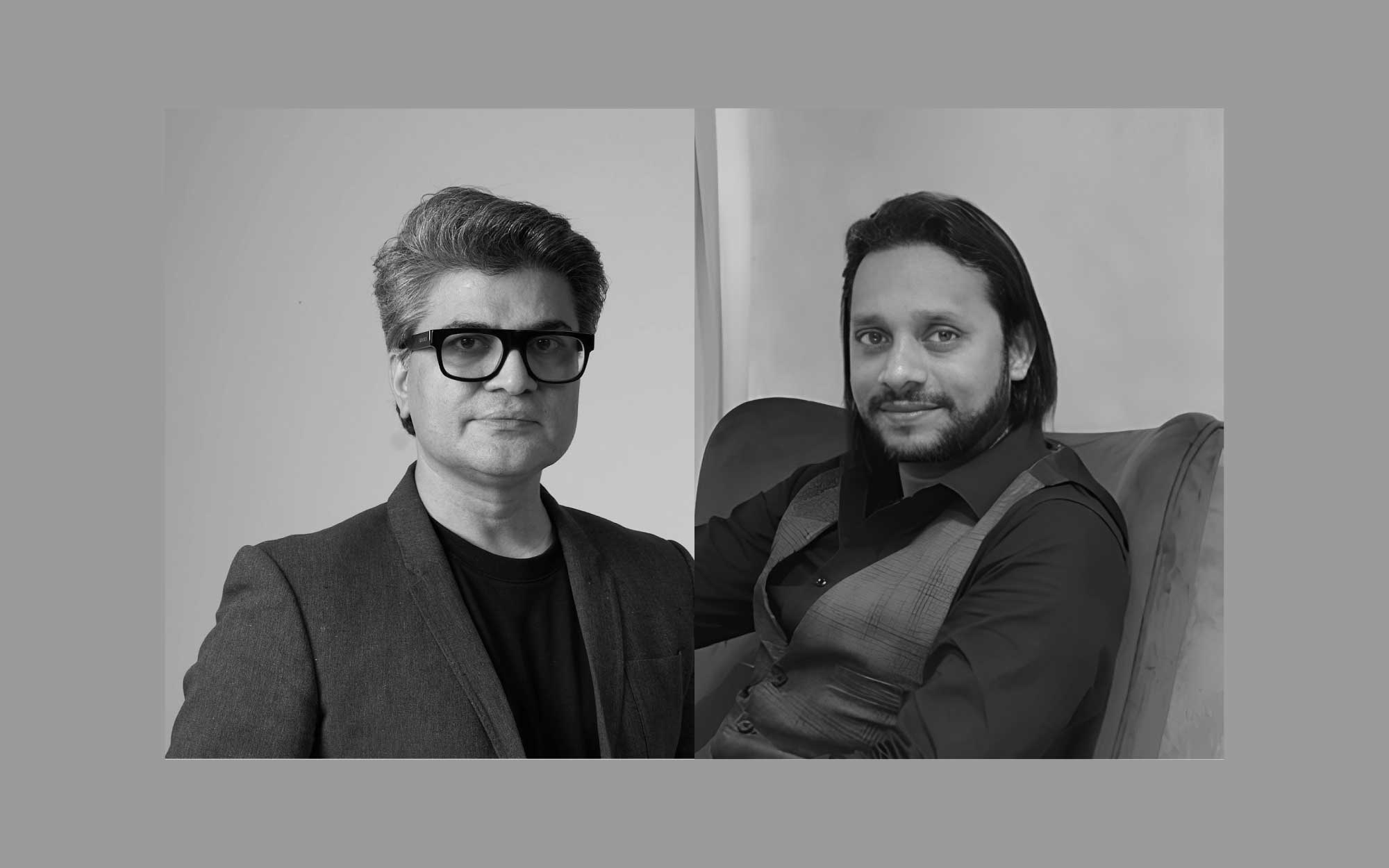
The advancement arrives at a time when architecture is no longer forgiving of inconsistencies and is placing equal emphasis on the execution as on the design. Vishal Sharma, Co-Founder of Confluence and a prominent voice in India’s contemporary architectural landscape, reflects on this shift. “Built on revolutionary gel-based technology, H40 Gel demonstrates an excellent balance between ease of application and high performance under demanding Indian site conditions. The product consistently delivers on critical parameters such as workability and mechanical strength,” he explains. “For this reason, we confidently recommend it for complex and performance-driven applications across our projects, while also appreciating Kerakoll’s continued commitment to research and development that responds effectively to the evolving needs of the market.”
Today, H40 gel stands as one of the most trusted and specified products from the Kerakoll portfolio in the Indian adhesive market. Its presence across landmark projects—residential, hospitality, and commercial developments—has quietly contributed to shaping the built environment of contemporary India. And its sustained relevance lies in its ability to evolve alongside architecture, supporting projects that demand not only aesthetic clarity, but technical rigour. It is, in many ways, a reflection of the brand’s larger ethos, where research is not confined to laboratories but continuously refined through real-time applications. It bridges geographies, adapts to conditions, and ultimately reinforces the invisible layer that allows architecture to perform as intended. Because in the end, the most powerful innovations are often the ones you never see, only experience.
*This article is an advertorial for Kerakoll.