The Global Indian Edit: 3 NYC Architects Who Are Shaping The City’s Skyline
Bound by New York City yet shaped by Indian origins, discover journeys of three architects whose New York-based practices balance urban responsibility, material intelligence, and emotional resonance.
- 5 Feb '26
- 1:28 pm by Aditi Singla

|
Getting your Trinity Audio player ready...
|
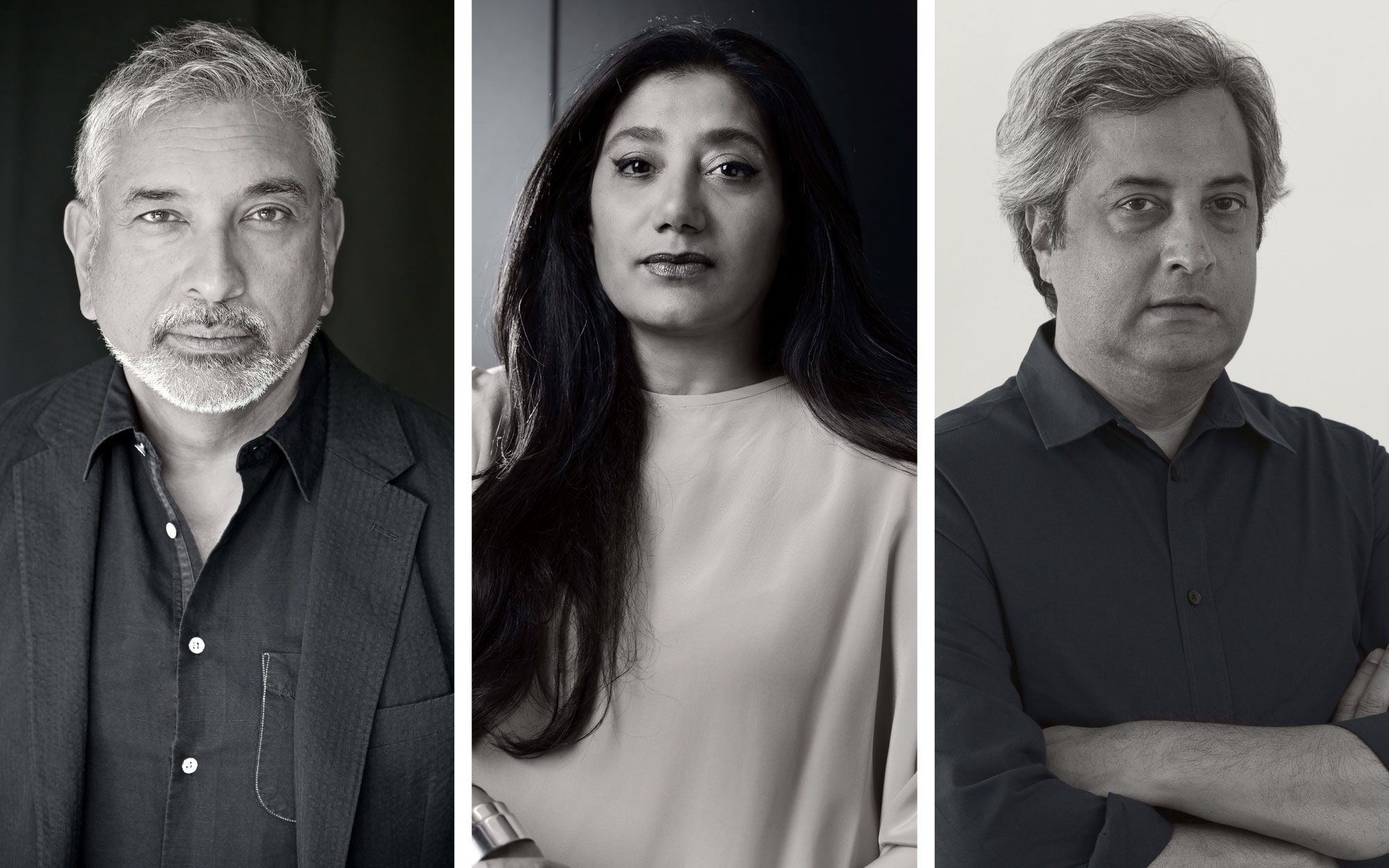
To practice architecture in New York City is to engage in a continuous dialogue with scale, speed, and cultural plurality. The city has long drawn architects from around the world, offering a platform where diverse histories and contemporary pressures intersect. Within this milieu, several Indian architects have built influential practices, carrying their formative experiences across geographies while responding acutely to the city they now call home. Design Pataki gets in touch with three such eminent architects: Vishaan Chakrabarti, Suchi Reddy, and Arjun Desai, whose New York–based practices are shaping architecture that is deeply contextual, emotionally resonant, and attuned to the human condition.
Also read: Above It All: Philip Pond Reimagines AER’s Measured Escape from The City
1. Vishaan Chakrabarti – Practice for Architecture and Urbanism
“No two of our projects look the same. It is an archeological process, where we start by digging with questions: What is this place? What is its natural ecosystem? Who loves it and why? What transformations would cause people to love it more? From this archeology come the initial drafts of form, materials, gravity, and light” – Vishaan Chakrabarti, Founder and Creative Director of PAU
Vishaan Chakrabarti is a visionary architect who understands cities from the inside out, having shaped them as a designer, policymaker, educator, and urban thinker. Informed by three decades of design leadership, he founded Practice for Architecture and Urbanism (PAU) in New York City ten years ago and now leads its expanding global portfolio of cultural, institutional, and public projects. As a young learner, he obtained degrees in architecture, urban planning, art history, and engineering, and today he serves as the Thomas J. Baird Visiting Critic in Architecture at Cornell AAP. From private practice to public office, from academia to large-scale urban implementation, his career moved fluidly across the design systems.
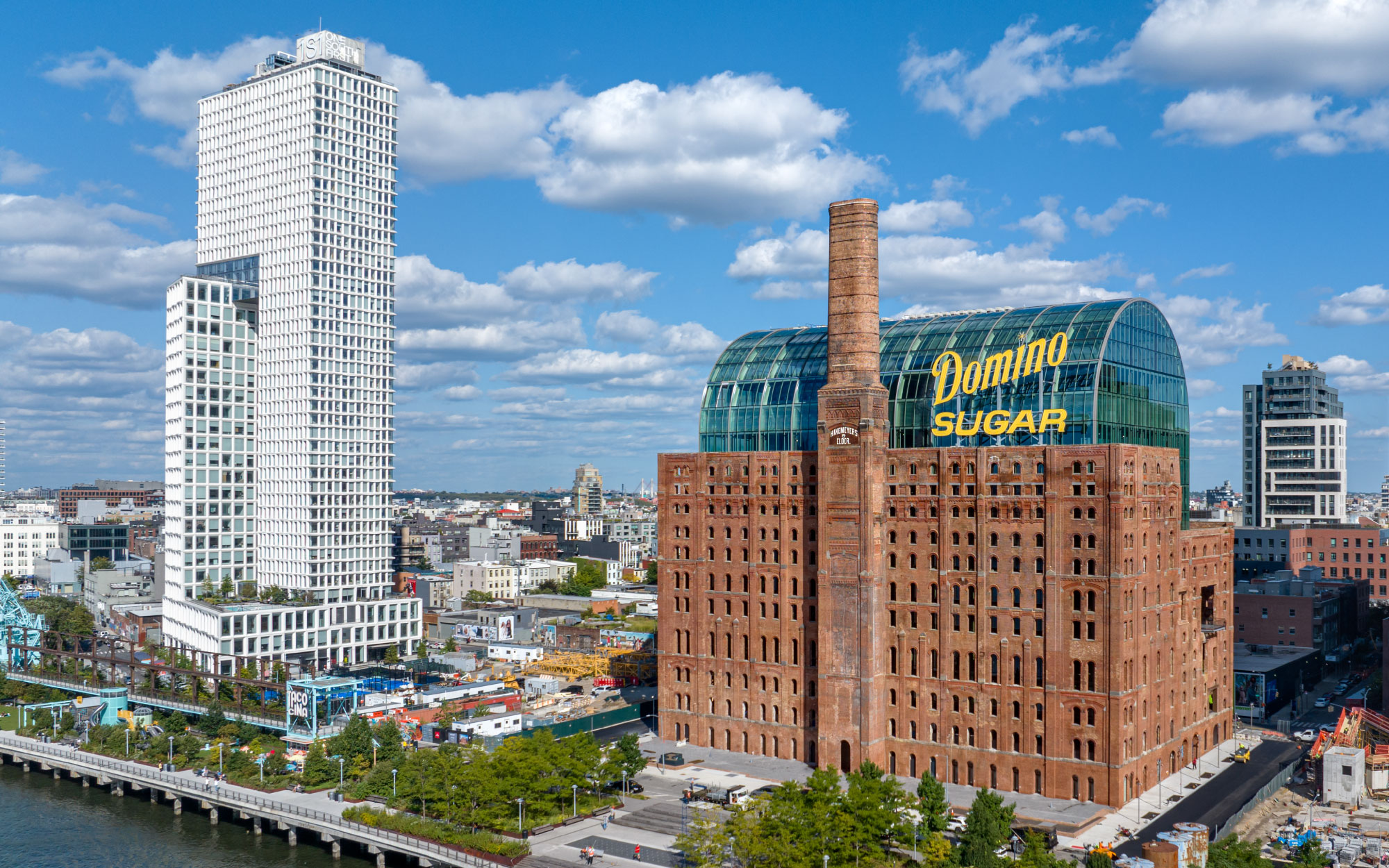
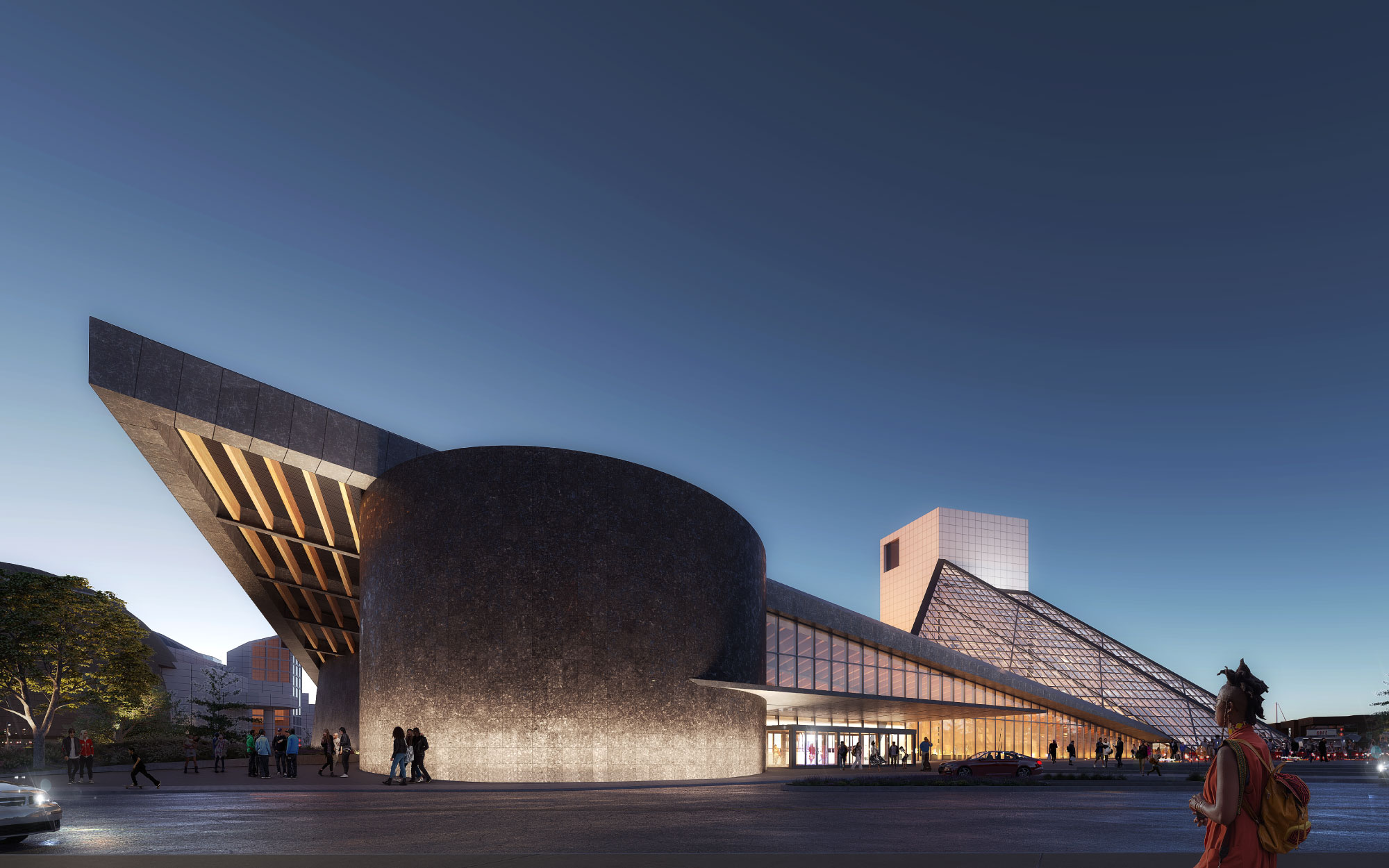
For Vishaan Chakrabarti, architecture has never been about cultivating a recognisable signature, but about responding with precision and empathy to place and circumstance. From the historic Domino Sugar Refinery—PAU’s first major built project—on Brooklyn’s waterfront to reincorporating the street grid at the World Trade Centre site after the events of 9/11, his work reflects a practical urban sensibility focused on creating resilient, people-centric environments. “The sensuality of materials is fundamental to me as a humanist,” he shares. This is reflected in PAU’s material choices, which often return to stone, brick, and concrete, paired with glass and natural metals. The small decisions inform larger ones—the mortar colour at Princeton’s Hobson College, the gutter detail at I.M. Pei’s Rock and Roll Hall of Fame, or the stone corners proposed for New York’s Pennsylvania Station, a project he hopes to win the commission for and reimagine.
Today, as cities face climate stress and increasing digital detachment, he feels architecture must offer something grounding and real. “Architecture should not attempt to imitate the fast and fleeting nature of the digital world. Instead, it should help people feel grounded. It should connect us to nature, culture, and joy,” he says. Outside architecture, he finds inspiration in writing, drawing, photography, and music. He is currently working on his third book, following A Country of Cities: A Manifesto for an Urban America and The Architecture of Urbanity: Designing for Nature, Culture, and Joy.
Despite PAU’s growing international work, Chakrabarti’s connection to India runs deep. He speaks Bengali and cherishes Indian music, art, and the friendships back home. “I write to you from a sleeper train rumbling through Rajasthan, where I am touring with my spouse and kids,” he avers. “India will always pull on me regardless of how much I travel and how international PAU becomes. It is my birthplace, and in many ways, my North Star.” Recalling architecture’s journey of India’s Gupta temples, Mughal traditions, and post-independence modernism, Chakrabarti expresses his desire to build something beautiful in India one day.
Also read: Brinda Miller Explains How The Kala Ghoda Festival Became A Cultural Phenomenon
2. Suchi Reddy – Reddymade
“My journey to New York was shaped by experiencing many Americas. I lived in Alabama, Florida, Wisconsin, Oregon, and studied in Michigan. New York was the first place I felt instantly at home, bustling and teeming, reminding me of India” – Suchi Reddy, Founder of Reddymade
Architect, thinker, and advocate for emotionally responsive design, Suchi Reddy has carved out a distinct voice in contemporary architecture. Born in India, she came to the United States and studied at the American Institute of Architects before settling in the city that would define her practice. New York resonated instantly, echoing the intensity and energy of India through its density, diversity and cultural layers. It was within this dynamic context that Reddymade took form, envisioned as a studio that could explore how design shapes human experience.
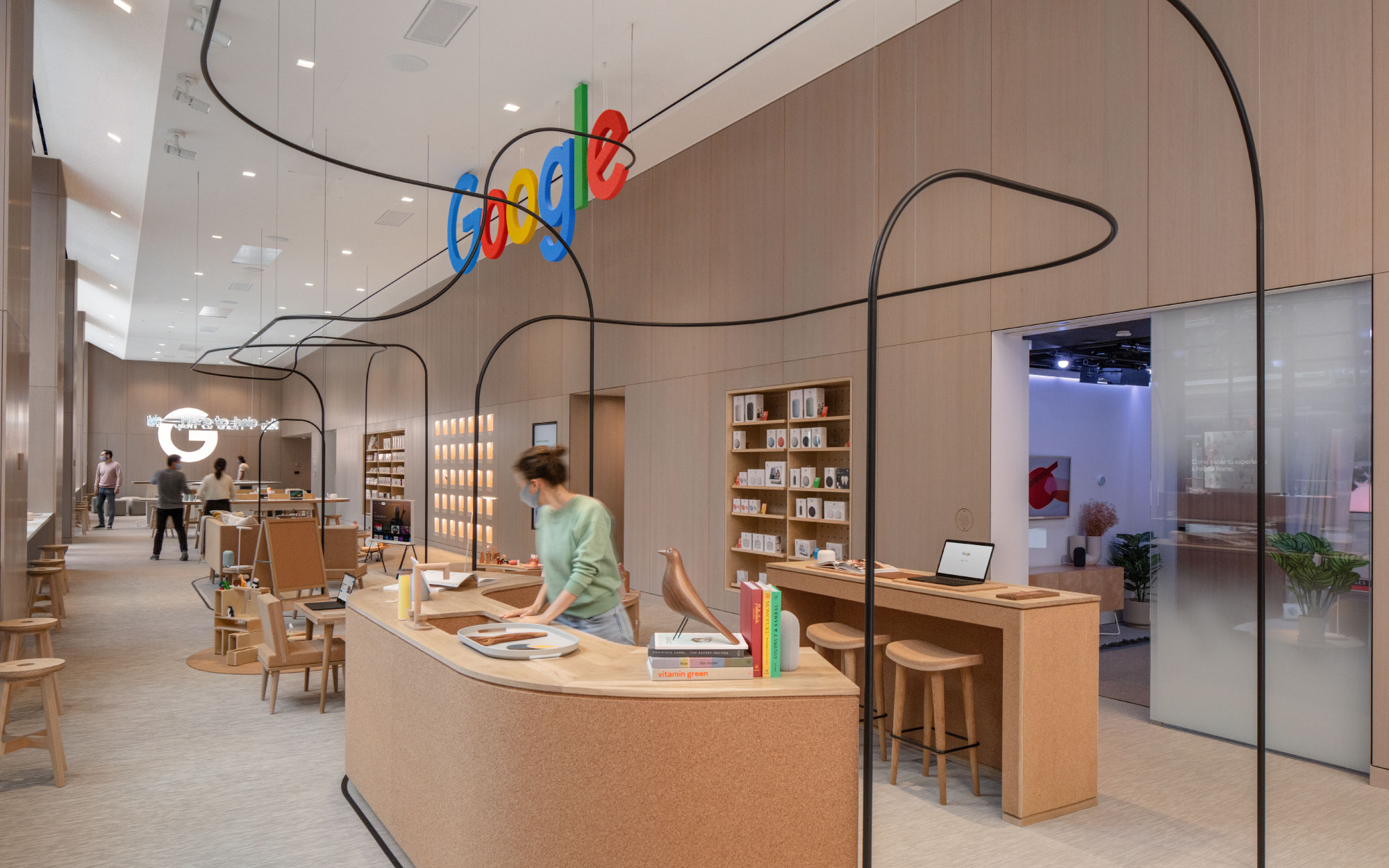
As the leading voice in neuroaesthetic design, Suchi Reddy has built a body of work defined by formal experimentation, material curiosity, and an insistence on emotional resonance. Her studio’s portfolio spans a wide range of projects, while Google’s first flagship retail store in New York stands out as a defining milestone for the practice. “Designing Google’s first flagship retail store in New York was a defining milestone,” she says. “It affirmed that emotionally resonant, sensory-driven design could operate at the intersection of technology, sustainability, and public life while remaining deeply human.”
From public art installations and large-scale commercial spaces to residential projects ranging from single-family homes to interiors and prefab architecture, her practice moves fluidly across scales and typologies. Materiality plays a central role in translating her ideas into built form. “I’m drawn to natural materials like wood, stone, recycled, and bio-based materials because they engage the senses and age gracefully, reinforcing a sense of care and longevity,” says Reddy. She believes that small decisions on lighting, material tactility, and acoustics often have the greatest impact as they shape how people feel in a space, not just how it looks.
Over the years, Reddy’s relationship with India has deepened. “Distance has made me more reflective about cultural memory, craft, and intuition,” she says. “I stay connected through family, ongoing dialogue, and a design sensibility shaped by empathy, ritual, and an awareness of how space holds emotion. I love working in India, returning to my roots with a new perspective. I feel I can see from a distance what makes India unlike any other place in the world.” Outside the studio, her intellectual pursuits continue to shape her work. “Neuroscience, philosophy, and mindfulness deeply influence how I think,” she says. “Studying how the brain perceives space has reinforced my belief that design is not neutral. It has the power to heal, inspire, and foster belonging.”
Looking ahead, Reddy is focused on projects that push architecture beyond conventional boundaries. With several projects underway in India, she sees the next chapter of Reddymade as a convergence of identity, research, and practice. “It feels like a coming together of who I am, what I have learned, and where the work is headed.”
Also read: DP Curates: 5 Spectacular Stationery Objects To Reset Your Desk For 2026
3. Arjun Desai – Desai Chia Architecture
“Many of the buildings designed by Le Corbusier in Chandigarh are etched in my mind. I had also spent a lot of time in my teens sketching old monuments in Delhi and Rajasthan. Both these experiences were my initial education in architecture that I carry with me,” – Arjun Desai, Founding Principal of Desai Chia Architecture
Arjun Desai belongs to a generation of architects committed to social and humane architecture, where material intelligence and sustainable strategies shape iconic outcomes. He grew up in India, absorbing the spatial richness and experiences that continue to inform his context-driven approach. “I had spent some of my childhood years in Chandigarh in the 1970s, and it was then, in that city full of architects, that I decided to become one too,” recalls Desai. Today, as the founding principal of Desai Chia Architecture in New York City, Arjun Desai, alongside his wife Katherine Chia, leads a practice known for its deeply considered work across cultural, residential, and commercial typologies. The decision to start his own practice came less from a single defining moment and more from a natural progression. After completing his Master of Architecture at MIT, Desai began taking on independent commissions while still part of a larger firm. “It was always my goal to start my own firm, and the official launch happened somewhat organically as more projects started to land at my doorstep,” he says.
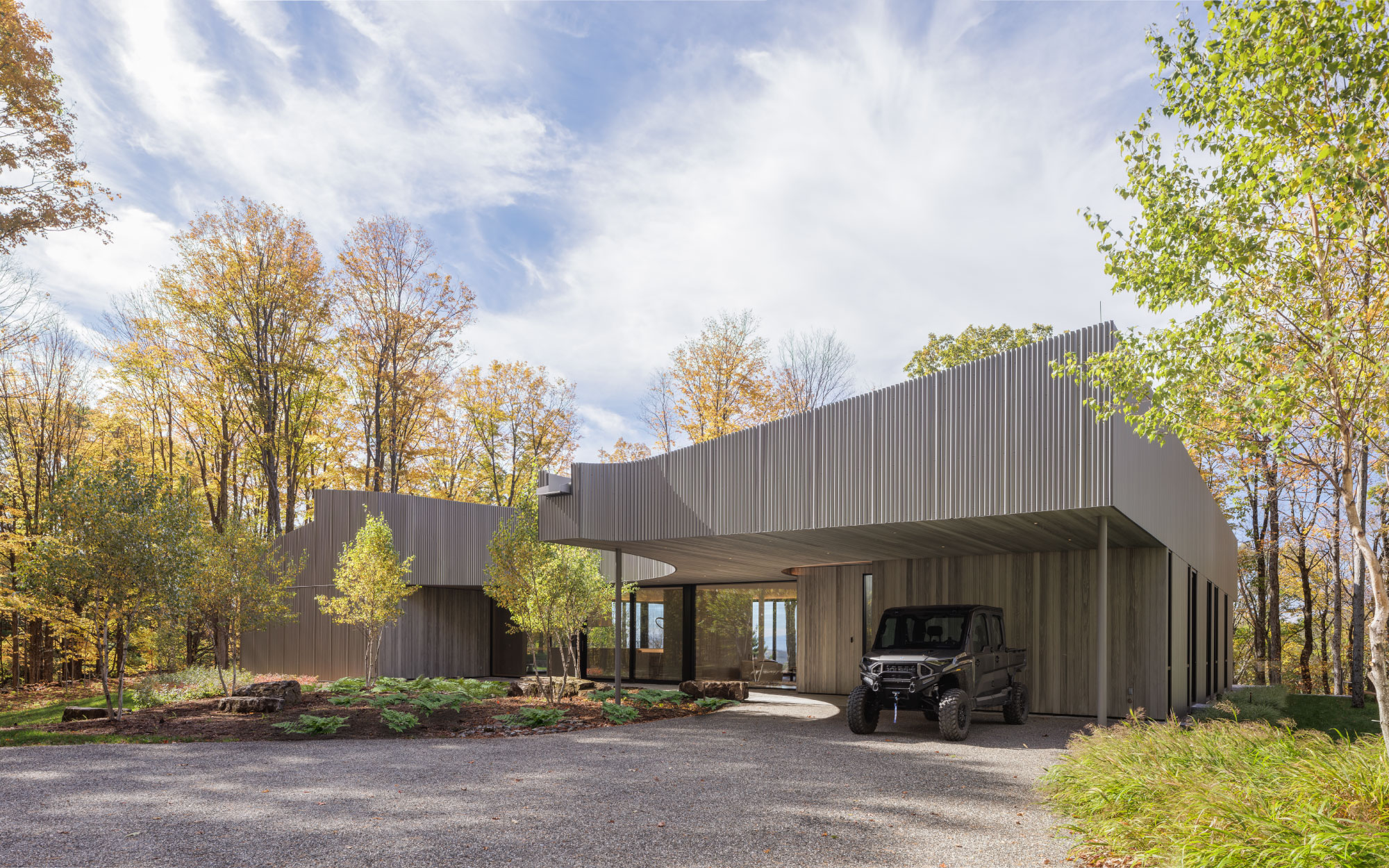
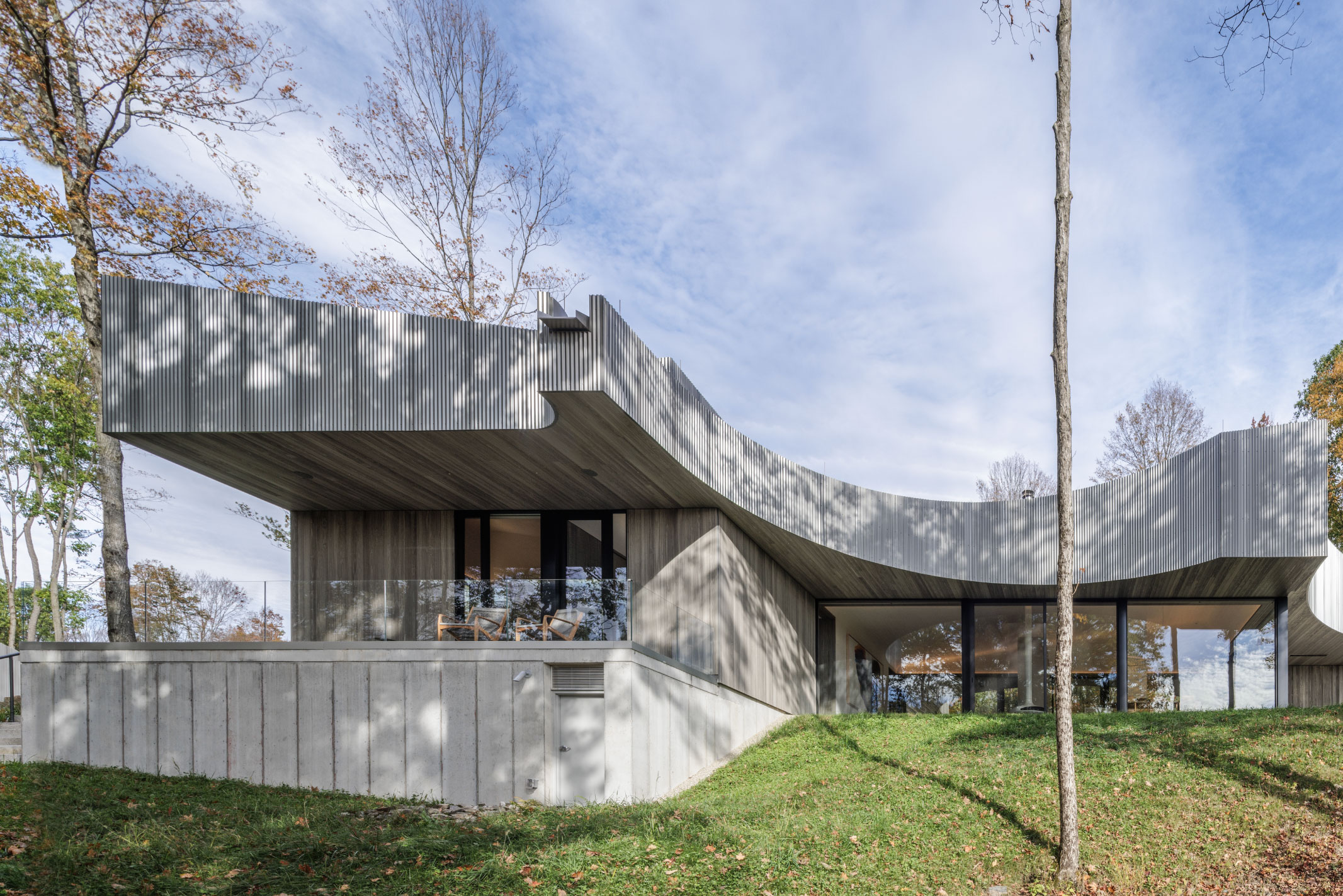
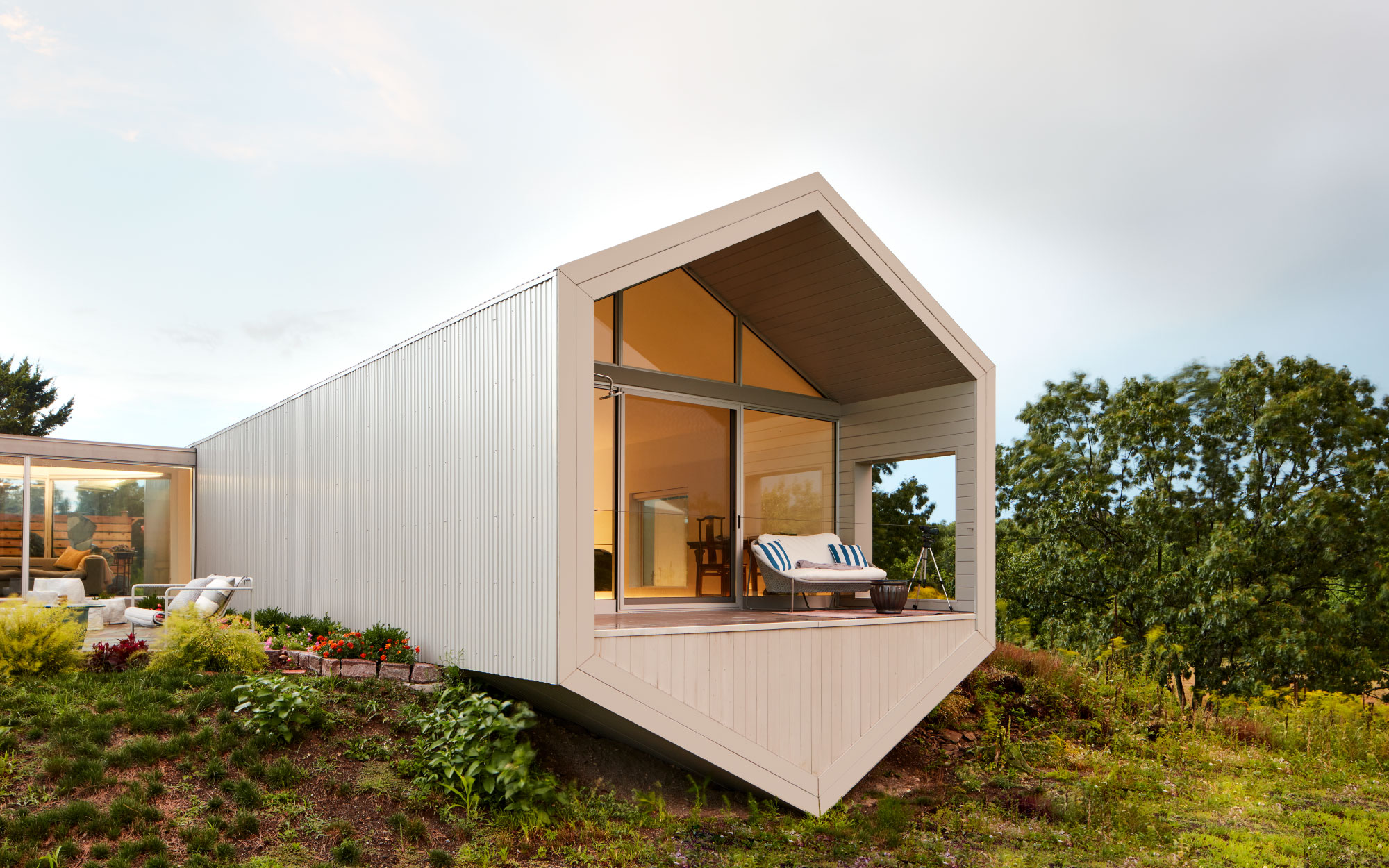
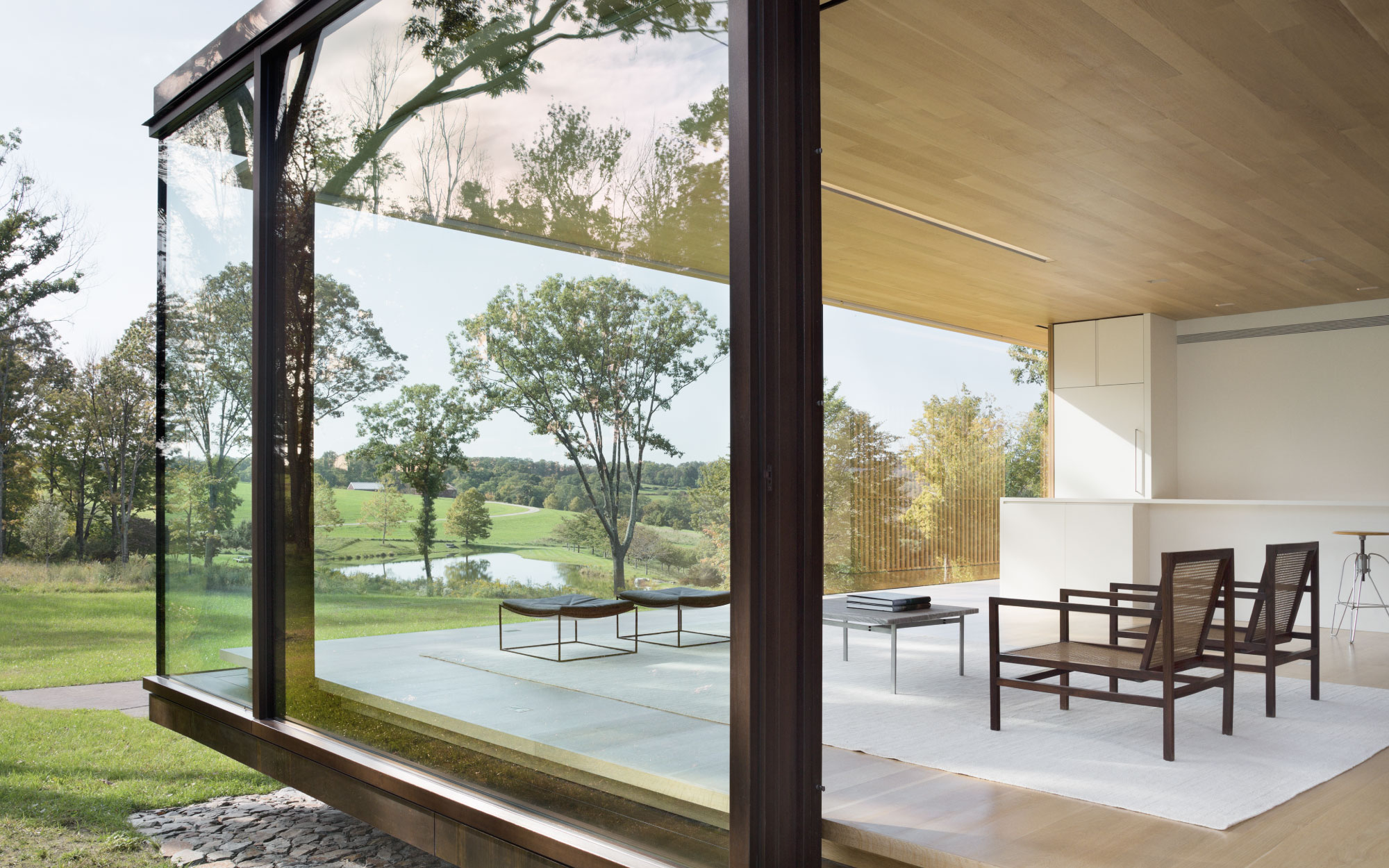
The studio’s work is grounded in an ongoing exploration of architecture’s relationship with landscape, light, expressive materials, bespoke detailing, structural clarity, and spaces designed to foster collaboration and connection. One of the studio’s earliest and most defining projects was the LM Guest House, completed in 2008. And more recently, the Chatham Residence and Farm in upstate New York reflects a further evolution in the studio’s work.
Desai resists the idea of a fixed architectural language. Quoting Le Corbusier, he says, “Architecture is the masterly, correct and magnificent play of masses brought together in light.” Art, vernacular architecture, and careful site study form the backbone of the studio’s process, but so do conversations. “We spend a lot of time in conversations with the client to tease out the nuances of their goals and aspirations,” he explains. Often, it is a small detail uncovered during these discussions that leads to a pivotal design move. Material choice, too, is guided by the experiential goals of a project. Wood, steel and concrete increasingly appear in the firm’s projects, responding to different climatic and cultural contexts.
While Desai has built an international practice, his connection to India remains a constant source of inspiration. During his visits, he continues to revisit buildings that shaped his earliest understanding of architecture. Speaking of his other passions and pursuits, his creative life remains refreshingly simple with a lot of sketching and drawing, a habit that reinforces observation and clarity of thought. For the past decade, Desai Chia Architecture has had a steady stream of residential work throughout the United States and abroad. It is now entering a new phase with master plans for two existing museums, educational projects, and ongoing collaborations with artists. “We like to collaborate with artists and have worked on several exciting projects in the past in San Francisco and Singapore. We are currently working with an artist on an installation at the Guggenheim in Abu Dhabi,” Desai shares and signs off.