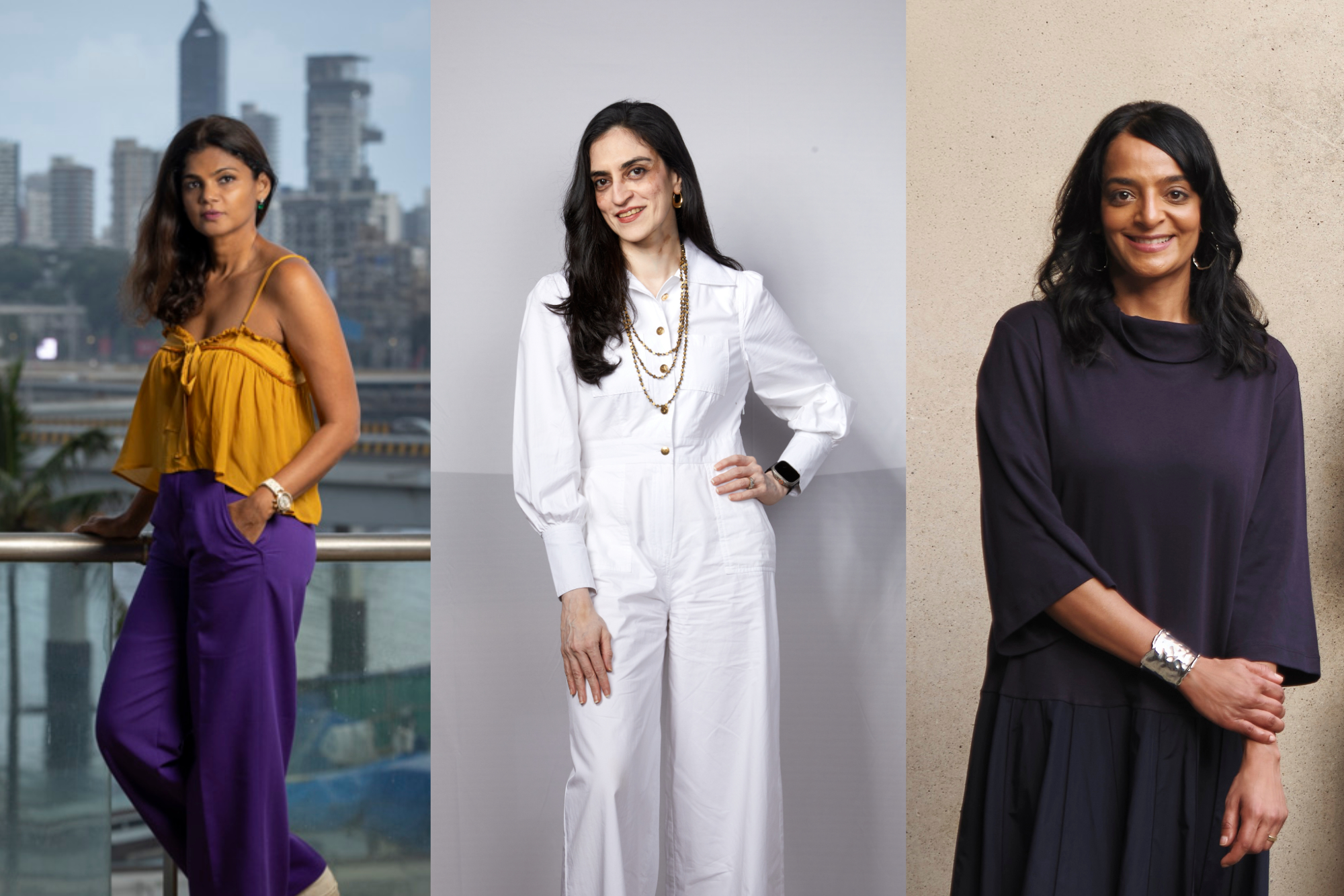
As a girl or woman in an Indian household, curfew has been our constant timekeeper, often marked by concern. However, I place the blame on shadowy corridors, inadequately lit streets and shoddily imagined cities for failing to secure even the most mundane act of walking. Since the earliest days, men have largely shaped cities in their own image, though history has seen moments when women ascended the throne, presiding over affairs of state and commissioning majestic palaces, intricately carved temples and other astute edifices. Yet in the present day, the urban landscape often fails to reflect the needs of all its inhabitants, leaving cities far from safe, not only for women but for children, the elderly, and other vulnerable groups. Against this backdrop, DP sits down with three architects, Shefali Balwani of Architecture Brio, Ekta Parekh of reD Architects and Apoorva Shroff of Lyth Design, to explore how thoughtful urban design can create cities that are safer, more inclusive, and responsive to the needs of everyone.
Design Pataki: How can designers incorporate visibility and openness without compromising privacy?
Shefali Balwani: One strategy we often use is to create private outdoor courts or gardens within the building. These spaces are walled or screened from the outside, but open to the sky and landscaped. The interiors can then open generously to these courts, allowing natural light, air and a strong connection to nature while maintaining privacy. In this way, openness is directed inward, creating spaces that feel expansive yet protected.
Ekta Parekh: For me, it’s about using multi-purpose adaptive spaces. I don’t think we function in the same way all day, so if we identify the use of the space, you can accommodate light whenever you want by sliding doors or folding partitions. You can also close up space and make it more private.
Apoorva Shroff: In my opinion, visibility in design is about creating environments where people feel seen without feeling exposed. This can be achieved through layered spatial planning using semi-open courtyards, perforated screens, strategic landscaping, and carefully placed windows that allow natural surveillance while maintaining personal boundaries. Good lighting, transparent transitions between public and private zones, and thoughtful spatial orientation can further enhance safety.
Also Read: DP Curates: Transform Your Space With 5 Intergalactic Light Fixtures
Design Pataki: How can thresholds like corridors and staircases be designed to reduce vulnerability?
Shefali Balwani: Spaces like corridors and staircases should never feel leftover or hidden. They need to be well-lit, visually connected, and easy to navigate. Introducing natural light where possible, maintaining clear sightlines and avoiding isolated corners can make a significant difference. When these transition spaces are visible and integrated with the rest of the building rather than tucked away, they naturally feel safer and more comfortable to navigate.
Ekta Parekh: I think about making them more accessible, having them wider, so you have a larger footfall that walks through them. A sufficient amount of light, preferably natural, and, if not, motion-sensor-based lighting can enhance a sense of safety and security.
Apoorva Shroff: Transitional spaces such as corridors, staircases, and passageways often shape how safe a building feels. These areas should be wide, well-lit and visually connected to active zones rather than isolated. Introducing natural light, maintaining clear sightlines and eliminating blind corners can significantly reduce feelings of vulnerability. Staircases that are visible from common areas and integrated into the building’s overall spatial narrative remain active, safe, and inviting rather than neglected.
Design Pataki: What role should technology play in designing safer environments? Are panic buttons, smart locks, and surveillance enough?
Shefali Balwani: Technology can certainly enhance safety—better lighting systems, controlled access, and surveillance can make spaces feel more secure. But technology alone cannot compensate for poor design. Safety needs to be embedded in spatial planning—through visibility, accessibility and thoughtful circulation.
Ekta Parekh: I think tech has a huge role. Occupancy sensors, motion sensors and safety barriers can all be integrated into the system. Security features, such as alarms that trigger when doors are forced open, can also be incorporated. Together, these technologies can be connected to the building’s management system. All of these systems can connect to your automation platform, allowing multiple users—parents, partners, or others—to receive alerts on their phones. Security should be approached in layers, taking into account where you live and the character of your environment. In high-traffic areas or places with greater security risks—such as jewellery stores, or neighbourhoods that are less secure—additional layers of protection are necessary.
Apoorva Shroff: Technology can enhance safety, but it should complement rather than replace thoughtful design. Panic buttons, smart access systems, and surveillance can provide an additional layer of security, particularly in more complex environments. However, the foundation of safety lies in spatial planning, lighting, visibility and active public presence. When technology is integrated with human-centric design principles, it becomes far more effective, as architecture should prioritise intuitive safety spaces that feel secure even before technology intervenes.
Also Read: Could These 3 AI-Powered Innovations Change The Way We Live?
Design Pataki: How can mixed-use neighbourhoods and well-designed transit points help create environments where women feel consistently safe?
Shefali Balwani: Active and well-used environments tend to feel safer. Mixed-use neighbourhoods bring together housing, workplaces, shops, and public spaces, ensuring that areas remain active throughout. Transit points such as bus stops, metro stations, and parking areas should be well-lit, visible, and integrated into these active environments. When movement, activity, and visibility are part of the urban fabric, public spaces naturally become more comfortable for everyone.
Ekta Parekh: I think lighting is key. Spaces should be brightly lit, as people are most vulnerable in the dark. Proper illumination immediately creates a sense of safety. Mixed-use spaces, with multiple occupants throughout the day, further enhance this sense of security.
Apoorva Shroff: Mixed-use neighbourhoods naturally generate activity throughout the day and evening. When residential, retail, workspaces, and public amenities coexist, streets remain active and well observed. Transit points like bus stops, metro stations and parking areas should have ample lighting, clear signage, unobstructed views and easy access to surrounding streets. Integrating small commercial kiosks, seating, and pedestrian-friendly pathways can transform these areas into active urban nodes.
Design Pataki: Is the concept of ‘safe spaces for women’ ultimately empowering, or does it risk reinforcing limitations?
Shefali Balwani: I see it as empowering because it begins with listening to women’s voices, needs, and experiences. For a long time, many built environments were designed without fully considering these perspectives. When women are part of shaping spaces, the result often leads to environments that are more thoughtful, inclusive, and comfortable, not only for women but for all users.
Ekta Parekh: I believe there needs to be safe spaces for everyone, not just women. Whether it’s children, adults, or men, everyone deserves a sense of safety today. Safety should be approached as a gender-neutral concern.
Apoorva Shroff: While safe spaces can provide comfort and protection, the long-term goal of design should be to create environments where safety is universal. Cities and buildings must be inclusively designed, ensuring that women feel confident navigating any public or private space. True empowerment lies not in restricting women to designated zones but in shaping environments where safety, dignity, and accessibility are inherent to how spaces are planned and experienced.
 Design Pataki