Forged In Moradabad: Ayesha Arora Reflects On Metal, Craft And Indian Design
Tracing the journey of her lifestyle brand, co-founder Ayesha Arora reflects on the legacy and relevance of Indian craft, and the value of preserving it.
- 20 Jul '26
- 3:02 pm by Anushka Sharma

The Indian aesthetic being repackaged and sold as ‘exotic’ and ‘one-of-a-kind’ by international brands is not a new phenomenon. That, too, is often done without due credit to the designs’ origins, inspirations or the craftspeople who made it possible. The value of this repackaged craft crowned with a famous logo is somehow deemed exponentially more than its humble ‘local’ counterpart. And often, these aesthetics end up finding a place across the globe, but remain largely unacknowledged in their own home.
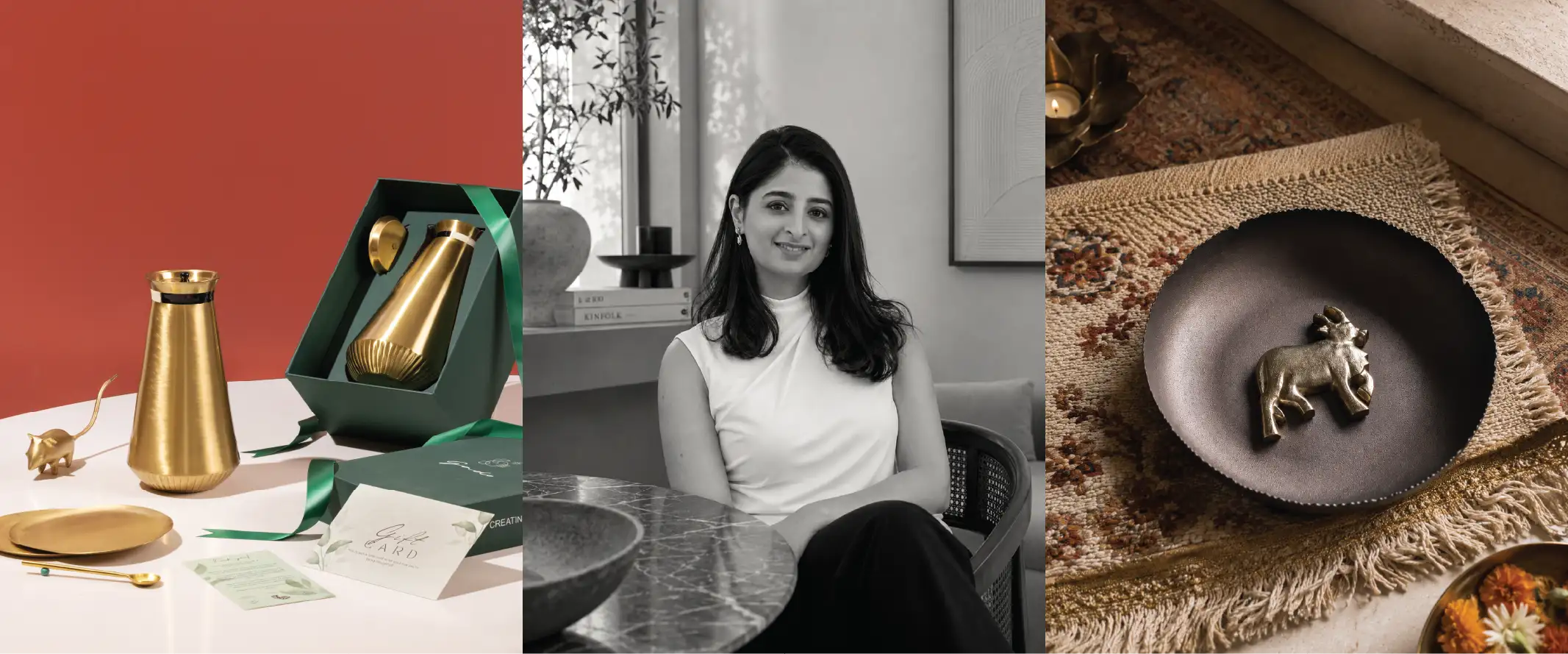
Gado Living, an India-based lifestyle brand, was established to bridge this gap-creating products by India, in India, for the world. Parsons-trained Ayesha Arora founded Gado Living in 2022 as a design house that works closely with Indian artisans to produce carefully considered objects that embody the craft traditions of the country while remaining relevant to modern lifestyles. In an interview with Design Pataki, Arora shares insights into her design journey, the inception of her brand, the irony surrounding Indian craft and her hopes for ‘Indianness’ to be celebrated in India.
Design Pataki: Could you take us through the formative years of your design journey? What led you to establish your own brand?
Ayesha Arora: My relationship with design began long before Gado. I studied Fashion Marketing at Parsons School of Design in New York and worked with brands that taught me the importance of storytelling, craftsmanship, and emotional connection. While those experiences shaped my understanding of design, returning to India made me realise just how much of our own craft heritage was overlooked within our homes.
I found it ironic that many objects handcrafted in India were celebrated globally but rarely positioned for the modern Indian consumer. Gado Living was born from a desire to bridge that gap. I wanted to create objects that felt deeply rooted in Indian craftsmanship while being relevant to the way people live, host, and gift today.
DP: You take inspiration from the Portuguese word ‘sossegado.’ What does it mean through the lens of design?
AA: The word ‘sossegado’ translates to calm, quiet, and unhurried. That philosophy sits at the heart of Gado. For us, good design does not need to demand attention. It can be subtle, intentional, and quietly beautiful. We are drawn to objects that become part of everyday rituals rather than temporary trends.
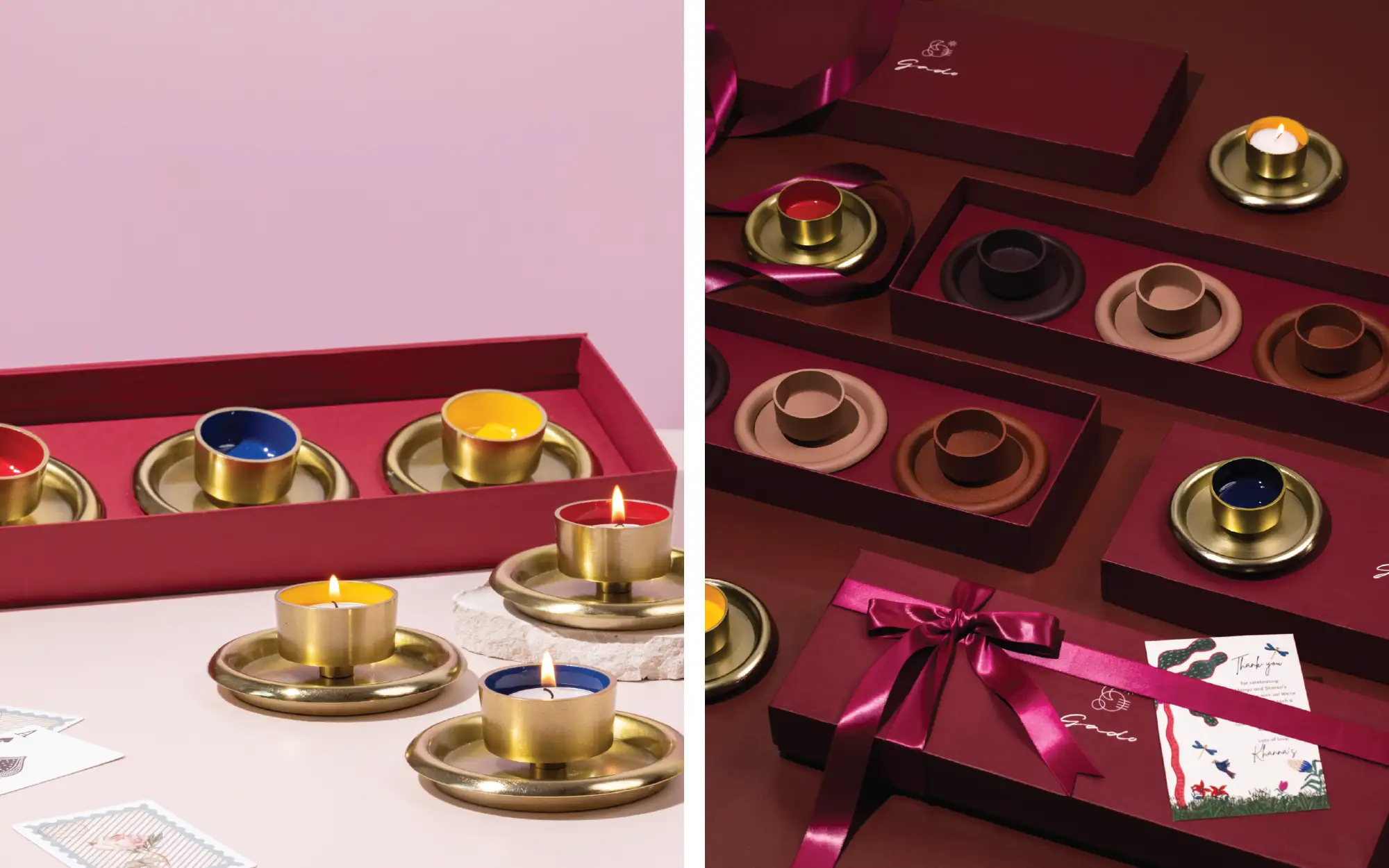
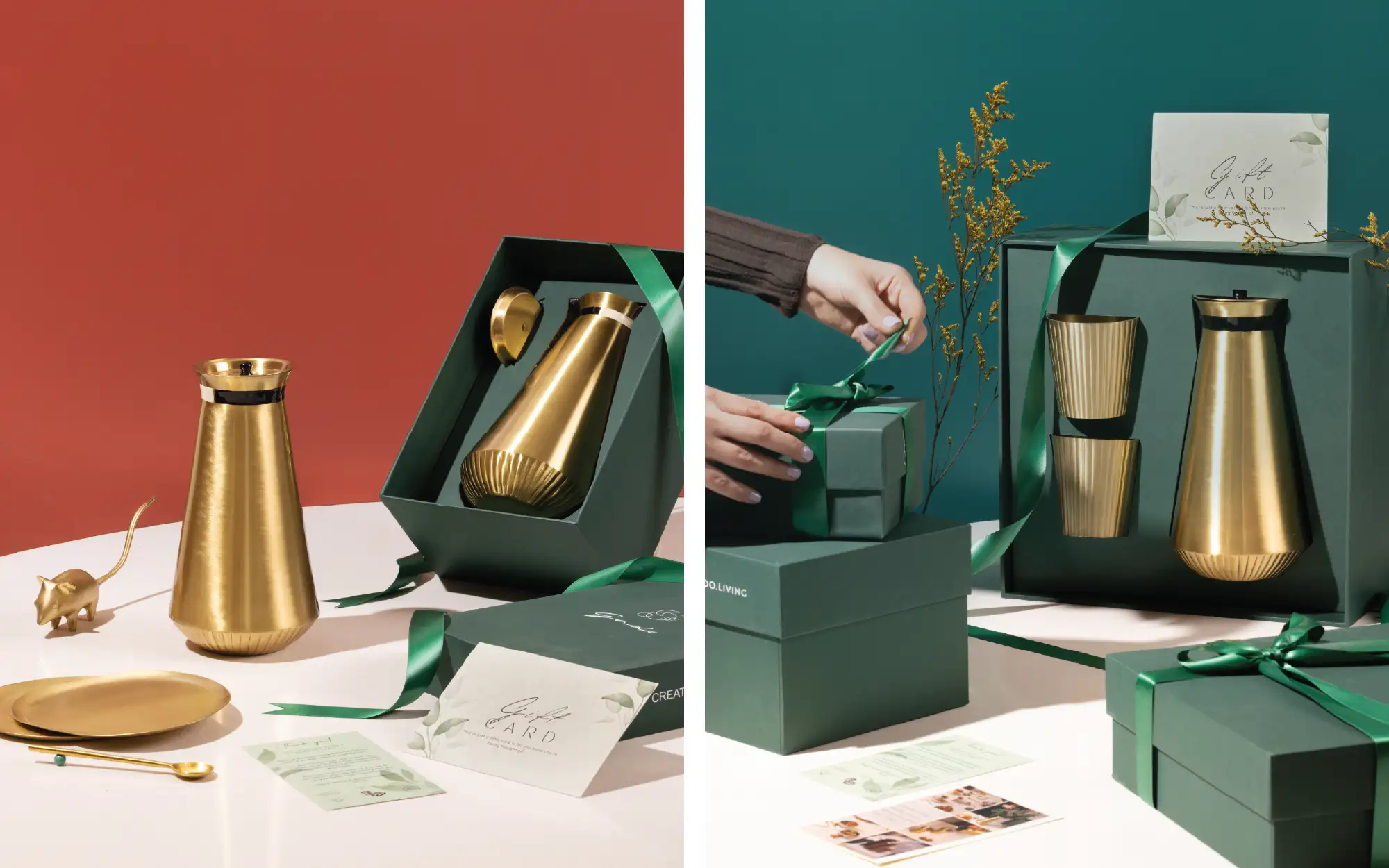
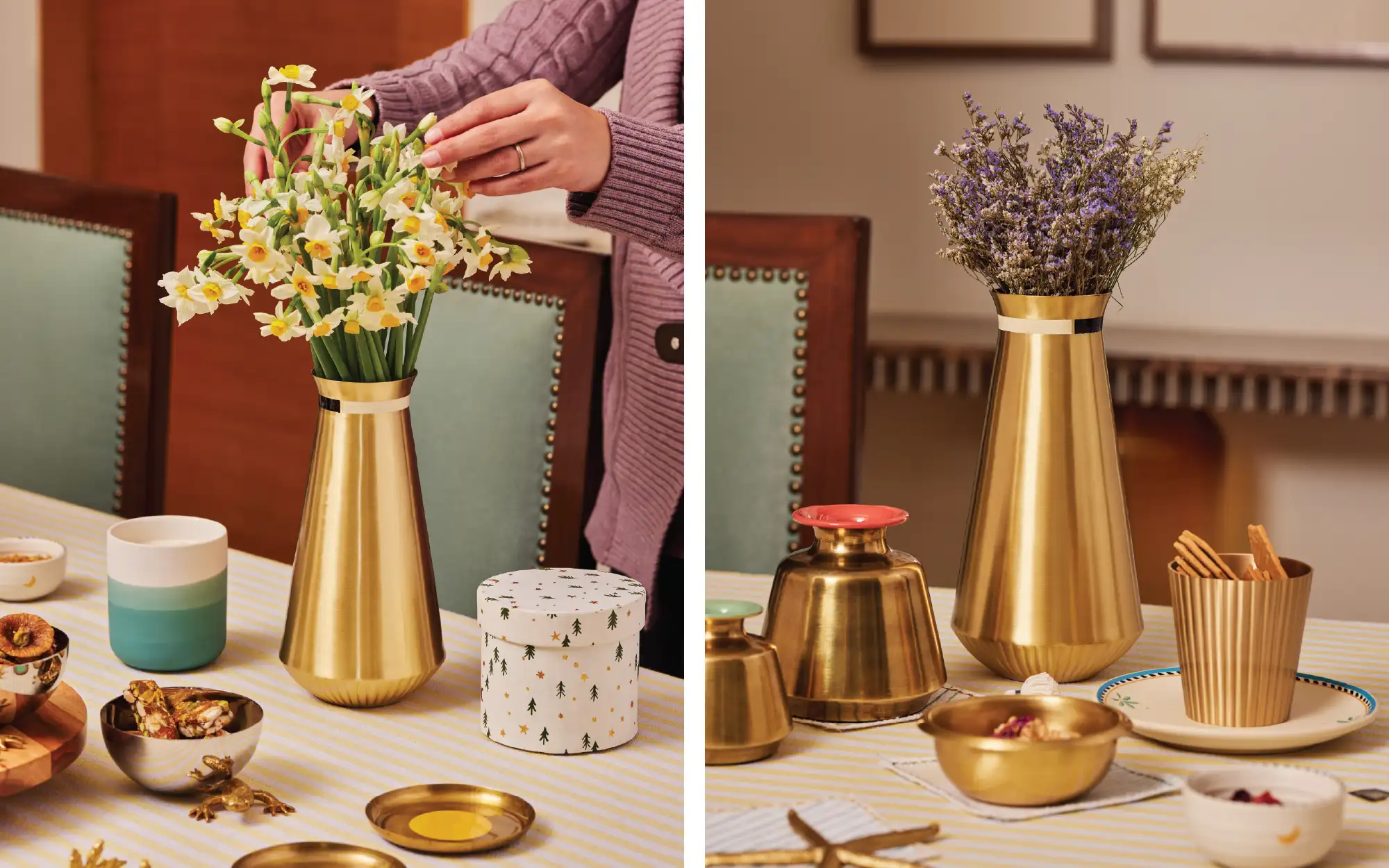
Whether it is a brass tumbler, a tea light holder, or a serving platter, we want our pieces to bring a sense of ease and warmth to a space. Design should enhance a moment, not overpower it.
DP: You believe India’s design and craftsmanship have long been celebrated abroad. How do you hope to see the market change in the future, especially in terms of craftsmanship?
AA: For decades, India has been one of the world’s strongest craft and manufacturing bases, but much of that excellence was built for export. Our artisans are creating for some of the world’s leading brands and retailers, while relatively little of that craftsmanship is positioned for the Indian consumer. Ironically, you could walk into beautifully curated stores in London or New York and find objects marked “Made in India,” yet many of us here never developed the same appreciation for our own craft traditions. Thankfully, that is beginning to change.
Today, as interiors move away from plain minimalism and return to richer, more layered spaces, there is a real opportunity for Indian craft to be seen not as traditional or ornamental, but as modern, collectable, and deeply relevant. Artisans do not need to change their skills; designers need to rethink how those skills are translated into products that fit modern lifestyles.
DP: What does ‘Indianness’ mean for you when it comes to design, especially in the contemporary context?
AA: For me, Indianness is not about motifs, symbols, or bright colours. It’s about a way of living. It’s about hospitality, gathering around food, celebrating milestones, and creating meaningful rituals around everyday moments.
India has always embraced layers, materials, textures, and storytelling. The challenge today is interpreting those values in a way that feels relevant rather than decorative. A contemporary Indian object should feel equally at home in Mumbai, London, Singapore, or New York while still carrying its origins with pride.
DP: What are some traditional techniques and skills that you have utilised in your process of creation? How do artisans contribute to this collaboration?
AA: Every product begins with an observation rather than a sketch. We ask ourselves how an everyday ritual can be made more intuitive or memorable before we ever think about the object itself. The process is highly collaborative. Ideas evolve through conversations with artisans, manufacturers, and our team. Often the best designs emerge when a traditional technique reveals a possibility we had not initially considered. Design is rarely linear. It is a constant exchange between concept, craftsmanship, and practicality.
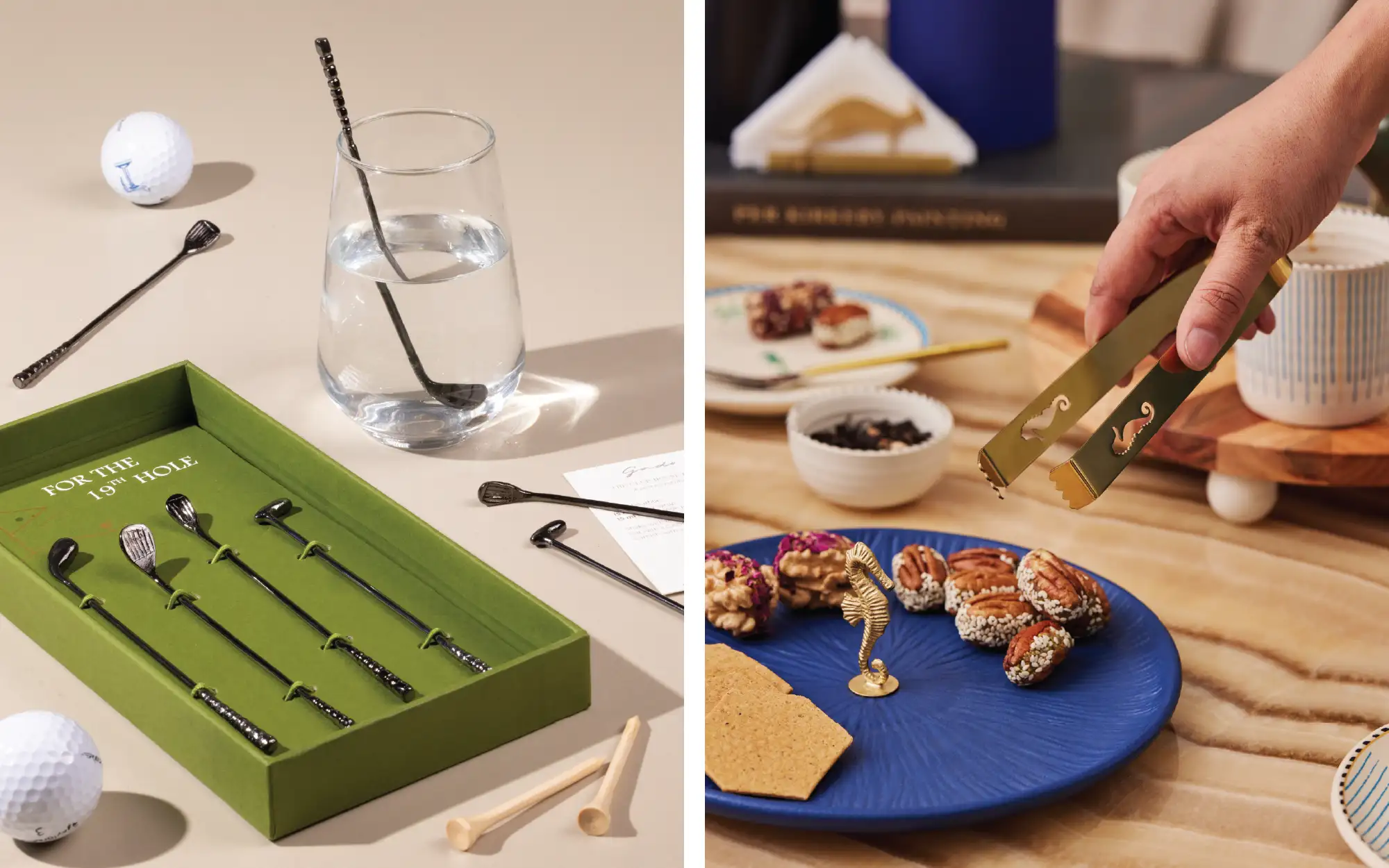
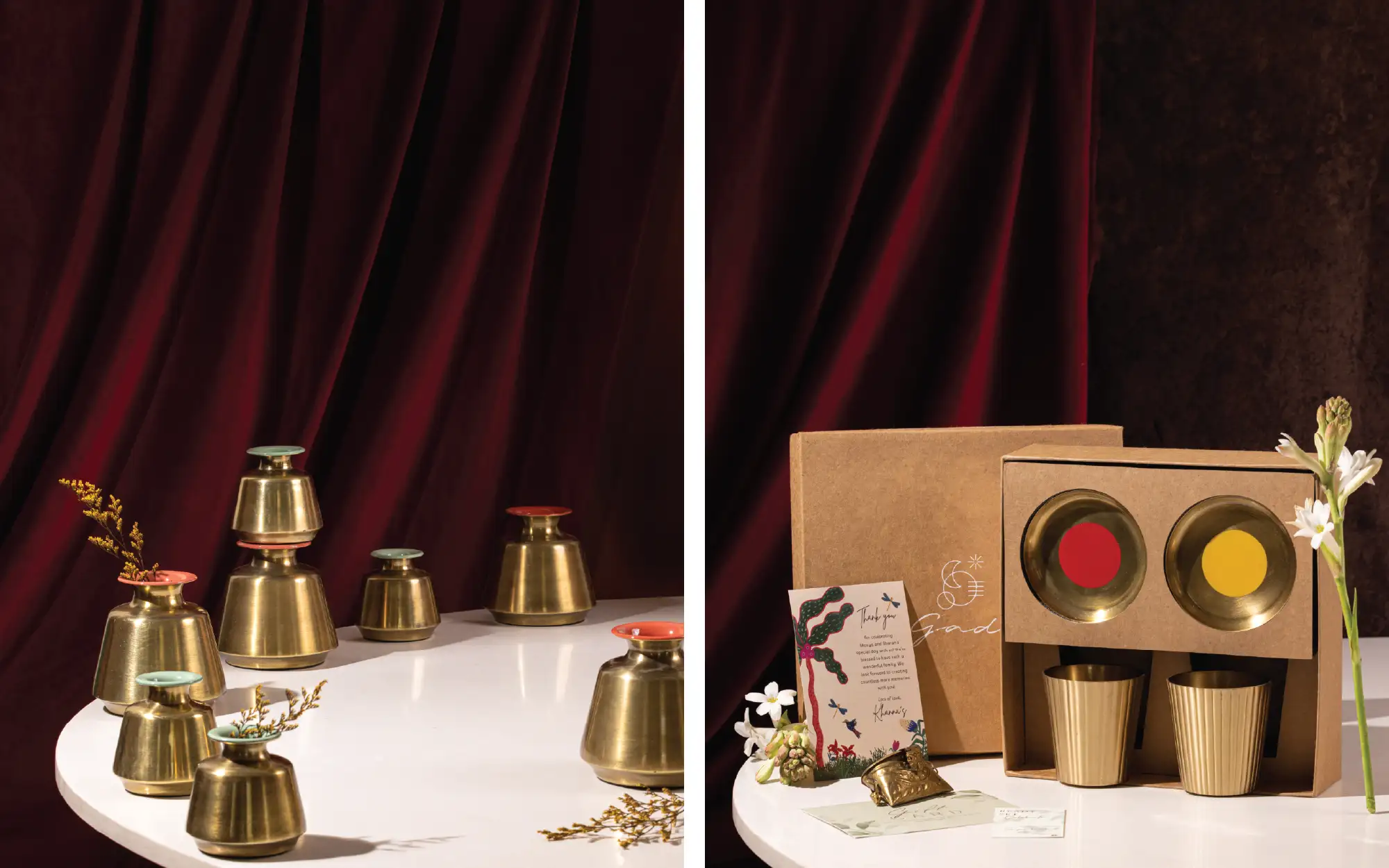
Many of our products are handcrafted in Moradabad, a city that has shaped India’s metalworking heritage for centuries. We work with a range of traditional techniques including brass casting, hand beating, hammering, intricate engraving, metal spinning, enamelling, hand polishing, etching and ceramic glazing. Each process brings a different character to the finished object. Our artisans often understand the material more deeply than we do, suggesting refinements that improve not just the aesthetics and functionality of a piece, but also its durability, finishes and ease of care.
DP: What are the primary challenges you face when collaborating with artisans or creating a new design?
AA: One of the biggest challenges is balancing design ambition with manufacturing realities. When working with handcrafted processes, there is always a dialogue between what is imagined and what is possible. Materials behave differently, techniques have limitations, and consistency requires patience.
Another challenge is preserving traditional skills while ensuring artisans have access to sustainable opportunities. Craft cannot survive on sentiment alone. It survives when good design creates demand. That, ultimately, is the responsibility of brands like ours.
DP: What has been your favourite product you have created to date? Is there a new collaboration or collection you are working on?
AA: One of my favourite pieces has to be our ‘Yin & Yang’ jug. It perfectly represents the way we approach design-taking a familiar object and rethinking it through form, balance and material. The silhouette is intentionally sculptural, while the contrasting brass and enamel surfaces create a dialogue between warmth and colour. The name itself comes from the idea of balance-between tradition and modernity, utility and art, craftsmanship and contemporary design.
We are currently exploring new materials and expanding beyond brass into categories that allow us to tell different stories. Stainless steel is one direction we’re particularly excited about. We’re also working on larger statement pieces inspired by traditional Indian objects. One of the pieces you’ll see soon is our interpretation of the classic urli, reimagined with a sculptural Nandi at its centre. Alongside that, for the festive season, we’re also developing a new gifting collection that brings together thoughtfully curated product combinations rather than conventional gift hampers.
DP: What do you want your pieces to convey to the viewer/user? Is there a thought or feeling you aim to provoke?
AA: More than anything, I want people to form an emotional relationship with the objects they bring into their homes.
We live in a time of constant consumption, where products are often purchased and forgotten. I hope our pieces encourage the opposite. If a product becomes part of someone’s hosting ritual, family gathering, celebration, or daily routine, it has succeeded.
*This article is an advertorial for Gado Living. You can view the entire collection on www.gadoliving.com *