Inside Pemako Punakha Bhutan: Designer Bill Bensley Creates An Alternate Universe Of This Himalayan Kingdom
Bensley's iconoclastic approach eschews predictable notions of Himalayan luxury in favour of a deeply immersive experience, one that draws equally from Bhutan's artistic heritage, spiritual traditions and natural landscape.
- 6 Jul '26
- 4:59 pm by Satarupa Datta

Bhutan has long occupied a mythical place in the traveller’s imagination. As Pico Iyer famously said during his travels, it was “perhaps the ultimate lonely planet in the world”, a snow-capped Buddhist kingdom tucked deep within the folds of the high Himalayas. When he arrived in the 1980s, the country felt almost gloriously inaccessible. Fast forward to the 21st century, a new airport and an ambitious city could reshape travel to the Himalayan kingdom. Luxury hospitality has been busy finding its footing in the Land of the Thunder Dragon. Yet among the growing collection of luxury addresses, one property continues to capture the imagination of design devotees: Pemako Punakha.
Conceived by the irrepressibly inventive Bill Bensley as an “alternate universe” in Bhutan, the resort feels as though a traditional Dzong and a wildly imaginative design dream decided to collaborate. Spread across 60 acres of forests, rivers and mountains, the property trades predictable notions of luxury for something far more compelling: a sense of discovery. Here, tented villas emerge from lush landscapes, architecture dissolves into nature, and the only thing more dramatic than the interiors is the scenery outside.
Also Read: Bangkok In 24 Hours: From Green Sanctuary To Asia’s Best 50 Cocktail Bar And Art Museums
How To Get There
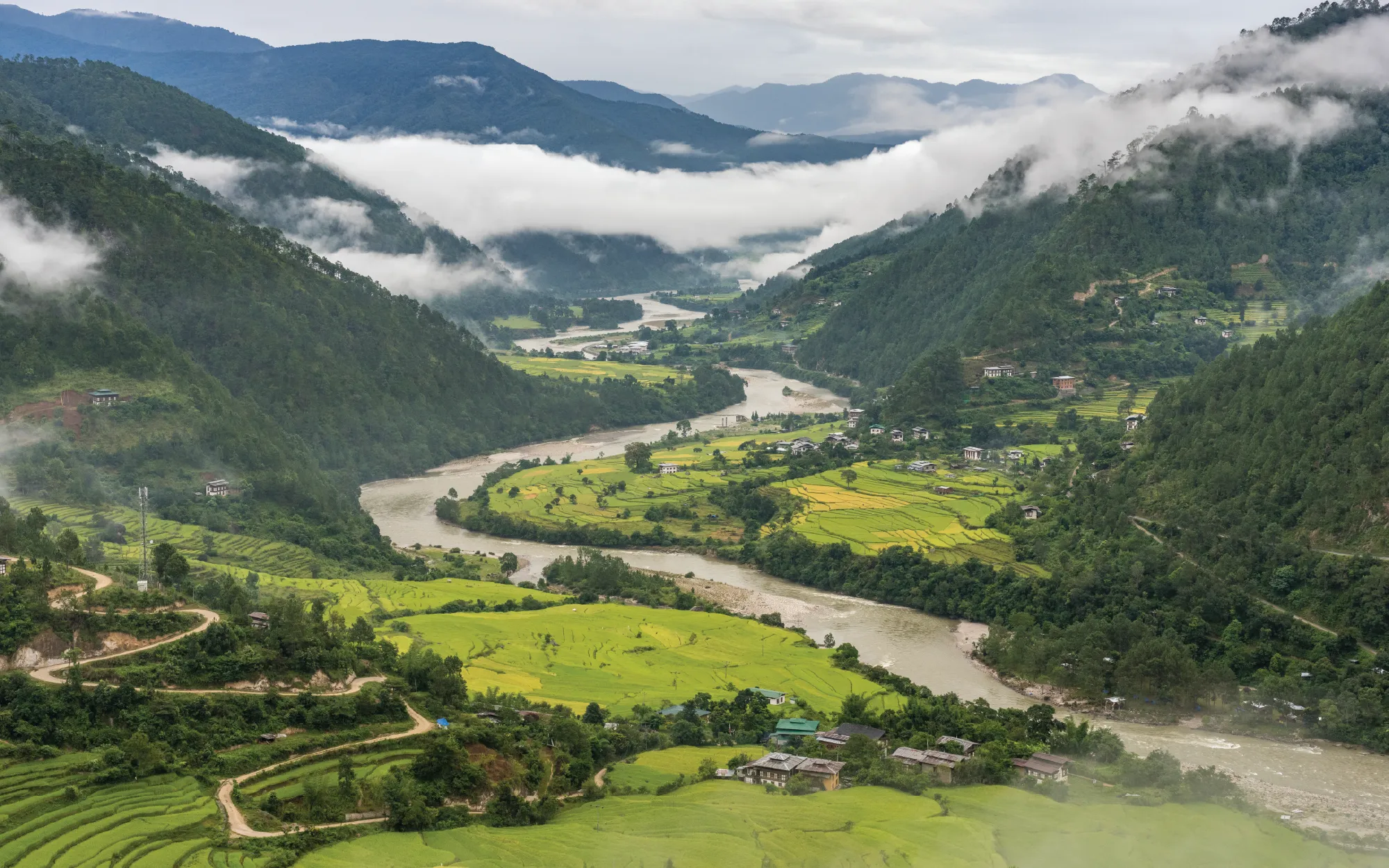
From Paro International Airport, the journey to Pemako Punakha takes approximately three and a half hours, but in Bhutan, the road is as much a part of the experience as the destination itself. The drive winds along dramatic cliffside roads, racing a series of hairpin bends through thick mountain mist before crossing the majestic Dochula Pass. As prayer flags flutter in the wind and clouds drift across forested ridges, the landscape unfolds with a cinematic sense of anticipation.
Then, almost suddenly, the terrain softens, and the Punakha Valley emerges below. Known as Bhutan’s breadbasket, this fertile region feels markedly different from the country’s higher-altitude landscapes. A subtropical paradise nourished by the winding Mo Chhu River, Punakha is a patchwork of rice fields, fruit orchards and forested hillsides. For the most seamless arrival, opt for the resort’s private helicopter transfer. With its own helipad, Pemako Punakha offers a spectacular aerial approach.
Architecture That Enwraps In A Tale Of Awakening
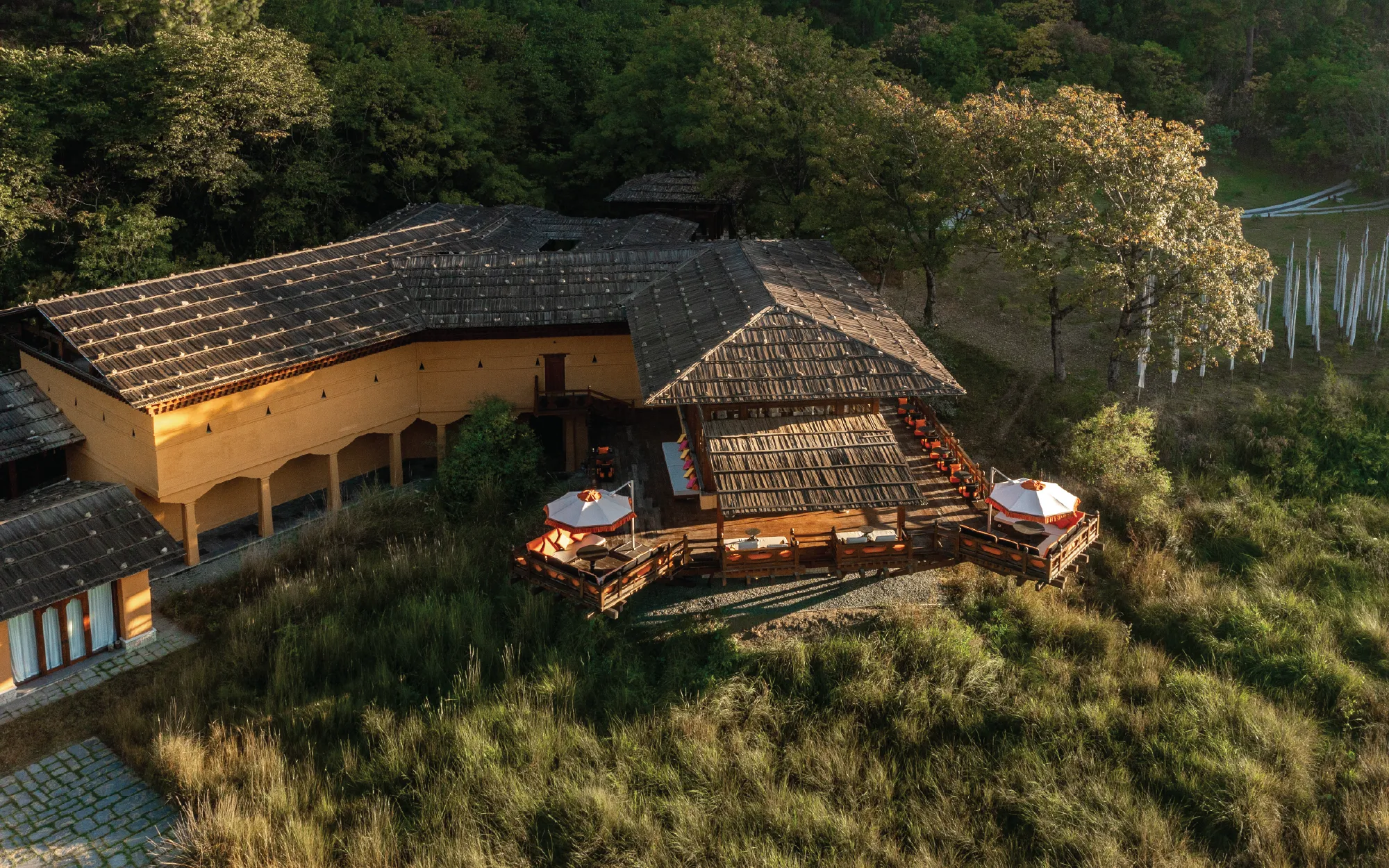
The name Pemako translates as “the Hidden Lotus Land,” a reference to a legendary Tibetan ‘beyul’ — a sacred hidden valley believed to be accessible only through a mystical waterfall. It is a fitting inspiration for a resort’s arrival. There is no grand driveway but a narrow footbridge suspended over the emerald waters of the Mo Chhu River. Crossing the bridge and a cascading waterfall installation make for an arrival akin to a transition into another world. True to Bill Bensley’s flair for storytelling, Pemako Punakha does not reveal itself all at once. Instead, it unfolds in carefully choreographed layers.
A monumental entrance, richly inspired by the artistry and craftsmanship of Bhutan’s historic dzongs, serves as the opening act. Beyond it stretches a dramatic corridor where walls washed in the vibrant hues of prayer flags are adorned with oversized sacred artworks and masks of mythical beasts that appear to stand guard over the journey ahead. By the time guests reach the reception hall and expansive living area, they have already been immersed in a narrative of Bhutanese culture, symbolism and craft. Only then are they escorted to their villas, each tucked discreetly into the landscape, as though the mountains themselves had conspired to keep them hidden.
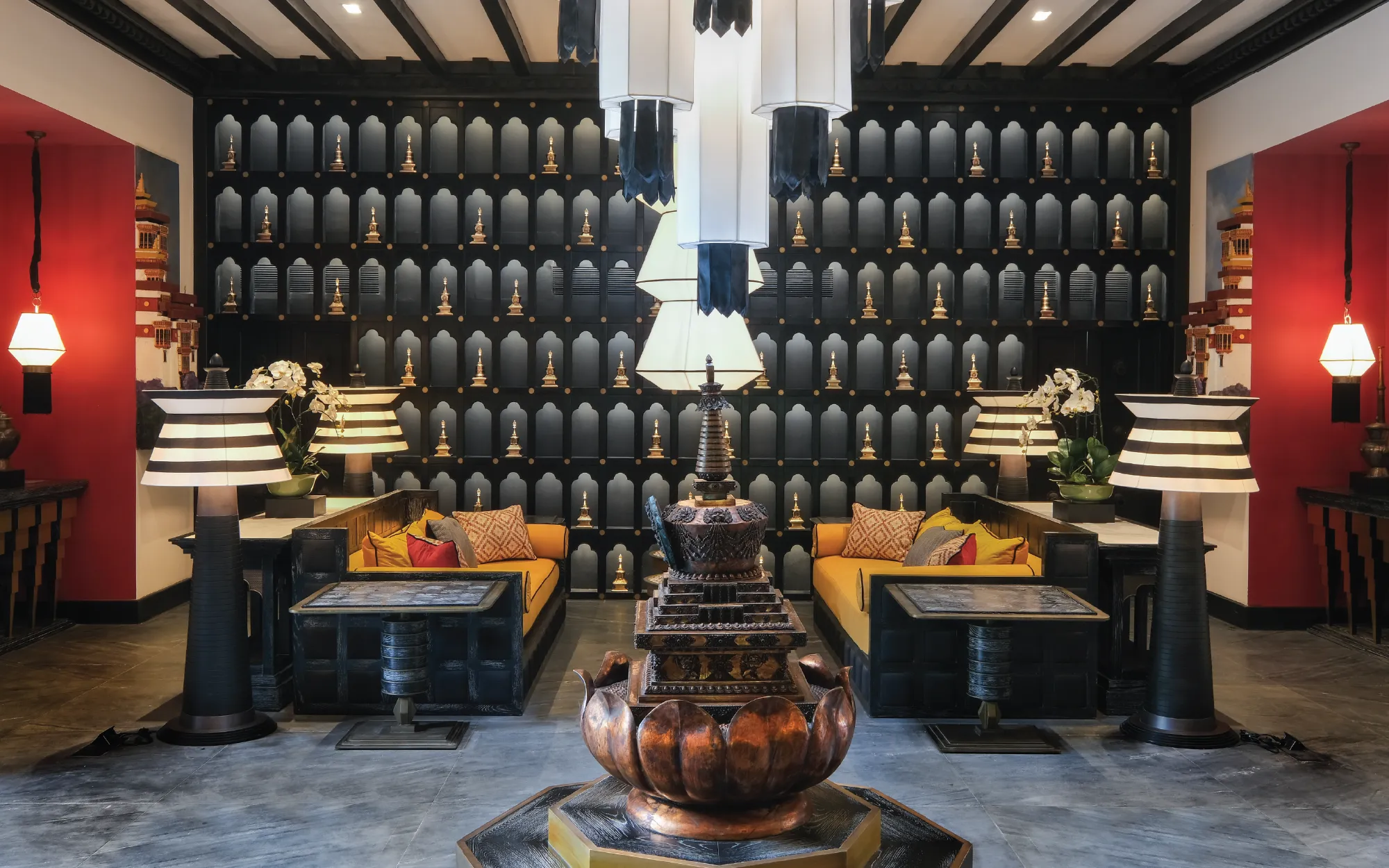
Conceptualised by the maverick designer Bill Bensley, nearly every façade, pathway and spatial gesture carries a hidden metaphor or cultural reference — some immediately apparent, others revealing themselves only over time. Take the stairways, for instance. Many are organised around stupa-like structures positioned at the heart of their atriums, subtly encouraging guests to circumambulate as they move through the space. It is a thoughtful nod to a deeply ingrained Buddhist ritual, transforming a simple architectural journey into an almost unconscious act of reflection. The landscape, too, follows a philosophy of accommodation rather than imposition. Instead of clearing the site to suit a master plan, many of the mature trees were preserved, becoming anchors around which the development evolved. This sensitivity to symbolism and site is what sets Pemako apart. While many luxury resorts borrow visual cues from local culture, Pemako embeds Bhutanese beliefs and ways of living into the very logic of its design.
The Glamp Villas Can Be A Gallery, a Moodsetter or a Resting Haven
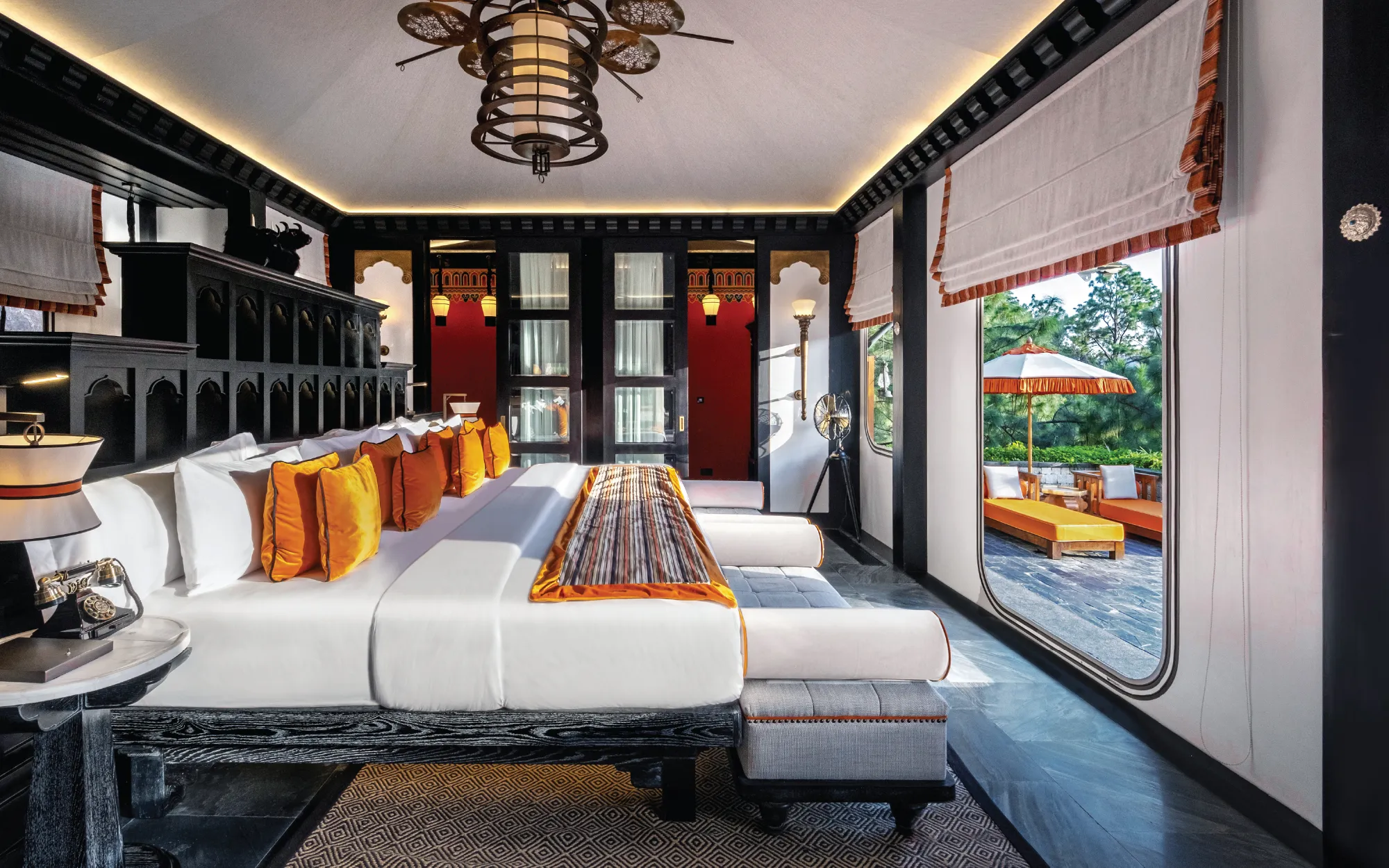
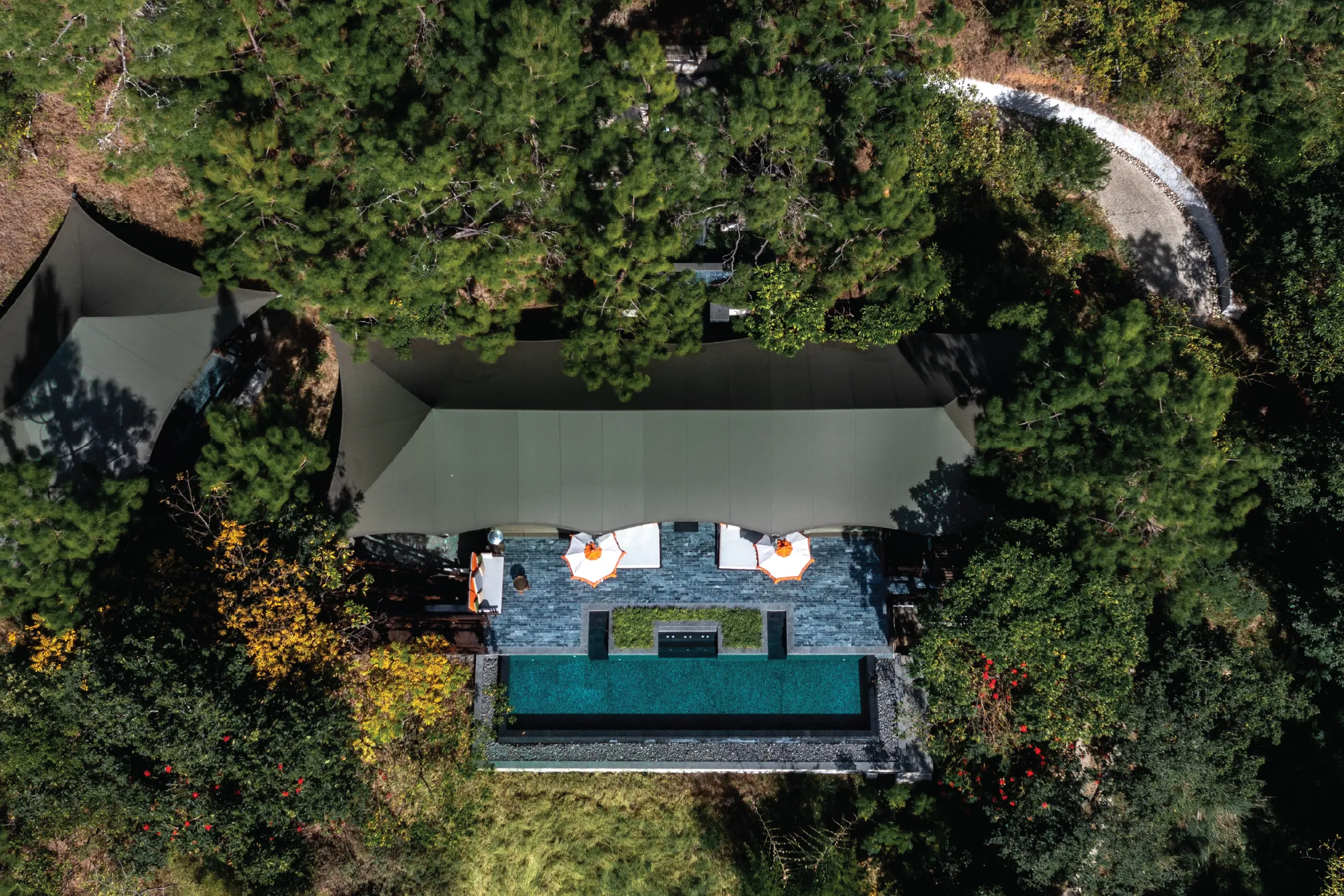
Twenty-one tented villas are retreats of their own, scattered across the hillside in a palette of muted neutrals and khakis, their silhouettes blending so seamlessly into the landscape that they seem to vanish into the surrounding wilderness. Several villas feature two to three bedrooms, making them ideal for multi-generational families or groups of friends seeking a shared Himalayan retreat. Expansive private decks come equipped with outdoor dining spaces and barbecue facilities, encouraging long, leisurely meals against a backdrop of mountains and forest. Every villa also includes a heated private pool and generous outdoor terraces that frame sweeping views of the Mo Chhu River and the dense woodland beyond.
Inside, the design narrative continues with a rich palette of saffron orange, golden yellow, black and white colours drawn from Bhutanese symbolism, mirrored throughout the furnishings and decorative details. Ceremonial battle helmets, sculptures of yaks and mythical creatures, locally commissioned artworks and handcrafted objects create a sense of place without ever slipping into cliché.
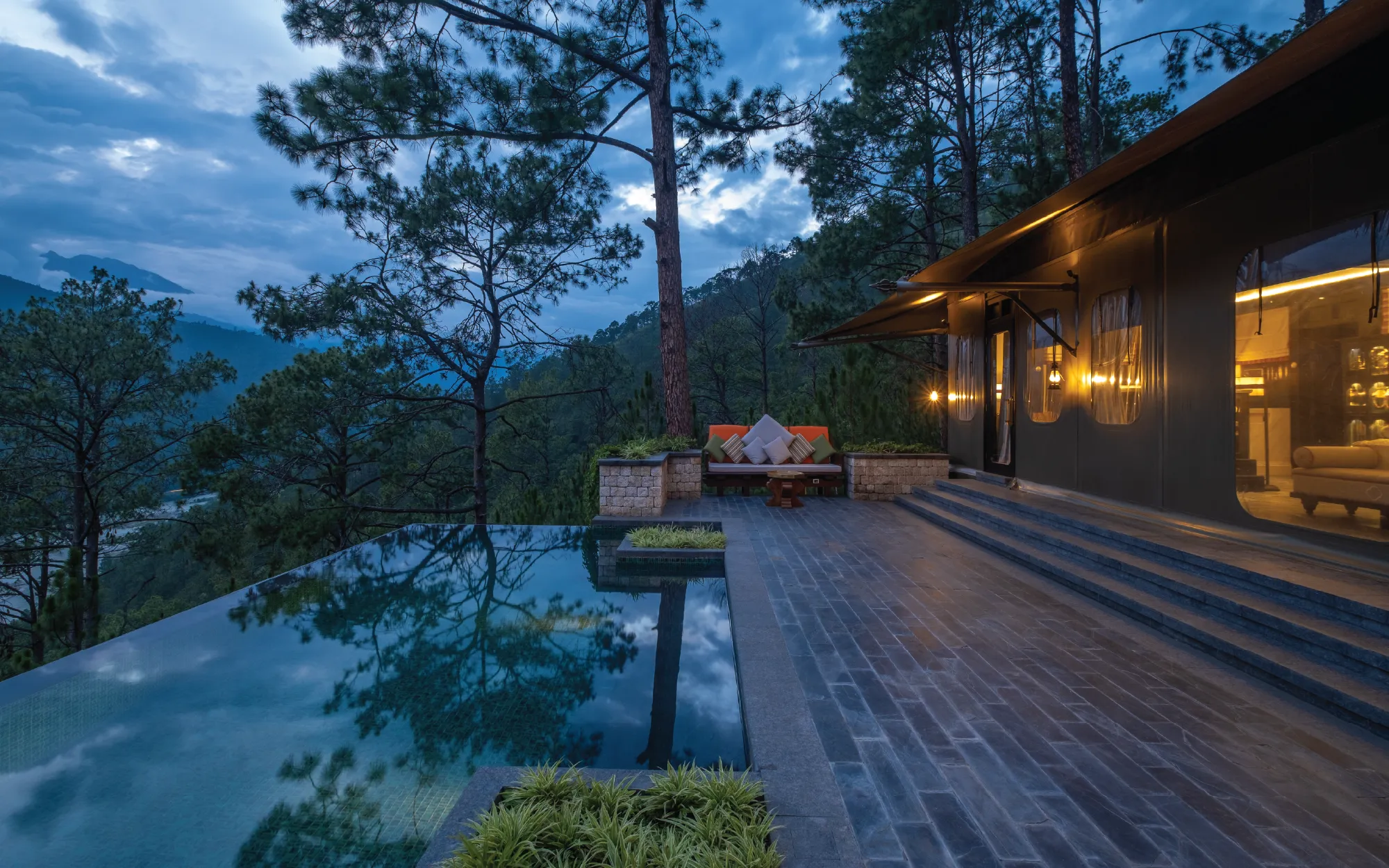
Signature Bill Bensley touches are evident throughout. Serge Ferrari fabric walls lend the villas their distinctive tented character, while custom-designed lighting, richly textured materials and freestanding copper bathtubs add layers of comfort and drama. It comes with a private butler on call and a buggy to whisk guests across the sprawling estate. While privacy is a given throughout the resort, some villas are tucked deep within dense groves of trees, creating the feeling of having stumbled upon your own secret Himalayan hideaway.
Dining That Dives Into Private Sessions With Chefs
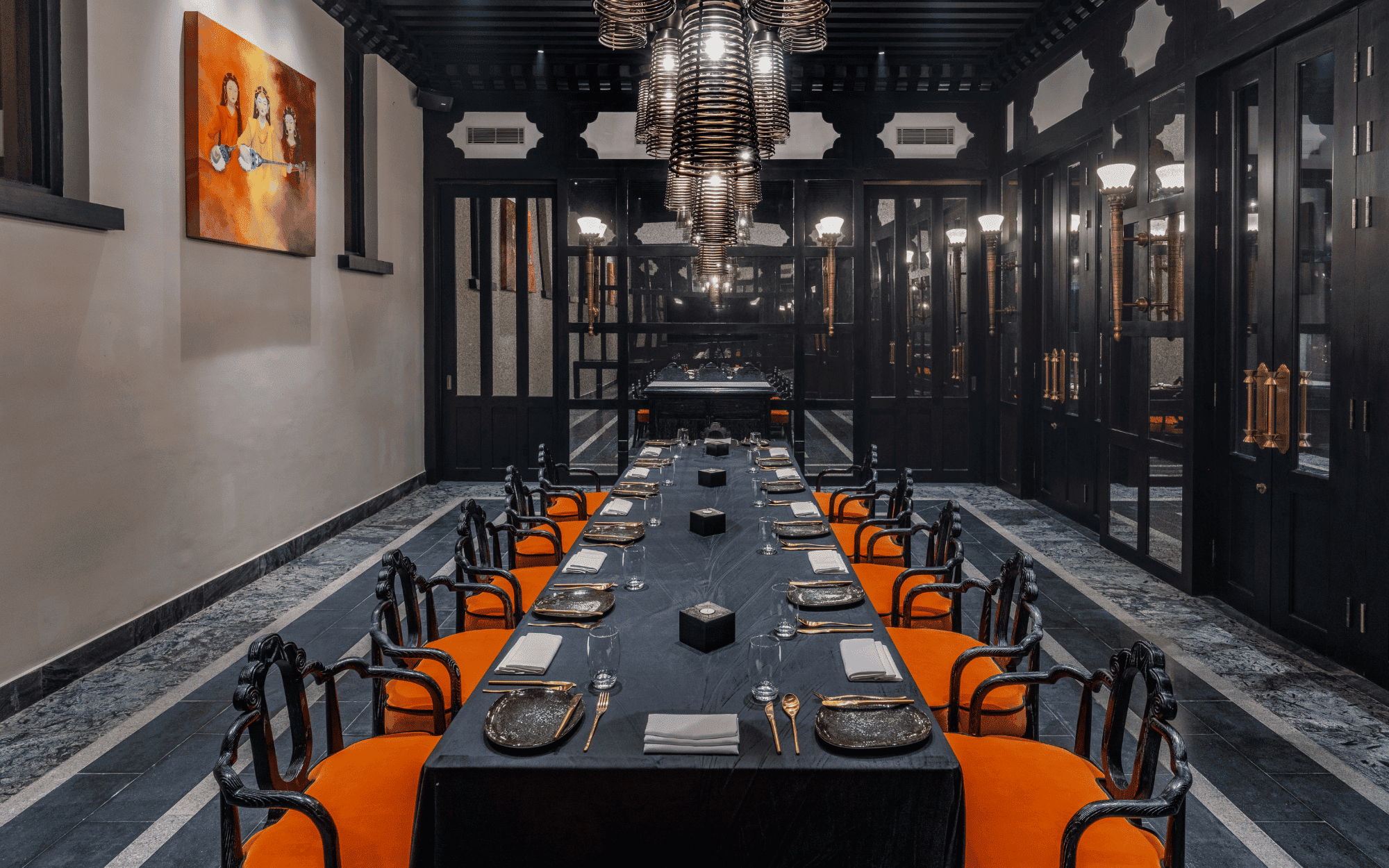
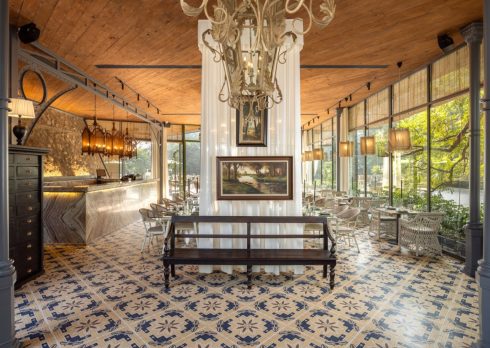
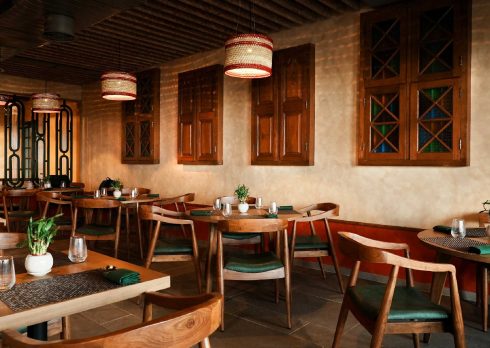
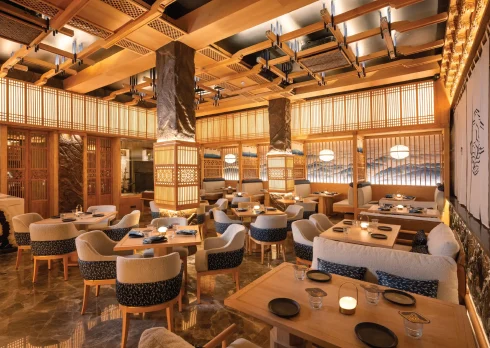
Dining at Pemako unfolds across beautifully conceived spaces. The all-day dining restaurant, Soma, serves an eclectic menu of global favourites while remaining deeply connected to its Himalayan setting. Mornings begin with red rice crepes, their traditional breakfast, with potatoes and a drizzle of chilli, while comforting Southeast Asian bowls provide welcome sustenance on crisp mountain afternoons. For dinner, make your way to Alchemy House, arguably the property’s most atmospheric dining venue. Housed within a heritage Bhutanese home that predates the resort itself, the building has been meticulously restored, preserving its traditional architecture, weathered textures and rustic kitchen. The menu celebrates the country’s remarkable produce, showcasing local ingredients through dishes that are both rooted in tradition and thoughtfully refined.
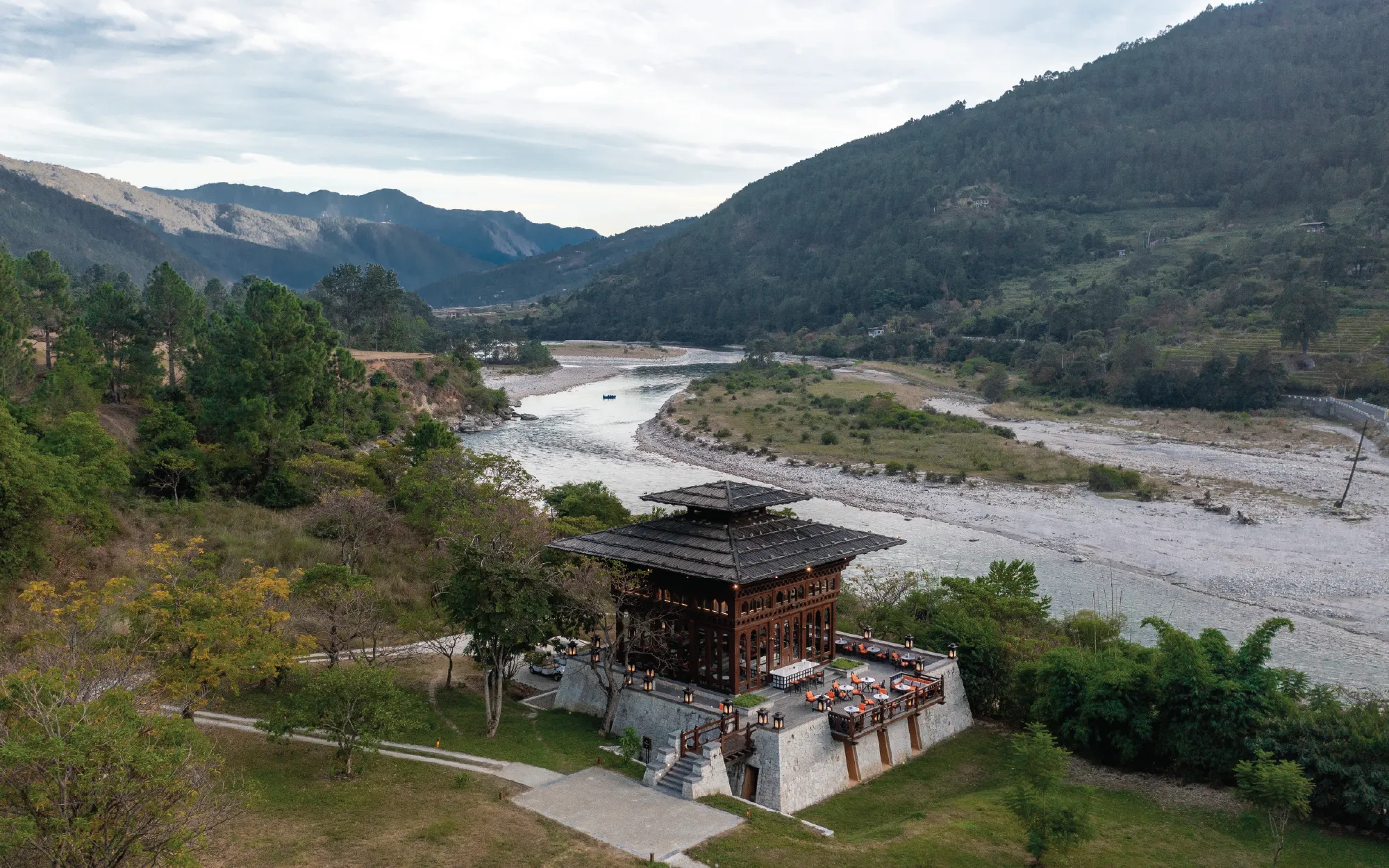
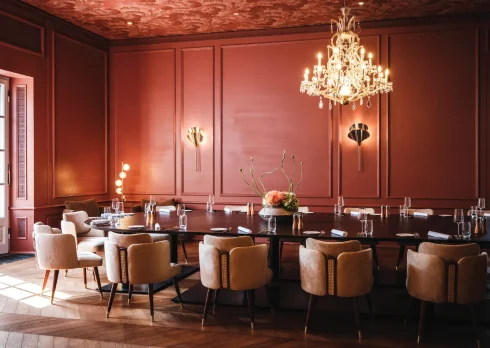
As daylight fades, the beautifully illuminated Five Nectars Bar emerges as one of Pemako’s most captivating settings. Designed in the form of a Bhutanese stupa, the striking structure glows against the darkening hillside and commands perhaps the finest vantage point over the river. It’s the sort of place where one cocktail inevitably turns into two. The menu features inventive drinks inspired by the surrounding landscape, incorporating herbs, fruits and spices sourced from the property and the region. Consider Bhutan in a glass. Beneath the bar lies an intimate private dining space, Sura, anchored by a chef’s table experience. Here, guests can indulge in bespoke tasting menus crafted around seasonal, farm-to-table ingredients and imaginative flavour pairings. For those seeking an even more secluded experience, Ati is a luxurious picnic dining set in one of the resort’s most enchanting settings. Hidden among towering pines, this dedicated picnic pavilion occupies a forested deck complete with its own dining room and terrace.
Read More: 7 New Dining Spaces In Bengaluru That Are Serving Spaces, Not Just Plates
Wellness that Surrenders To The Warmth of Stones
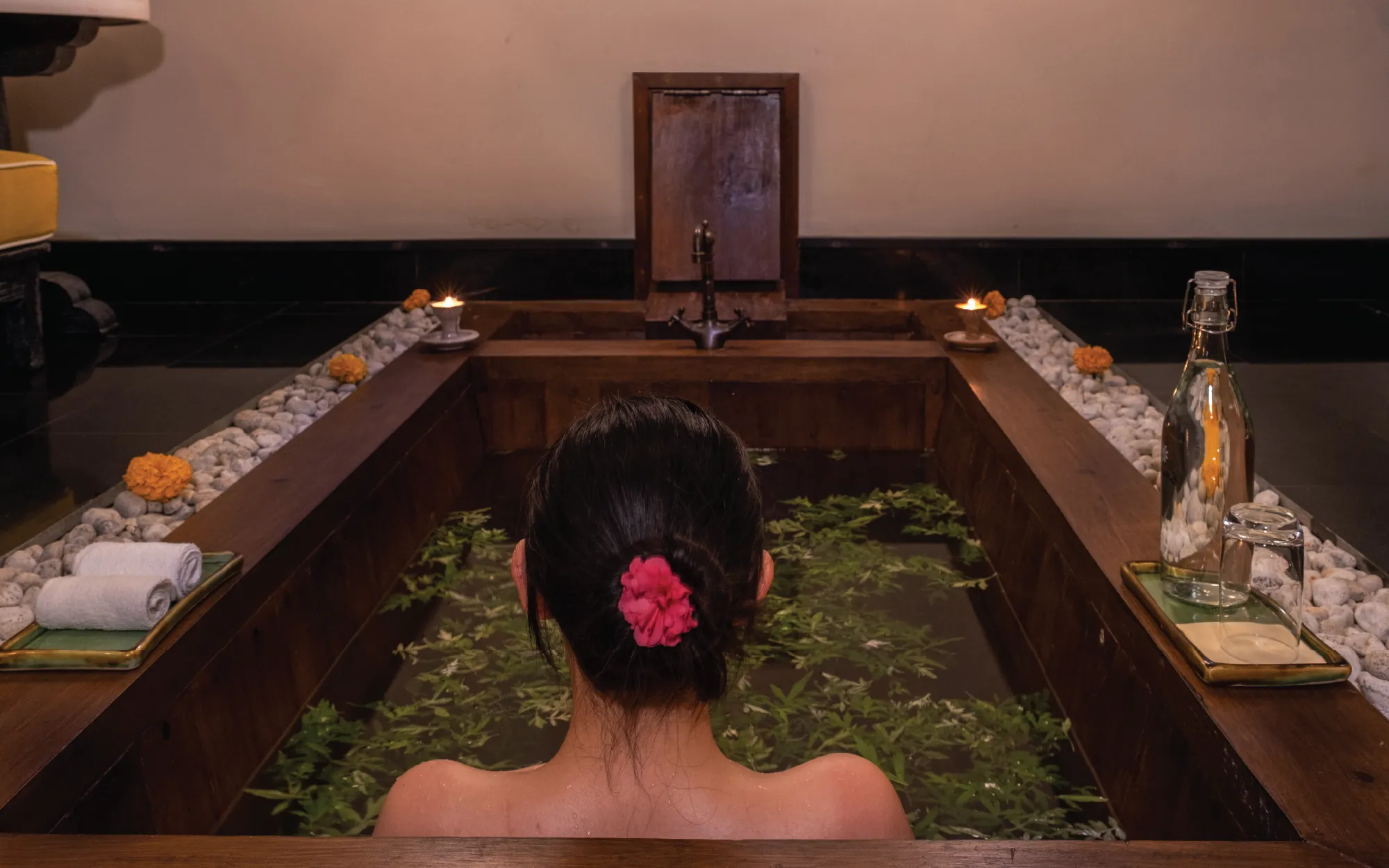
No stay at Pemako would be complete without surrendering to the Lotus Realm Spa, the resort’s wellness sanctuary inspired by Bhutan’s deep-rooted healing traditions. Much like the mythical Hidden Lotus Land that lends the resort its name, the spa is designed as a place of restoration and renewal, where ancient wisdom meets contemporary wellbeing.
For those seeking a more personalised path to wellbeing, the resort offers consultations with an on-site practitioner of traditional Bhutanese medicine. Following an assessment, guests are guided towards remedies and therapies tailored to their individual concerns, providing a fascinating glimpse into one of the Himalayas’ oldest healing systems. Five sacred herbs associated with the legendary hidden valley have been interpreted through their closest real-world botanical fragrance counterparts and are woven throughout the resort’s offerings. Guests encounter them in infused drinking waters, aromatic spa rituals and restorative treatments, creating a subtle thread that connects every aspect of the stay back to the story of the Hidden Lotus Land.
Among the signature experiences is the traditional Bhutanese hot stone bath, a centuries-old ritual that combines heated river stones with medicinal herbs. Equally memorable is the Yak Butter Massage, a uniquely Himalayan treatment that harnesses the nourishing properties of clarified yak butter to soothe and hydrate the skin while delivering a deeply calming full-body therapy.
Final Thoughts
After all, who wouldn’t be intrigued by a country that measures success by Gross National Happiness (GNH)? In a world obsessed with quarterly earnings and productivity hacks, Bhutan’s national pursuit of happiness feels either wonderfully enlightened or like the ultimate luxury amenity. Bhutan’s deep respect for nature is embedded in the very logic of the landscape. In keeping with this philosophy, Pemako Punakha’s surroundings and the retreat grounds have been left deliberately wild and undisturbed, shaped only minimally by Bill Bensley’s biophilic design approach. Rather than imposing itself on the terrain, the resort appears to have been carefully threaded through it, as though it had always been there, waiting to be discovered.
And yet, for all its infrastructure and intention, the most persuasive argument for Pemako’s philosophy is still experiential. To float in a private pool, suspended above the Punakha Valley, with the river tracing its path far below and the mountains dissolving into mist, is to understand a quieter definition of luxury. It is not excess but stillness—an unhurried moment of clarity framed by wilderness. In a world that rarely pauses, that sense of calm becomes the most valuable luxury amenity of all in Bhutan.
DP Loves
#1 Bill Bensley designed the luxury tented pool villas with a groundbreaking design philosophy that comes to life through a rich interplay of materials, symbolism and storytelling.
#2 One of the most memorable experiences is to awaken to a floating breakfast served on the tranquil waters of your private heated plunge pool.
#3 After a day spent exploring Punakha’s forests, river valleys and mountain trails, few experiences feel more rewarding than the signature Yak Butter Massage at the Lotus Realm Spa.
#4 A sit-down dinner at Alchemy House unfolds at an unhurried pace under the guidance of Chef Ugyen and Sous Chef Rohini, whose menus celebrate the richness of Bhutanese ingredients and culinary traditions.
#5 Punakha Dzong, just 20 minutes from the retreat, is often considered one of Bhutan’s most beautiful dzongs, especially in spring when lilac jacaranda trees soften its towering whitewashed walls.
#6 Khamsum Yulley Namgyal Chorten is a must-visit cultural landmark near Pemako Punakha, located just a short drive away, followed by a scenic 40-minute hike through the valley.