Where To Stay In Kyoto: 3-Design Hotels With Tadao Ando’s Midas Touch, Craft-Boutiques And Moss Gardens
Blurring the lines between hotel and home, these boutique hotels in Kyoto are evolving as design-forward, culturally attuned bases with onsite boutique craft stores and curated art collections, inviting a commune of design-minded travellers.
- 2 Apr '26
- 11:24 am by Satarupa Datta

Whether it’s your first visit or your tenth, Kyoto has a way of drawing you back. You may arrive with plans to explore Japan’s lesser-known corners, yet Kyoto draws one like the love you never quite move on from. With its atmospheric temples, sublime gardens, and traditional teahouses, the city unfolds at an unhurried pace. In Gion District, one of Kyoto’s most storied neighbourhoods, narrow lanes invite slow wandering past teahouses, 17th-century restaurants, and quietly elegant storefronts. There’s a timelessness here, where culture and craft feel deeply preserved, snaring the curiosity of modern travellers. Beyond its heritage, Kyoto is also witnessing a quiet design renaissance. A new wave of luxury hotels is reinterpreting tradition through contemporary architecture and interiors, making the city as compelling for design lovers as it is for cultural purists.
DP curates three of the most inspiring design-led stays across Japan’s ever-evolving ancient capital, Kyoto, for that design-savvy traveller.
- The Shinmonzen – An Design Hotel Where Japanese Ryokan Meets French Sensibility
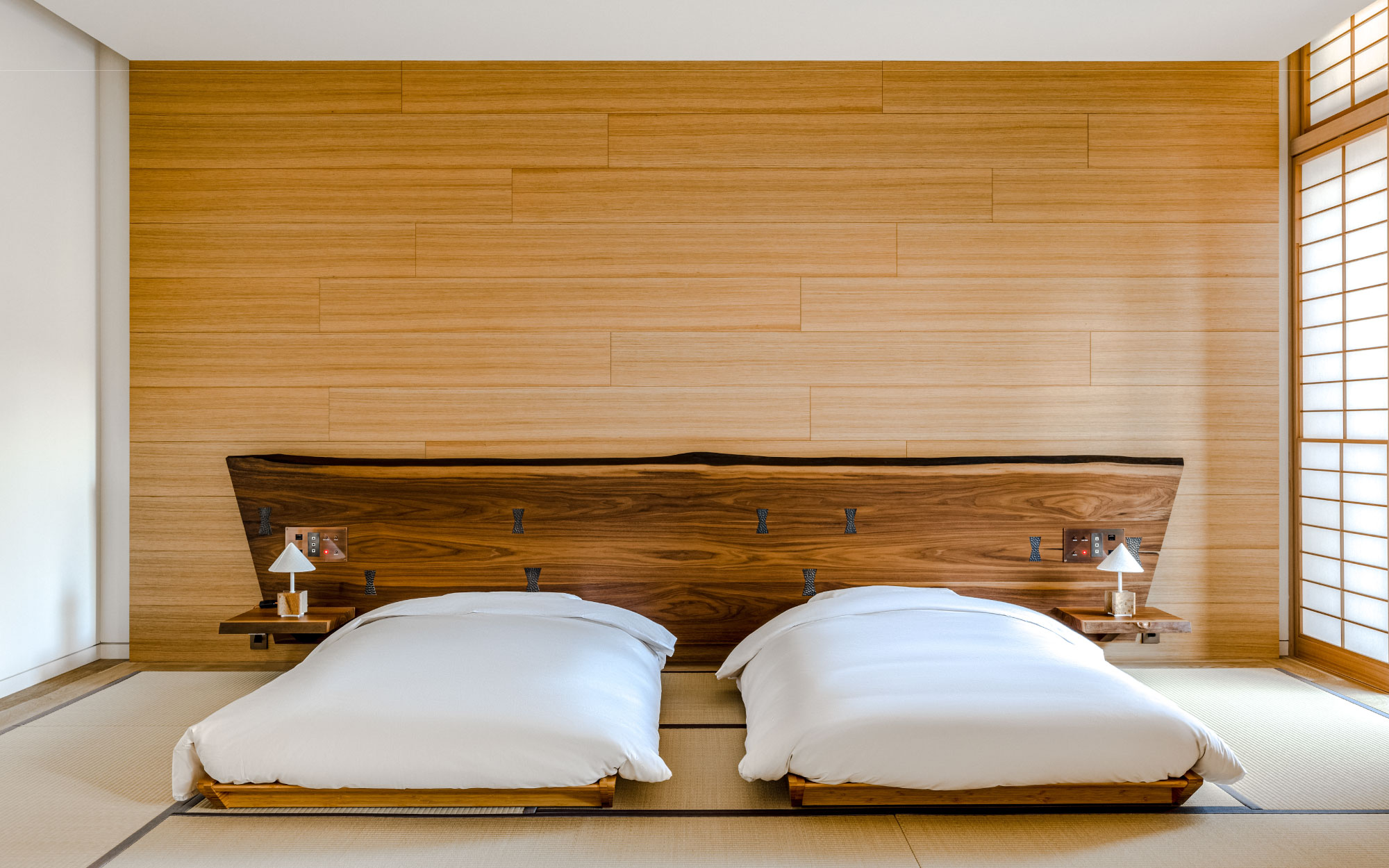
Located along the quietly enchanting lanes of Gion Shirakawa and Shinmonzen Street, overlooking the river, The Shinmonzen is a masterclass in understated luxury, designed by the legendary architect Tadao Ando. From the outside, it retains the restrained elegance of a traditional Machiya townhouse; step in and it comes up as an intimate, art-led boutique retreat. With just nine suites, the hotel is conceived as a deeply personal experience—where architecture, art, and nature co-exist in perfect balance.
Also Read: With The Artist: Kaanchi Chopra’s Art Rethinks Plants Through Radiology
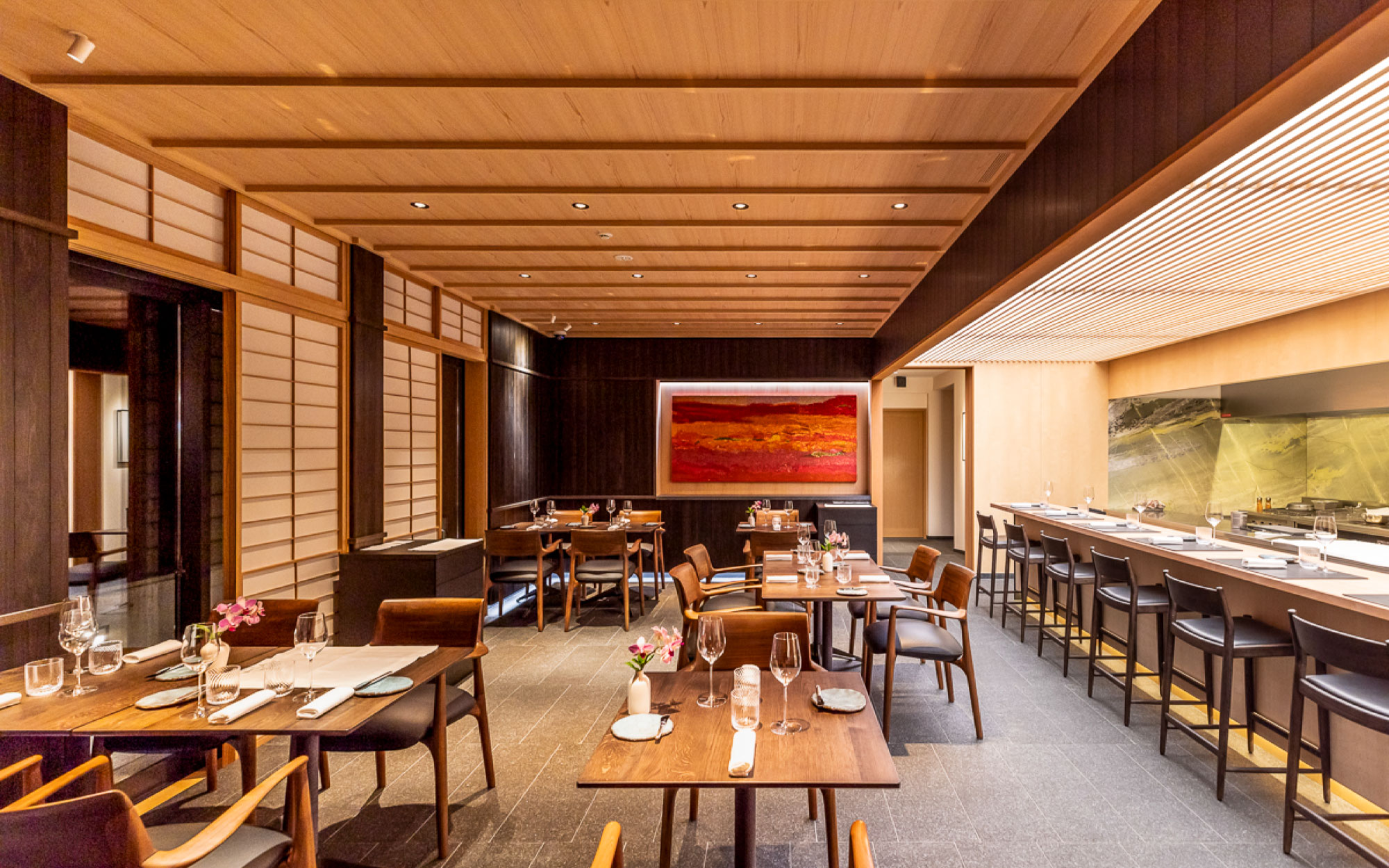
Ando’s signature minimalism is evident throughout, softened by ryokan-inspired interiors and an exceptional collection of contemporary art featuring works by Damien Hirst, Annie Morris, Kohei Nawa, and Yoon-Young Hur.
Each suite is defined by a distinct native material—bamboo, lacquer, silk, or stone, imbuing the spaces with texture, depth, and a subtle sense of purity. Expect cypress soaking tubs, expansive marble counters, velvety tatami floors, handwoven carpets, and bespoke artworks that elevate the experience of rest. Dining is equally considered. Chef Jean-Georges offers a refined culinary journey, where French technique meets American and Asian influences, guided by the finest seasonal local ingredients. The ochre-toned bar, an intimate six-seater, delivers a highly personalised beverage experience, while the riverside terrace, overlooking the gentle flow of the Shirakawa river, sets the scene for quietly memorable evenings.
Beyond the hotel, guests are granted rare access to Kyoto’s cultural heart—from private Zen meditation at Ryosoku-in Temple to exclusive invitations to traditional teahouses and intimate geisha performances, experiences that deepen the connection to the city’s timeless spirit.
#DP loves the art collection featuring works by Damien Hirst, Annie Morris, Kohei Nawa, and Yoon-Young Hur, which enriches the ryokan-inspired suites with a distinctly contemporary edge.
2. Hoshinoya – A Riverside Retreat Gifted In Nature-Drenched Serenity
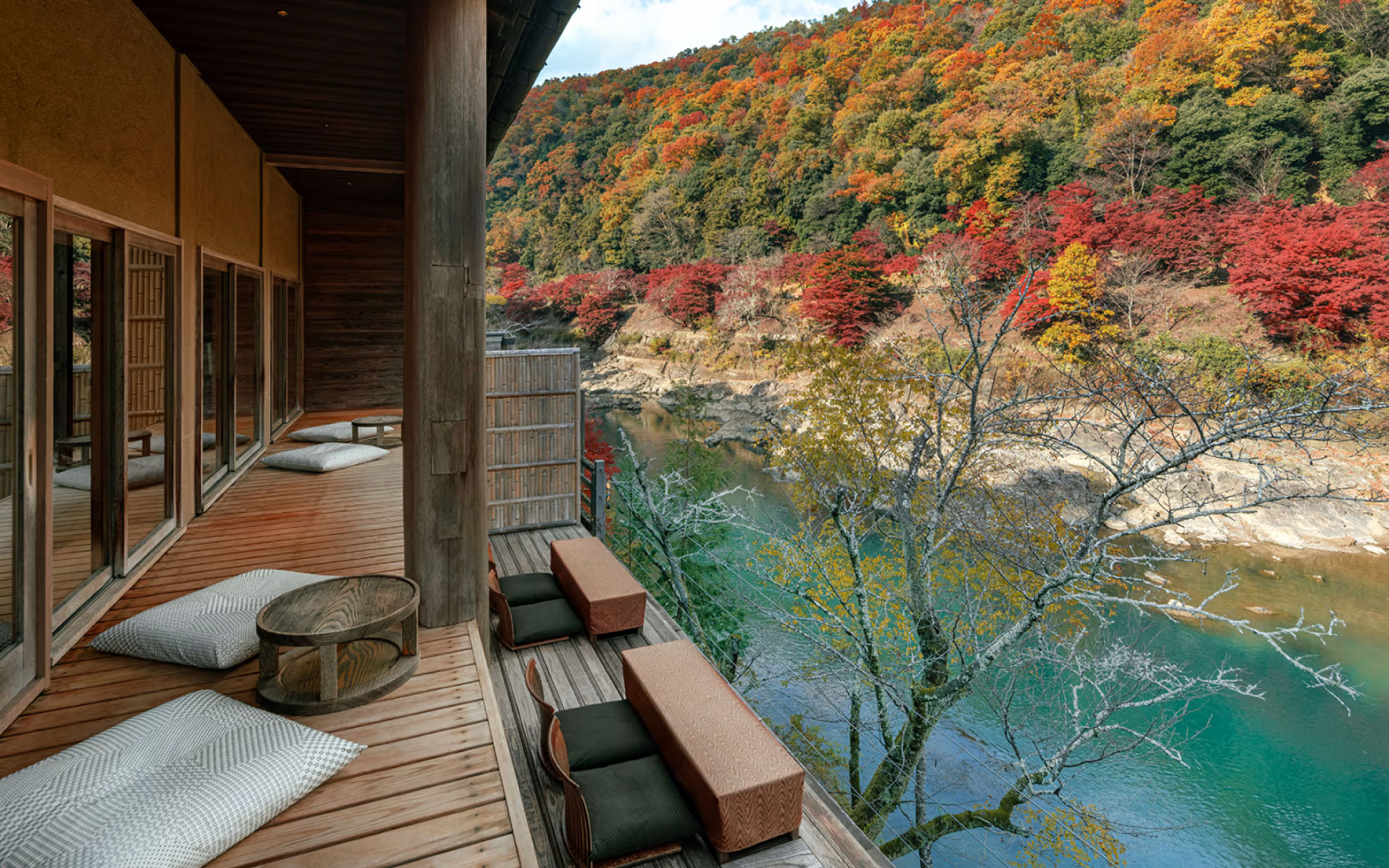
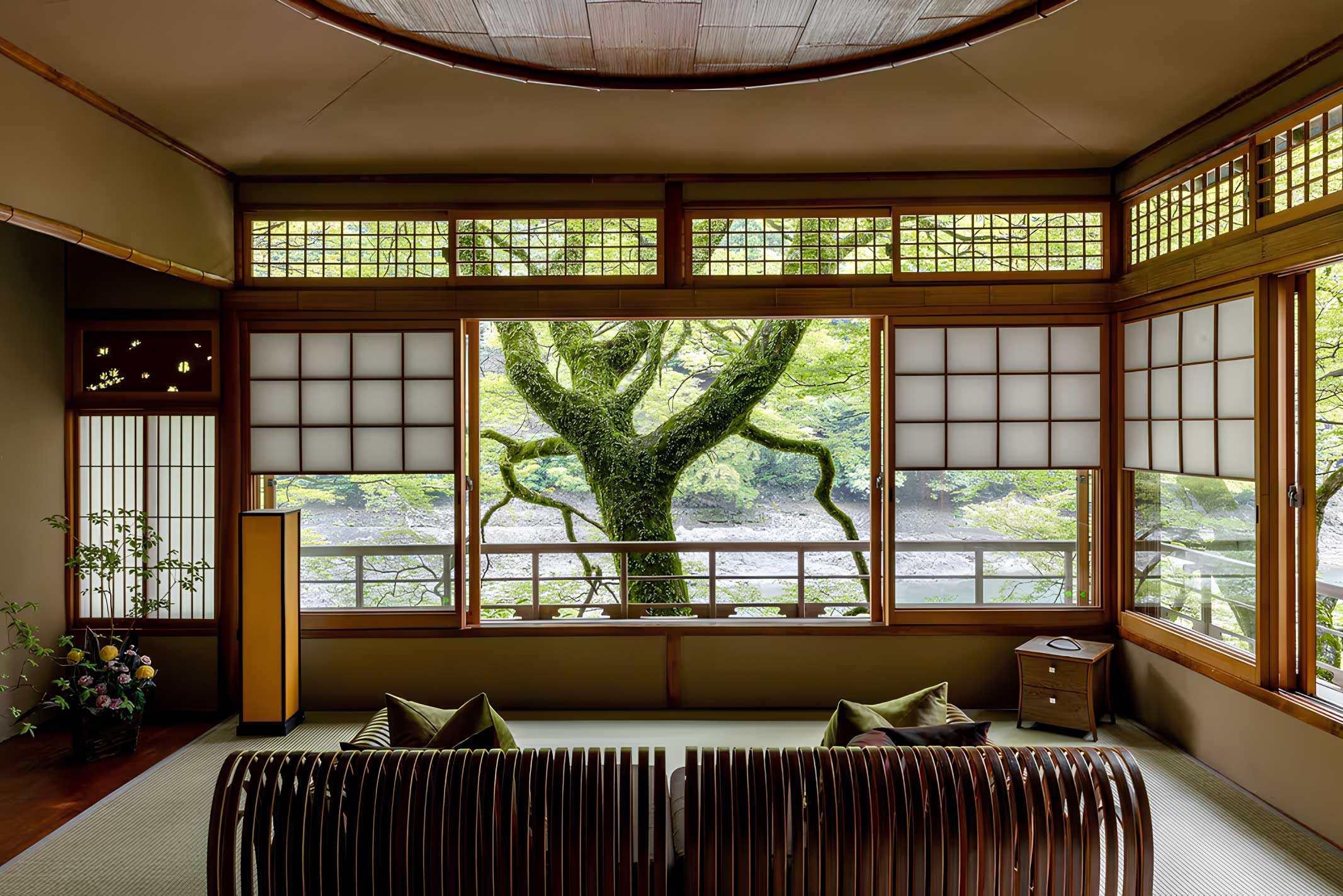
A short journey west of Kyoto brings you to Arashiyama, a district long celebrated for its ethereal bamboo groves. But beyond the well-trodden paths, a quieter, more immersive experience unfolds along the Oi River. Guests pause at a minimalist riverside pavilion for tea before boarding a traditional wooden boat, gliding across jewel-toned waters as the river narrows between forested mountains. The journey ends at a solitary pier, where a line of staff bow in quiet welcome—an arrival that feels ceremonial. This is Hoshinoya Kyoto. Spread across a cluster of century-old Japanese buildings, the hotel is a study in restrained elegance. Stone genkan entryways, textured plaster walls, aromatic tatami floors, and delicate shoji screens have been sensitively restored with a contemporary lens by architect Rie Azuma. Its 25 pavilions or suites are designed as sanctuaries of calm, perched along the steep riverbanks to fully embrace their natural surroundings. Expansive windows frame the shifting light, sounds, and scents of the river below, dissolving the boundary between indoors and outdoors.
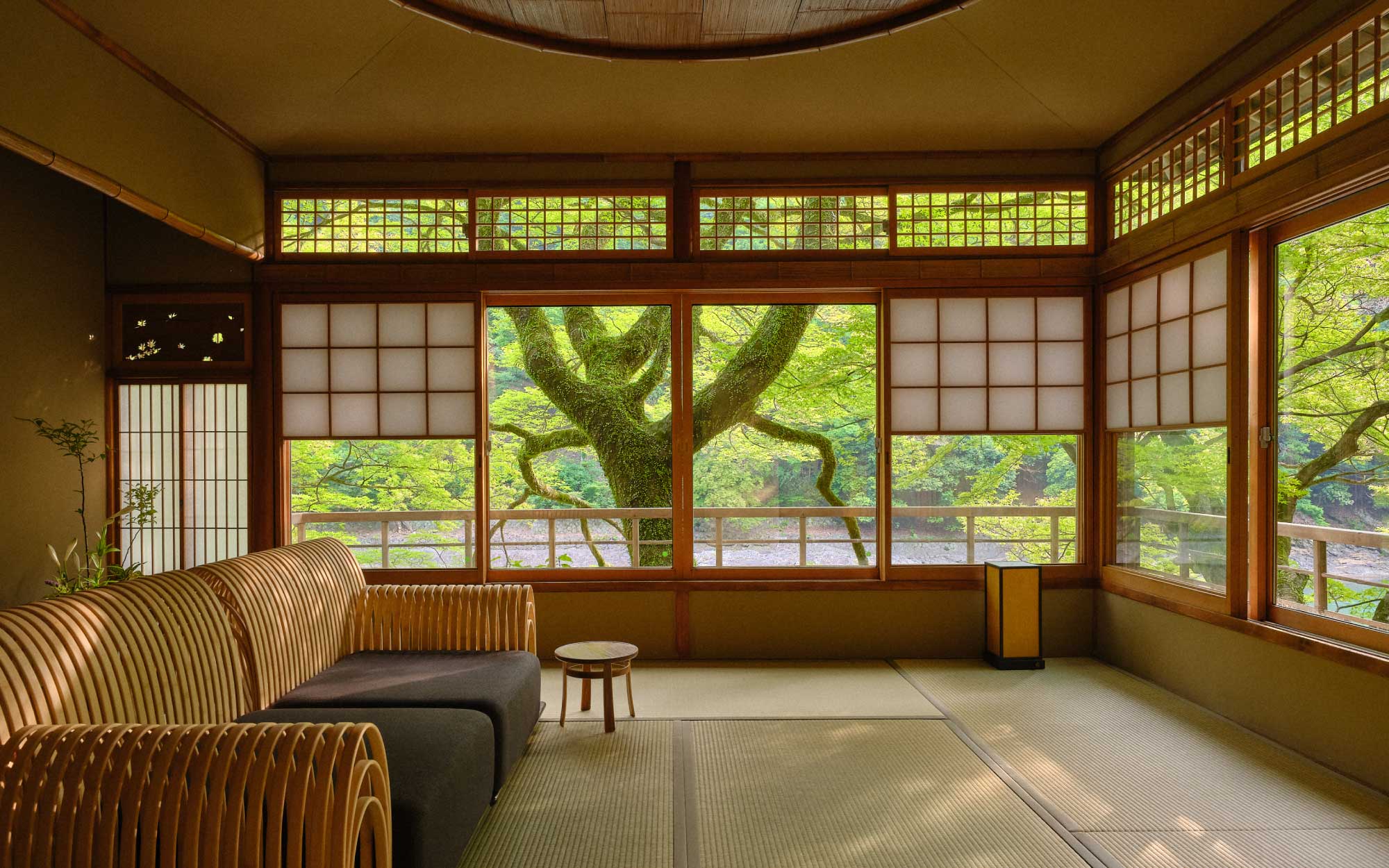
Azuma’s interiors strike a refined balance between tradition and quiet luxury—woven ceilings, ikebana (flower decoration) arrangements in minimalist alcoves, and woodwork framed onto washi paper screens that act as dividers or window slides. Deep wooden soaking tubs, often infused with seasonal herbs or fruits—part of the everything experience. The dining experience at Hoshinoya Kyoto seamlessly blurs the boundary between indoors and the surrounding woodland, where artfully presented dishes offer a contemporary interpretation of kaiseki cuisine, seasonal, precise, and deeply rooted in Japanese tradition.
Also Read: 5 Luxurious Ways To Cruise The World’s Longest River In 2025
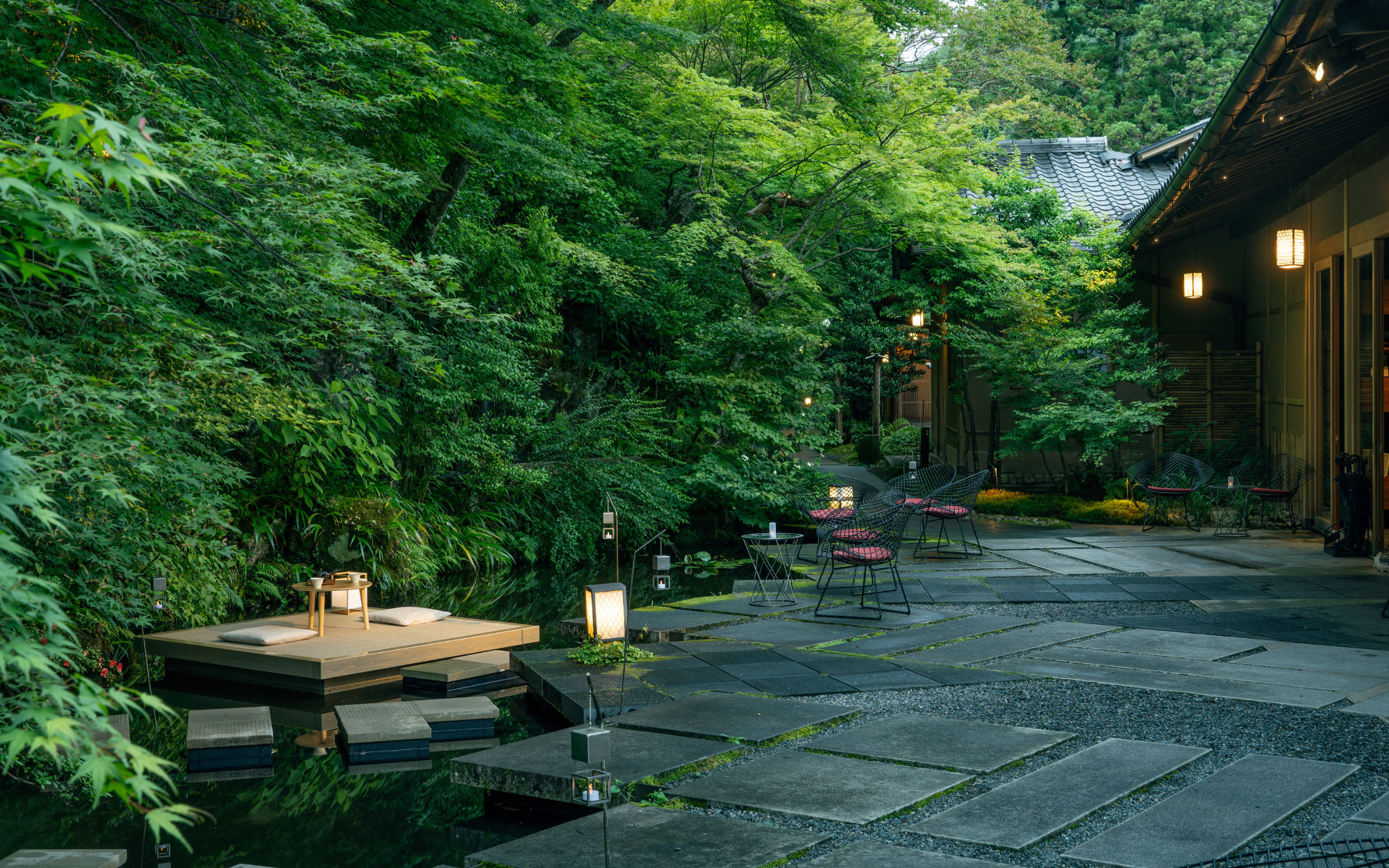
Beyond the table, the experience unfolds through thoughtfully curated rituals. Guests can begin their day with meditative stretch sessions among moss-covered boulders and towering seasonal trees in the Hidden Garden, or explore Japan’s cultural nuances through incense ceremonies and karakami woodblock printing workshops. Nature remains ever-present, whether along serene riverside walks or forested mountain trails. For deeper immersion, the hotel arranges early morning meditation at a local temple, as well as private journeys aboard its signature boat, Hisui—offering a rare perspective of Kyoto’s quieter, more contemplative side.
DP loves the outdoor spaces like the Japanese gardens, ideal for meditation or simply enjoying a tea ritual.
3. Maana Kiyomizu – A Machiya Stay Decked With All Things Design
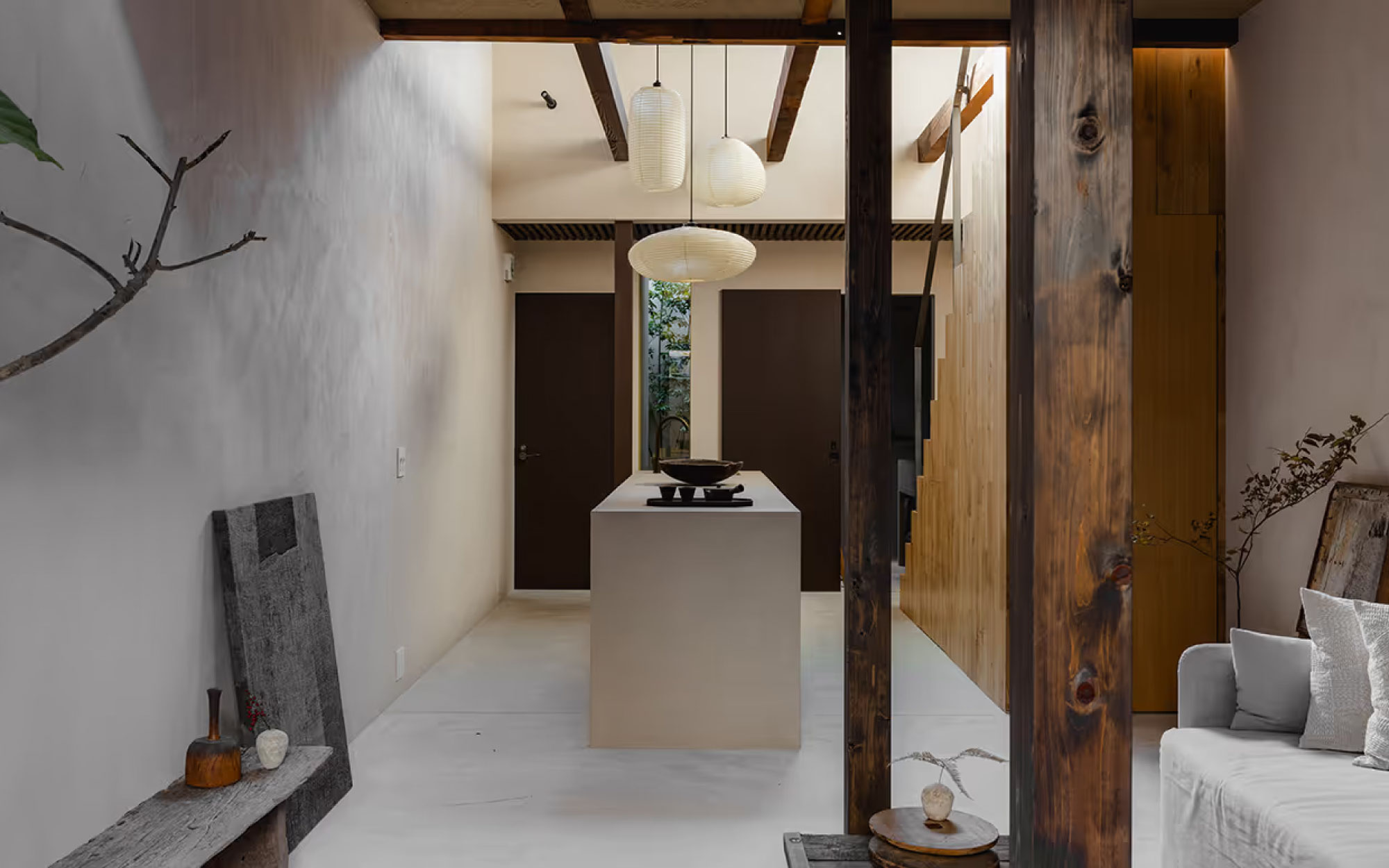
Tucked away in a quiet neighbourhood in the heart of Kyoto, just moments from the iconic Kiyomizu-dera Temple, Maana Kiyomizu redefines the idea of a micro-hotel with an intimate, design-forward sensibility. Inspired by Kyoto’s traditional Machiya townhouses—wooden homes that once served as both residences and workshops for merchants and artisans—the property distils heritage into a contemporary, deeply personal stay. With just a handful of three studio suites, each space feels like a private sanctuary, surrounded by the city’s ancient temples, tranquil gardens, and charming cafés.
Step inside, and the experience is rooted in ritual. Each suite is thoughtfully equipped with elements of Japanese self-care—artisan tea sets, freestanding soaking tubs, seasonal bath salts, and soft Imabari towels. Interiors are layered with character: handcrafted tableware, curated antiques, and art pieces that reflect Kyoto’s rich craft traditions.
Also Read: Escape To Unparalleled Luxury At This Wildlife Retreat Like No Other
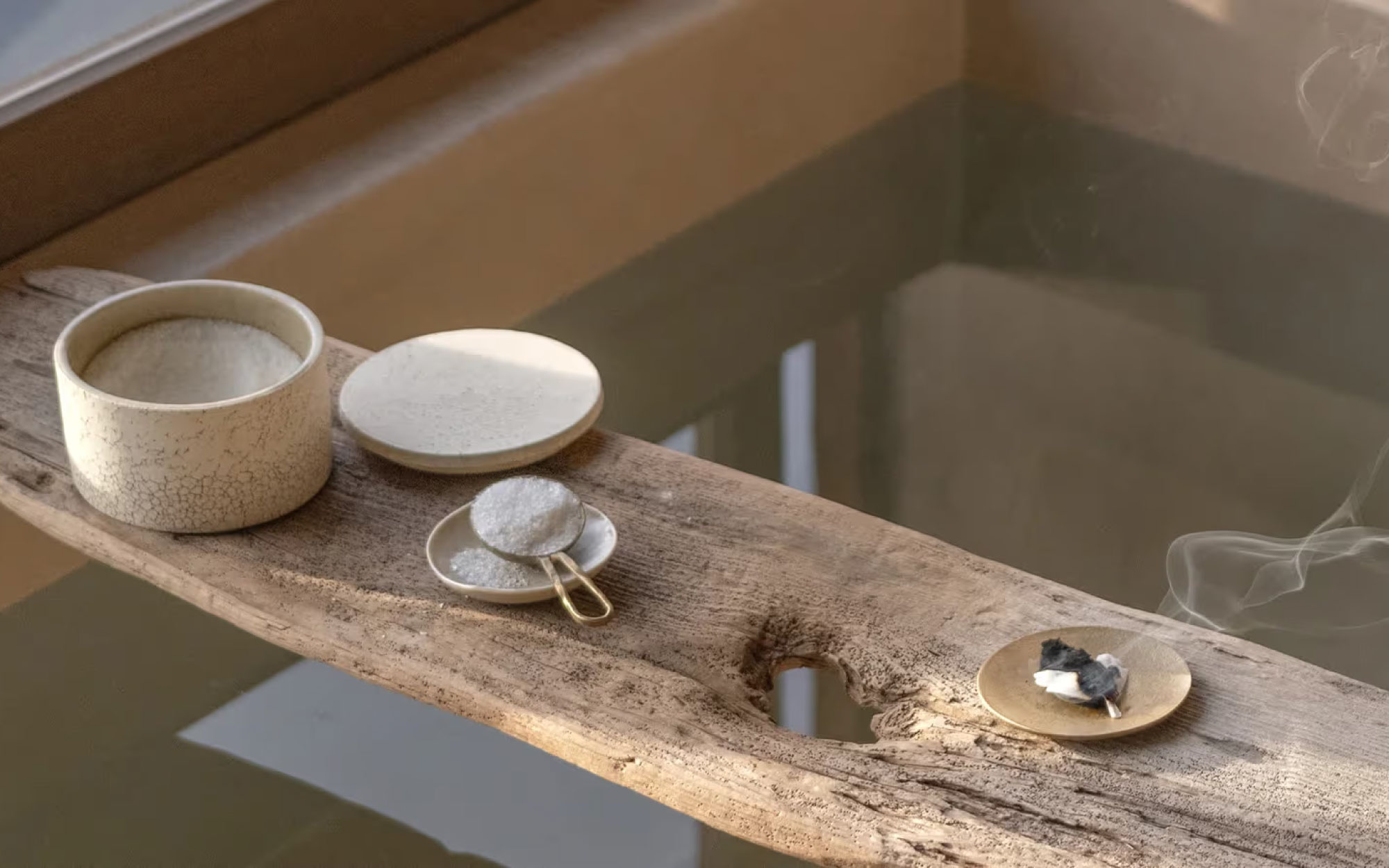
Designed by local architects Shigenori Uoya and Takeshi Ikei, the suites are conceived as an intimate, culture-forward boutique stay for design-minded travellers. At the heart of the experience is Kissa Kishin, a modern homage to the traditional kissaten café (coffee shop or tea cafe). Here, soulful, inventive dishes celebrate Kyoto’s culinary heritage, crafted using fresh, locally sourced ingredients—often harvested directly from nearby farms by the property’s own growers.
Completing the Maana Kiyomizu experience is POJ Studio, a thoughtfully curated retail and gallery space showcasing Japanese craftsmanship—from hinoki wood tableware to hand-dyed indigo textiles. Nearly everything within the hotel is available to purchase, allowing guests to take a piece of Kyoto’s artisanal legacy home. The property also invites deeper engagement through hands-on workshops, from Kintsugi to incense-making, offering a rare glimpse into time-honoured creative traditions.
DP loves that the three design suites feature collections of POJ Studio’s bespoke Japanese artisanal crafts,