
What to See and When to Experience the Kochi-Muziris Biennale
Unfolding across Kochi across 110 days, the 2025 Kochi–Muziris Biennale weaves performance, time-based art and global voices, making when you visit as meaningful as what you see.
- 26 Dec '25
- 6:33 pm by Manisha AR

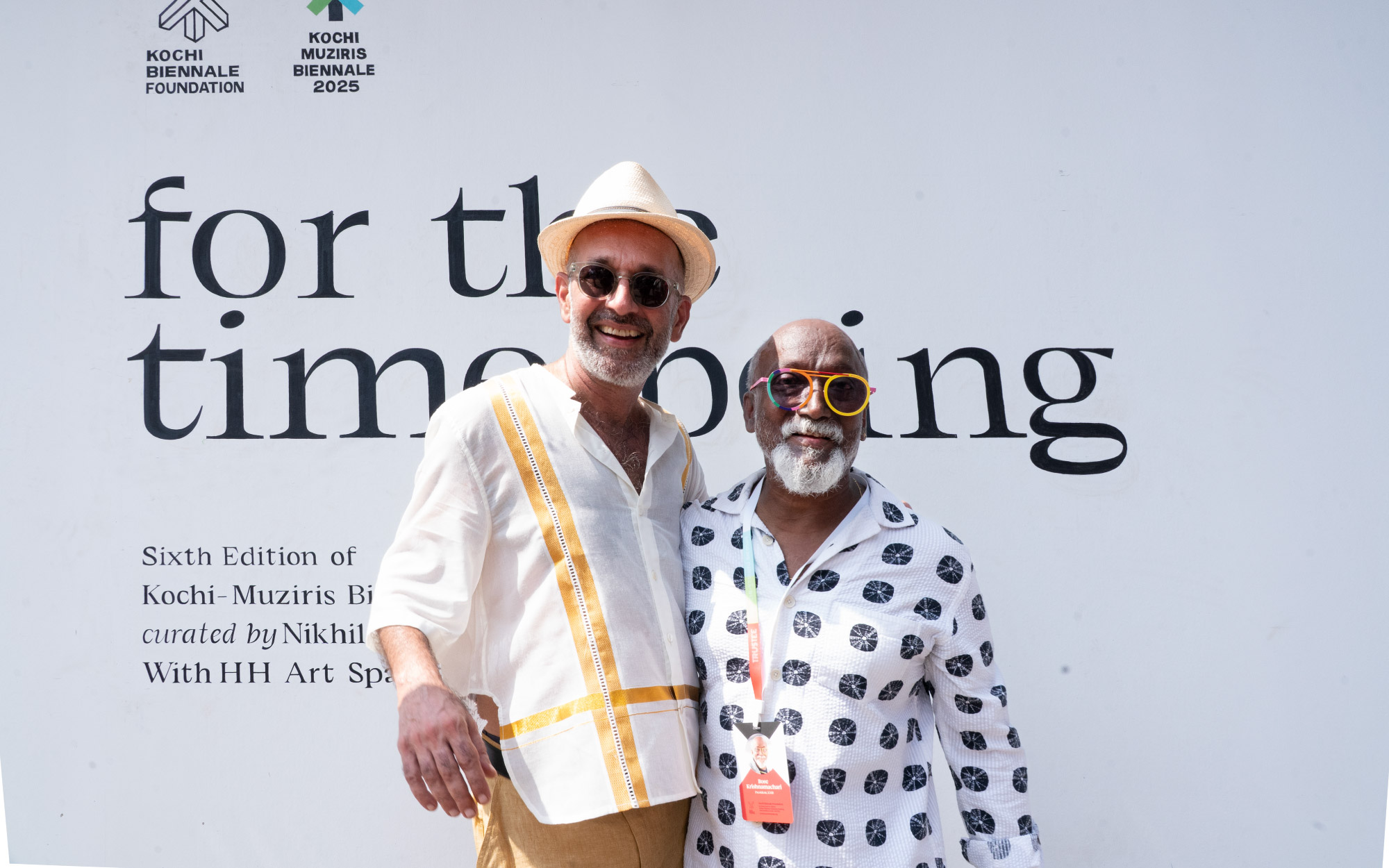
The Kochi–Muziris Biennale isn’t a single moment; it unfolds in waves. After much anticipation, the 2025 edition, ‘For the Time Being,’ opened on 12 December 2025 and will run until 31 March 2026. Curated by artist Nikhil Chopra and his collective HH Art Space, this edition is notably performance-heavy—making when you visit as significant as what you see.
Much of the live programming is concentrated in December and February, making these months ideal for audiences drawn to time-based work and participatory events. January and March, by contrast, lend themselves to slower, more contemplative visits, when exhibitions can be experienced without peak-season crowds. Spread over 110 days, the biennale is a blend of exhibitions, live music acts, performances, lectures, talks, workshops, screenings and participatory performances. Across the Biennale, ‘for the time being’ is interpreted by Indian and international artists through form, material, and display—collectively opening urgent conversations about the artist’s role amid political, social, and ecological upheaval.
KMB’s core programming includes the Students’ Biennale, Art by Children, Invitations, Pavilion, Residency, and Edam. While the Students’ Biennale and the Invitations programme are essential for any visitor hoping to grasp the ethos of KMB, the collaterals and parallel programs have extended the biennale into a much larger scale bringing together a constellation of art and movement to Kochi.
Also read: A Closer Look At The 6th Kochi-Muziris Biennale 2025 Through The Eyes Of Its Curator, Nikhil Chopra
Day 1:
Morning
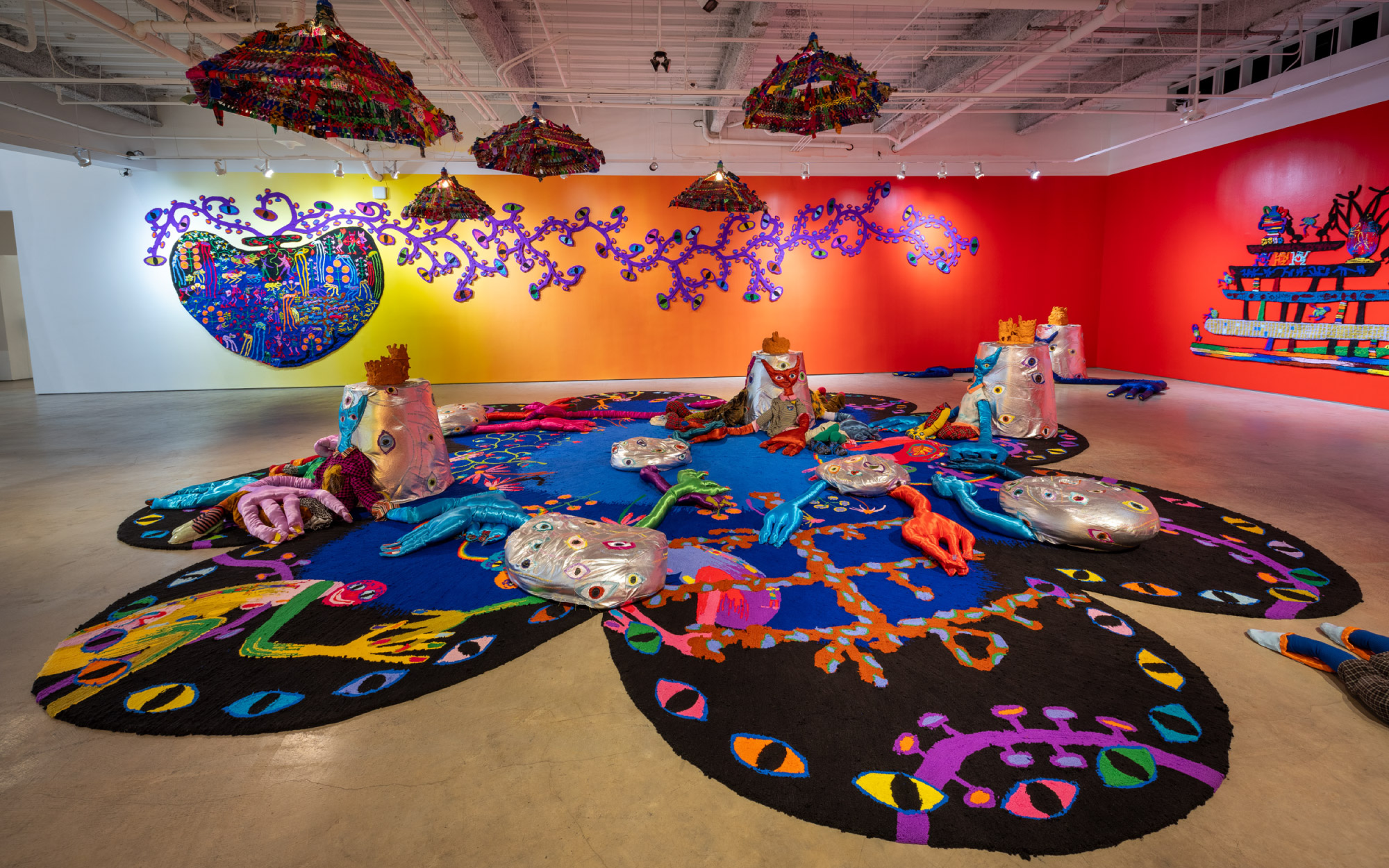
Start your day at Aspinwall where works by Adrián Villar Rojas, Dhiraj Rabha, Panjeri Artists’ Union, Smitha M Babu and Shajith RB among many others will transfix you. Visit the Malabar Hotel Lobby to view Dayanita Singh’s ‘Box 507,’ available for sale, alongside a striking triptych by Kerala-based artist Pradeep Puthoor.
Afternoon
Walk over to Kashi Café for a healthy continental lunch, with plenty of vegan and gluten-free options. The entrance doubles as an art gallery, acting as a gateway to the Biennale’s collateral programming. Then stroll to Oy’s Café for the solo exhibition ‘An Empathetic Eye’ by Nalini Malani, curated by Girish Shahane and presented by Gallerie Splash, before heading to the Dutch Warehouse to see ‘Mild Tooth of Milk’ by Afra Eisma, curated by MAP Bangalore.
Evening
End your day at Forplay Society on Bazaar Road, where the ‘Antibodies Collective’ presents a live performance. Immerse yourself in this interactive experience, which blends performance, visual art, and conceptual storytelling. On your way, stop by the Casa Borges which is the manifestation of ‘History (Version Mattancherry)’ by Nikhil Chopra where people are invited to bring broken, meaningful objects for repair by local craftspeople.
Also read: MAP Museum Of Art & Photography Signals A New Era For Museums In Bangalore
Day 2:
Morning
Start your morning at David Hall with coffee and breakfast at Pandal Café and Delhi, and catch the Invitations program ‘Scree’ by the Nairobi Contemporary Art Institute. Hop an autorickshaw to the Student’s Biennale at VKL and BMS Warehouses in Mattancherry. Continue to Anand Warehouse to see works by Ibrahim Mahama, Nari Ward, Prabhakar Kamble, Kulpreet Singh, and, if scheduled, Mandeep Raikhy and performance.
Afternoon
Stop by Nosh Haus for a strong cup of coffee and soft butter croissant while you take in all the fresh air and green spaces of Kochi. Next door at Arrow Mark is another collateral exhibit ‘Lilies in the Garden of Tomorrow by Sarah Chandy and Bakul Patki.’ A short walk from the cafe, is a presentation of Kolkata‘s Durga Puja art presented by massArts. At the end of a narrow lane, which is an ideal spot for a quick photoshoot.
Evening:
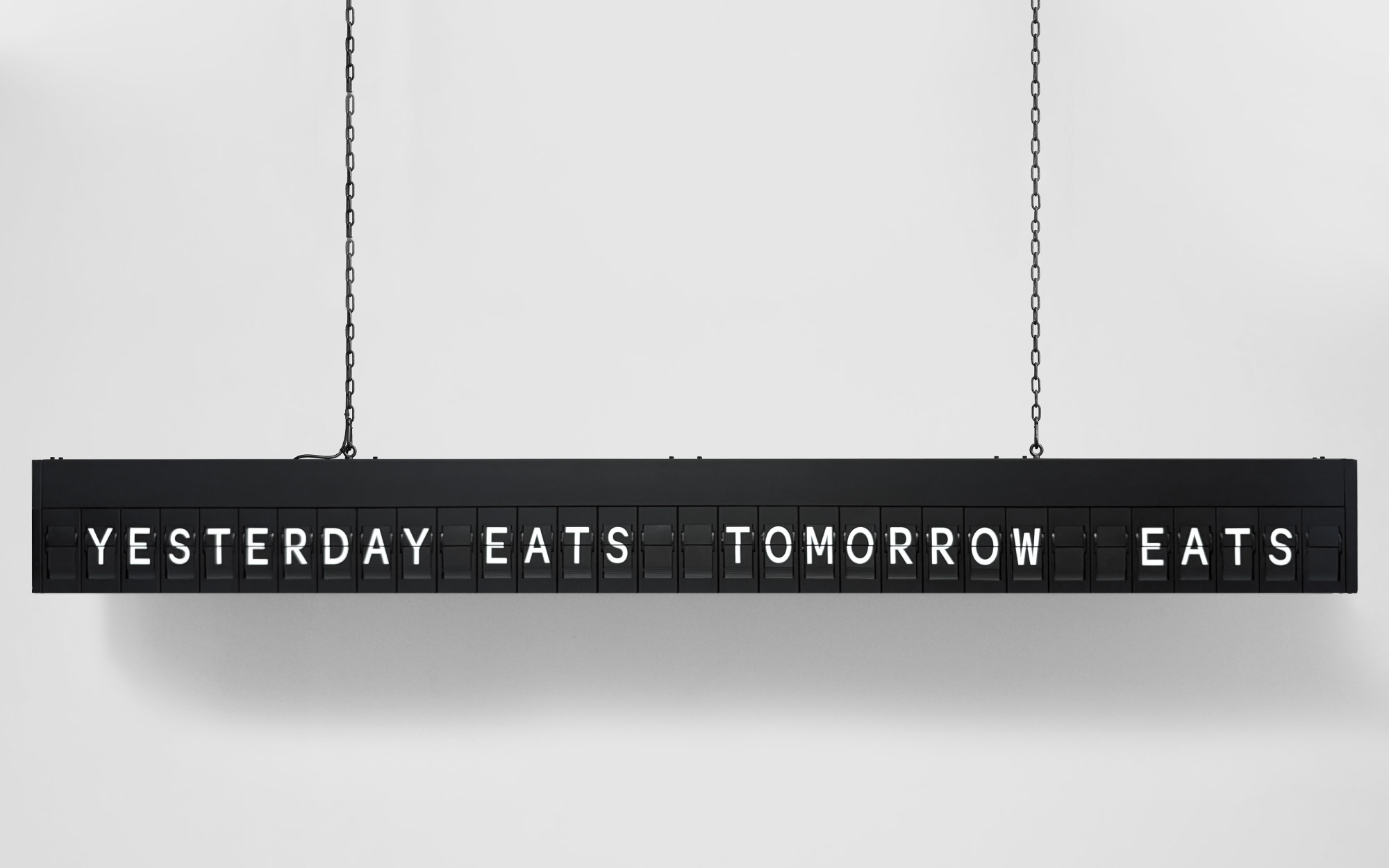
Visit the KM Building for ‘Like Gold,’ curated by Murtaza Vali, Rizq Art Initiative, then head to the Ginger Hotel Museum to experience ‘Listening Air’ by Shilpa Gupta, a contemplative installation featuring neon, participatory elements, and immersive sound. The neon work is best seen after sunset, making this an ideal evening visit. Wrap up the night with dinner at Hotel Seagull or Fort Paragon.
Also read: Looking Back at the History of Dissent Through Shilpa Gupta’s Solo Show at the Barbican
Day 3:
Morning
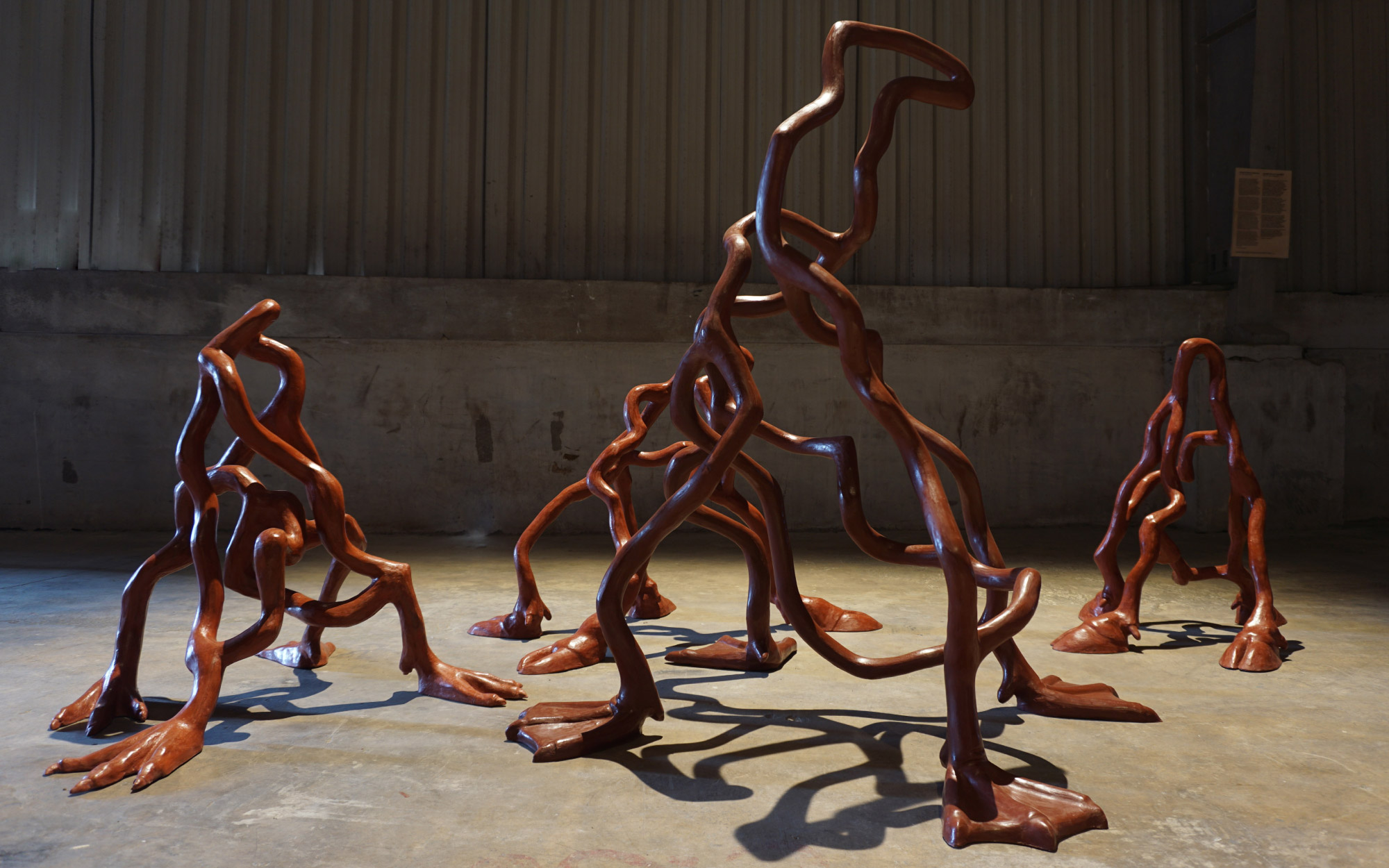
Take the water metro to Island Warehouse and an auto to Durbar Hall, two venues highlighting the biennale’s dialogue with Kochi’s historic architecture. Island Warehouse features works by 12 international artists, including Marina Abramović, T. Vinoja, and Lakshmi Nivas Collective, while Durbar Hall is hosting a major retrospective of Gulammohammed Sheikh, ‘Of Worlds’ Within’ curated by Roobina Karode. Nearby, Rouka by Sreejith Jeevan offers stunning woven fabrics, a nice respite from all the heady art.
Afternoon
Head to Kayees Rahmathulla Café for a satisfying local meal, a spot where M.F. Husain is believed to have dined. Walk it off with a visit to Kashi Hallegua House for ‘Amphibian Aesthetics’ by the Ishaara Foundation. Just a short stroll away lies the Paradesi Synagogue, one of the oldest in the Commonwealth, built over a century ago. Along the way, wander past antique markets and craft stores; Heritage Arts is a must-stop if you have a taste for antiques.
Evening
Stop for a coffee and a quick bite at Mocha Art Café or Café Jew Town after your visit. Browse bookstores offering screen-printed, limited-edition titles, and boutiques showcasing beautifully handcrafted clothing. End the evening at Muziris Contemporary Gallery with a visit to the current exhibition ‘Thinai,’ featuring works by Senaka Senanayake, Benitha Perycial along with other names familiar to the region.
Also read: The New Wave Of Indian Craftsmanship: Exploring India’s Furniture Legacy Across Its Four Corners
Day 4
Morning
If you wake up early, you can watch the fishermen near the docks using Chinese fishing nets. You could stop for a Sulemani tea along the way. Beyond the exhibition halls, keep an eye out for murals by the Aravani Art Project, Munir Kabani, Osheen Siva, Pardip Da, and the artist collective Trespassers.
Afternoon
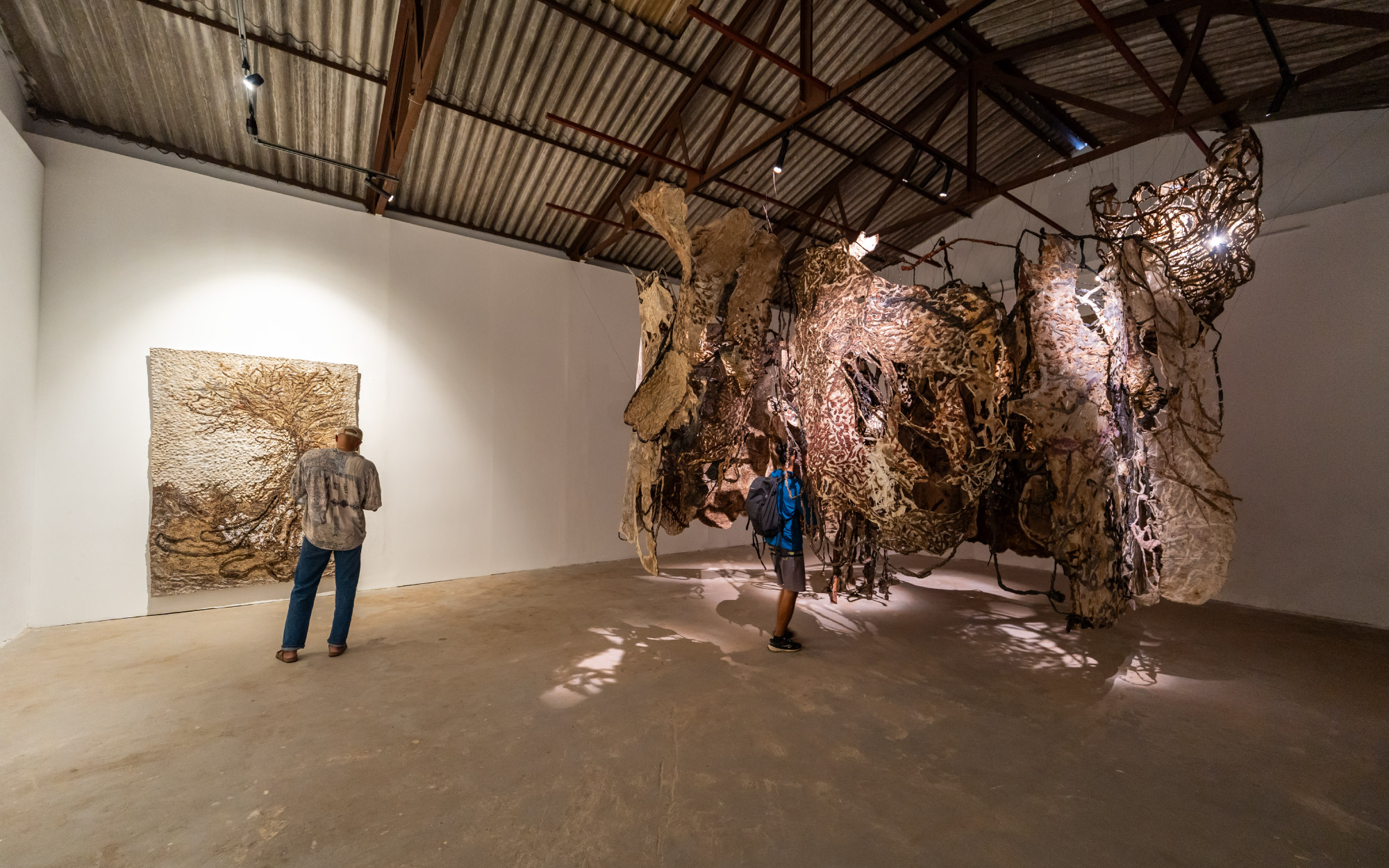
Revisit Aspinwall if you felt too rushed on the first day or head to Simi or BMS Warehouse. In fact, between scheduled shows, the galleries of Aspinwall often come alive with impromptu performances by local artists re-enacting scores from choreographer and artist Tino Sehgal’s ‘Constructed Situations.’
Evening
Pick up Biennale merchandise at the ‘Biennale Kada’ before heading to the airport. Pace your visit to balance art, sightseeing, and local cuisine, and if you’re lucky, you might spot artists in the streets. Spend at least three days to fully experience both the Biennale and Kochi’s rich, layered cityscape.
Things to Know
Entry passes can be booked online via the KMB website or purchased at the main venue. Visitors can choose between single-day or week-long passes, available for individuals as well as groups. Prices range from INR 200 for a one-day solo pass to INR 1,000 for a one-week pass, with discounted rates offered to senior citizens (over 60) and students upon presentation of valid ID. They have a scannable as well as a printed copy of the map with all the Biennale venues available at Aspinwall to help you navigate the events better.
29 official venues and other parallel programming by galleries. The KMB pass gets visitors into all of the Biennale programming (announced via their Instagram) and most of the parallel venues are free to enter. Please make sure to check their timings. Most venues in Kochi open by 11 am and close by 5pm unless otherwise stated. So plan accordingly.
Also read: Three Global South Asians Using Identity to Have Generative Conversations
DP Loves:
#1 Walkablity, most of the venues and galleries in Kochi are within walkable distance. For longer distances we recommend taking autorickshaws as they are best to navigate the narrow lanes.
#2 Outside the Aspinwall venue, a large map guides visitors through all the venues and their proximity to one another. Helpful QR codes are also included, providing access to all the information needed while exploring the biennale.
#3 The KMB team also offers guided tours as a paid service on request, along with free public tours held twice daily. Visitors can sign up via a Google Form, with the link available in the Biennale’s Instagram bio.
#4 Now in its sixth edition, the Students’ Biennale engages students from over 150 institutions across the country. Organised into seven zones, each segment is curated by a mix of artist duos, collectives, and contemporary practitioners, making it a must-visit for both novice and veteran Biennale patrons.
#5 The performance element is crucial to this year’s biennale. Whether it’s a live act, dance, film screen, lecture demonstration or activation of an artwork, we highly recommend scheduling more than one into your itinerary.