Brinda Miller Explains How The Kala Ghoda Festival Became A Cultural Phenomenon
Artist and honorary festival director of Kala Ghoda, Brinda Miller shares what it is like to conserve, restore and punctuate a city with art and good design.
- 22 Jan '26
- 3:15 pm by Simran Almeida

|
Getting your Trinity Audio player ready...
|
Once an archipelago, Mumbai has played muse to many architects, donning styles like Art Deco, Indo-Saracenic, Gothic Revival and Victorian Neo-Classical, alongside contemporary towers. Within this dichotomy of classic and avant-garde is a vibrant crescent-shaped intersection monikered ‘Kala Ghoda’ (Black Horse), named after a prominent black stone equestrian statue of King Edward VII, then Prince of Wales. Punctuated by historical structures like the David Sassoon Library, Esplanade Mansion, Elphinstone College and the Keneseth Eliyahoo Synagogue, this paddock becomes a palimpsest of faith, learning, and civic life. It was crowned as the ‘Arts district of Mumbai’ by the Ministry for Tourism and Culture for the Government of India.
Design Pataki: How did you get introduced to Kala Ghoda, and how did it become a rite of passage in your life?
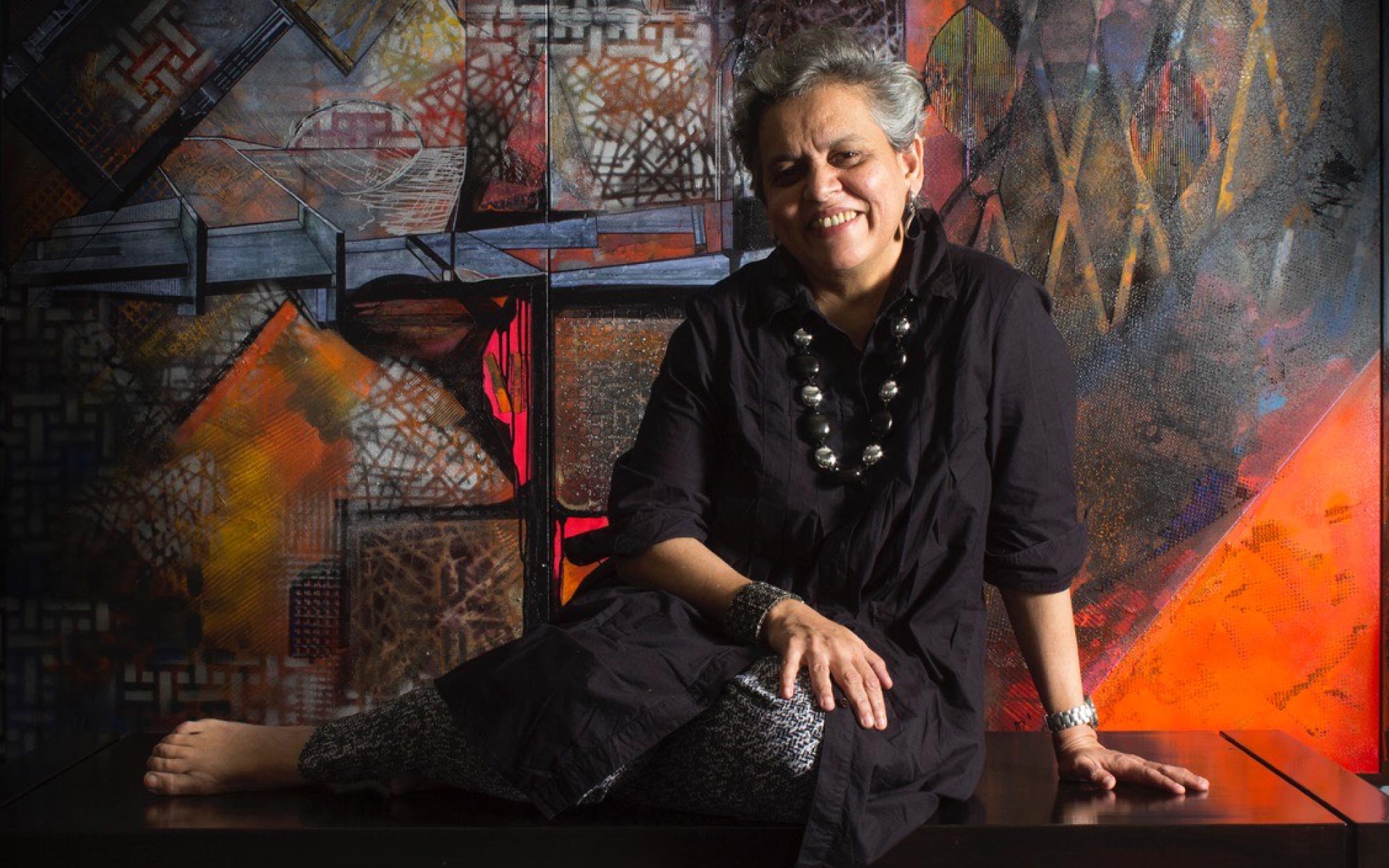
Brinda Miller: I’m a fine artist by profession. I was already an established one when I heard about the festival. I began as a volunteer at the festival 26 years ago, and it has been quite a journey because I never realised then that I would still be here after so many years. It’s my way of giving back to some cause, and what better cause can there be, because it’s such an artistic and creative cause. I feel I’ve learnt so much from it, and also helped make this festival into something really huge and well respected. It took a long time, but here we are.
Also Read: The Role Of Thoughtful Design With Abha Narain Lambah In Collaboration With IDF
DP: Along this journey of growth, what challenges did you encounter while reimagining Kala Ghoda on a larger, more ambitious scale?
BM: There have been several challenges. The main challenge of a festival like this is its scale. Due to the scale, there is involvement of numerous people for sponsorship, partnership, or collaborations. Sometimes there are a few hiccups, such as receiving permissions on time; however, it has improved, as even the authorities have realised that this is their festival. The core challenge is doing something new every year. I feel very proud when people approach us and give input. The amazing thing is, we’ve tried and tested almost everything, yet each year it continues to reveal new talent, and I am proud that we have launched so many people through the festival.
DP: How do you navigate the tension between showcasing emerging voices and honouring established practitioners within a cohesive cultural framework at the festival?
BM: There used to be a big tension about how to pick the artists because the established ones we had to beg, and the new artists, there were always plenty. At the same time, there was a lot of competition between people who had been applying for a long time; some hadn’t even got in for so many years, but it’s because we always vet the talent. For the established ones, the challenge is commissions, which are difficult because it’s a free festival, and I think a lot of performers understand that we are doing this for the city, so they do it for us.
DP: Across 25–26 years of cultural change, how has public engagement with art in shared spaces evolved, and what has truly shifted?
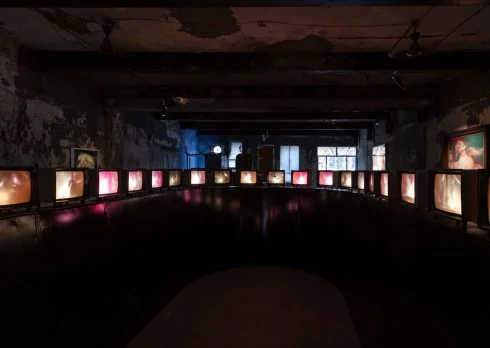
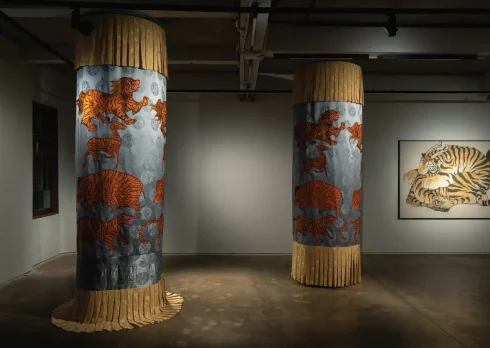
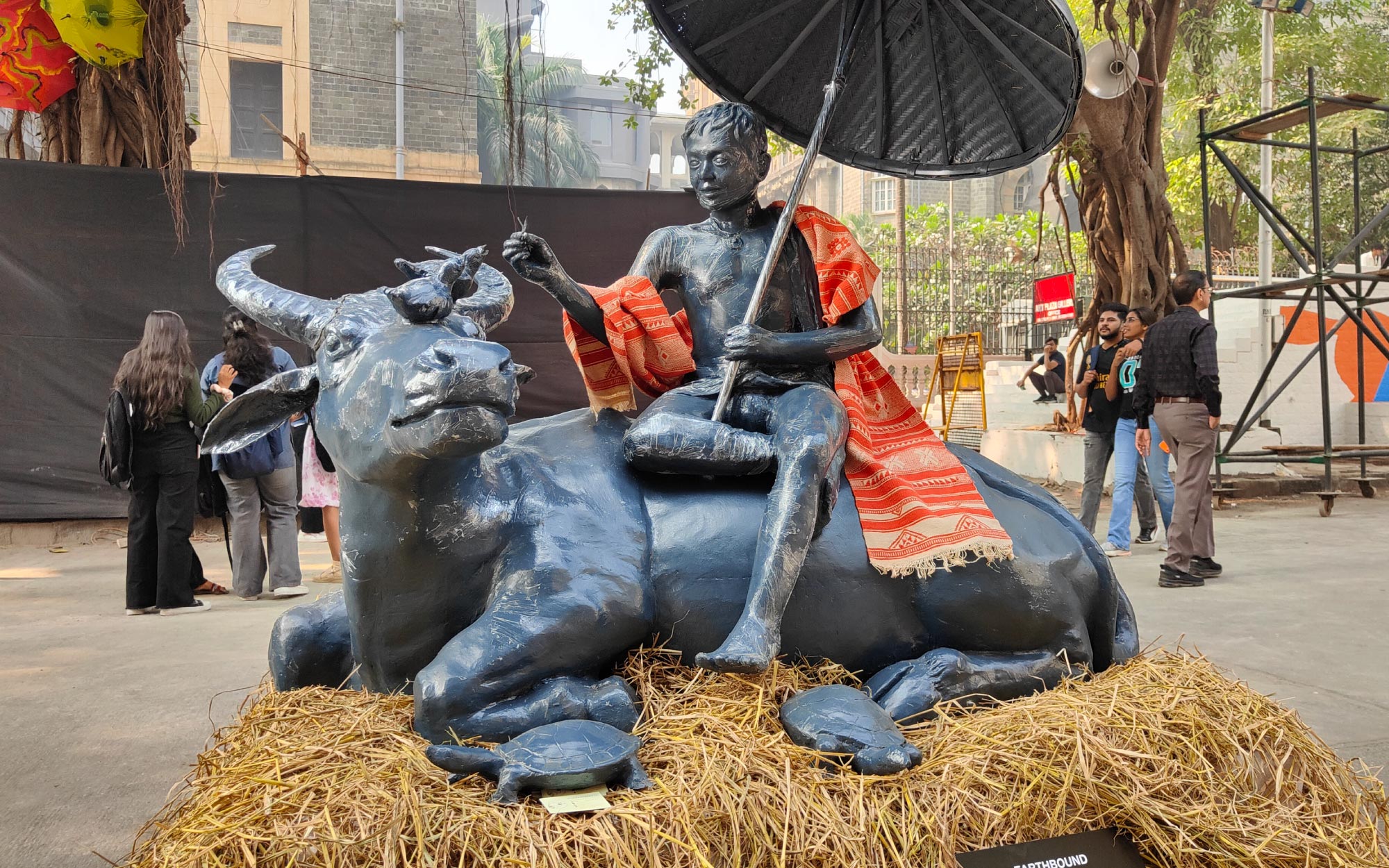
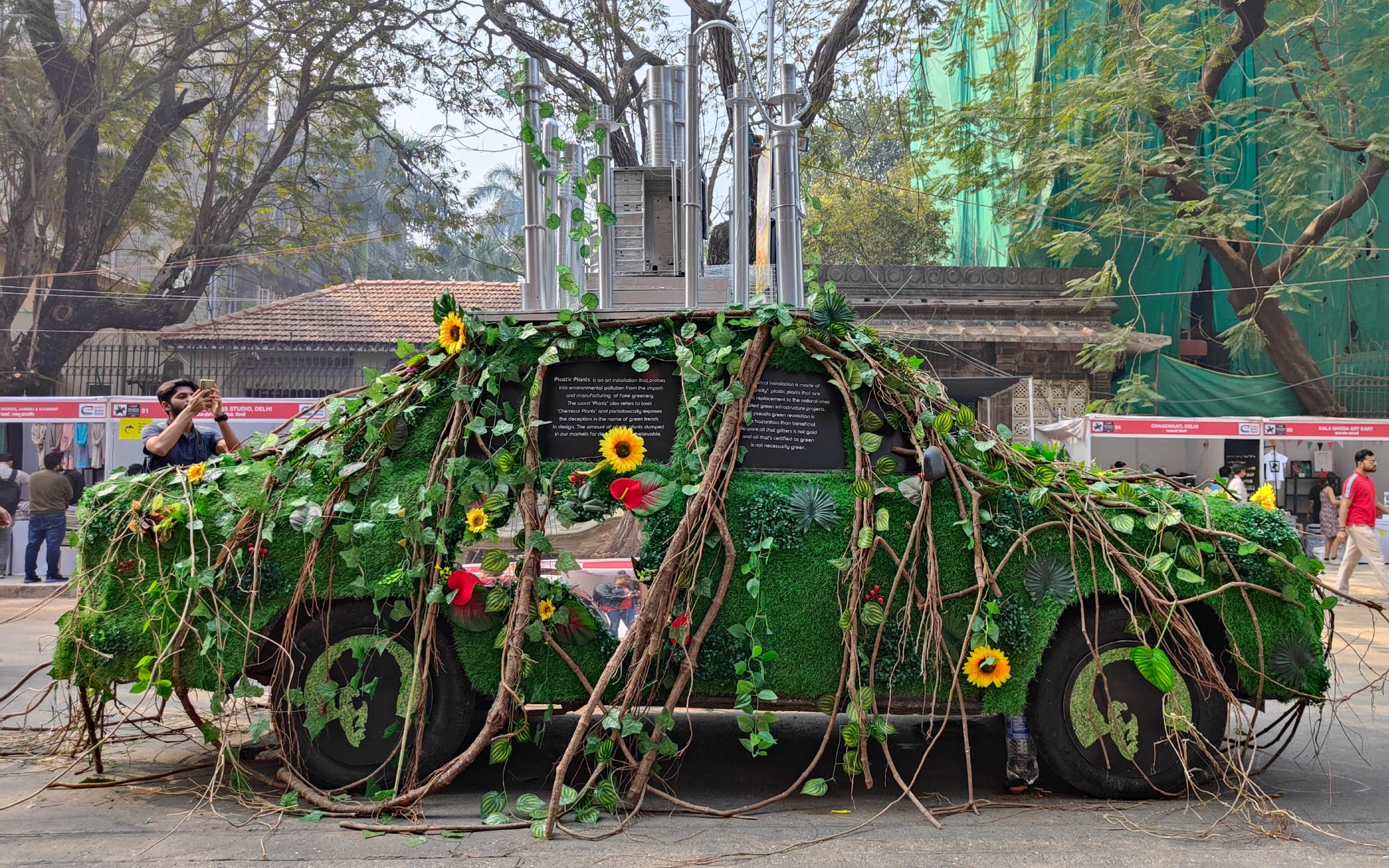
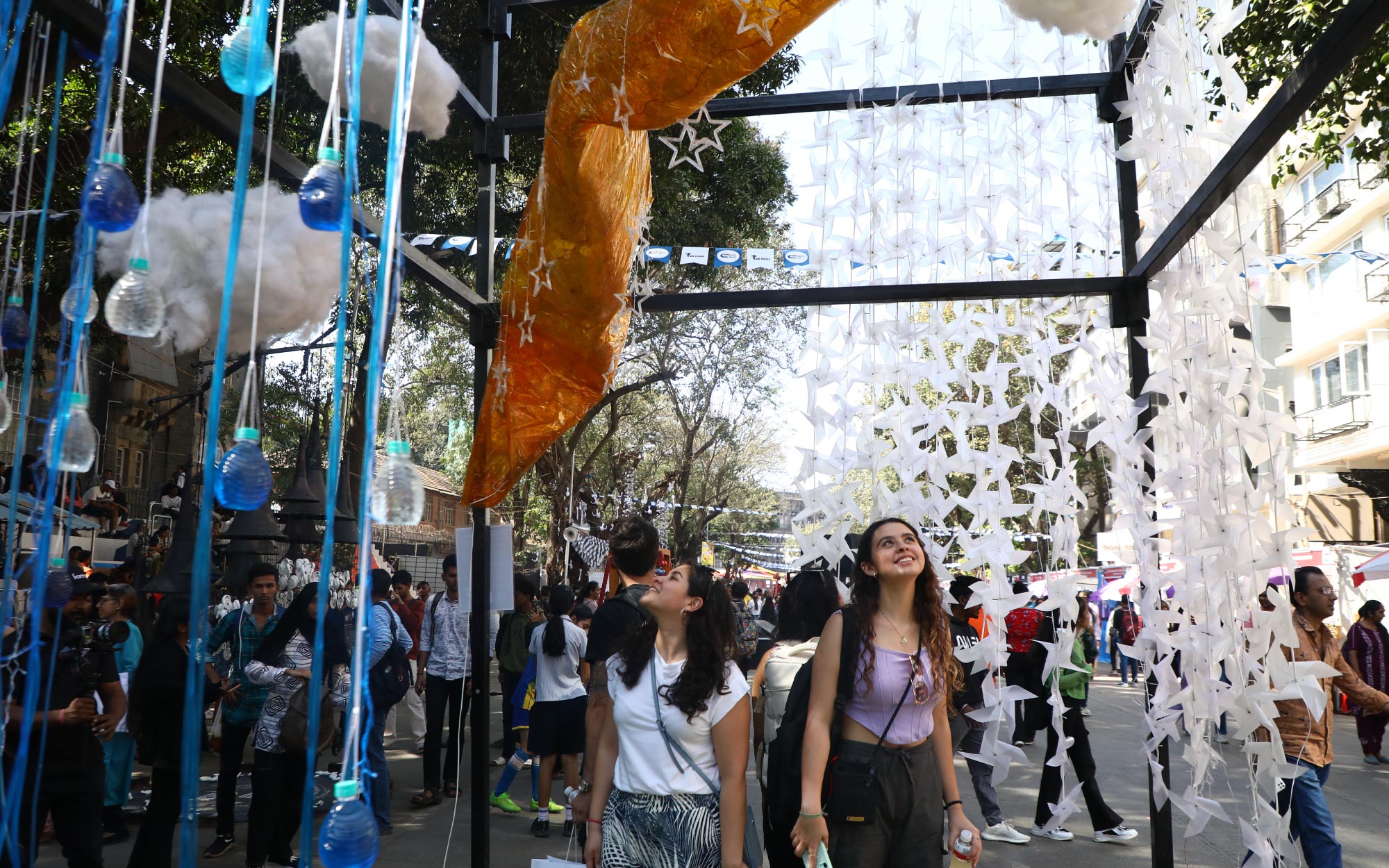
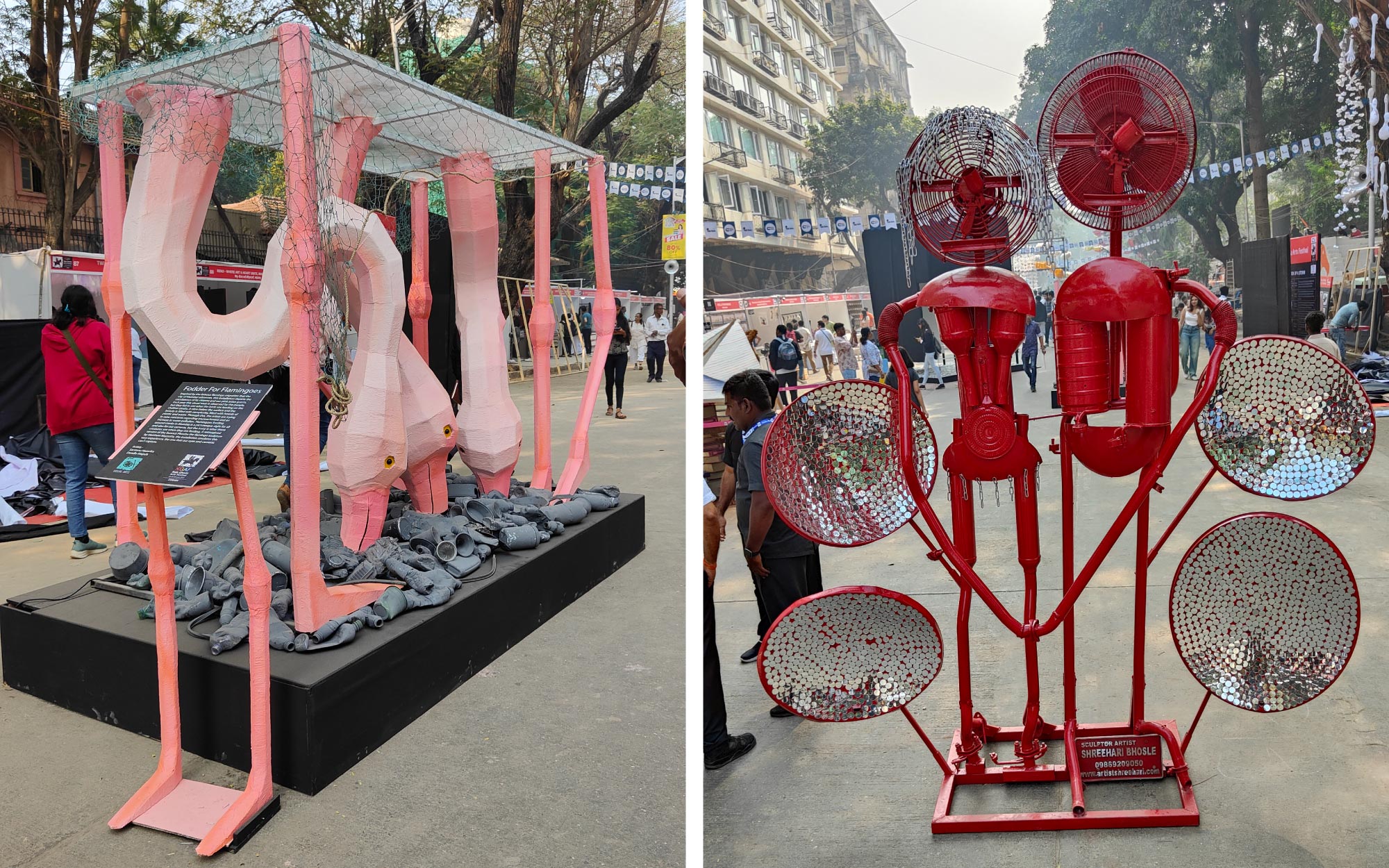
BM: When I began working for the festival, I realised that one of my passions—like my father—was to bring art to public spaces. And really, there was nothing (no art). Kala Ghoda Festival is the only place that features art installations on the street. I believe that art in public spaces is not necessarily painting murals around the city; it could be planting trees, open spaces, or street furniture, which is also part of good design. I’m committed to doing things (for the city), which is why I began working for the festival to beautify the area and restore all the old buildings of Kala Ghoda. Whatever funds we collect from the festival, go towards the restoration of places like the David Sassoon Library, Synagogue or Elphinstone College. We recently restored the Wadia Clock Tower.
Also Read: 14-Crore Fund Helps Restore Iconic Afghan Memorial Church In Colaba To Its Former Glory
DP: In an era shaped by digital living and diminishing street culture, what significance does the restoration of this district hold for you today?
BM: For me, restoration is not just about preserving the heritage. I think restoration is also about creating awareness, especially amongst younger people. The Kala Ghoda Arts Festival has transformed the area into a space with restaurants, boutiques and stores. One thing leads to another, that’s what it is. Recently, we have been trying to pedestrianise the streets, which is one of my very oldest pet projects. Some citizens felt that old Kala Ghoda Street should have cobbled stones and resemble parts of Europe, where you can walk along pavements lined with restaurants and roadside shops, and simply hang out, like a beautiful plaza. We’ve discussed this for many years, and finally, the government and the BMC agreed there was merit to the idea. The plan now is to begin from the metro station to Kala Ghoda, with Rampart Road becoming a permanent walking plaza.
DP: Kala Ghoda allows the city to experience art collectively. How do you see this openness reshaping the way people relate to art in public spaces?
BM: So, with the Kala Ghoda Arts Festival, it has been completely accessible art in the sense that we are rubbing shoulders with each other. Wherever you are from, whatever caste, creed, or sex you belong to, we want to make it as inclusive and accessible as possible. When the festival begins, I have people coming up to me and saying, ‘thank you’ for doing this for the city. It’s wonderful how we can actually experience art.
Also Read: Dusky Rose & Modern Prose: How One Residence Wrote a New Chapter on Heritage
DP: Do you see Kala Ghoda as an embodiment of the Indian art ecosystem or as a corrective to it?
BM: I have never thought about what I see Kala Ghoda as, because it’s not been a conscious decision. The only reason why I think we’ve managed it all these years is that there are people like me who love the city and love doing this. We have great young volunteers who bring newness to the programming. Visitors hang out at Kala Ghoda or take selfies in front of the installations, and I think it’s a wonderful thing that people post so many things on social media.
DP: You’re doing so much for the city. Is there an ongoing project that you’re really excited about?
BM: This year is the 26th edition. So we have one or two new things. One of them is that we are installing art in the metro stations and placing horses at four different metro stations near Kala Ghoda. We want to start something around the year to remember the Kala Ghoda Arts Festival.
DP: How has being part of an architectural family influenced your perception of space, art and your own artistic creations?
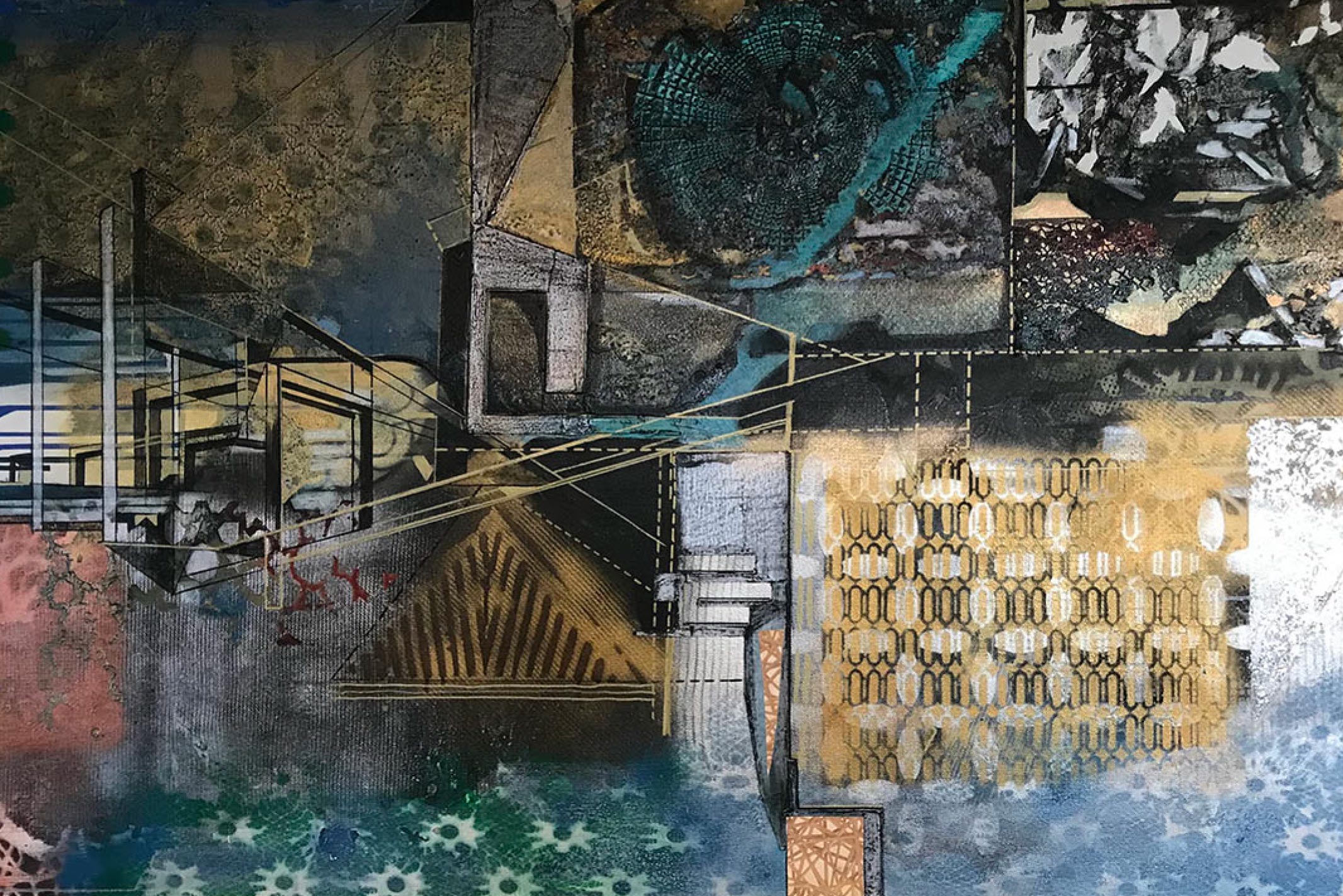
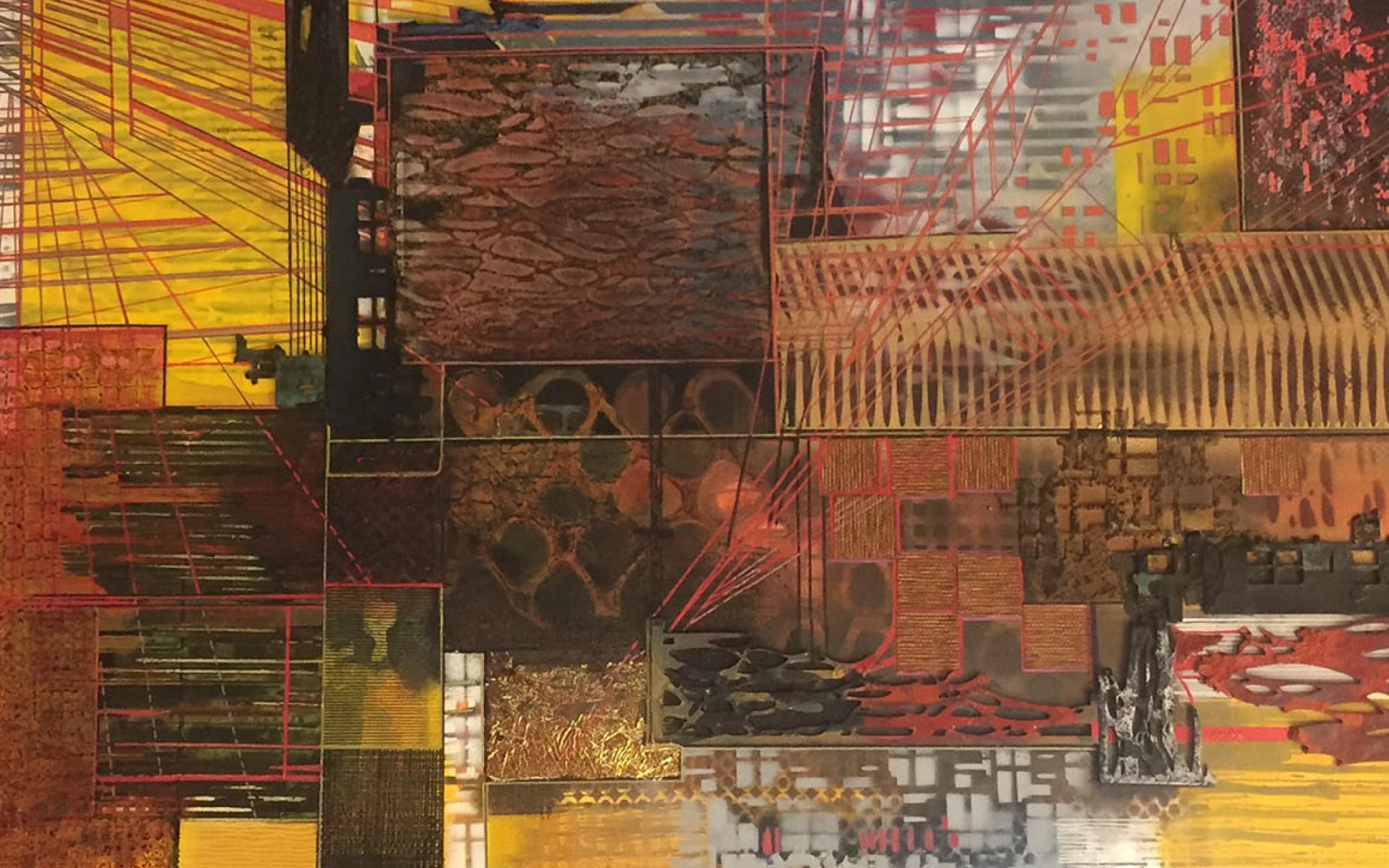
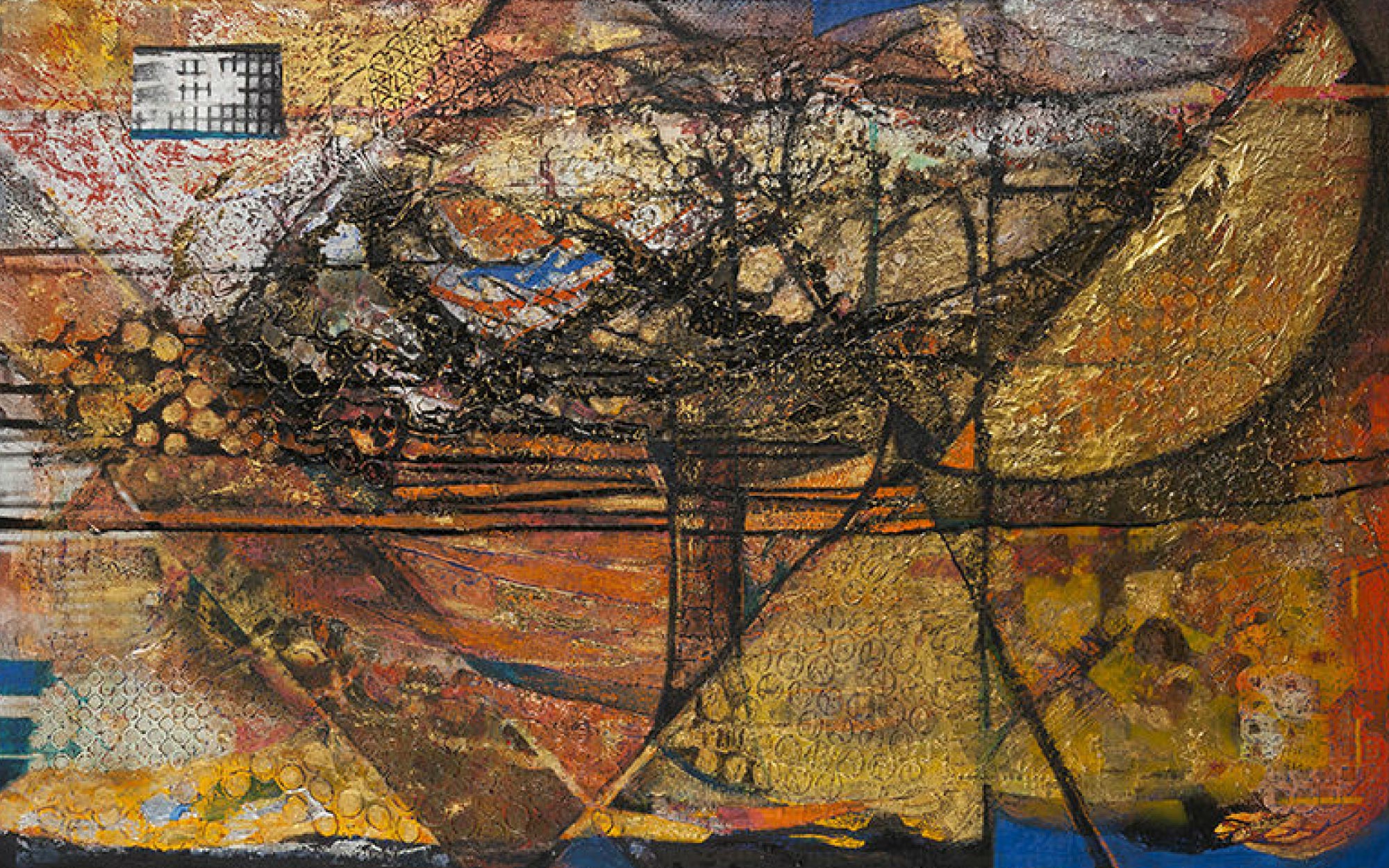
BM: I think I’ve always been born and brought up, you know, in an artistic family. I got married to an architect. Both my daughters are architects, and it’s in our blood now. In our genes and DNA, we are naturally inclined towards doing something architectural design-based, even if it is cooking a meal at home, we feel we should be imaginative and cook. Our way of life and our clothes are eclectic, and design is one of the most important things in our lives. So, it comes very naturally to me. When I say life imitates art, art imitates life, I would say it may not apply to everyone, but it most certainly does to my family. I mix and match everything in my life, akin to my layered paintings, which display various techniques and materials.
DP: If you had to curate your own retrospective tomorrow, what three works or recurring themes would be essential?
BM: If I had to do a retrospective of my work, I dabble in a lot of various mediums, so that’s something I would like to show. One of them is ceramics, even things like jewellery, as I love to string beads. In a retrospective, I’d like to show something which people have not seen.
Also Read: Pichwai Panels And Thikri Mirrors Bring Indian Heritage Inside This Contemporary Mumbai Home
DP: What conversations do you hope Kala Ghoda 2026 will spark this year?
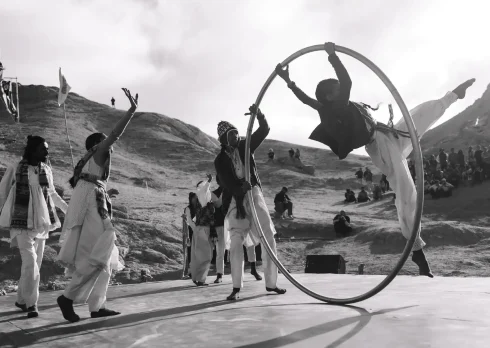
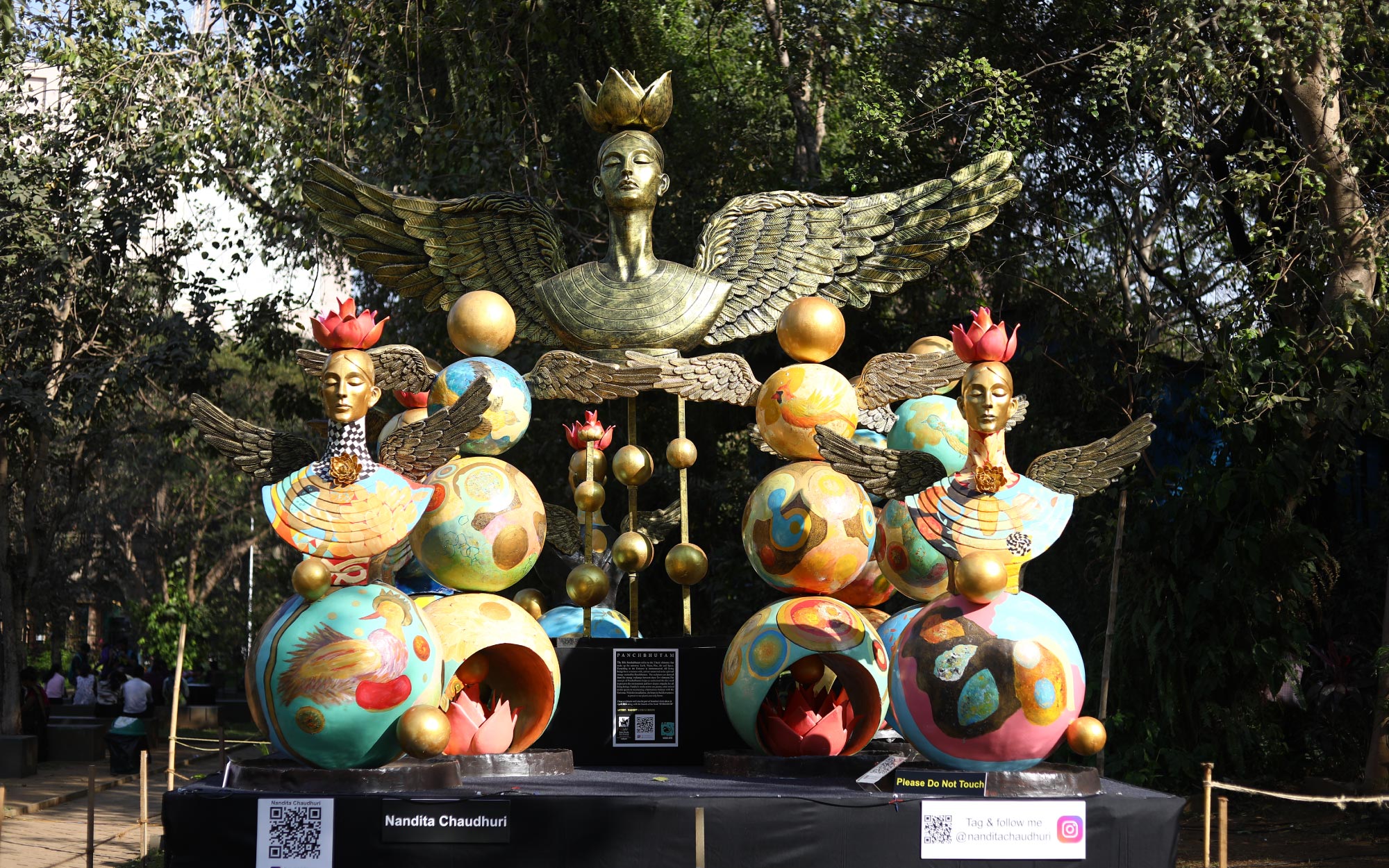
BM: This year, the festival has been titled ‘Ahead of the Curve,’ and people ask me, why is it titled Ahead of the Curve? It really means actually being ahead of the game. We have sessions like panel discussions, Gulzar, Vir Das, and many wonderful sessions that are interesting to all age groups. We aim to make all age groups feel happy that there is something in it for them, whether they are old or young. We have to think about what we’re going to do tomorrow and in the future.