Insta-Famous Interior Architect Alyssa Anselmo On The Future Of Neuroarchitecture And Craft
In a digital landscape saturated with fleeting aesthetics, the founder of Studio Anva advocates for a slower, more intentional approach to design, one rooted in architectural history and emotional resonance.
- 2 Feb '26
- 3:03 pm by Pallavi Mehra

|
Getting your Trinity Audio player ready...
|
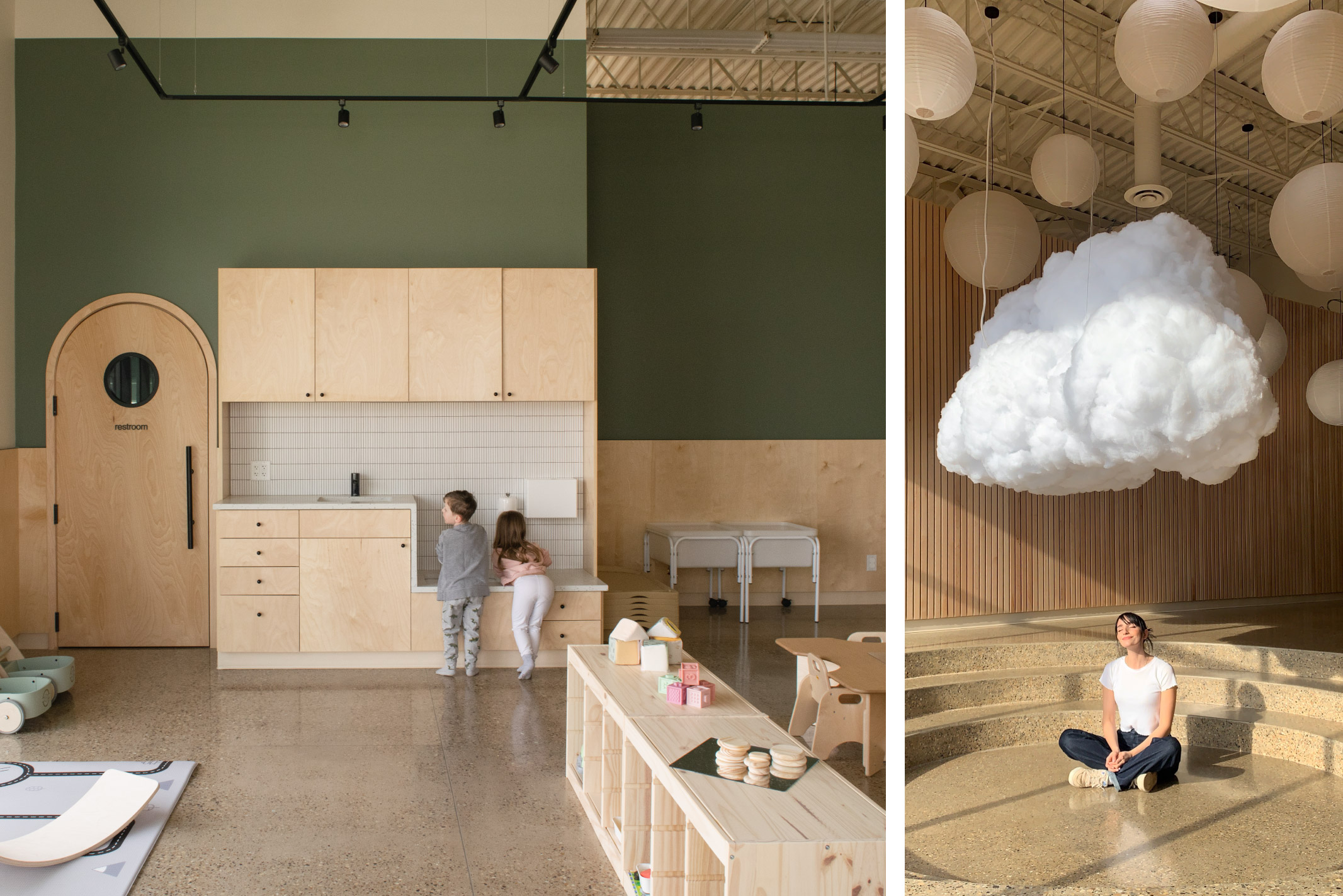
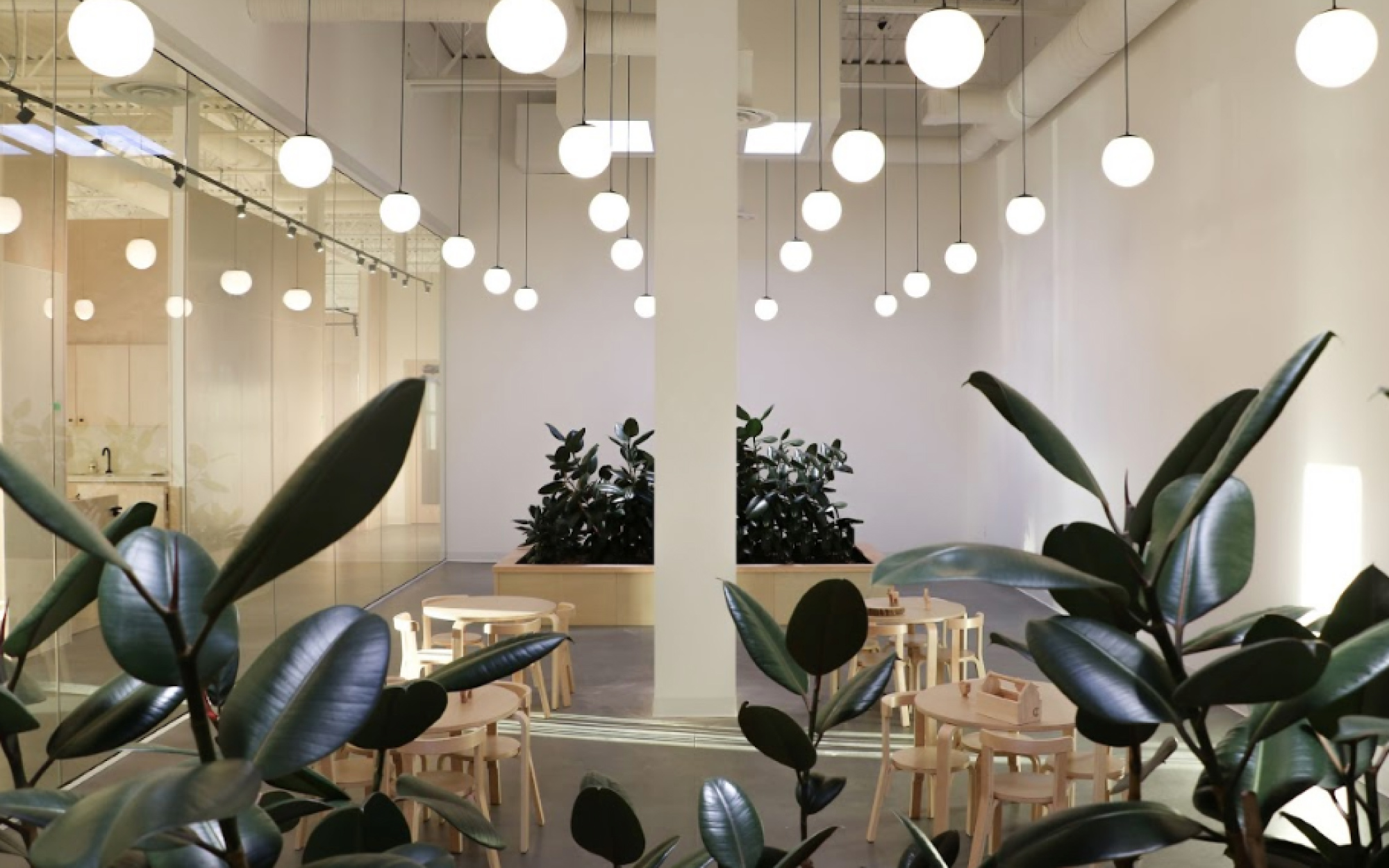
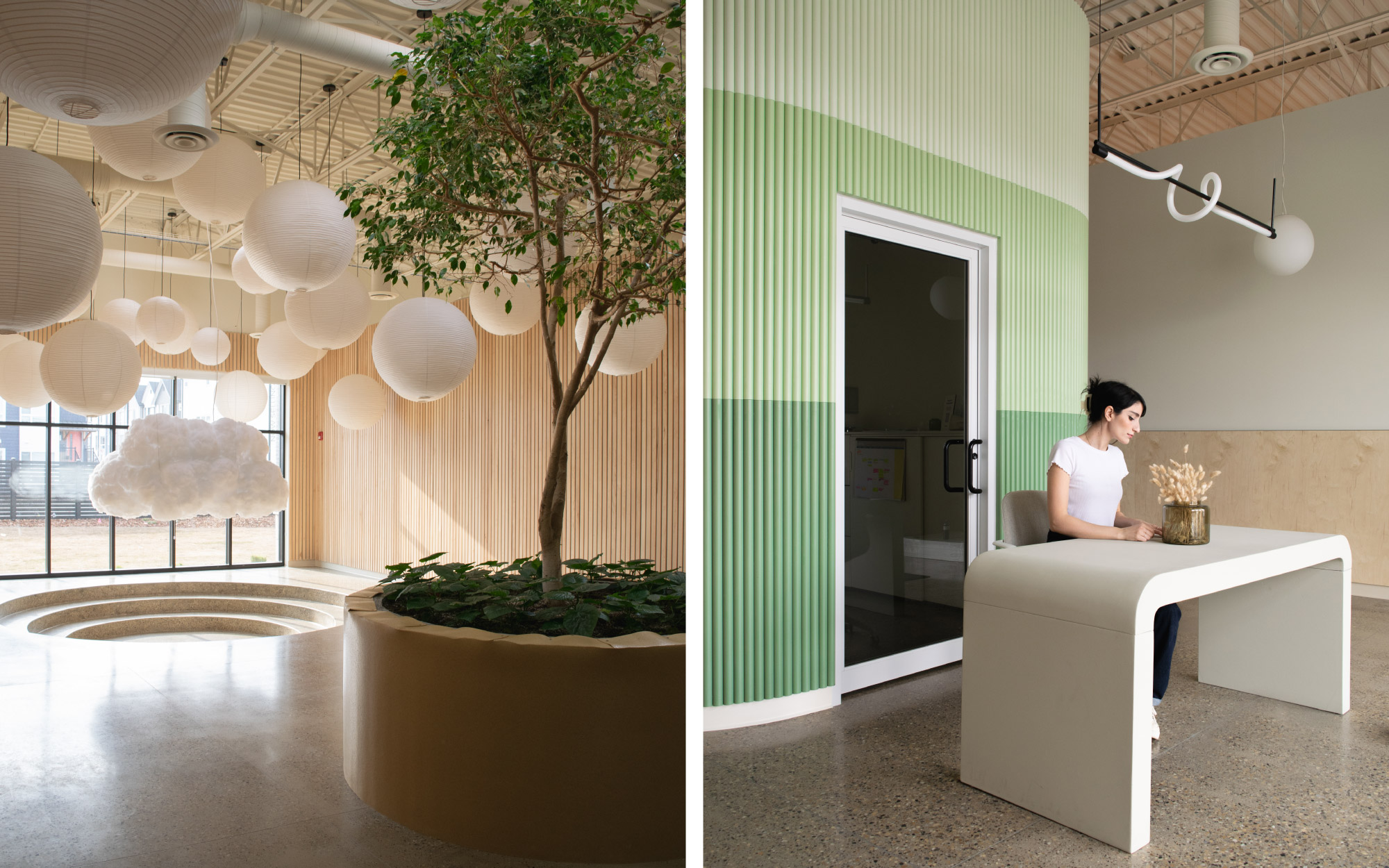
In a design world increasingly dictated by the fleeting “micro-fads” and “core-cluttered” aesthetics of social media, Alyssa Anselmo offers a more grounded and scientific alternative. As a content creator, interior architect, and the founder of Studio Anva, Anselmo’s work is rooted in neuroarchitecture, a specialised field that examines the deep-seated psychological and biological responses the human brain has to its physical environment. Design Pataki interviews her to explore this unique perspective, highlighting how she prioritises sensory experience and historical design principles over the dictates of a digital algorithm. By focusing on the science of how a space affects our well-being rather than just how it trends, Anselmo provides insight into why the most enduring environments of 2026 and beyond will likely be the quietest ones, serving as a necessary refuge from the rapid cycles of modern consumption.
Design Pataki: What is the absolute first signal you look for to distinguish a true trend from a fleeting micro-fad?
Alyssa Anselmo: The first signal is longevity. True trends are rarely new ideas. They are concepts, materials, or forms that have already existed for decades and continue to feel relevant. There is a reason we are still interested in the houses and furniture designed by great architects today. Those ideas were never about novelty.
Micro-fads behave differently. They appear suddenly, spread everywhere at once, and are quickly mass-produced. You see the same object, the same finish, and the same colour wave replicated across shops and homes. Visual sameness is the giveaway. When spaces start to look interchangeable, you are not seeing design evolve; you are watching a shortcut being taken. Lasting design is quieter. It does not need to announce itself. It simply stays.
Design Pataki: Where, specifically, are you looking outside of major social media platforms to find emerging aesthetics?
Alyssa Anselmo: I get inspiration from movement and from what is happening around me, like walking in nature, noticing how people interact with spaces and objects, and listening to music. These things often shift before visuals do. Design is usually a reflection of how people want to feel, so I look there first, not at what is trending online.
Also Read: #DPInsider: An Exclusive Interview With Budiman Ong Of Jia CURATED, Bali
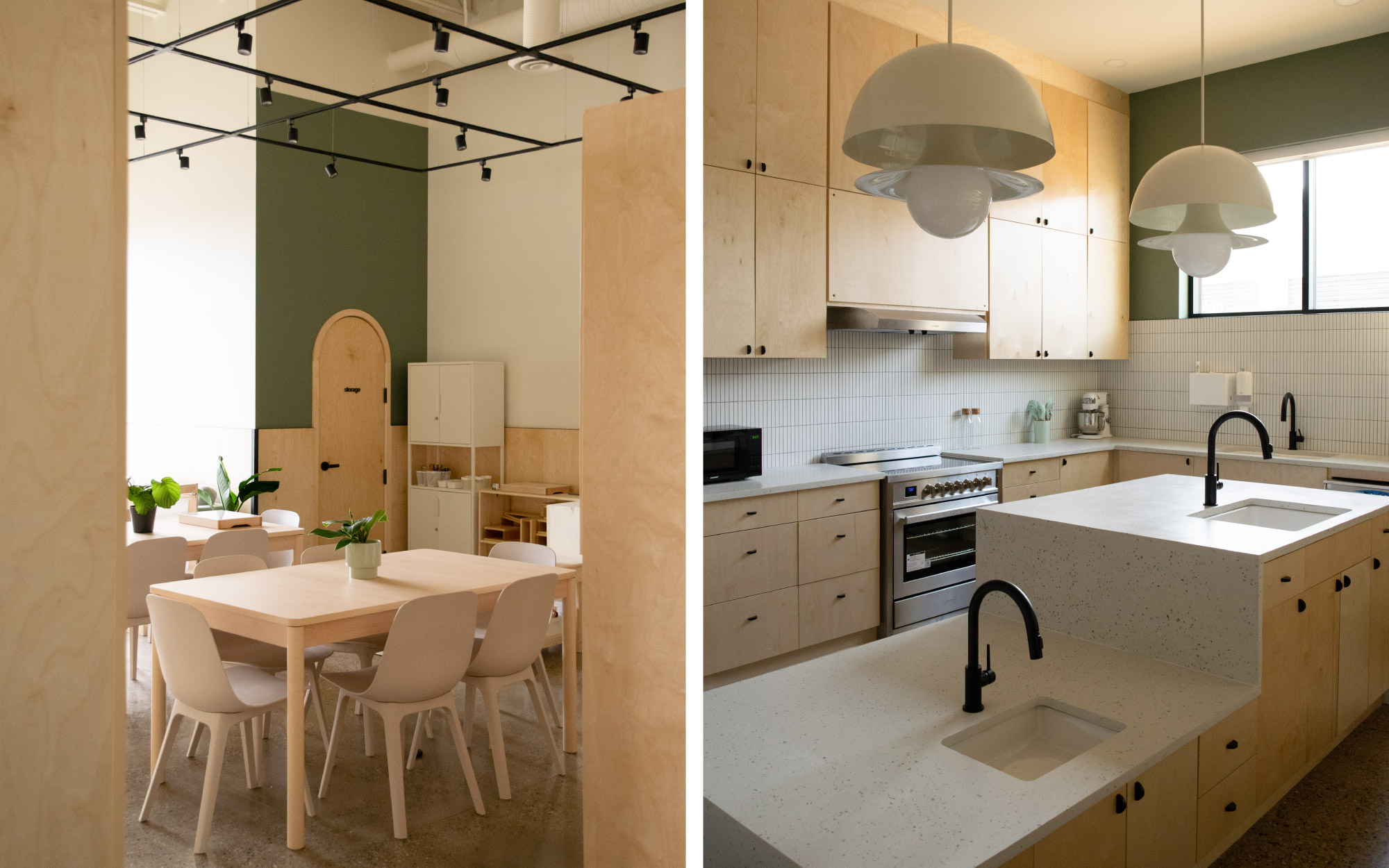
Design Pataki: How do you land on the perfect, sticky name for a complex aesthetic?
Alyssa Anselmo: I use existing architectural language. If I research a ‘style’ and there is no real history or reference behind it, then to me it does not exist as a style. You can make names up, but that becomes marketing language rather than an actual design lineage.
Design Pataki: What are the three key elements (e.g., colour, material, philosophy) you must identify to ‘decipher’ a trend?
Alyssa Anselmo: If it looks like a design feature does not belong to the original structure, climate, or architectural context, it is often trend-driven. Trends can also be mapped to a moment in time. For example, the pastel and playful bulky furniture wave made sense during the emotional climate of COVID. That context explains its rise, and also why it likely will not last. Timeless materials like wood are not tied to one cultural moment, which is why they tend to feel authentic longer.
Also Read: WFH Fatigue? Check Out These New Coworking Spaces In Mumbai
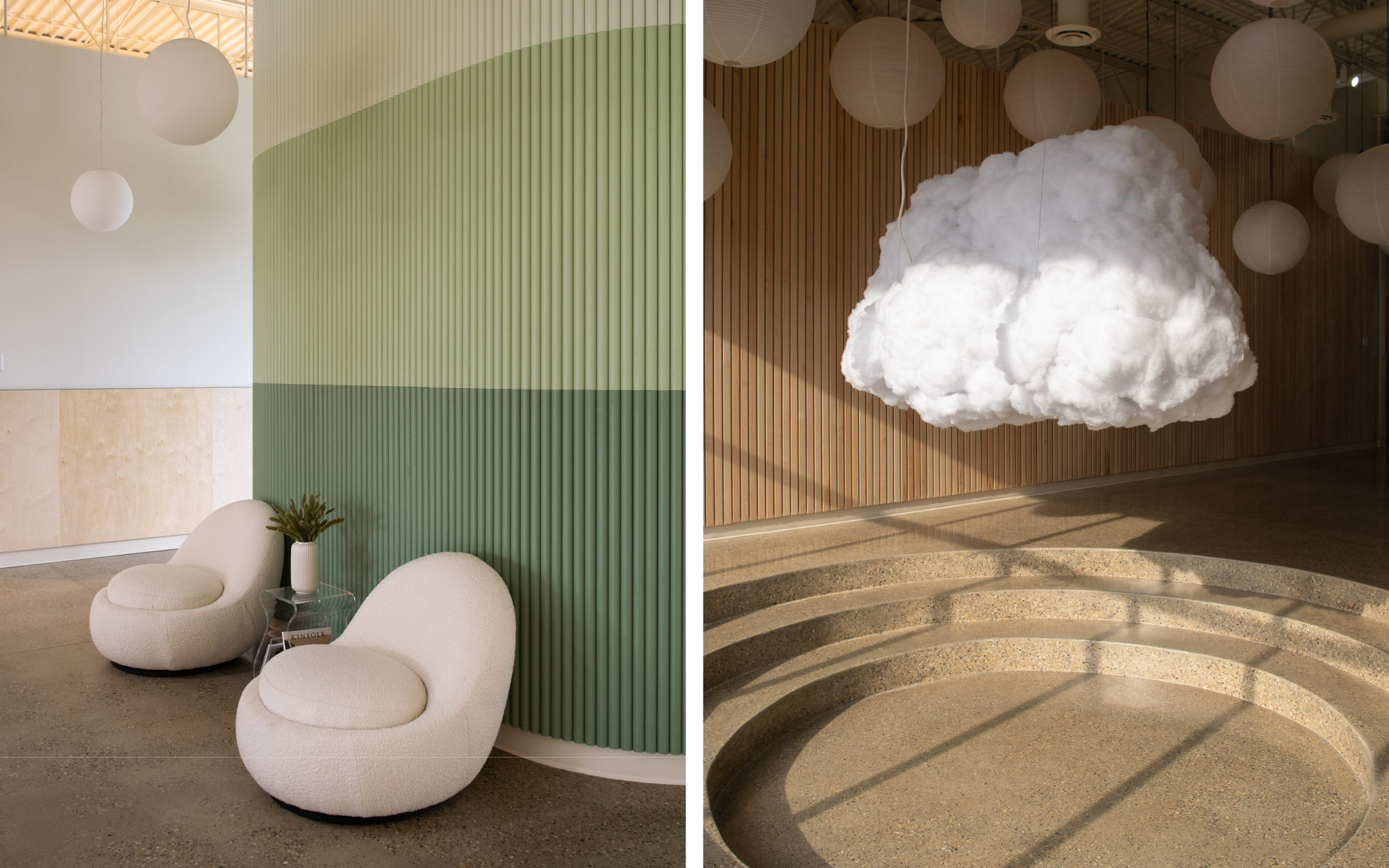
Design Pataki: What current, established design movement is the new 2026 trend actively reacting against?
Alyssa Anselmo: I think we are in a period of heavy warmth. Darker woods instead of white walls, warmer greens, oranges and deeper tones. It feels like a reaction to years of builder-grade millennial grey and white. That era appealed to people craving cleanliness and control, and it was also easy and cheap for builders to replicate, which lowered the quality overall. The current warmth is a pushback against sameness, but extremes usually swing back again. People will likely tire of overly heavy warmth the way they tired of grey.
Design Pataki: Beyond visuals, what is the deepest emotional need this ‘unheard-of’ 2026 trend fulfils?
Alyssa Anselmo: I think we are entering a more analogue age because people miss warmth. The emotion is nostalgia, but also a desire for comfort, softness, and less serious and less performative living. People want to feel that warmth in their homes and in the objects they surround themselves with.
Also Read: Blending Craft With Modern Glam: 3 Homes That Honour The Past Through Thoughtful Design
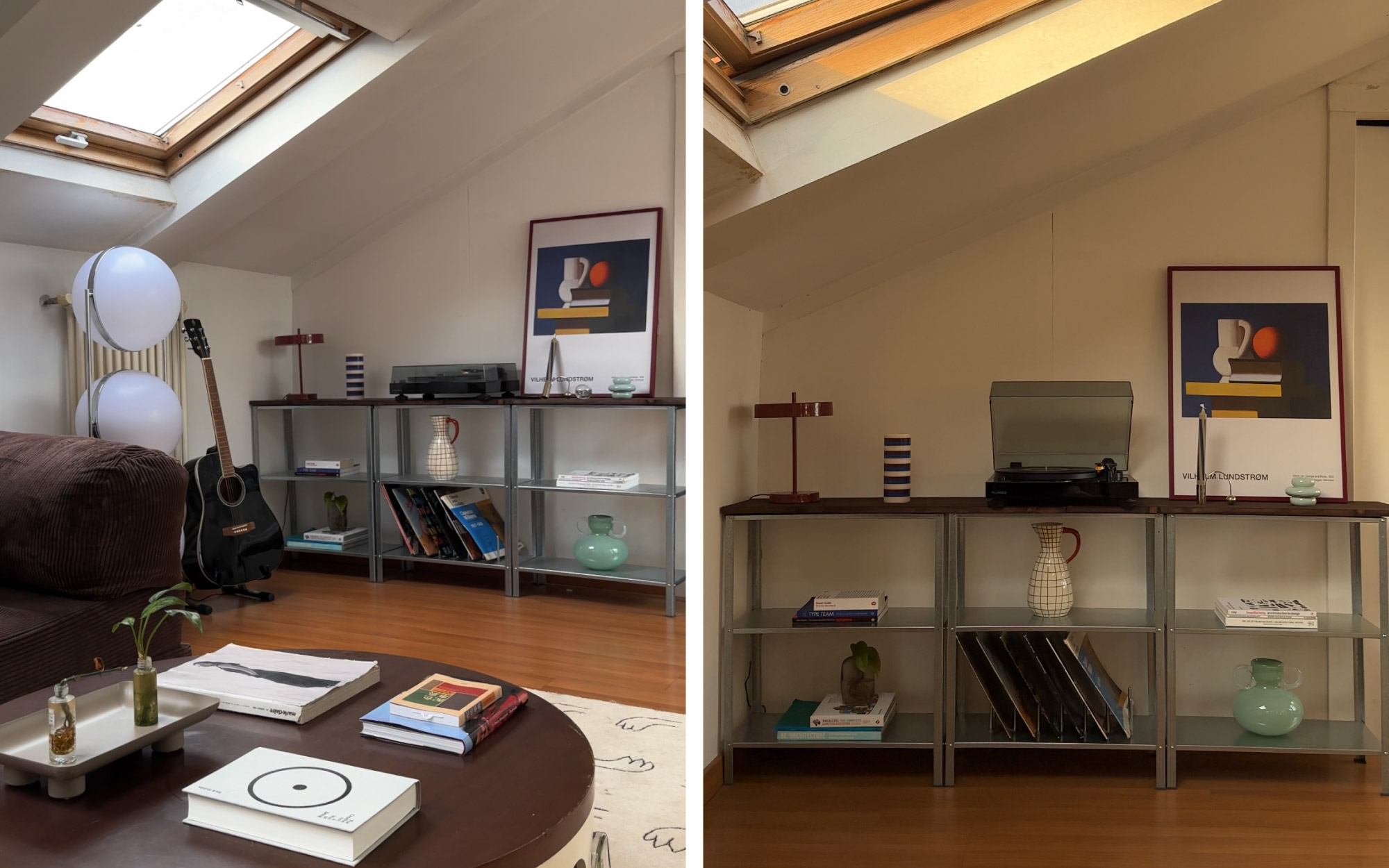
Design Pataki: Can you name one specific object or material that will be the defining hallmark of a major 2026 style?
Alyssa Anselmo: I think people are moving away from mass consumerism and toward craftsmanship. Supporting independent artists, choosing furniture with real making (craftsmanship) behind it, and valuing pieces that last. This also shows up in vintage, second-hand, and upcycling. Reuse has character, and it feels aligned with a slower, more intentional way of living.
Design Pataki: How does your work as an Interior Architect inform or contradict your trend analysis?
Alyssa Anselmo: My work confirms my trend analysis because I usually work against trends. I build a strong concept around every project, and I stick to core values in design, which keeps the work from being manipulated by short-term aesthetics.
Also Read: This Tropical-Style Penthouse Showcases An Old Meets New Design Aesthetic
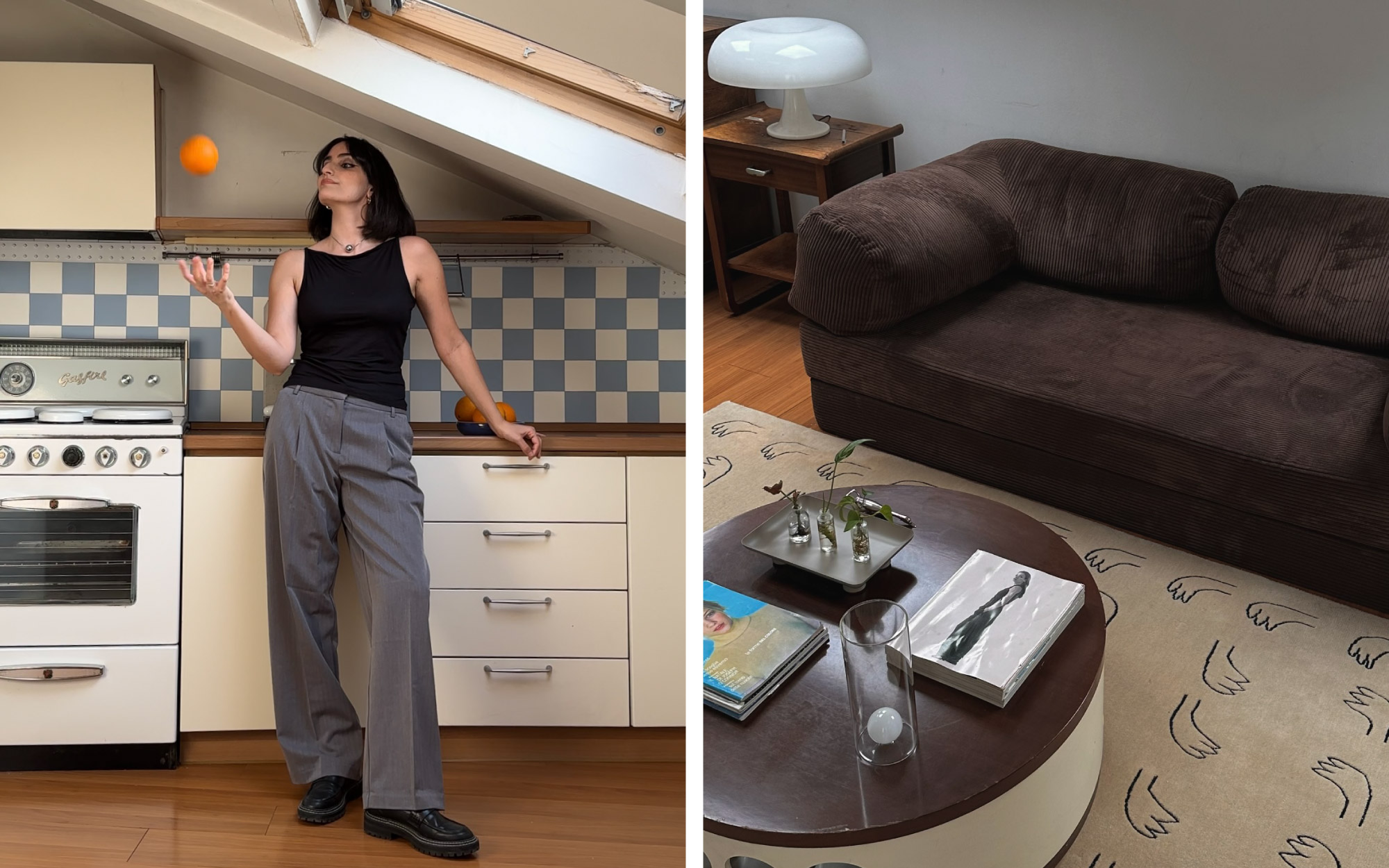
Design Pataki: Do you ever hesitate to post a trend, fearing it will be overdone?
Alyssa Anselmo: I usually would not post trends in general. I am sure I have had subconscious influence in the past that I would do differently now, but that is part of learning and refining your values over time. Instead, I focus on timeless concepts. I always build timeless concepts.
Design Pataki: What’s your advice for our readers for 2026 and beyond?
Alyssa Anselmo: Stay true to yourself. Gravitate toward pieces or spaces that move you in an existential way. If you build from that place, you will always end up with an unrepeatable, authentic space.