
Design Shanghai 2026 Celebrates Chinese Craft And Its Contemporary Reinterpretation
The thirteenth edition of Design Shanghai returns to its roots, celebrating Chinese craft, global innovation, and immersive design experiences across curated features and citywide projects.
- 18 Mar '26
- 2:39 pm by Simran Almeida

There is nothing like homecoming after spending years just a stone’s throw away. In 2026, Asia’s leading international design event, Design Shanghai, will face a similar fate at the Shanghai Exhibition Centre after six years. “Returning to the Shanghai Exhibition Centre—our original home and a landmark at the heart of the city—deepens that experience, allowing us to harness the unique character of the venue’s historic architecture and vibrant setting,” explains Zhuo Tan, Show Director, Design Shanghai. Returning for its 13th edition, running from 19th to 22nd March, this fair is set to underscore Chinese design in the global design conversation. Anticipating 500 brands from over 20 countries, the fair centres on key themes that revisit centuries-old traditions and trace their imprint on the contemporary design landscape.
Deciphering The 2026 Programme
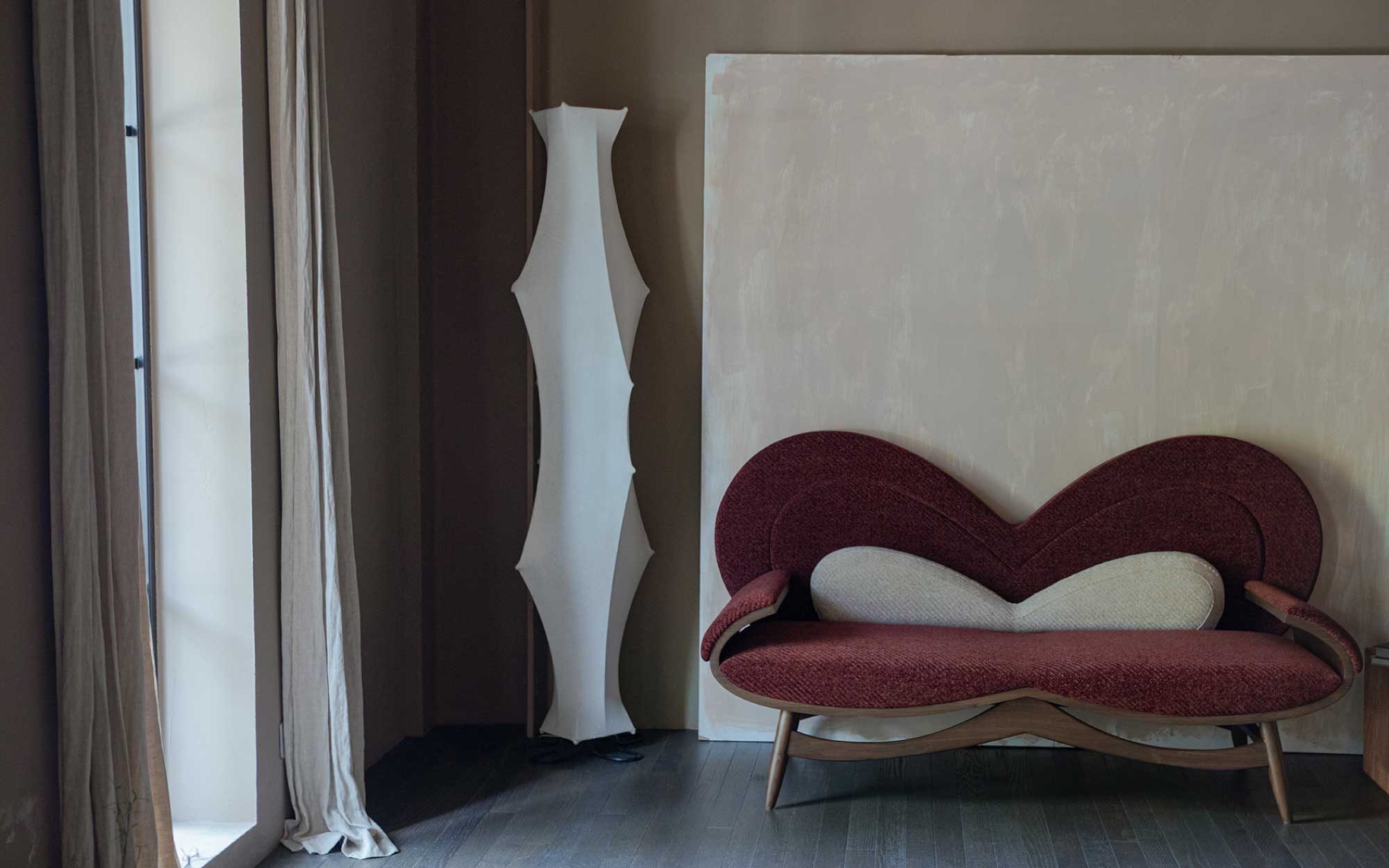
The fair unfolds across four sectors—Furniture & Lighting, Kitchen & Bathroom Systems, New Materials & Applications, and Living & Lifestyle. Moving from iconic objet d’art to an immersive living environment, the fair explores how traditional craftsmanship can use new materials and design for the future. It will host industry forums, including the KOHLER · Design Shanghai Global Design Conference and the CMF Conference, addressing themes such as sustainability, material innovation, and design’s relationship with nature. With a range of speakers, it explores how design can coexist with nature.
Also Read: 7 Glamorous Bathrooms With A Burst Of Colour
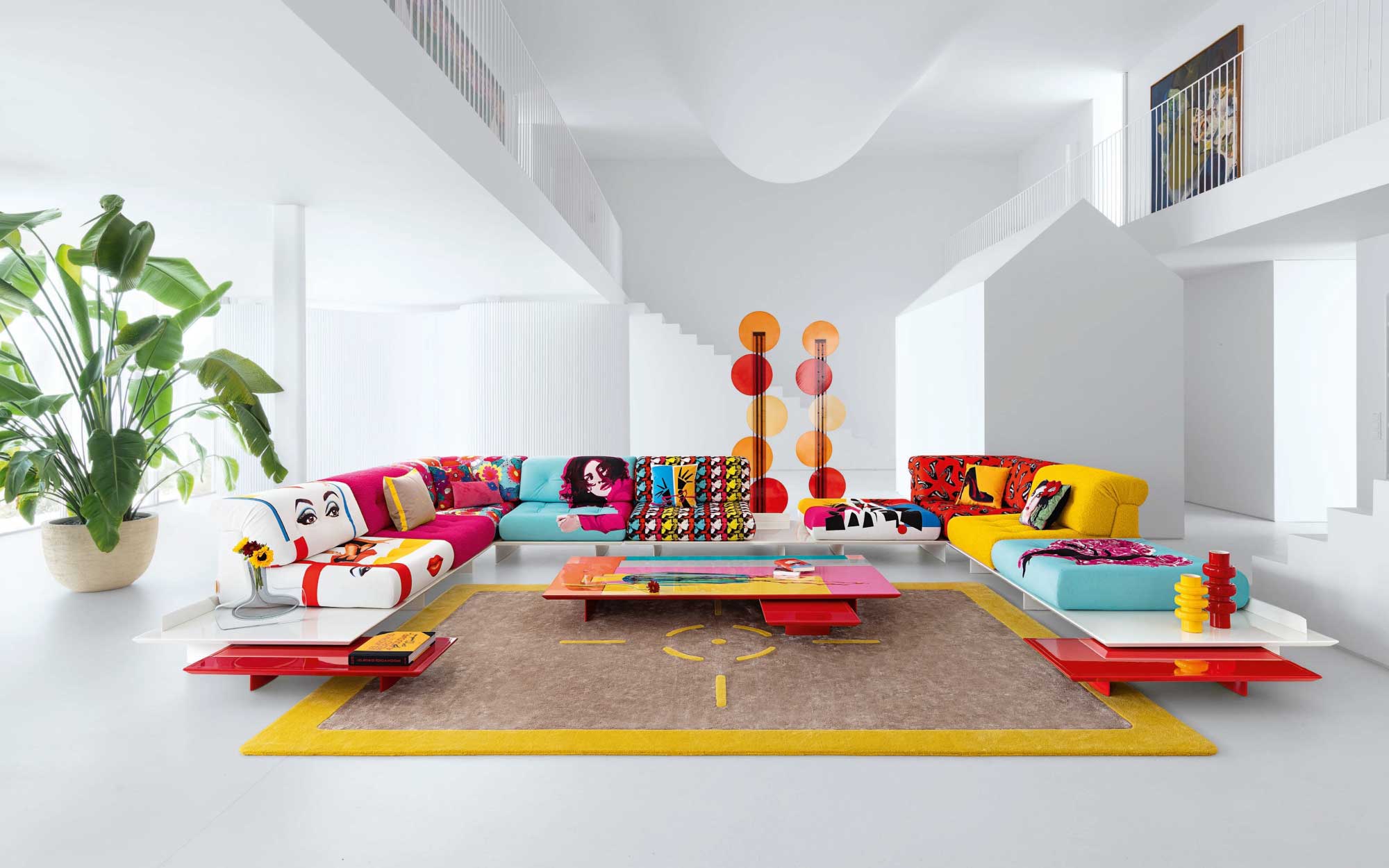
The exhibiting roster sits perfectly between global and Chinese design mastery. International highlights include Roche Bobois’ French contemporary classics, Lasvit’s sculptural glass, and the sleek Scandinavian minimalism of VIPP and Reflections Copenhagen. European stalwarts like Villeroy & Boch and Liebherr exhibit lifestyle innovations alongside Baobab Collection’s sculptural scented pieces. Focusing on the local brands, SHANG XIA exudes maison-style luxury, FNJI and PUSU champion material-driven contemporary design, while LEEDARSON fuses lighting with nifty technology.
Curating A Dialogue
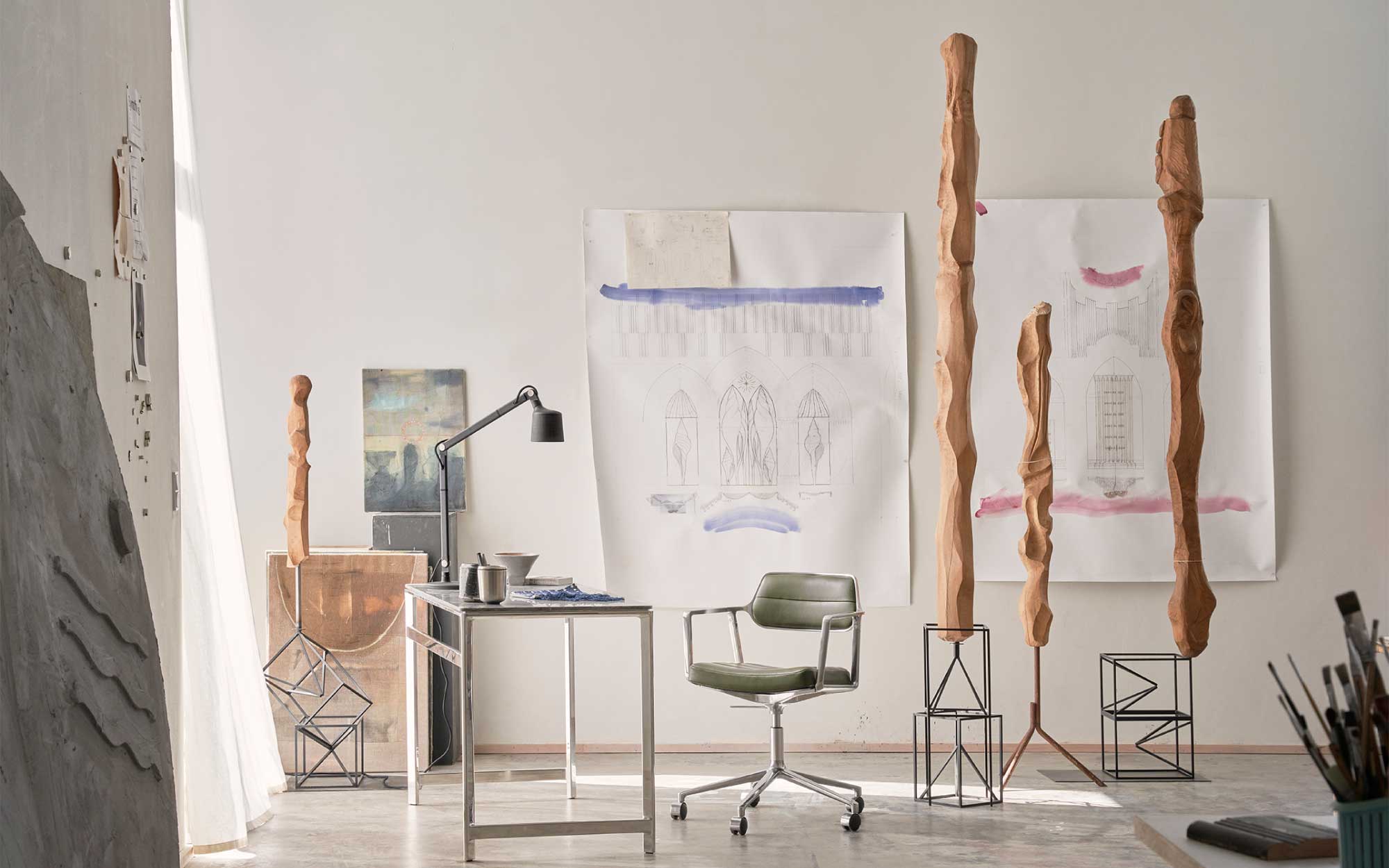
Within the fair, a curated section monikered ‘Features’ explores a distinct facet of how designers are using age-old traditions to stir contemporary design discourse. This programme includes ‘TALENTS,’ curated by Frank Chou, which spotlights designers under 35 and offers a platform for experimental thinking and emerging global voices. “TALENTS, therefore, seeks to spark broader cultural reflection,” explains Frank Chou, TALENTS curator. Launched in 2025, ‘Made in JDZ’ is led by Ryan Ran this year and draws on Jingdezhen’s historic craft ecosystem, reinterpreting ceramics, metalwork, and lacquer traditions to explore cross-border craft. It reimagines craft onto the vast stage of fashion and life, moving beyond the conformist norms.
Also Read: Honey, I Shrunk the City: 3 Designers Scale Down Indian Cities Into Statement Objects

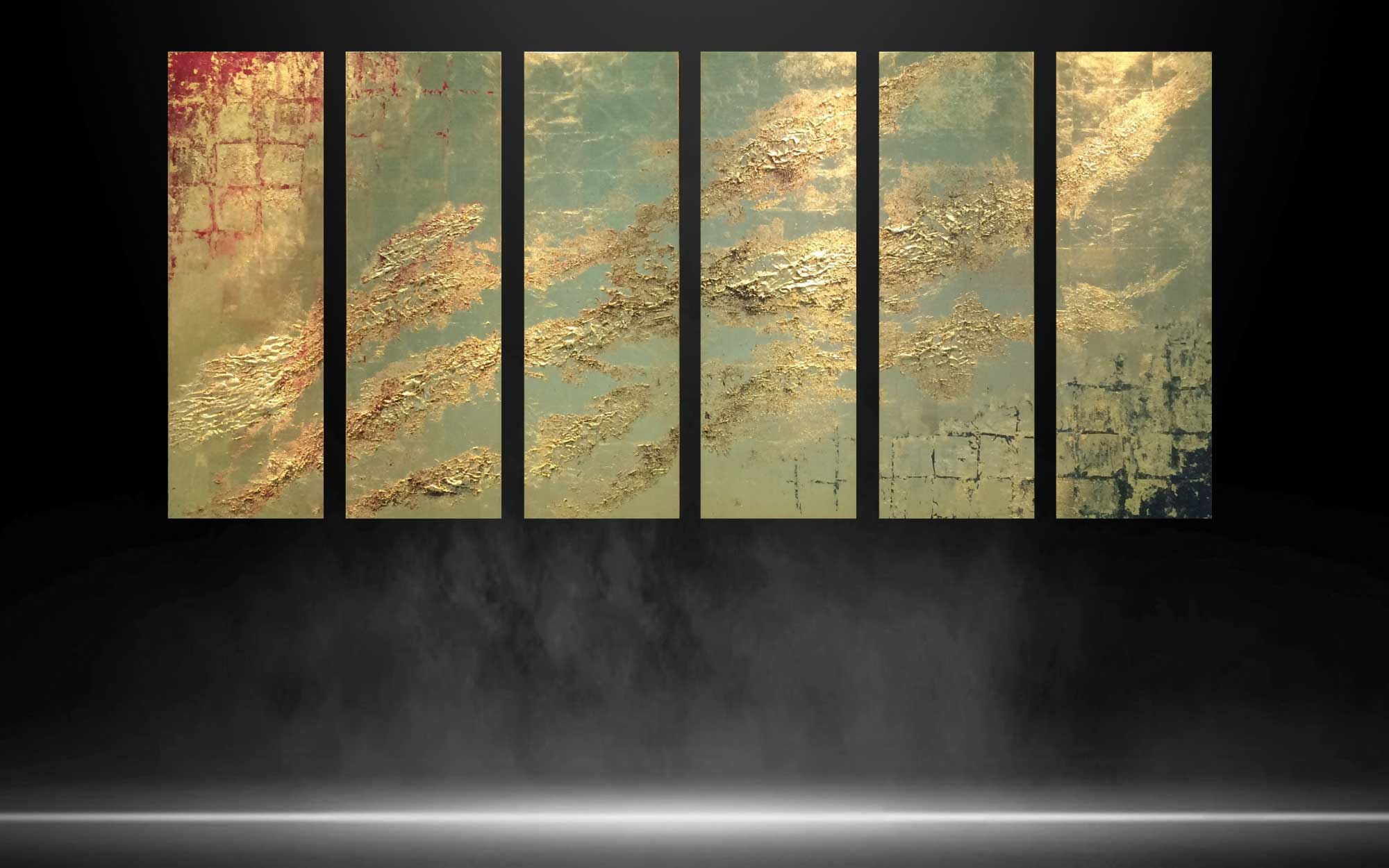
‘Beyond Craft’ examines the evolving value of Asian artisanal practices and demonstrates how heritage techniques inform modern design. The 2026 exhibit features handmade techniques like Nishijin-ori weaving, gold leaf application, lacquer art, washi paper, braided cords, ceramics, glass engraving, and metal inlay. Meanwhile, ‘Collectible Design & Art’ blends art and design through limited-edition sculptures, installations, and functional objects. At the same time, ‘Materials First,’ curated by materials expert Chris Lefteri, offers an interactive materials lab exploring surfaces and materials.
Looking Back At Chinese Tradition
Debuting in 2026 is a large-scale outdoor installation, ‘A Courtyard in the City,’ in collaboration with Sanqingshan Cuiwei Hotel. Conceived by Shen Baohong, Co-founder and Design Director of Chinese furniture brand U+, this project features “a courtyard belonging to the Chinese way of life.” Drawing reference from ‘Siheyuan’ (a Chinese courtyard house), where communal life, nature, and inward-looking architecture guided the spatial layout, this installation reinterprets the courtyard as an accessory of contemporary lifestyle. Melding Russian neoclassical and Baroque styles, it explores how traditional spatial ideas can coexist with contemporary urban life.
Seamlessly shifting between outdoors and indoors, the installation emphasises memory, temporality, and spatial storytelling. While the wilderness contains furniture by an eminent Italian outdoor brand, Ethimo, the indoors integrates furniture and ornamental works from the Chinese furniture brand U+, among others. The courtyard is a stark reminder to pause and contemplate how today’s global cities can be punctuated with a dash of traditional values.
Beyond The Halls
In reinforcing Shanghai’s stature as a global design epicentre, the fair extends beyond the historic Shanghai Exhibition Centre with ‘Design in the City.’ Sprawling across four curated design districts, it will celebrate the city’s creative culture with more than 20 public design events and 15 open studio days—a new addition for 2026. “When creativity spills beyond exhibition halls into our streets, cafés and riverbanks, that’s when design truly lives. This is our invitation to reimagine Shanghai not just as a backdrop, but as an active collaborator in the story of design,” avers Zhuo Tan.
Also Read: Plunge Into The World’s Most Magical Waters Designed For Thermal Cure
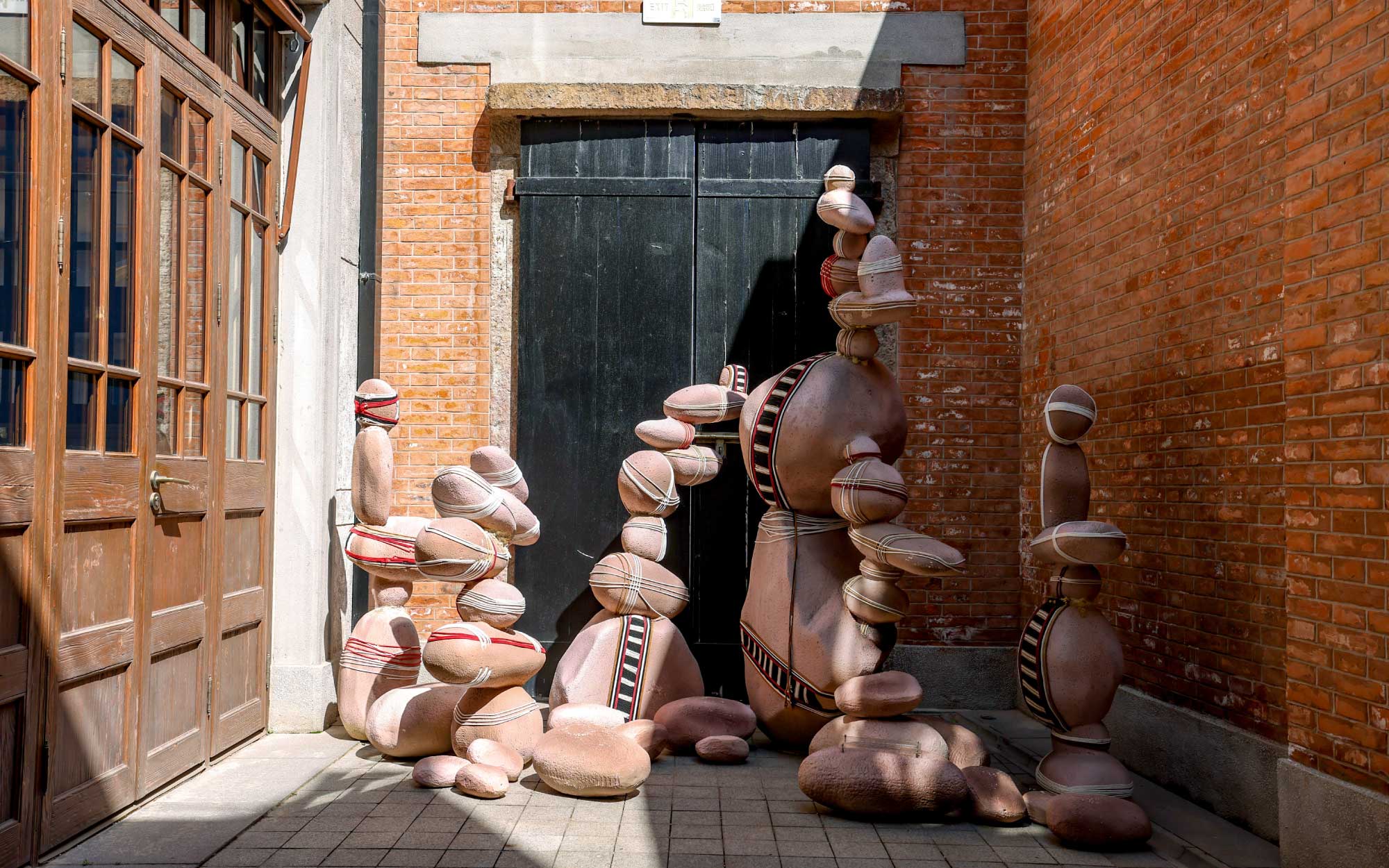
From Power Station of Art, offering experimental installations, to Shanghai Museum of Glass, showcasing contemporary glass artistry, the city comes alive, offering a distinct perspective on contemporary design. While Xintiandi hosts interactive workshops and pop-ups, M50 Art District presents cross-disciplinary exhibitions, and luxury precinct Huaihai Road features curated retail experiences blending design, lifestyle, and fashion.
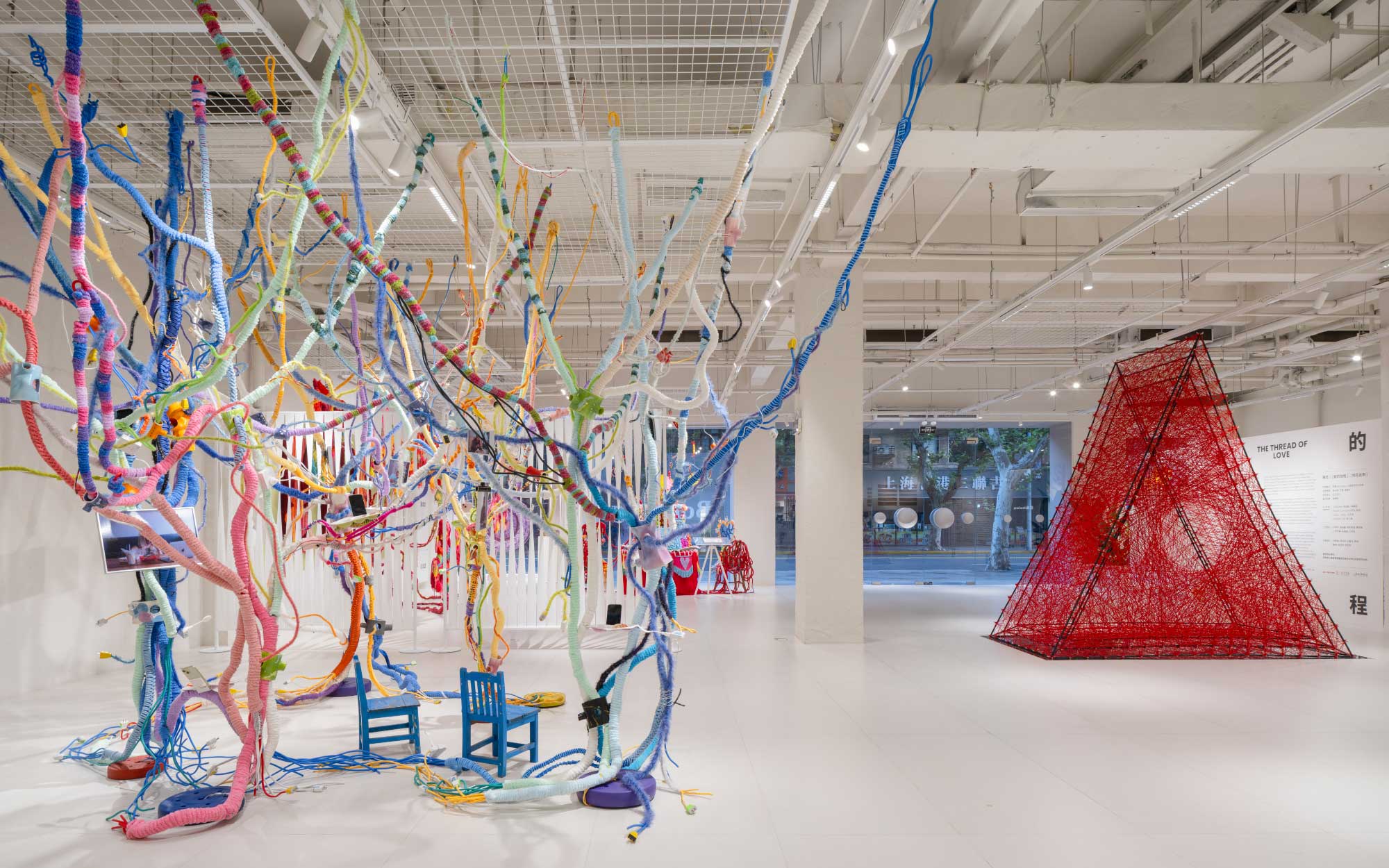
In essence, Design Shanghai 2026 orchestrates a dialogue between past and present. With curated features, interactive experiences, and innovative installations, the 13th edition underscores the dynamic evolution of Asian design. “As we enter our thirteenth year, we have come to appreciate that design’s true value lies not in grand statements, but in its ability to resonate with people, bringing comfort, inclusivity, and a better quality of life,” reflects Zhuo Tan.