#DP Talks: Daphné Desjeux On Roswyn Hotel Mumbai : Dismantling Luxury Hotel Design With “Third Room” For The New Bleisure Era
A Rendezvous with the Parisian Designer Daphne Desjeux on the newly launched Roswyn, A Morgans Originals Hotel, shaped by a distinctive “box within a box” design philosophy.
- 2 Jun '26
- 12:45 pm by Satarupa Datta

|
Getting your Trinity Audio player ready...
|
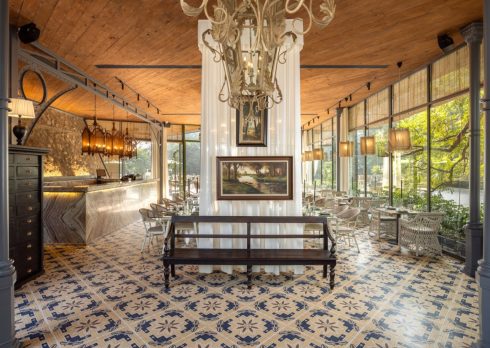
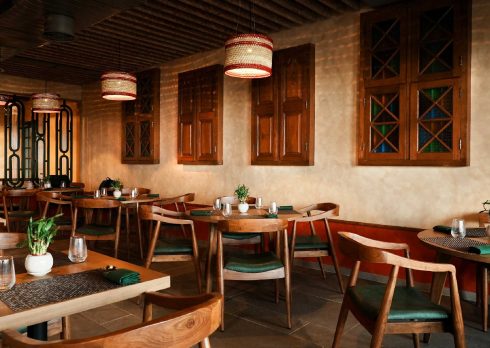
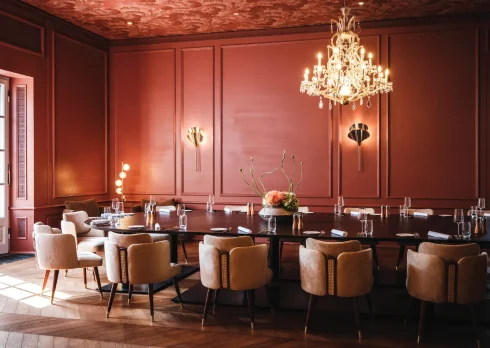
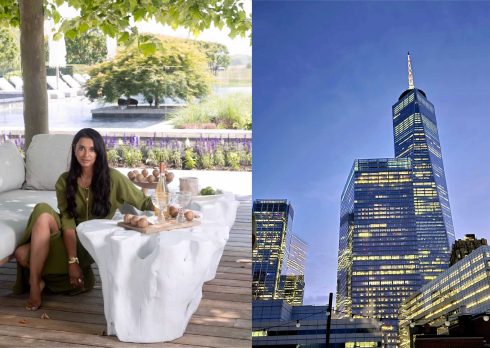
Parisian designer Daphne Desjeux has never been one for convention. Her projects rarely conform to the expected language of hospitality; instead, they unfold as playful provocations, that is to say, she creates immersive worlds disguised as lifestyle hotels. It is precisely this irreverent sensibility that shapes Roswyn, A Morgans Originals Hotel, conceived as an anti-hotel of sorts: deeply personal, richly layered and driven entirely by character rather than a design formula.
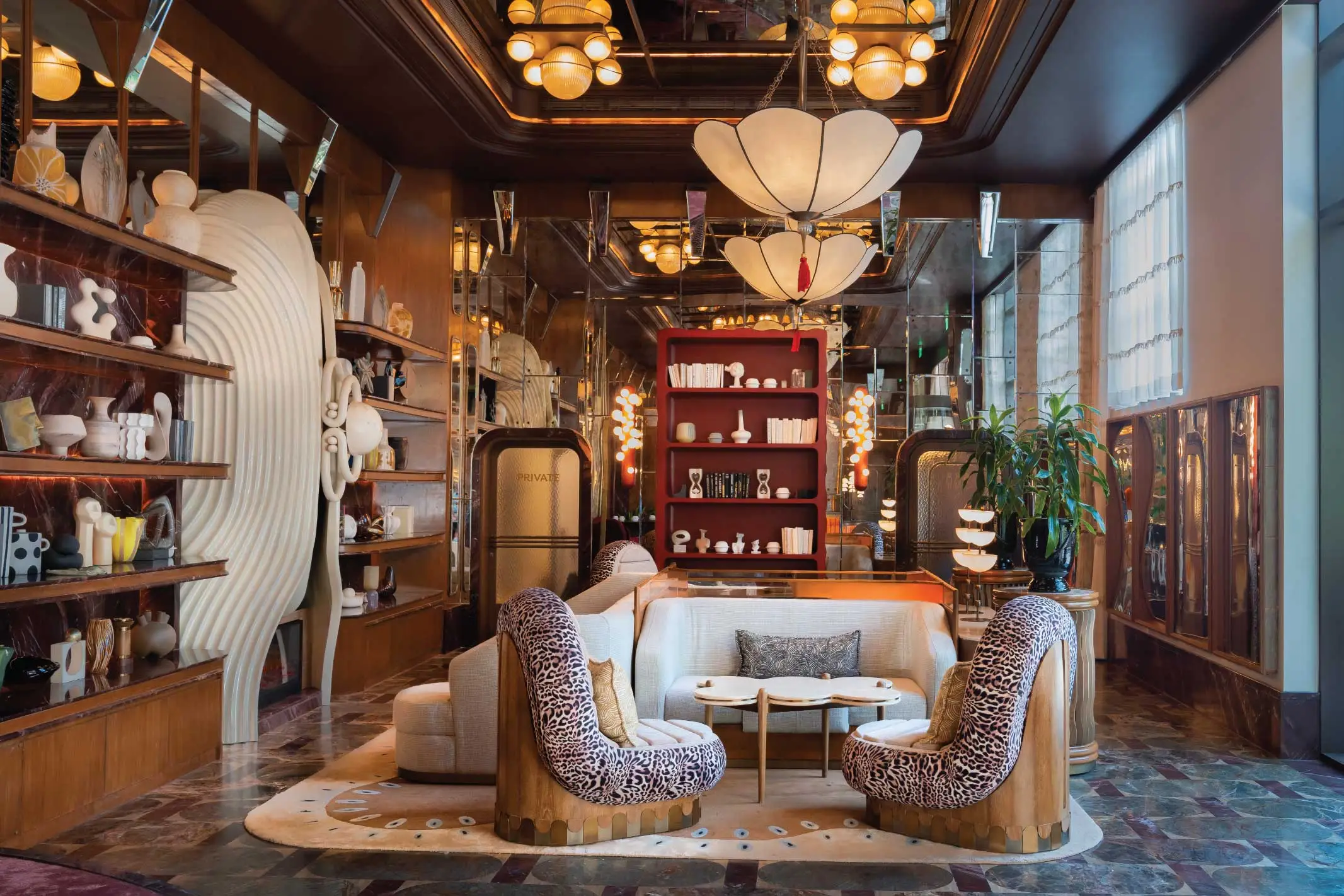
To arrive at Roswyn, A Morgans Originals Hotel, is to feel less like a guest checking into a hotel and more like stepping into the home of a well-travelled Mumbaikar—someone with a discerning eye for art, design and collected curiosities. Desjeux orchestrates the interiors with a confident softness, where curves ripple effortlessly across the architecture and furnishings alike: sculptural sofa lounges, rounded coffee tables, sweeping ceiling details and fluid lighting that feels at once sensual and inviting.
The lobby, conceived as an elevated living room, exudes an understated theatricality. An eye-catching water-vapour fireplace anchors the space, while bespoke rugs and cocooning armchairs lend an atmosphere of familiar intimacy. Nearby, resin-encased dried floral lighting pieces capture daylight with an almost gallery-like delicacy before transforming into a nocturnal retreat after dusk, when softly backlit walls cast the interiors in a subdued amber glow. The mood shifts seamlessly from a sunlit salon to a stylish work-zone to a gala dinner evening.
Throughout the lobby corridors, intricately carved wooden elements offer subtle nods to Mumbai’s storied Art Deco legacy. Yet Desjeux resists nostalgia. Rather than recreating Deco literally, she reinterprets it through a contemporary lens, merging its geometric elegance with her own nuanced narrative of Mumbai: cosmopolitan, chaotic and still calm, intimate and warm. Along the corridors, a monumental photograph depicting scenes of the city’s iconic dhobi ghats — children at play amidst the splash of waters immediately introduces the frenetic energy of Mumbai. It is a striking visual interruption: raw, cinematic and deeply human, capturing the city in one of its most unguarded moments.
Also read: The Jet-Setting World Of Devil Wears Prada 2 Through The Eyes Of Production Designer Jess Gonchor
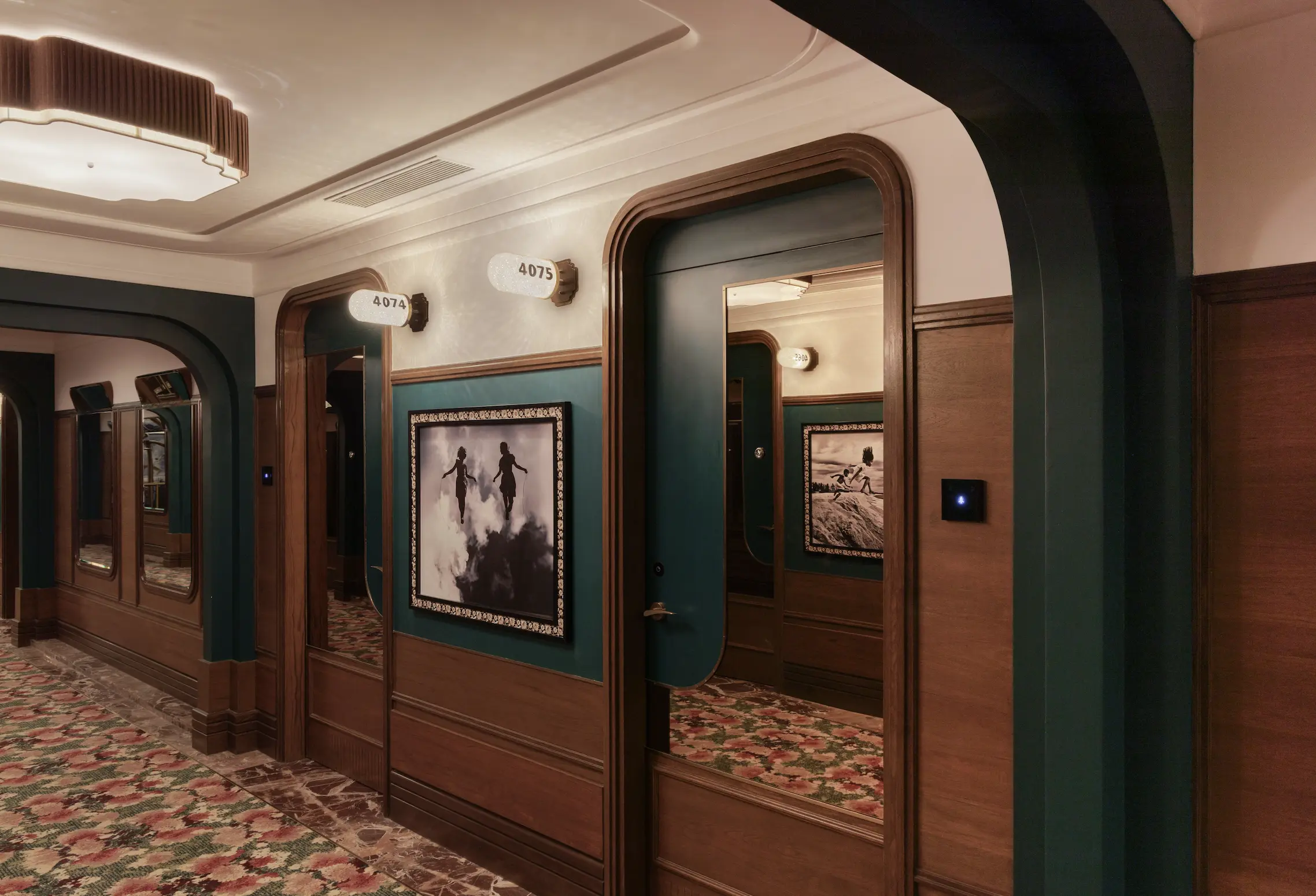
Wooden arches rhythmically frame the passageways, while mirrors placed at regular intervals soften the linearity and expand the sense of space. Carefully curated artworks and sculptural objects punctuate the corridors, encouraging guests to pause. ( Image Credit: Roswyn – A Morgans Original Hotel)
For Desjeux, luxury is never about rigid formality or intimidating grandeur. Roswyn deliberately moves in the opposite direction. Here, luxury is expressed through conviviality, emotional warmth and a sense of ease.
Inside the guest rooms, Desjeux shifts the narrative towards something more intimate. A linear, apartment-style layout unfolds through a sequence of zones, with a dedicated office cabin leading into the bedroom, discreetly separated by soft curtains rather than rigid walls. Throughout the interiors, details anchor the space firmly to its sense of place. Ceramic plates inscribed simply with the word “Bombay” offer an affectionate gestures towards the city’s identity, while sculptural lounge chairs that swivel playfully between furniture and object d’art inject moments of levity into the otherwise earthy, textural palette. Artworks sourced from Venu Juneja punctuate the spaces with wit and colour, carefully curated to complement rather than compete with the interiors.
During the launch of Roswyn, a Morgans Originals Hotel, DP met with Parisian designer Daphne Desjeux for an intimate walk-through of the property, where she unveiled her “box within a box” design philosophy — an architectural surprise that reveals itself gradually throughout the hotel and how Mumbai becomes her muse.
Design Pataki: How do you see Mumbai as a city?
Daphne Desjeux: Mumbai is a city where you never get bored; it’s a sort of permanent whirlwind. What touches me most is this blend of intensity and intimacy. It is a very cinematic city, a moving set where every street corner tells a story. I never tire of it.
DP: As Roswyn makes its Indian debut in Mumbai, how do you see the brand engaging with the city’s dynamic spirit?
Daphne Desjeux: The idea wasn’t to arrive with fixed certainties, but rather to blend into the city’s rhythm. We conceived Roswyn as a living home rather than a traditional hotel. I wanted the spaces to adapt to people’s lives: places where you can work, laugh, or find solitude naturally. It’s a place that simply gives you space.
Also read: 7 New Dining Spaces In Bengaluru That Are Serving Spaces, Not Just Plates
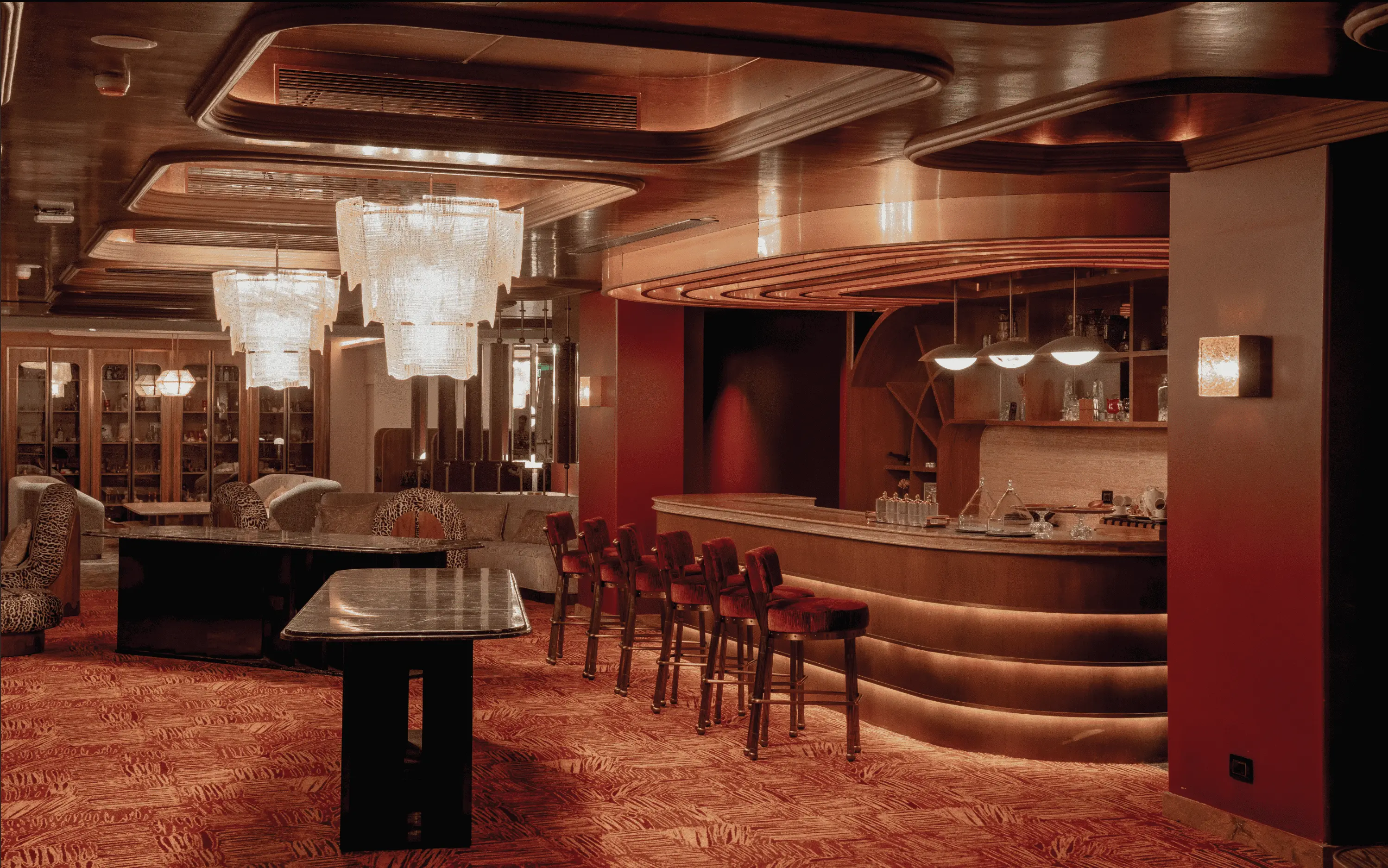
DP: The Third Room shifts effortlessly with moments of meeting friends, working between plans, or simply pausing for yourself. What’s your approach to design a member-only business club?
Daphne Desjeux: We described the members-only club as a contemporary “third place” — that increasingly rare space existing somewhere between home and work, where one can linger with, or without, intention. The Third Room evolves fluidly throughout the day: part lounge, part workspace, part social salon. It resists easy categorisation, neither a conventional co-working space nor an exclusive private club, but rather a thoughtfully designed environment where the boundaries between business, culture and conversation dissolve through a design sensibility.
What truly defines The Third Room, however, is its community. At any given hour, you may find yourself seated beside some of the city’s most compelling creative, cultural and entrepreneurial minds — the kind of space where ideas circulate as naturally as cocktails.
DP: Mumbai has always been a city of contrasts – both fast-paced and unhurried. Do you agree? And what was your overarching vision for the design of Roswyn Mumbai?
Daphne Desjeux: That is exactly right. Mumbai is a city of contrasts, and I wanted the design to embrace that duality. My vision was to create a “friend’s house”: a fluid, welcoming place where you feel immediately at home. I played a lot with textures and lighting to create an enveloping atmosphere. You don’t need to “understand” the design; you just need to feel good in it.
DP: With Indian craftsmanship having a global moment, how has Roswyn Mumbai curated and sourced Made-in-India craft to shape its design identity?
Daphne Desjeux: Indian craftsmanship is incredibly rich; it’s a gift for a designer. We didn’t want to do “decorative” work for the sake of it, but rather to integrate this savoir-faire into the soul of the project. We worked with local artisans to reinterpret noble textiles and materials, adding my own French touch. It is this dialogue between our two cultures that gives Roswyn its unique identity.
DP: Do you have a favourite corner in the hotel where you like to pause and unwind – perhaps around a particular artwork or a crafted furniture line?
Daphne Desjeux: I am very fond of the library lounge. There is a particular armchair with three “boudins” (rolls) in the studio suites where I love to sit. The light there is soft, and you feel protected from the hustle and bustle outside. It’s my little refuge, the perfect spot to disconnect for a few minutes.
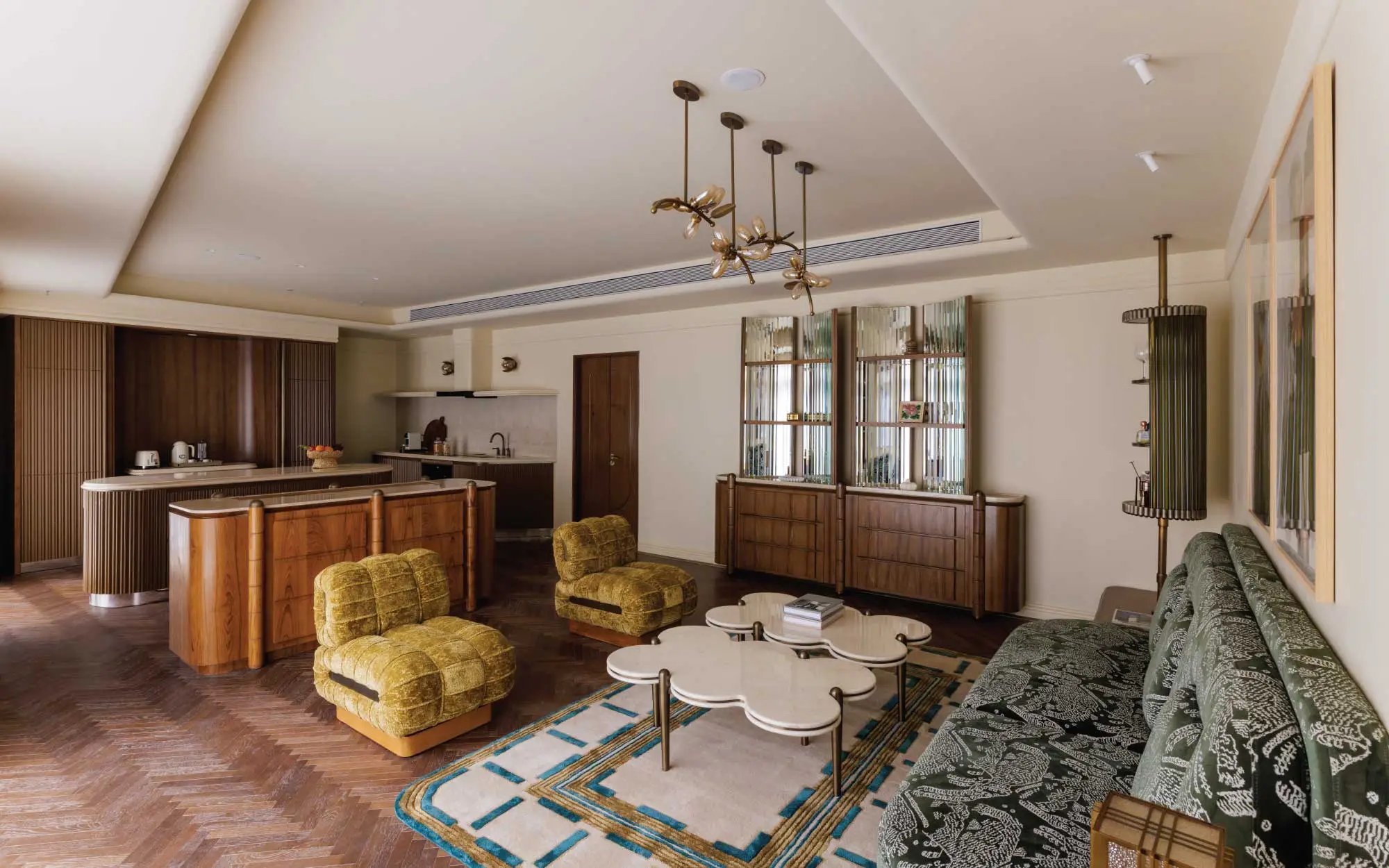
DP: How are the suites designed to accommodate longer, work-meets-leisure stays? And do you have a go-to suite you love most?
Daphne Desjeux: We designed the suites like real apartments. I wanted people to feel like dropping their suitcases for a long stay the moment they open the door. There are real spaces for cooking, entertaining, or working, without it feeling rigid. I have a weakness for the suites that mix large open volumes with more secret, tucked-away corners. That is the kind of luxury that interests me: the luxury of space and freedom.
Also read: These New Dining Spots In Hyderabad Whisk You Off Into a Cinematic Design Space
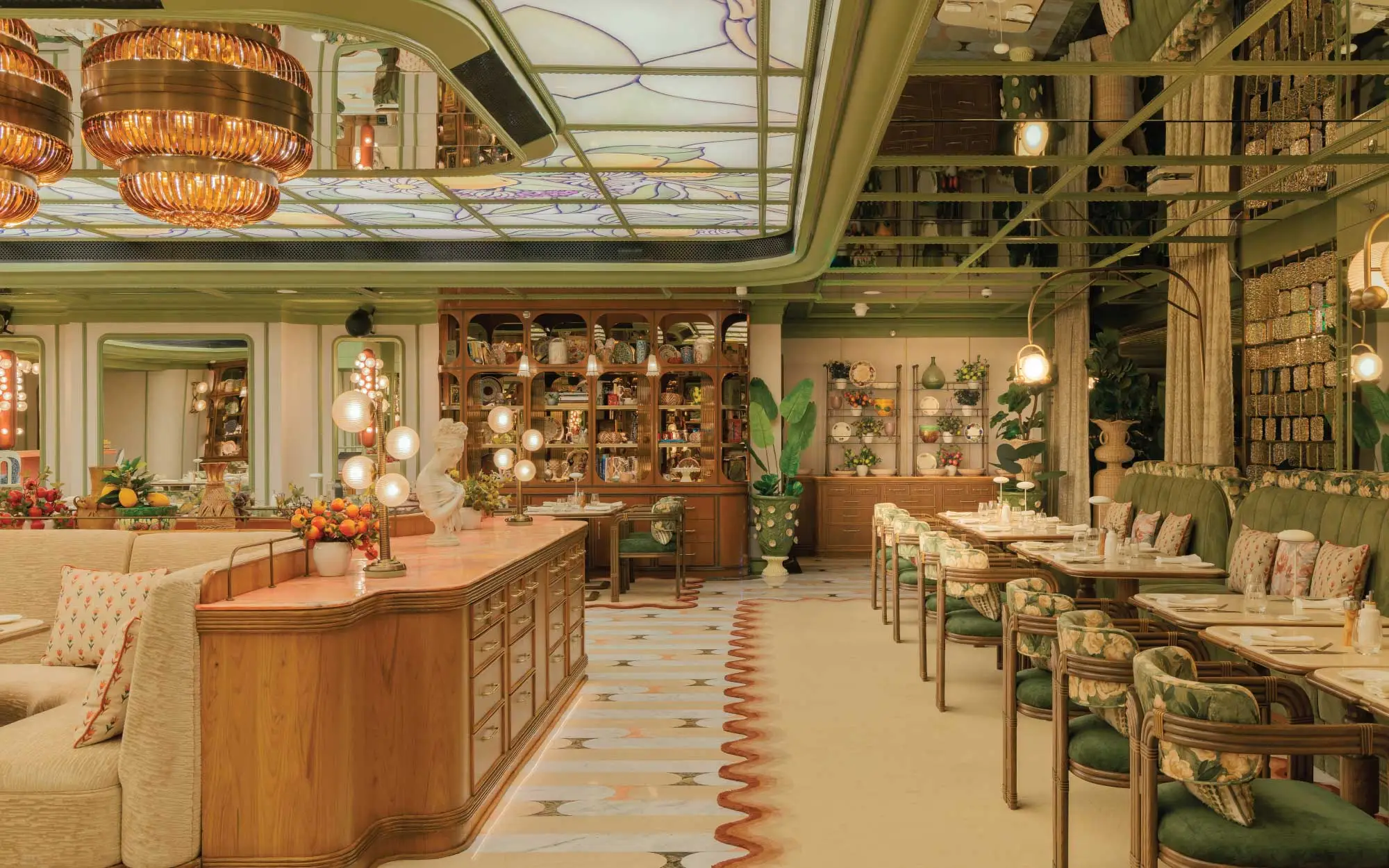
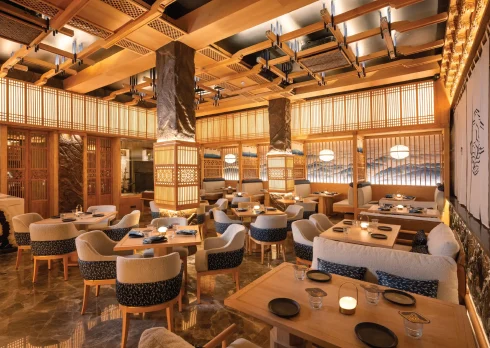
DP: Fi’lia brings a sense of occasion over hearty Italian fare, while Black Lacquer, a vinyl-led Japanese listening bar, sets the tone for unhurried evenings.
Daphne Desjeux: For me, a restaurant is above all an emotion. Before thinking about function, I think about the atmosphere, the sound, and how people will look at one another.
Fi’lia is generous and warm, like a family meal. One enters through a dining lobby that unfolds like a narrow gallery of vintage ceramic plates — an almost cinematic prelude to the spaces beyond. From there, a dimly lit corridor lined with sculptural planters filled with tumbling vines, oversized meatball forms and playful references to pasta subtly signals the culinary narrative ahead. The passage divides the restaurant and bar, yet the transition feels intentionally fluid, as though both spaces belong to one sprawling, interconnected salon.
At the heart of the dining room, a dramatic stained-glass ceiling — cleverly disguised as a skylight — bathes the expansive space in diffused daylight, transforming the interiors throughout the day. The effect is quietly theatrical: warm sunlight filters through coloured glass, casting shifting tones across woven upholstery, fluted wall panelling and a palette of earthy, tactile materials that ground the room in softness and depth.
Then comes Black Lacquer — moodier, more seductive and almost hypnotic in atmosphere. Music pulses softly through the space while an imposing bar counter commands attention at the centre of the room, framed by vinyl records integrated as part of the décor.
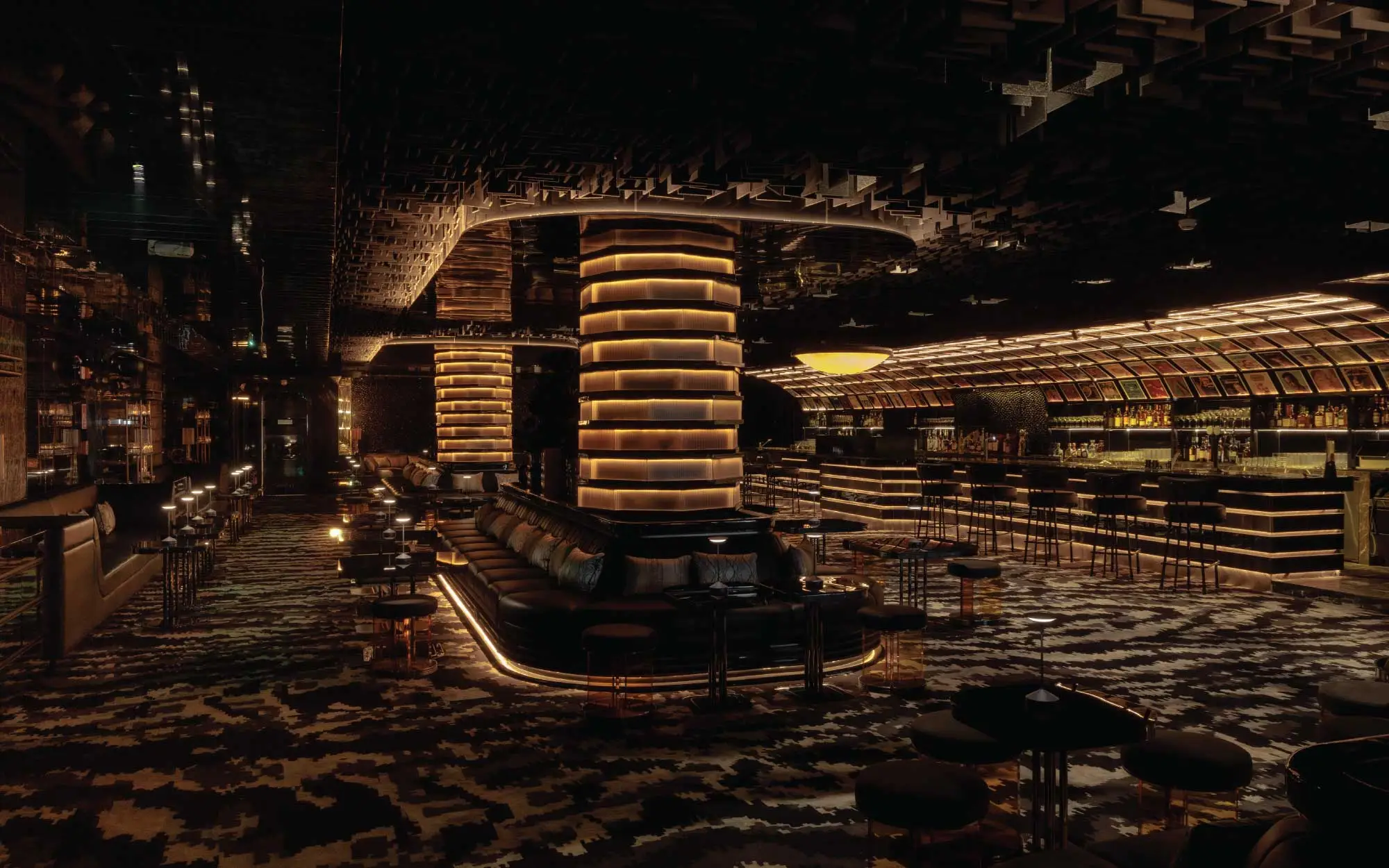
Perhaps the most dramatic expression of a ‘box with the box’ idea is the Golden Room — a hidden jewel box drenched entirely in gold tones. Curtains of cascading gold chains frame the space like theatrical slashes, blurring the line between partition and installation art. The room feels immersive, decadent and slightly surreal, designed to reveal itself almost unexpectedly within the darker palette of the surrounding interiors.
DP: What can modern, design-savvy travellers expect from Roswyn Mumbai in terms of style, experience, and atmosphere?
Daphne Desjeux: They can expect softness. We are moving away from ostentatious luxury toward something more sensory and human. It’s a blend of sophistication and absolute comfort. We wanted to create a place that doesn’t seek to impress you, but rather seeks to make you happy the moment you walk through the door.