In Conversation With Art Basel Hong Kong Fair Director, Angelle Siyang-Le, On Shaping The East–West Art Dialogue
Last month, at the Hong Kong Convention and Exhibition Centre, Art Basel Hong Kong 2026 convenes 240 galleries from 41 countries, introducing new sectors, curatorial voices, and expansive public programming that amplifies the city’s kinetic visual energy and global cultural exchange.
- 12 May '26
- 5:17 pm by Sana Krishna

|
Getting your Trinity Audio player ready...
|
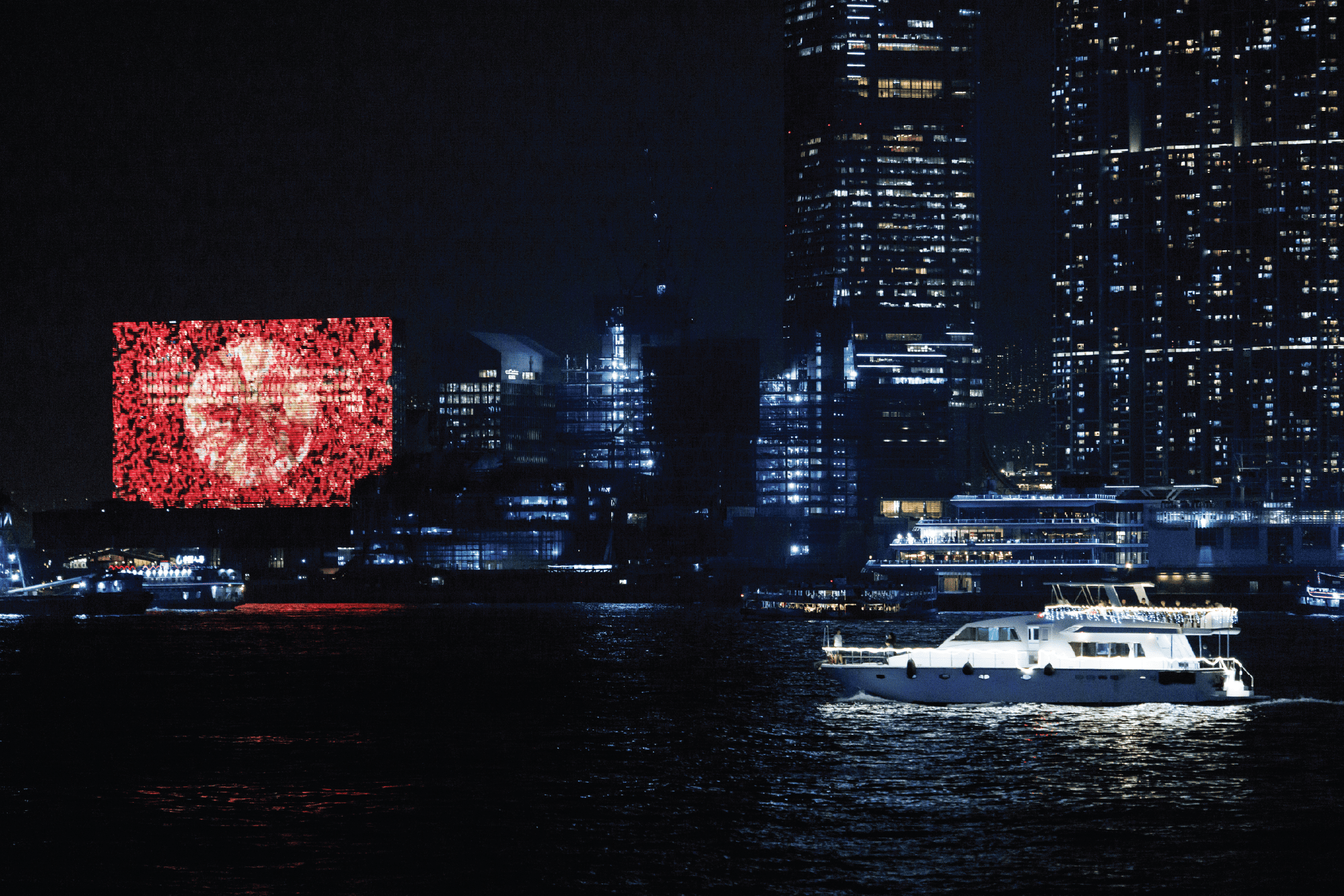
A neon-lit manifesto—compressed, kinetic, and intensely visual—where the skyline reads like an ever-shifting installation of glass, light, and motion: that’s Hong Kong. Street art and curated exhibitions coexist; scaffolding becomes sculpture, and the city’s layered visual language—spanning calligraphy, billboards, and weathered signage—feeds directly into its artistic pulse. Contemporary art seems embedded in the urban bloodstream: fast, hybrid, and in constant dialogue between East and West.
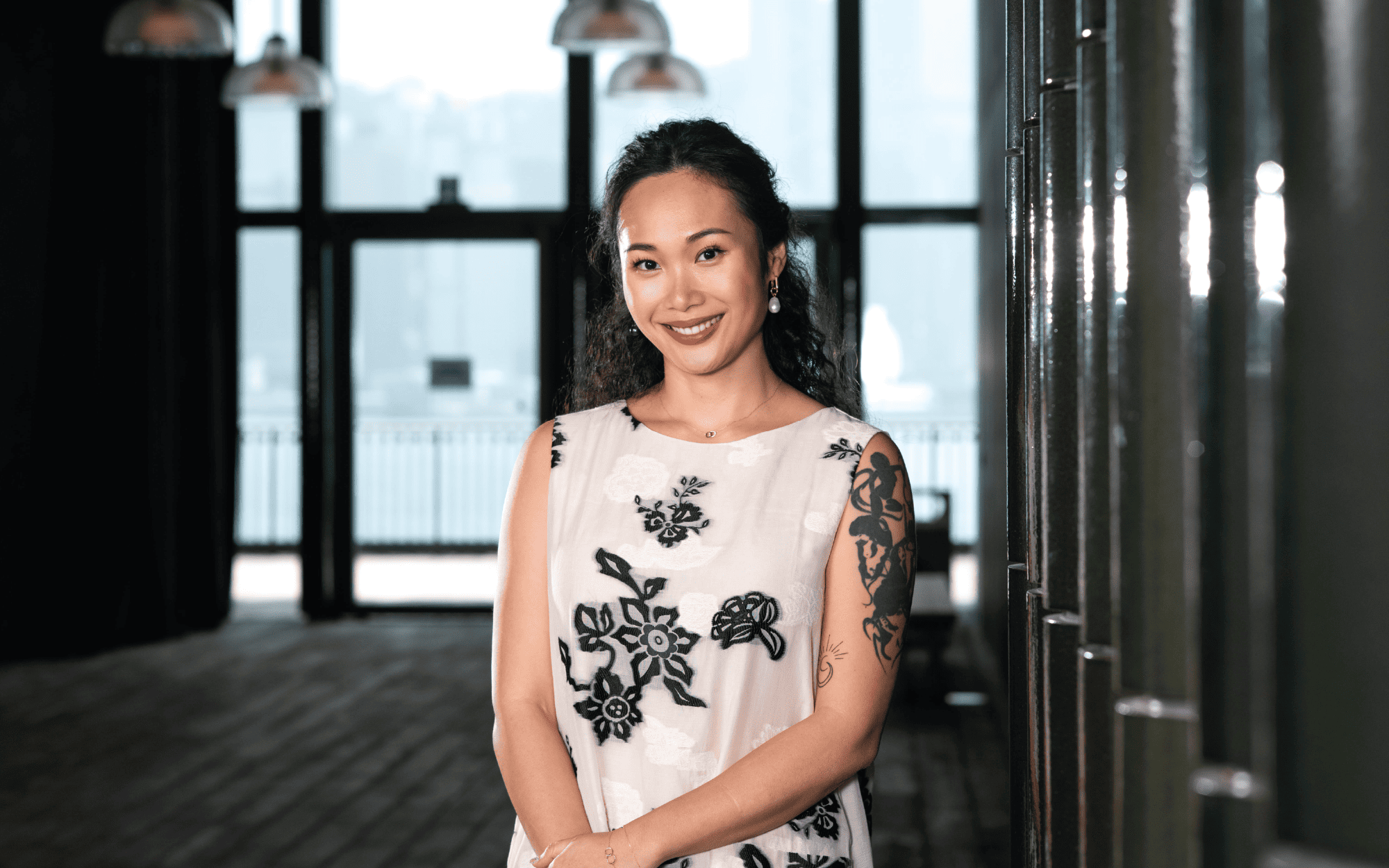
Now in its latest edition, under the direction of fair director Angelle Siyang-Le—who joined Art Basel in 2012 from The Farook Collection in the UAE, where she also managed Dubai’s non-profit space Traffic and artist studio Satellite, and became its Hong Kong director in 2023, bringing experience across gallery management, institutional partnerships, and the development of its Asia-Pacific programme—the fair reflects this energy with strong momentum and broad cross-market demand, spanning seven-figure historical works to ultra-contemporary and digital practices. In conversation, Siyang-Le reflects on Hong Kong’s role as a key global platform—one that bridges Asia and the international art world, fosters cross-cultural exchange, and continues to evolve through a balance of market strength, curatorial depth, and regional engagement.
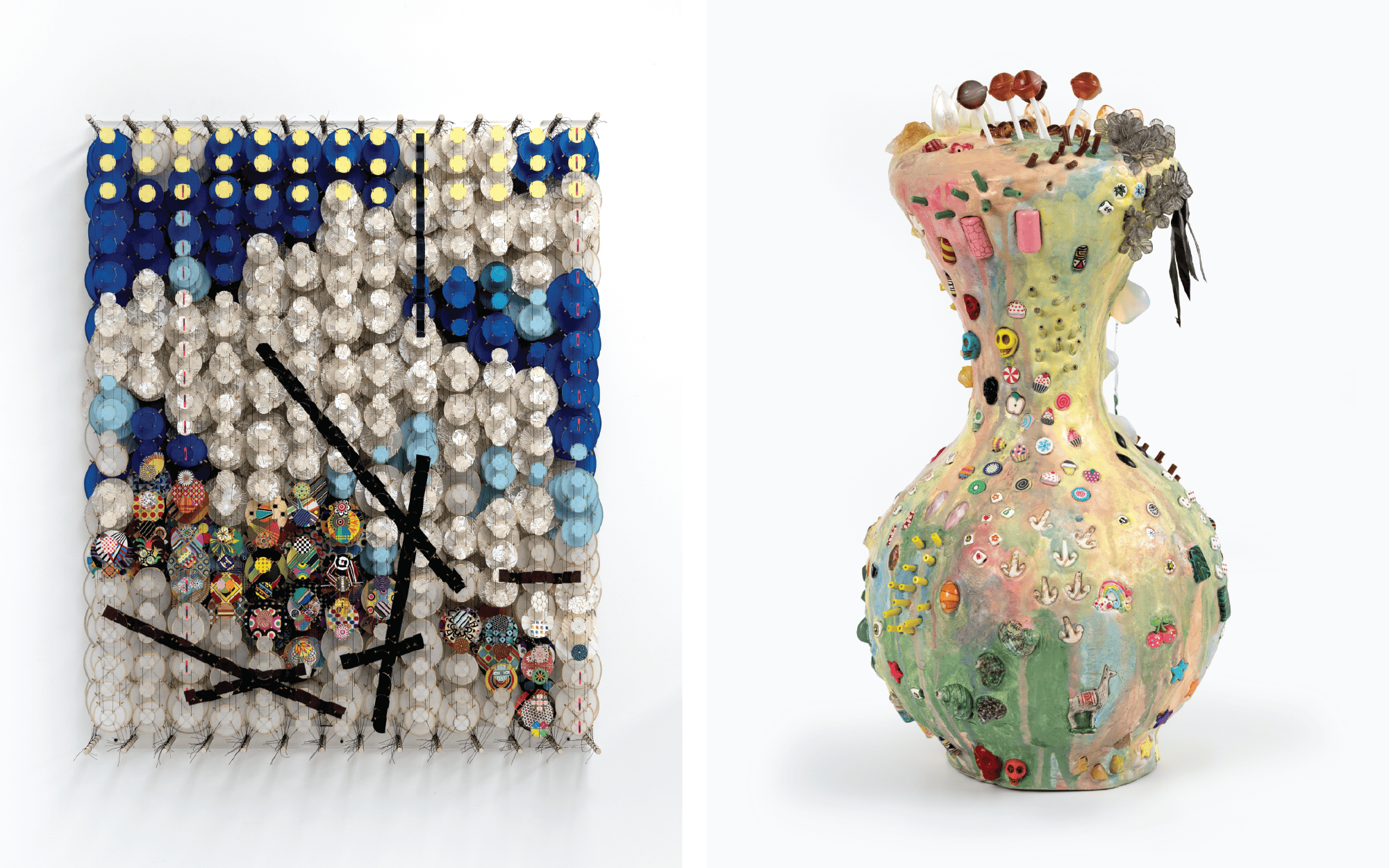
Design Pataki: How would you position Art Basel Hong Kong 2026 within the global fair calendar today?
Angelle Siyang-Le: Art Basel Hong Kong holds a distinct place within the global fair calendar, bringing together the diversity of artistic practices and perspectives across Asia in dialogue with the international art world. It has become an important moment for the region, offering a platform for both local and global exchange. Its role is also reflected in how institutions, galleries, cultural and even commercial organisations across Hong Kong and the wider region tend to align their programming with Art Basel week, reinforcing its place as a key gathering point in the calendar.
Also read: Navigating Milan Design Week 2026: 3 Design Collabs You Can’t Scroll Past
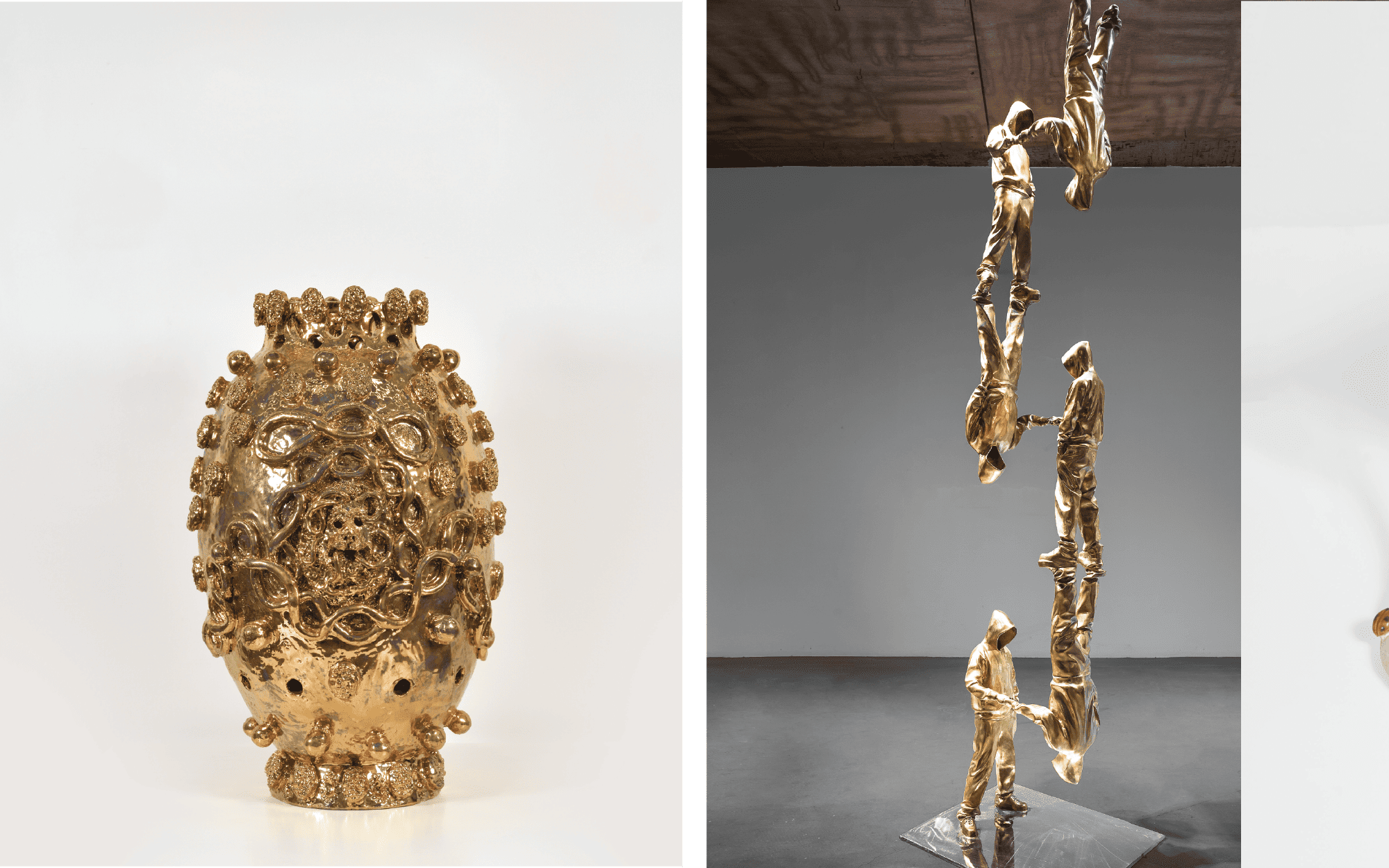
DP: What role does Art Basel Hong Kong play today in connecting Asia with the wider international art world?
ASL: Art Basel Hong Kong acts as a bridge—but not a one-way bridge. It connects Asia with the world, while also ensuring that perspectives from the region shape global conversations. By bringing international galleries to Hong Kong and supporting Asian galleries on a global platform, the fair facilitates encounters that might not otherwise happen. At its best, it creates space for genuine exchange—commercial, intellectual, and cultural—allowing the art world to see itself as interconnected.
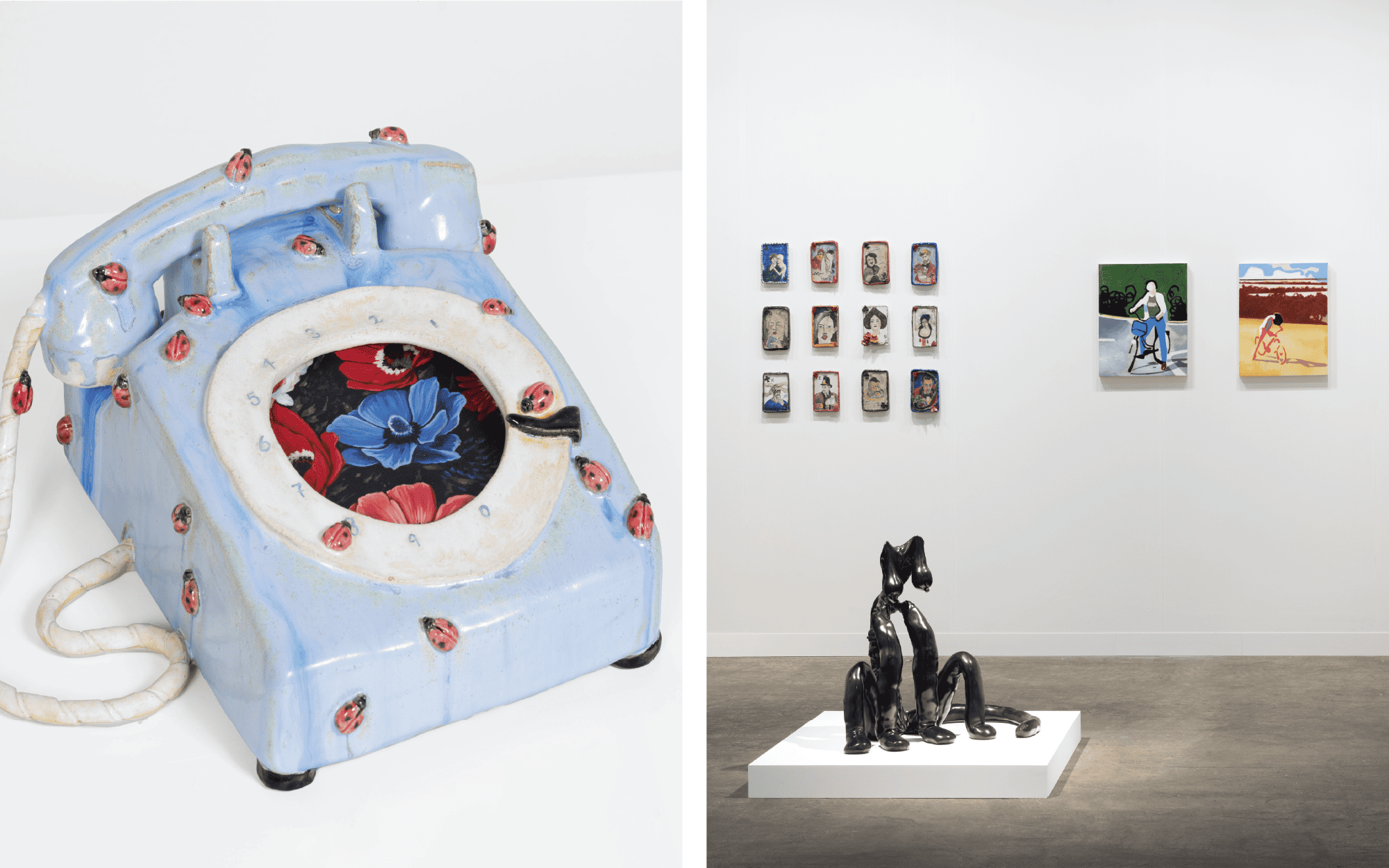
DP: You step into the role of Director after more than a decade working closely with the fair and its galleries, following earlier experience in Dubai. How has that perspective shaped your approach?
ASL: I feel very fortunate for those early experiences, especially in the Middle East, where I learned how a community is built over time, with patience and passion. That’s something I’ve carried with me. Hong Kong is different, but that focus on connecting people—across the public and private sectors, and between art and business—remains central. I try to take a pragmatic, long-term approach: supporting the market while ensuring the fair stays thoughtful and reflective of the region. And that really depends on the strength of the wider community.
Also read: Unfamiliar By Design: Inderjeet Sandhu On Rethinking Taste At Milan Design Week 2026
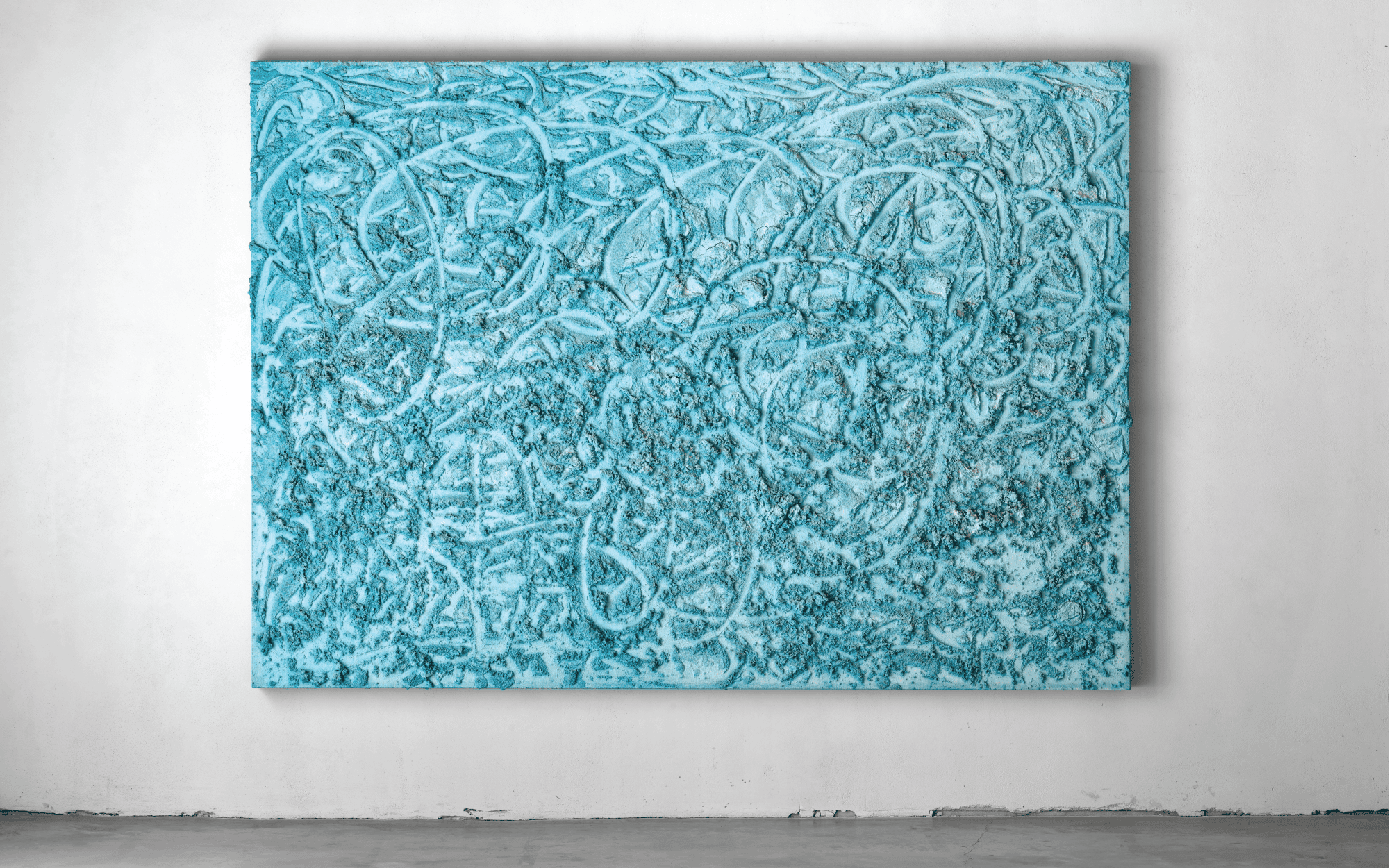
DP: How would you describe collectors in Hong Kong today? Do they approach collecting differently from other regions?
ASL: Hong Kong has a very strong and active collector base that has become increasingly sophisticated over time. Collectors here are globally engaged and well informed, but they also bring very personal and cultural perspectives to what they collect. What’s interesting is their openness—they tend to move fluidly across mediums, from painting and textiles to digital practices, and across different geographies.
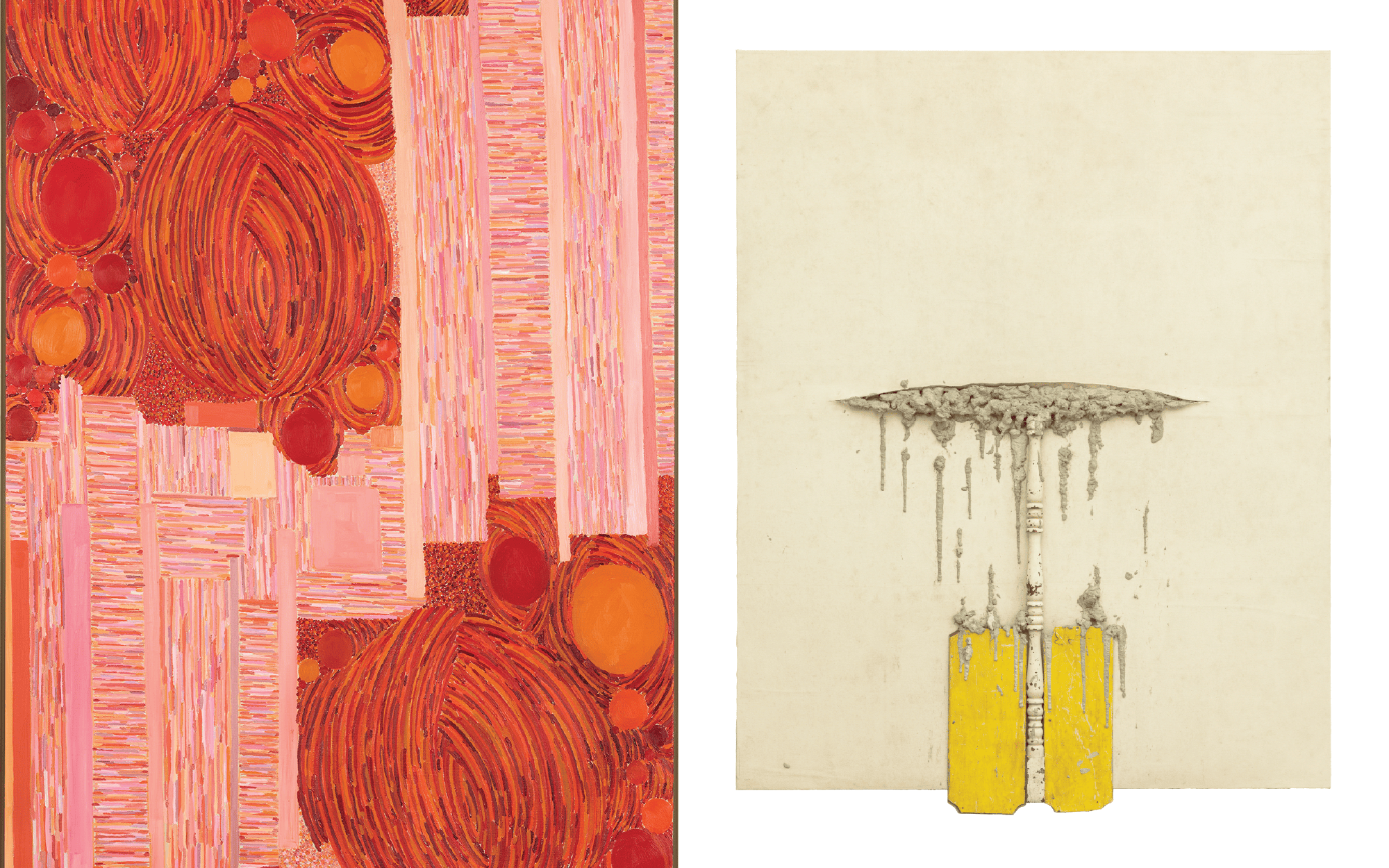
DP: Have you observed particular patterns in how collectors of Hong Kong engage with scale, medium, or modes of presentation?
ASL: Even with the spatial constraints of Hong Kong, they find very inventive ways to approach scale, medium, and presentation. We’re also seeing a younger generation of collectors coming in, bringing new energy and different ways of engaging with artists and collecting. Overall, it’s a community that is curious, confident, and evolving quite quickly.
Also read: A Seriously Chic Mandir That Deserves Its Own Spotlight
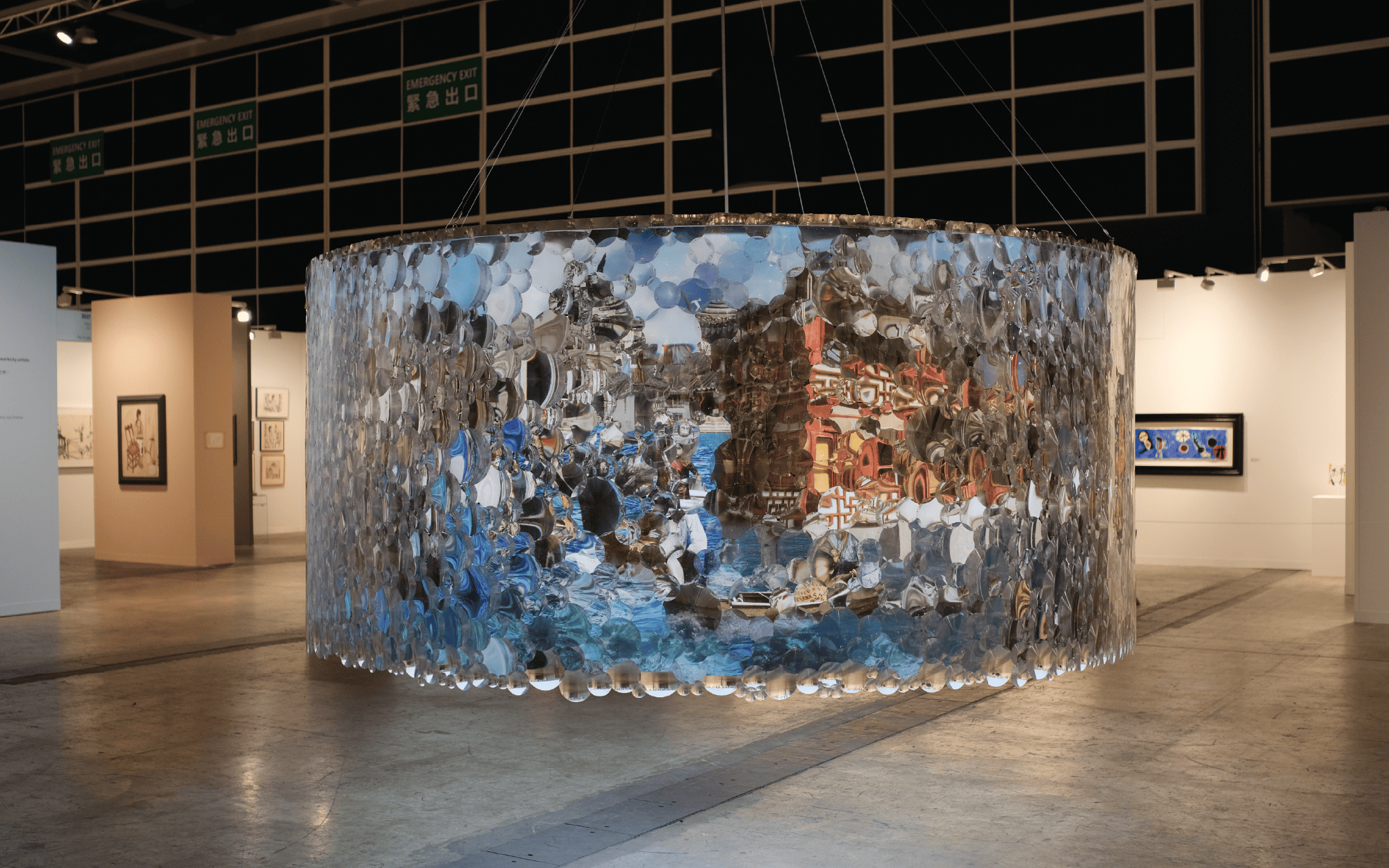
DP: Beyond the fair itself, what forms of support—if any—does Art Basel Hong Kong offer to artists and galleries throughout the year?
ASL: While the fair is our most visible moment, our support continues throughout the year in various ways. We stay in close dialogue with galleries, organise preview and networking events that connect them with collectors and institutions, and promote their exhibitions and artist projects globally through our editorial and marketing platforms. We also facilitate introductions across our network, support VIP and institutional visits—both in Hong Kong and at our other fairs—and encourage participation across the wider Art Basel ecosystem.
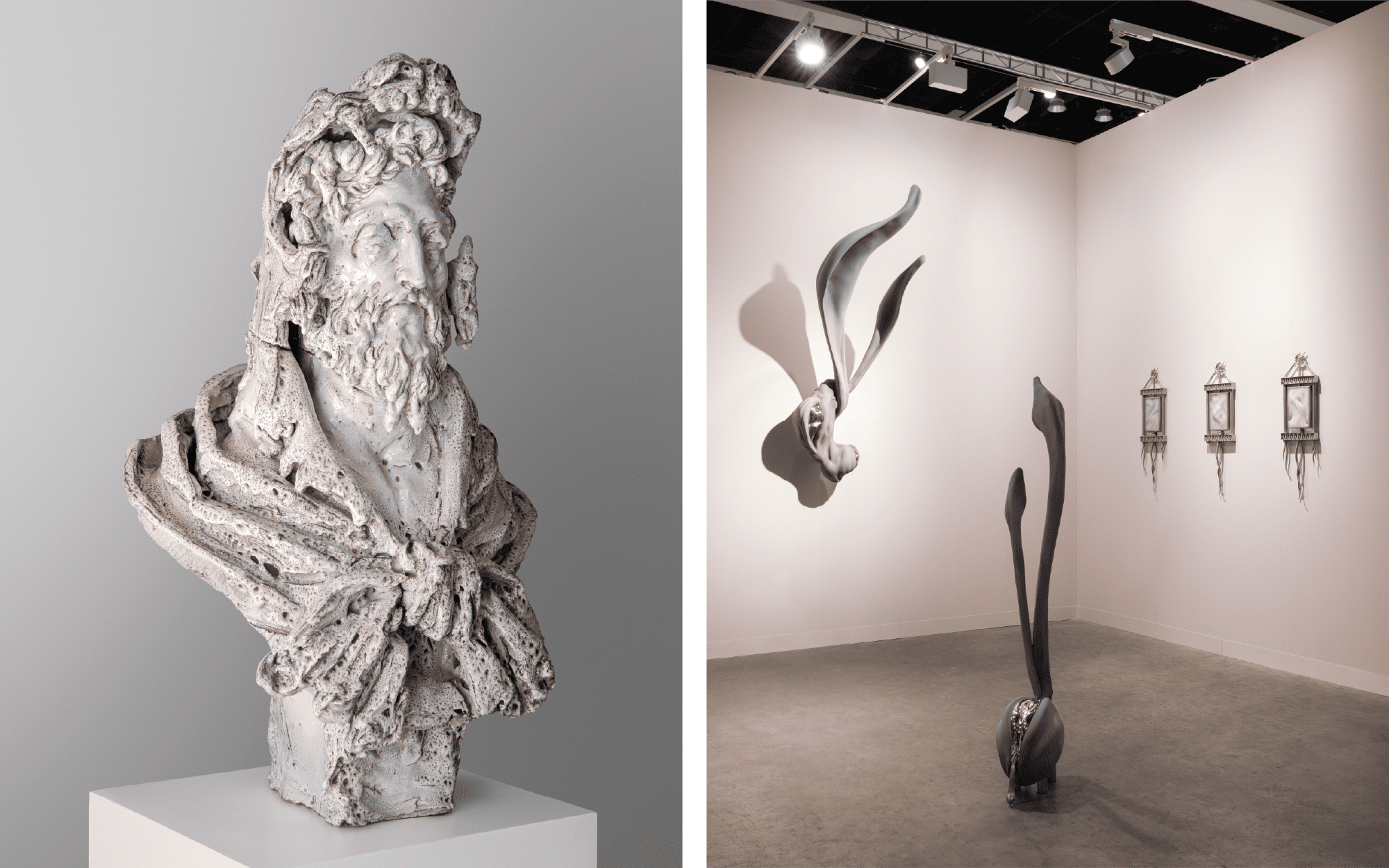
DP: Across the fair, what has sold this year—from newer galleries to more established names? Are there particular artists, works, or categories that have stood out?
ASL: We have seen strong sales and cross-market demand for the 2026 edition; from historical works reaching seven-figure prices to ultra-contemporary and digital practices, early activity indicates broad-based interest across price points, geographies, and media. Adding to the energy is the Hong Kong debut of Zero 10, Art Basel’s global initiative dedicated to art of the digital era, which drew a crowd from the opening hours.
Also read: 3 Home Theatres That Take Movie Nights & Popcorn Seriously
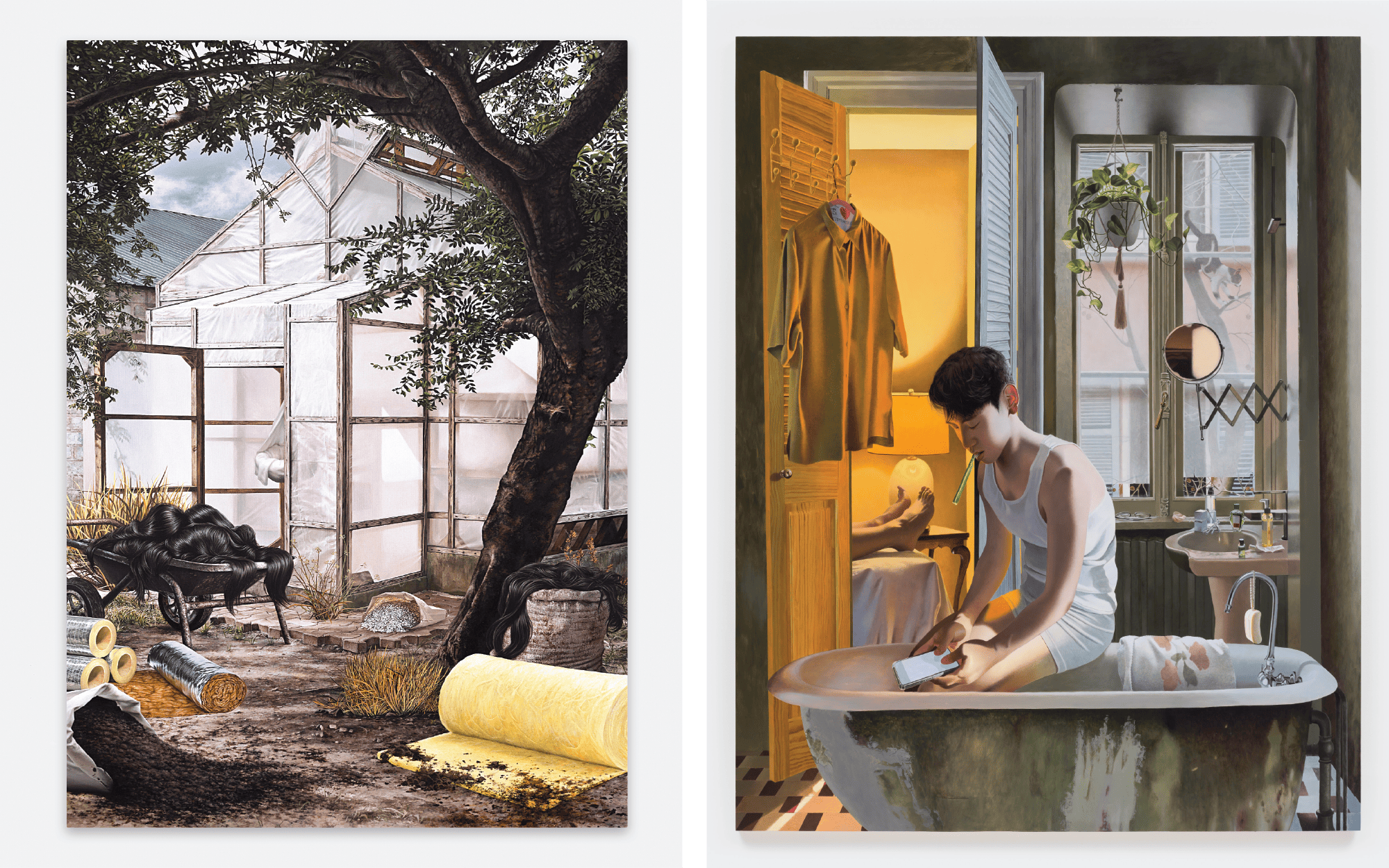
DP: Beyond Hong Kong, where do you see new energy emerging—whether among artists, institutions, or collectors?
ASL: Across Asia Pacific, there’s a real sense of momentum. Mainland China remains the largest art market in the region, while cities like Tokyo, Seoul, and Taipei continue to strengthen their institutional landscapes. At the same time, Southeast Asia—particularly Bangkok and Manila—and South Asia (I went to India twice in the past 6 months) are gaining increasing visibility for artists with long-established practices that are now reaching wider international audiences. We’re also seeing growing interest in Central Asia. What’s exciting is that this energy is coming from multiple directions at once—from artists, non-profit spaces, collectors, and educators. Together, these overlapping developments are contributing to a more layered and sustainable art ecosystem across the region.
DP: Looking ahead, how do you see the fair evolving? Are there particular directions you are keen to develop in 2027?
ASL: In 2026, we introduced some new energy into the fair—refreshing our curatorial teams across Encounters, Film, and Conversations, launching the new Echoes sector, and bringing in Art Basel’s digital initiative, Zero 10. Looking ahead, my focus is really on deepening rather than constantly adding. That means strengthening the curatorial dimension, supporting galleries of different scales, and creating space for culturally significant practices. It’s also about allowing these newer elements to grow—to take root, resonate with audiences, and evolve over time. In that sense, the focus for 2027 is on continuity and impact, rather than expansion for its own sake.