The 13 Architects Who Won A Pritzker And Kept Creating Beyond 90s
DP revisits the careers of 13 laureates whose long lives allowed their ideas to settle into the very fabric of the built world.
- 9 Apr '26
- 12:30 pm by Simran Almeida

An architect sits imprisoned within the theatre of the mind, drafting and un-drafting every line. With each fragile line a gamble against uncertainty, as though negotiating with destiny itself. To quiet this tumult for an architect, the Pritzker Prize performs the simplest act of all, transforming years of solitude, struggle, and unrelenting invention into a moment of eternal recognition. Established by the Pritzker family of Chicago through their Hyatt Foundation (of the Hyatt Hotel Chain) in 1979, this annual ceremony honours architects in their lifetime whose edifices alter how we live, gather, and belong. The laureate receives a bronze medallion that is conceptualised from the designs of Louis Sullivan, the father of the Skyscraper.
Yet beyond these bronze medallions lies a truth: a life lived in proximity to ingenuity and good design is often a longer one, sustained by curiosity, purpose, and the enduring joy of creation. DP revisits the careers of the laureates whose long lives allowed their ideas to settle into the very fabric of the built world.
- Philip Johnson (1906-2005)
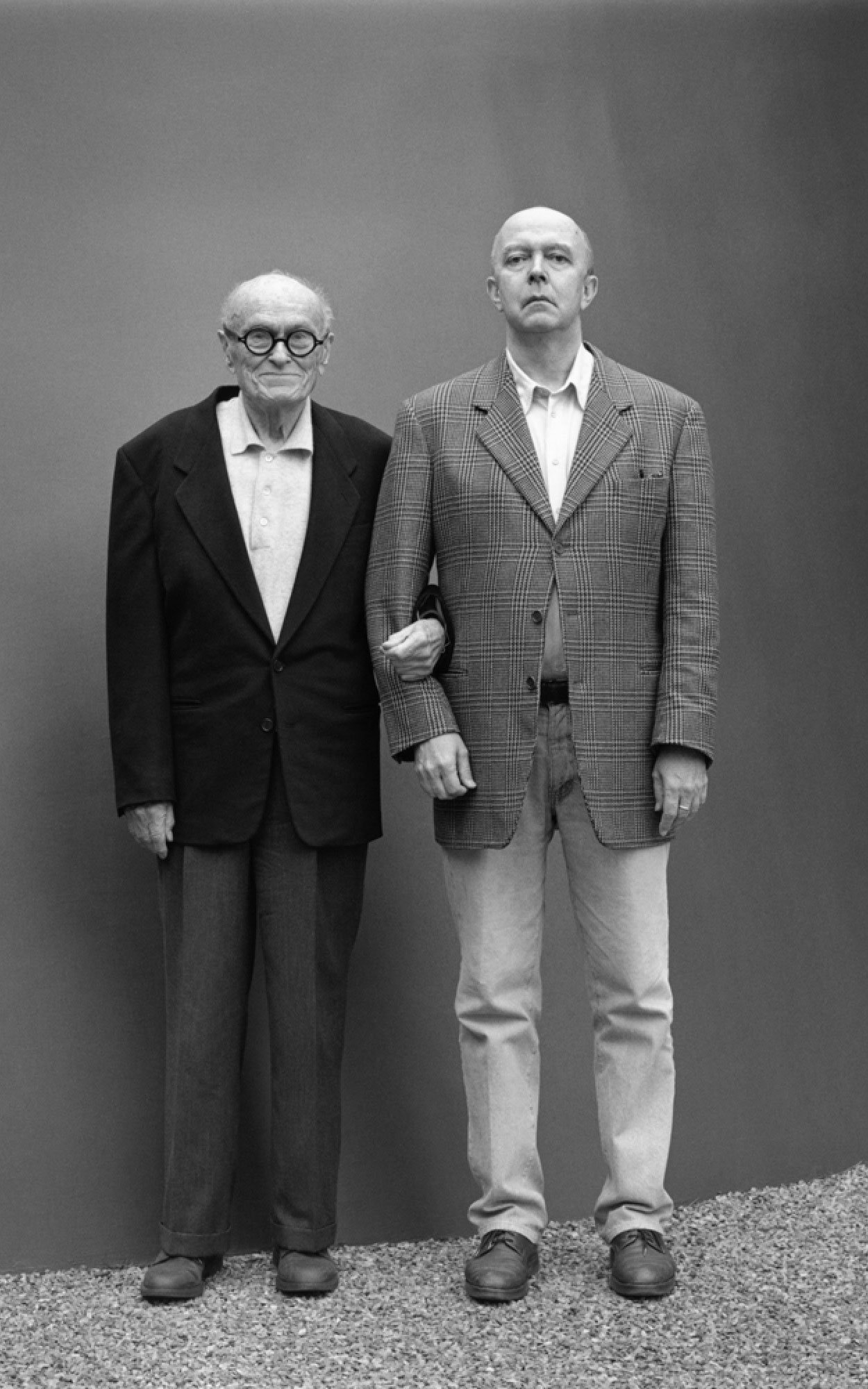
In 1979, the foremost laureate was an American architect, Philip Johnson, who crafted modern and postmodern architecture. With a career that defied established style, Johnson initially shaped the design world through ideas, as a critic, curator, historian, and founding director of architecture at New York’s Museum of Modern Art. When he finally began to build, he did so with boldness, building pavilions, galleries, and guest houses that explored contrast and composition. For over five decades, he taught America how to perceive architecture. From the subtle geometry of the Seagram Building, in collaboration with Mies van der Rohe, to the audacious departure from modernism of the AT&T Building’s Chippendale crown, he proved that architecture could be rebellious. With this lifelong courtship with beauty, invention, and light, Johnson reached the age of 98.
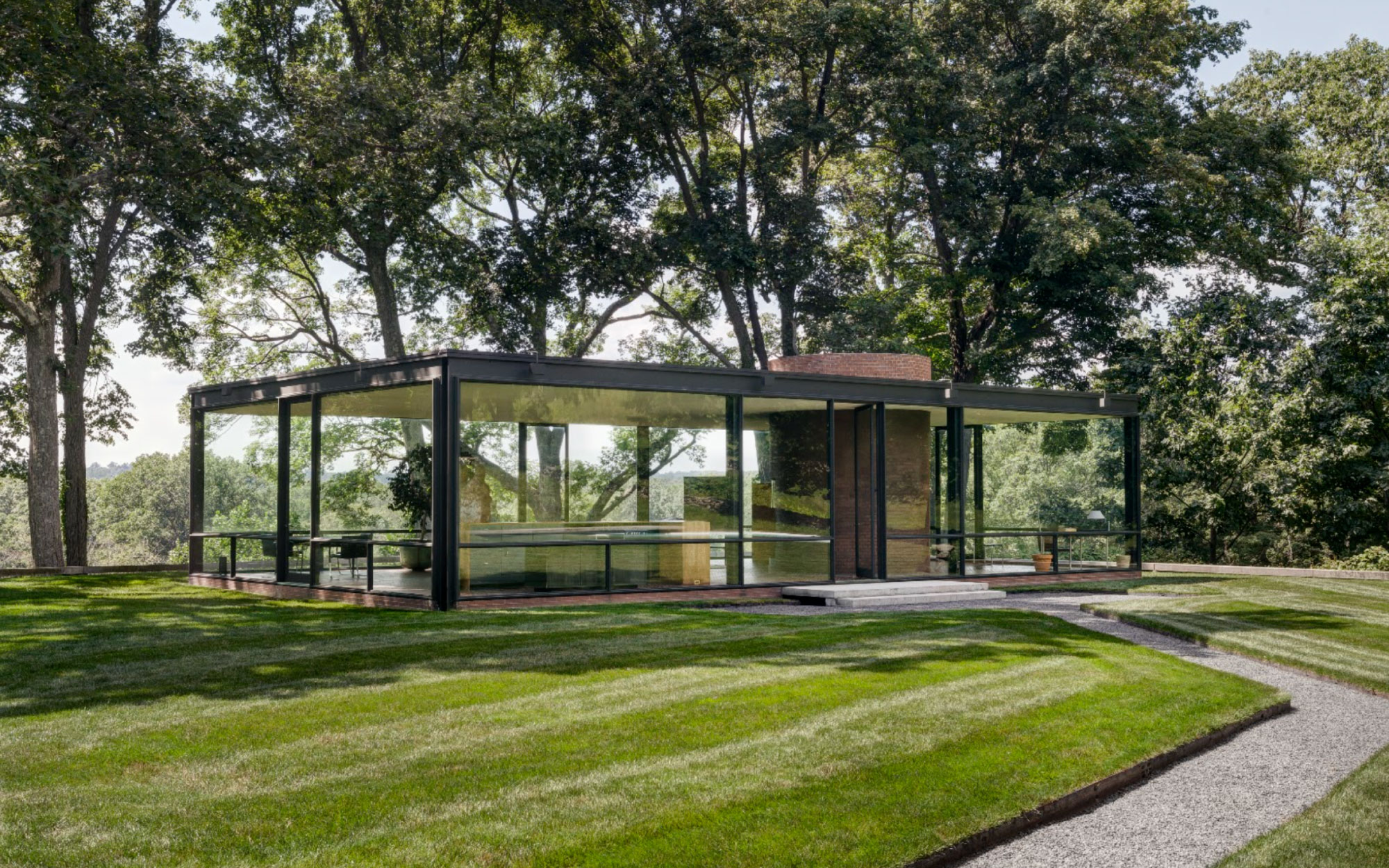
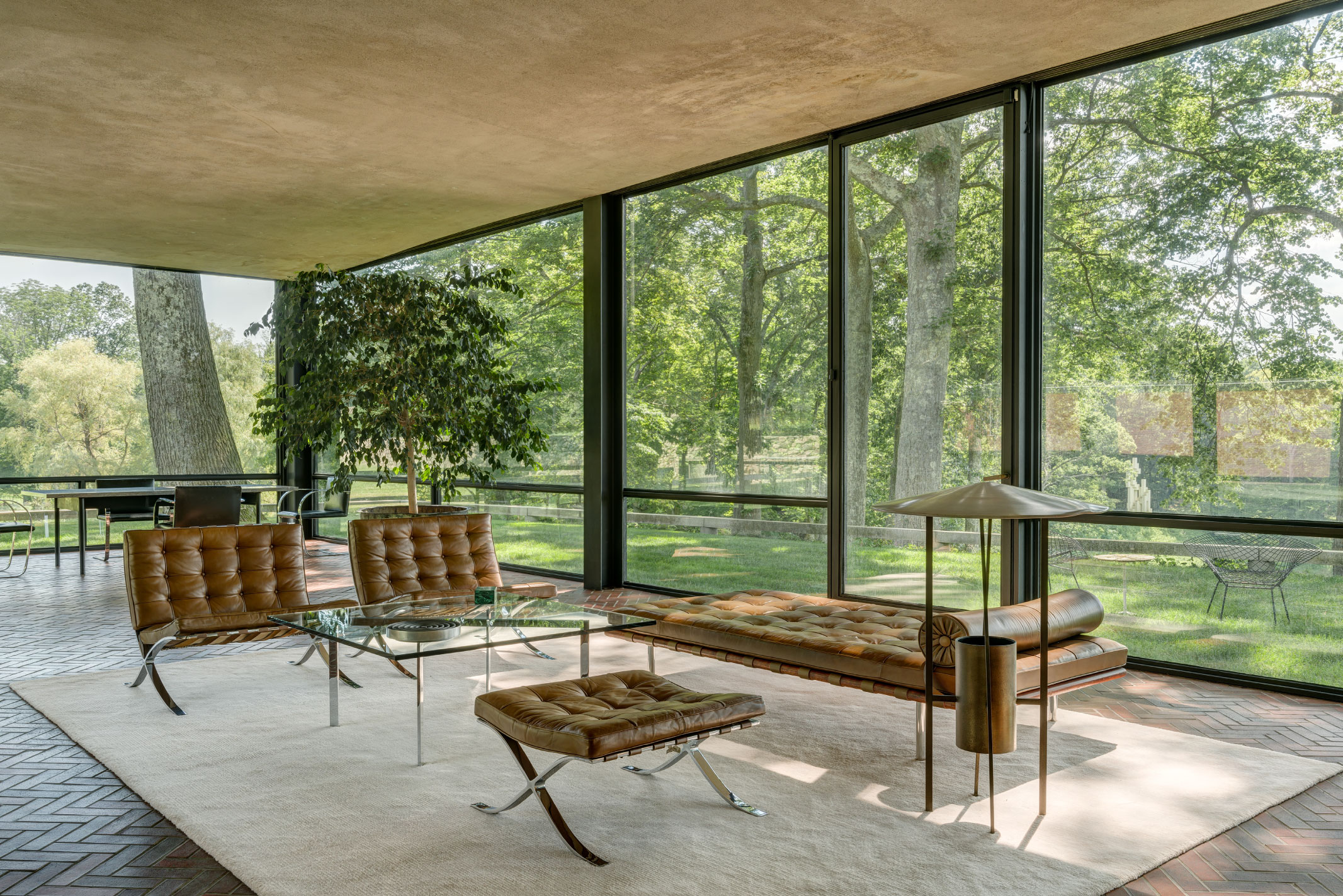
Iconic Project: It was his philosophy of juxtaposition that found its most intimate expression in 1949, when Johnson drafted a portrait in glass—his ‘Glass House’ in New Canaan, Connecticut. A light-drenched pavilion perched on a rolling 47-acre meadow. Framed in black steel and corralled in uninterrupted panes of glass, the house erased the boundary between inside and outside. Inside, life unfurled within a single chamber, fabricated from a cylindrical brick hearth that housed a fireplace and bathroom, providing a sense of privacy. The Glass House thus became one of the most influential domestic structures of the twentieth century, redefining what modern living could feel like: exposed, contemplative, and endlessly in conversation with the landscape.
- Kevin Roche (1922-2019)
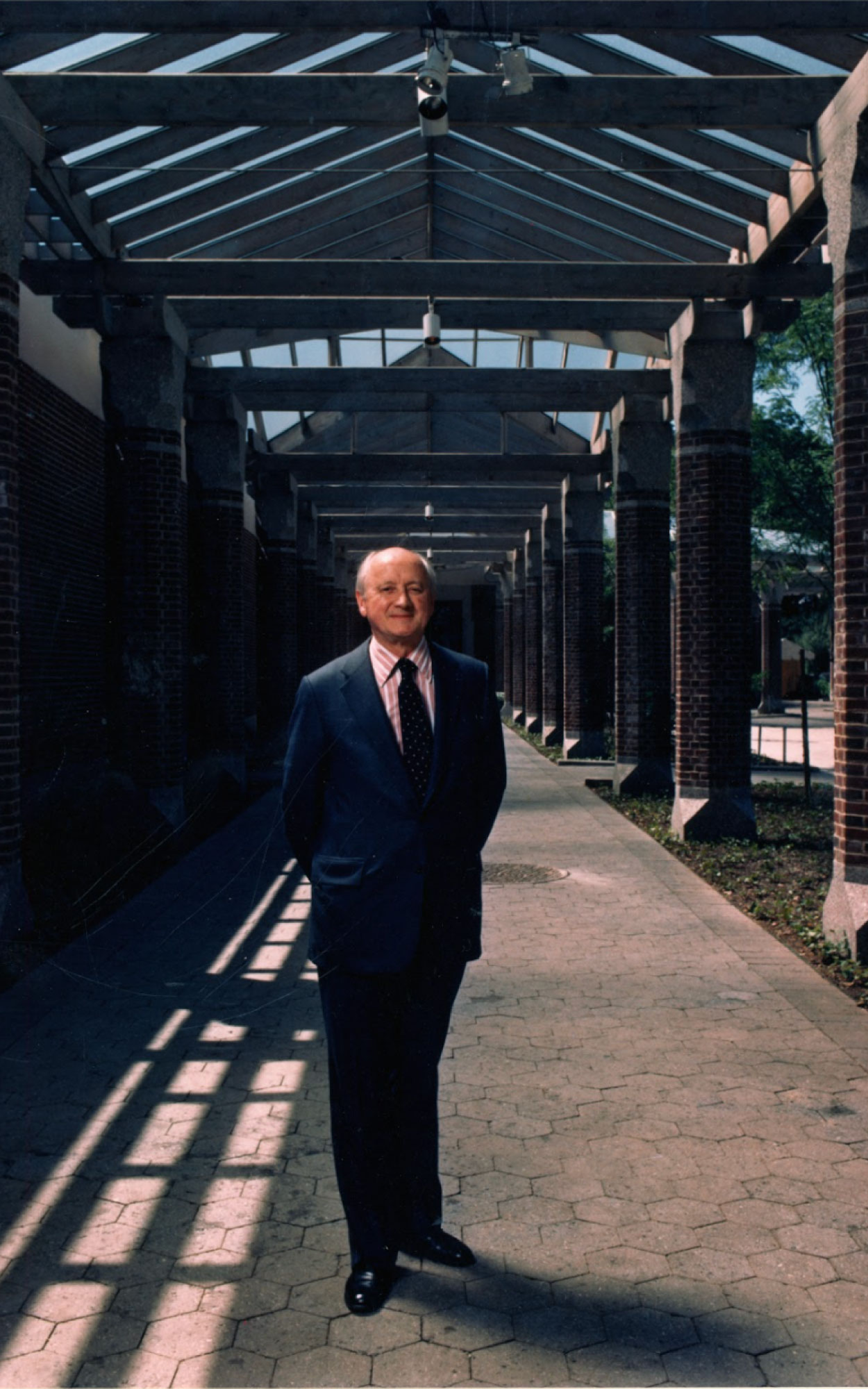
In 1982, the Pritzker Prize honour was bestowed upon Irish-born American architect Kevin Roche, whose radical philosophies reshaped the relationship between people, buildings, and the city. Roche approached design as a form of empathy, first shaped in the studios of Finnish-American architect Eero Saarinen, and later honed through his lifelong collaboration with the structural virtuoso John Dinkeloo. Together, they inherited Saarinen’s unfinished monuments and transformed them into enduring icons, before charting a language entirely their own. Roche’s architecture was built to breathe, gather, and adapt. Living to 96, Roche remained guided by an identical belief that architecture, at its best, is not about form alone, but about creating spaces. From museums to corporate headquarters, his buildings were never sealed objects; this airy layout can be found in the Ford Foundation Headquarters in New York.
Also Read: All you need to know about – Arata Isozaki, Pritzker Prize Winner 2019
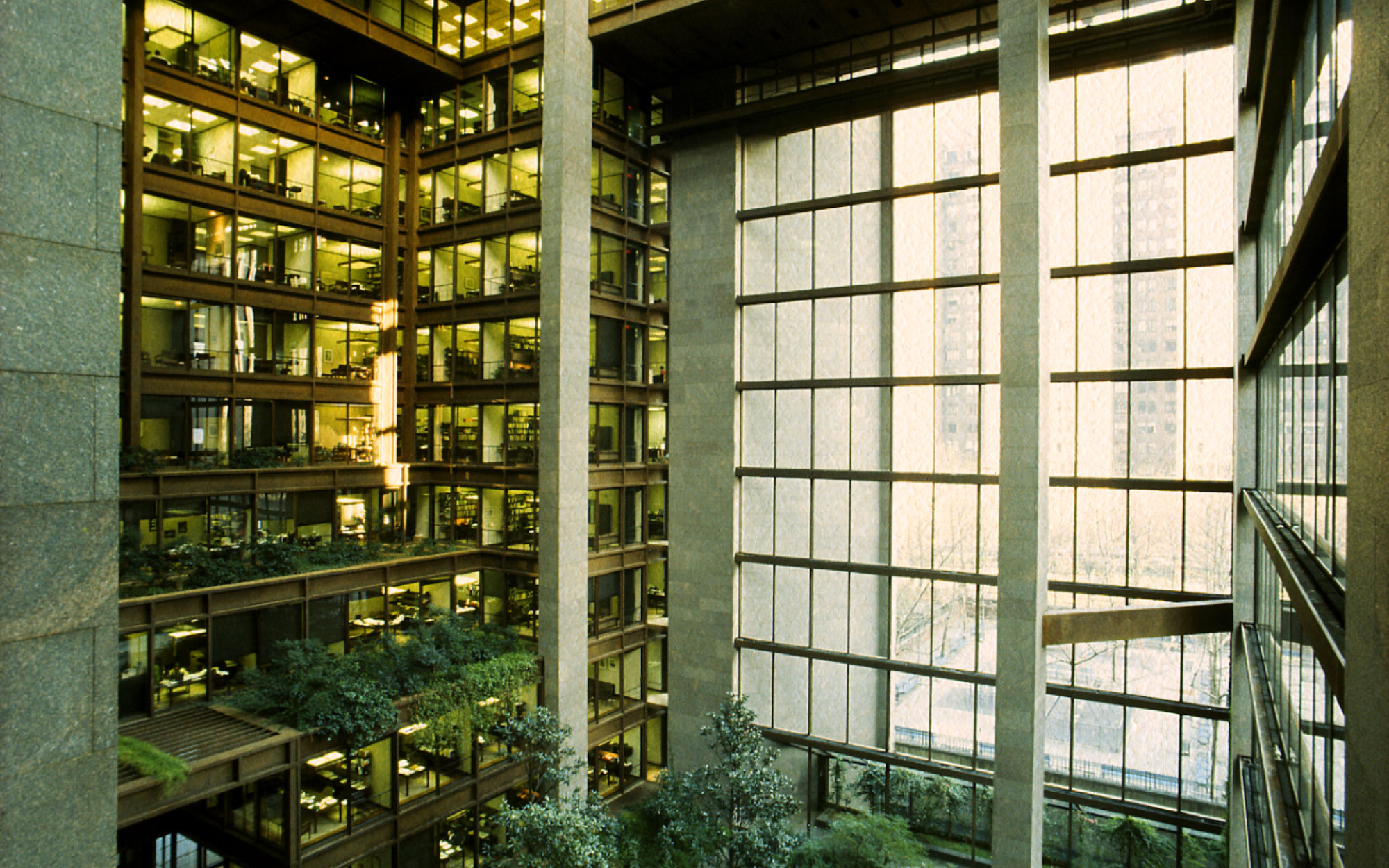
Iconic Project: Completed in the late 1960s, the Ford Foundation reimagined the entire concept of an office building. Rather than filling its Manhattan site with a monolithic block, Roche carved out a ten-storey greenhouse beneath a prismatic roof. Offices wrap around this verdant atrium in a C-shaped sweep, allowing every employee to look across greenery. Within this shell of steel and granite, stepped terraces form indoor balconies, transforming a rigid office layout. Its layout proved that corporate architecture could be humane, that modernism could hold warmth, and its success helped Roche secure the Pritzker Prize in 1982.
- Ieoh Ming Pei (1917- 2019)
In 1983, the Pritzker Prize was awarded to Ieoh Ming Pei (I. M. Pei), a Chinese-American architect who gave modernism its most humane expression. With a faith in clarity, geometry, and light, Pei approached architecture as an act of precision. Trained between East and West of America, he brought to modernism a rare balance of austerity and poetry with museums, cultural institutions, and civic landmarks that are monumental and deeply contemplative. From Washington to Paris, Hong Kong to Boston, his buildings spoke a universal language of elegance, restraint, and luminous space. With a lifelong devotion to beauty, order, and light, Pei’s life stretched across 102 extraordinary years. That philosophy was embodied in the late 20th century when Pei was commissioned to transform the Louvre in Paris.
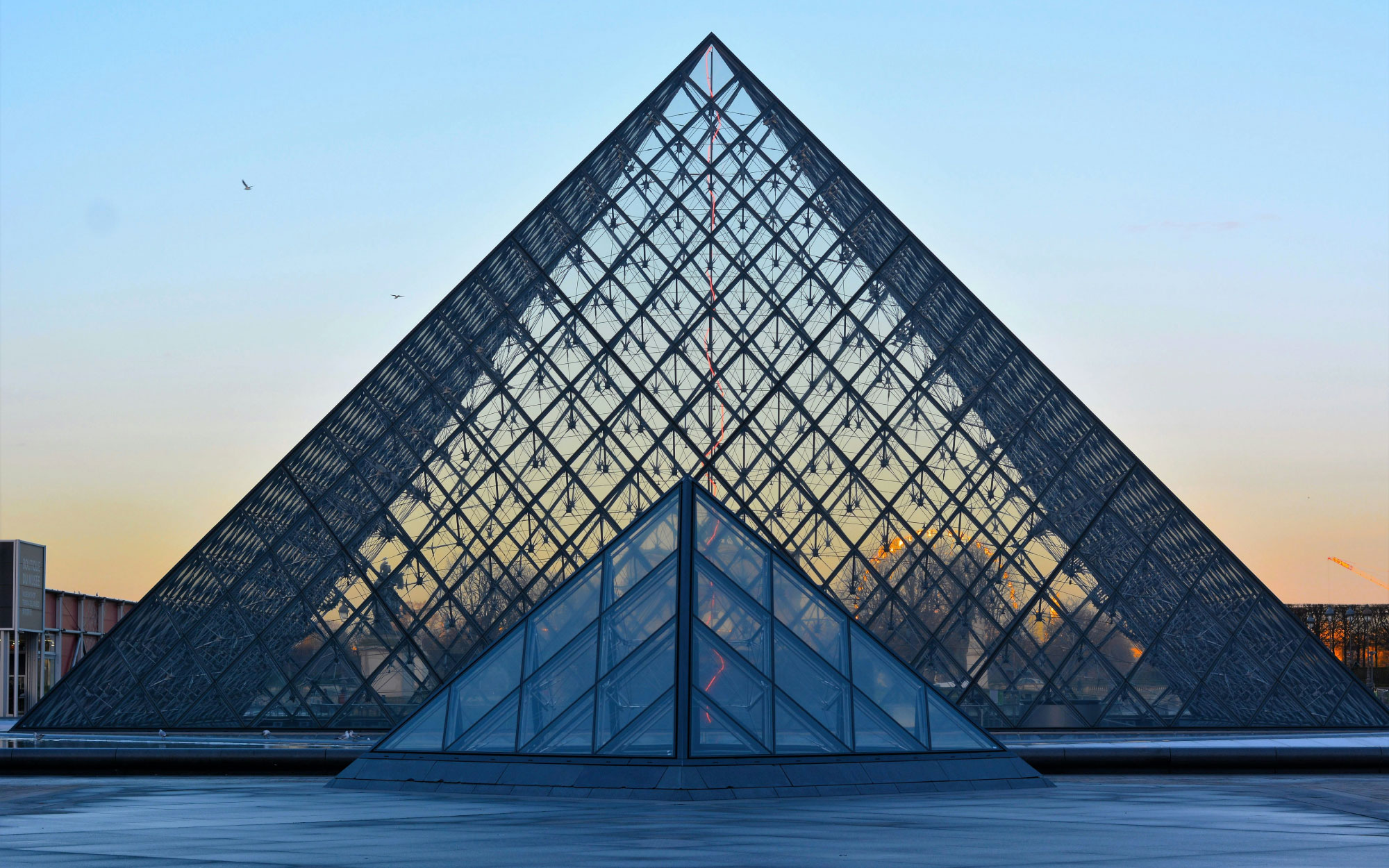
Iconic Project: Set within the historic Cour Napoléon, Pei crowned the gallery with a glass pyramid in rebellion against the weight of French Renaissance stone. The pyramid became a new heart for the museum, drawing visitors below ground into a vast concourse that connects the Louvre’s three wings. The pyramid’s sloping planes echo the Louvre’s mansard roofs, while its transparency allows the view of the palace behind. Daylight pours through its glass and steel lattice, illuminating galleries, passageways, and the movement. Pei’s pyramid transformed resistance into reverence, proving that architecture shines more brilliantly through the light.
- Gottfried Böhm (1920–2021)
In 1986, the laureate was a German architect, Gottfried Böhm, who gave modernism a sculptural and spiritual voice. With a practice rooted in connection, Böhm shaped architecture as a dialogue between past and present, mass and light, the city and the human spirit. Trained as both architect and sculptor, he brought to post-war Germany a language of concrete that was neither cold nor rigid, but expressive and emotional. From city halls and cultural centres to pilgrimage churches and civic spaces, his work insisted that architecture must not merely occupy space, but give it meaning. With a life devoted to form, faith, and material, Böhm’s journey spanned across 101 extraordinary years. That philosophy reached its most powerful expression in the Neviges Mariendom (Cathedral of Saint Mary of Neviges), built on a pilgrimage site in western Germany.
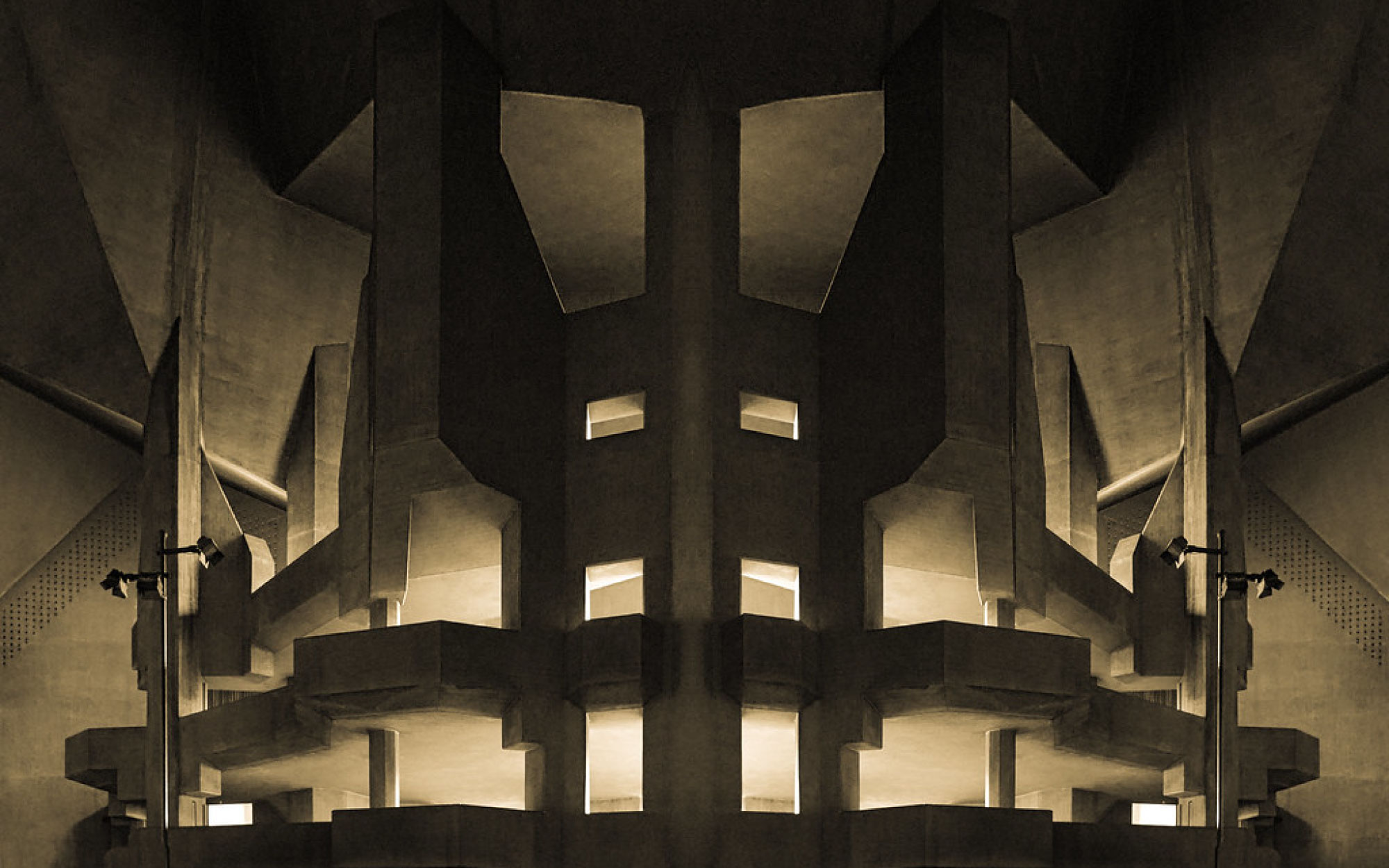
Iconic Project: On this site, Böhm rejected historical imitation and crafted a modern monument shaped from jagged planes of raw concrete. Its fractured peaks and angular volumes echo the surrounding hills, turning the building into a piece of landscape as much as a place of worship. Inside, the heavy exterior gives way to a vast, cavernous sanctuary where daylight slips through fractured skylights and falls across stained glass, altar, and stone. The space gathers worshippers around a central altar, transforming concrete into something almost mystical. Once controversial, the Neviges Mariendom has become one of Europe’s most significant sacred buildings of the twentieth century.
- Kenzo Tange (1913-2005)
The 1987 Pritzker Architecture Prize laureate, Kenzo Tange, gave modern architecture in Japan a voice. Trained under the spell of Le Corbusier and rooted in the spiritual geometry of Japanese tradition, Tange approached architecture as a dialogue between technology and the human heart. From the ashes of post-war Japan, he helped imagine a new civic and cultural identity where concrete and steel could carry memory and hope. His life, which spanned 92 years, demonstrated that buildings could speak to the most enduring aspects of human experience. That philosophy found one of its most powerful embodiments in 1964, when Tange was entrusted with designing the Yoyogi National Gymnasium for the Tokyo Olympic Games.
Also Read: A Retrospective View, B.V. Doshi at The Vitra Design Museum, Germany
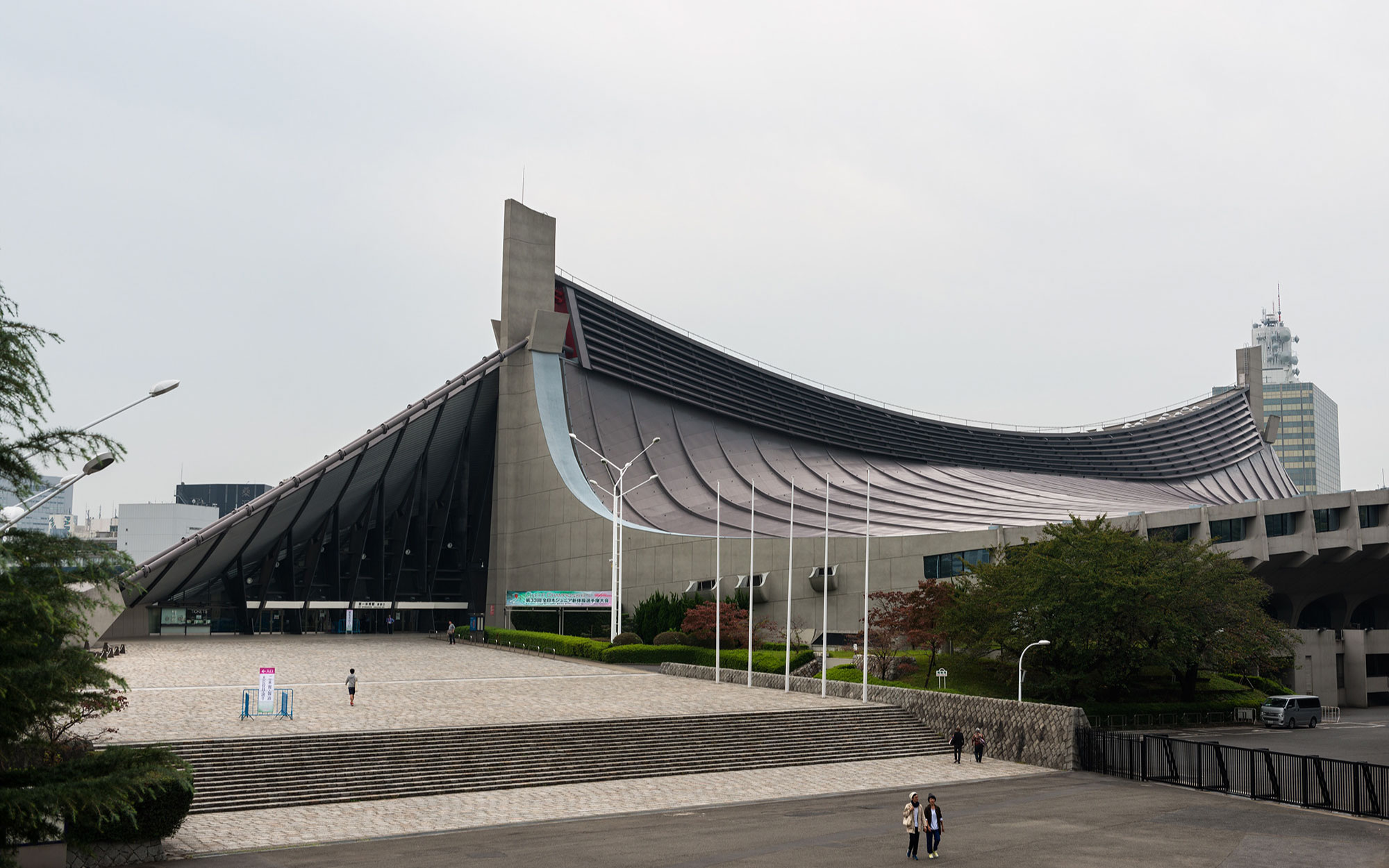
Iconic Project: Rising from a vast park in the heart of Tokyo, the assembly unfolds like a living form, its sweeping roof suspended from monumental steel cables that arc through space. Inspired by both Western engineering and the organic silhouettes of Japanese pagodas, it features a tensile canopy that floats above its concrete base. At the time of its completion, it was the largest suspended roof in the world, signalling a shift towards bold modernity. The vast interior is shaped by a single, continuous sweep of roof where light enters through narrow slits and glazed edges. The seating, layered into the curving concrete base, spills organically from the structure itself. Rather than being applied onto a frame, the tiers feel carved out of a single sculptural mass, embracing flowing gestures.
- Oscar Niemeyer (1907-2012)
The 1988 laureate was Oscar Niemeyer, the Brazilian master who taught modernism how to flow. Born in Rio de Janeiro, Niemeyer rejected the rigidity of straight lines in favour of curves inspired by mountains, rivers, and the fluid landscape of Brazil. Trained in the discipline of Le Corbusier and guided by poetry, he transformed concrete into something lyrical. Across nearly 105 years of life, Niemeyer believed that architecture should move the heart as much as it satisfies the mind. That philosophy found its most celestial expression in the creation of Brazil’s new capital, Brasília, where his structures rose like modern temples across an empty plateau.
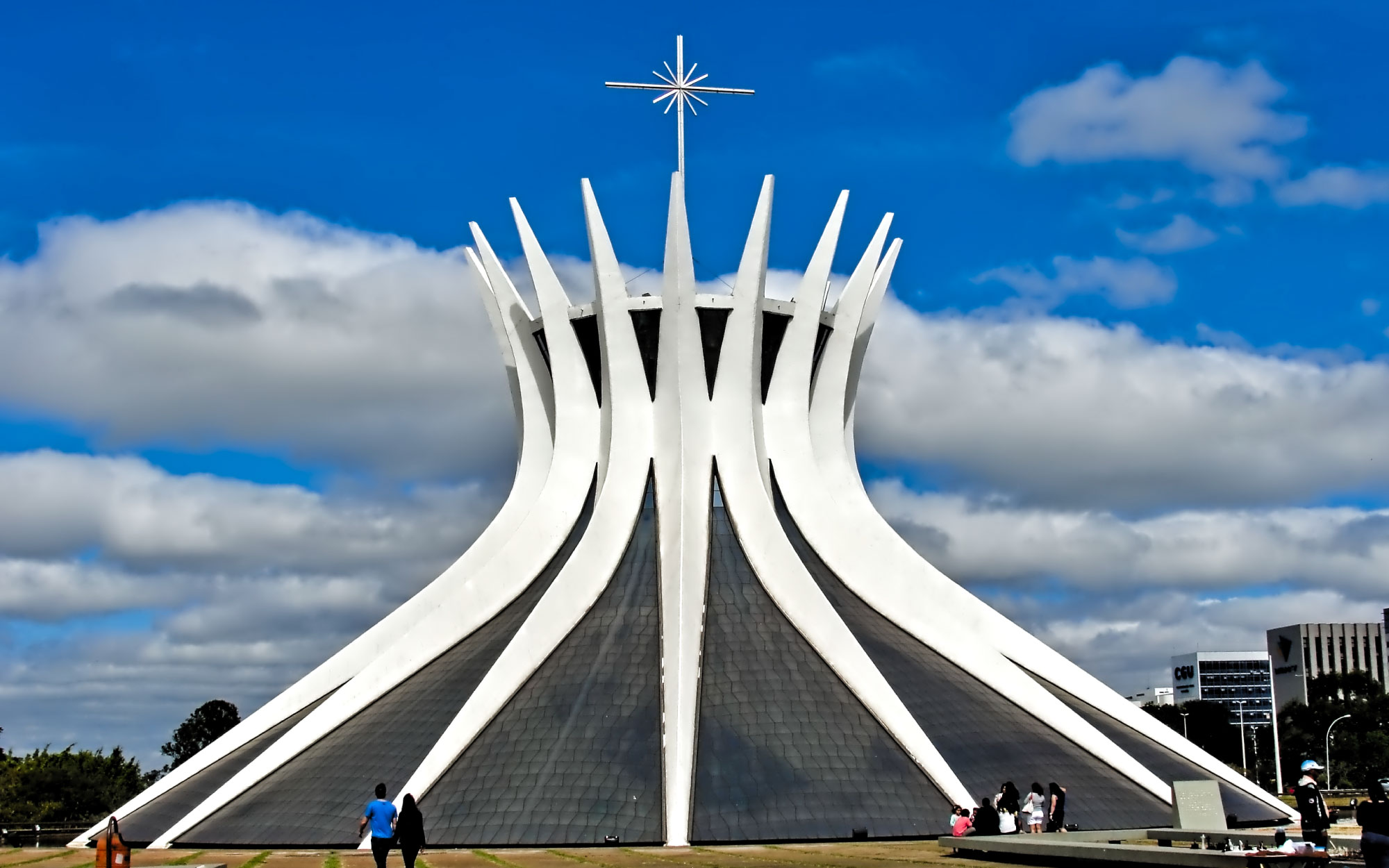
Iconic Project: At the spiritual centre of that visionary city stands the Cathedral of Brasília, a building that appears to have been summoned from light. With 16 slender concrete columns curving upward in a radiant circle, their parabolic forms reach skyward as hands lifted in prayer, with vast panes of stained glass between them. Filtering sunlight into a shimmering glow, Niemeyer dissolves the boundary between earth and heaven, allowing the sky to become part of the cathedral. Inside, angels float from steel cables above the nave, while light pours down through the crown, drenching the concrete walls in an ethereal glow.
- Frank Gehry (1929- 2025)
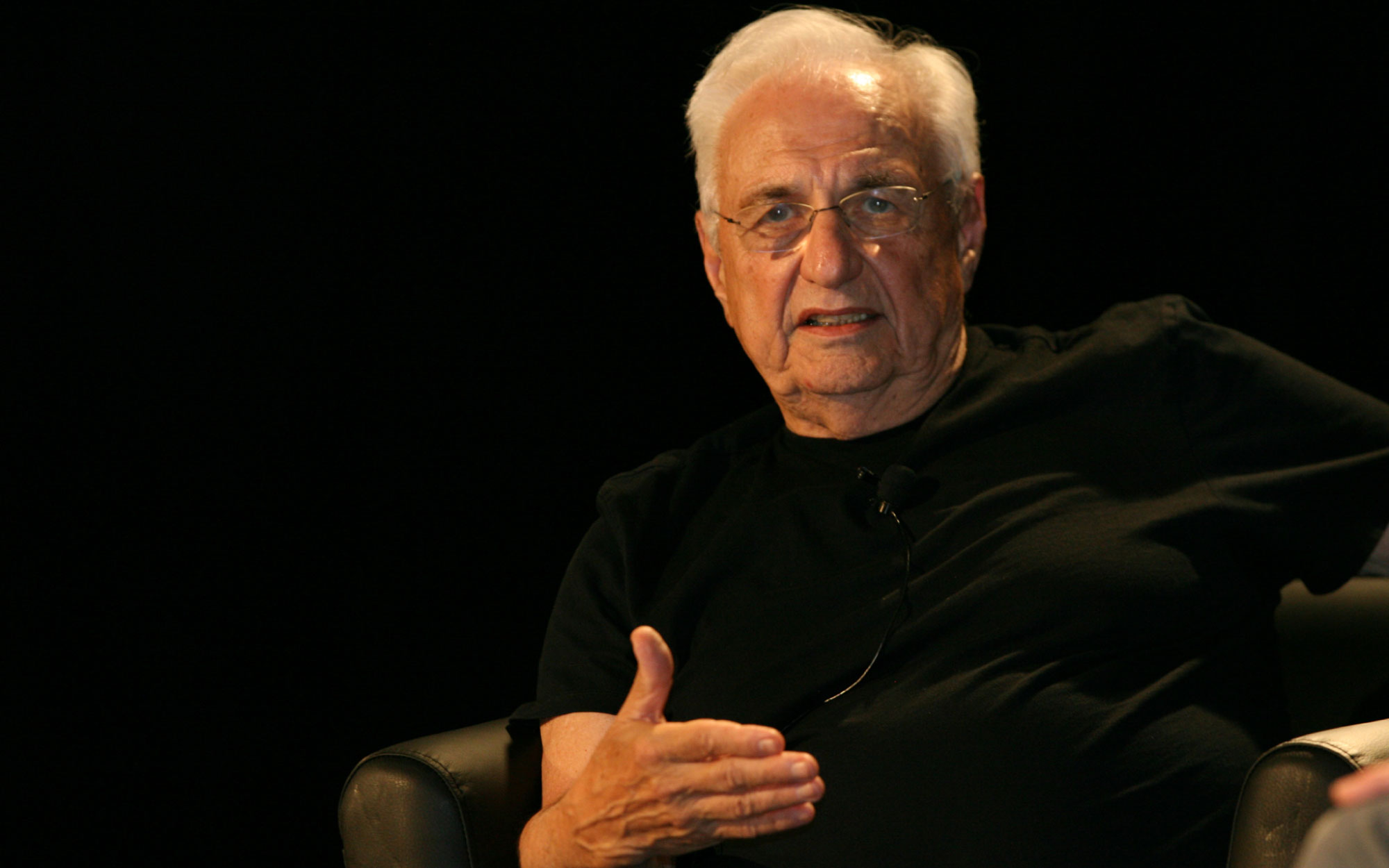
Frank Gehry, the Canadian-born American architect, was a 1989 laureate who would come to redefine the emotional and sculptural possibilities of modern architecture. Trained first in Los Angeles and later at Harvard’s Graduate School of Design, Gehry has always insisted that buildings are works of art. Across a life that has stretched well into his nineties, he has approached every project as a living composition of light, space, and movement, allowing steel, glass, titanium, and even chain-link fencing to behave like brushstrokes on a canvas.
Also Read: The Simpsons Joke That Rewrote Frank Gehry’s Story: 7 Revelations About the Legendary Architect
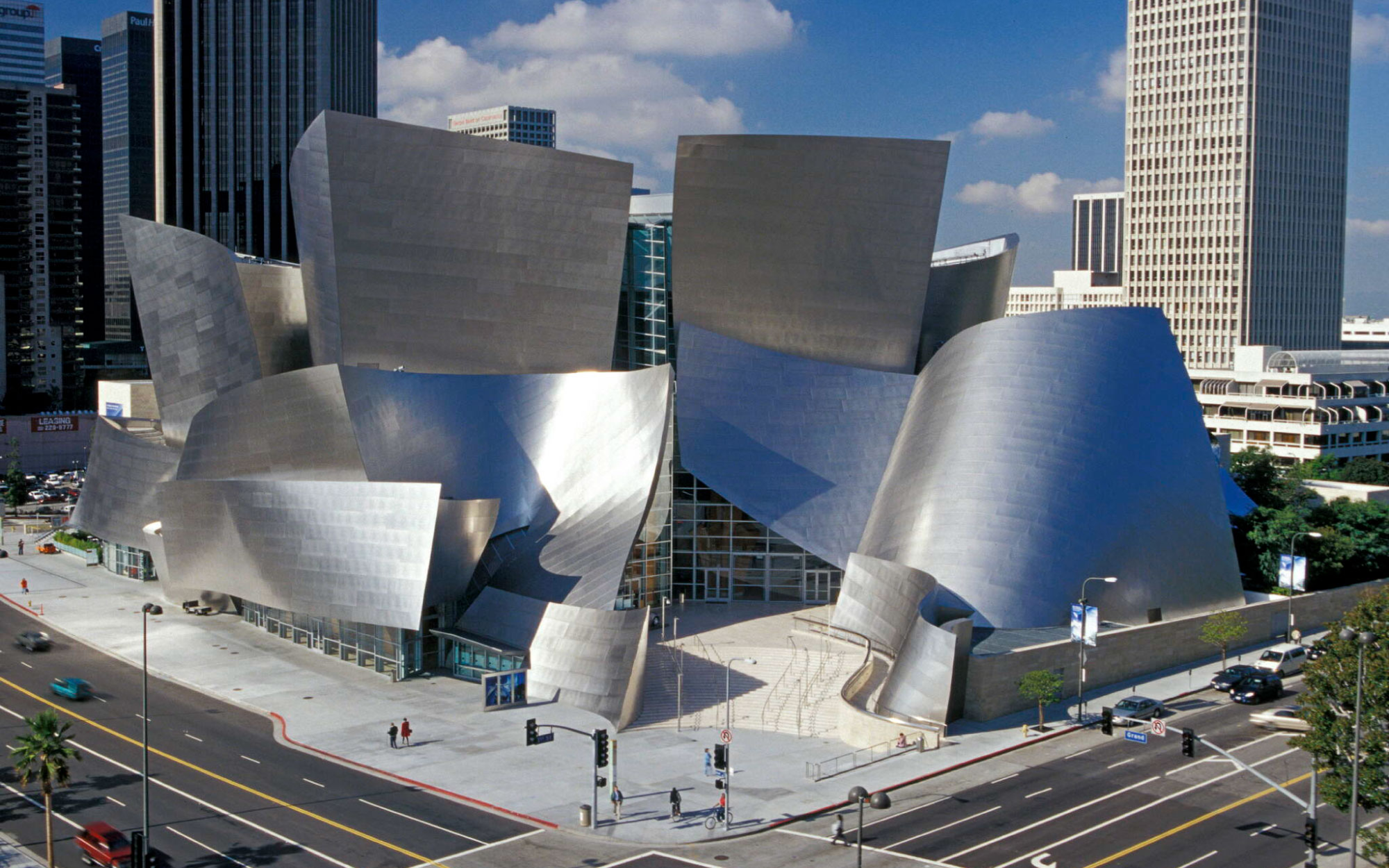
Iconic Project: At the end of the twentieth century, Gehry was entrusted with the Guggenheim Museum in Bilbao, Spain. Set along the Nervión River in an industrial port, the museum rose as a constellation of swirling, metallic forms, clad in thousands of thin titanium tiles. From above, it reads as an abstract sculpture; from the ground, it feels like a vessel in motion, a memory of Bilbao’s maritime past translated into architecture. Inside, the museum unfolds around a vast, cathedral-like atrium, flooded with light and animated by bridges, stairways, and soaring volumes that pull the visitor through the building. Nineteen galleries radiate outward, creating a constant dialogue with the public. The largest of these spaces houses Richard Serra’s monumental steel installation, the ‘Matter of Time,’ where Gehry’s architecture becomes a partner to art.
- Robert Venturi (1925-2018)
In the year 1991, Robert Venturi, an American architect, became the laureate and embraced complexity. Writer, theorist, and builder, he reshaped architecture not only through his buildings but through words that unsettled an entire discipline. With his seminal book ‘Complexity and Contradiction in Architecture,’ Venturi argued for what he called the ‘messy vitality’ of the real city. He explored an architecture that made room for memory, humour, and everyday life. His long life, which unfolded across 93 years, re-humanised modernism, insisting that richness and ambiguity were not weaknesses but strengths. This radical expression is visible in a modest house built for his mother in suburban Philadelphia: the Vanna Venturi House.
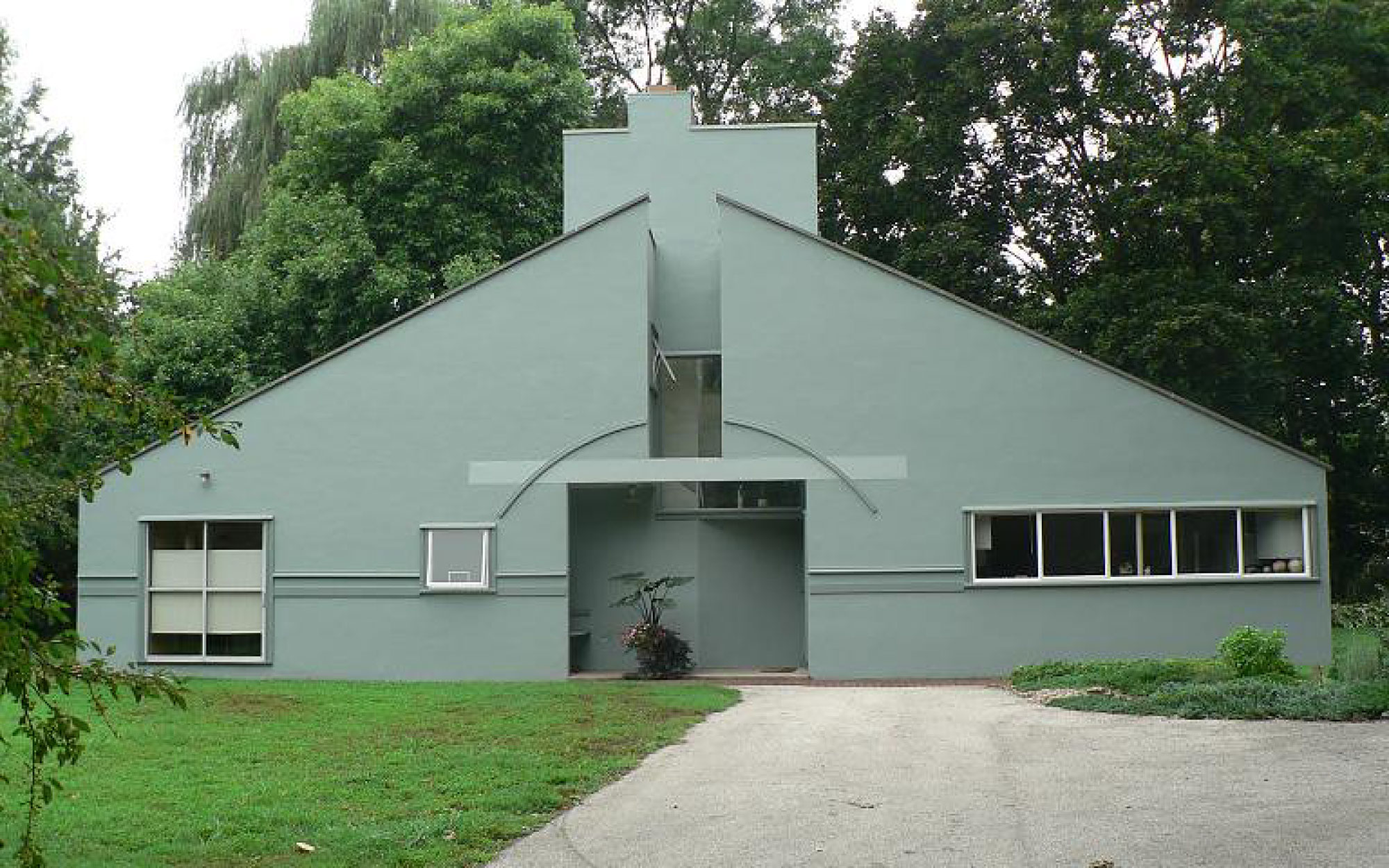
Iconic Project: Behind its seemingly simple façade is a pitched roof, a central chimney, and a symmetrical gable, which lies a deliberate unravelling of architectural certainty. Here, proportions refuse to behave, where the front appears subtly misaligned, and windows shift off-centre. While inside, the home and the staircase compete for supremacy, spaces expand and compress, doors feel strangely low, and rooms seem grand and warm. Nothing is quite what it appears, and yet everything feels deeply inhabitable, layered, imperfect, and alive. In this small, defiant building, Venturi transformed theory into space, proving that architecture could be paradoxical.
- Fumihiko Maki (1928 – 2024)
The 1993 laureate was Fumihiko Maki, the Japanese architect who believed architecture reveals itself slowly, through light, proportion, and movement. Trained between Tokyo, Cranbrook, and Harvard, he fused Japanese spatial sensibility with the meticulousness of Western modernism, creating buildings that feel at once functional and personal. This lifelong devotion to traditional sensibilities carried him through 95 remarkable years. Working in steel, glass, and concrete, he extended the modernist palette into shimmering metals and delicate surfaces, always in pursuit of what he called ‘unforgettable scenes.’ This metallic façade of Fujisawa Municipal Gymnasium in Kanagawa is one example of this design style.
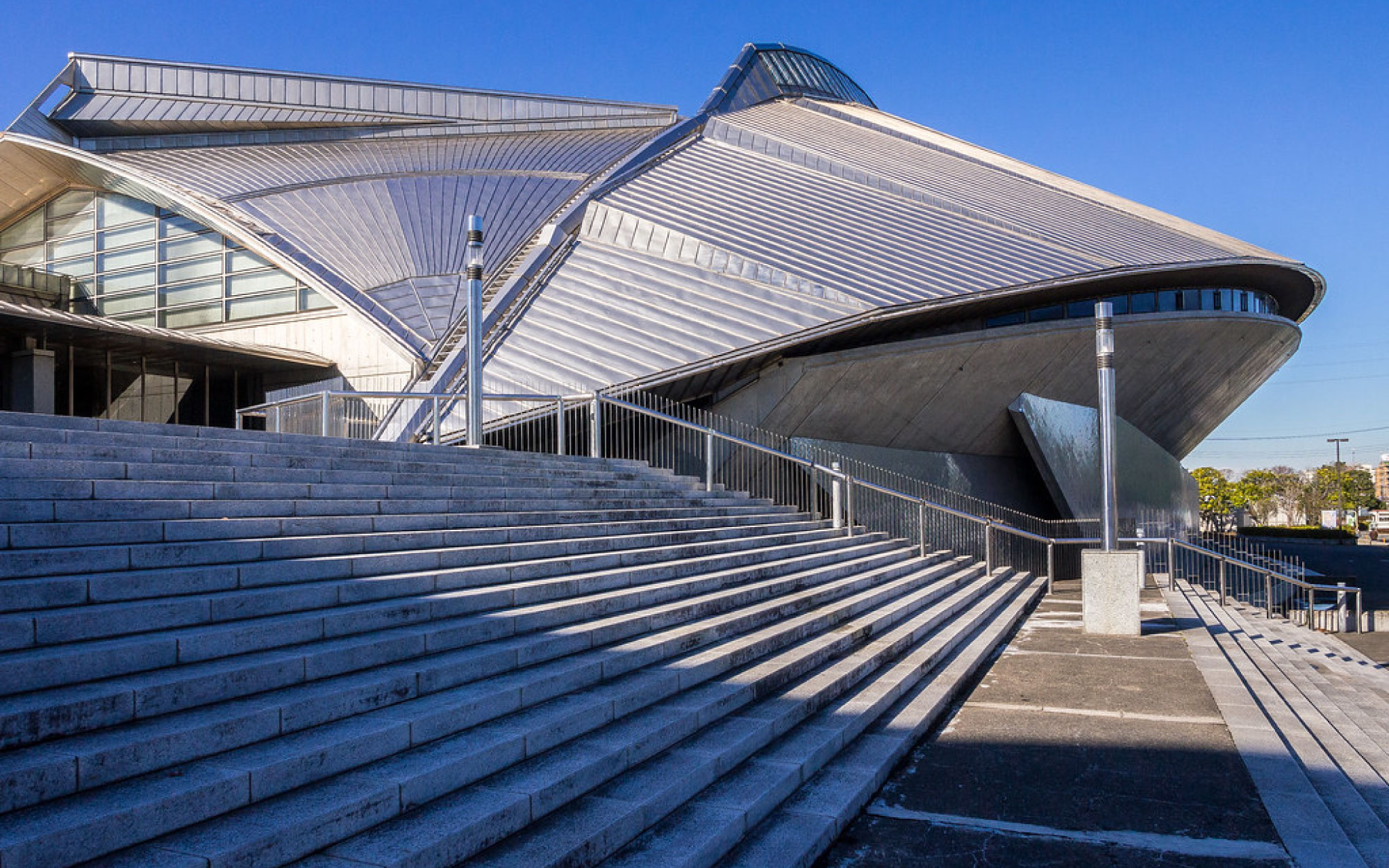
Iconic Project: It features two great arenas gathered beneath a single stainless-steel roof that seems to hover above the ground, separated from the walls by a ribbon of light. Approaching the building, its curved metallic forms shift with every step, while inside, spaces unfold in a sequence, starting from the entrance hall, passage and arena, revealing with deliberation. At dusk, the roofline melts into the sky, and the gymnasium seems to float, completely dissolving with its surroundings.
- Jørn Utzon (1918- 2008)
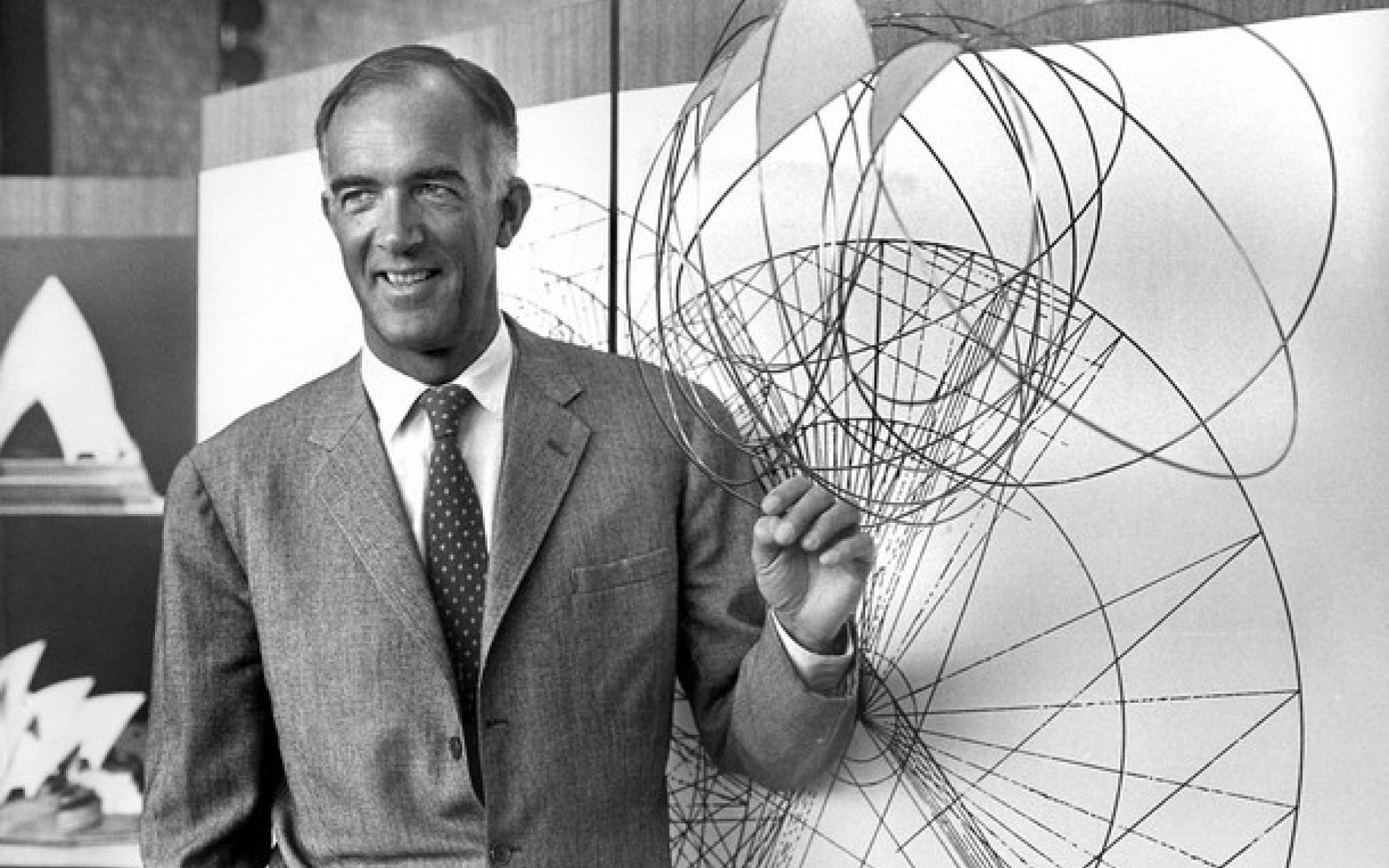
Jørn Utzon, the Danish architect—a laureate of 2003—who would give the twentieth century one of its most transcendent buildings, approached architecture as an encounter between nature and craft. Born in 1918 in Aalborg, the son of a naval architect, Utzon grew up among ships, hulls and nautical trinkets, which shaped a lifelong sensitivity to curves, shells, and organic geometry. Trained at the Royal Academy of Fine Arts in Copenhagen and encountering masters like Alvar Aalto, Gunnar Asplund, and Frank Lloyd Wright, Utzon emerged as an architect who referenced natural elements. Across a life that spanned 90 years, he pursued a vision in which buildings were drawn from it.
Also Read: From Nigeria To Seoul (Part Two): A Journey Through Abu Dhabi Art 2025’s Top Galleries
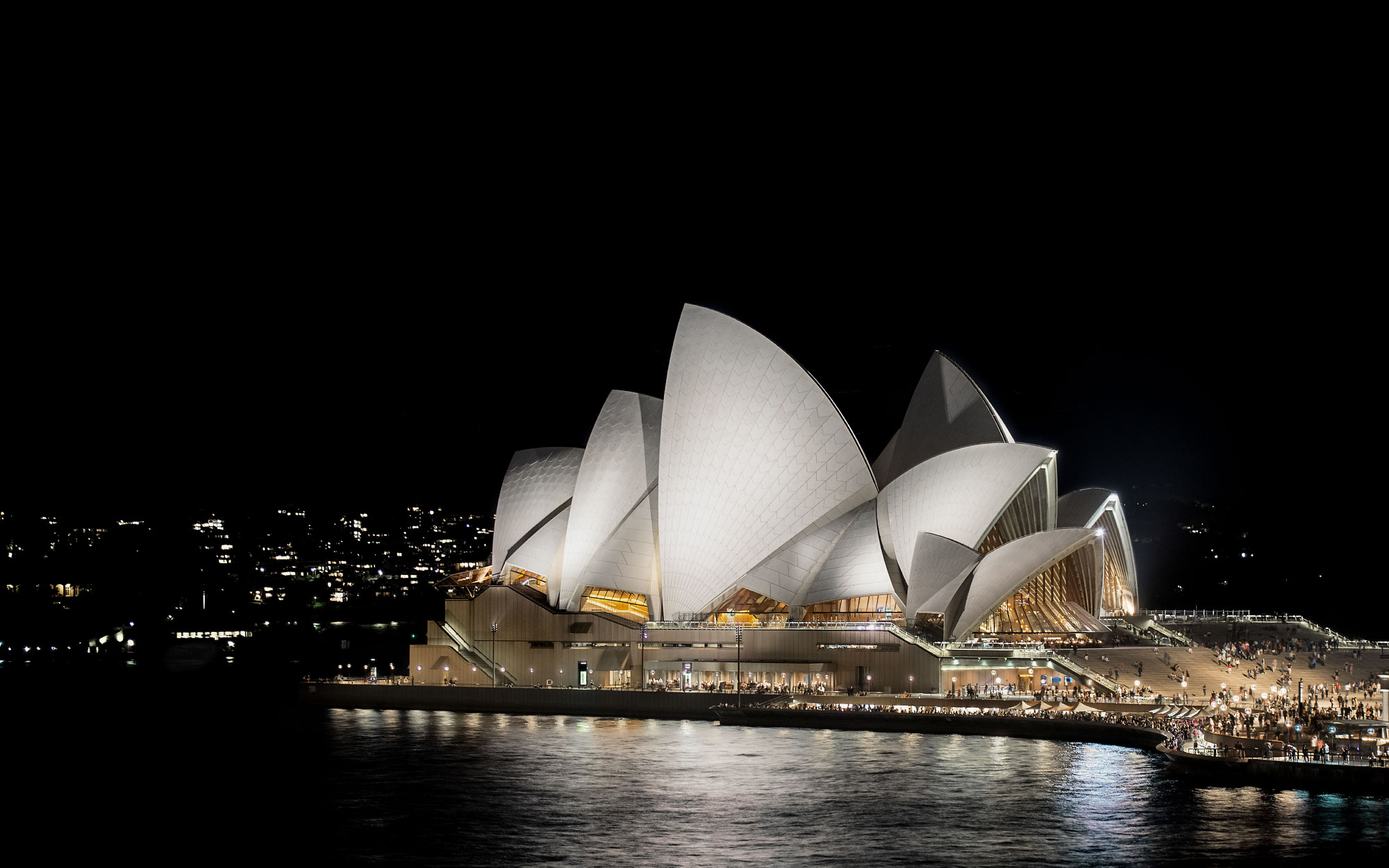
Iconic Project: In the mid-20th century, Utzon won an international competition to design a new opera house for Sydney. From a handful of sketches, a structure emerged in 1973, like a constellation of soaring white shells rising from a vast podium above Sydney Harbour. Constructed from precast concrete ribs and clad in over a million shimmering ceramic tiles, the shells catch the Australian light as it shifts through the day. Like sails filled with wind, the roof forms transform architecture into an act of pure movement. Inside, the building opens as a sequence of volumes shaped by geometry and acoustics, with grand stairways leading visitors upward. Light filters through vast glass walls beneath the shells, dissolving the boundary between interior and harbour beyond. Though political conflict forced Utzon to leave the project before its completion, in 2007, it was recognised as a UNESCO World Heritage Site, placing Utzon’s creation alongside the great monuments of human history.
- Mendes da Rocha (1928–2021)
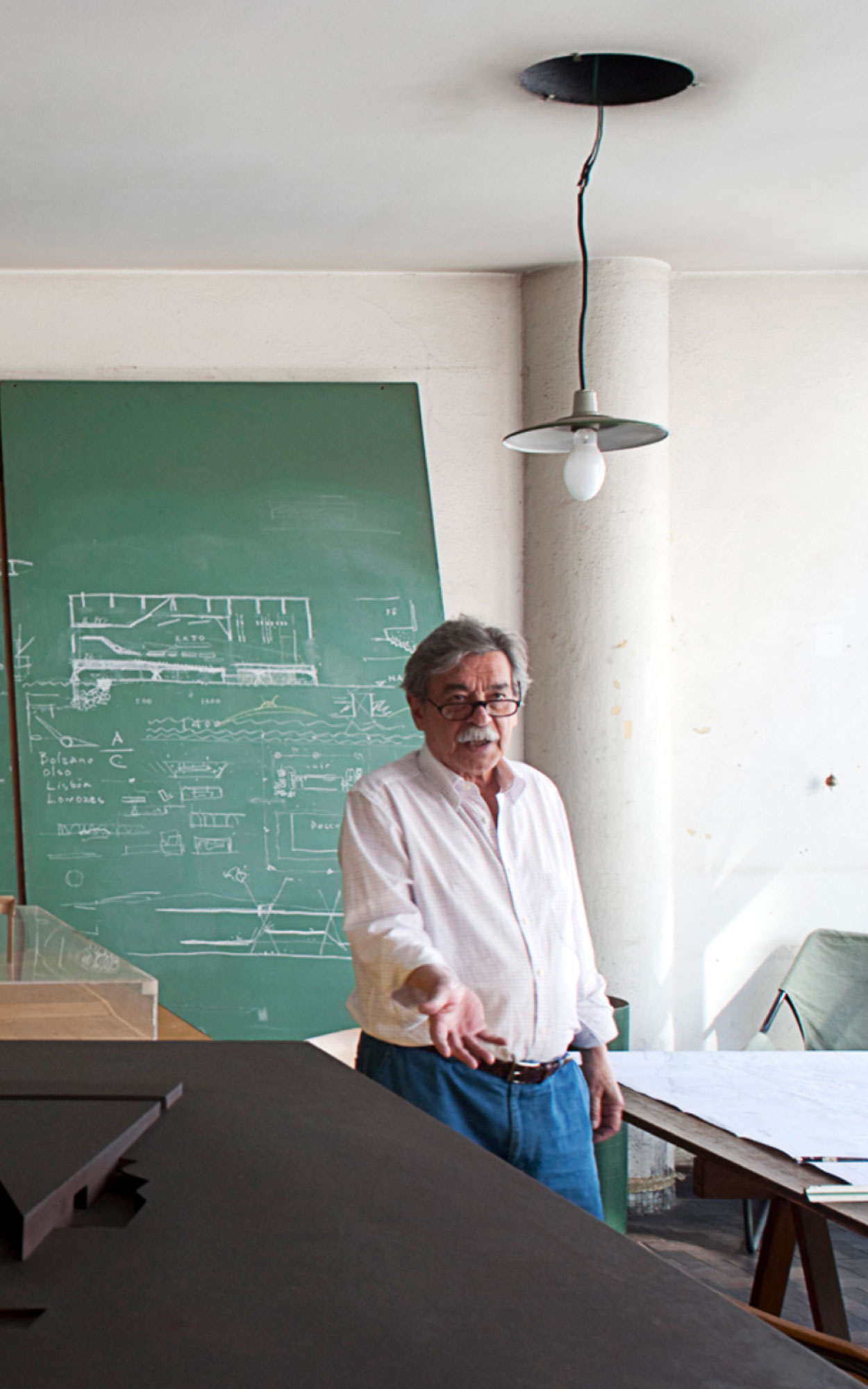
In 2006, the laureate was Paulo Mendes da Rocha, the Brazilian architect emerging from São Paulo’s fierce ‘Paulista’ school of Brutalism. Mendes da Rocha shaped architecture as an instrument of public life, working with raw concrete and steel and producing buildings that felt both elemental and profoundly humane. Across a career spanning more than six decades, he designed museums, civic institutions, and cultural spaces that commanded presence. Rocha’s life unfolded across 93 remarkable years with a lifelong devotion to bending architecture for the public. This sensitivity to public spaces was evident in the Museu Brasileiro de Escultura in São Paulo, monikered as MuBE.
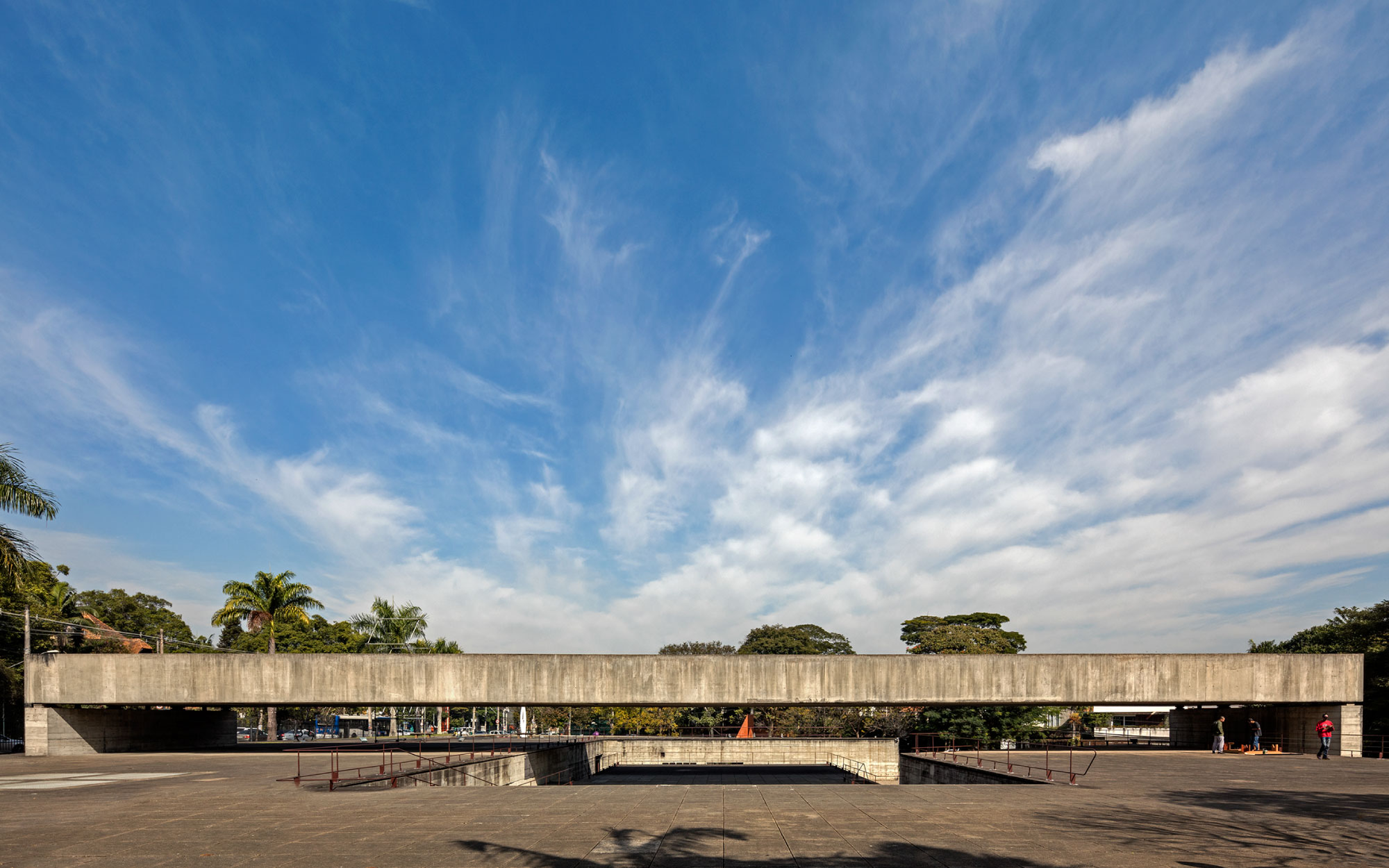
Iconic Project: Set within a leafy residential district, Mendes da Rocha refused to place a traditional building on the site, submerging it beneath the ground, preserving the open space above as a public garden. What emerges at the surface is a single monumental beam of concrete, hovering above a plaza of light, air, and movement. Below this floating plane, the museum unfolds as a series of cavernous, horizontal galleries carved from concrete, their vast negative spaces allowing art to breathe and rearrange. Light filters down through carefully cut openings, blurring the line between the gardens above and the artistic world below. By allowing space, light, and community to take precedence over form, MuBE stands as one of the great works of late modernism.
- Balkrishna Doshi (1927-2023)
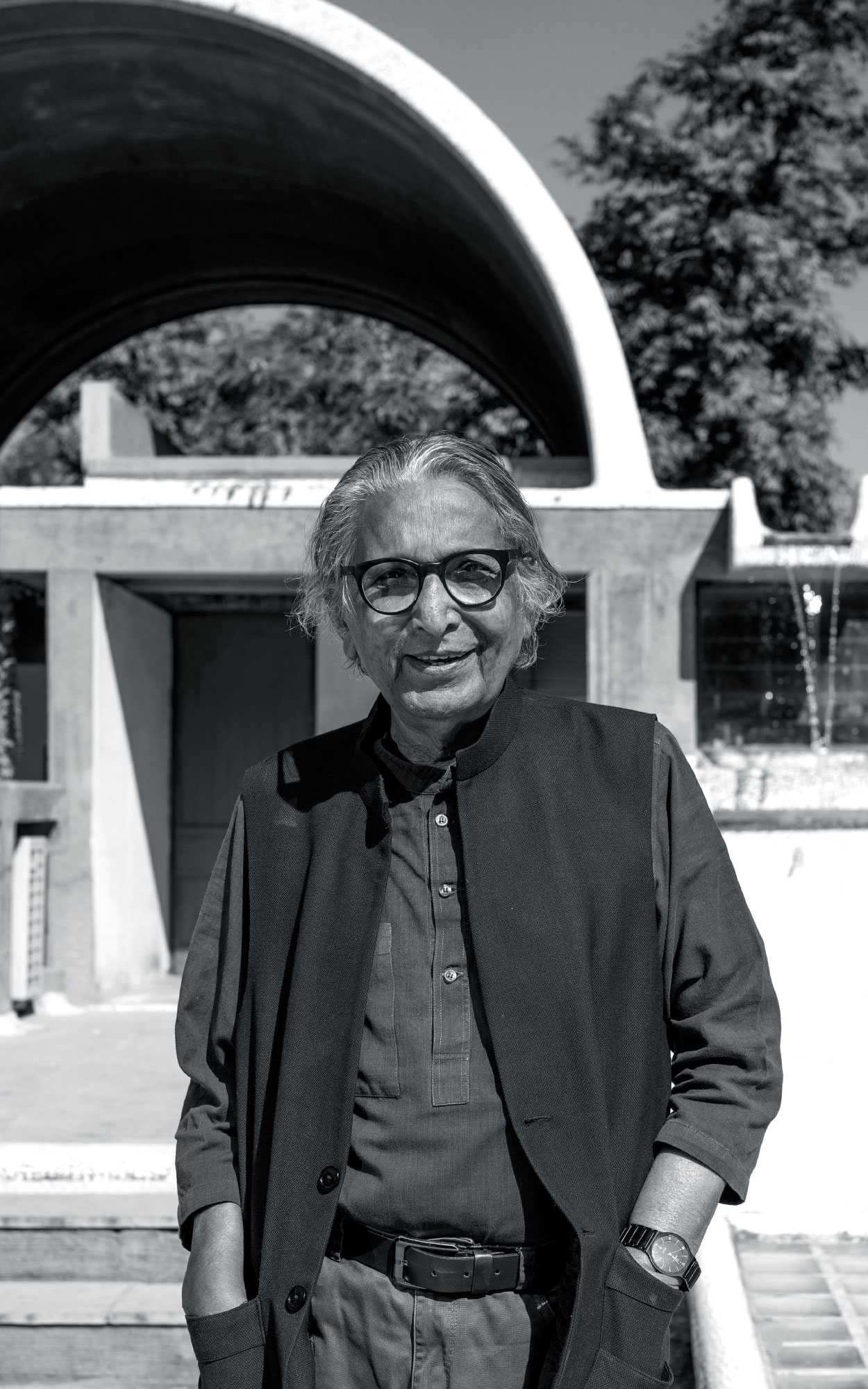
In 2018, the laureate was Balkrishna Doshi, an Indian architect who gave modernism a sense of indigenous warmth. Born in Pune and shaped by both Le Corbusier and Louis Kahn, Doshi forged a language that bridged Western modernism with the rhythms of Indian life. His architecture was never about form alone; it was about memory, climate, ritual, and the movement of people through space. For 96 years, he pursued architecture as an emotional and social craft, creating buildings that privileged lived experience. Among his many projects stands ‘Amdavad ni Gufa,’ the underground art gallery he envisioned alongside artist M. F. Husain.
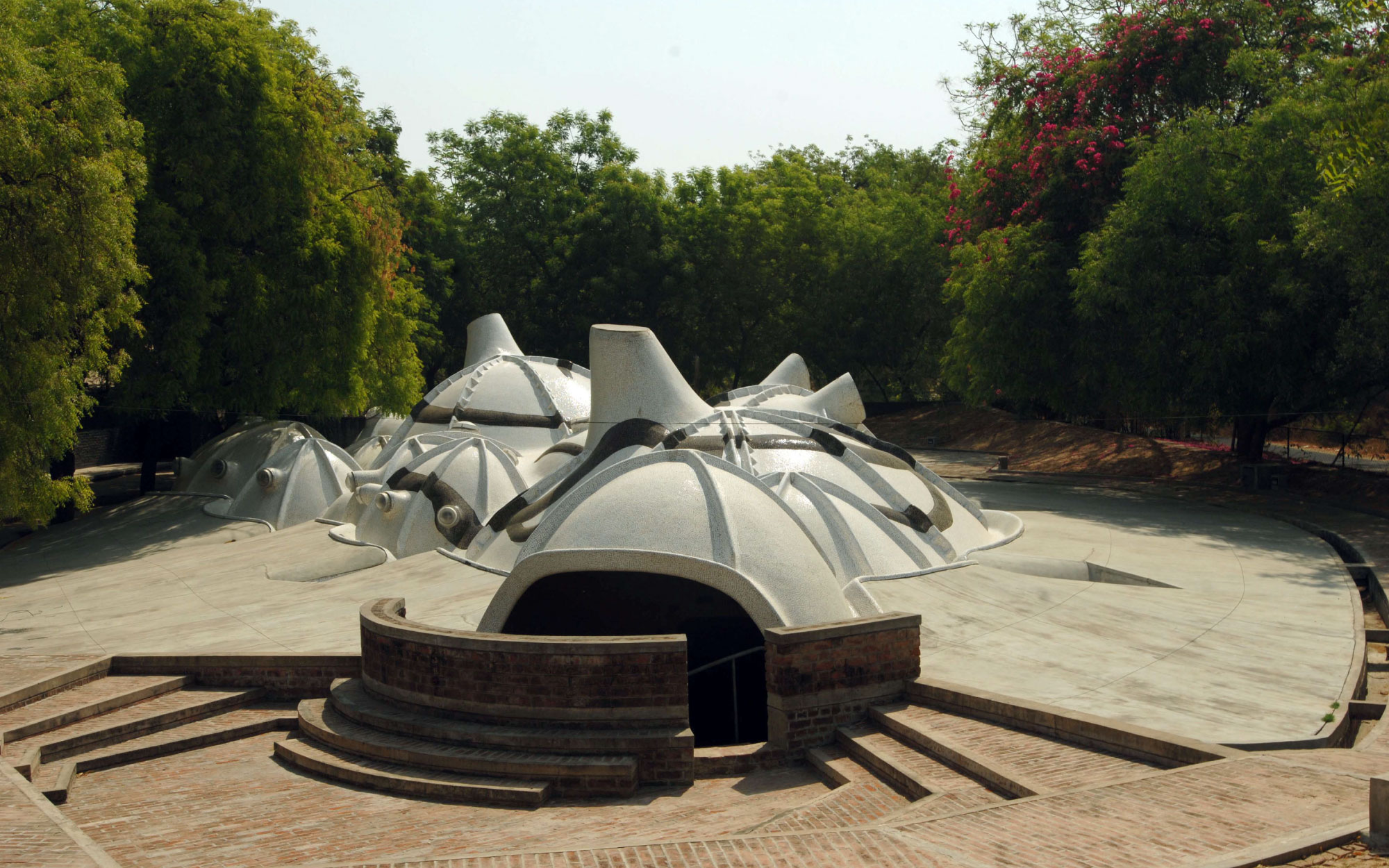
Iconic Project: Rather than placing a building upon the ground, a series of softly mounded domes rise from the earth itself, allowing the architecture to grow from it. Inside, the space dissolves into a flowing landscape of curving walls and vaulted chambers, illuminated by circular skylights that filter daylight like sun through a forest canopy. There is a continuous dialogue between structure, light, and movement; the Gufa blurs the boundary between art and architecture. In the subterranean world of shadow and glow, Doshi revealed his deepest belief: that architecture, when shaped by nature and human imagination, becomes a living place.
- Arata Isozaki (1931-2022)
The 2019 Laureate was Arata Isozaki, the Japanese architect who turned the ruins of post-war Japan into a lifelong meditation on impermanence and renewal. Isozaki came of age amid the devastation of Hiroshima and Nagasaki, where the absence of buildings became his first lesson in architecture. Trained at the University of Tokyo under Kenzo Tange, he learned that cities must be both resilient and poetic, capable of change without losing meaning. Isozaki embraced constant reinvention, moving fluidly between Brutalism, Postmodernism, and high modernism until eccentricity itself became his signature. With a career that unfolded across 91 extraordinary years, he left behind a body of work that does not impose permanence but invites presence.
Also Read: 5-Middle East Museums That Are Redefining The Cultural Scene In The Gulf
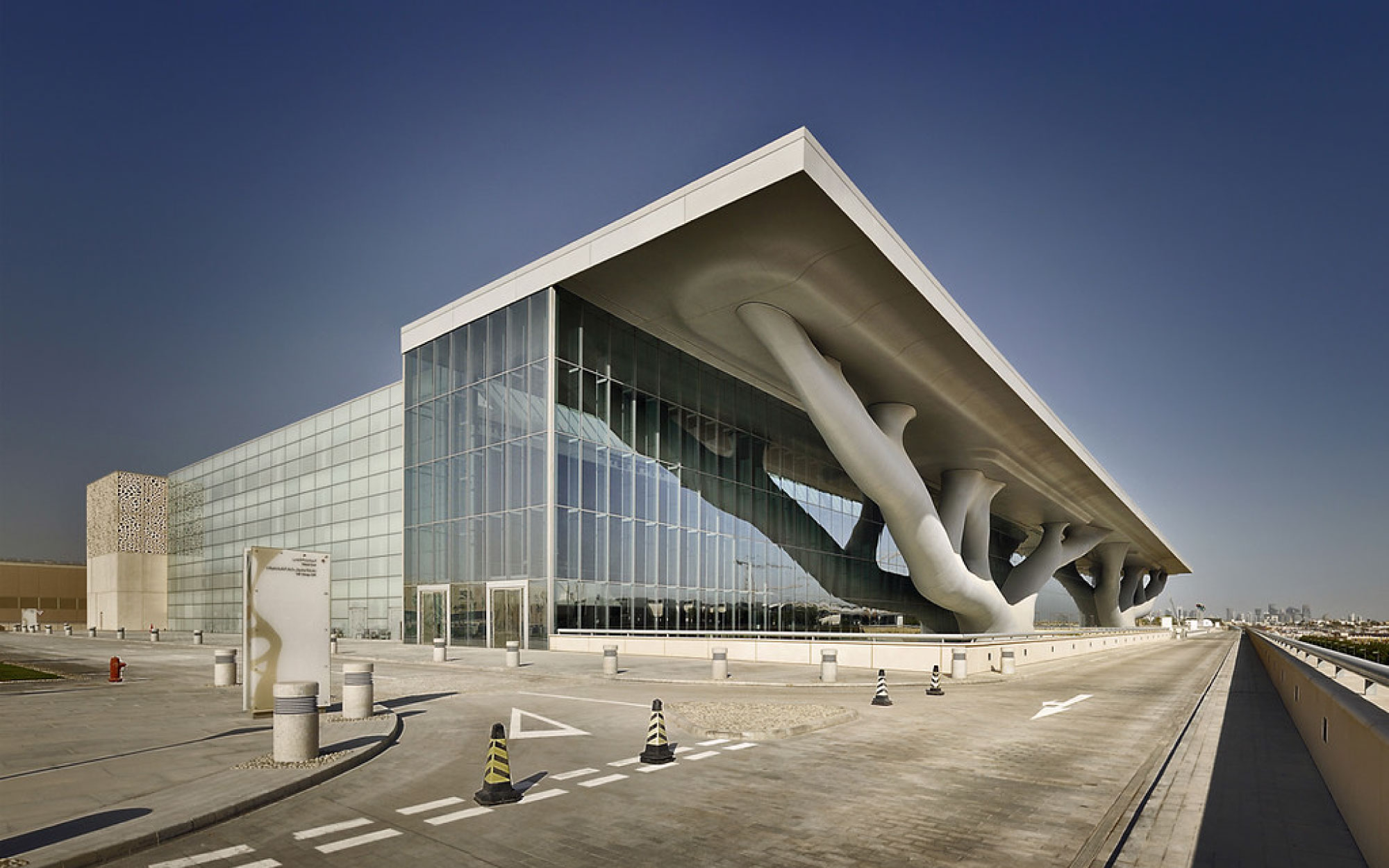
Iconic Project: Among his most emblematic late works stands the Qatar National Convention Centre in Doha, where two colossal steel Sidra trees rise to hold a floating canopy, transforming a desert convention hall into a symbol of knowledge and gathering. In Qatari culture, the Sidra is a symbol of knowledge, shelter, and gathering, and Isozaki translated this ancient emblem into a structural and spatial gesture. Rather than enclosing space, Isozaki allows it to breathe—volumes expand and contract, guiding crowds intuitively through the building’s immense programme. The convention halls, theatres, and galleries are arranged as a constellation of spaces around this central interior horizon, connected by bridges, terraces, and long, ceremonial promenades. Even at its largest, the architecture preserves moments of intimacy with alcoves, framed views, and pockets of light that temper the building’s vastness.