
The Future Is Handmade: Design Pataki Foundation Brings India’s Crafting Traditions to Kyōto YouMe Triennale 2026
At the inaugural Kyōto YouMe Triennale, The Future Is Handmade presents five distinct practices across art, design, architecture, interiors, and ceramics, examining the evolving relationship between tradition and contemporary making.
- 8 Oct '26
- 12:01 pm by Aditi Singla

India and Japan have always shared a reverence for design bound by a sensitivity to materials and the precision of the human hand. At this intersection of inherited knowledge and contemporary expression, Design Pataki Foundation is thrilled to unveil ‘The India Show’ at the Kyoto YouMe Triennale 2026, with the support of the Ministry of Culture, Government of India, and Hon. Gajendra Singh Shekhawat, Union Minister of Culture and Tourism. The pavilion unfolds around the theme of ‘The Future Is Handmade,’ a curated showcase of contemporary Indian art, design and craft.
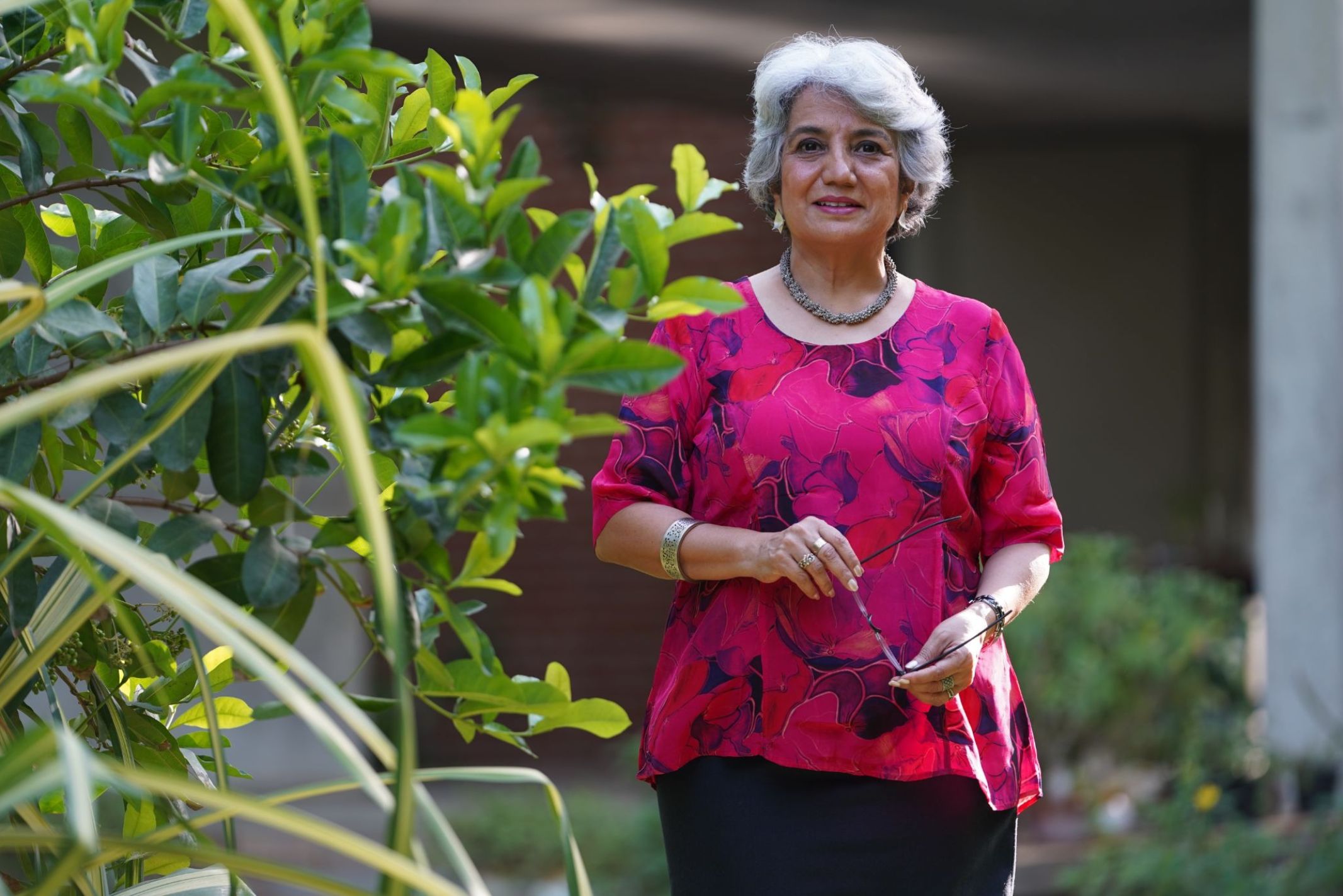
The curator, Esha Gupta, Founder of Design Pataki and Design Pataki Foundation, says, “The Future Is Handmade celebrates how Indian craft and design continue to evolve, connecting inherited knowledge with contemporary ideas and new ways of making.” She brings together an inspiring group of designers, artists and makers whose work traverses textiles, furniture, architecture, interiors and ceramics. The exhibition unfolds at Jushin Kaikan in Kyoto from 9 – 18 October 2026, establishing a meaningful cultural exchange and dialogue between India and Japan.
Also read: The New Indian Workplace Is Futuristic, Immersive And Full Of Character
Five Perspectives on Contemporary Indian Making
The pavilion unfolds through five distinct creative practices, each offering a different interpretation of India’s relationship with material and craftsmanship. Sarita Handa, Ajay Arya, Dheerna Matsubara, Bijin Davis and Canna Patel: each practitioner converges around a singular idea that craft is not suspended in history, and in the right hands, it continues to transform.
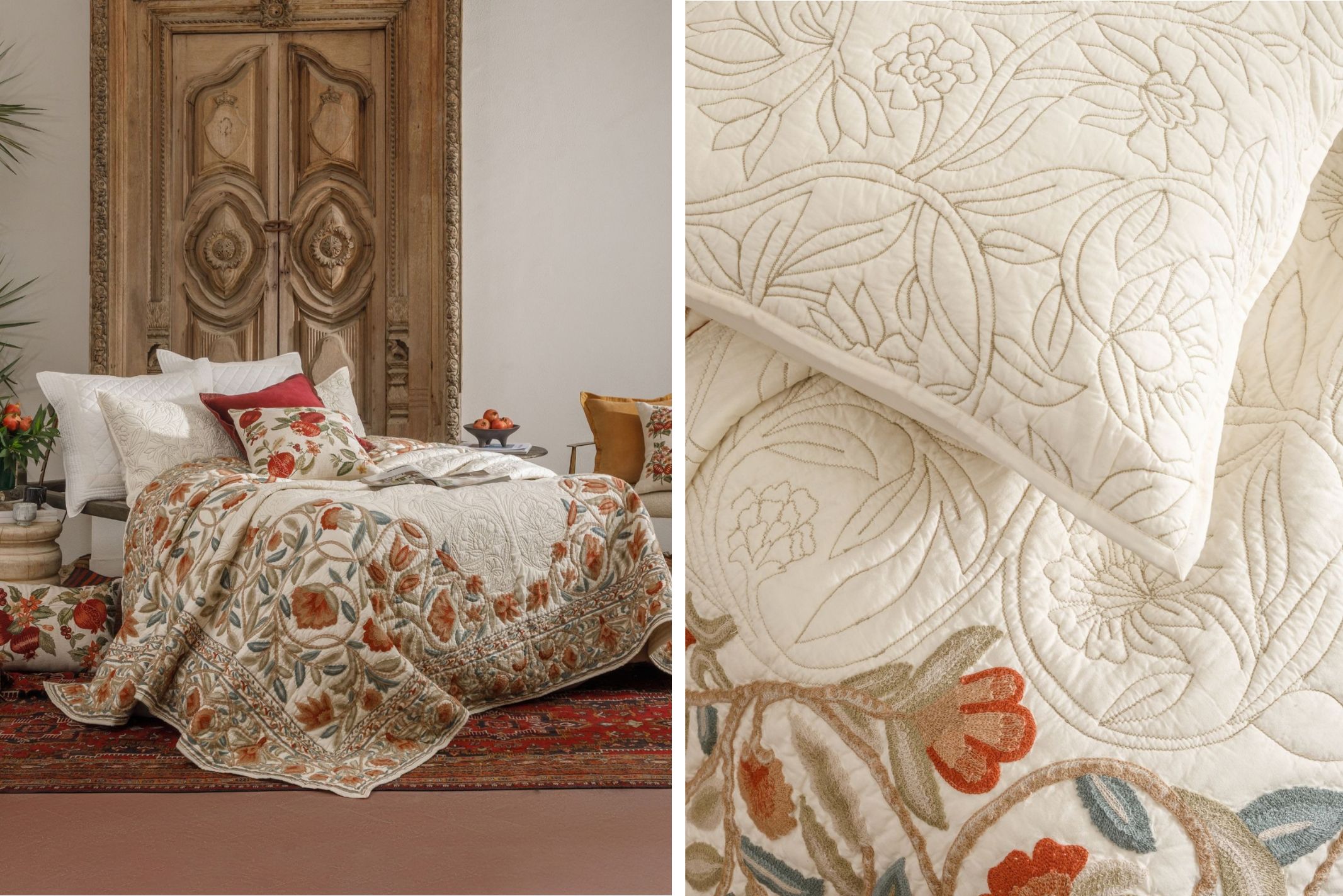
For Sarita Handa, this cultural exchange feels instinctive. Her practice has long been immersed in the rich lexicon of Indian textiles, furniture and craft. Drawing from indigenous techniques, craftsmanship and extraordinary material heritage, she brings to Kyoto a perspective shaped by the hands, histories and inherited knowledge.
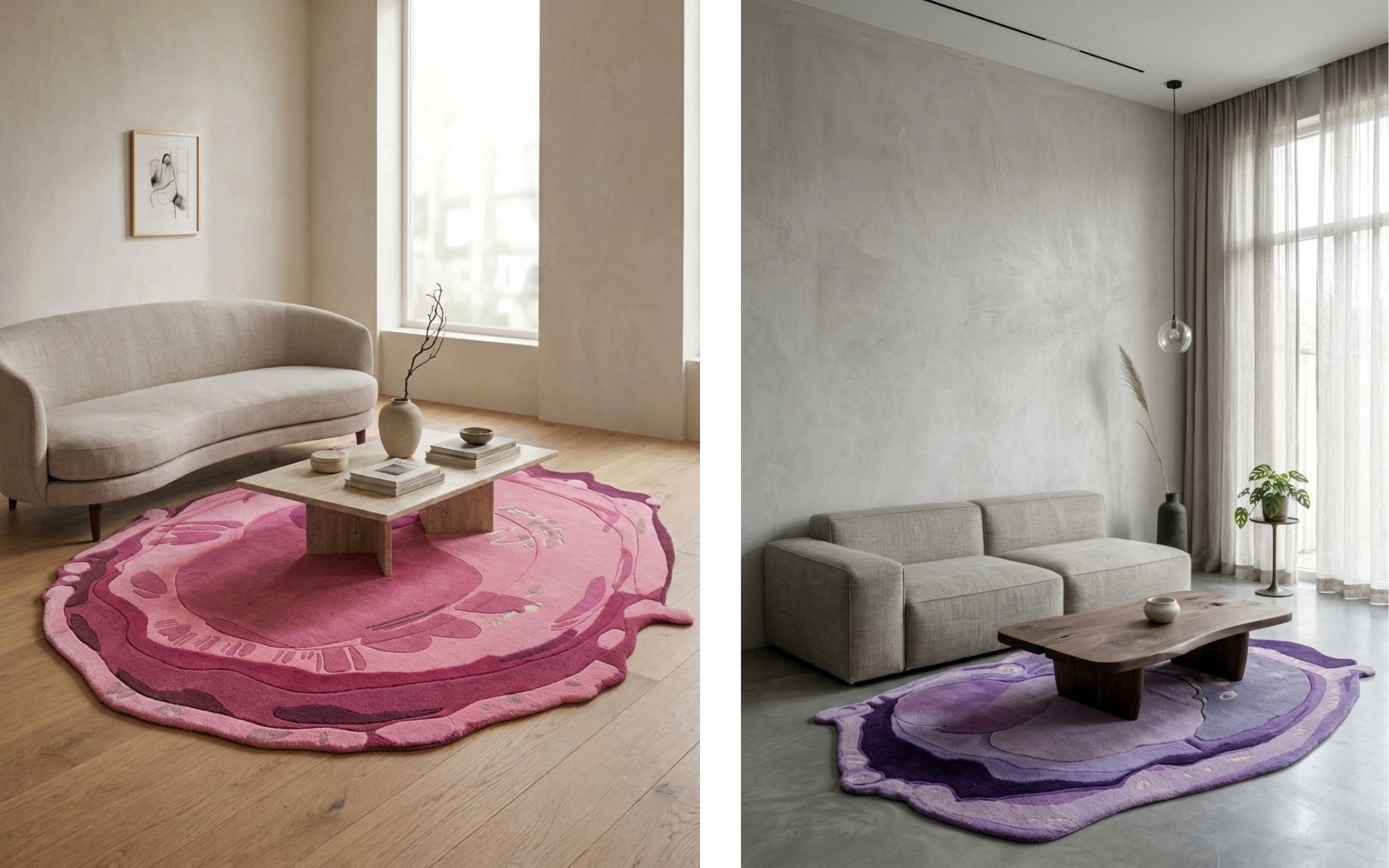
Japanese-Indian designer Bijin Davis creates objects, textiles, furniture and spaces that capture the ephemeral. Inspired by transient phenomena like water, light, shadow, and colour, she translates fleeting impressions into material and form. With a background spanning Product Design at Srishti Institute, Bangalore, and Interior Design at Musashino Art University, Tokyo, Davis brings together two distinct design cultures, allowing transient moments to become material, spatial, and quietly evocative experiences. Supported by Neytt Homes, her presentation places contemporary design in conversation with India’s natural-fibre traditions, creating a meeting point between tactile heritage and contemporary experimentation.
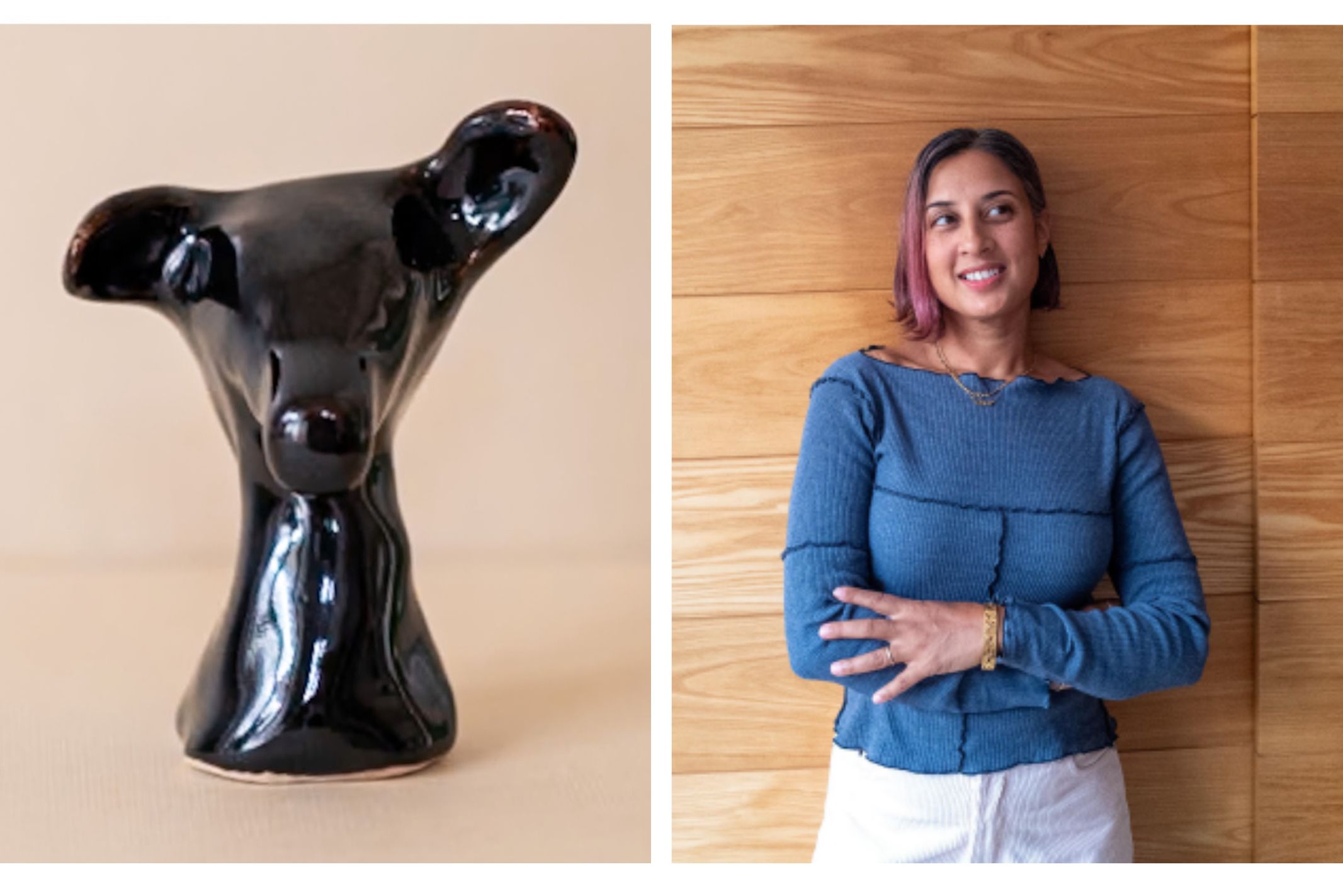
Dheerna Matsubara is a ceramicist and writer of Indian origin based in Japan, working across porcelain, stoneware, and wood-fired Bizen ware. She is trained under a 19th-generation Bizen master and her practice considers inheritance, belonging and impermanence—what the hand carries, what the body remembers, and how things come to matter. For the India Show, she explores lineage and impermanence through ‘MĀYĀ’, a collection of hundreds of ceramic dog heads shaped by earth that traces the beauty of handmade.
Canna Patel, architect, interior designer and founder of HCP Interior Design, brings more than three decades of practice to the pavilion. Supported by Bharat Floorings, her work reflects an enduring engagement with architecture, material and place. She brings her architectural eye to ‘Shunya-Taal’, a collection where the rhythm of the tabla is translated into handcrafted cement tiles. Her inclusion expands the conversation around craft beyond the object, considering how material choices can shape spatial experience and architectural identity.
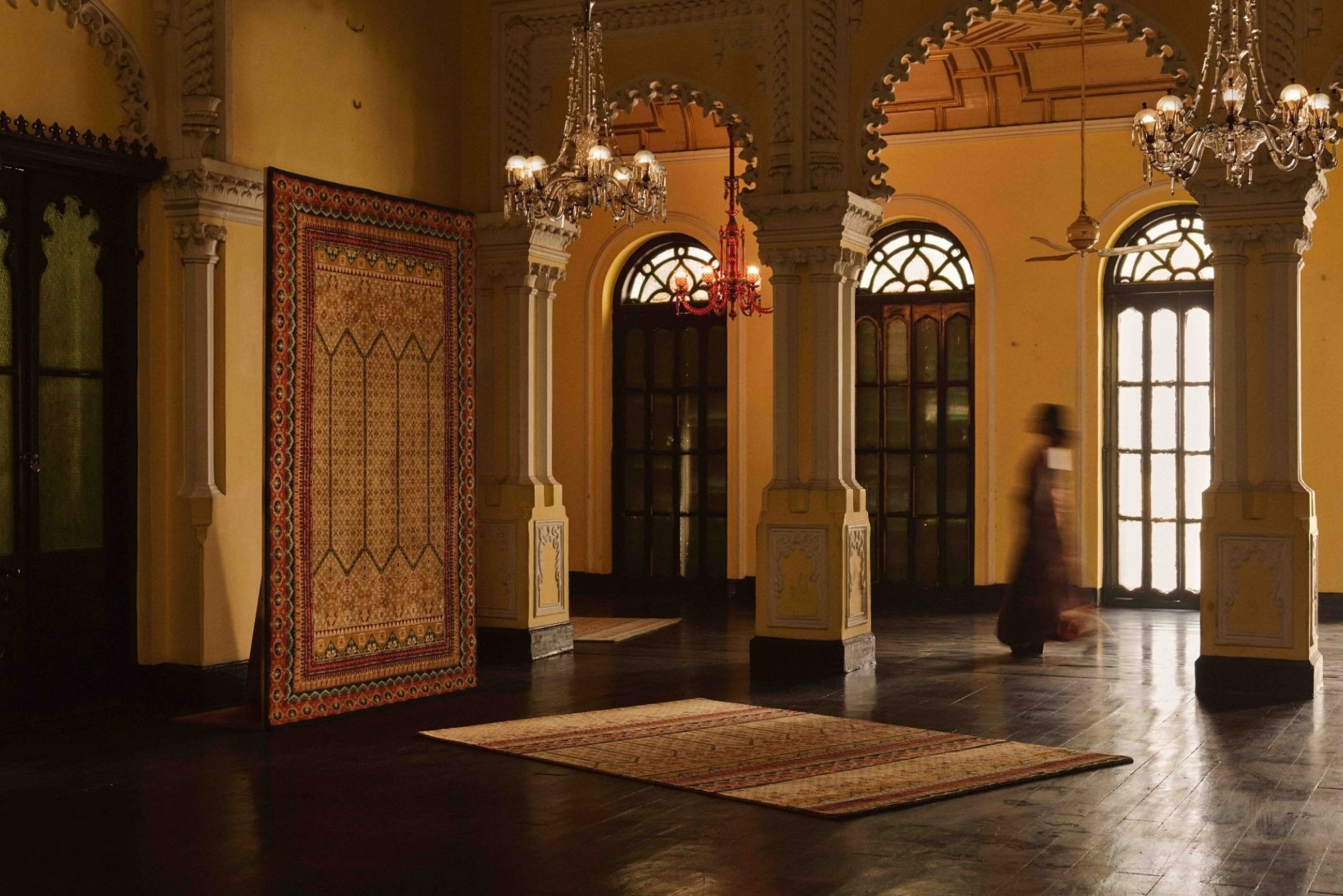
The relationship between heritage and contemporary interiors takes another form through Ajay Arya, founder of A Square Designs, as he reimagines Bengal’s Jamdani heritage in ‘The Bengal Narrative’, with the supported by Cocoon Fine Rugs. Arya’s practice frequently brings family heirlooms, antiques, artworks and traditional materials into dialogue with contemporary environments. His presentation considers heritage not as a decorative layer, but as a living component of the spaces we inhabit.
Also read: Art Confidential with Amit Kumar Jain: The Art of Building Artists
A Dialogue Between India and Japan
The pavilion acquires an added resonance through its setting in Kyoto, a city where craft, architecture and material culture are deeply embedded in its cultural identity. The Indian presentation forms part of the inaugural Kyōto YouMe Triennale, an international platform conceived around art, design and craft as fundamental human activities capable of generating new meaning from the objects and environments that surround us.
Within this context, India’s encounter with Japan becomes more than a geographic exchange. Both cultures possess sophisticated craft traditions in which process, material, and accumulated knowledge hold considerable cultural significance. The exhibition consequently creates a dialogue between two distinct yet resonant approaches to making.
The juxtaposition also challenges the familiar binary between tradition and innovation. The Future Is Handmade proposes that these ideas need not exist in opposition. Innovation can emerge from inherited knowledge; contemporary design can retain the imprint of the hand; and tradition can remain dynamic without surrendering its identity.
The Indian Show thus becomes more than a showcase of five creative practices. It is a meditation on continuity itself, asking how inherited knowledge can remain alive by changing, adapting, and finding new contexts.