Why You’re Not Sleeping Well When You Travel, And What You Can Do About It
Whether it’s a ‘wellnesscation’ or a business trip, the design of a space can deeply impact your sleep quality. Here’s how you can ‘sleepmax’ when you travel.
- 22 Sep '26
- 11:39 am by Samreen Tungekar

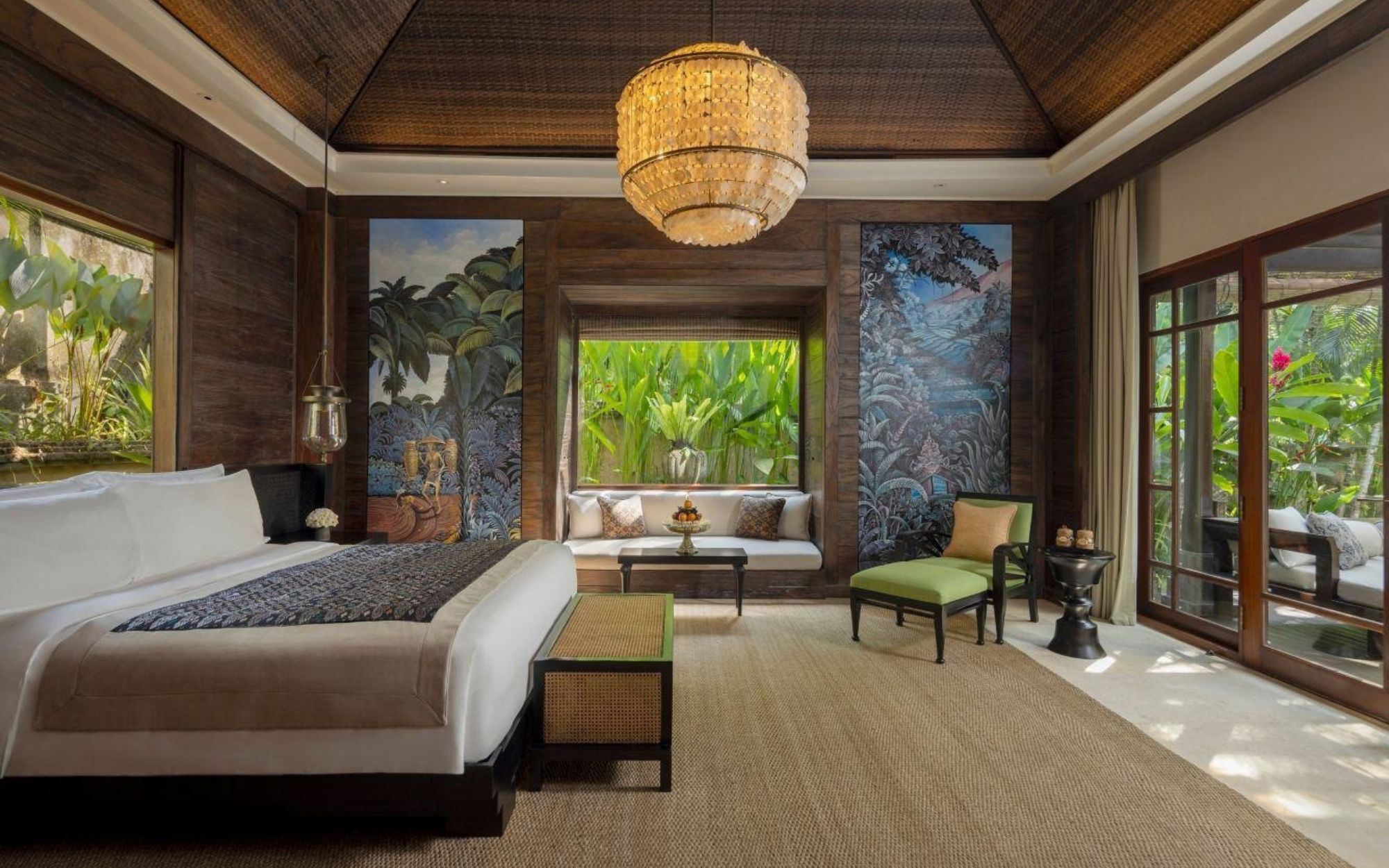
I’m a diagnosed insomniac; sleeping is a constant battle. When I travel, the battle is uphill. A new place, a new bed, is daunting. My first time being well-rested on a trip was during my three-day wellness programme at Mandapa – A Ritz-Carlton Reserve in Bali, where the property is in the middle of a rainforest, and the villas are designed with Balinese elements. The experience overall created a sense of calm and made falling asleep much easier
The sleep epidemic is not new. A series of studies across health journals such as The Indian Journal Of Public Health have reported that approximately 25% to 60% of Indians suffer from chronic sleep deprivation, poor sleep quality, or sleep disorders. At the same time, we are travelling more than ever—from work trips to microcations.
We like nice-looking hotels, but is the comfort of the room an afterthought, or is sleep factored in when planning a room?
The Spatial Layout
Architects and interior designers share that the comfort of quality sleep factors into their plan when they design a hotel. Ambrish Arora, founding principal of Studio Lotus, which has designed properties like RAAS Kangra and Taj Sawai, believes that the design of the rooms and the common area is fundamental to how a guest sleeps. “One needs to ensure that the noisier areas are set at a significant distance from the guestrooms. Increasingly, maintaining air quality and oxygen levels within the room has become important too, especially in the Indian urban context,” Arora explains, adding that our cities are such noisy environments that the rooms must be conceived as retreats from the bustle of the surroundings they are set within.
Given guests today expect exactly this even from business hotels, how do architects ensure the design of a space meets this need?
The design plan of these hotels often involves checking off a list of requirements to offer utmost comfort, such as good soundproofing. “The core elements are visual and acoustic privacy, and connection to light and views. Acoustic isolation must be catered to. From both a sustainability and an experience perspective, there is the question of cutting down direct solar glare. Rather than shading with blinds, the façade is designed so that no piece of glass receives direct sun. Lighting plays a key role, with indirect sources given precedence, except for task lighting,” Arora explains.
ASA – Amit & Shalini Architects, who have designed properties like Six Senses Fort Barwara, echo this sentiment and add that at the design level, they ensure visual overload is avoided and follow the mantra of ‘less is more’. Hiding omnipresent technology; elements like minibars, electrical outlets in work desks, etc. should be easily accessible whilst being visually hidden.
Also Read: Escape To Bhutan With The Ultimate Winter Guide To Wellness, Adventure, And Cultural Immersion
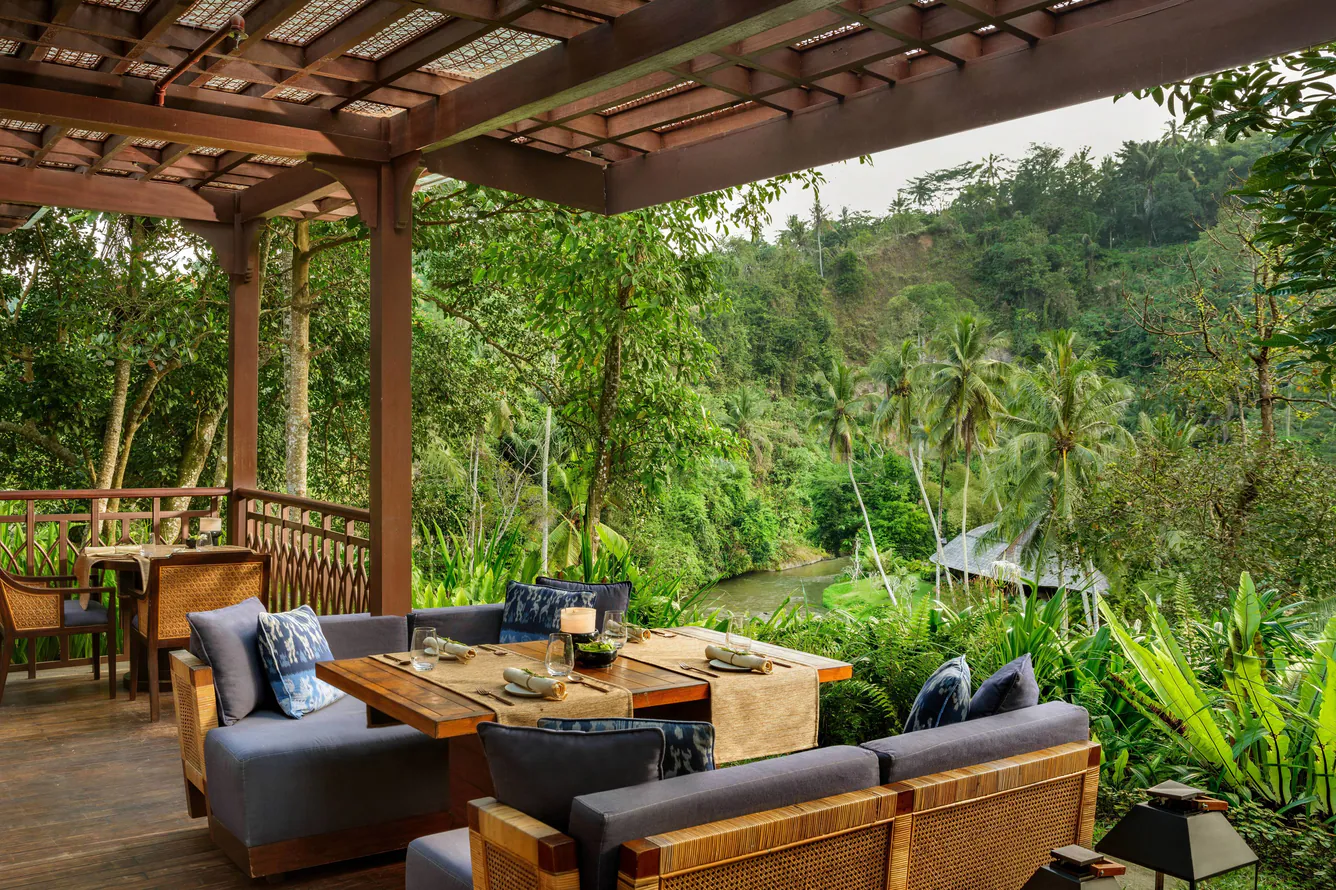
“It is imperative to shield guest rooms from noisy parts of the hotel. Spatial planning must restrict exposure of guest room windows to noisy external areas like event lawns, F&B zones, recreational areas, etc., as no amount of acoustic sealing helps. In noisy environments, it is helpful to resort to introvert planning, wherein visual and acoustic buffers in the form of courtyards, verandahs, and green relief areas play a pivotal role in creating a calm environment for the guests,” Amit & Shalini of ASA Architects add.
The Thought Process
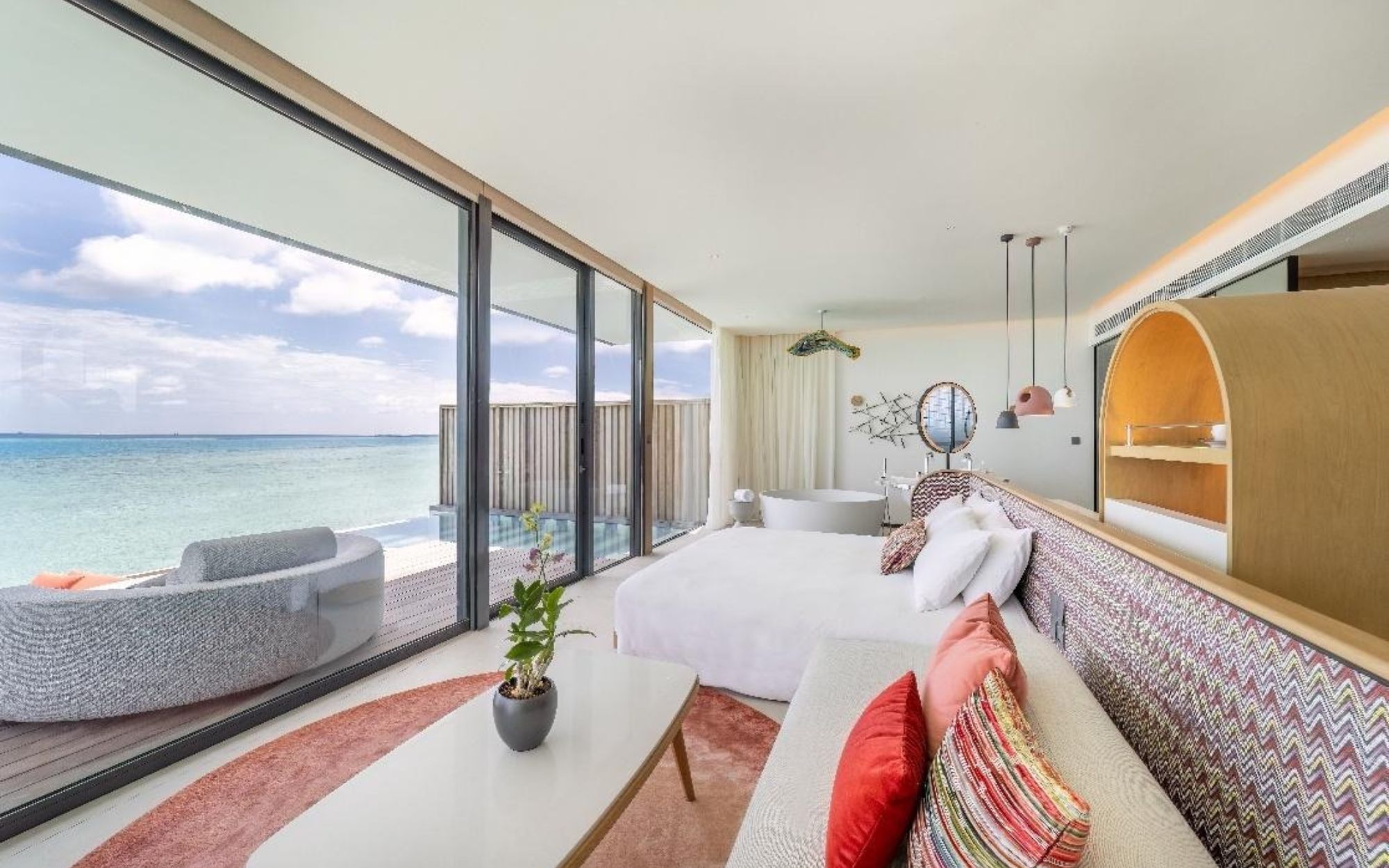
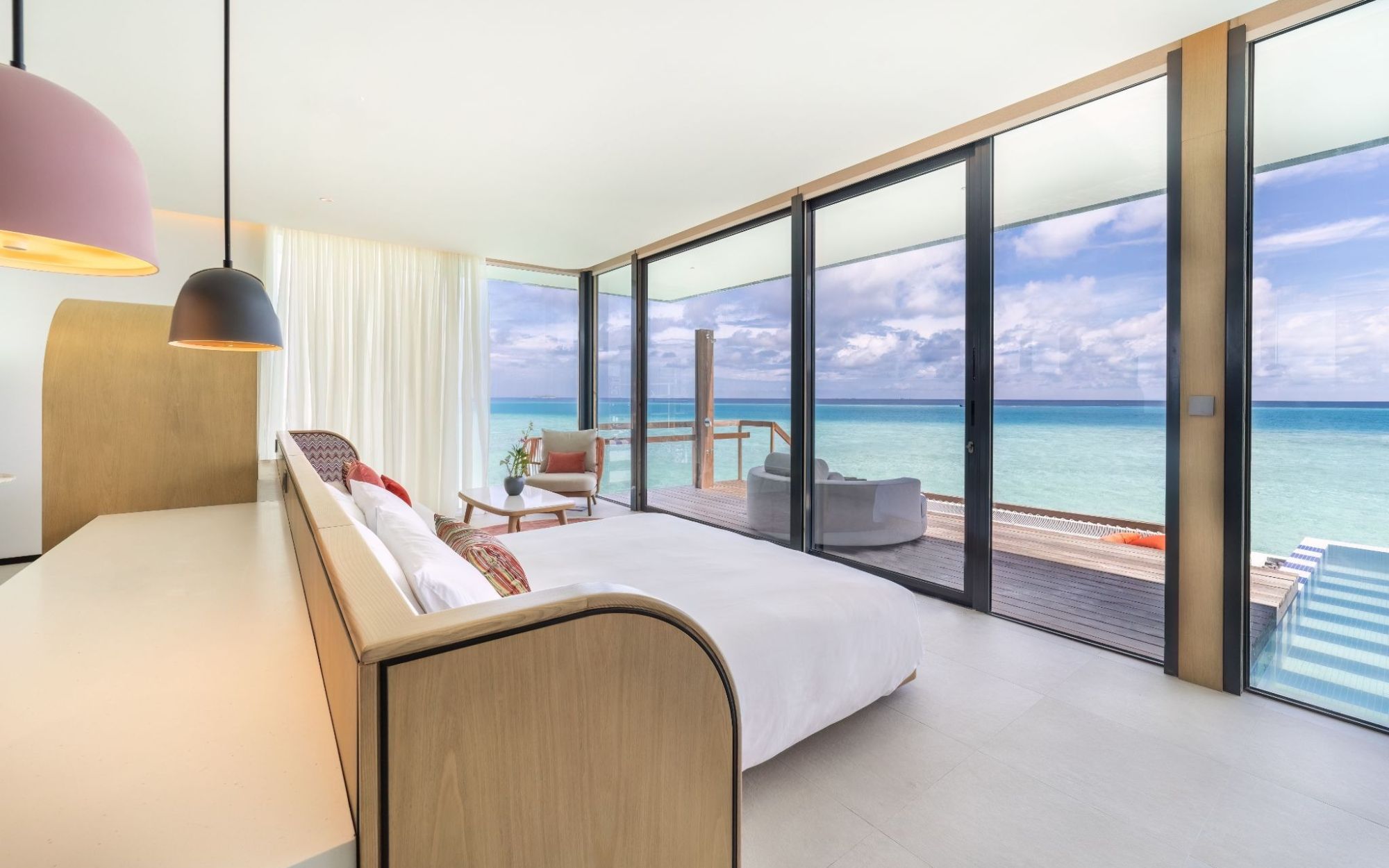
Hotels, too, want to offer areas that help guests settle down, not just in the form of rooms, but also in common spaces. At SO/ Maldives, the island’s natural setting plays an important role. “Barefoot walks along the sand, the rhythm of the waves, and jungle-set spa rituals are complemented by villas designed with sleek open-plan interiors, wide-frontage views, private pools and decks that bring the outdoors in. Adjustable lighting, comfortable bedding, privacy and the natural soundscape of the ocean further support a slower pace for our guests,” shares general manager Olivier Moies-Delval.
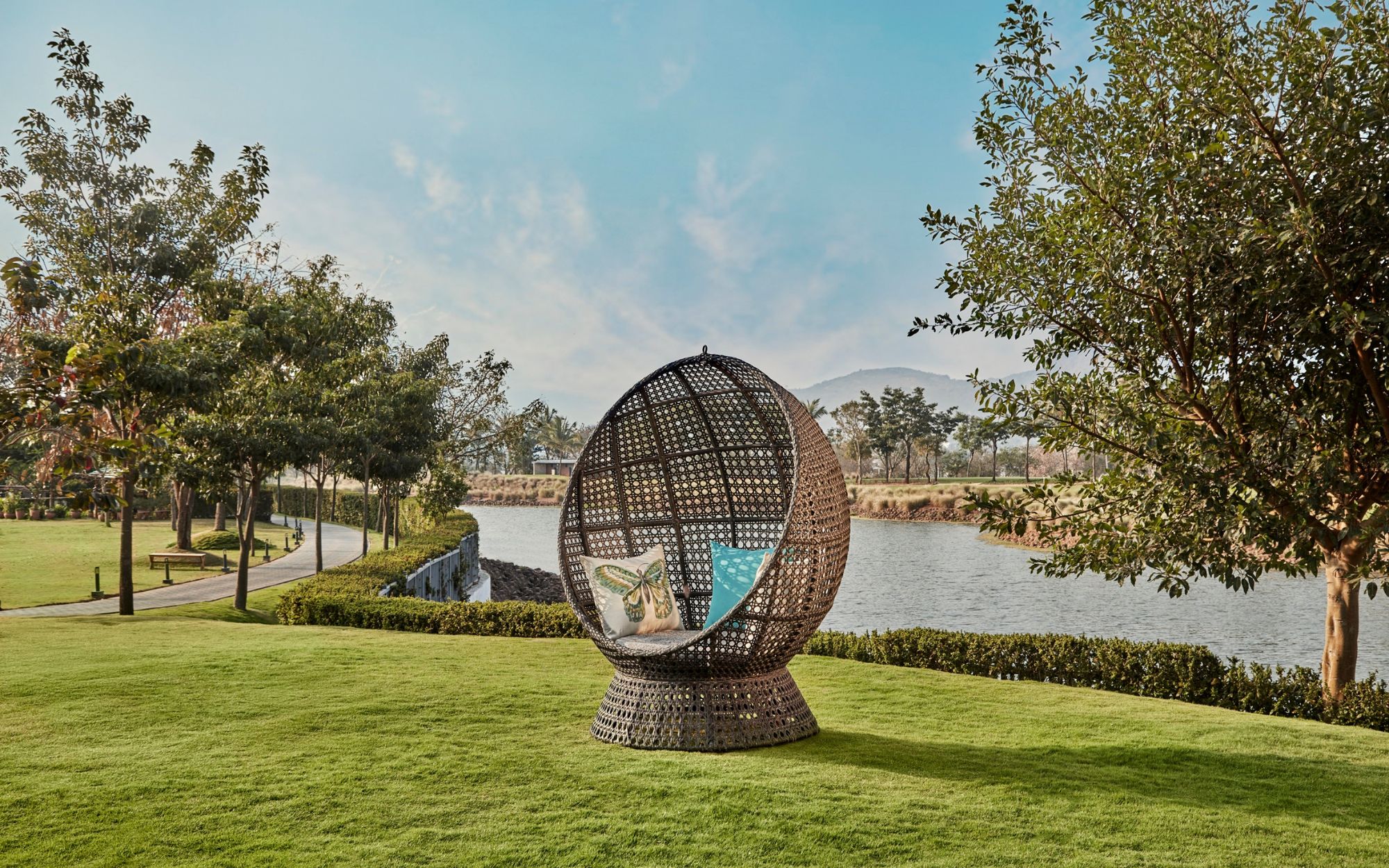
Using its natural setting to further enhance good rest is also a goal at JW Marriott Bengaluru Prestige Golfshire Hotel & Spa, which is set against the expansive backdrop of Nandi Hills. Here, the rooms are designed to feel like private retreats within the larger landscape. “The resort’s ambience encourages intuitive living. We also have Mindful Corners—small spaces created across the property for guests to pause and disconnect,” shares Ronan Fearon, general manager of the property.
Also Read: Experience Guilt-Free Luxury At Patina Maldives
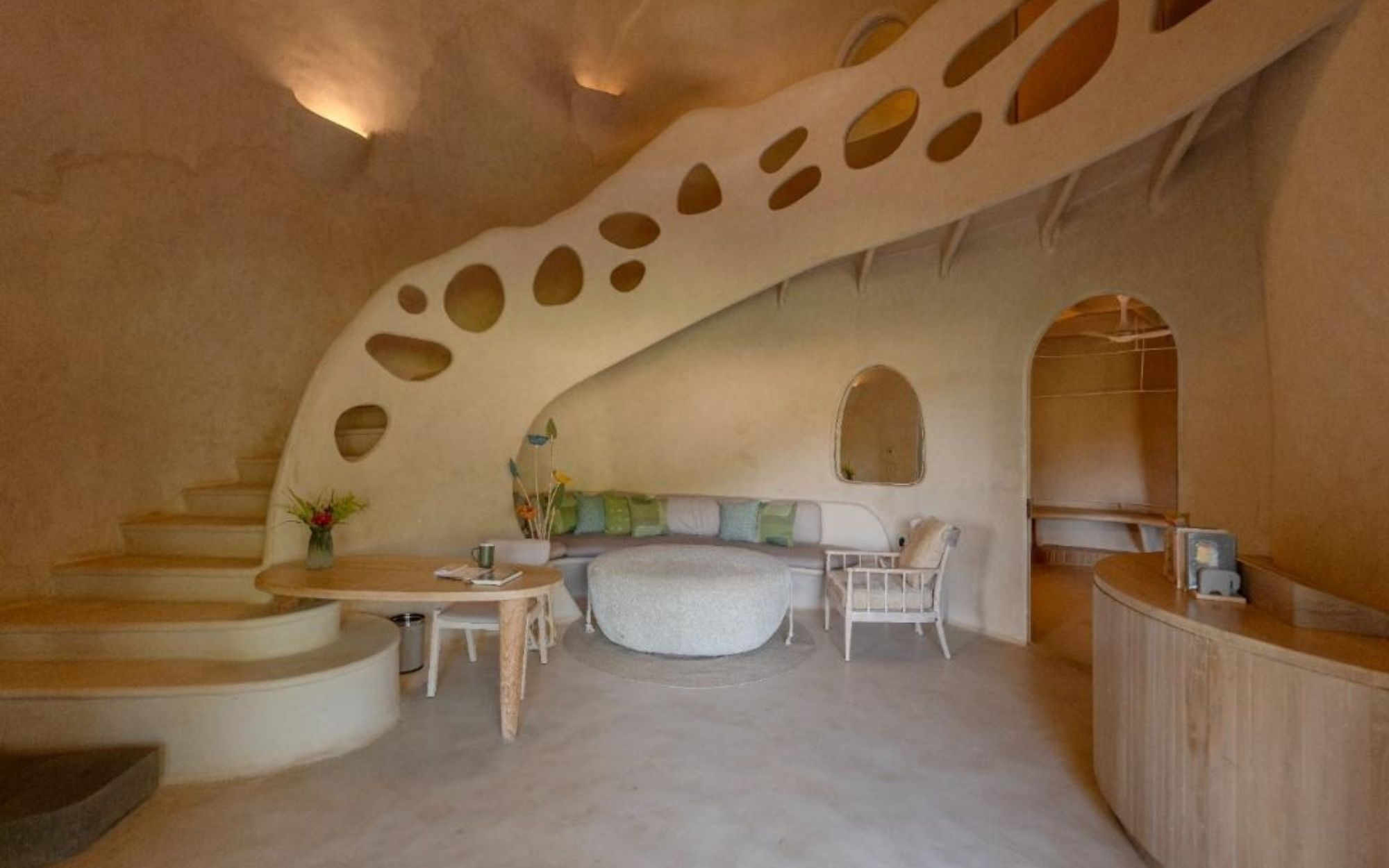
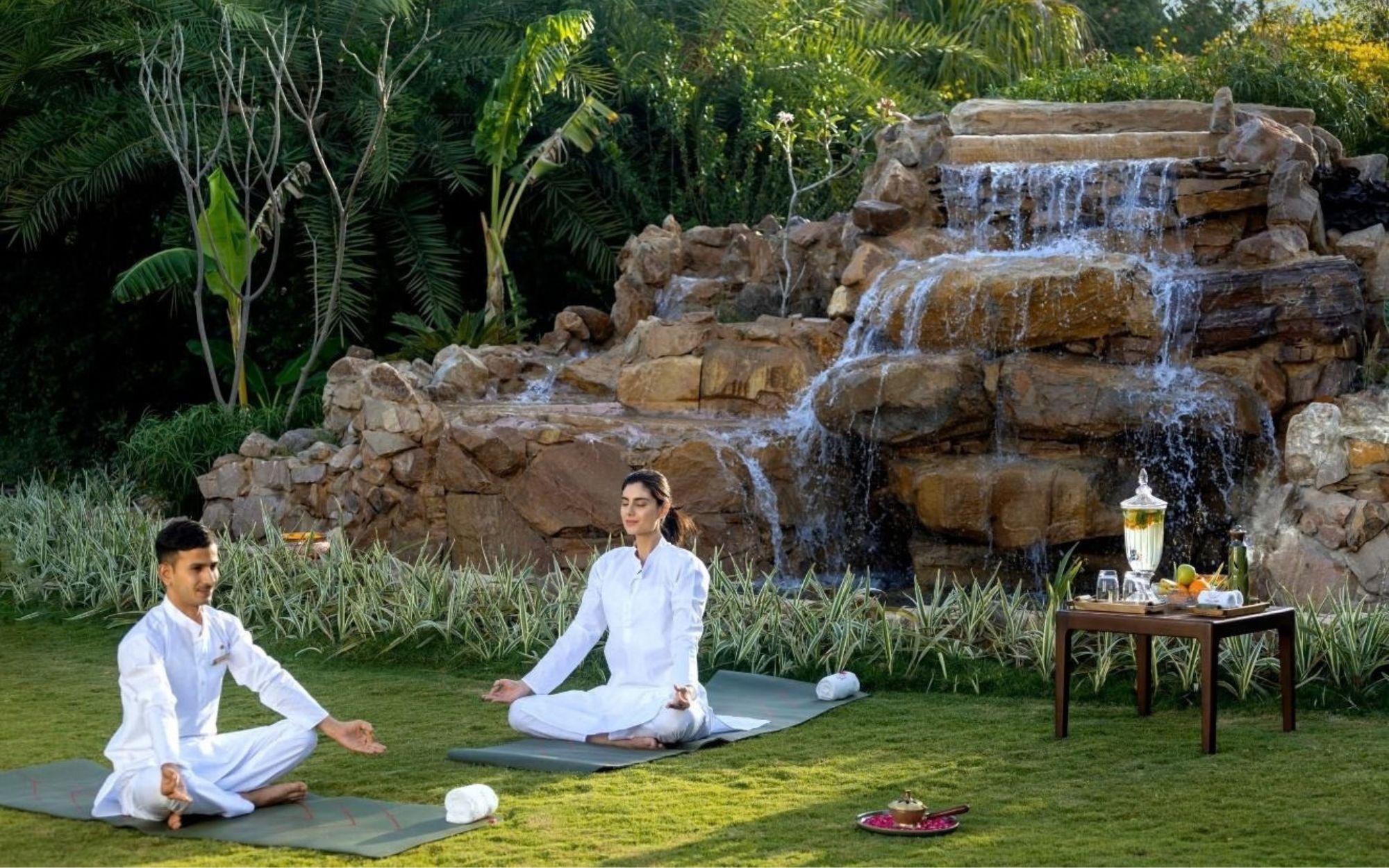
At Swastik Wellbeing Sanctuary, sleep is a key part of the resort’s design. Their residential villas called Guha are conceived like sanctuaries to evoke a profound oneness with the self and create a warm, cocooning environment.
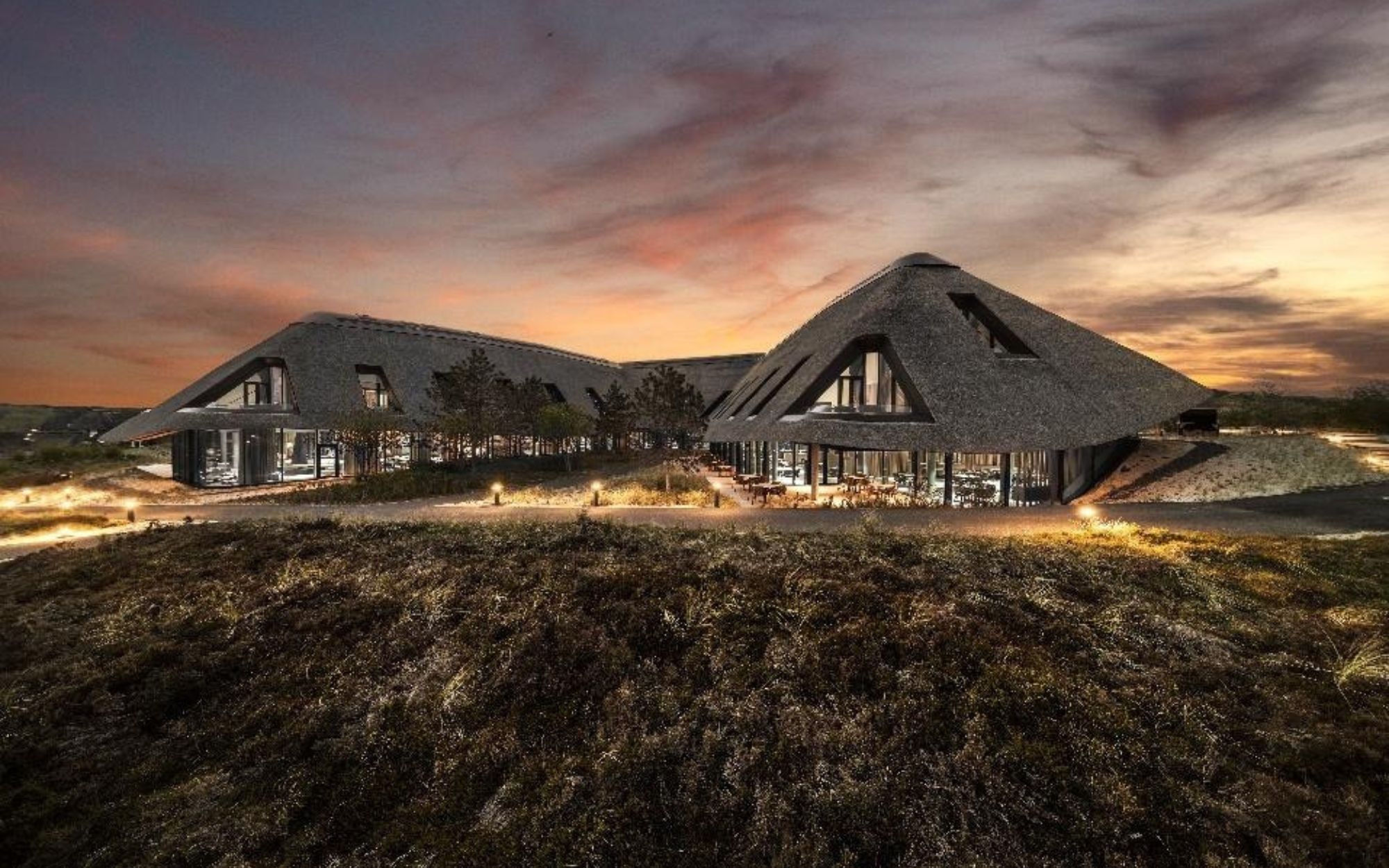
Medically forward retreats, too, take design with utmost seriousness. Eva-Maria Hasenauer, Chief Commercial Officer of the Lanserhof Group, a collection of luxury medical health resorts and spas in Europe, explains that design and space can have a significant impact on sleep because our surroundings influence how easily the body and mind can switch off. “Our understanding of luxury is changing; true luxury today is not only about beautiful interiors or exceptional service, but increasingly about how well a place makes you feel, and how well you sleep. When booking a hotel, guests should look beyond aesthetics and consider whether the environment supports rest, recovery and wellbeing,” she adds.
The Psychology
While hotels and architects explain how rest and sleep factor into their decisions, Dr. Akshata Bhat, who has extensive experience in the field of psychiatry, explains how design impacts the quality of sleep and says that we tend to sleep better in spaces that feel safe and cosy.
“A room that’s designed to be comfortable with minimal interruptions helps with quality sleep. I would encourage a TV-free room. The most comfortable hotels I’ve stayed in have very good soundproofing and excellent bedding, with views that are soothing,” she explains.
So how can guests ensure that they are well-rested on their trips? “As far as possible, pick a location that’s not in a busy area. If you must pick a hotel on a busy street for convenience, ensure that it has good soundproofing. Blackout curtains really help, especially if you’re travelling across time zones. Good foam mattresses at a proper height and hotels that provide a pillow library, minimalistic room design that gives openness, furniture ergonomically designed for ease, calmer colour palettes, are all factors to consider when deciding where to stay,” Bhat concludes.