Rolls-Royce Motor Cars’ Julian Jenkins On How Its Hyper-Personalisation Is Altering The Language Of Luxury
In a conversation with Julian Jenkins, Director of Sales and Brand at Rolls-Royce Motor Cars, we unpack the pertinence, evolution and endurance of the marque.
- 4 Nov '26
- 3:43 pm by Simran Almeida

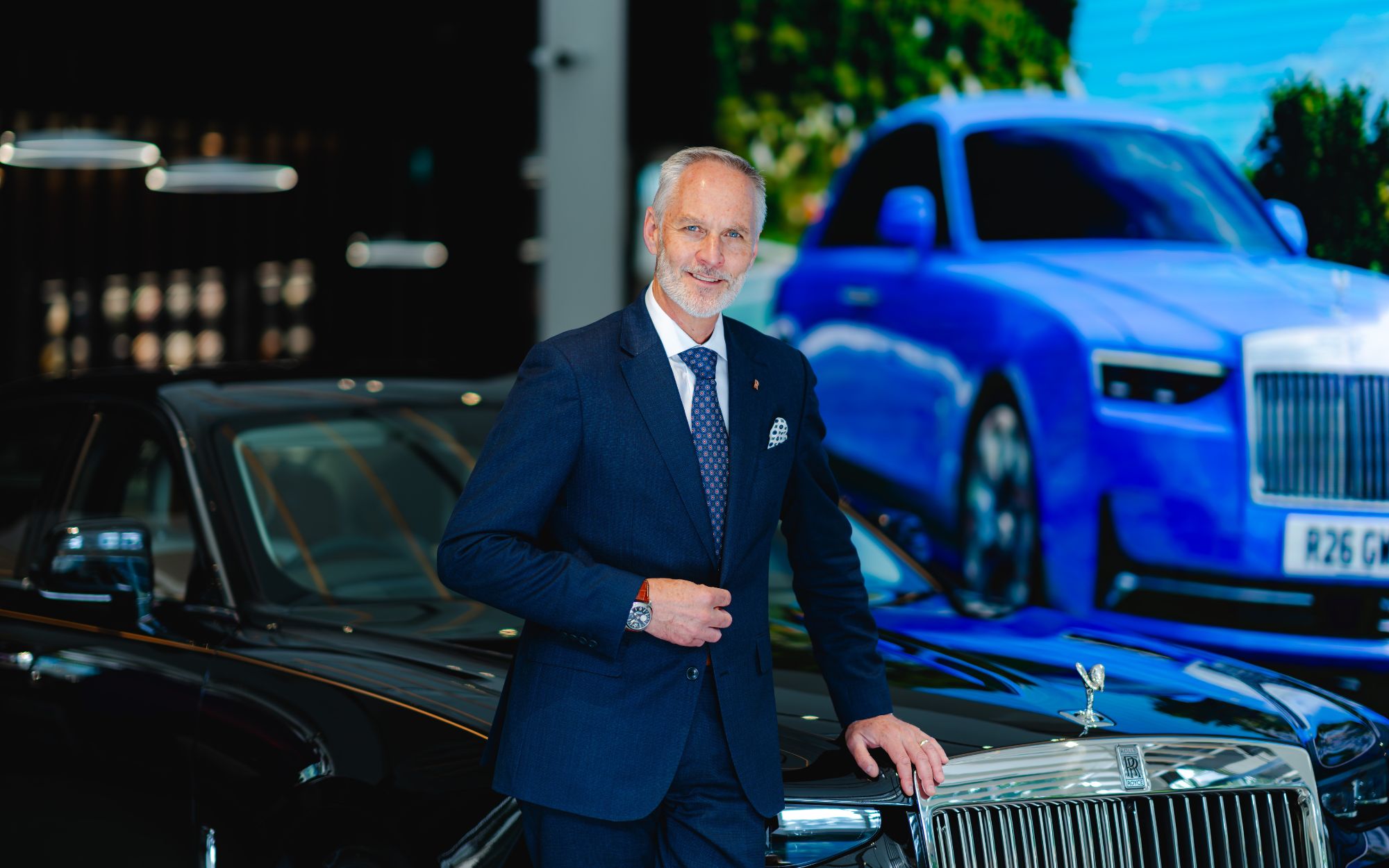
With industrial homogenisation and globalisation on the rise, every person now seems to be ensnared in an existential quest for meaning in every owned object. The consequences of this pursuit? Hyper-personalisation, radical ingenuity and idiosyncratic aesthetics. This evolving taste manifests in every Rolls-Royce. Whether it’s the Phantom V curated for the Duke of Gloucester or the La Rose Noire Droptail, the marque, as Julian Jenkins, the Director of Sales and Brand at Rolls-Royce, puts it, “Bespoke is Rolls-Royce.” At a recent panel in New Delhi, Jenkins, along with Sheetal Jain, Founder & CEO of Luxe Analytics, explored the evolving lexicon of luxury. They interrogated its shifting paradigms in the Indian context, the recalibration of consumer aspirations and purchasing behaviours, and the emergent trends redefining India’s luxury landscape.
To understand the fixation with a Bespoke commission, DP speaks to Julian Jenkins, who is currently serving his second tenure at Rolls-Royce after his previous six years at Goodwood and a recent stint as a Sales Director at BMW UK.
Design Pataki: Rolls-Royce has long been synonymous with the highest echelons of luxury. But as the definition of luxury continues to evolve, how has the brand’s value endured?
Julian Jenkins: Rolls-Royce has been around for 122 years. It was in 1904, the founders came together. It has (the marque) endured by remaining relevant to the audience. If we think back to those early years, there was a motorcar, ‘Pearl of the East,’ the 37th Silver Ghost, actually produced in 1907. It came to India for the 1908 Bombay Motor Show and, at the time, completed a 998-kilometre journey. It was a competition where the drivers were not allowed to repair the car; they actually had an individual sitting on the vehicle. It was a reliability trial, and Rolls-Royce won. From that moment, it was seen as the most reliable and best motorcar in the world. It was a significant title!
When something is described as the Rolls-Royce of its kind, it is considered the very best. As the pinnacle of luxury, our role is to maintain and strive for perfection, yet remain relevant as culture and generations change. From those early days to modern days, entrepreneurs and global citizens have seen an influx of things they experience and what they’re trying to create. So they want to create something in their image, co-created, that they help develop and can call their own.
DP: What does exclusivity mean for Rolls-Royce today?
JJ: I think it means different things to different individuals. But there’s one thing in common: its level of personalisation, particularly in this digital environment. Here, craftsmanship endures. It’s the human touch, the painstaking creation of something, which is therefore valued as a consequence. That’s the difference! At Rolls-Royce, we couple that with experiences, so as an owner, you have the opportunity to engage with the marque across many of the physical activities and also digitally. For instance, we have an app, ‘Whispers,’ allowing our clients to engage with each other. So all of our Rolls-Royce owners—more than 25,000 of them globally —are subscribed to the app, allowing them to connect, while connecting with me personally.
They have a level of access to the brand which is the differentiator and holds tremendous value. To my earlier point, it allows a two-way exchange, where we can learn the trends, influences and thoughts that our clients are having, and what they want to see.
Also Read: The Story Before the Sketch: Rolls-Royce’s Domagoj Dukec on the Future of Personal Luxury
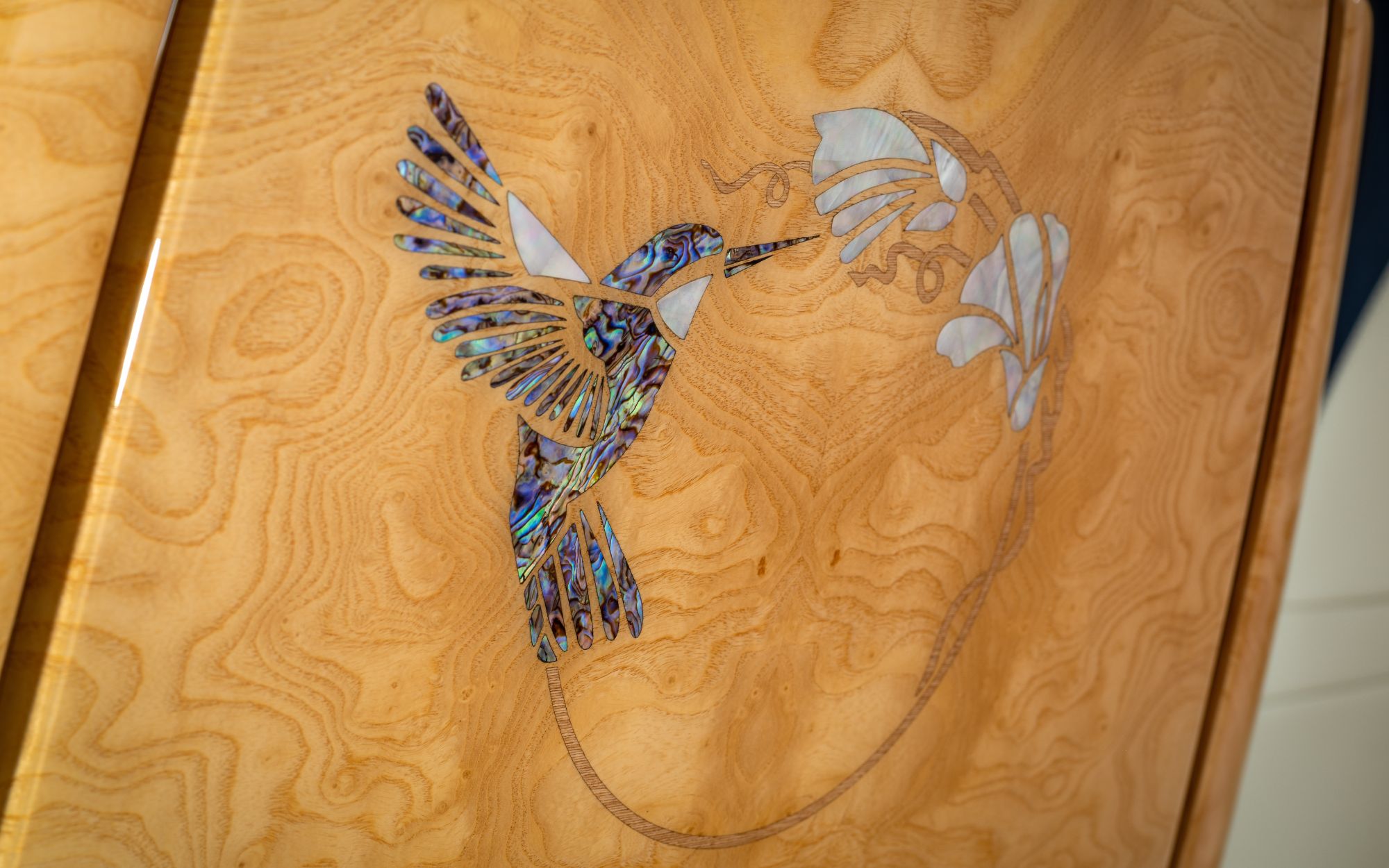
DP: Luxury is becoming a personal expression of identity. What does a commission like the Phantom Hummingbird, with its first-of-its-kind abalone-shell marquetry, tell us about how the aspirations and expectations of a luxury consumer are evolving?
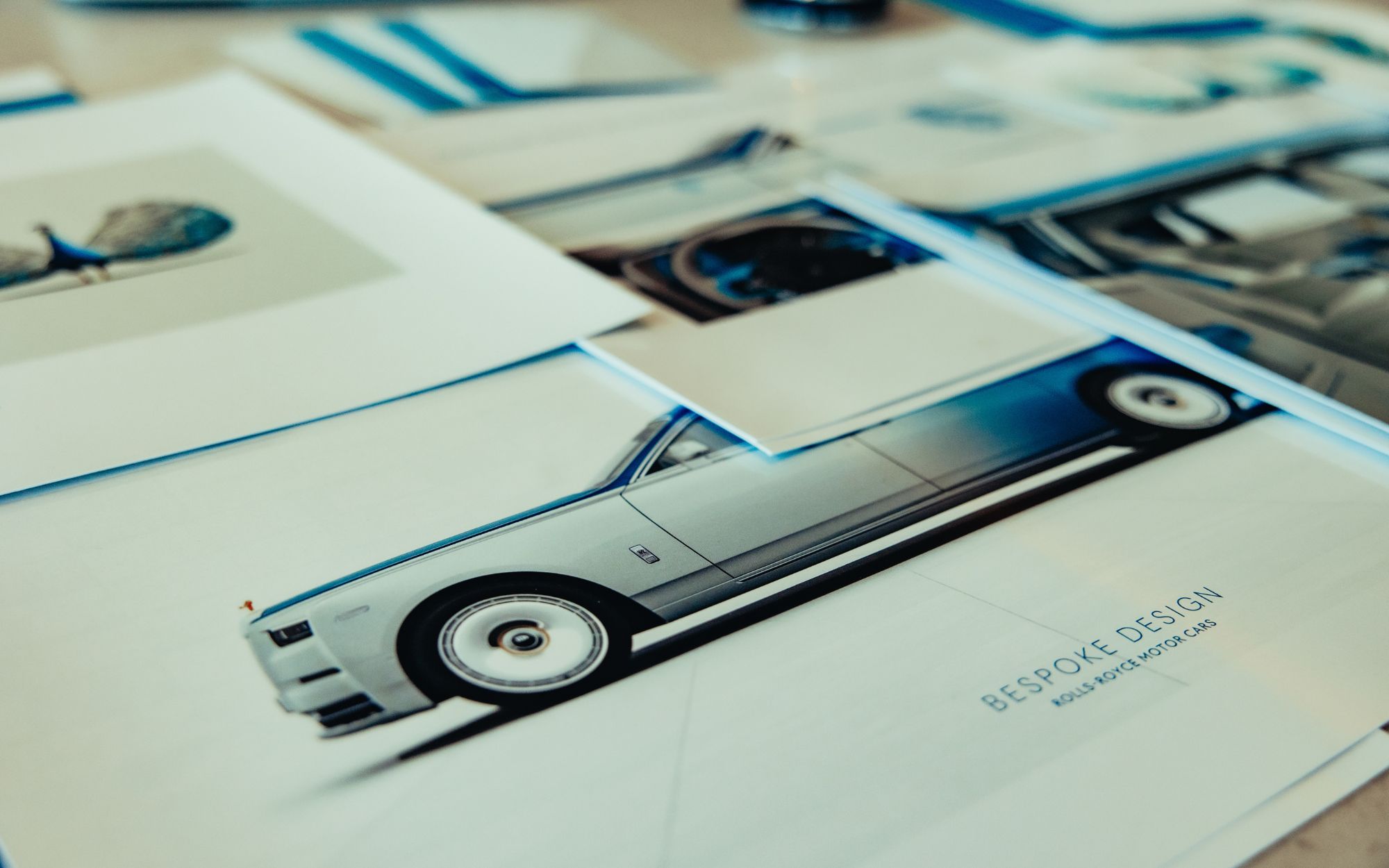
JJ: Luxury is becoming personal, and it’s all about storytelling. For our clients, it’s about using it as a canvas for a piece of art. Whether it’s the Spectre Bailey, where a couple can share something privately yet demonstrate it to others, or Goldfinger—a fabulous story of James Bond—to celebrate the marque’s 60th anniversary. However, to watch its reinterpretation into a Rolls-Royce with the same number plate as the original, and a solid gold bar, is a tremendous piece of storytelling and design which holds great value. Client expectations are becoming more thoughtful and considered. They value authenticity, craftsmanship, and heritage, and want a motorcar which reflects their own individuality. So it’s a coupling of those and sitting with a designer who is translating the client’s ideas into something physical; that is one of the real evolutions we’ve seen in luxury.
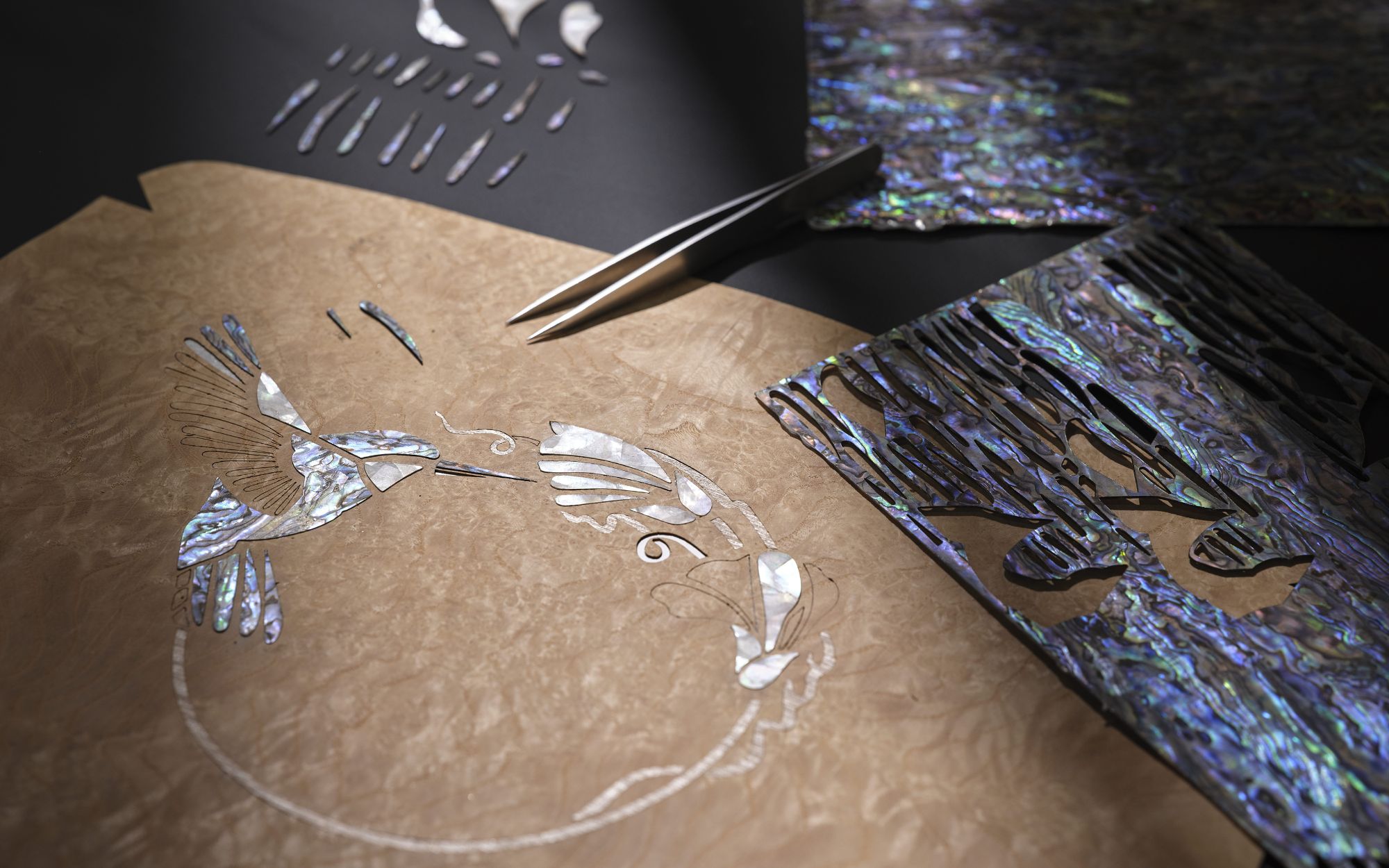
DP: India has a rich legacy of artisanal craftsmanship and material innovation. How do you see this sensibility shaping the future of luxury, particularly as clients seek that reflects their cultural identities?
JJ: It’s the other way our clients are guiding us. In India, omnipresent symbolism, culture, and a sense of reverence lead to bolder colours. This is reflected in the cars; for instance, the 1934 Phantom II, the ‘Star of India Car,’ was in saffron. So this saffron ochre-hued car had a polished aluminium bonnet and fenders. It was quite an impactful motorcar! Inside, there were bespoke elements, back in 1934, with saffron paste coating the dashboard and semi-precious jewels on the seats. Even then, there was this sense of creating something that reflected the identity of India, and it’s the same even today. As we spoke earlier, family traditions, heritage, lineage, occasions, events and weddings can all be captured within a Rolls-Royce.
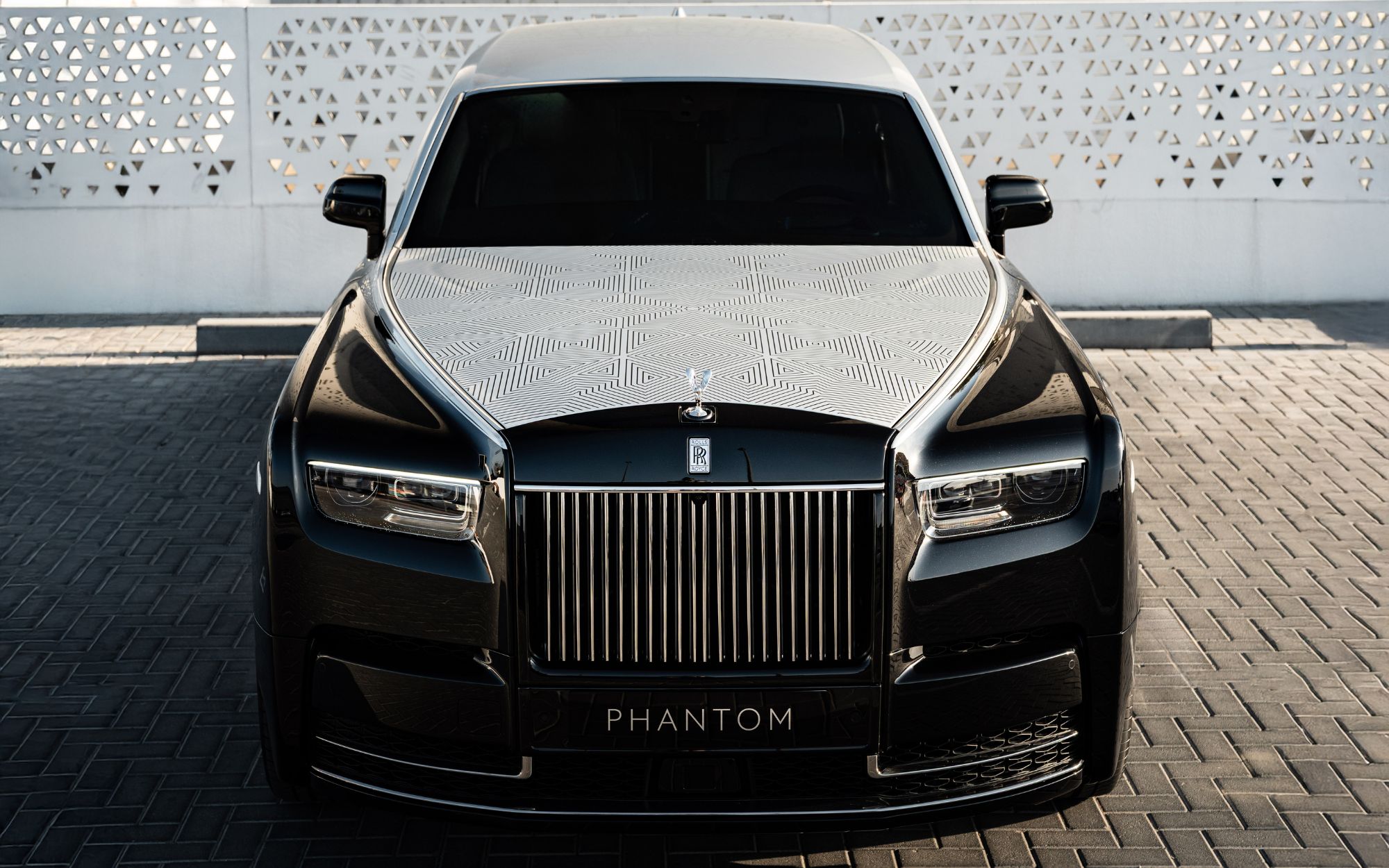
DP: With handmade, provenance and materiality now being the ultimate form of luxury, how is Rolls-Royce rethinking the role of craftsmanship?
JJ: We are challenging ourselves as much as we are being challenged. We are looking at some innovative techniques like laser etching on our bonnet, for example, the Arabesque—a Phantom motorcar we did in the Middle East. It had a unique multi-layer paint, which is laser-etched to bring out an image on the bonnet. The leather used inside can be laser-etched, acrylic-painted, embroidered or perforated. Although there are timeless materials used, we enhance them and challenge ourselves with new materials. We recently put a piece of polished concrete into a motorcar for a client who owns a construction firm, so the connectivity between their core business and the motorcar becomes very personal.
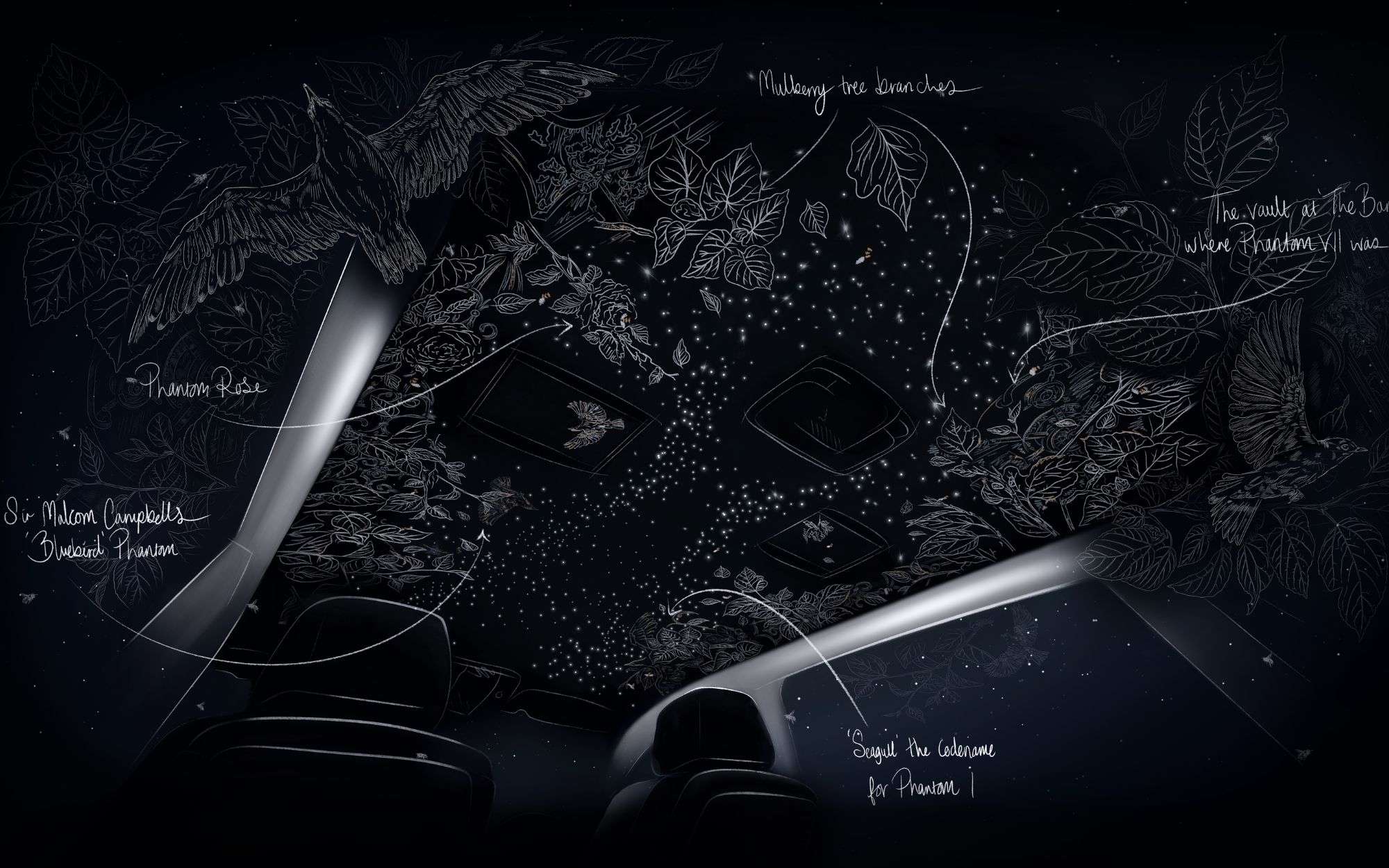
DP: What role does AI play in the marque’s distinct design process, which is personal to every client?
JJ: For us, it’s more about analysis. So far, we use it in processes and systems, particularly in manufacturing and engineering, for consolidating huge amounts of data and input. AI allows us to work with an infinite number of variables and scenarios to ensure every Rolls-Royce is the highest quality and befits the title of the ‘best motorcar’ in the world. From a design perspective, our designers have the core role to play, as bespoke is about the human dimension for the marque. Whilst AI can do many things, it can’t replicate a designer’s mind, which has experience and therefore can bring a different flourish.
Also Read: Rolls-Royce Director Of Design Domagoj Dukec On Redefining Modern Luxury
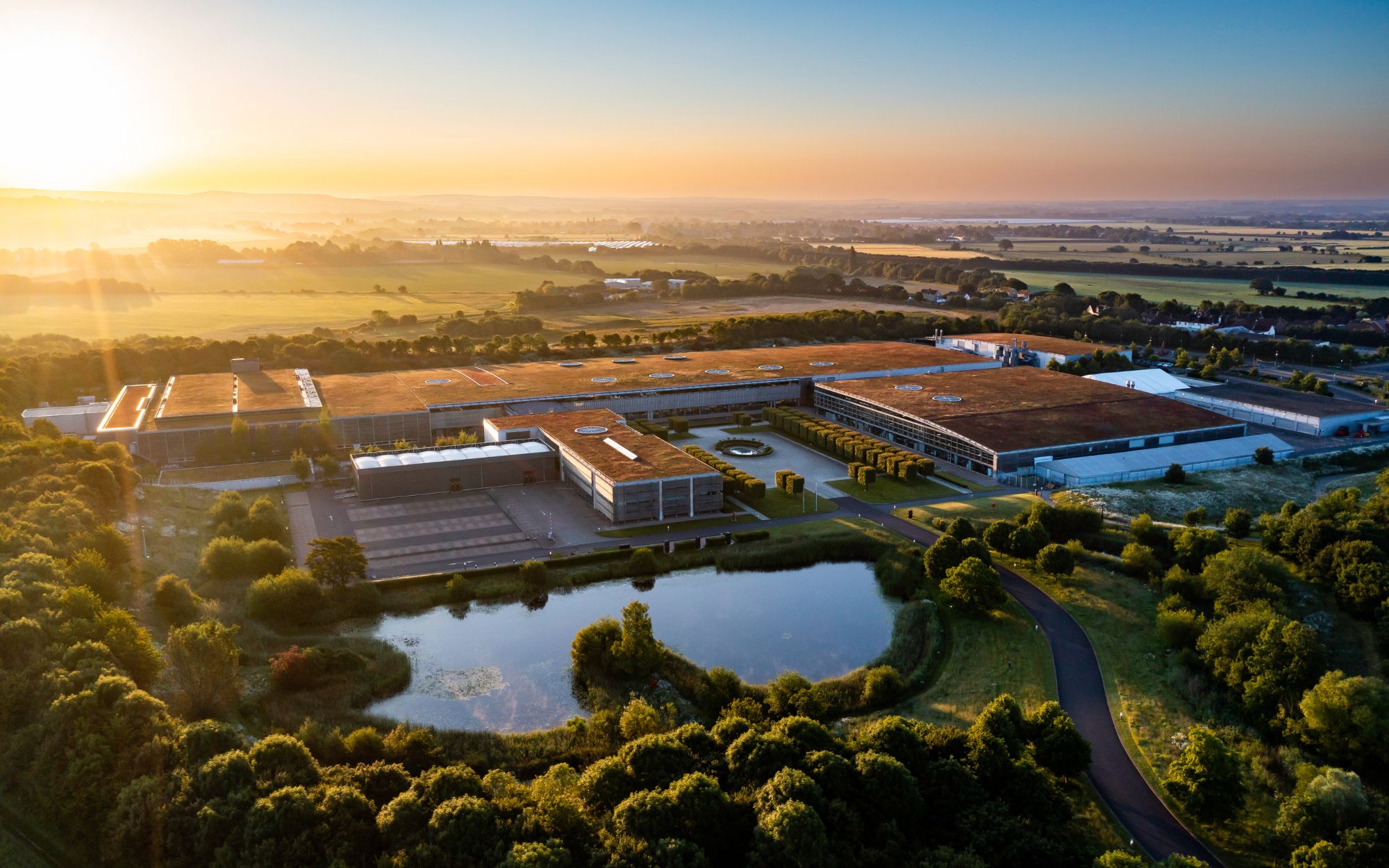
DP: Earlier this year, Esha, our founder, spoke to Domagoj Dukec, Director of Design at the Seoul Private Office, about the role of design, craftsmanship and personal expression. From a brand perspective, what role are Private Offices playing in the changing relationship between luxury, design and the client experience?
JJ: I would describe them as creative hubs. So within the five Private Offices—Dubai, Goodwood, Seoul, Shanghai, and New York—we have a Bespoke designer and client experience manager within each of these locations. The manager works alongside the Bespoke designer to bring the client’s vision to fruition. In the creative spaces, there is an opportunity to have access to more than at a dealership. However, it’s carried out in conjunction with a dealer as they visit the private office along with the client, enhancing their relationship. So this is an almost seamless but exciting journey our clients can be a part of.
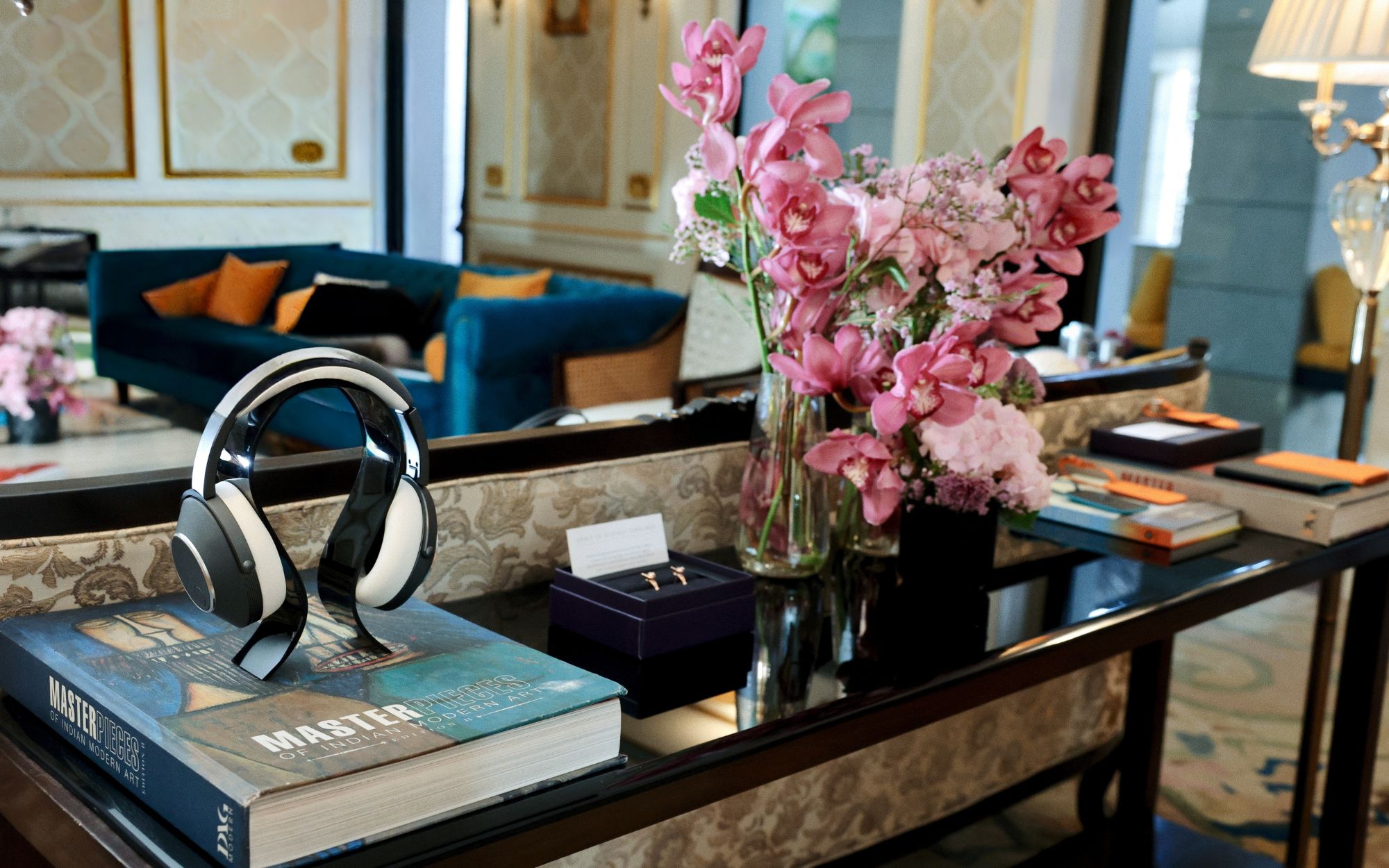
DP: Finally, in a world where trends travel rapidly across markets, what does it take for a marque like Rolls-Royce to remain culturally relevant across generations?
JJ: According to me, one thing that doesn’t change across generations is the appreciation for craft and art. This is the key difference. Technology is certainly here to stay and plays a part, but we interpret, utilise, and integrate it in a thoughtful yet seamless way. Then it is the craftsmanship and the experience of being in an effortlessly silent environment with instant power, like a magic carpet ride—all the characteristics that make a Rolls-Royce perfect. This is what endures! And if you drove in a Rolls-Royce in 1934 or 2026, those characteristics would continue.
Ultimately, as the artificial intelligence menace takes over, the act of making by hand is the newest member of the nostalgia club and the most pivotal one at that. Rolls-Royce understands this yearning for handmade and creating something in collaboration. This is apparent in every Bespoke commission, which channels an enduring desire to create rather than merely consume; to translate memories, cultural identities and personal narratives into objects that are as singular as their owners. In this technologically powered age, perhaps the future of luxury lies in retaining the human touch and the nuances of painstaking craftsmanship.