Art Confidential: Siddharth Somaiya On Building A Future For Indian Art
Art Confidential explores contemporary art through Indian collectors and patrons, uncovering emerging buying trends, artist stories, must-see exhibitions, and the evolving world of art collecting in India.
- 24 Aug '26
- 6:39 pm by Manisha AR

It’s often easier to frame the art world through polarising questions of access and privilege than it is to find meaningful ways to progress the field from within. Siddharth Somaiya has taken that approach to both art education and patronage, focusing on solutions rather than simply listing problems. For him, collecting is less about acquisition than supporting artists and their practices, particularly those who may not have the early support needed to make it through the first few “valleys of death” in a career.
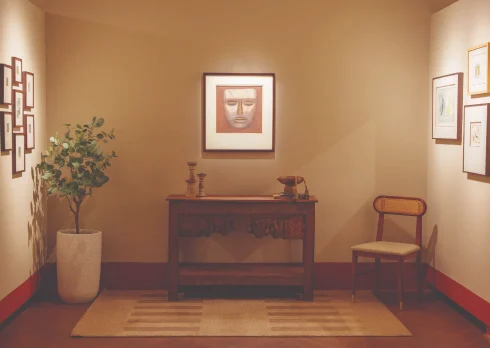
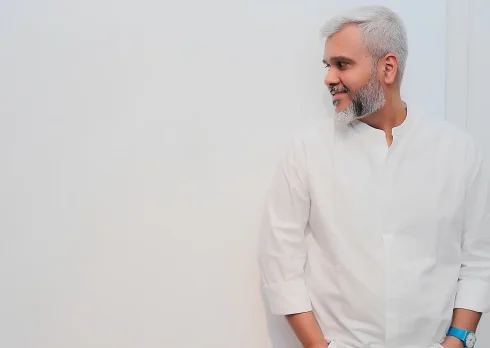
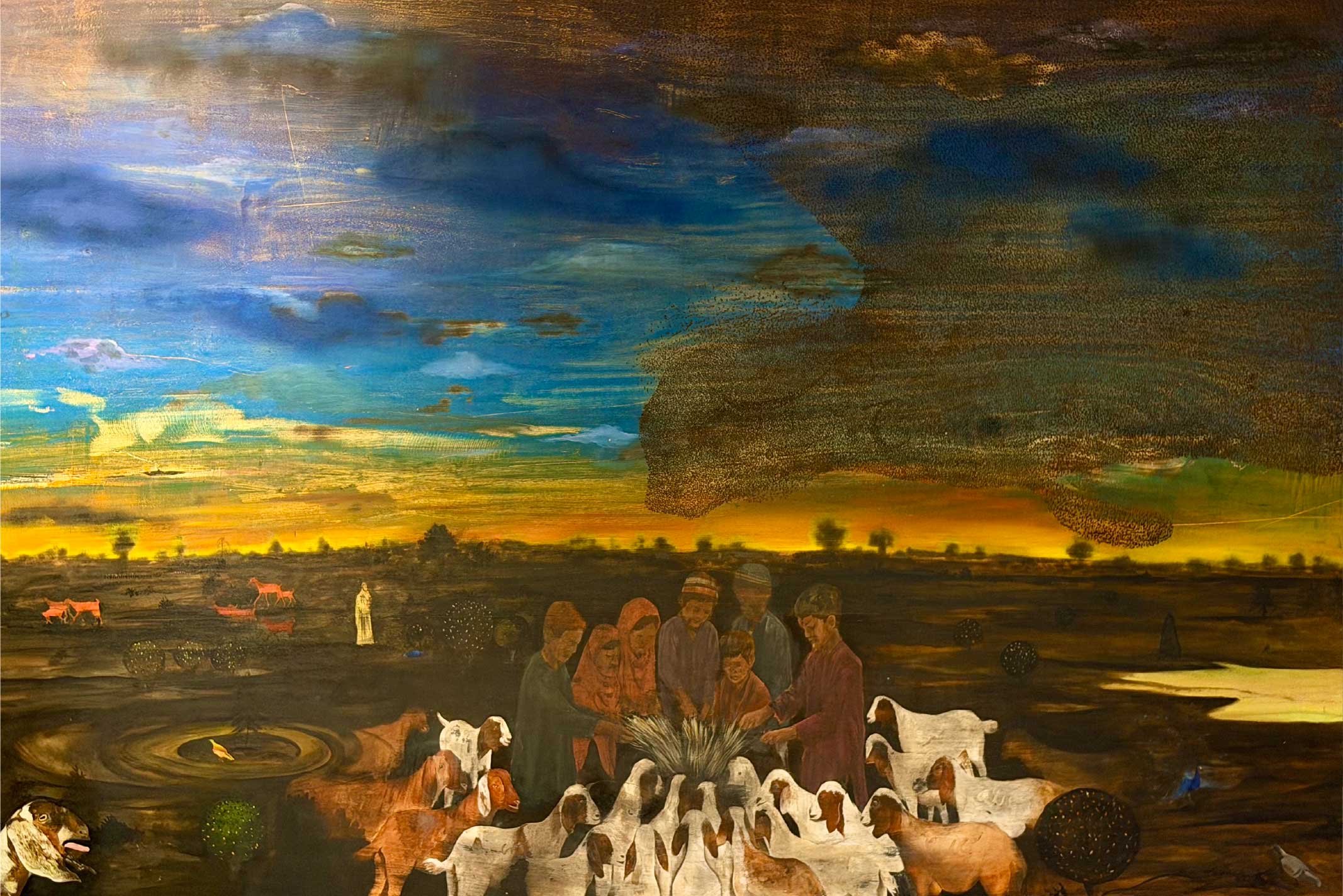
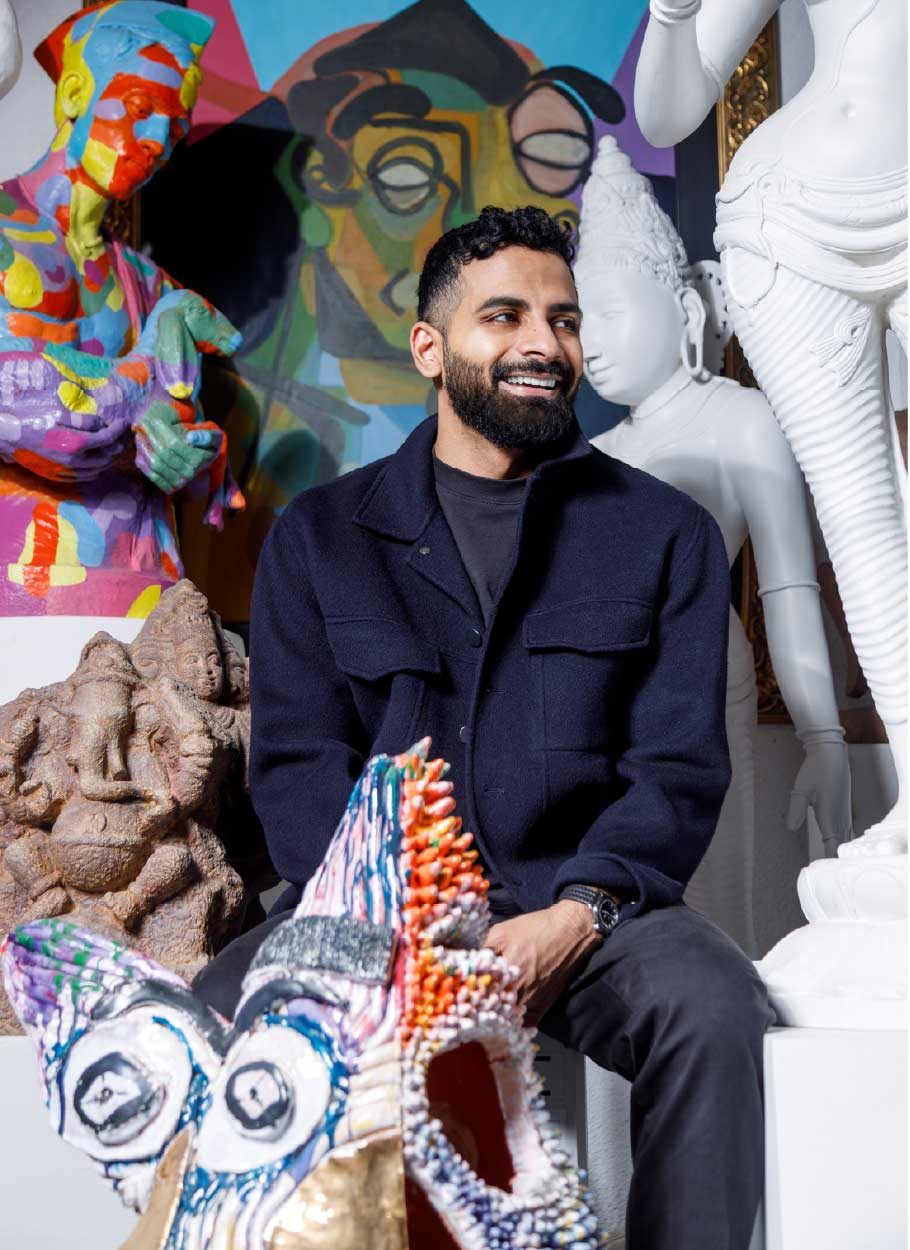
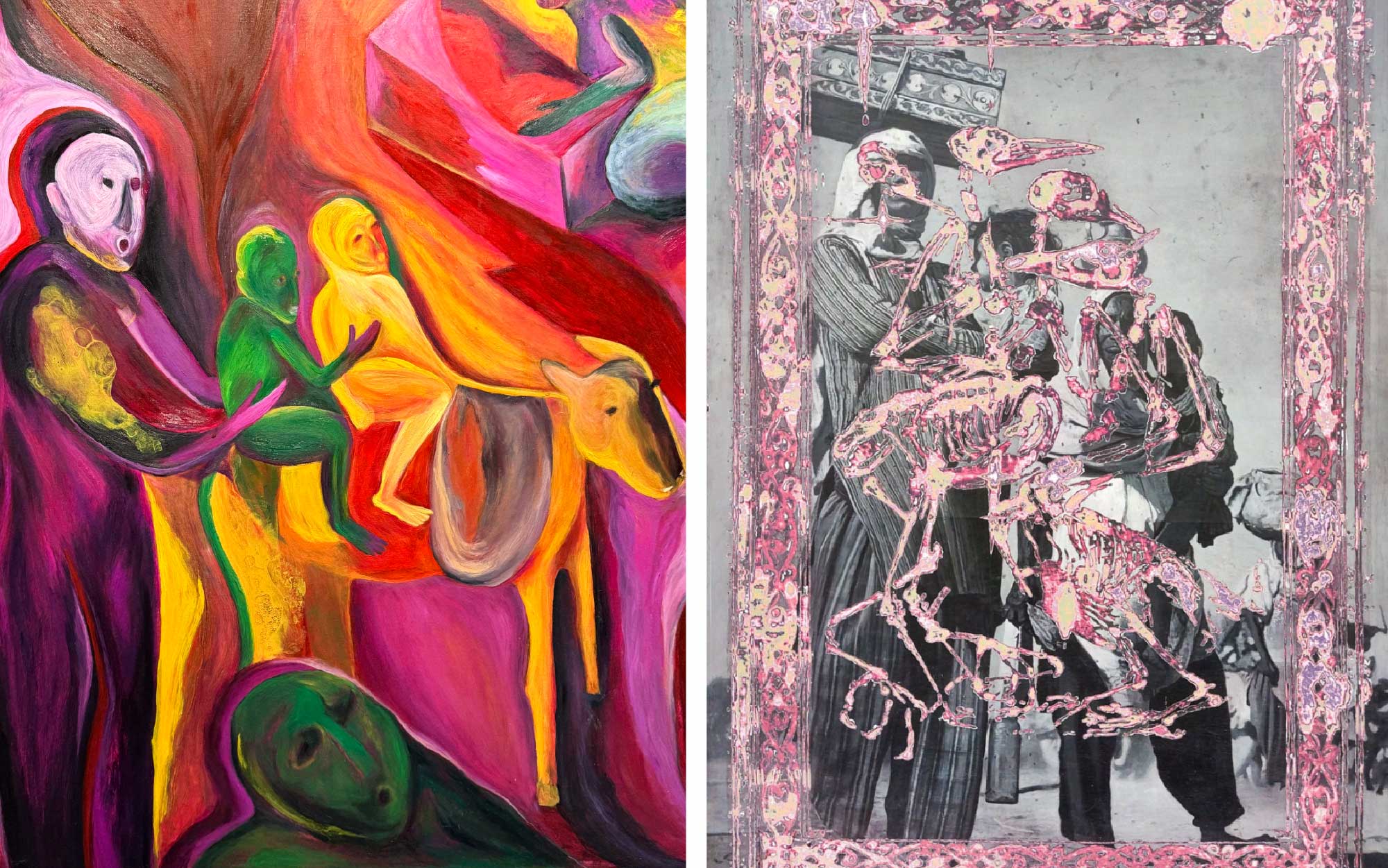
His relationship with art began early, growing up surrounded by his grandfather, Dr Shantilal Karamshi Somaiya’s collection of over 15,000 folios that includes some of the oldest painted manuscripts, sculptures, and pichwai paintings. A businessman, educationist, and patron of Indian crafts, his grandfather instilled in him the idea that patronage goes beyond acquisition. An art student himself, Siddharth holds a BFA in Art & Technology Studies from the School of the Art Institute of Chicago and a Postgraduate Diploma in Curatorial Studies of Modern and Contemporary Indian Art from the Dr Bhau Daji Lad Museum. Since then, he has co-created the IMMERSE Residency and Fellowship with Natasha Jeyasingh, Al-Qawi Nanavati, and Shaleen Wadhwana, and previously served as Chairperson of the Young Members’ Circle at Asia Society India Centre. He currently serves on the Academic Council, Governing Council, and Board of Studies at Somaiya Vidyavihar University. More recently, he founded Eighty Days, a travel planning app. Siddharth’s collection cuts across mediums, generations, and themes, resisting an easy categorisation, including ‘Untitled’ by Hasanali Kadiwala used as the feature image above. Despite this breadth of work and recognition—including a recent place on the Apollo 40 list—he resists the label of collector, preferring patron.
The distinction is central to how Siddharth sees his role as a patron. He recalls a conversation at the Harvard Graduate School of Education about the idea that the freedom to pursue creative work is often made possible by the stability and security created by previous generations. But his experience in India complicates that idea. Here, he has met artists who are children of labourers and migrant workers, making art not because it is a viable career, but because it is an inner calling, “something they have to get out, and the only way they can communicate it is through the hand rather than the mouth.” For Siddharth, the question is simply: “How can I support that? That’s literally my only goal.” In conversation with Design Pataki, we explore what it means to be a patron today, moving from authenticity in works to collecting for the public good, all while rethinking how art is taught in India.
Design Pataki: Can you talk a little about how you mentally separate owning the object from stewarding someone’s livelihood?
Siddharth Somaiya: It’s a conscious decision I make when I put away artworks that I purchase. I don’t want to consume someone’s life, but I want to support it. I feel like I want my collection to be in a public institution and to be viewed as a public good rather than an asset class. A lot of the art I buy is quite intense about what’s going on in the country. As beautiful as some of the objects may be, I don’t know if I want to be surrounded by that all the time.
DP: So it’s more about being intellectually engaged with the piece and choosing works that draw you into a deeper meaning, theme, or subject. Are there things you specifically look for? And what’s something you’ve recently gotten your hands on?
SS: Beauty has never been frivolous. Beauty has been a way to read somewhere beyond normal day-to-day life, right?
So I try to buy (as much as I can) objects that visually take me to a different space.
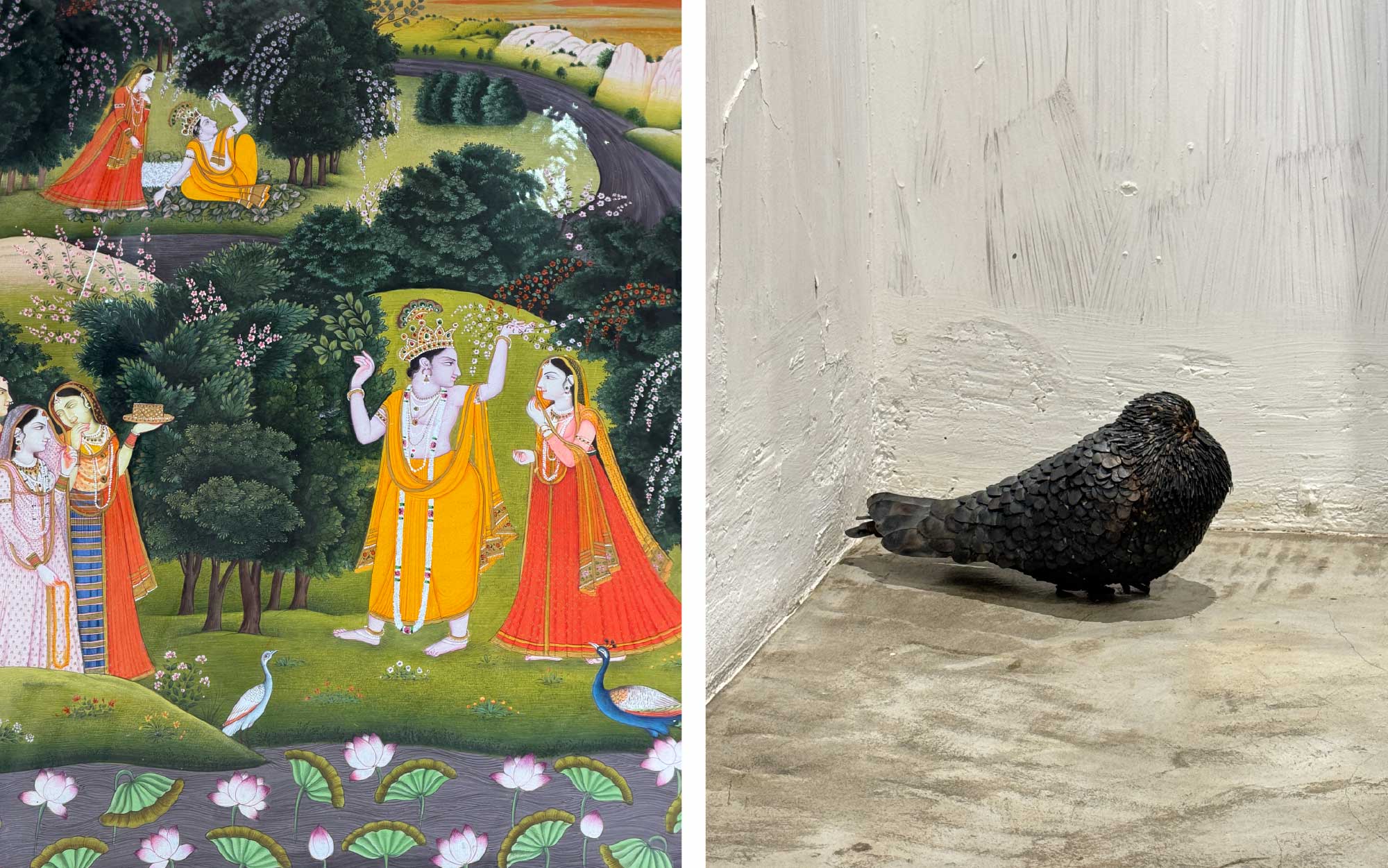
At this year’s IMMERSE, I bought some works. Separately, about a month ago, Anu Chowdhury-Sorabjee put together a show of indigenous art practices from across India, where I bought a beautiful Krishna miniature by Shakir Ali. The artist’s eyesight is failing, so in 5-6 years, he may not be able to work with the same level of detail. That, to me, was really powerful.
For me, what I think I want to do is be a patron, to not just contemporary practices, but also indigenous practices, because they are as important, and maybe more important, because that’s our voice and our language. Maybe this is a hot take or whatever, but I don’t like work that is visually alienating.
DP: What do you think makes a work feel inviting rather than alienating?
SS: I feel like we’re still building an audience for art in India.
If we immediately turn to alienating work, we risk making sceptics of contemporary art even more sceptical. People need to understand and believe in its value.
Take music: punk rock was loud and aggressive—and it was meant to be, a rebellion against music itself. But those moments became turning points. That’s how I think about art. Its role is to take you somewhere different and, if you’re curious, open up new ways of thinking about life.
Ultimately, I think we need to do that in our own vocabulary, an Indian vocabulary. And I don’t mean that reductively, as in, “You must make a miniature painting.” It’s about understanding how to use the brush and the paint, and then developing a style of your own.
I’ve been spending time studying art schools and their curricula across India, and I think the first step is to create a database of the practices we recognise as art, identify the masters within those traditions, and then break their knowledge down into a curriculum.
DP: Where do you usually buy your art from?
SS: I buy from anywhere. Literally anywhere. My family runs a school for a rural community in Rethi, Madhya Pradesh, and while I was there, a Gond artist showed me some work. I asked him to explain it because I didn’t want to buy it just because it was pretty. For the first 15 or 20 minutes, he was cagey or perhaps shy, but we ended up sitting together for about three hours.
He told me stories about the Gond people, including their beliefs surrounding the first inhabitants of the planet. I realised there was all this indigenous knowledge I had never encountered before.
I don’t really care about the economic value of art, which is probably bad. I can think of 10,000 other ways of making more money than storing an asset, making sure it doesn’t get fungus, and hoping it becomes valuable one day.
I think one has to be a patron of culture, because without culture, there is no society. Ultimately, societies are judged by the art and the technology they create
Also read: Three Artists Who Are Shaping Bhutan’s Contemporary Art Scene
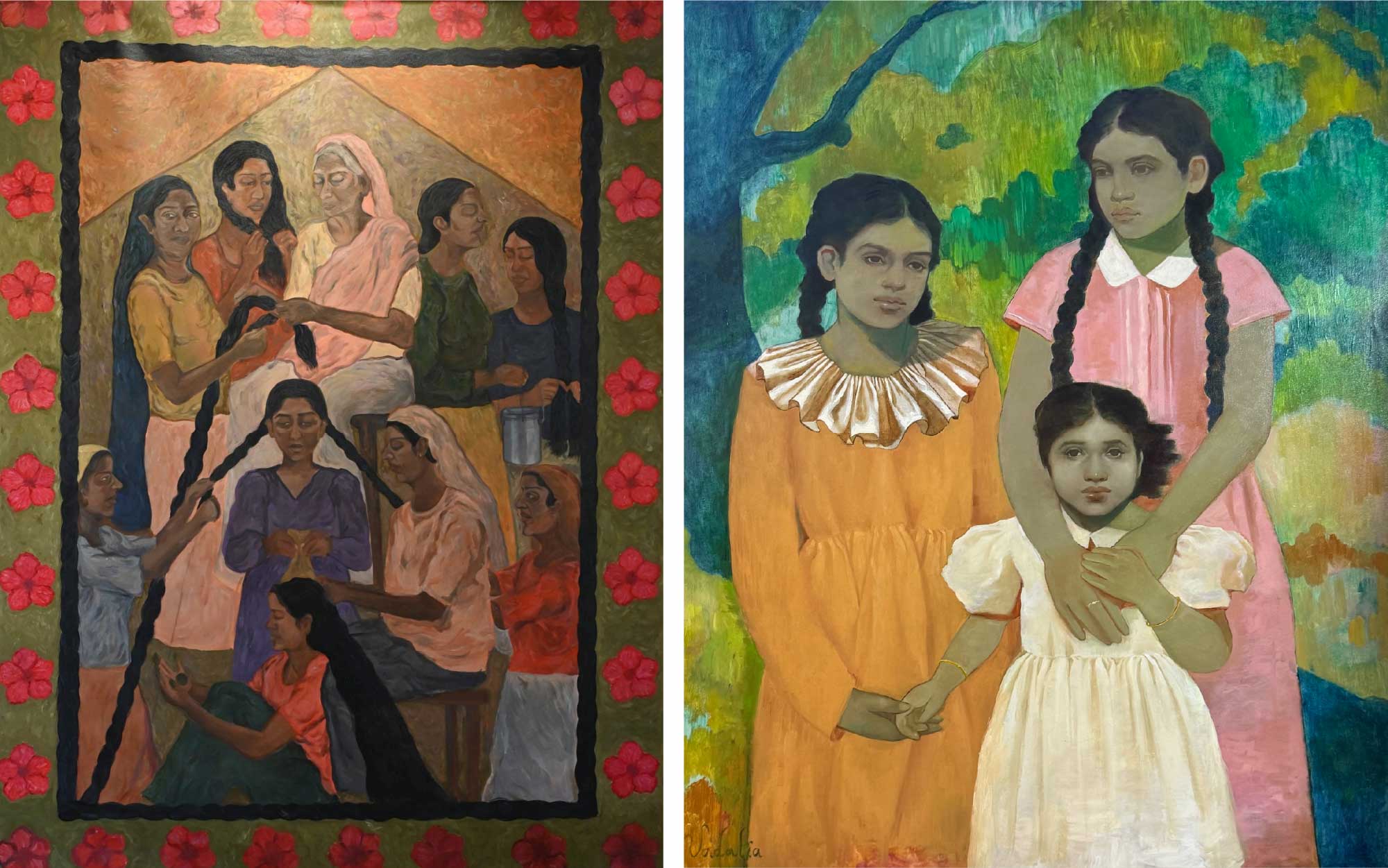
DP: Your collection has moved from NBA Street and street art to miniatures and Gond work. All very different visually, but perhaps still connected by the story and context. Has your taste changed, and does the medium matter to you?
SS: I liked street art because I loved what they were trying to say and how contextual it was, and I’ve consistently bought art that isn’t typically mainstream. I’ve never really been attracted to buying modern art. I don’t believe I should be supporting a dead artist, you know what I mean? And as for medium, I don’t really care anymore. Maybe earlier I was focused on paintings, but now it can be a sculpture, print, video, photograph—any medium. I care more that the artist has authenticity in their voice, their practice, and their lived experience that they’re trying to communicate.
DP: When you say “authenticity,” what does that mean to you?
SS: I need a relationship. I need a face. I need a conversation. I want to know what it’s about. For me, it’s a gut instinct. You can usually tell when someone’s being truthful, and that instinct has developed over time from looking at thousands of portfolios a year through IMMERSE and other collaborations. My taste has changed dramatically. The early works I bought had, I think, limited rigour in their practice. Today, I’m better able to tell whether an artist is being authentic to their practice.
Sometimes artists go in multiple directions early on, and it’s nice to see that. Once they’re represented by a gallery, their aesthetics can become more stable. But I feel like stable aesthetics can be a jail too, because people keep expecting that aesthetic.
Maybe you can never break out of the style you’re known for, because ultimately, many people buy art as a status symbol. And then you’re (the artist) in a jail, in a jail of your style.
DP: And then, okay, if there’s one systemic thing—I know you’ve already mentioned education, but if you could change one thing about the current model of art patronage and collecting in India, what would that be?
SS: I don’t think our artists are getting enough time with collectors to talk about their practice and work. Art has become almost like content, and in the process, it’s sometimes losing its true purpose: to be a mirror of society and represent it meaningfully.
I do think that we need more of an audience to engage with art at a deeper level. To allow more people to become artists, believe in making a living out of it, and to deepen us as a society.
Plus, I think Indian art schools should have art appreciation in their programmes. All colleges should. You know, how many millions of students graduate from college every year? A million and a half students, say, graduate from college every year. Imagine if 20% of them had arts appreciation. This could have a dramatic impact. How many more collectors would there be in India today? The funnel has to be bigger.
DP: Can you tell me about one recent studio visit that completely changed how you think about where contemporary art in India is heading?
DP: The first was with Ajaysingh Bhadoriya, a ceramicist. He was telling me about a colour made by Lubna Chowdhary, and how he could never make it in his own studio because the kilns in certain spaces don’t get hot enough. It got me thinking about how infrastructure can limit us physically, but not necessarily in our imagination.
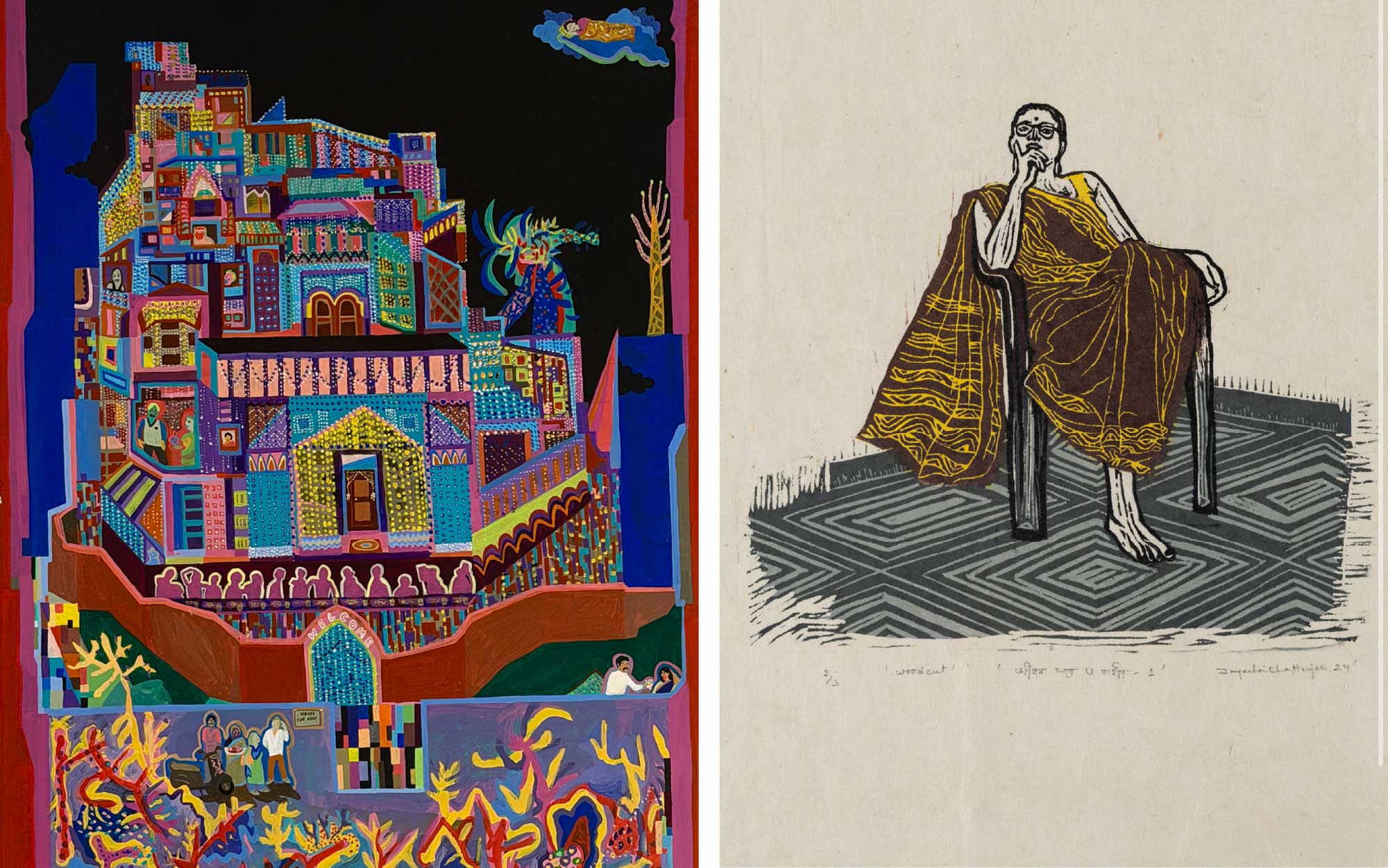
The second was Anila Govindappa. I’ve visited studios thousands of times, but this one was particularly memorable because he did a woodcutting workshop with us at Chemould CoLab, Mumbai. When I studied at SAIC, you’d typically put a woodcut into a hydraulic press. This artist was pressing it by pushing his hand to the bottom of the bowl, wild! I was thinking, man, you must be getting so tired. Imagine if he were not limited by his body? Could he create more scale? Could he create more work?
I’m more concerned with the fact that we don’t have a glass ceiling in our imaginations, but we do have one in terms of infrastructure. I’m keeping my eyes open to understand what infrastructure exists today that needs to be brought here, so we’re not limited by anything physically.
Also read: In Conversation With Raki Nikahetiya On The Highest Regenerative Art Biennale
DP: Are there any upcoming shows or events you’re looking forward to?
SS: I’m always excited for IMMERSE. There’s also the Banaras Craft Biennale in November, and India Art Fair is hosting a regional pop-up event in Ahmedabad. I’m really looking forward to that because I love things happening outside the epicentres of Bombay and Delhi.