A New Kind of Retreat: Swastik’s Approach to Regenerative Wellbeing
Swastik Wellbeing Sanctuary rethinks the wellness retreat as an opportunity to regenerate, bringing together Ayurvedic healing, contemporary health science and nature for lasting change.
- 7 Oct '26
- 3:45 pm by Manisha AR

When it comes to well-being, we often look for quick fixes: a hack, a treatment, an hour at the spa, essentially temporary indulgences that offer immediate relief before we return to our lives. A massage or spa day may leave us restored, but the effect can be fleeting. If the intention is lasting change, perhaps what we need is not another escape, but a chance to regenerate.
At Swastik Wellbeing Sanctuary, regeneration is at the heart of the experience. Rather than offering a temporary reset, the sanctuary takes a holistic approach to detox, designed to restore internal balance, build mental resilience and reconnect us with our vitality. By slowing down and stepping away from the routines that leave us depleted, the aim is to re-engineer how we live, so we don’t always need to escape to feel our best. Founded by Dr. Nitin Nyati and directed by Anushree Nyati, Swastik envisions wellbeing as a “lifelong journey of transformation rather than a temporary escape.”
The experience brings together traditional Ayurvedic Panchakarma with contemporary health science, creating an approach rooted in ancient wisdom yet relevant to modern life. In dense urban environments, access to expansive green spaces and the sense of calm they naturally create has become a luxury.
Also read: Serve With A View: These Racquet Retreats Come With A Stunning Backdrop
How to Get There
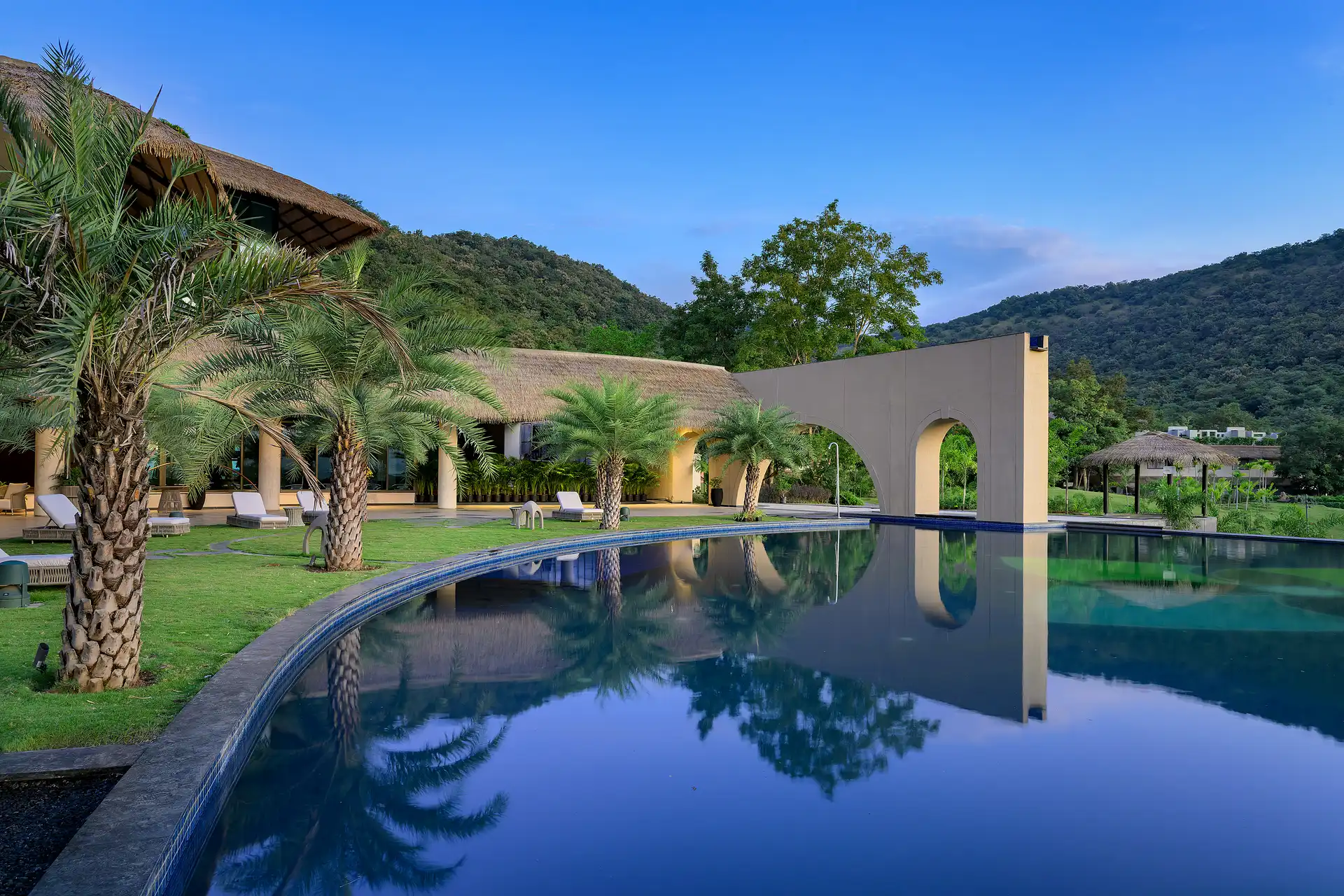
Located in Peacock Valley, Khadakwasla, Swastik Wellbeing Sanctuary is about an hour by road from Pune and roughly three-and-a-half hours from Mumbai. The sanctuary overlooks Khadakwasla Lake, with the Sahyadri hills unfolding beyond it, making the journey into the landscape part of the retreat itself.
For those travelling from further afield, Pune International Airport is the most convenient option, approximately an hour’s drive away. The length of a stay depends on the programme, with shorter wellness experiences available for a few nights and more intensive programmes extending to 14 or 21 nights.
A Landscape That Shapes The Experience
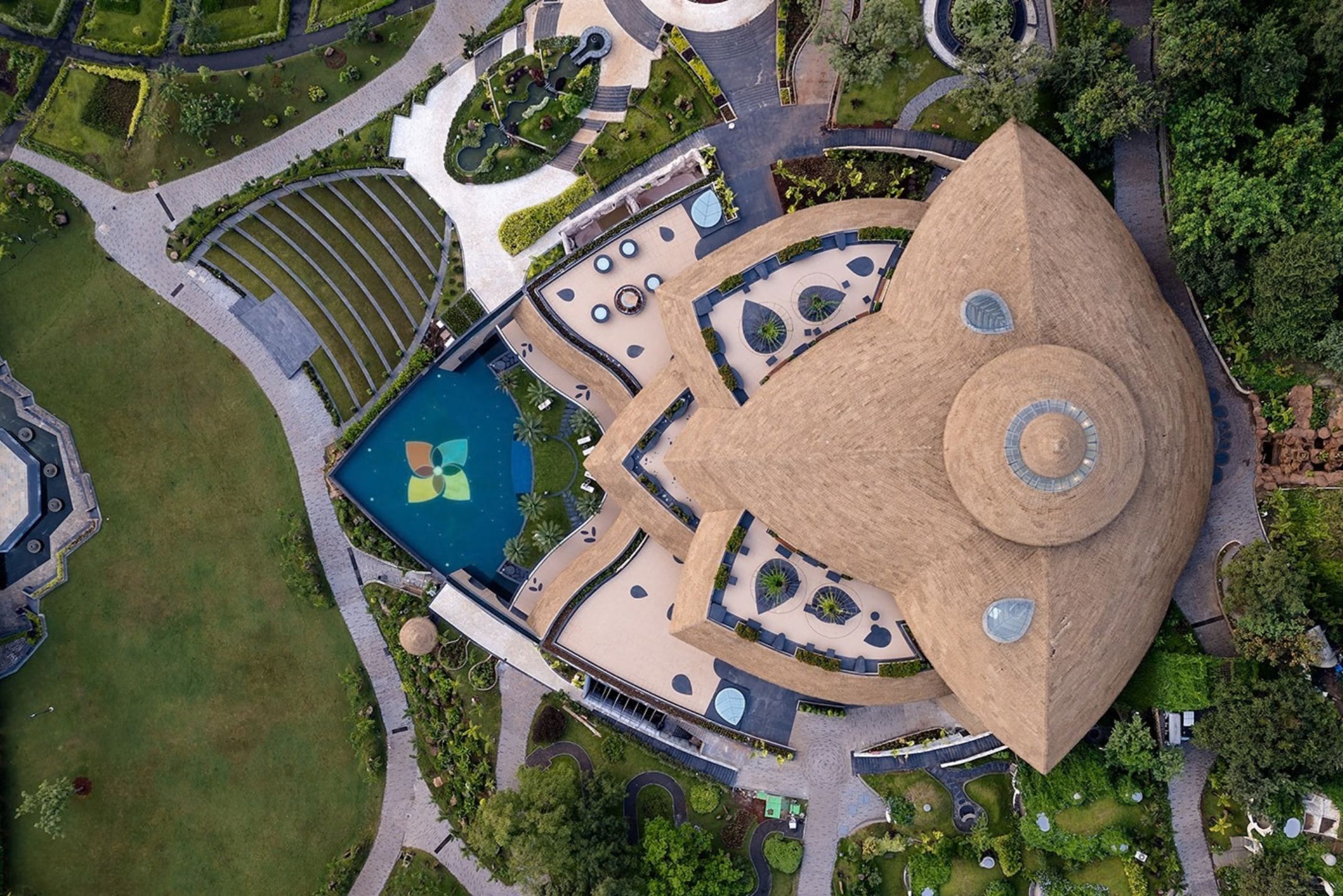
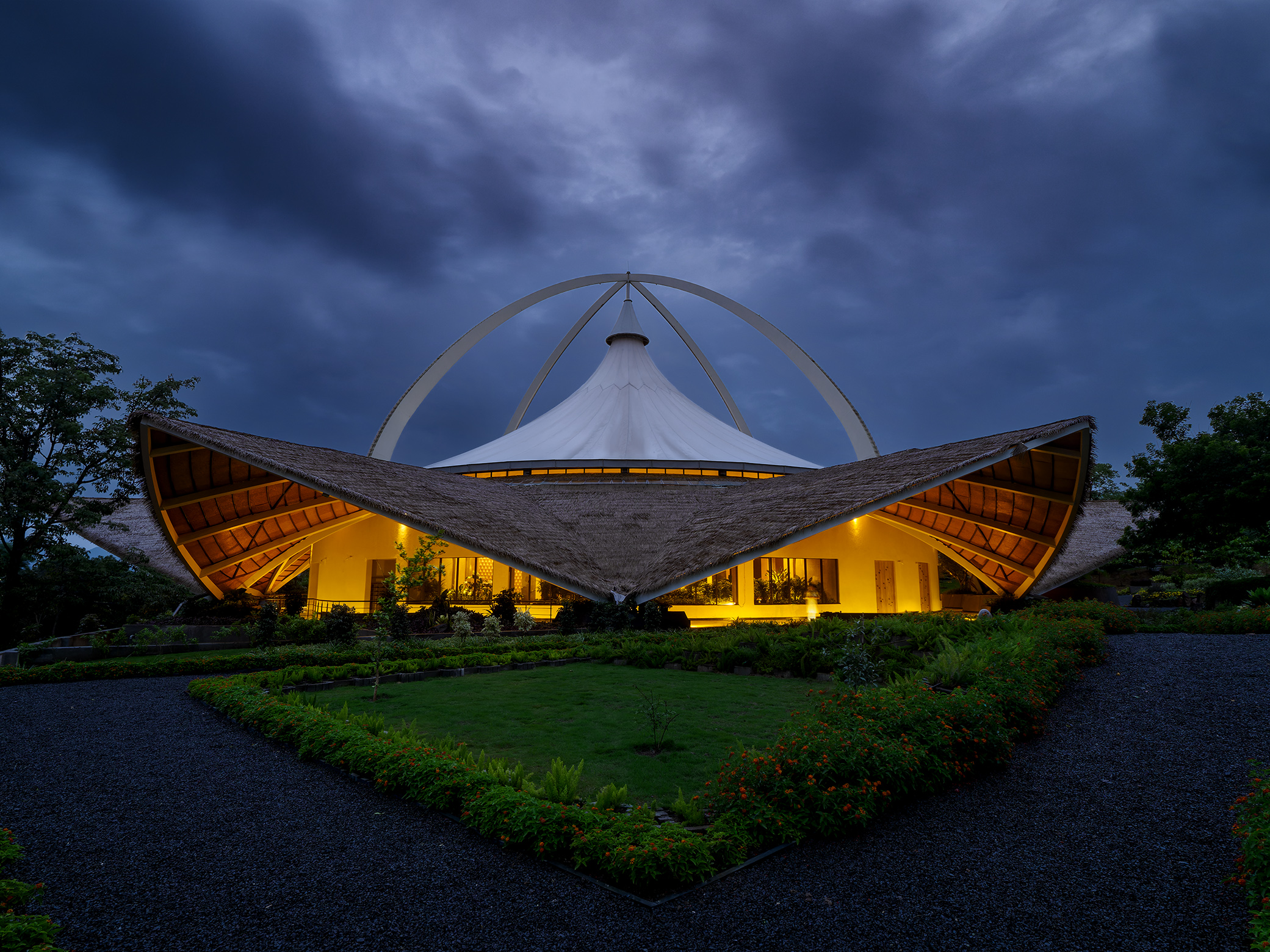
Set across 51 acres in Pune’s Peacock Valley, Swastik is shaped by its relationship with the landscape. Views of the valley, lake, and hills accompany the experience, creating the sense of being gently cocooned by nature. Here, the landscape is not simply a backdrop but part of the healing process, a philosophy reflected in the work of Pune-based architect Manish Banker, founder and principal architect of TAO Architecture.
Swastik’s philosophy is anchored in five pillars–health, wealth, love, bliss and spirituality–which are represented through five distinct Vihars: Anand Vihar, Sukh Vihar, Ayu Vihar, Dhyan Vihar and Utsav Vihar. The Sanskrit word, ‘vihara’ refers to a place of dwelling, retreat, or repose, with each Vihar corresponding to one of Swastik’s dimensions of wellbeing.
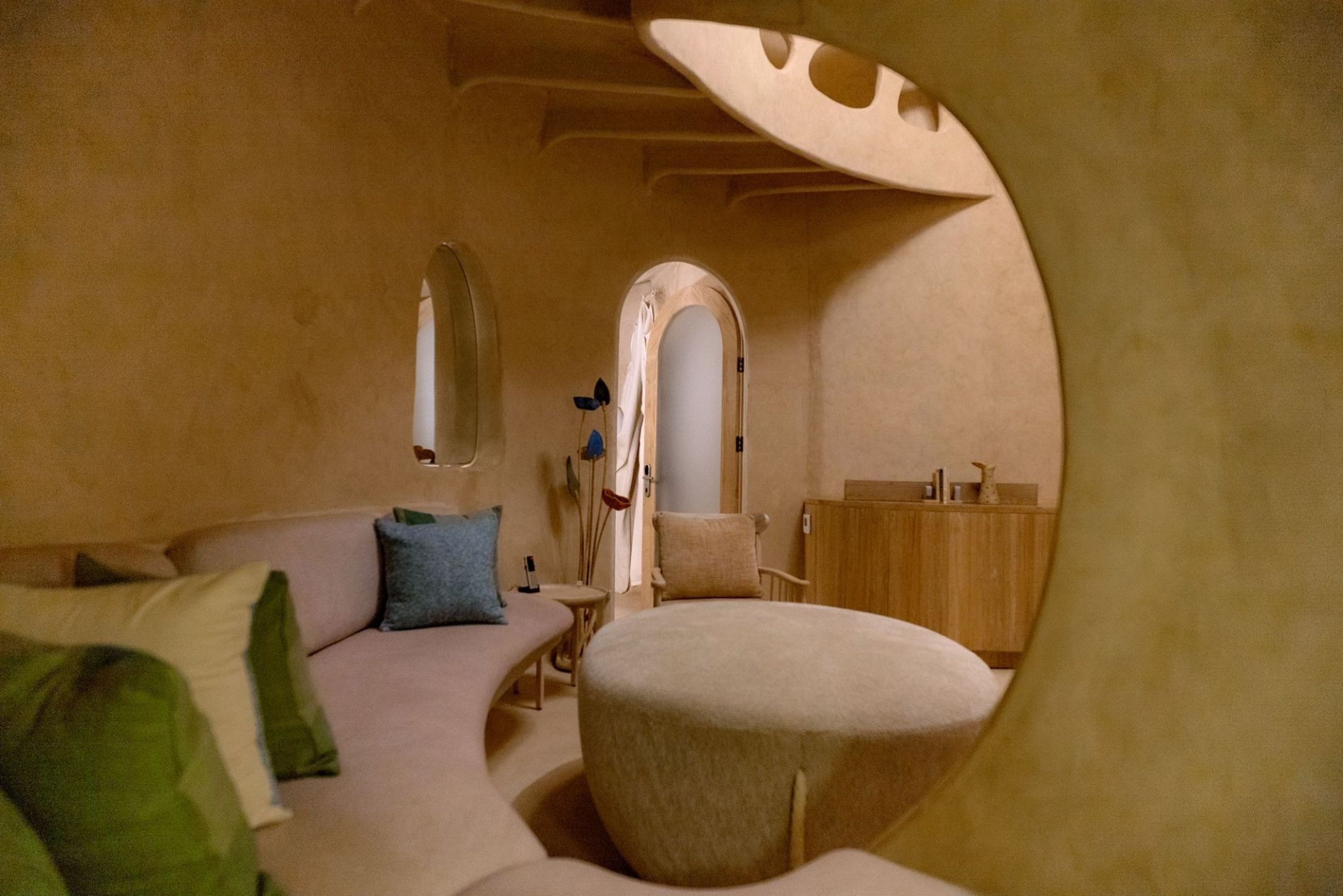
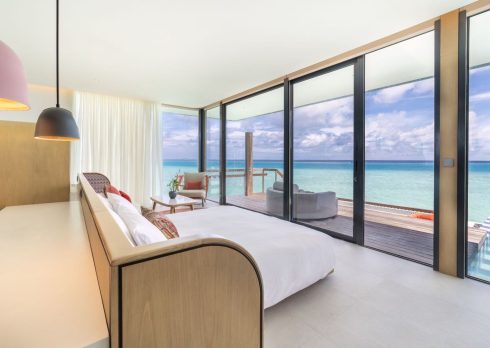
Anand Vihar forms the welcoming heart of the sanctuary, housing wellness consultation spaces and the signature restaurant, Rasa & Sama. Sukh Vihar contains the suites and villas, where curved interiors, earth-toned materials, and private sit-outs open towards the hills and lake. Ayu Vihar is dedicated to healing, bringing together Ayurveda, naturopathy, hydrotherapy, halotherapy, and other treatment spaces.
Dhyan Vihar takes a more contemplative turn. Its 11,000-square-foot column-free dome creates an uninterrupted interior for meditation, yoga and immersive acoustic experiences. Utsav Vihar shifts towards community, with an amphitheatre, open lawns, reflexology paths and spaces for movement and cultural programming.
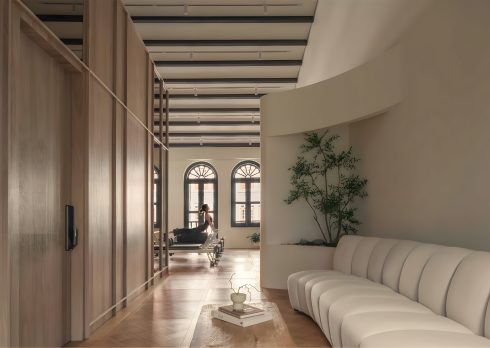
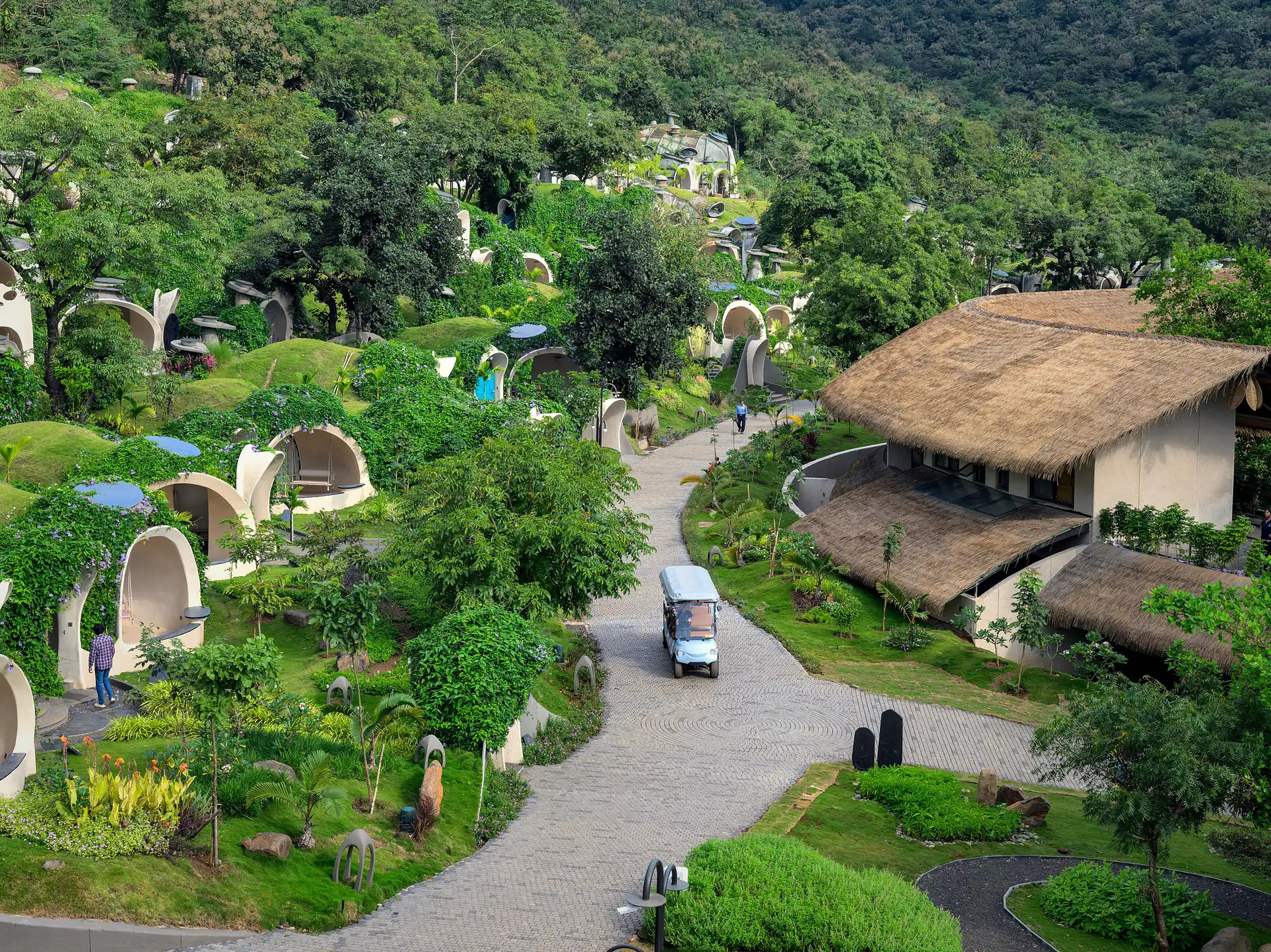
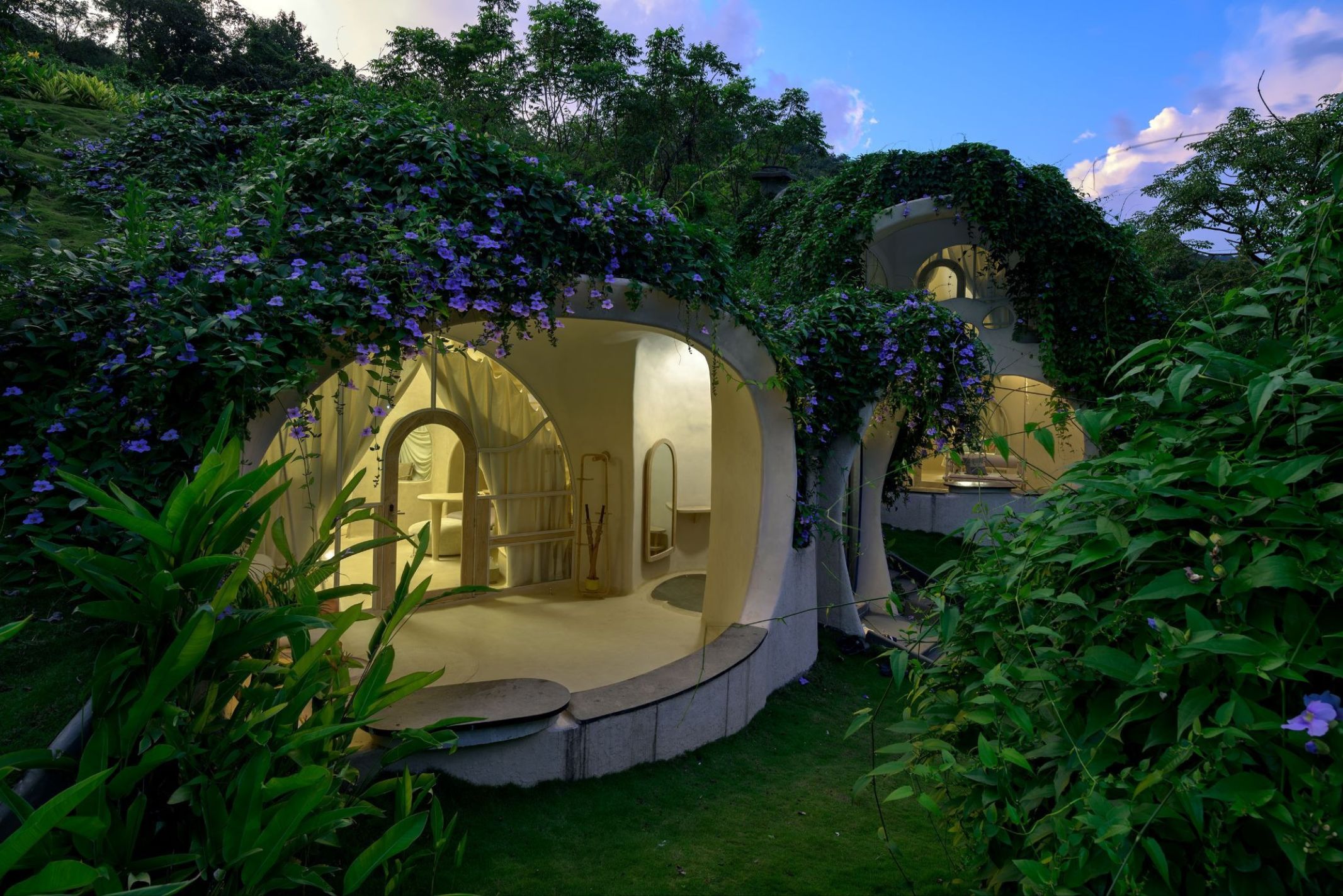
Across the property, curved forms, earthy materials, and a restrained visual language create continuity between indoors and out. The private guest suites, or Guhas, draw on the idea of the womb, with curved walls, softened ceilings, and indirect lighting creating an intimate, cocoon-like atmosphere. Panoramic views keep the mountains, water, and wilderness close, while reclaimed wood, natural materials, energy-efficient systems, and a muted palette reinforce a quiet sense of luxury.
Also read: In Conversation With Mira Kapoor And Annkur Khosla: A New Blueprint For Urban Wellbeing
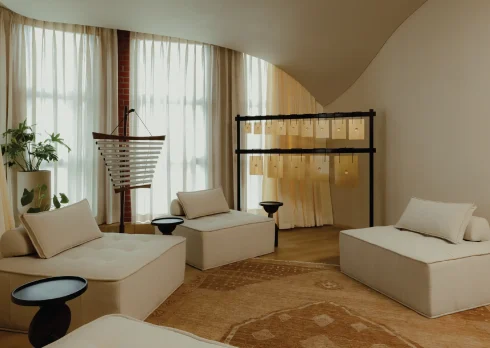
The same philosophy extends into Swastik’s sensory spaces. The Sonorium, dedicated to sound healing, is acoustically tuned around instruments created by SVARAM Sound Healing, making the architecture integral to the experience. In the Salt Cave, developed with Salt Cave Asia, halite becomes both a functional and visual element, shaping the atmosphere of the room.
Nakshatra Van, an outdoor zodiac garden based on Vedic astrological principles, follows a winding, irregular path rather than the geometry of a conventional landscaped garden, allowing symbolism and form to converge. Here, landscape, too, has been designed as an extension of the experience.
Where Nourishment Becomes Part of Healing
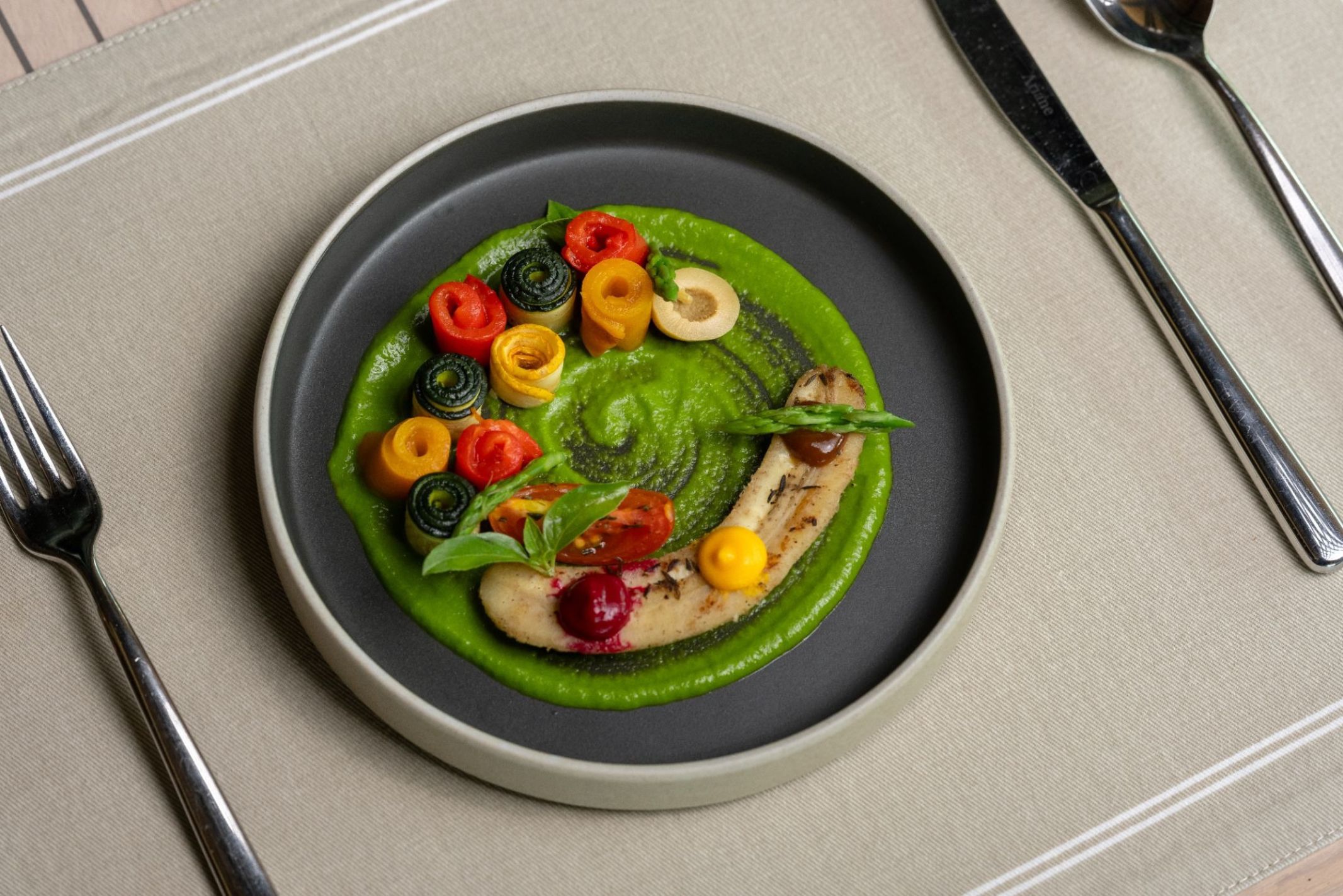
Food forms another part of Swastik’s approach to wellbeing. Food is treated not as an indulgence separate from the wellness experience, but as another way of extending its principles into everyday ritual. Portions and diets are tailored to each guest’s programme, making nutrition part of the wider process rather than an experience that exists outside it.
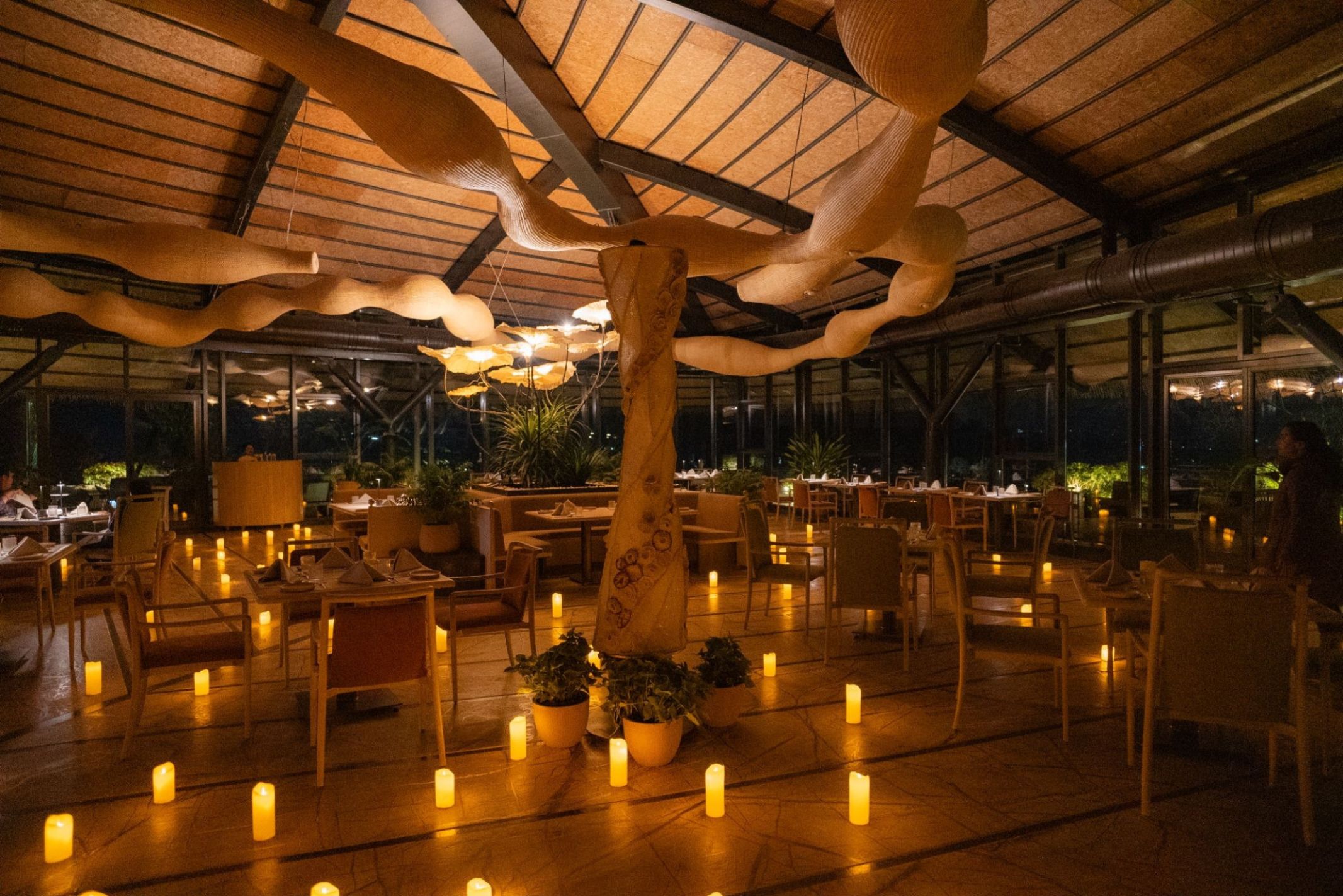
At Rasa, the sanctuary’s signature restaurant, Chef Arvind Joshi builds the menus around three principles: source, season, and process. Drawing on Ayurvedic and naturopathic principles, the cuisine focuses on gluten-free, grain-free and vegan preparations, with ingredients and techniques chosen to complement the wider wellness programmes.
Sama offers a more relaxed outdoor setting overlooking Khadakwasla Lake. Dining is a crucial part of the sanctuary’s immersive programming through the ‘Five-Dimensional Culinary Journey,’ inspired by Swastik’s philosophy of wellbeing, and the ‘Nine-Planet Culinary Journey,’ which draws on Vedic cosmology, with each course corresponding to one of the nine celestial bodies.
Also read: Balance Is The Whole Point: In Conversation With Tomeu Esteva, The Architect Behind Six Senses Vana
Final Thoughts
What distinguishes Swastik is its attempt to move beyond the traditional idea of a wellness retreat as a place for passive pampering. Its programmes look not only at how a guest feels in the moment, but at the patterns, behaviours, and biological factors that may be contributing to how they feel in the first place.
Its metabolic programmes, for example, combine functional assessments, personalised nutrition, and movement to address body composition and metabolic health, rather than focusing solely on short-term weight loss. The intention is for guests to leave not simply having completed a programme, but with a better understanding of the tools and habits they can carry into life beyond the sanctuary.
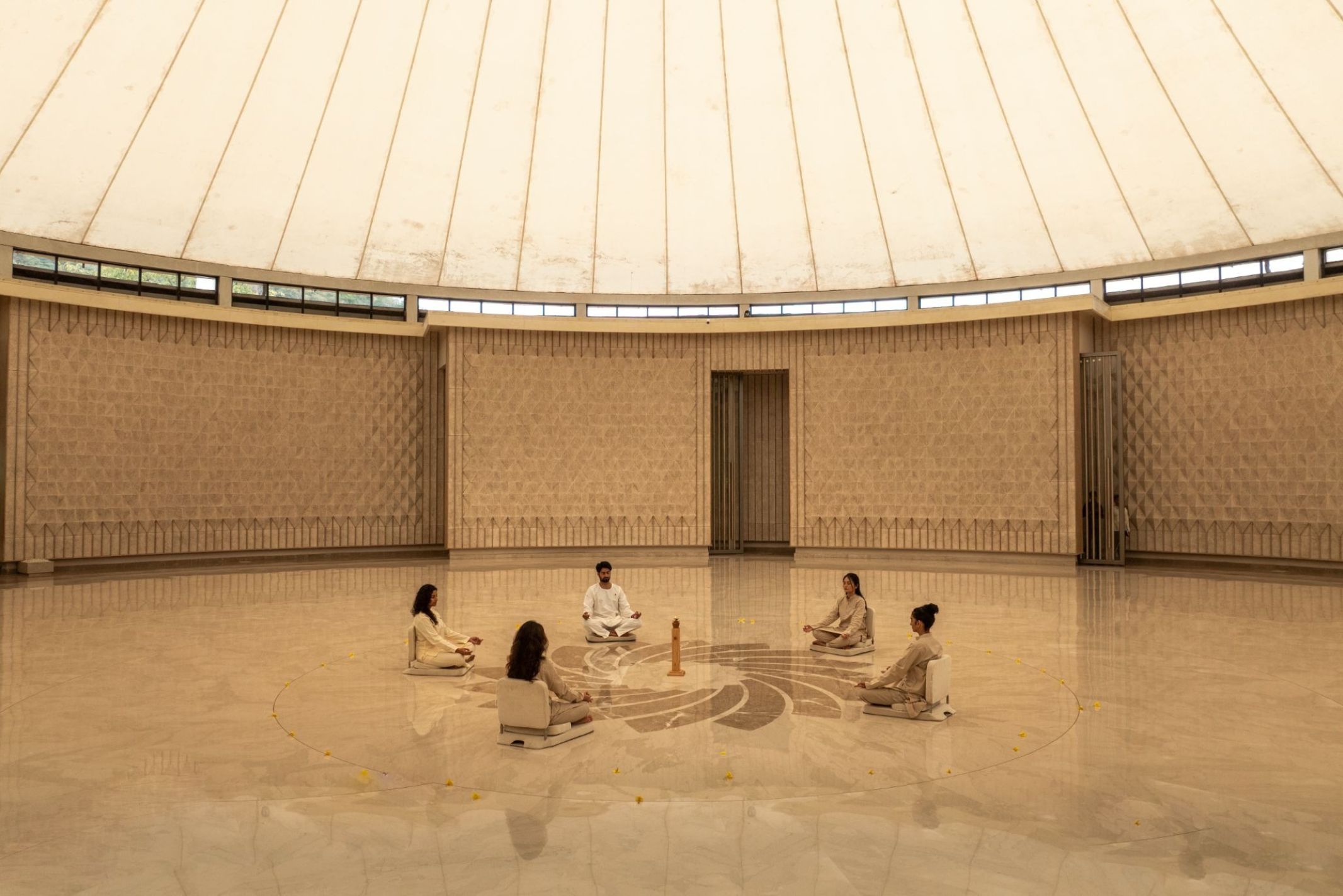
That idea extends beyond therapies and diagnostics. Guided nature walks, forest bathing, musical evenings, pebble painting, and other activities create space for movement, creativity and connection. Their couples’ programmes similarly focus on shared experiences, nature-facing therapies and synchronised breathwork, encouraging connection and presence rather than parallel treatments.
In this sense, regeneration is less about escape than recalibration: stepping away from the pace of everyday life long enough to understand what needs to change, and returning with the knowledge, and perhaps the habits, to make that change sustainable.
DP Loves
- Stunning views and thoughtfully designed open spaces let you pause, breathe, and soak in the beauty of the landscape.
- A simple bell-ringing ritual as part of the welcome on arrival sets the tone for the experience ahead.
- The lobby continues the dialogue between art, architecture and place, featuring work by Pavita Banker, Manish Banker’s sister, adding a personal artistic layer to the spaces created by TAO Architecture.
- Beautifully plated, mindful meals are accompanied by a short gratitude prayer—a lovely reminder to pause and appreciate every bite.
- The ‘Guhas’ are nature-inspired rooms that blend into the hills, resembling little Hobbit homes tucked into the landscape.