Discover Japan’s Onsen Revival: From Rock Pool Suites Facing Mt. Fuji.To Aman’s Private Hot Spring Baths
Japan’s centuries-old onsen culture is finding a new expression in contemporary luxury hospitality, where the restorative traditions of hot spring bathing meet thoughtful architecture and immersive encounters with nature.
- 17 Nov '26
- 2:10 pm by Satarupa Datta

Imagine winding stone pathways wrapped in moss, echoing the spirit of an ancient garden, followed by towering trees casting dappled shadows, and monumental boulders softened by layers of lush greenery that mimic an ancient forest. Thereby, forest trails lead to temple-like staircases, revealing a secluded world where nature and architecture exist in perfect tandem. These are the landscapes within Japan’s onsen retreats, where hot springs emerge from the earth and the surrounding geology becomes an intrinsic part of the wellness experience.
Regional botanicals, indigenous ingredients and time-honoured bathing rituals form signature treatments, drawing on the restorative bounty of the land. If biophilic design is about reconnecting us with nature to nurture wellbeing, Japan’s onsen retreats have been practising this philosophy long before it became a design movement. Here, wellness is not an added amenity; it is woven into the landscape. At once a vessel for water and a quiet part of the scenery, the onsen pools rest in gentle harmony with their surroundings.
Often just metres from your room, rivers act as hot springs, sometimes flowing directly beneath the building; both their gentle rhythm and therapeutic properties become an intrinsic part of the wellness experience. Today, the ritual of slipping into mineral-rich onsen waters, often followed by seasonal herbal baths and tea experience, remains an essential part of the country’s wellness culture.
A private onsen in an intimate luxury ryokan is, in itself, reason enough to plan a journey to Japan. From secluded riverside sanctuaries to distinctive hot-spring retreats, DP have curated three exceptional stays that offer different perspectives on this enduring Japanese tradition.
1. Aman Kyoto’s Onsen Baths Mimic ‘Shinrin-Yoku’ In Waters
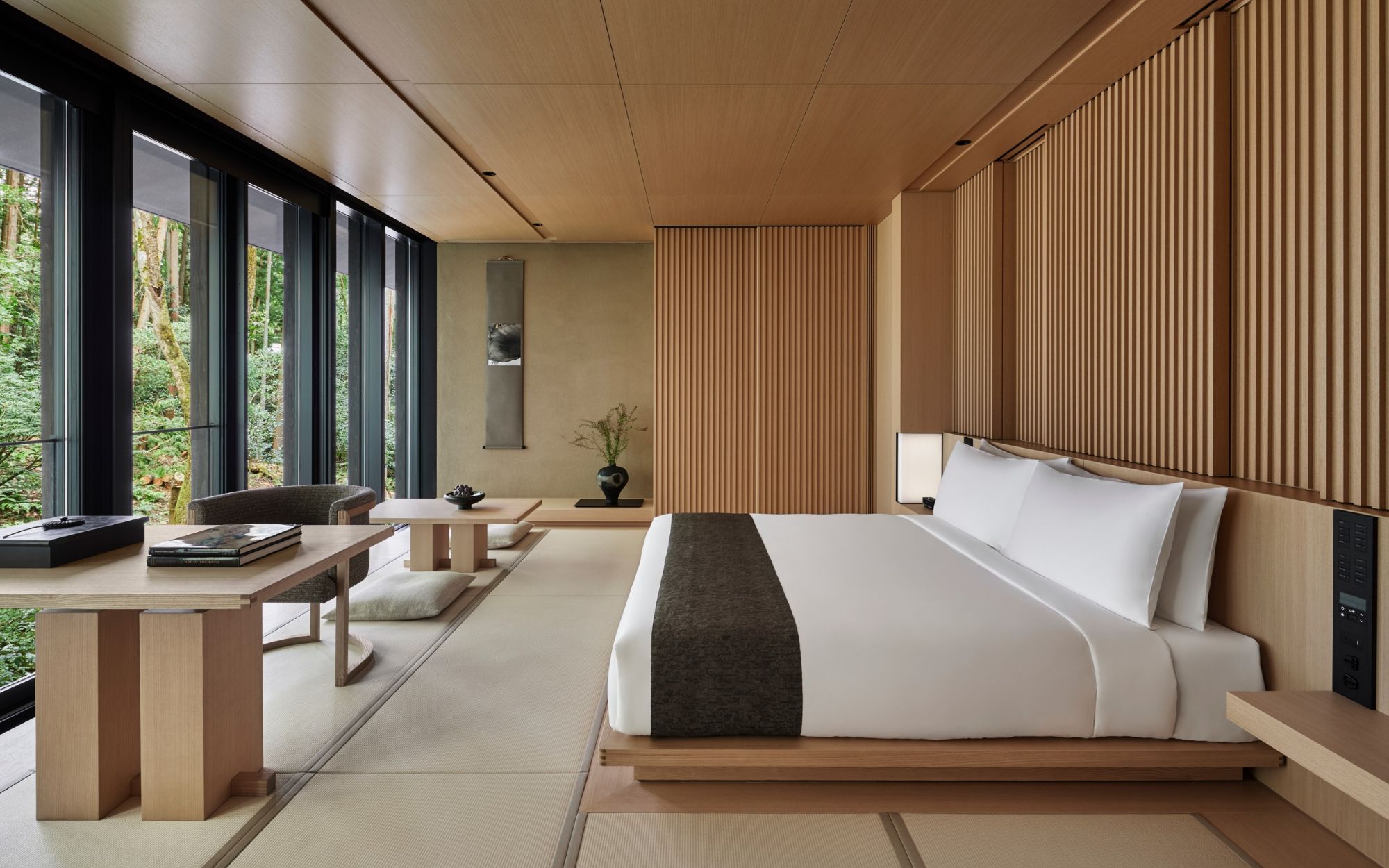
Set on elevated ground, the east-facing pavilion suites draw inspiration from the traditional Japanese ryokan, overlooking the garden towards Mount Hieizan. Perched above a six-metre-high handcrafted stone wall, designed by Aman’s acclaimed architect-designer Kerry Hill Architects, it appears to float above a canopy of maple and cedar trees, offering an immersive connection with nature. Spanning 2,433 sq ft, the pavilion features two en-suite bedrooms, a living room, a traditional tatami room and a Western-style dining area. Natural wood, floor-to-ceiling windows and ‘tokonoma’ alcoves lend the interiors an understated Japanese aesthetic. But the real indulgence lies in its private onsen, where bespoke wellness treatments elevate the art of bathing into a deeply restorative ritual.
Also Read: A New Kind Of Retreat: Swastik’s Approach To Regenerative Wellbeing
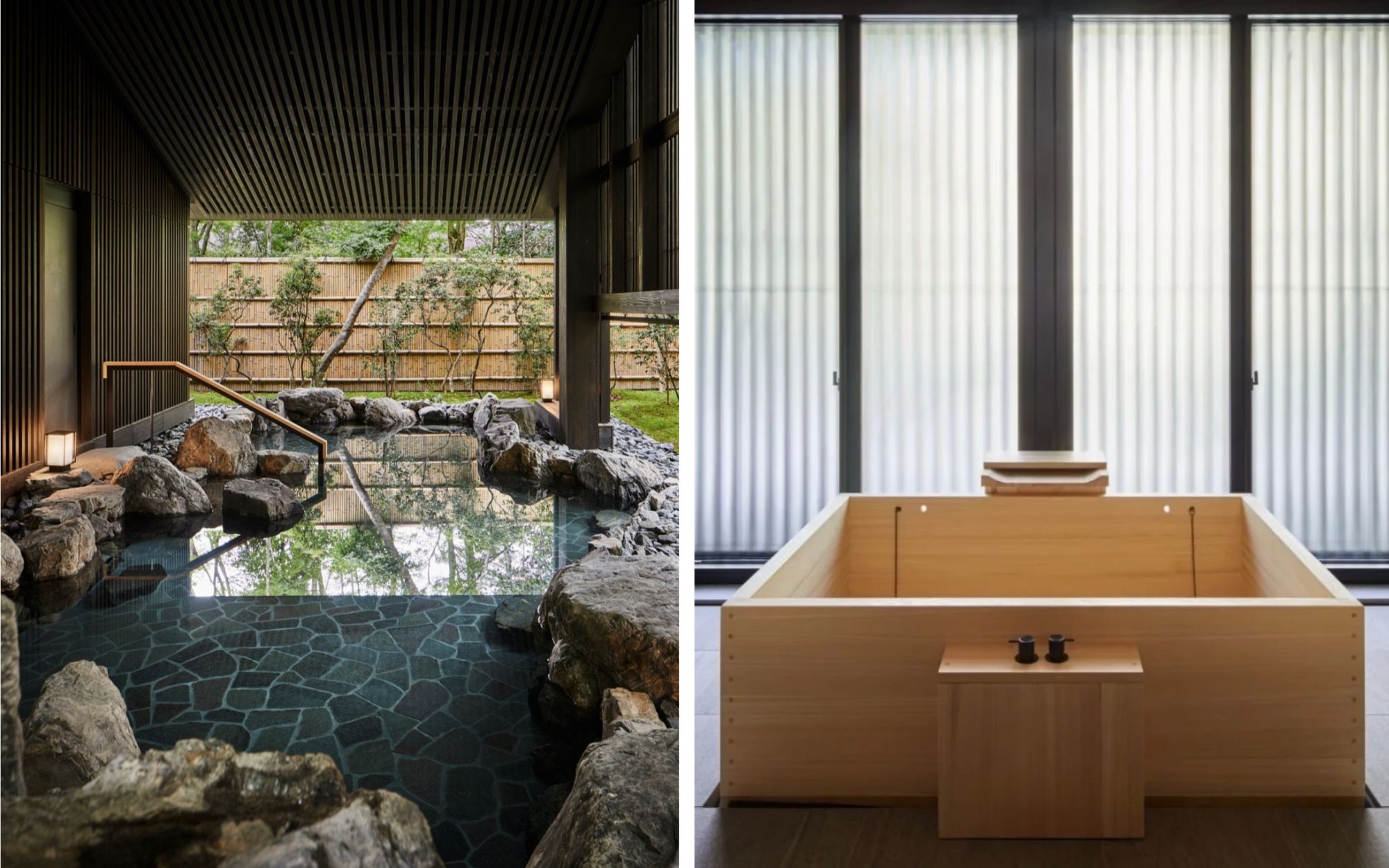
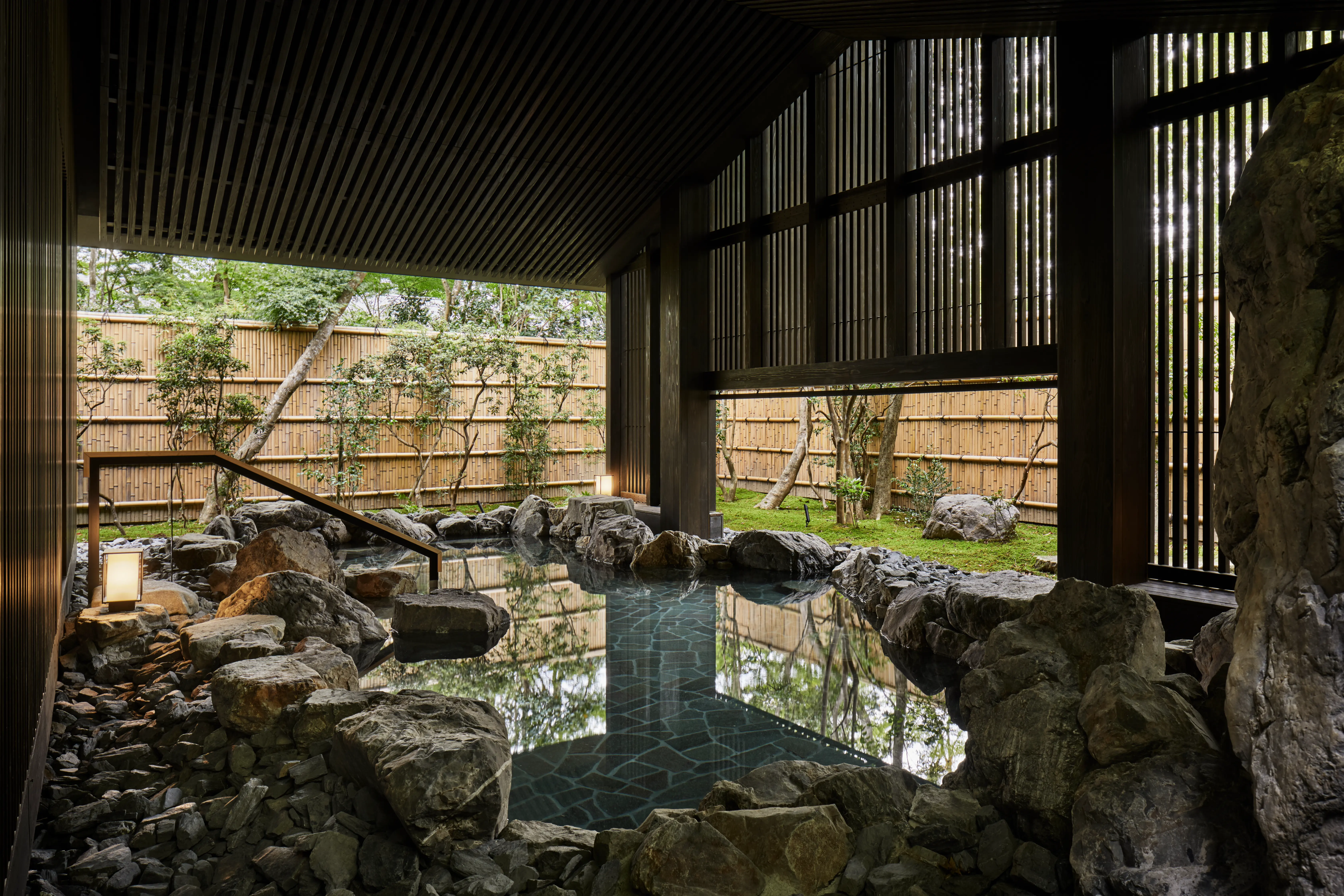
At Aman Kyoto, the art of slowing down is woven into the landscape. Even a short walk through its forested grounds feels like an immersion in ‘shinrin-yoku’, or forest bathing. The sense of forest bathing deepens at the spa, housed in a secluded, single-storey pavilion amid the trees. Intimate and contemplative, it features three treatment suites and gender-separated onsen baths, both indoors and outdoors, where the onsen bath mimics a forest pool of spring waters where boulders rim the mineral-rich waters.
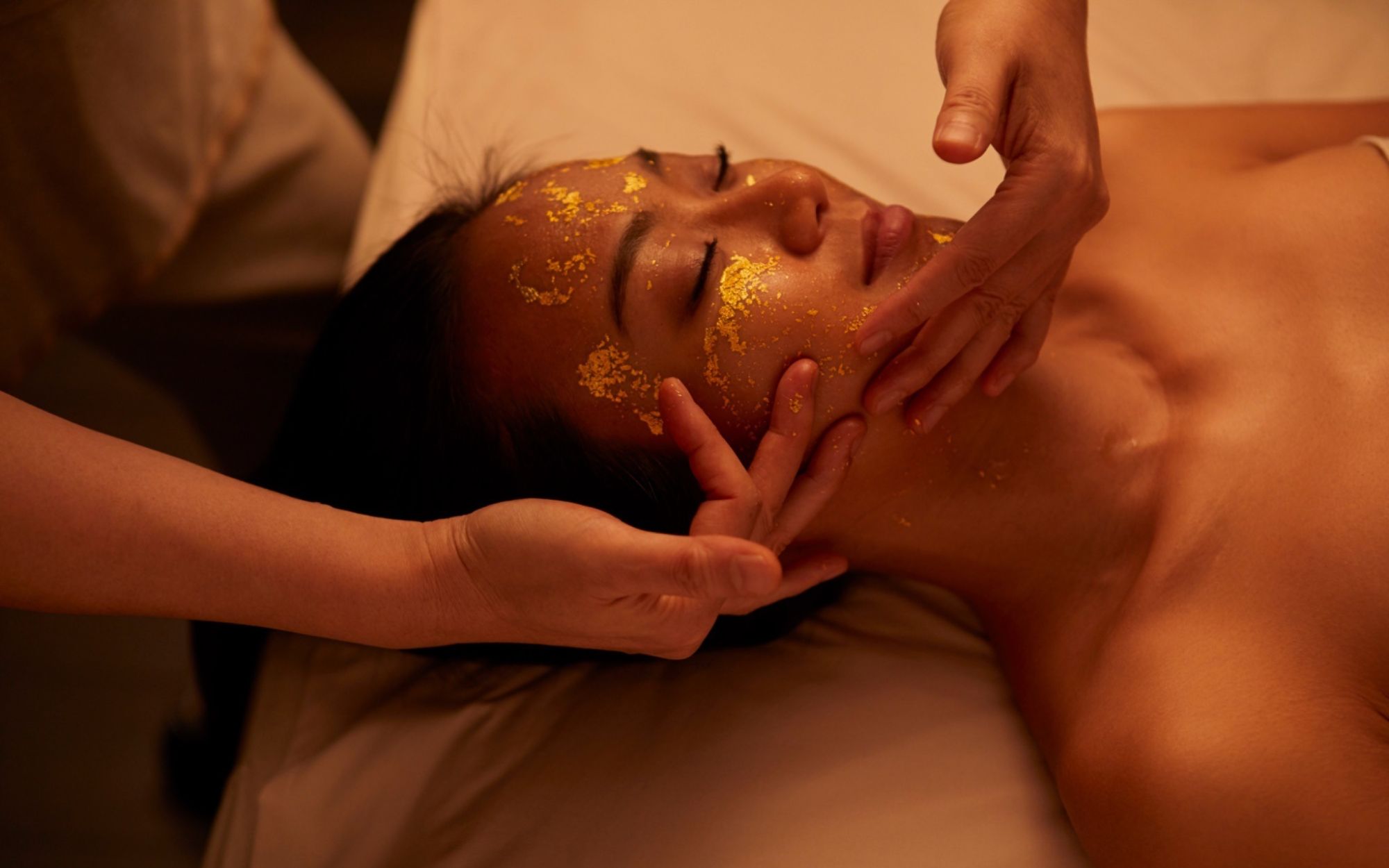
True to Aman’s style of quiet luxury, treatments are thoughtfully rooted in local traditions. Every spa ritual begins with seasonal teas, followed by a foot scrub blending green tea, salt, sake lees from Kyoto’s 300-year-old Matsui Sake Brewery and a delicate dusting of gold. A restorative massage with aromatic mint and cedar oil completes the experience. For an indulgent skin-nourishing experience, consider Aman Kyoto’s signature spa rituals, which pair full-body massages with an exquisite selection of Japanese and locally sourced botanical oils. The aromatic repertoire draws on the region’s natural bounty, from Kyoto Kitayama cedar, podocarpus and Hinoki cypress to invigorating Yuzu Citrus, Hakka Mint, green tea and Sakura Cherry Blossom. Ginger, Shiso and cold-pressed Camellia oil complete the collection, turning the treatment into an immersive sensory journey through Japan’s botanical heritage.
2. Tobira Onsen Myojinkan Is Tucked Above The Japanese Alps
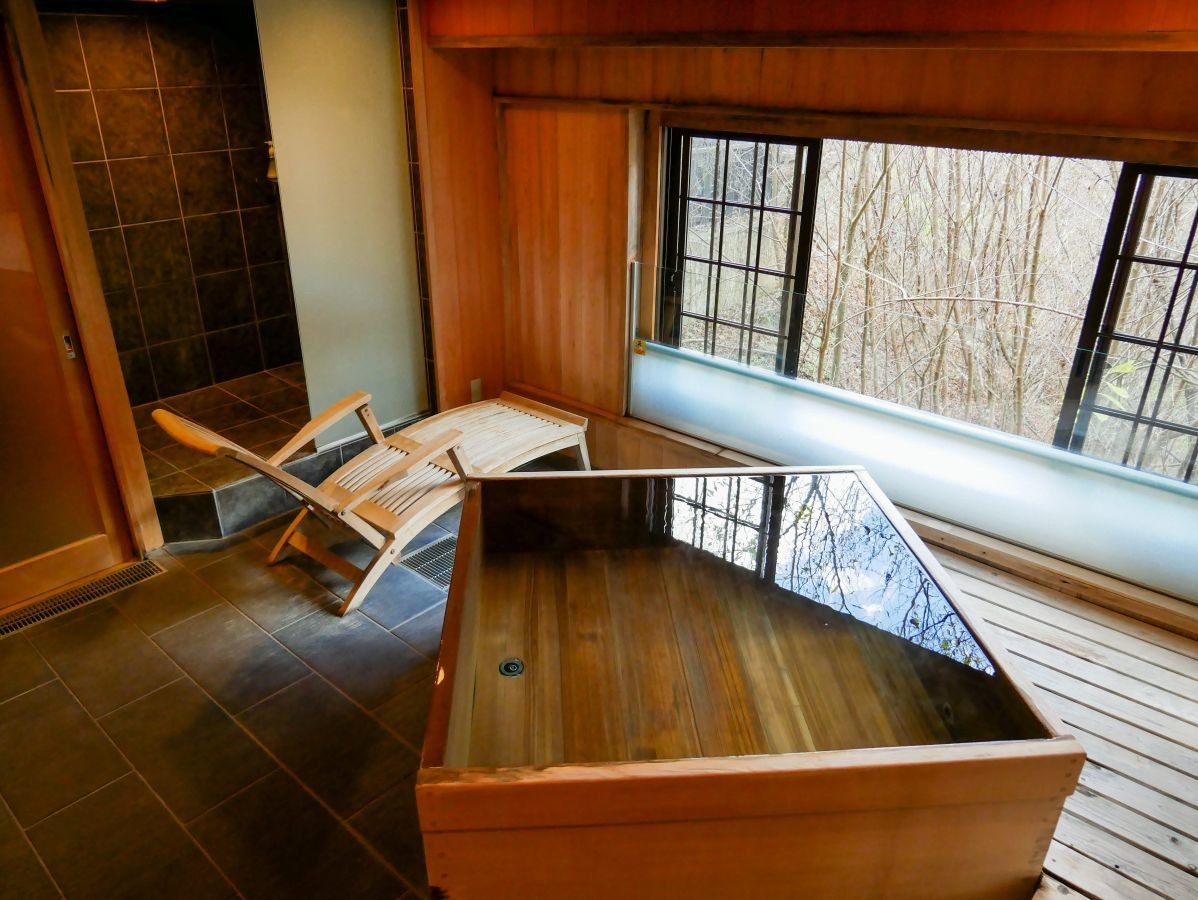
Nestled in the sacred forest of Iriyamabe, in Matsumoto City, Nagano Prefecture, Tobira Onsen Myojinkan is approximately 1 hour and 18 minutes from Tokyo by JR Hokuriku Shinkansen. Its signature experience is the deep-soaking onsen bath known as ‘Setsugekka’, where an open valley vista sets the scene for a close encounter with nature, so much so that the forest almost encroaches inside the pool. One can soak waist-deep in the warm waters, breathe in the crisp mountain air and can let the forest landscape become part of the bathing ritual.
Also Read: Plunge Into the World’s Most Magical Waters Designed By Thermal Care
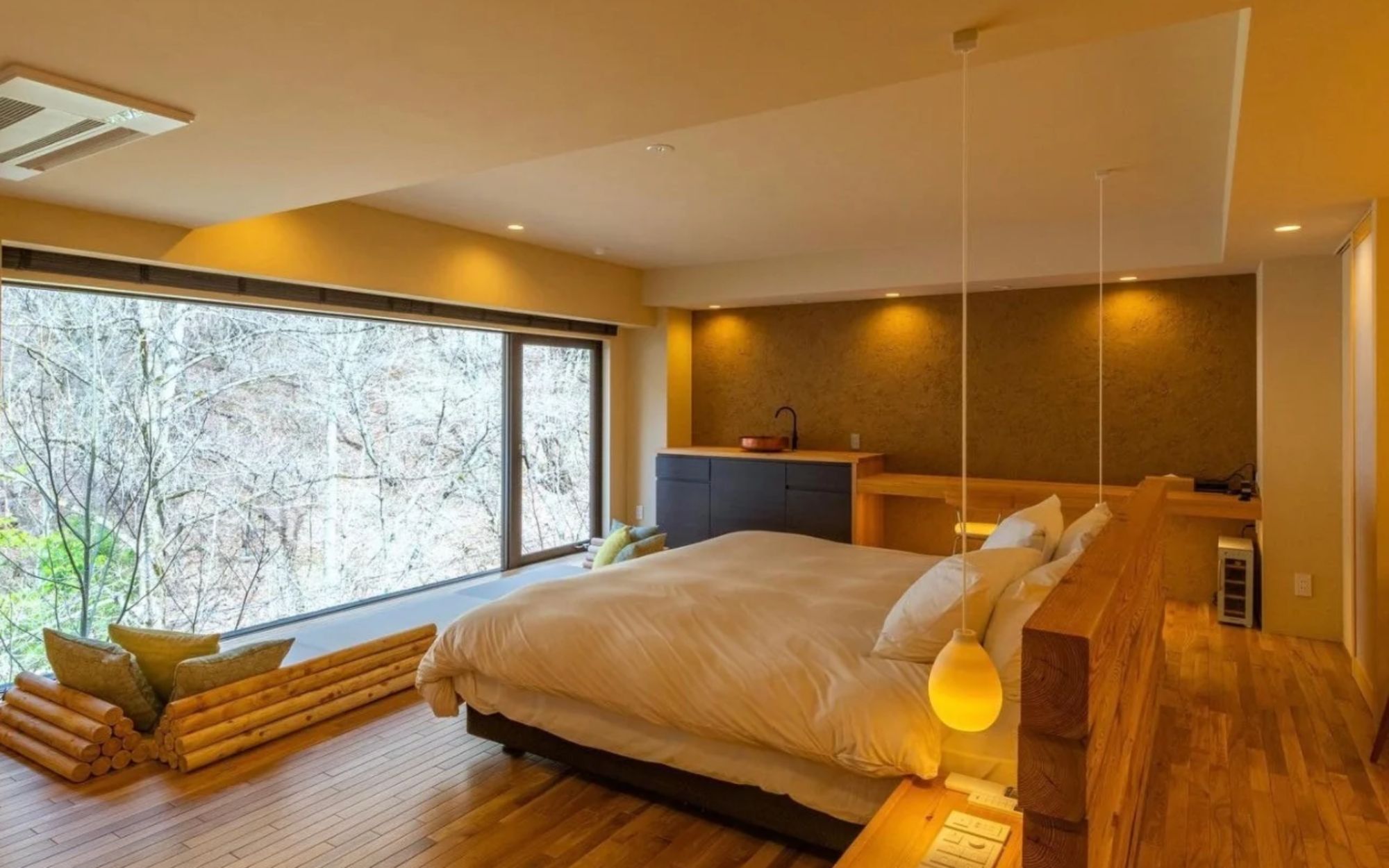
Choose between traditional Japanese tatami rooms with futons and shoji screens, or contemporary Western-style suites with ‘Sealy’ beds. Both embrace a soothing palette of natural timber, muted tones and expansive windows framing the verdant landscape. Each room comes with its own onsen, either indoors or open-air, and is named after local flora and fauna. The Zen-Yuya Suite, in particular, offers the luxury of a ‘Sealy bed’, and wooded Japanese interiors paired with an outdoor onsen bath.
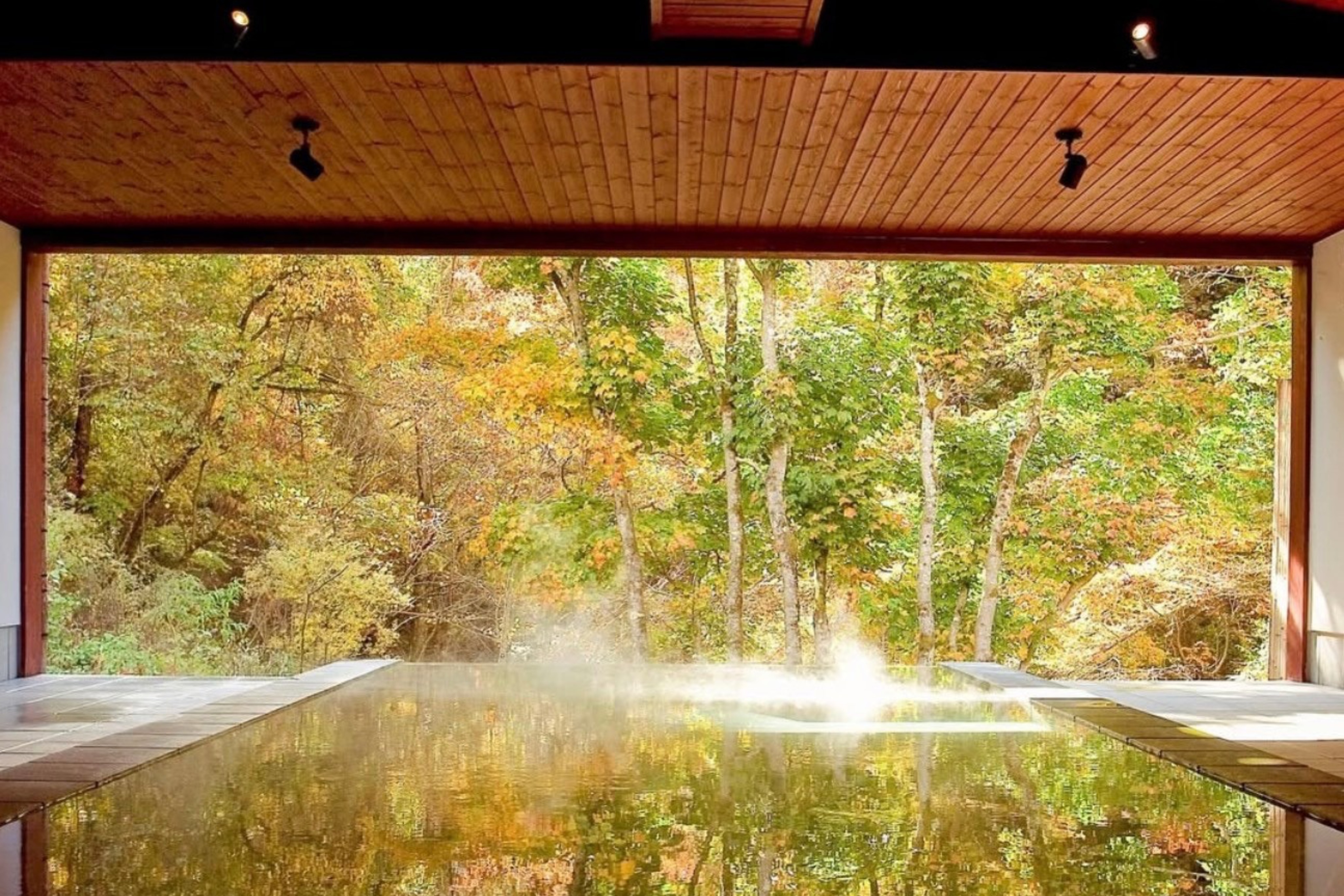
While every guestroom comes with a private onsen, three communal baths, open around the clock, offer further ways to experience the healing waters. Bath ‘Hakuryu’ is an open-air bath where you can soak in nature’s quiet embrace. The Bed-style Bath, positioned closest to the confluence of two rivers, draws on the principles of traditional feng shui, which regard this meeting point as a source of positive energy. Lie back and surrender to the sound of flowing water.
The highlight, however, is ‘Setsugekka’, a deep-soaking onsen overlooking the valley, set within the national park. The indoor treatment rooms extend the restorative philosophy through therapies inspired by the traditional principles of Yin-Yang and the Five Elements, drawing on the healing properties of the natural world.
3. Gora Kadan Is The Luxe Onsen Facing Mount Fuji
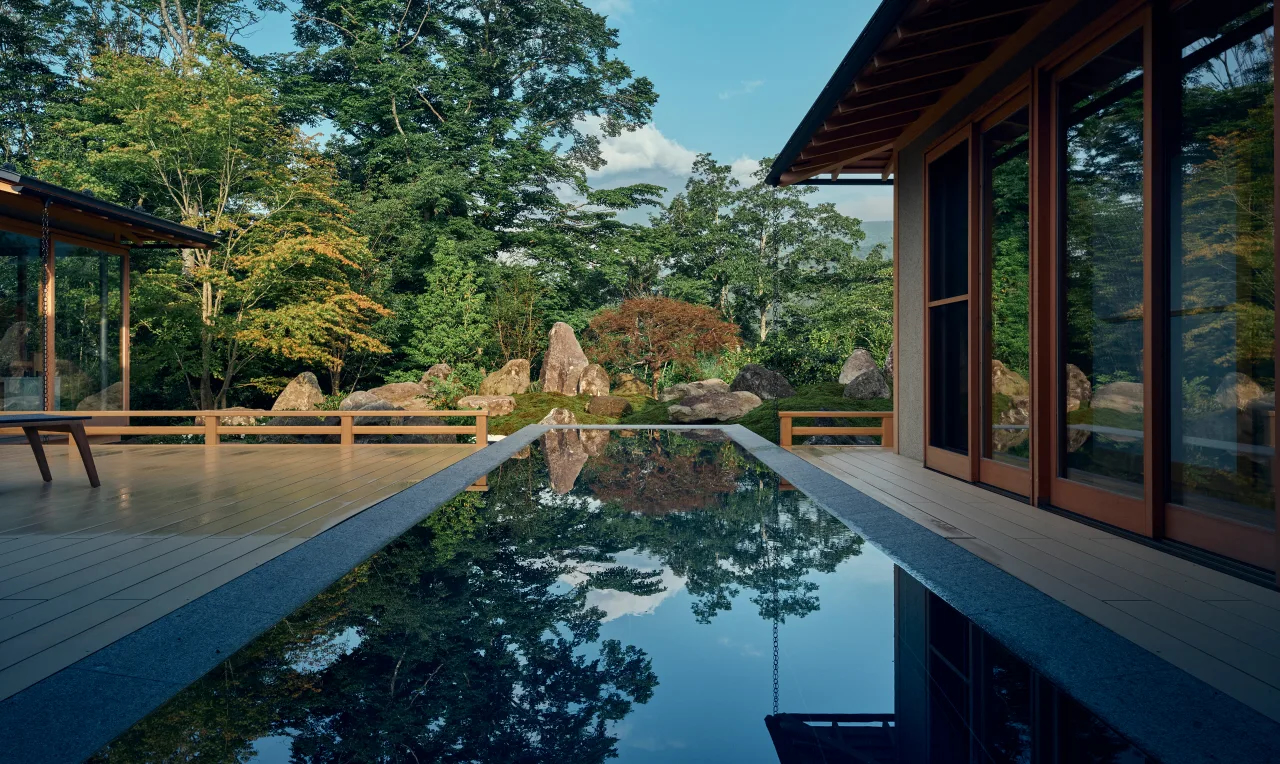
Few pleasures rival soaking in the restorative waters of an onsen while gazing at the shifting moods of Mount Fuji, or lingering over a cup of matcha on a terrace with the mountain as your backdrop. Of course, Mount Fuji does not always reveal itself on cue. Clouds gather, mist descends, and rain occasionally cloaks its dramatic volcanic slopes. But when the skies clear, the spectacle is nothing short of mesmerising. Designed by Ogitsu Architects Studio, the retreat features 39 suites and three standalone villas. Gora Kadan Fuji marries the quiet refinement of traditional Japanese ryokan with a contemporary design sensibility. Rooted in the philosophy of the five elements—earth, water, fire, wind and space— the retreat draws inspiration from the natural world, creating an experience that is as much about a sense of place as it is about the art of Japanese hospitality. Suites and Villas open to outdoor spaces, either opening to a balcony, terrace or garden, paired with al fresco bathtubs.
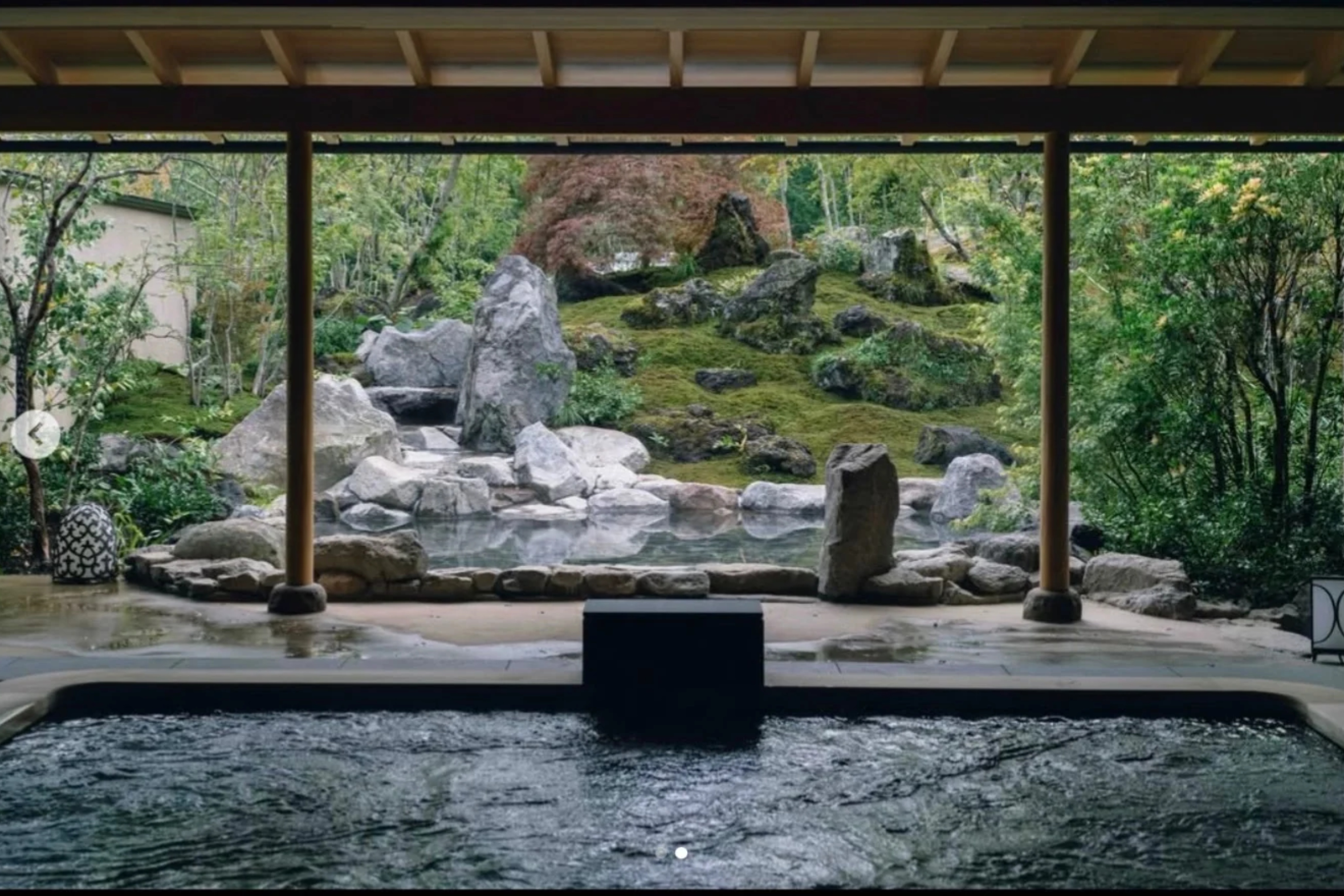
The bathing experience is central to the stay and is pure luxury with two principal communal bathhouses featuring both indoor and open-air onsen pools. The baths alternate between male and female guests at designated times, allowing everyone the opportunity to experience both settings. Each suite also comes with its own private bath. Communal bathing follows the time-honoured Japanese ritual: disrobe, cleanse thoroughly at the shower stations, then ease into the steaming waters. The experience is as much about the ritual as the restorative soak itself.
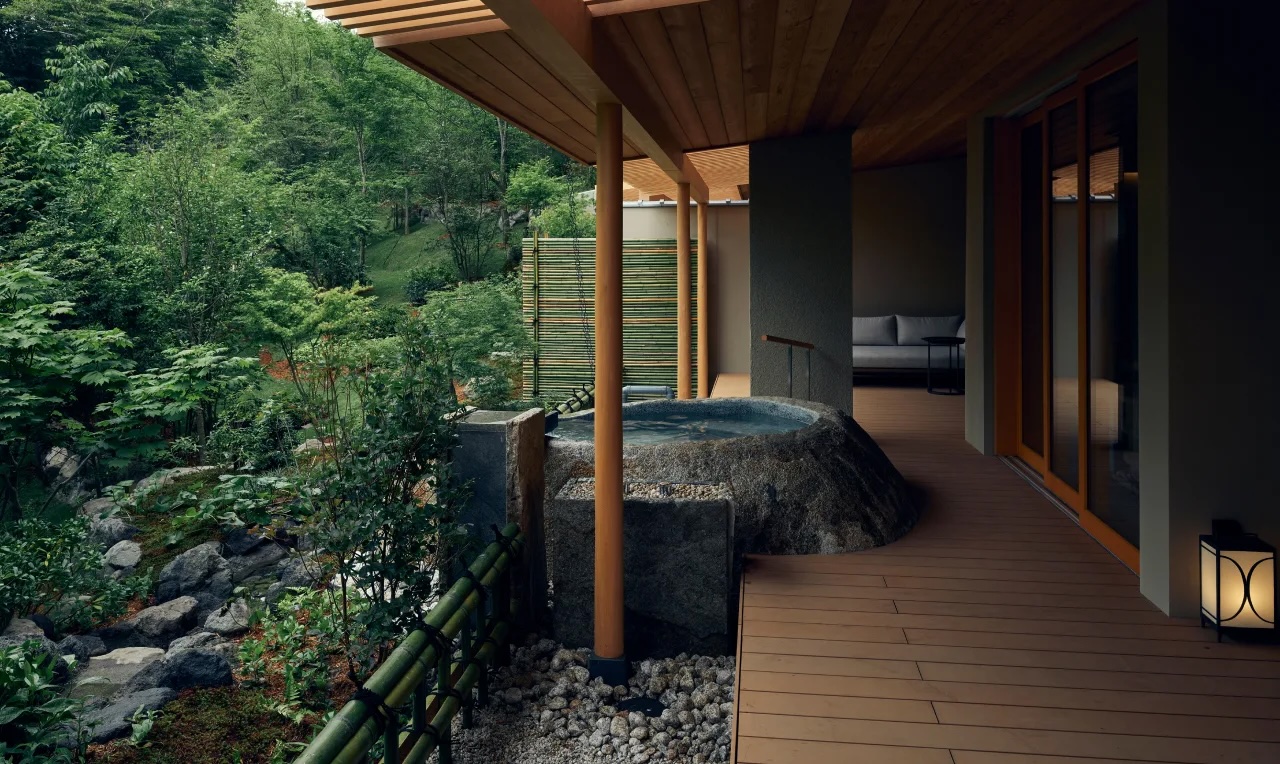
The waters are equally remarkable. Some baths draw on Mount Fuji’s groundwater, formed by snowmelt from the summit that percolates through layers of volcanic rock, while others are fed by naturally alkaline hot spring waters rising from deep underground. It is an immersion in the elemental landscape of Fuji, where the mountain’s geological legacy becomes part of the bathing ritual.