24 Hours In Seoul: A Bed-To-Pool Suite, Michelin Korean Tasting Menus To Art That Makes Music
Stay at a design-led lifestyle hotel, discover a Michelin-starred Korean restaurant dishing out a tasting menu, and spend time at an art museum that communicates with people across time and genres.
- 23 Oct '26
- 5:19 pm by Satarupa Datta

The Korean wave has rippled across the globe in barely a generation and a half. K-dramas, K-pop, Korean food, skincare and beauty therapies have captivated Gen Z and millennials from the farthest corners of the world. For many first-time visitors, the gateway to South Korea is Seoul. And Seoul is a city that rewards curiosity. Enormous and vertical, it is home to nearly half of South Korea’s population across the wider metropolitan area.
In Bukchon Hanok Village, traditional wooden homes known as ‘Hanoks’ line narrow lanes, some now transformed into charming guesthouses and homestays. Spending a night here offers a chance to experience Seoul at a slower pace. In Cheongdam and Apgujeong, heritage concept stores and luxury flagships shape Seoul’s high-fashion identity, while Seongsu transforms its industrial past—former factories and warehouses—into design-forward spaces that capture the city’s creative pulse. Itaewon, one of the city’s most cosmopolitan neighbourhoods to explore Contemporary Seoul, is equally compelling. Art and design are woven into the fabric of the city, from museums and contemporary galleries to fashion boutiques, cafés and architecture that constantly shifts between the traditional and the avant-garde. For this 24-hour introduction to Seoul, we chose a few neighbourhoods lauded as cosmopolitan, a hotel bringing a cool lifestyle, a luxury restaurant serving Korean tasting menus, and a fusion art museum that speaks across genres and mirrors the city’s eclectic energy.
Also read: The Story Before The Sketch: Rolls-Royce’s Domagoj Dukec On The Future Of Personal Luxury.
1. Eat – Mingles Opens A Wide Window To The Rich Korean Produce
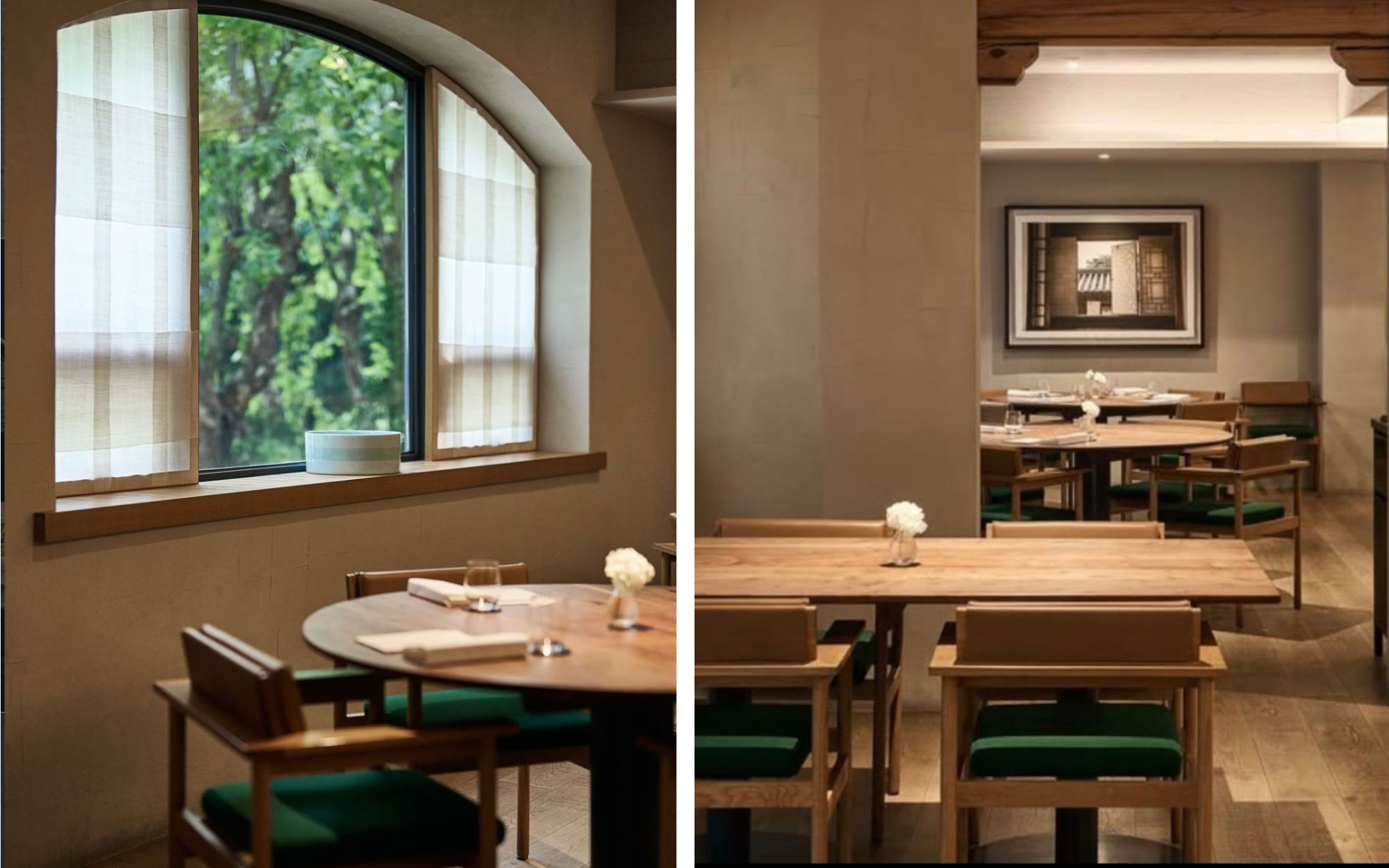
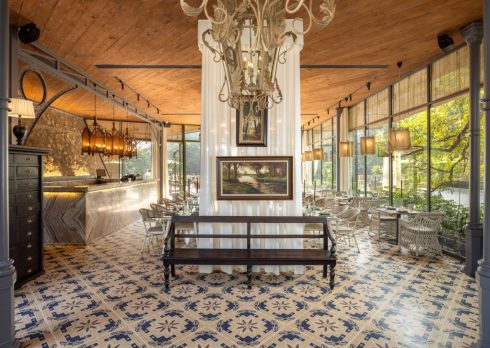
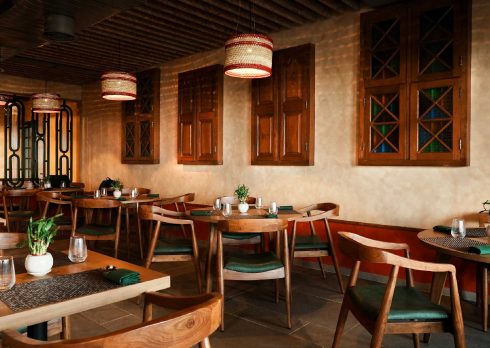
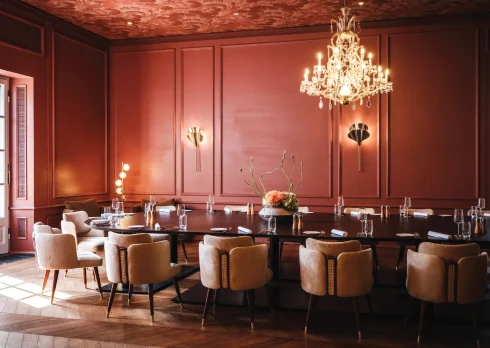
Nestled in Cheongdam-dong, Gangnam District, a contemporary diner is where gourmands are waiting to get reservations. Bathed in warm tones and accented with contemporary artworks and refined tableware, Mingles, awarded three Michelin-starred, 2026, finds its place in the locale with a design language that embodies an elegant minimalism. Its windows frame tranquil views of greenery, offering a quiet counterpoint to the energy of Seoul outside.
Chef Mingoo Kang seamlessly weaves Korean culinary philosophy into a modern tasting format, allowing seasonal ingredients to take centre stage. The cooking is layered and nuanced rather than overtly theatrical, with Korean flavours given room to speak for themselves. A bowl of noodles in a clear anchovy broth, one of Mingles’ beloved signatures, arrives with seasonal banchan and delicate garnishes. Another course captures summer on a plate, pairing seasonal squash and tomatoes at their peak with shrimp and glutinous rice. Signature dishes reveal Kang’s imaginative approach to Korean ingredients and fermentation. The long-simmered Mingling Pot draws concentrated umami from dried seafood, vegetables and fruit, while the Jang Trio takes a playful French-inspired approach to doenjang, ganjang and gochujang, transforming Korea’s foundational fermented pastes into an unexpected dessert.
Also Read: Delhi Newest Restaurants Are Hiding More Than Just Good Food
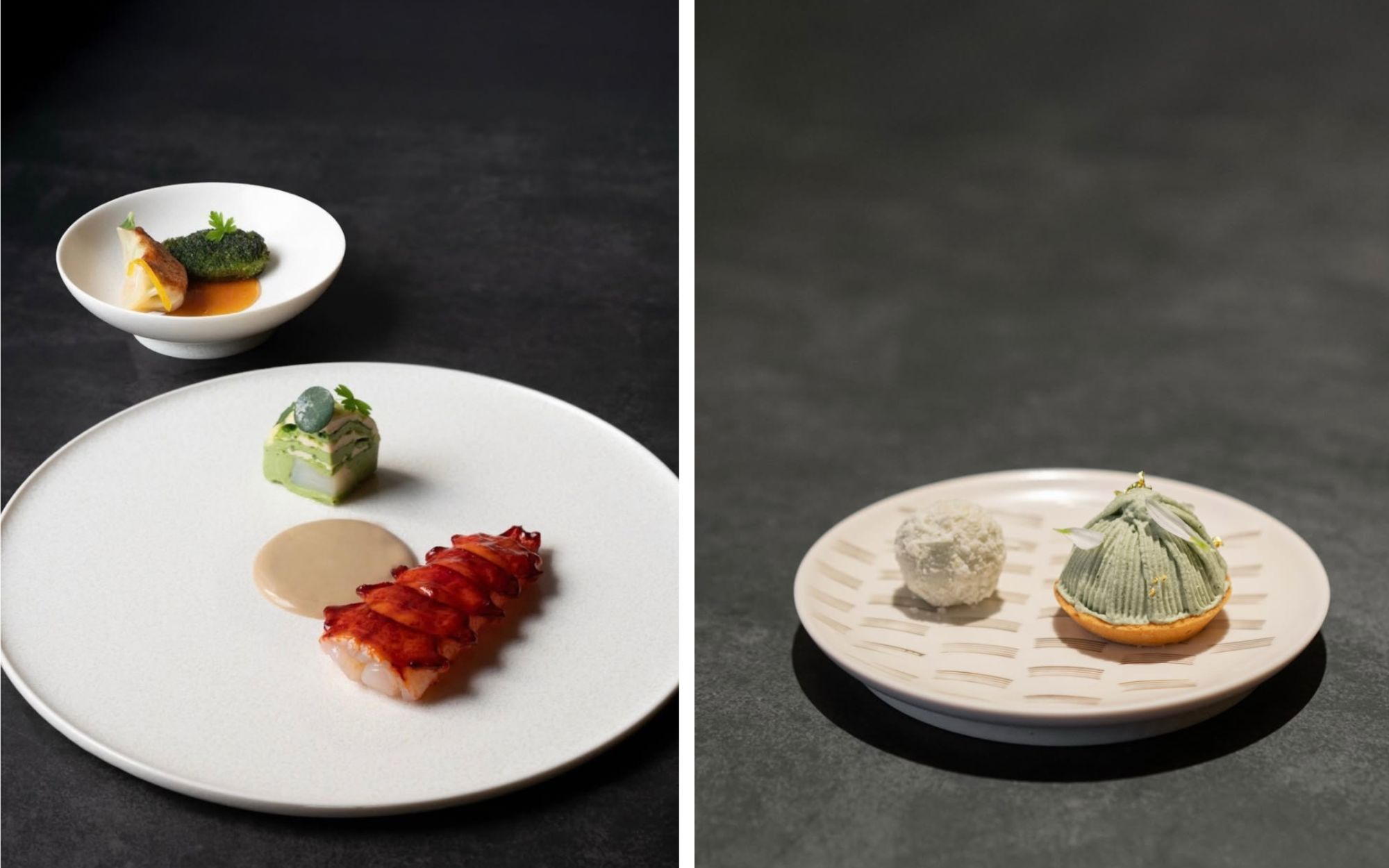
And if you thought Korean restaurants had little to offer by way of festive desserts, Mingles has a charming answer. Its Christmas dessert takes the form of a wreath, combining black truffle ice cream with hazelnuts and tonka bean. At the end of the tasting menu, the kitchen sends out small bites of stollen and sweet cookies filled with strawberries and mugwort—a final flourish that feels both familiar and distinctly Korean. Every tasting menu is accompanied by a new wine program curated by the Mingles sommeliers, creating a thoughtful pairing journey that evolves alongside the food.
2. Stay – Mondrian Hotel Is A Modern Cultural Gallery
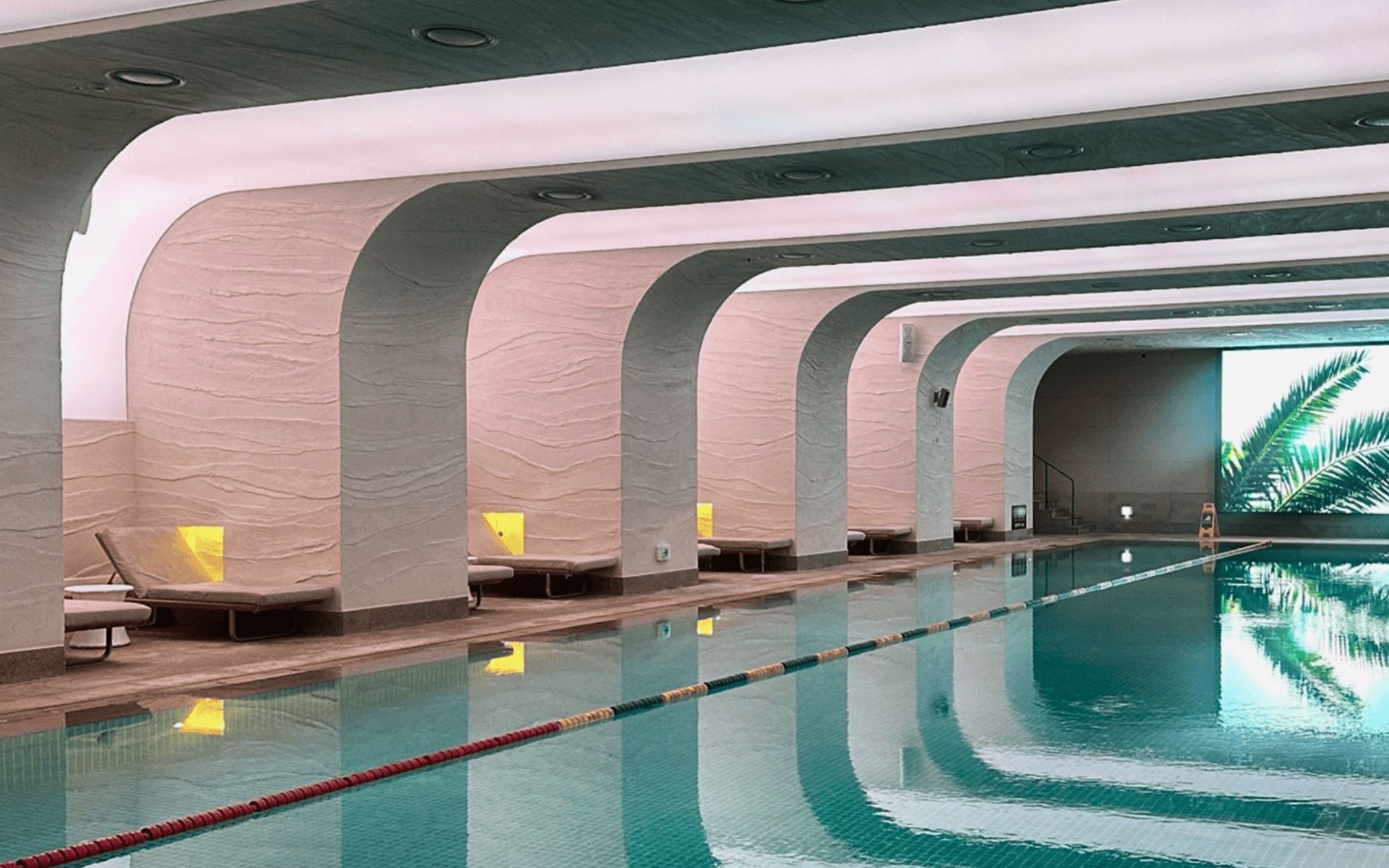
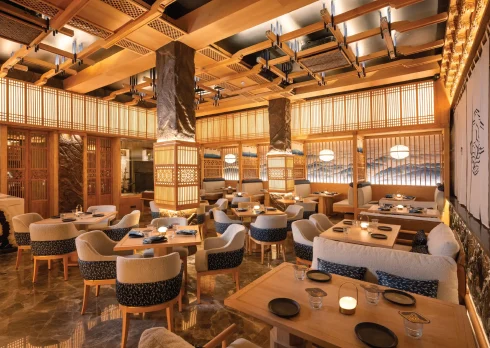
Formerly known as Hotel Capital, the property once accommodated US soldiers, with a nightclub operating as an ancillary facility. In August 2020, it was reimagined and reflagged as Mondrian Seoul Itaewon, marking the first Asian outpost of Ennismore’s design-driven Mondrian brand. The hotel brought its signature mix of contemporary art, bold interiors, food and nightlife to one of Seoul’s most dynamic neighbourhoods.
Mondrian Seoul Itaewon is a vibrant lifestyle hotel fuelled by a distinctly modern design language. Walk into the lobby, and you enter an artful forest zone, before your eye catches the Art Deco-inflected Rumpus Room behind its glass façade. Then there is Lee Kwangho’s massive knot installation suspended from the ceiling. Within seconds of arriving, your senses are bound to get engaged. Despite the lobby constantly buzzing with locals and out-of-towners, but never crowded; the check-in takes place on the second floor, carrying forward the hotel’s playful design vocabulary, with glowing swings suspended above oversized circular rugs.
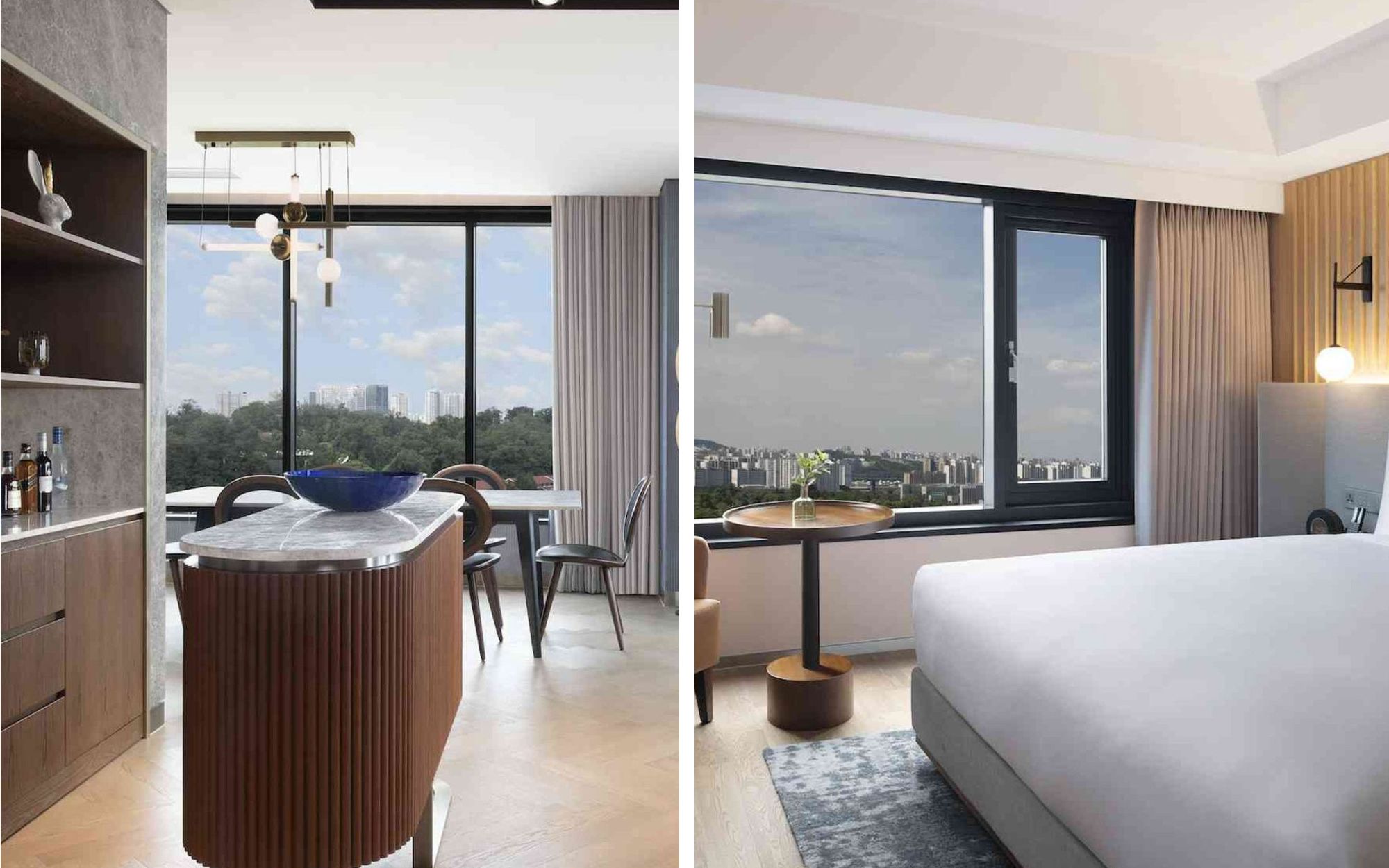
The hotel has 295 rooms and suites, designed by the award-winning Singapore-based interior design studio Asylum. For a C-suite executive or founder looking for a little room to decompress, the Suite Mondrian sets the scene for total relaxation. Spacious and flooded with natural light, the suites offer generous living areas and expansive views across Itaewon. The stay comes with access to the fitness club and indoor pool, along with sauna sessions and Rumpus Room’s Plug&Play experience, where two hours of unlimited beer, wine and highballs are paired with a curated trio of pintxos. But the most favourite is the ‘Cabana Suite’, which offers direct access to the outdoor pool deck and is only a few steps from the Altitude Pool & Lounge. The suite opens to separate living and dining areas, and guests are offered access to the fitness club, indoor and outdoor swimming pool with sauna.
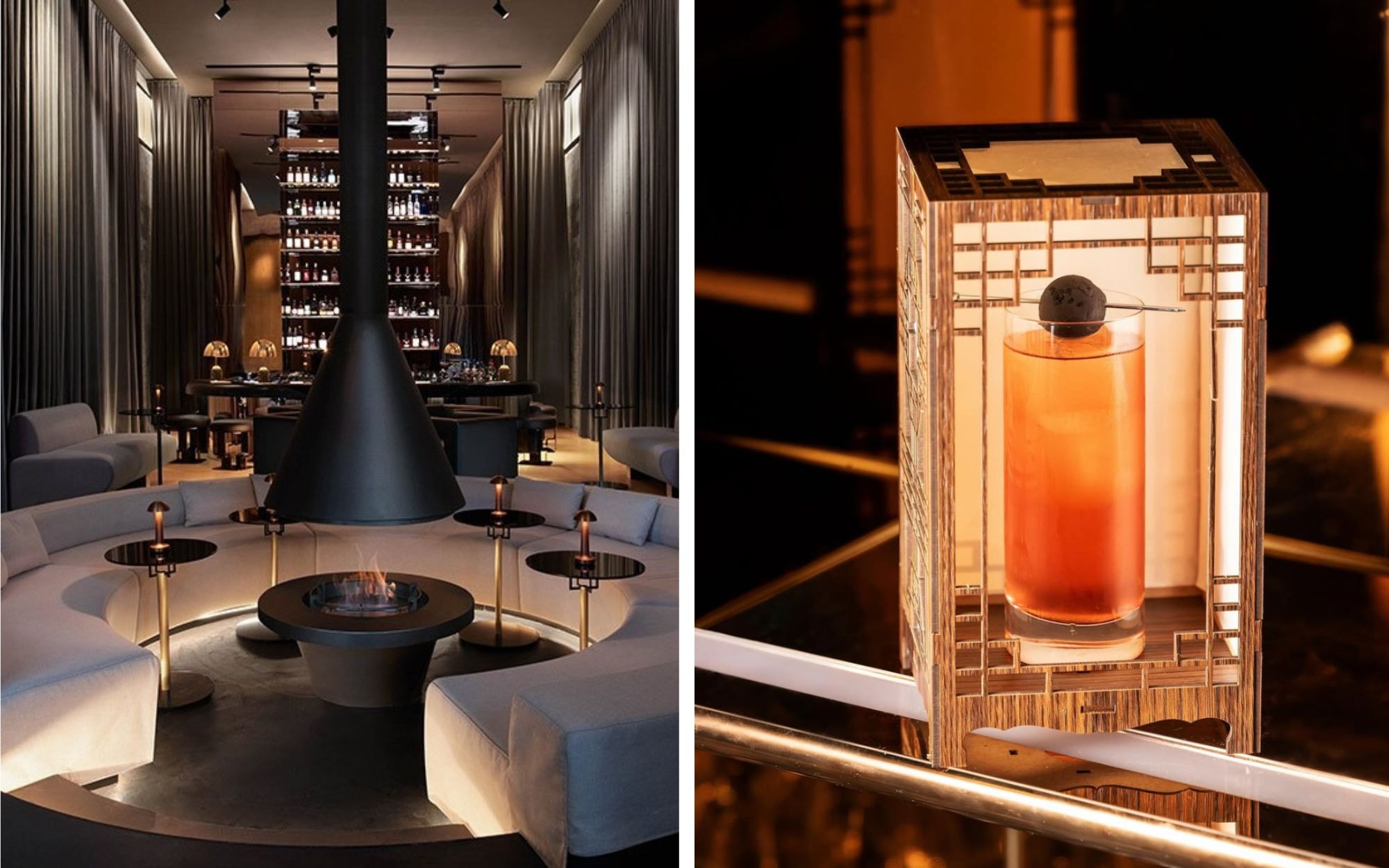
At Cleo, the hotel’s lively modern Mediterranean restaurant, mornings begin with a buffet spread spanning Western, Korean and Mediterranean staples. There are no à la carte breakfast options, but the selection makes for an easy start to the day. Later, move to Blind Spot, the hotel’s all-day venue, which shifts effortlessly from daytime pause to late-night hangout. During the day, its signature forest- and season-inspired teas take centre stage. As evening falls, the menu turns towards cocktails, with flavours that are anything but restrained. Upstairs, Privilege brings the evening drama. The rooftop bar opens onto sparkling views of Seoul, while its playful cocktails spotlight Korean ingredients. Rumpus Room on the ground floor is quieter than Privilege bar but livelier than Blind Spot; the lounge occupies a sweet spot for casual cocktails and conversation. On weekends, it gets an extra layer of energy from live jazz performances.
And then there is the art. Keep an eye on the lobby exhibitions and the hotel’s various exhibition spaces, where the programming keeps changing. With event venues designed for everything from intimate gatherings to larger occasions, Mondrian Seoul Itaewon feels less like a hotel with art on its walls and more like a living part of Seoul’s creative scene.
Also read: Art Confidential: Siddhartha Somaiya On Building a Future For Indian Art
3. Explore – Leeum Museum Of Art Is An Art Pilgrimage Of Sorts
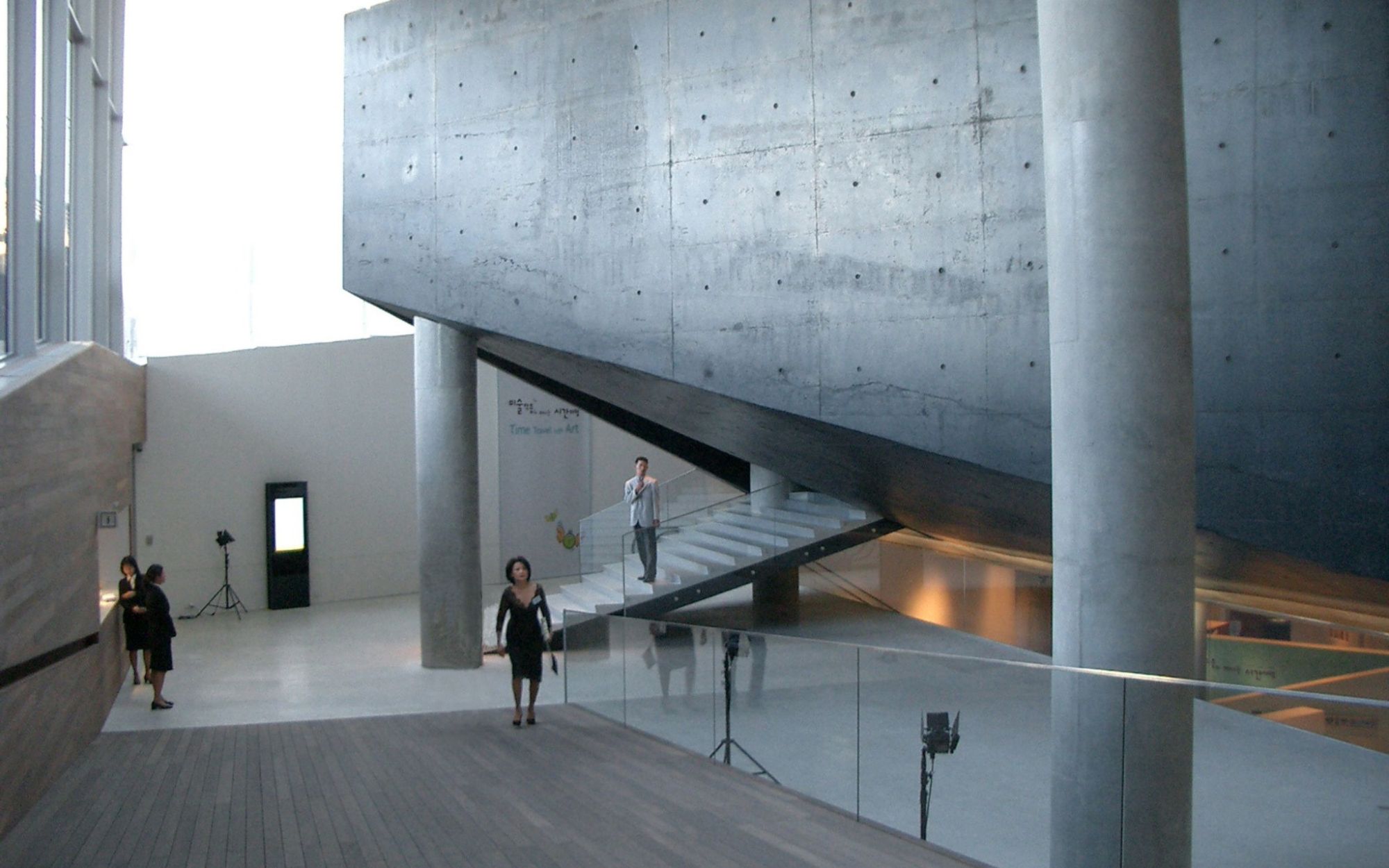
Designed by Mario Botta, Jean Nouvel, and Rem Koolhaas, the museum is an arresting architectural composition of concrete, steel, and glass. Inside, its permanent collection moves across Korean antiquities, Buddhist art, and ceramics, while the contemporary wing is where the museum truly comes alive and is making waves. Designed as a 27,000-square-metre masterplan, the Hannam-dong (upscale neighbourhood) complex brings together three distinct buildings around a central ‘mixing chamber’. OMA’s building is marked by a monumental black concrete box, creating a dramatic arrival. Outside, the architecture softens into landscape. ‘Infinite Column – Growth’ by Italy-based artist Eun Sun Park rises along the pathway between the buildings, while Gabriel Orozco’s site-specific garden transforms the museum’s outdoor deck into a living sculpture.
The lush Heewon and Yetdol Gardens bring nature into the architectural narrative, alongside Anish Kapoor’s ‘Tall Tree and the Eye’, which draws the eye skyward. In the Stone Garden, Lee Ufan’s sculptures remain quietly composed against the landscape. At Leeum, art extends beyond the gallery walls—into the architecture, gardens and spaces in between. The museum is also rethinking the conventional role of the museum shop, questioning how exhibition hierarchies can spill into the realm of consumption. Taipei graffiti artist NOE was invited to shape the space, alongside 12 creative teams from Korea and Taiwan, who brought their distinct practices together in a shared, temporary setting. Aerin Hong’s Music Siren (duet) merges movement, light and sound. Two toy butterflies inside a garden vitrine mimic their living counterparts, triggering infrared sensors as they move. Their reflected vibrations are translated into sound signals, ultimately producing delicate piano notes.
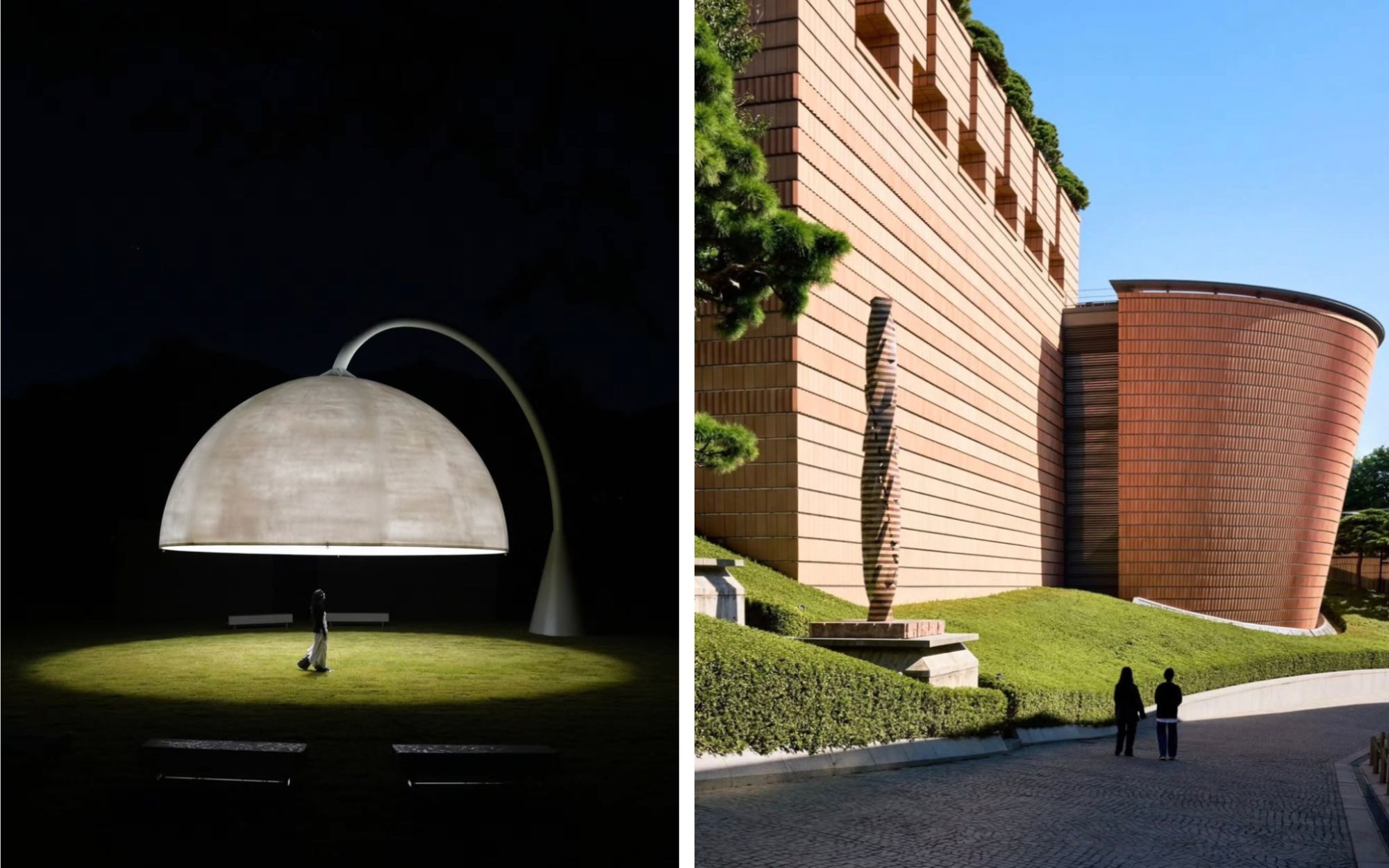
Suspended above the old garden of Leeum Museum of Art, Suzuko Yamada’s ‘Hanging Moon’ transforms a familiar celestial form into an architectural presence. Keep an eye out for the current and upcoming installations.
Since 2004, Seoul’s Leeum Museum of Art has built a rich collection of Korean, international, modern and contemporary art. In 2021, after the pandemic had kept people apart and cultural spaces closed, the museum took the opportunity to rethink its role. Leeum set out to become a more open, modern and vibrant space of convergence—a place where art, ideas, culture and people can come together and connect.