A NYC Local’s Guide: Designer Purvi Padia’s Hidden Cultural Reccos
New York City–based interior designer Purvi Padia takes DP around her favourite hidden gems across NYC for the best places to eat, shop, and explore.
- 21 Aug '26
- 4:41 pm by Simran Almeida

‘Where is home?’ This quest has plagued minds for years. It has built Dream Cities with lofty castles where dreamers migrate in pursuit of belonging. These cities pack memories and aspirations in spaces that ring close to home. New York City is one such Elysian arbour, where expatriates chase the American Dream and its gilded promise of belonging. Erstwhile a major port of entry to the U.S., this city was the country’s capital for five years, becoming a hub for businesses and factories. This commercial revolution led to a series of heterotopic spaces—from Studio 54’s futuristic chrome accents and MET’s rich archives to the jazz clubs and warehouse raves—of art that allowed the proletariat to gather and celebrate multiculturalism.
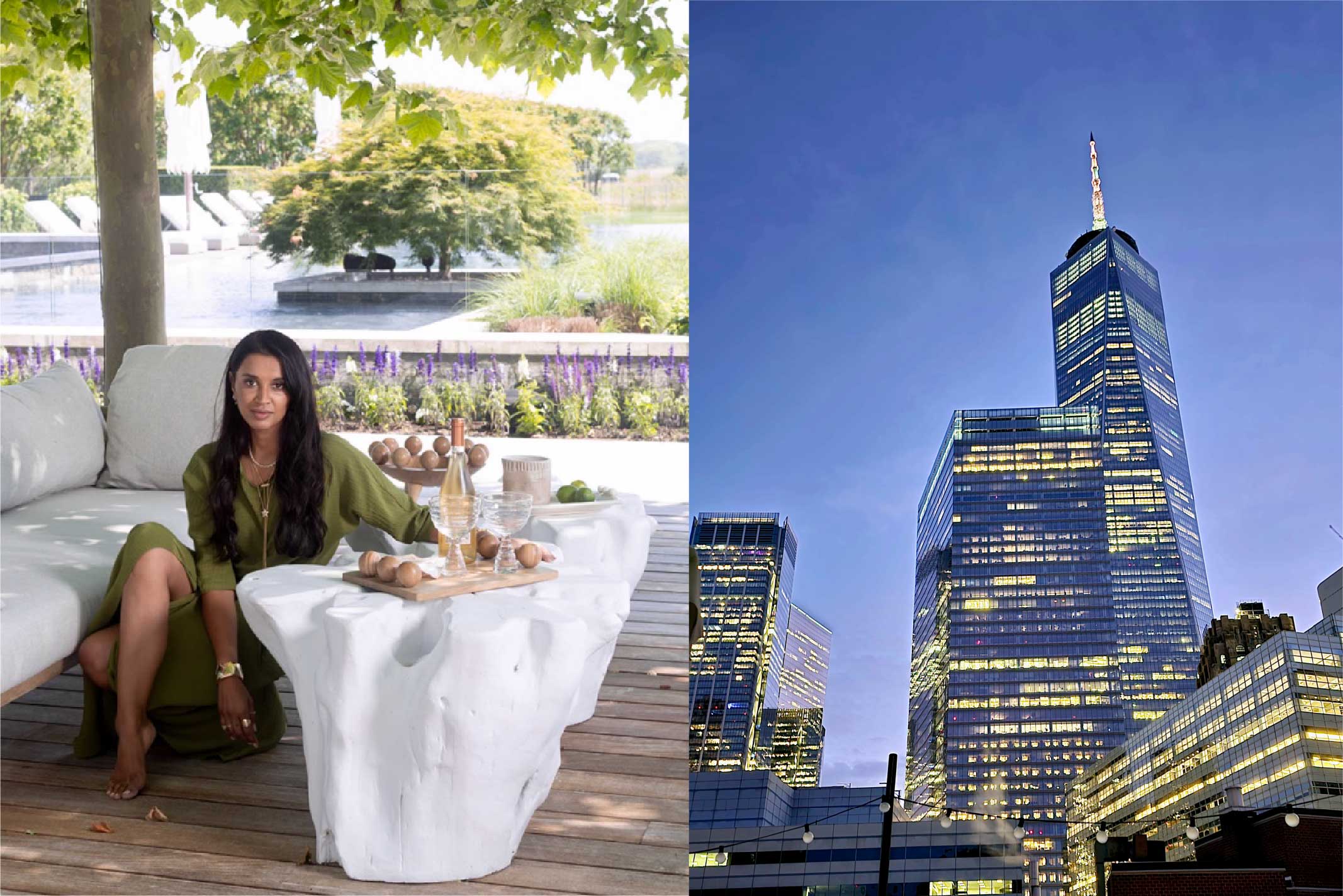
For all its cultural richness, New York can feel like a labyrinth with experiences tucked far away from the well-trodden path. DP navigates this maze with a diasporic guide who takes us to the most underrated spaces for a healthy dose of culture. This series explores the city’s rarest treasures, curated for the curious and culturally inclined. For the first segment, we meet Purvi Padia, a New York City–based interior designer and the founder and creative director of the lifestyle brand House of Revelry. Growing up in a small city in the Midwest, “Ever since I can remember, I was drawn to the idea of big city energy, the anonymity, the ability to explore so many cultures and have access to incredible experiences and opportunities,” Padia shares. There, she also leads Project LION, an initiative in collaboration with UNICEF USA that supports millions of vulnerable children in India. “And once I finally arrived in my early 20s, I knew it would be my forever home.” She takes us to her favourite places to eat, shop, and explore across New York City.
Beyond The City’s Marquee Museums
Currently, the city’s art scene is housed in magnificent buildings, having evolved from small, modest institutions with limited collections, budgets, and temporary homes into large, well-funded cultural institutions housed in grand, purpose-built buildings with extensive collections.
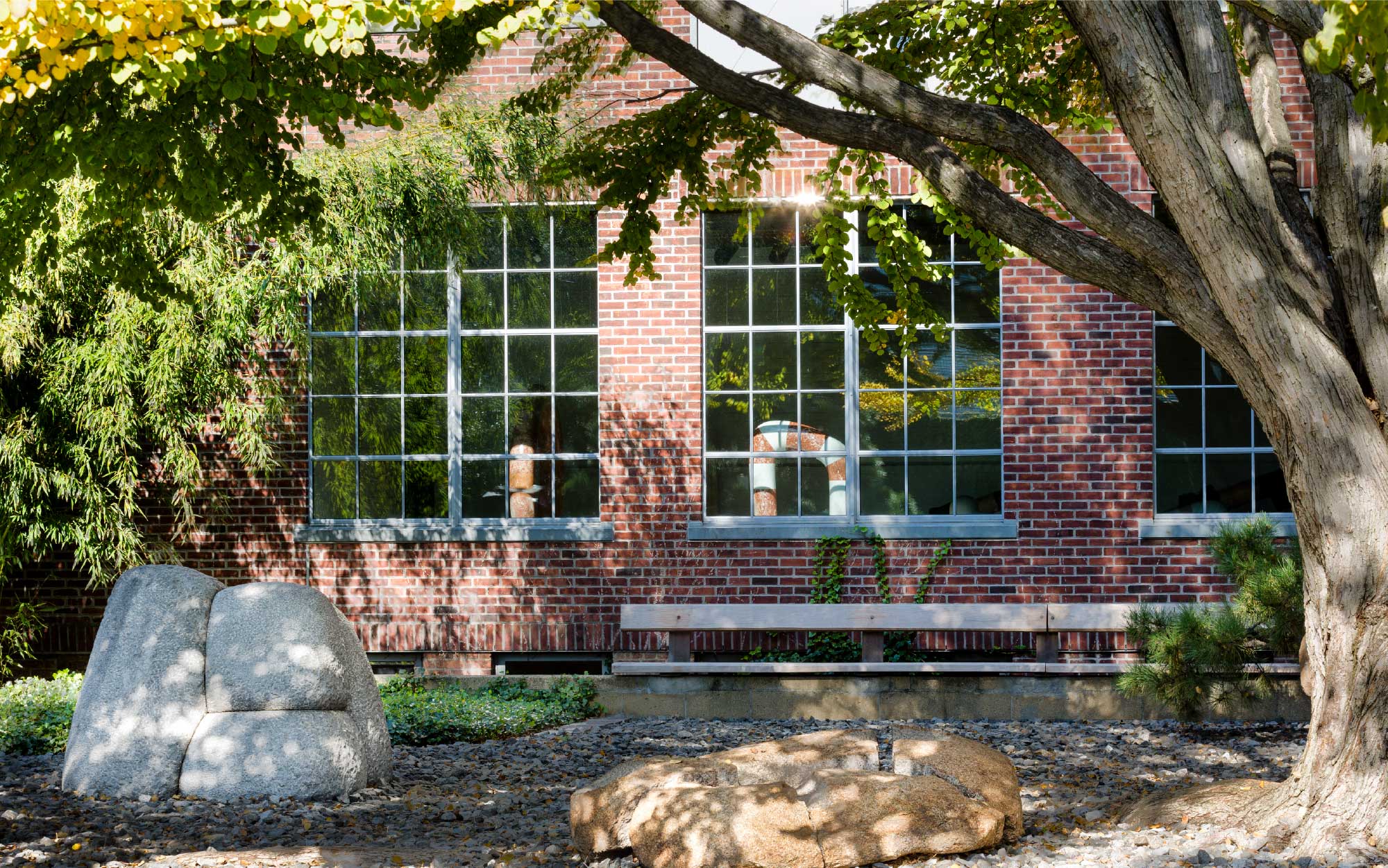
Among New York City’s lesser-known cultural treasures is the Noguchi Museum in Astoria, Queens. Founded by Japanese artist Isamu Noguchi in 1985, this 87-acre museum is housed in a former industrial building. Here, an open-air sculpture garden by Noguchi and a two-storey connected building enclose 10 galleries under the original metal ceiling. “It is more like a sculptural garden than a museum, with beautiful indoor and outdoor spaces that feel like a retreat,” explains Padia.
Elsewhere in the city, across from Central Park, Padia’s next stop is Salon 94—a contemporary art gallery founded by Jeanne Greenberg Rohatyn. “Salon 94 is an art gallery housed in a restored Upper East townhouse, which is oh so New York City,” remarks Padia. A 17,500 sq. ft. Beaux-Arts building was refurbished in 2021 into S94D by the late architect Rafael Viñoly. From marble staircases and soaring galleries to stone interiors, “it’s only been open for a few years, but the meeting of design and art is really special.
She shares, “White Columns is in my favourite NYC neighbourhood—the West Village—and focuses on emerging artists.” Established in 1970 by a group of artists as an experimental platform for art, its white walls allow art to stand out. “There are rotating exhibitions, and it’s one of the best places to discover new artists before they become widely known,” points out Padia.
Scouting For Rare Designs
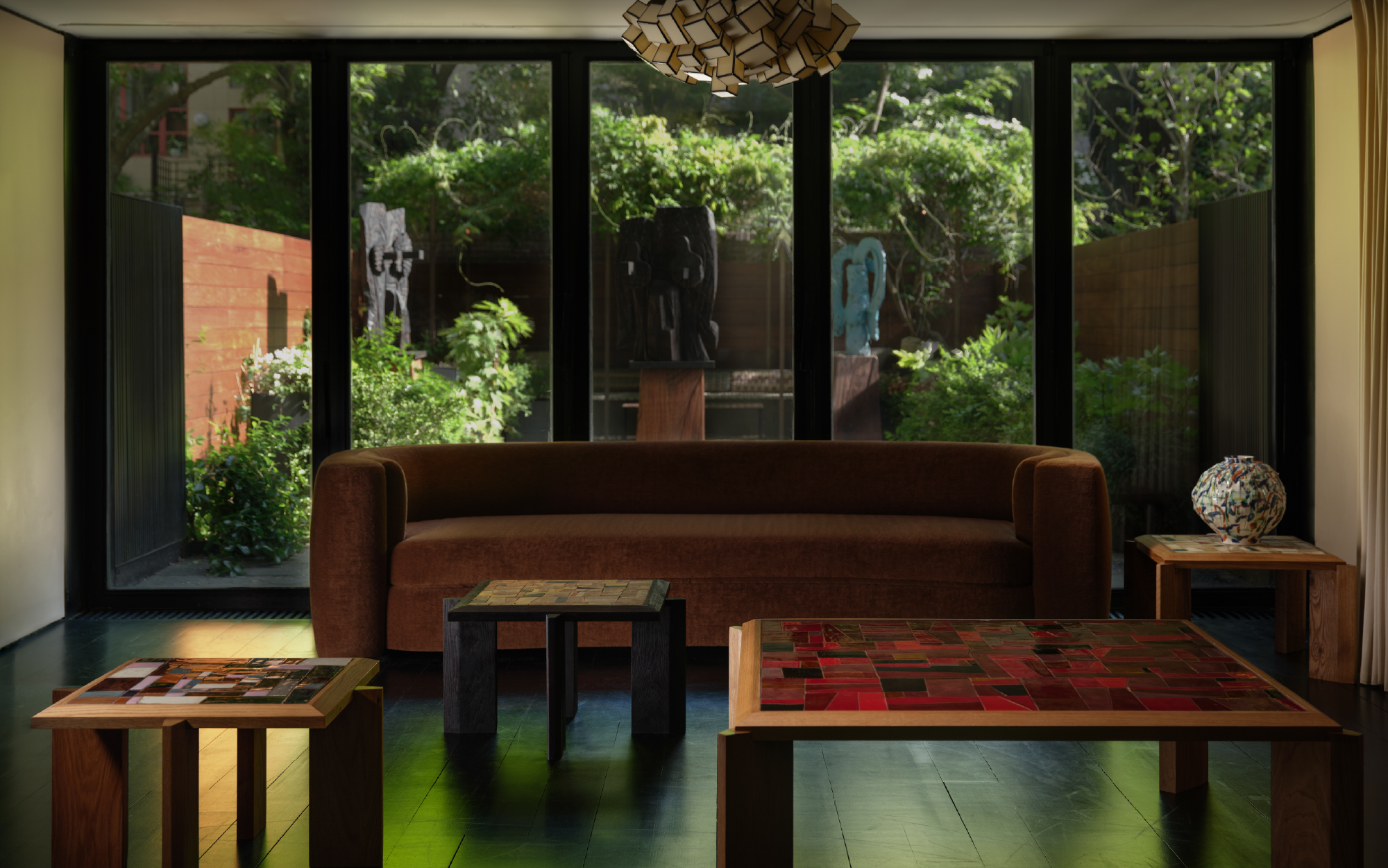
“They all have their own sensibility, but the common thread is a focus on silhouette, proportion, material, and function, and the ability to push the envelope of traditional design,” Padia shares with DP. For rare and collectable design, the designer’s pick is The Future Perfect. Set inside a beautifully restored West Village townhouse, the gallery presents an ever-evolving collection of limited-edition furniture, lighting, and objects, where every room feels like stepping into the home of an avid design collector.
The next stop is WYETH in Tribeca, a haven for collectors. The store brings together rare mid-century modern furniture, collectable lighting, and handcrafted contemporary pieces, each selected for its enduring craftsmanship and timeless appeal. In the same neighbourhood, a former textile building houses StudioTwentySeven, an appointment-only gallery for impeccable collectables. From furniture and lighting to objet d’art, the curation leans towards a minimalist yet timeless vibe with pièces de résistances, that are made to order.
Also Read: Why The Mark Hotel In NYC Has Become The Met Gala’s Go-To Dressing Room
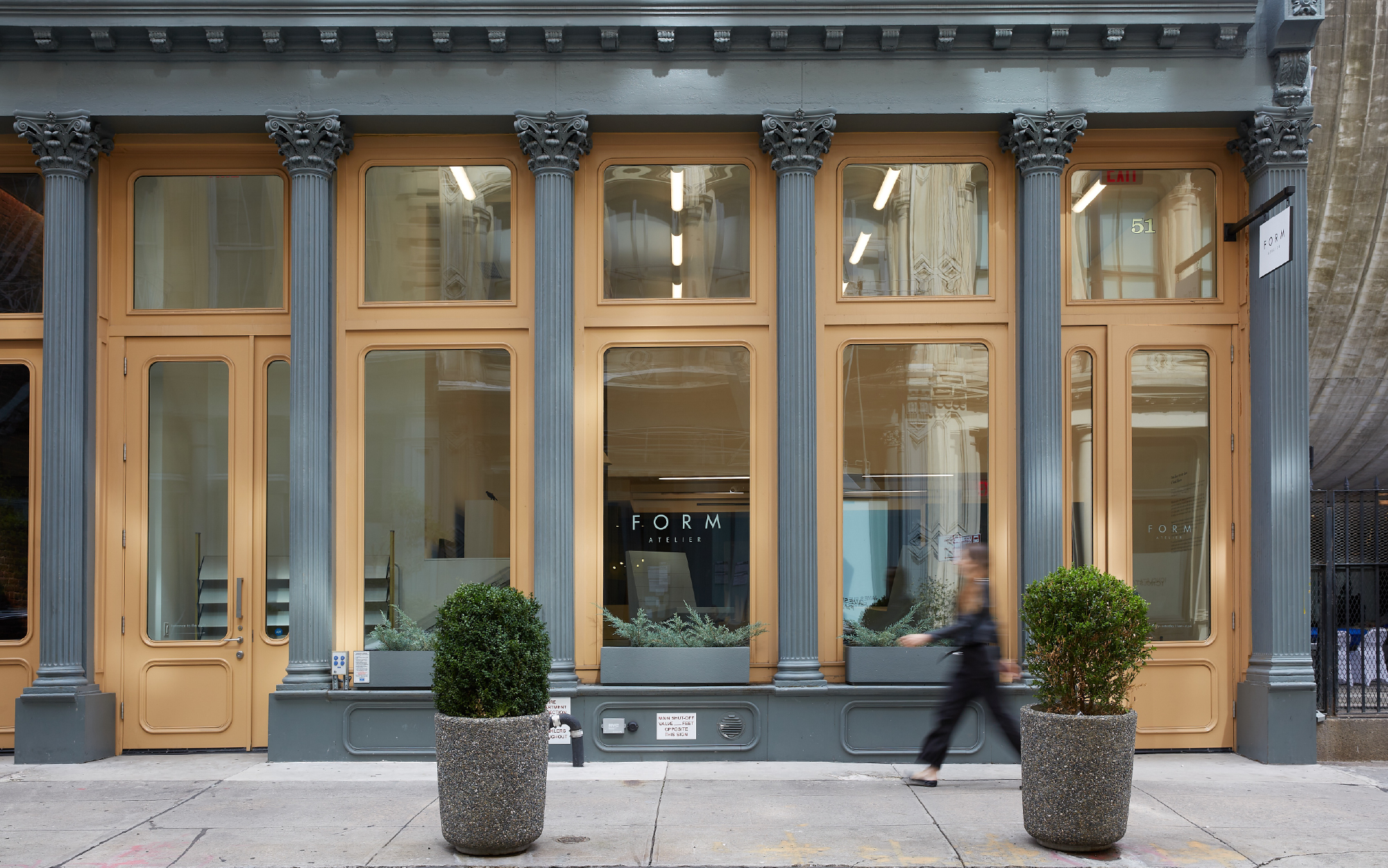
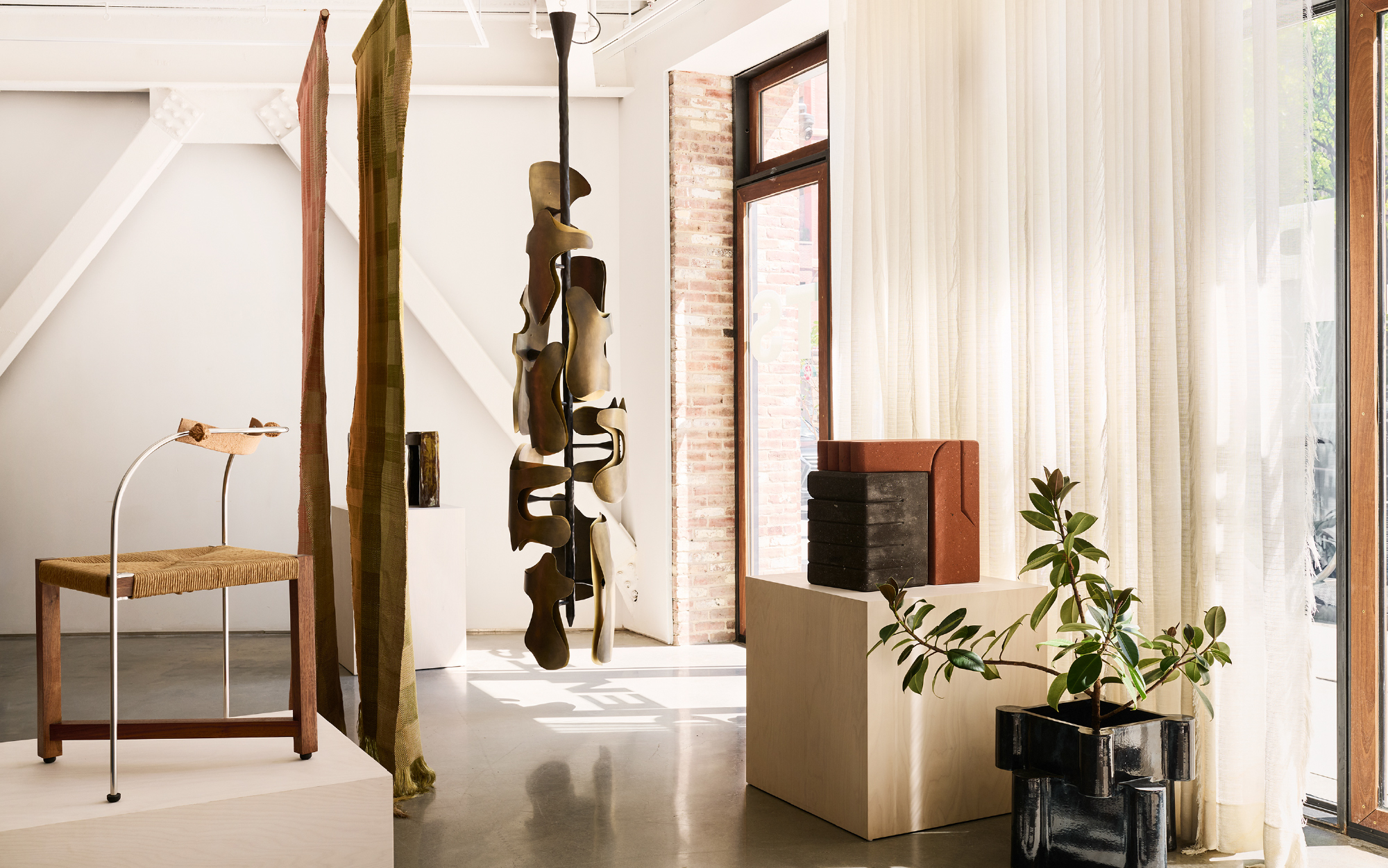
For the patrons of everything contemporary, the FORM Atelier in Manhattan is the perfect place. With a focus on the form of an object, the founders Avril Nolan and Quy Nguyen source pieces that feel relevant and modern while drawing connections between art, objects and furniture. A few miles away on West Broadway, a cooperative gallery, design studio and strategy firm, Colony, is a lesson on American culture, championing independent local designers and their oeuvres. Brainchild of Jean Lin, this studio nurtures emerging designers to tell their stories. To find emerging artists, Padia suggests, “The New Museum is one of my go-to places, as it is highly regarded for its focus on new art and new ideas. There are frequent showcases of emerging artists from a global lens.” In Manhattan’s Lower East Side, in SANAA’s iconic stacked-box building, it is the city’s only museum dedicated exclusively to contemporary art.
A Hefty Dose Of Design Culture
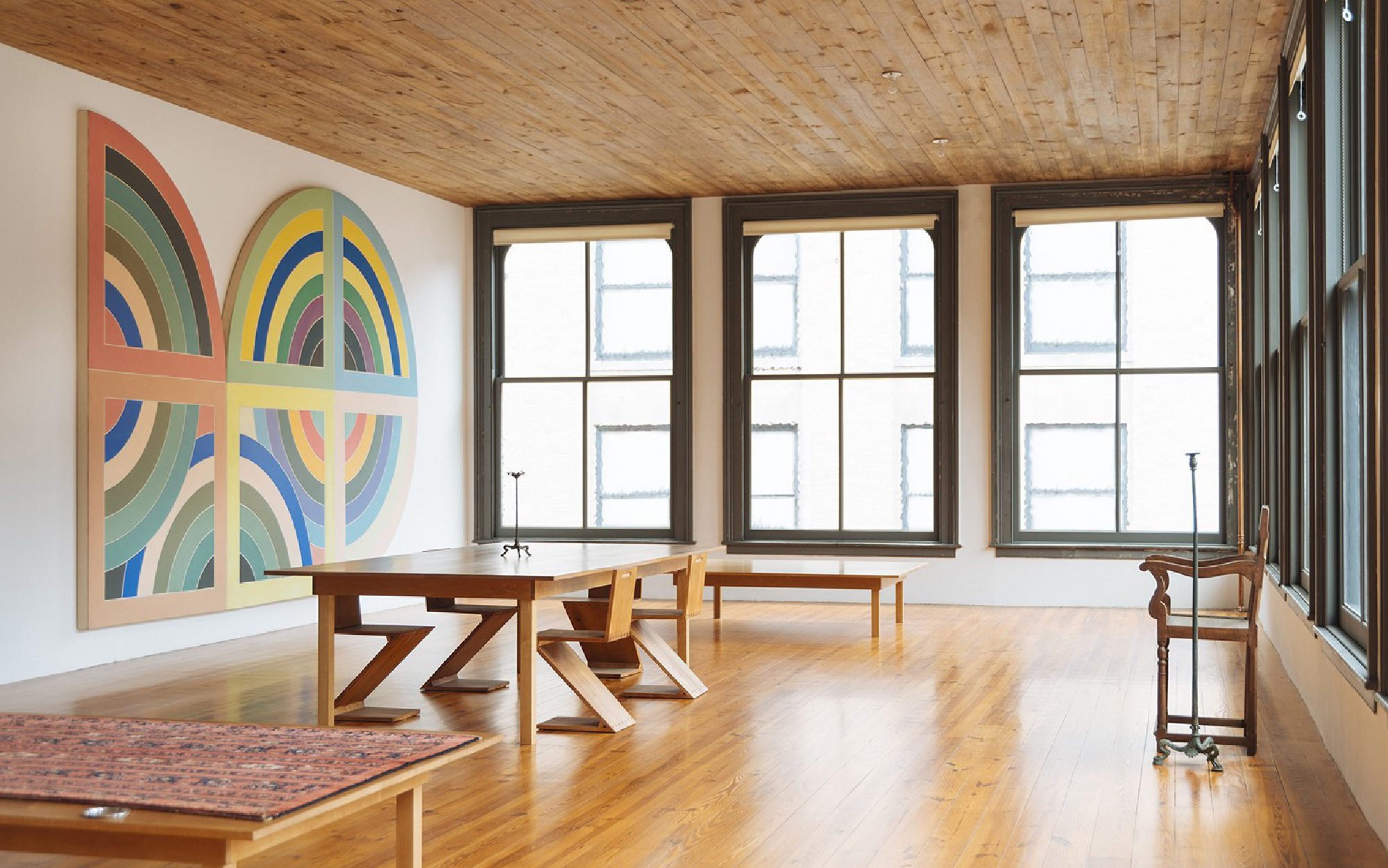
NYC has always been a melting pot of culture with its rich history and relentless spirit of innovation. “There are so many fascinating ways to explore NYC both culturally and from a design lens,” notes Padia. “In some cases they overlap, such as The Judd Foundation, which is in Soho—a must-visit neighbourhood in NYC.” Located at 101 Spring Street, this former cast-iron factory “is a permanently installed living and working space of the minimalist artist Donald Judd, and while it sounds straightforward, people always walk away with a sense that they’ve experienced something pretty special,” quips Padia.
In Manhattan, “I also think Lincoln Centre is a must-visit while in NYC. The architecture, fountain, and plaza are iconic and quintessentially New York, and the exhibition calendar is outstanding, ranging from performing arts to film to music and much more.” The centre recently unveiled a West Side campus to make the performing arts accessible to all.
Picnic Spots In The City
“It’s hard to pick just one! Obviously, Central Park is iconic,” Padia smiles. The 843-acre green oasis at the heart of Manhattan, stretching from 59th to 110th Street, was conceived in 1857 by landscape architects Frederick Law Olmsted and Calvert Vaux. “It’s huge and gorgeous and has so many elements packed into one public space, from the boathouse to the conservatory garden to the Belvedere Castle and more. It’s truly where the city gathers,” Padia shares.
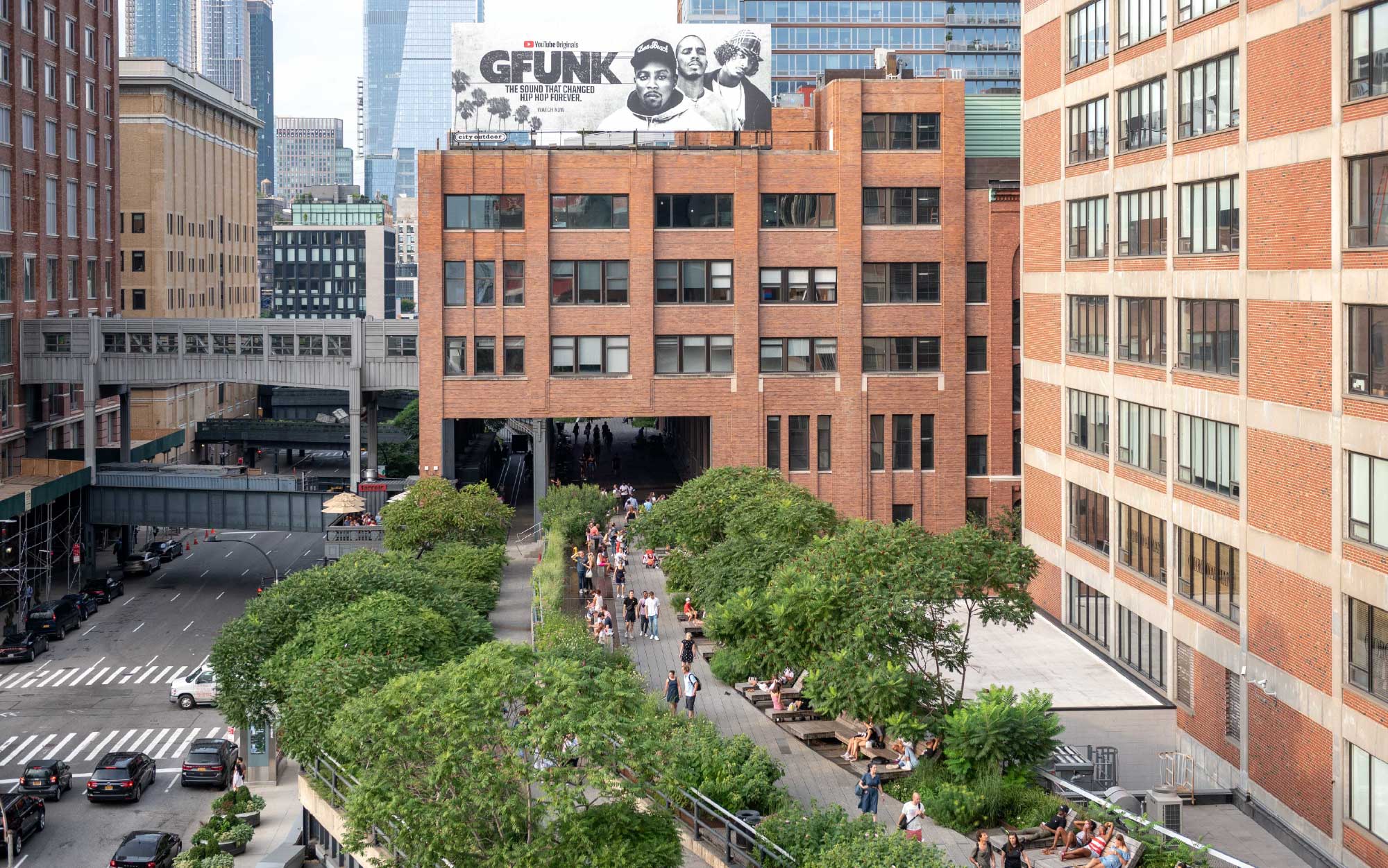
While Central Park has seen empires fall and rise, there are some newer public spaces that embody the high spirits of a New Yorker. Amidst these, Padia recommends treading the verdant, ever-evolving art exhibitions of High Line public park. “It provides beautiful views of the Hudson River, Chelsea, and the Meatpacking neighbourhoods,” the designer adds. Built on a former freight railroad, this park is a breath of fresh air in the bustling city, allowing users to slow down and admire the surrounding installations.
A Slice Of Home
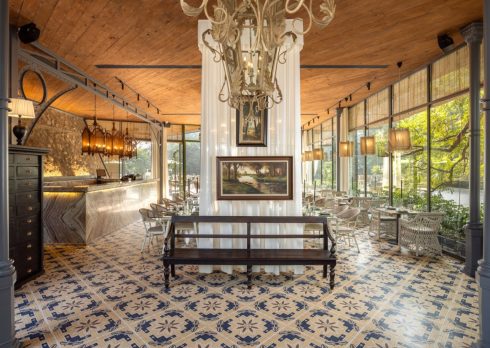
For the diaspora community, food is the only tangible connection to home. For the perfect journey of flavours, Padia recommends, “Tamarind for elevated yet classic.” Located in Tribeca, this restaurant serves its own take on classical Indian cuisine. With its soaring double-height interiors, marble bar, warm lighting, and minimalist finishes, owner Avtar Walia underscores cuisines from different regions of India. The regional flavour is found in tandoori specialities, seafood, and signature lamb chops.
Also Read: Vikas Khanna’s Newest Restaurant Bungalow Is A Regal Revival Of Indian Cuisine In NYC
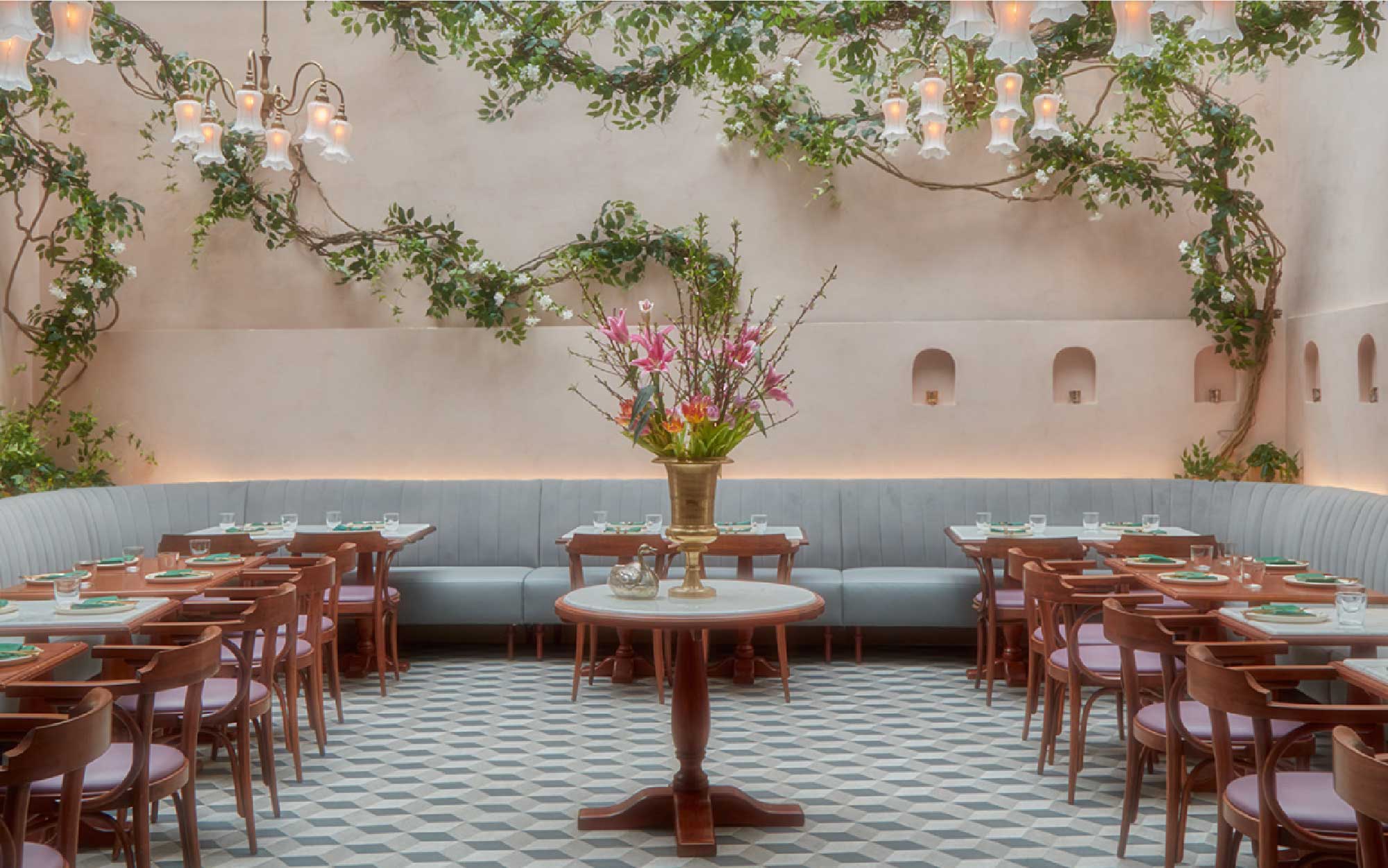
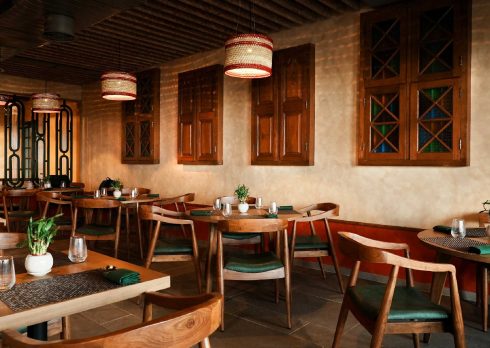
For some nostalgia and the taste of home, Purvi’s go-to for authentic North Indian cuisine is Bukhara. Its original Midtown East location closed on East 49th Street, while it still operates a catering service in New Jersey. Established in 1999, the restaurant built a loyal following with its tandoors, rich curries, and warm hospitality, becoming one of the city’s enduring Indian dining destinations. In the East Village, “Bungalow for a cool take on Indian cuisine,” Purvi suggests. The brainchild of Michelin-starred chef Vikas Khanna, the restaurant is a nod to the regal social clubhouses of pre-Independence India, reimagining their warmth and hospitality. With an antique library, curated artworks, handcrafted details, and bespoke