Delhi’s Newest Restaurants Are Hiding More Than Just Good Food
From a hidden speakeasy to a tequila temple, an izakaya to a forest-clearing restaurant on a heritage site: Delhi's newest 5 openings are serving distinct food and unique ambiences
- 29 Sep '26
- 2:14 pm by Tanvee Abhyankar

Delhi‘s dining scene has always been diverse, but lately it’s been reinventing itself in real time. New restaurants are opening in some of the city’s most storied locations, each carrying its own reputation of being the best in the league before the first plate even lands on the table. The variety is what stands out. There are wine-forward speakeasies tucked behind hidden doors, tequila bars built entirely around a single spirit, izakaya counters inspired by Tokyo‘s back alleys, and heritage-set dining rooms that double as forest clearings. Cuisines cross borders freely—Indian, Japanese, Latin American, Continental—all finding space in the same city, often within a few kilometres of each other. What ties these openings together isn’t a shared cuisine or design language, it’s the ambition of treating food, design and atmosphere as one experience. Here’s a closer look at 5 of the restaurants leading that shift.
Also Read: The Ultimate Restaurant & Café Itinerary To Experience Chennai
1. Rumour, Vasant Vihar
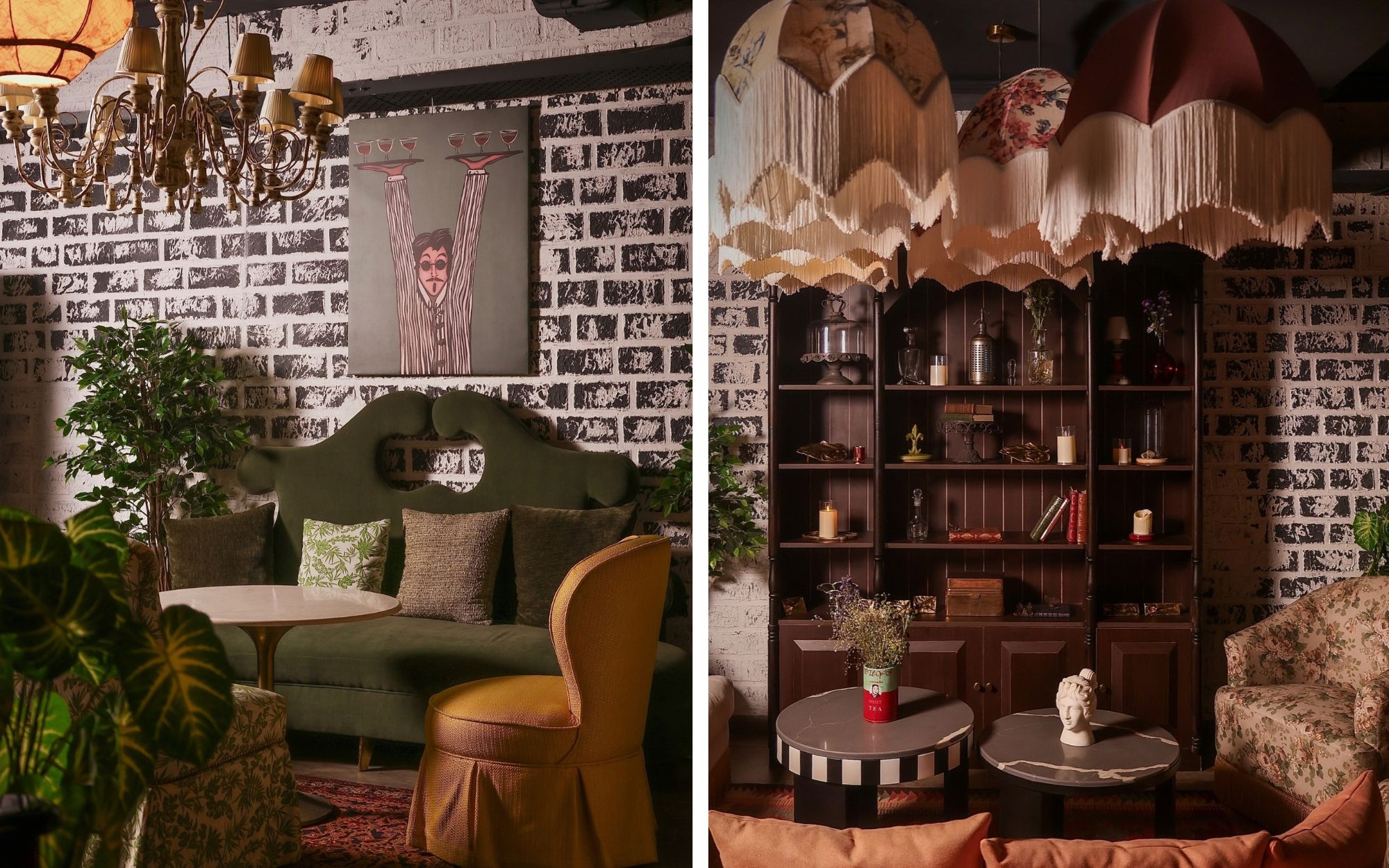
Tucked behind a hidden entrance, Rumour unfolds as a wine-forward speakeasy where food, drinks and design are conceived as a single social experience rather than separate parts of a night out. The space is designed by Sussanne Khan of The Charcoal Project to derive from the intimacy of New York‘s loft-style bars. Bringing that sensibility to life, the restaurant boasts exposed brick, layered textures, warm lighting and mismatched furniture that give out a quirky, lived-in vibe. The compact layout and varied seating keep things intimate without losing energy. It deems Rumour less like a restaurant and an insider’s favourite haunt—the kind of place where good drinks, considered food and easy conversation just happen.
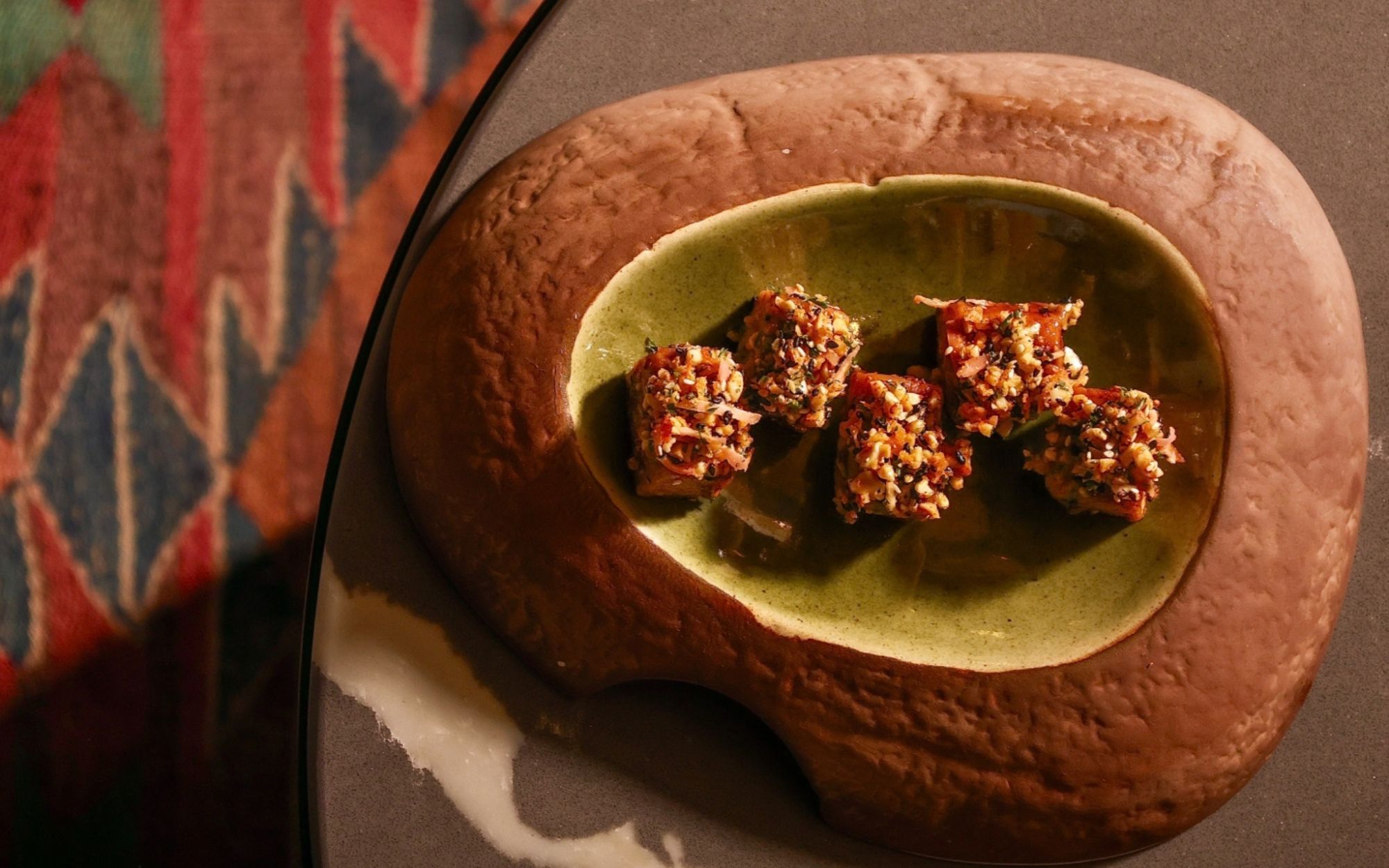
plates, and a must-have Glazed Tofu. (Image Credits: Rumour)
True to its wine-forward identity, the kitchen at Rumour works in reverse of convention, building its menu around the beverage programme rather than the other way around. The result is a spread of approachable, globally inspired plates, flavour-forward and designed to be shared over wine and cocktails in a relaxed, high-energy setting. It’s an eclectic mix that echoes Delhi’s own expanding palate, each dish borrowing from a different cuisine while still working as part of one shared table. ‘Hot Honey Brie Crisp’ and ‘Pistachio and Pesto Flatbread’ sit alongside ‘Black Bean Tacos,’ ‘Salsa Matcha Prawns’ and ‘Chicken Yakitori,’ and are some must-order here.
2. Nisaba, Nizamuddin
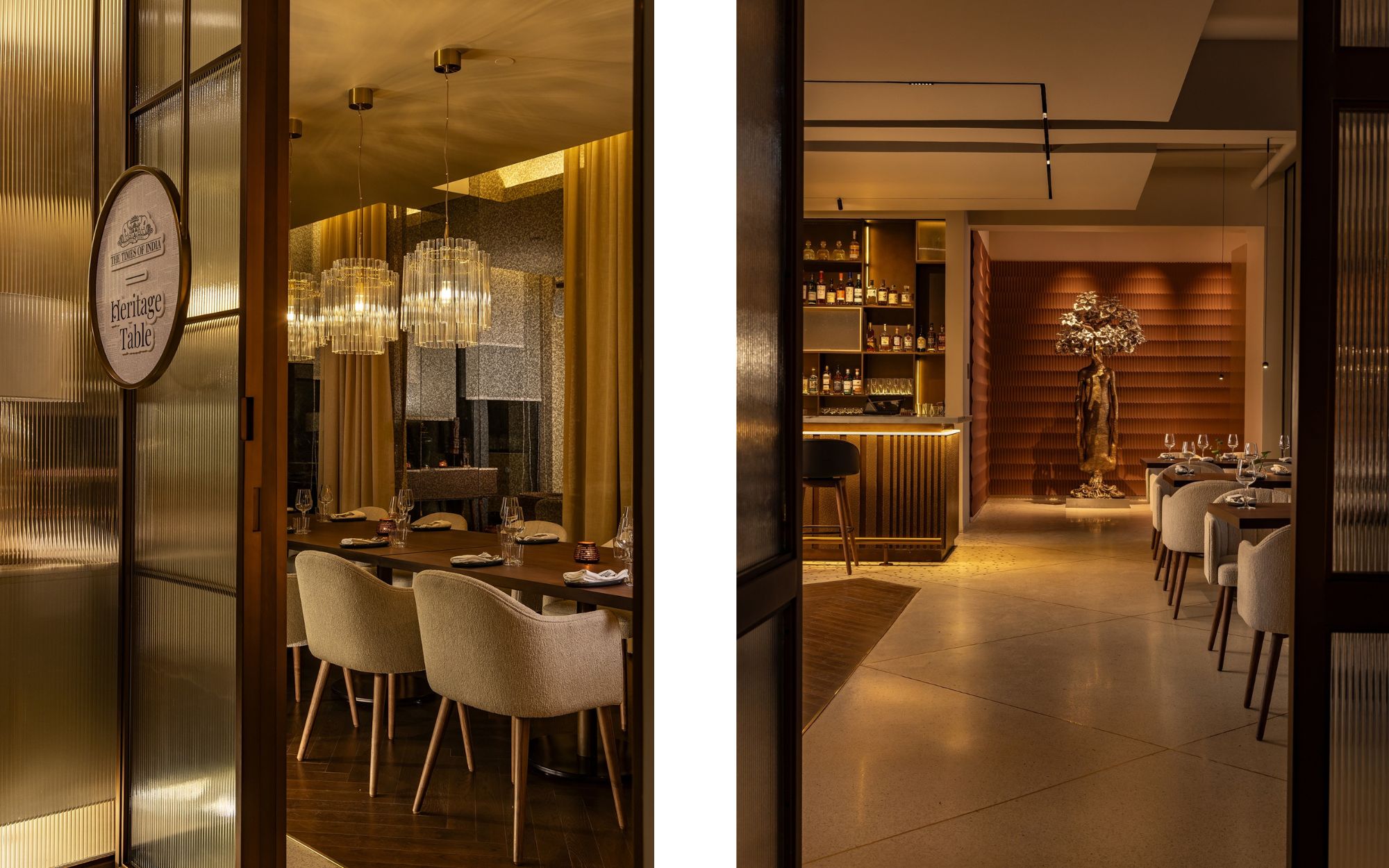
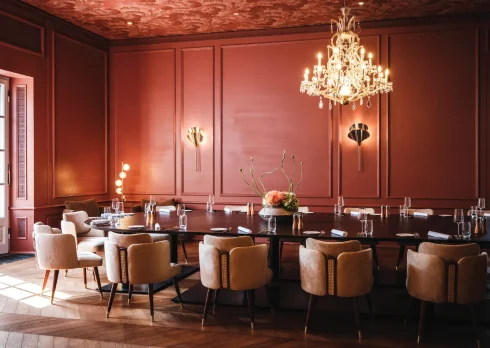
Set within the historic Humayun’s Tomb Museum Complex, Nisaba is a restaurant helmed by chef Manish Mehrotra, and is built around reflection and quiet discovery. Named after the ancient goddess of grain and writing, Nisaba draws its spirit from everyday Indian food and the people who make it with instinct and care. The interiors, designed by Via Design, feel softly layered and light-led. In the day, natural light streams in through asymmetrically placed blinds, casting shadow and texture across the room, and by night, the mood turns warm and intimate. The lounge and bar sit against the complex’s sandstone lattice architecture, catching a golden glow as the sun sets. A curated display of Mehrotra’s own cookbooks, grain engravings etched into every tabletop, and a stainless steel and bronze sculpture called “Life Cycle” anchoring the room with personal touches.
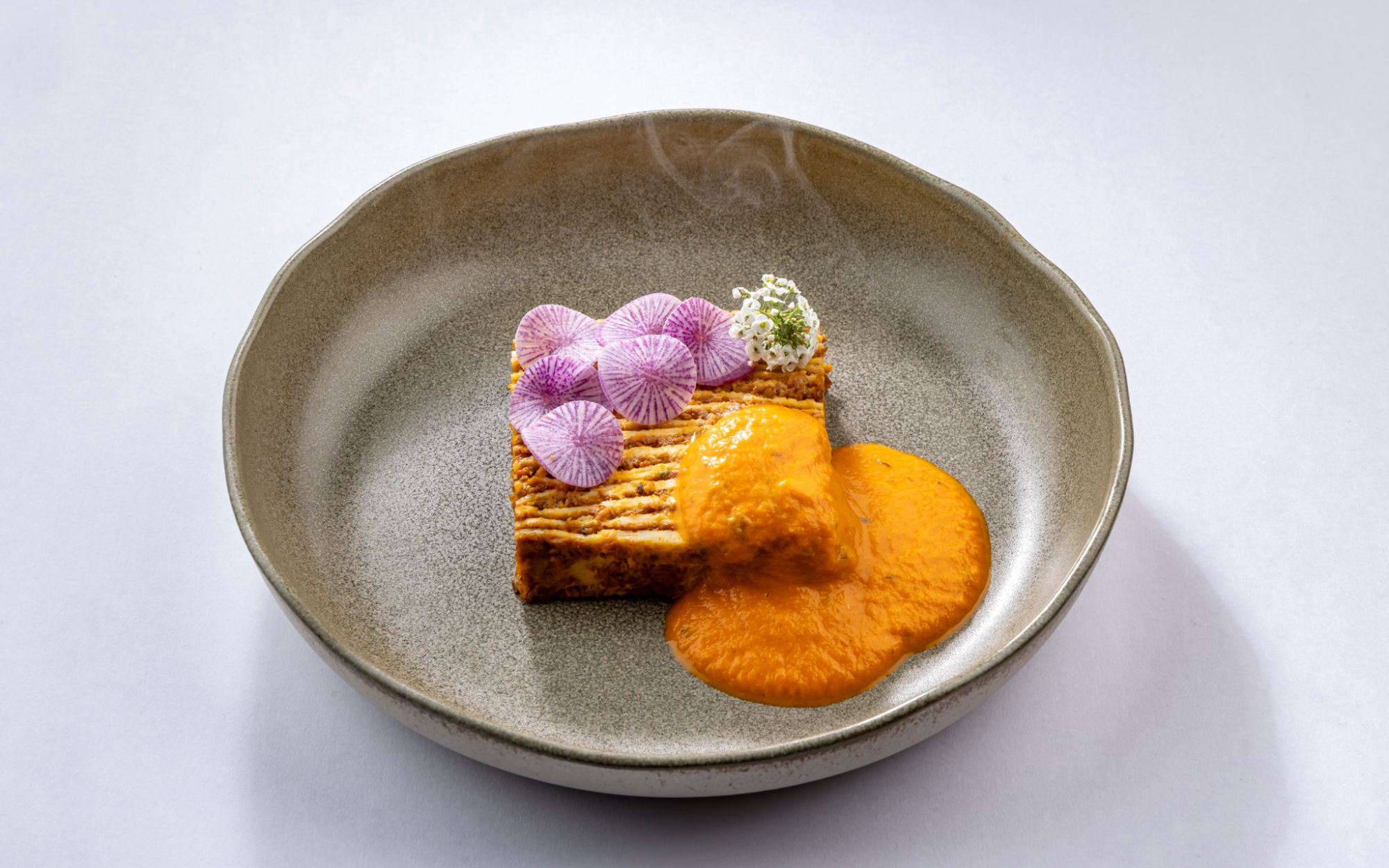
The menu here celebrates the food of Indian homes, bylanes and small towns. It celebrates pure flavours, intuitive technique and a strong sense of place over elaborate presentation. Starters include ‘Lucknowi white matar tikki’ with ‘sem ke beej’ and ‘crisp paneer pakoras’ with ‘kimchi onion and green chutney’, alongside ‘samosa dal Moradabadi’ and a ‘signature pao bhaji’. Mains range from ‘motihari mutton’ and ‘chilli tomato crab ghotala’ to vegetarian dishes like ‘chanar paturi kofta’ and ‘cauliflower kasundi curry’. Desserts close things out with a ‘treacle tart’ paired with ‘Gurgaon doda and pecan ice cream,’ and a ‘baked rasmalai’ with ‘fried makhana’. The bar too takes the same ingredient-led approach, building cocktails around fresh produce and Indian botanicals, backed by a wine list of over 119 labels chosen to pair with the menu.
3. The Agave Room, Vasant Vihar
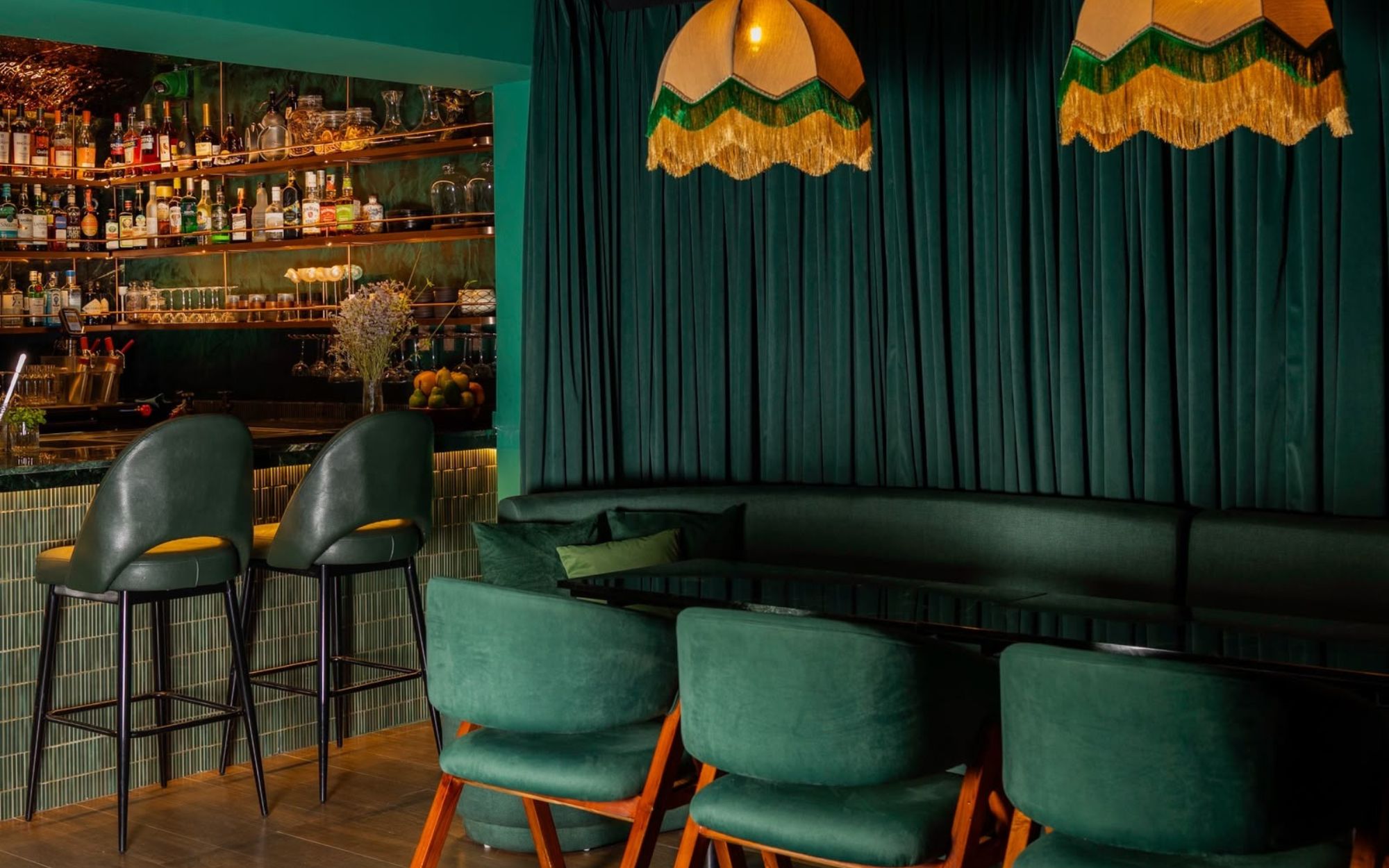
Set within a tree-lined pocket of Delhi, The Agave Room by curator, mixologist and designer Vijay Prakash sits at the intersection of old and new—a space the team describes as a “check-post between the past and the present.” Its concept draws from Aztec cosmology, structured around the four elements of air, fire, earth and water, plus a fifth: Teotl, the Aztecs’ sacred energy. Rendered in deep shades of green, accented with tones of gold and yellow, the interiors draw on the Aztec theme while creating an ambience that feels both mysterious and cosy. The result is an immersive, multi-sensory space meant to make guests conscious of what they’re drinking, not just quick to order it.
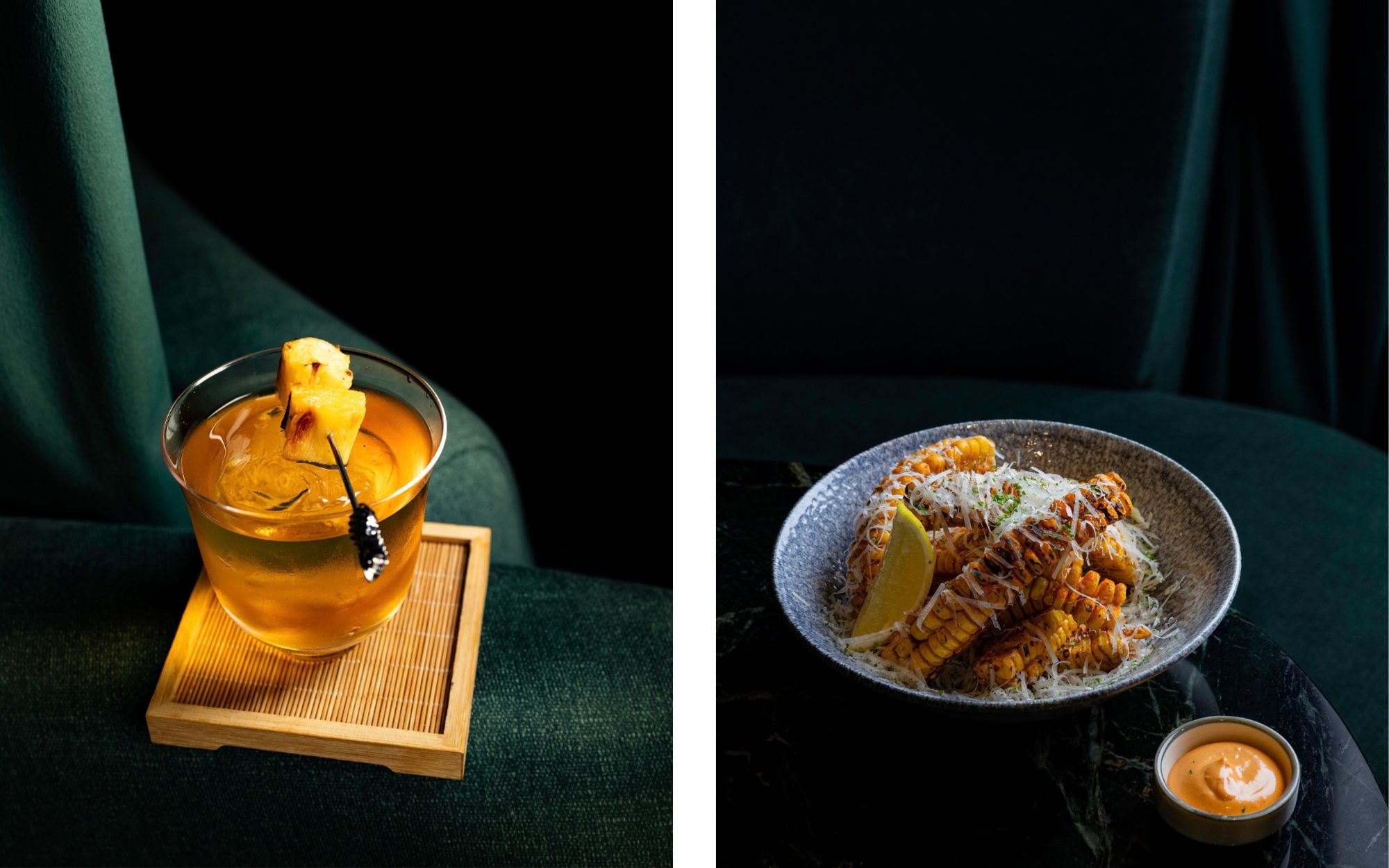
The kitchen, helmed by head chef Samin Chhetri, takes its cues from Latin America, weaving Mexican flavours through dishes such as Avocado Salmon Ceviche, Pescado Baja tacos, Barbacoa de Cordero and Jumbo Prawns. The food is built to sit alongside a drinks programme structured in much the same way — spirit by spirit, mood by mood, across the elements. Gin and vodka carry the airy, floral pours; mezcal and tequila bring the smoke and heat; whiskey and rum ground the earthy, nutty notes; while tequila, vodka and rum shape the softer, saline drinks. Even the welcome drink nods to the theme — a riff on pulque, the ancient fermented agave beverage that predates tequila itself.
Also Read: Leh’s 5 Most Sought-After Tables Have Stories Worth Travelling For
4. Adrift Kaya, Aerocity
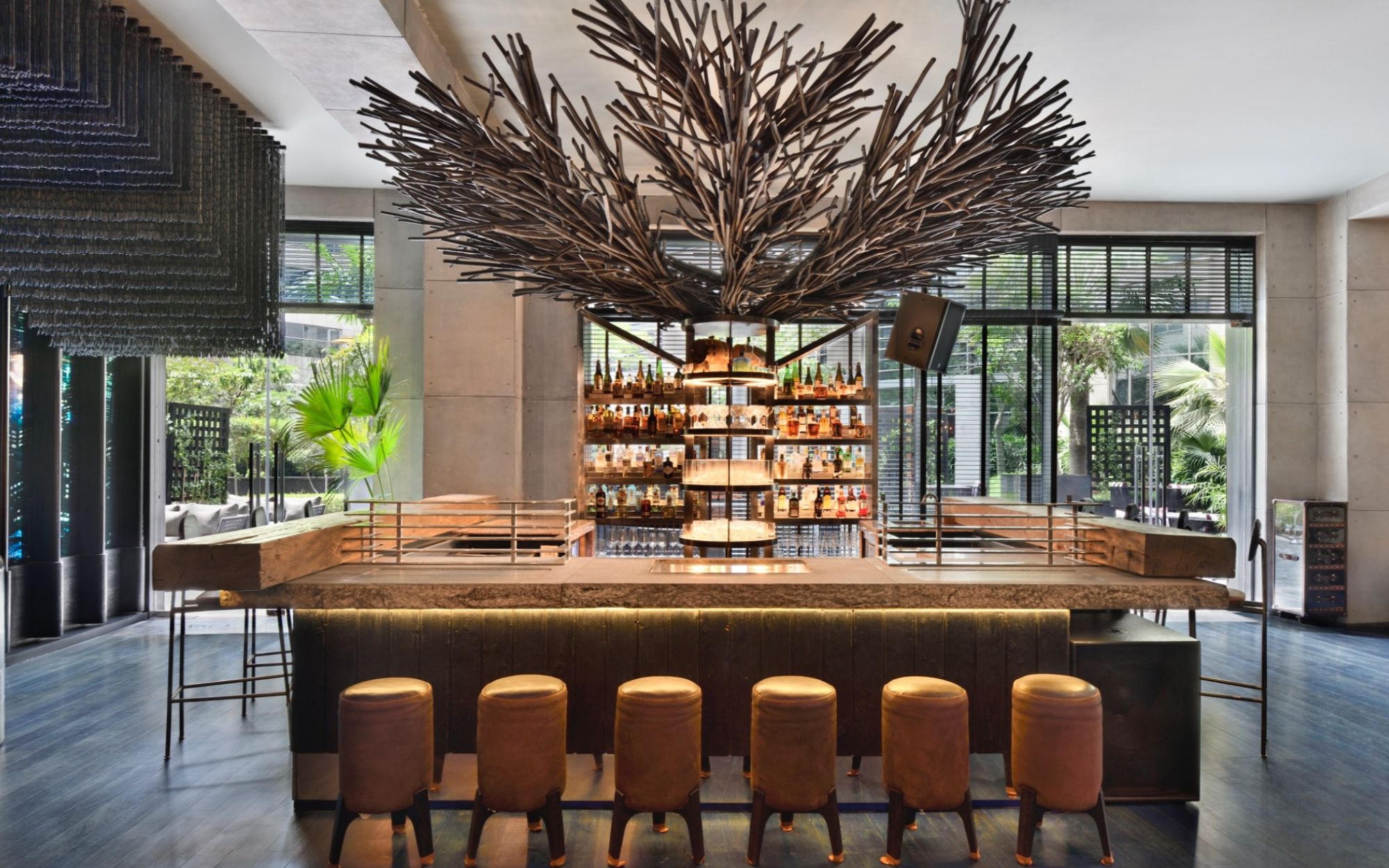
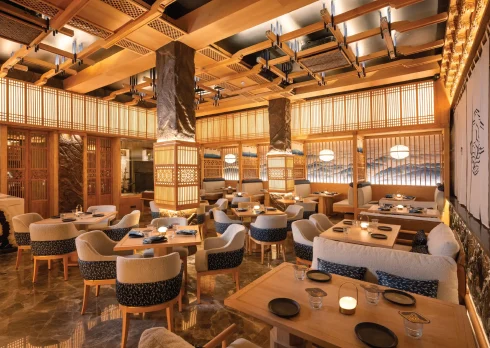
Set within the JW Marriott Hotel New Delhi Aerocity, Adrift Kaya is designed by Timothy Oulton Studio to feel like a journey through Japan’s laneways and food alleys — the natural habitat of izakaya dining. Guests first pass through an outdoor courtyard lounge with indigo-stained timber floors, a wave of dyed bamboo beads overhead, and a glass wall printed with a Tokyo nightscape. At its centre sits the bar, open on three sides and built from reclaimed timber beams and honed granite, crowned by a floating canopy of burnt driftwood. The main dining room takes its cues from Japanese taverns, with leather banquettes, sheepskin-backed chairs and shoji-inspired timber panels creating pockets of intimacy. For a more private experience, the Torri Room—accessed by its own elevator and seating ten — offers an exclusive space behind printed glass doors depicting Tokyo geishas.
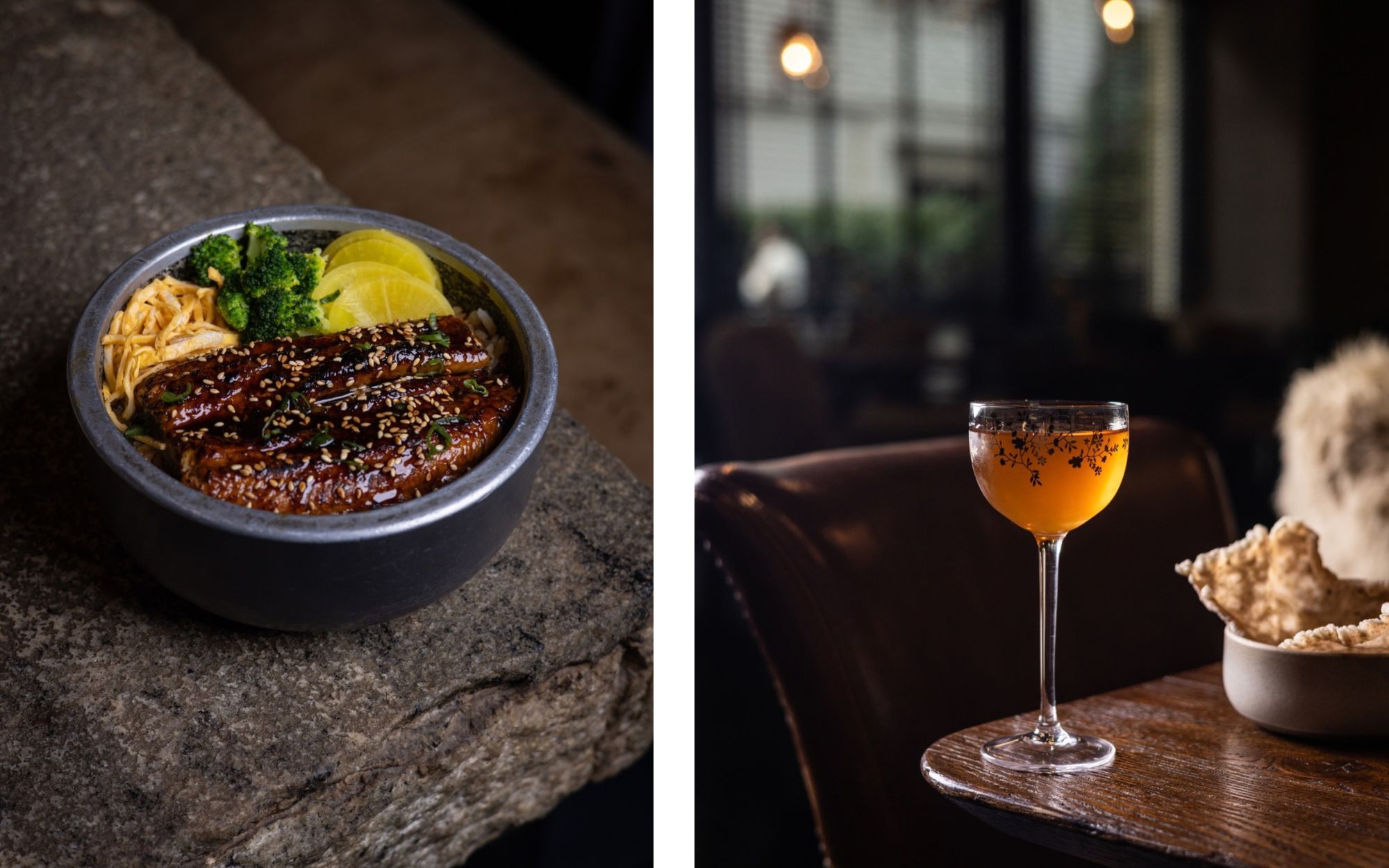
clarity and balance. (Image Courtesy: Adrift Kaya)
Led by Michelin-starred Chef David Myers, Adrift Kaya’s new cocktail menu is structured as a chapter-led journey. It traces flavour from Edo-period Japan across the Silk Route, through the Himalayas, and into Delhi. It opens with umami-driven drinks like the ‘Broth of Edo,’ built on fat-washed whisky and clarified broth, and ‘Grain of the Rising Sun,’ made with rice vodka and umeshu. The Silk Route chapter brings in calibrated richness through the Sunstone Negroni and Silk Root, before the Himalayan chapter turns toward restraint, using ‘buransh, kahwa and saffron’ in drinks like ‘Garhwal Snow’ and ‘Valley of Gold’. The journey lands in Delhi with ‘The Red Fort Old Fashioned’ and ‘Dilli 6 Spritz,’ translating jaggery, pickle and spice into structured, high-definition cocktails—closing a narrative that moves from clarity to density across geographies.
5. Forest Table, Lutyens’ Delhi
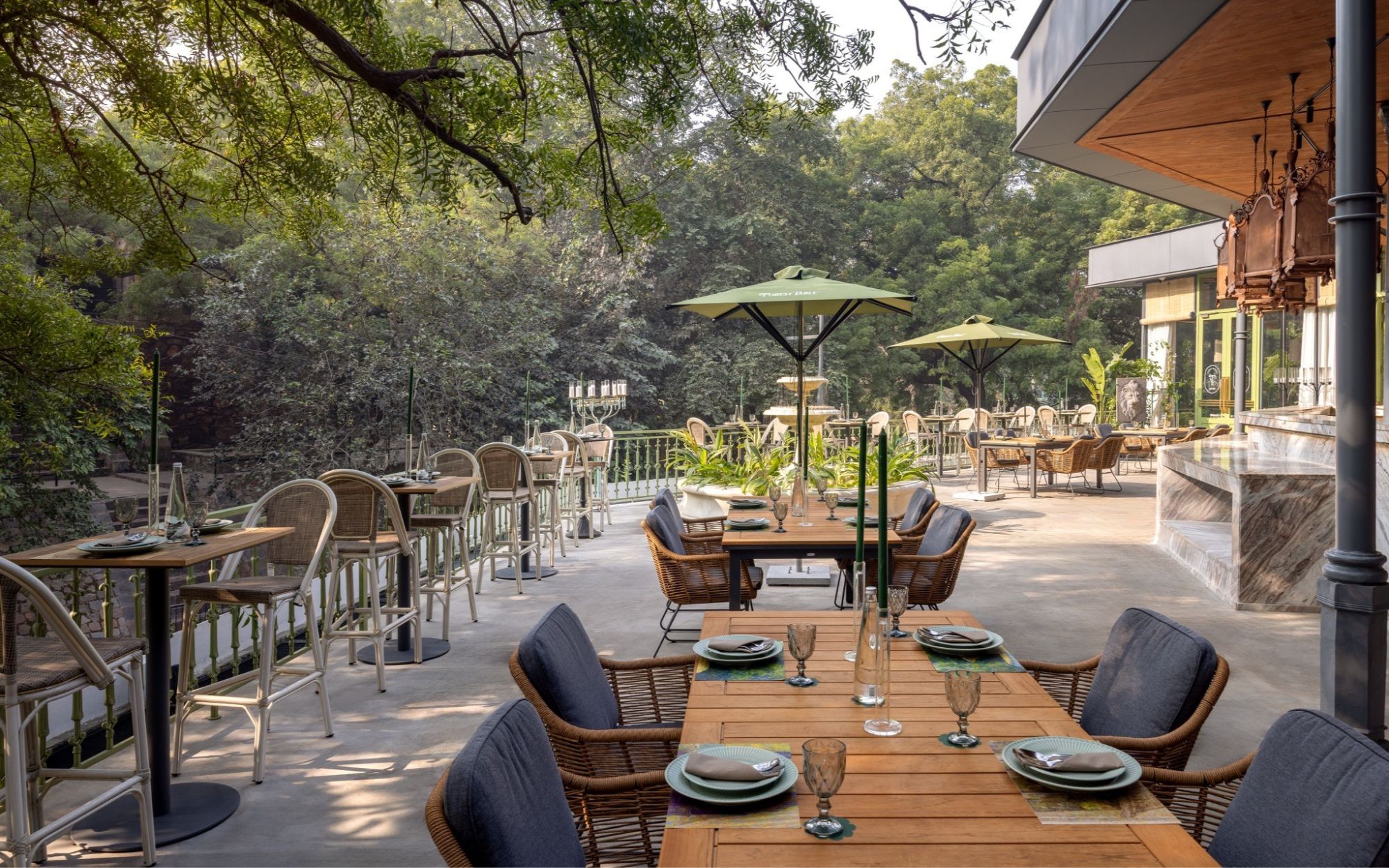
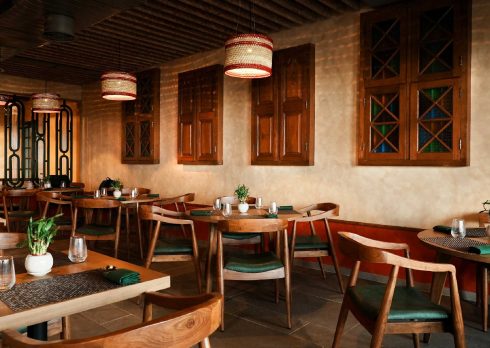
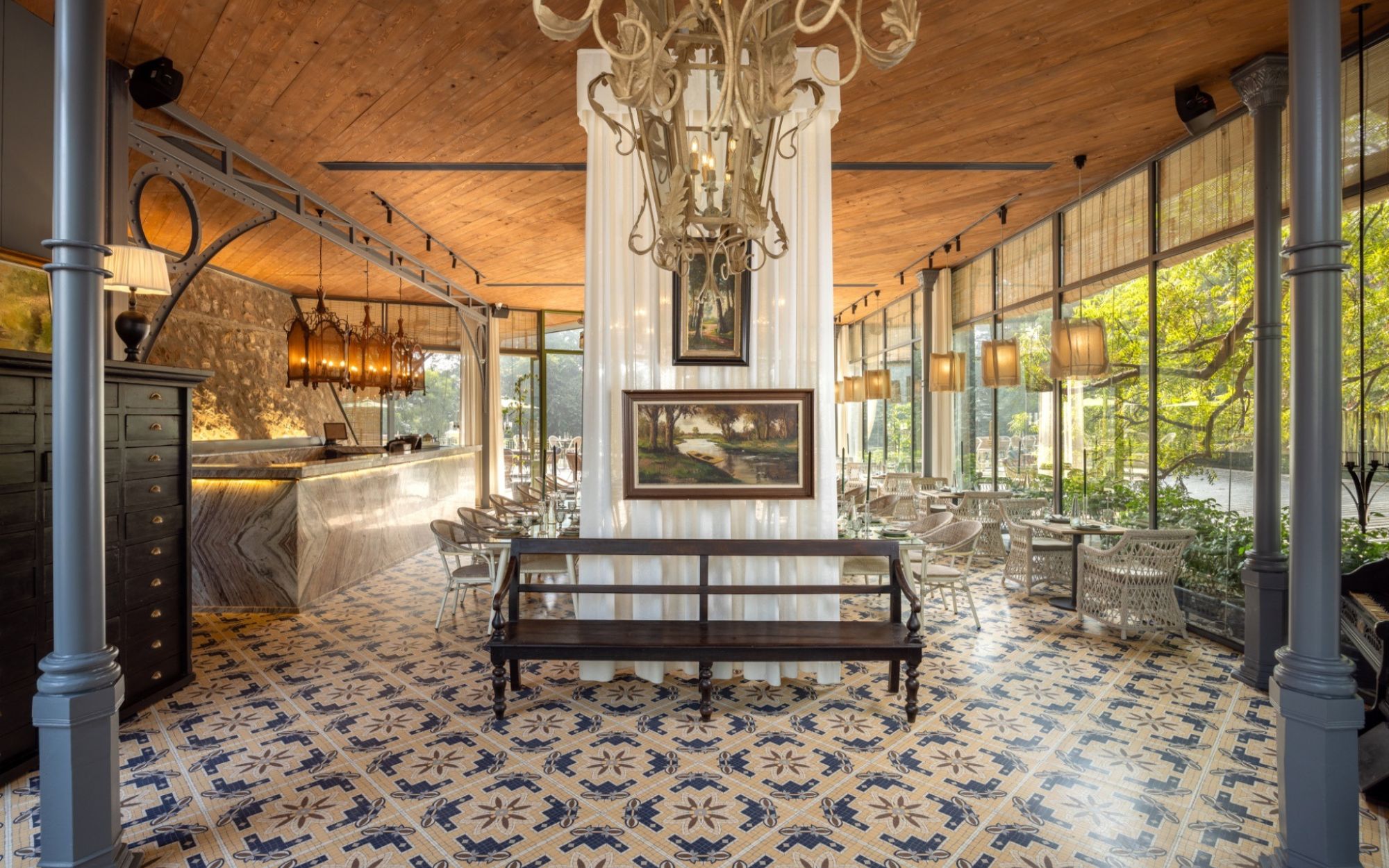
Forest Table sits on the rooftop terrace of the Nehru Planetarium at Teen Murti Bhavan, one of Delhi’s most historically significant civic estates. Designed by Beyond Designs, the restaurant spans over 10,000 sq. ft. yet is built to feel like a forest clearing, tucked amid ancient tree canopies and architectural heritage. Its octagonal shape echoes the planetarium’s own roofline. Guests enter from the south and move counterclockwise through five quadrants, alternating between enclosed, glass-walled dining zones and open-air terraces that face the 700-year-old Kushak Mahal directly. The material palette draws from the estate itself—rubble masonry, wooden ceilings, and soft pastel mosaic tiles indoors, with original stone flooring preserved outside.
Also Read: We’ll Tell You What’s In A Name: 8 Celebrity-Led Restaurants In Mumbai That Cook Like They Mean It
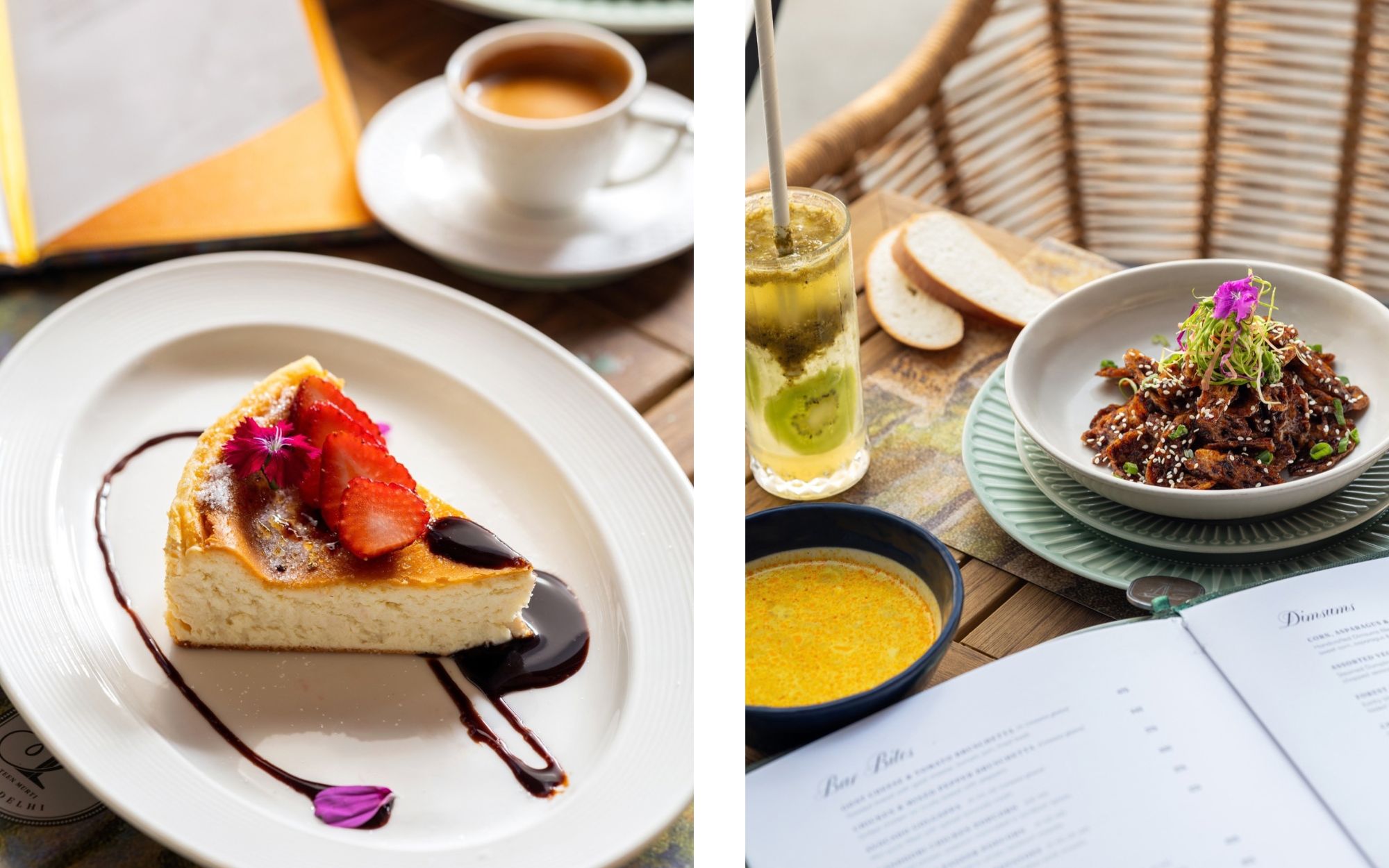
The menu at Forest Table, curated by co-founder Neha Gupta, moves across Modern Indian, Vietnamese, Asian and Continental cuisines. The breadth is held together by a sense of quiet luxury, with global flavours approached with precision and restraint. Slow reductions, gentle fermentations and controlled heat build complexity without excess, mirroring the spatial language of the restaurant itself. Chef’s recommendations include ‘Avocado Hummus and Falafel’, ‘Pizza Ortolana’, ‘Forest Mushroom Dim Sum’, ‘Porcini Chicken Breast Roulade’, ‘Mushroom Galouti’, ‘Dynamite Sushi Roll’ and ‘Winter Apple, Walnut & Cranberry Salad’. The result is a dining experience that feels varied yet cohesive, with each element given room to unfold at an unhurried pace.