Leh’s 5 Most Sought-After Tables Have Stories Worth Travelling For
In the capital of Ladakh, five immersive experiences are celebrating the region's food, architecture, and living traditions
- 1 Aug '26
- 2:59 pm by Tanvee Abhyankar

|
Getting your Trinity Audio player ready...
|
Ladakh has always been a place of stories. Some are carved into monastery walls, others whispered along ancient Silk Route trails or preserved in centuries-old homes built from earth and timber. Increasingly, however, these stories are finding their way onto the plate. Across Leh, a new generation of restaurants is looking beyond familiar mountain fare, using food, architecture and craftsmanship to interpret the region’s history in remarkably different ways. Some revive forgotten recipes, others celebrate local produce and give local dishes a new life, but each offers something beyond a meal: a deeper understanding of the place itself. Whether set beneath an orchard, inside an art gallery or within spaces inspired by Ladakh’s vernacular architecture, DP curates restaurants worth reserving— especially during the bustling sā Ladakh Biennale—not simply for what they serve, but for the stories they invite you to experience.
Also Read: We’ll Tell You What’s In A Name: 8 Celebrity-Led Restaurants In Mumbai That Cook Like They Mean It
1. Namza Dining
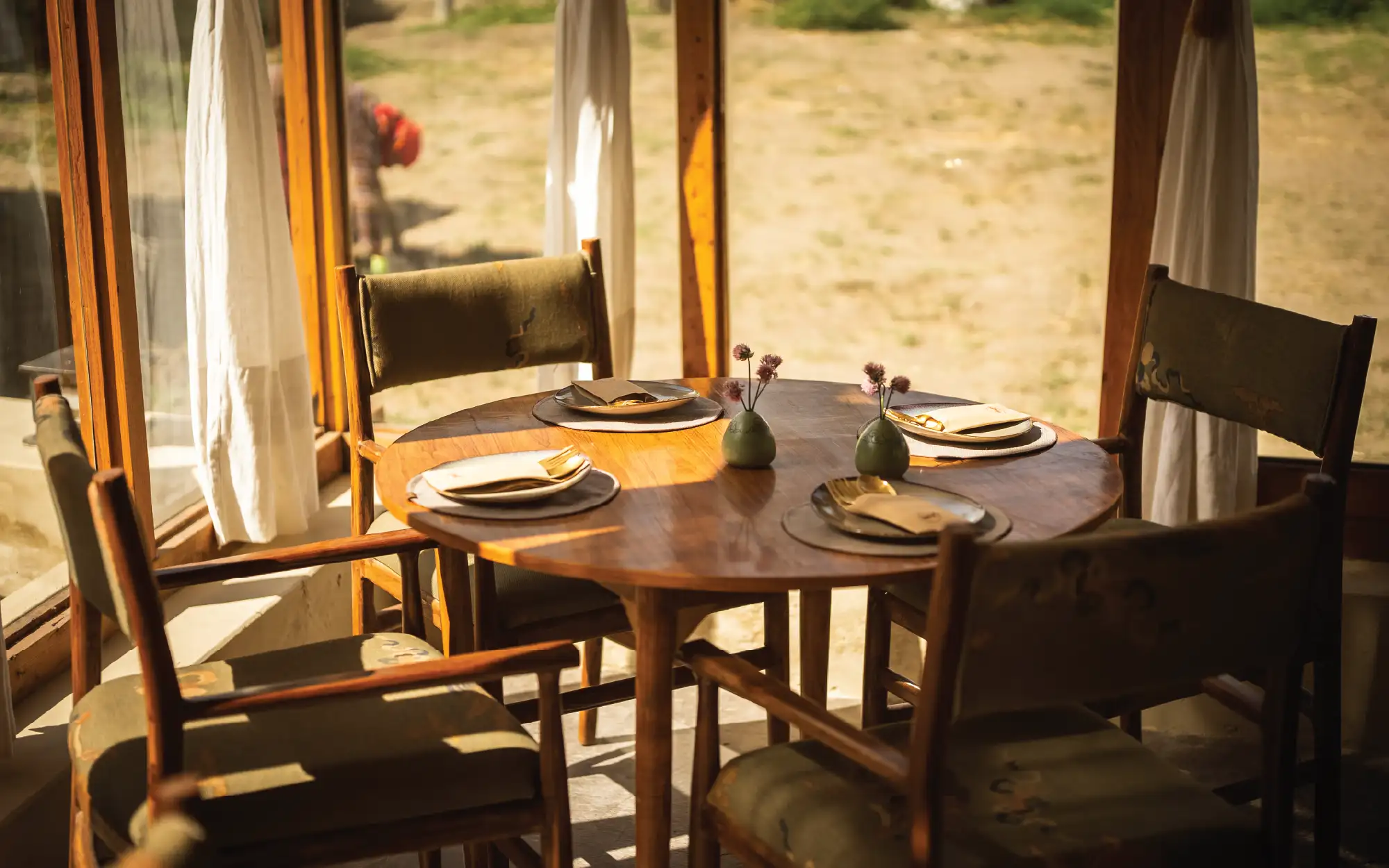
For the civilian award-winning fashion designer and entrepreneur Padma Yangchan, Namza Dining at Zangsti Road was never meant to be just a place to eat. She envisioned the restaurant alongside Jigmet Disket as an extension of Ladakh itself, where the interiors would echo the same stories that the food sought to tell. Drawing from the region’s architecture, materials, and cultural traditions, she conceived the space as an authentic, contemporary Ladakhi dining room. The philosophy mirrors that of Namza Couture, the label she co-founded, with both ventures exploring the region’s heritage through different mediums—one through textiles and craftsmanship, the other through food and hospitality.
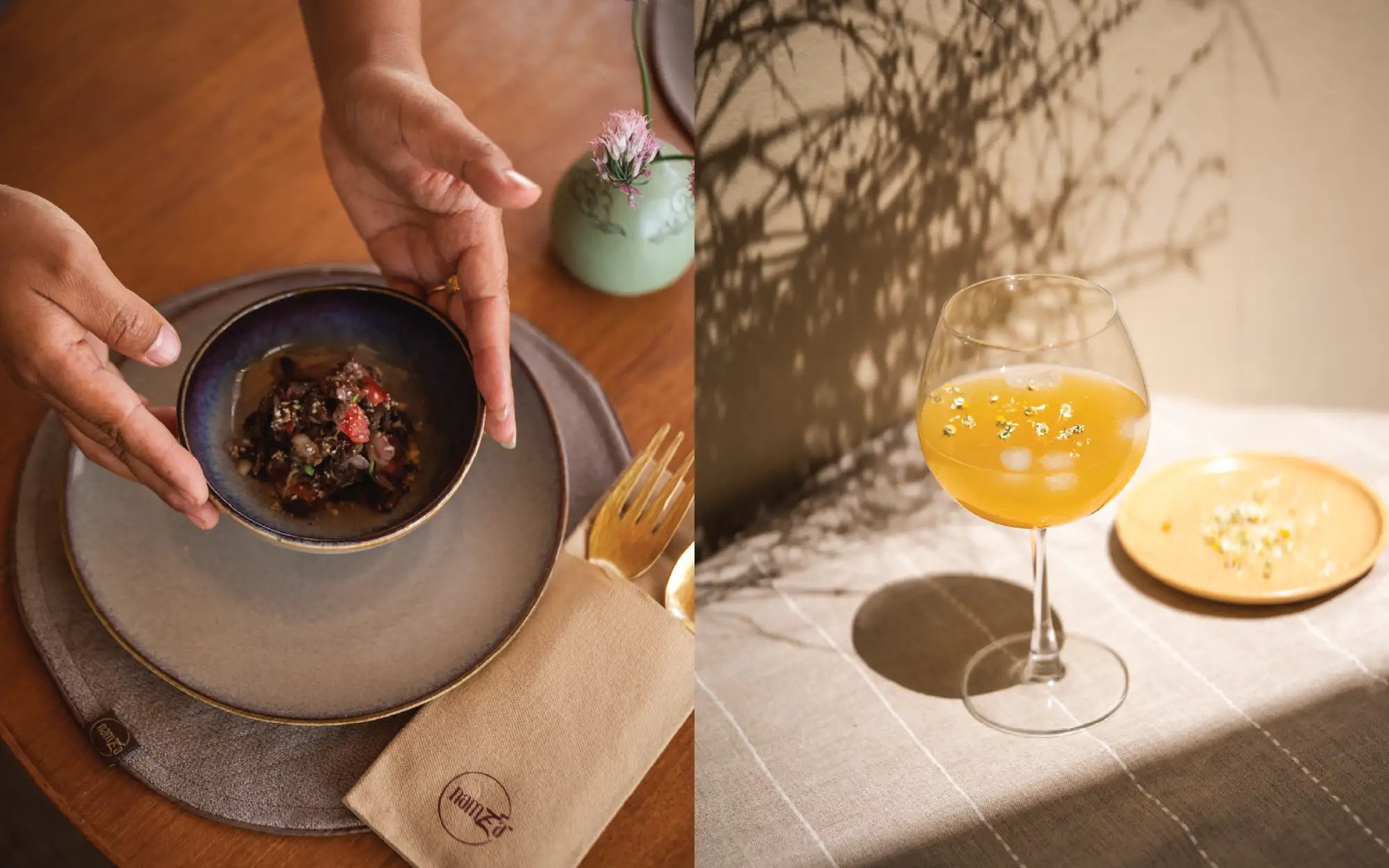
Yangchan describes herself not as a chef but as a cultural revivalist. Years of research, conversations with local communities and documentation of Ladakh’s culinary traditions have shaped a menu that revives recipes and flavours that were gradually disappearing. Rather than recreating familiar regional dishes, the team has developed its own interpretations based on local knowledge, seasonal ingredients and the culinary exchanges that once travelled along the Silk Route. Among the dishes she recommends are the restaurant’s signature ‘Yarkhandi Pulao’—one she says often surprises diners who think they already know the dish—along with the ‘Goochi Momo,’ ‘Ladakhi Sausage,’ ‘Mok Mok,’ and ‘Phemar Labo,’ a traditional cake as dessert. She also points to the Apricot Fizz and Spiced Seabuckthorn as drinks that best capture the flavours of the region.
2. Rang Thag
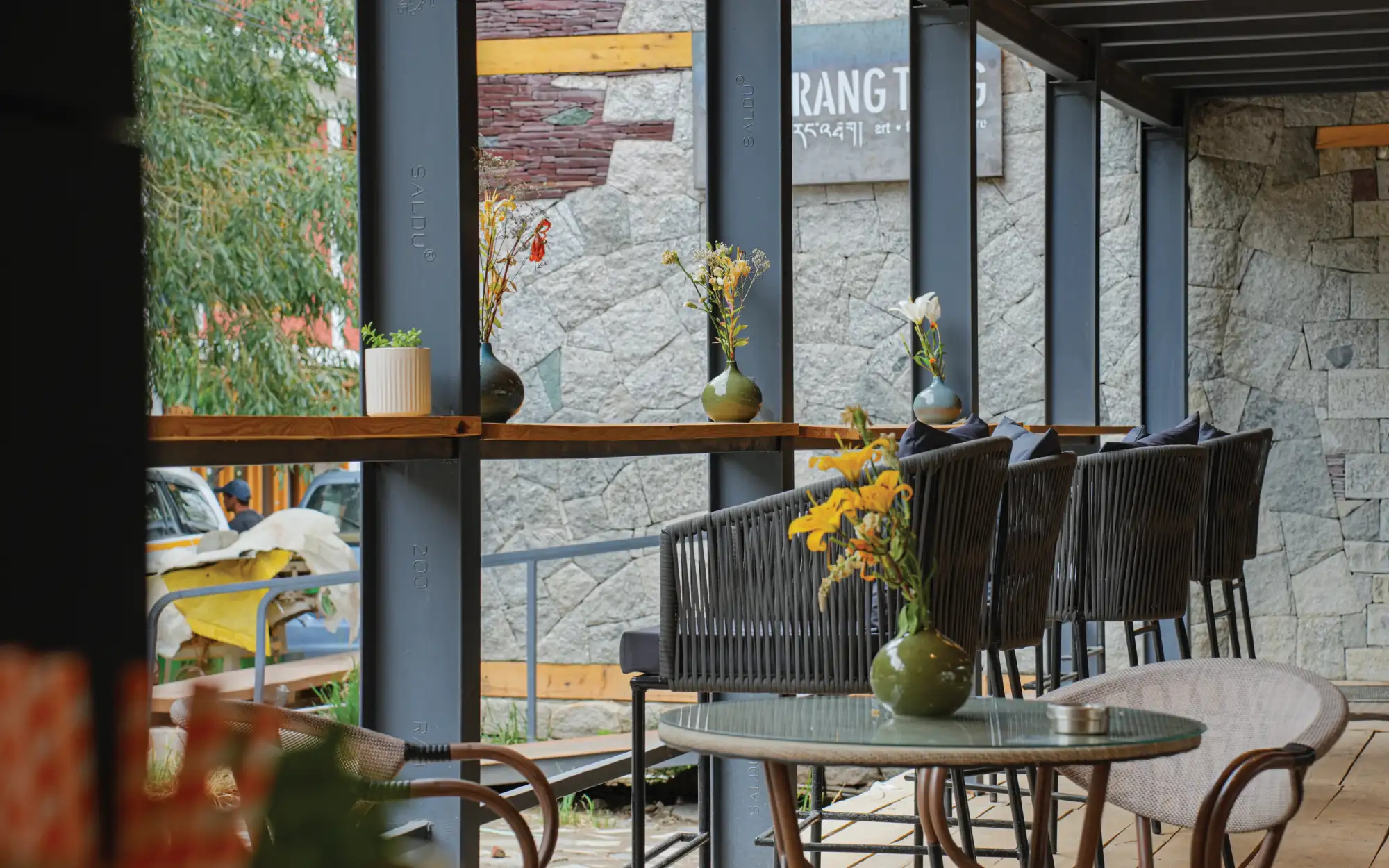
Launched in June 2026 by brothers Skalzang Angchuk and Tashi Norboo, Rang Thag has quickly become one of Leh’s newest cultural gathering spaces, bringing together contemporary art, food and community under one roof. Located on Chutey Rantak Street—better known as Baker’s Alley, just a short walk from the Central Asian Museum—it occupies a building thoughtfully designed in collaboration with the local architectural practice Earthling.Ladakh, led by architect Sandeep Bogadhi. The space reimagined from a traditional water mill now reflects a contemporary interpretation of Ladakhi architecture, with rammed earth, locally sourced stone and traditional timber joinery to respond to the region’s climate while remaining rooted in local building traditions. Inside, the gallery hosts exhibitions, artist residencies, workshops, film screenings and community events, establishing itself as an important creative hub and, more recently, as one of the urban venues associated with the upcoming sā Ladakh Biennale.
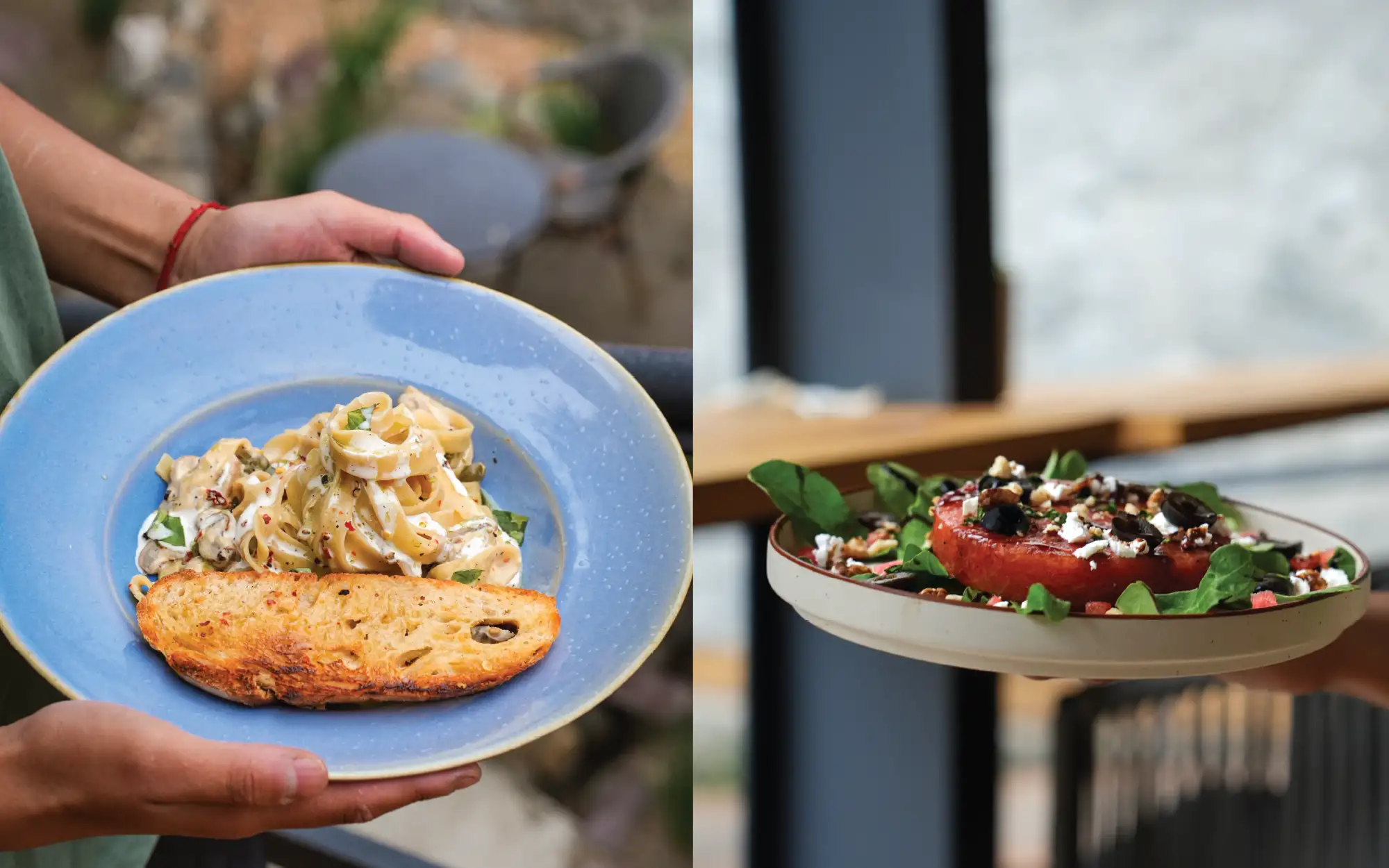
Chef Parinit, a Hotel Management graduate who began his career at ITC Maurya in New Delhi, brings an international perspective to Rang Thag’s kitchen while remaining sensitive to its Himalayan setting. Trained in Italian cuisine, he combines classic techniques with locally available ingredients to create a menu that moves comfortably between handmade pastas, pizzas and contemporary café dishes, alongside recipes that draw subtle inspiration from Ladakhi flavours. Rather than pointing guests towards a single signature plate, he prefers the menu to be explored in its entirety, encouraging guests to discover something unexpected with each visit. The same philosophy extends to the drinks, where his favourites—the rich hot chocolate and the Sea Buckthorn Bramble—offer two distinct expressions of comfort and place, the latter celebrating one of Ladakh’s most iconic ingredients.
3. Ryu Oka
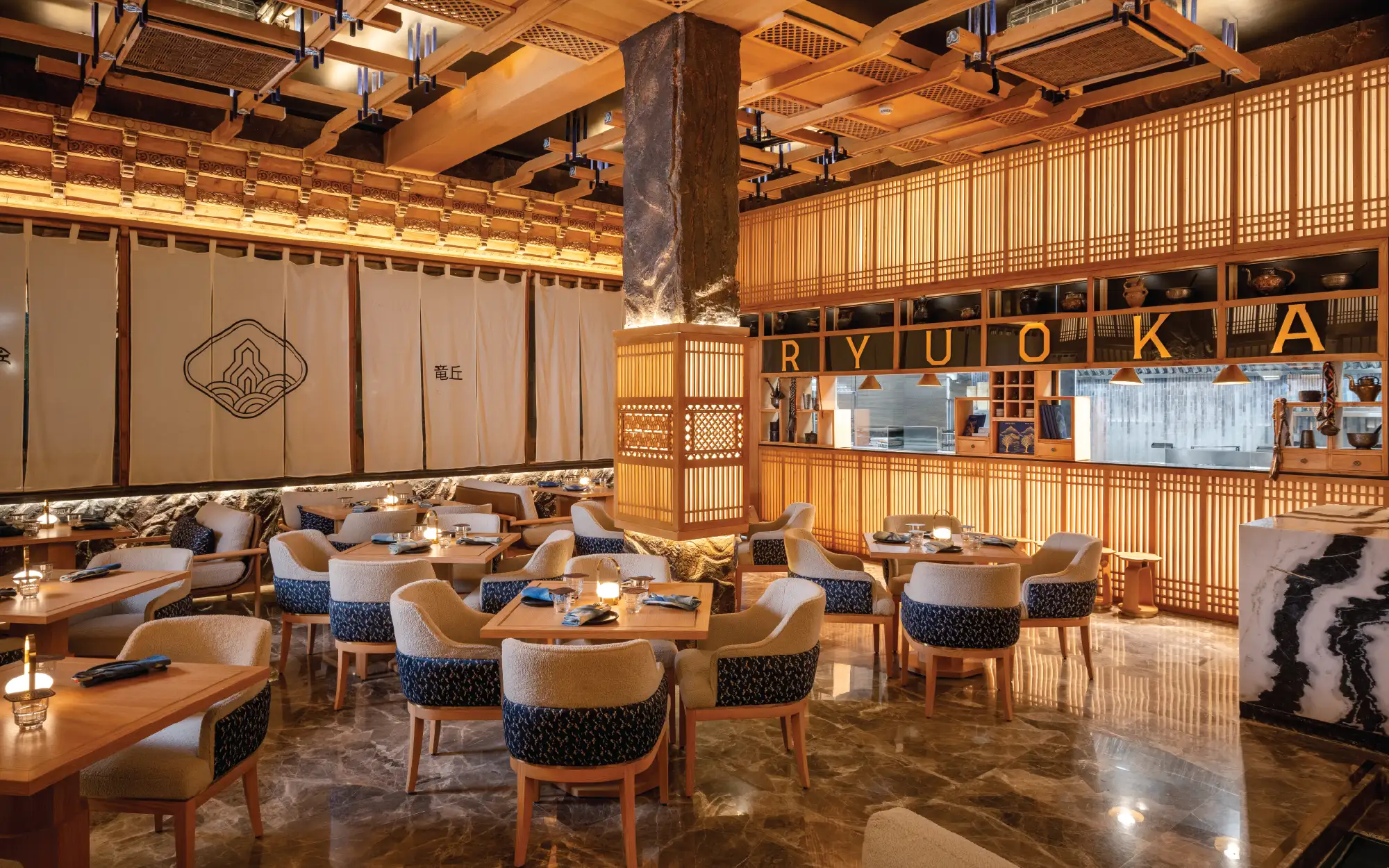
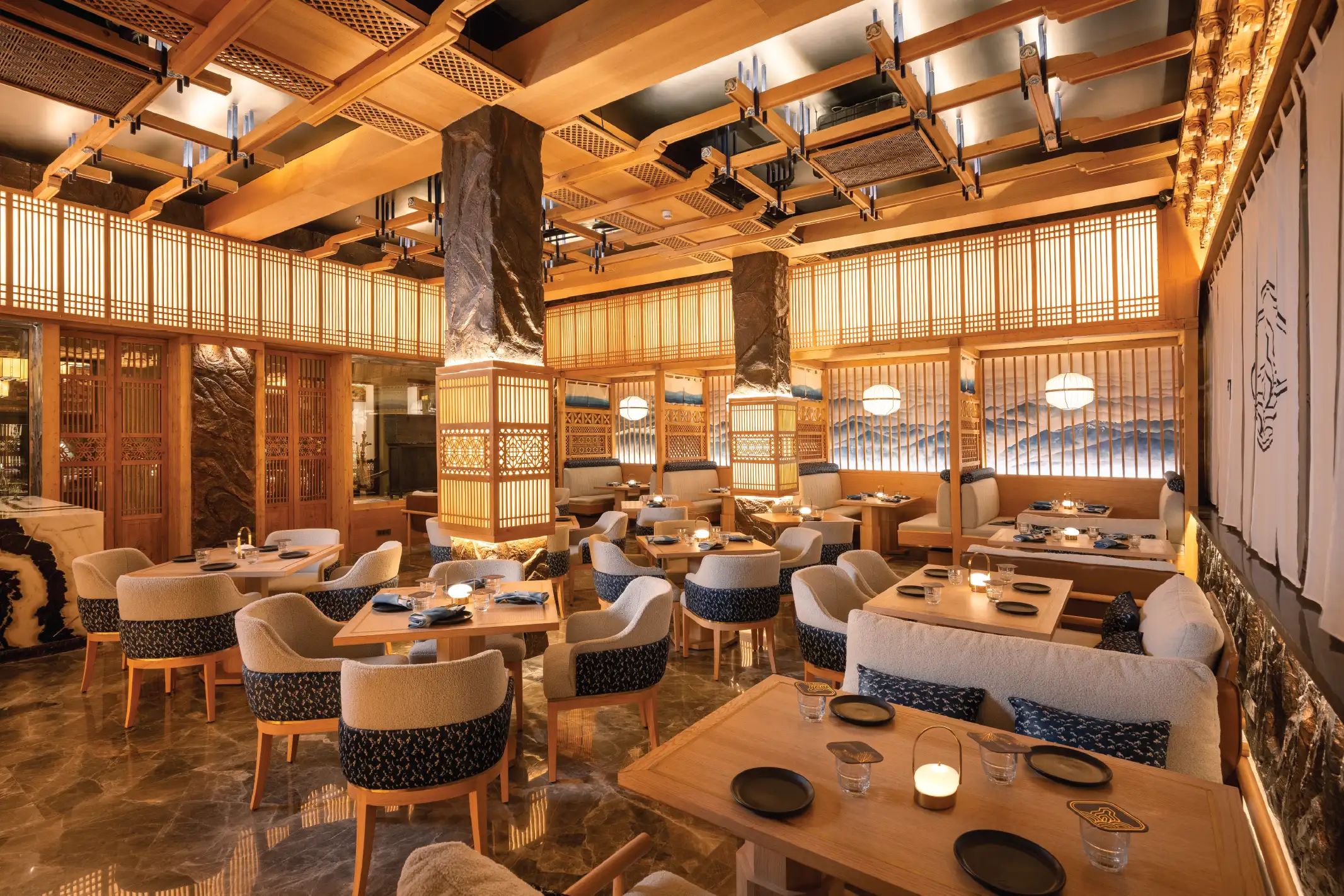
Ryu Oka, in Sheynam, began with a simple question: what kind of cuisine belongs in Ladakh? The answer lay in the Silk Route. For centuries, Leh welcomed traders, travellers and cultures from across Asia, making it a natural meeting point of flavours and traditions. That history inspired Anjum Qadir, the creative force behind the restaurant and part of the Abdu family that runs The Grand Dragon Ladakh, to envision a Pan-Asian restaurant that reflected Ladakh’s historic connections with its neighbours while remaining firmly rooted in its own identity. The interiors follow the same philosophy. The walls recreate the textures of the surrounding mountains using impressions taken directly from the rock face, while traditional motifs from monasteries and palaces are reinterpreted in the woodwork. A painting by Ladakh’s first modern artist, Gulam Mustafa, further anchors the space in the region’s artistic heritage.
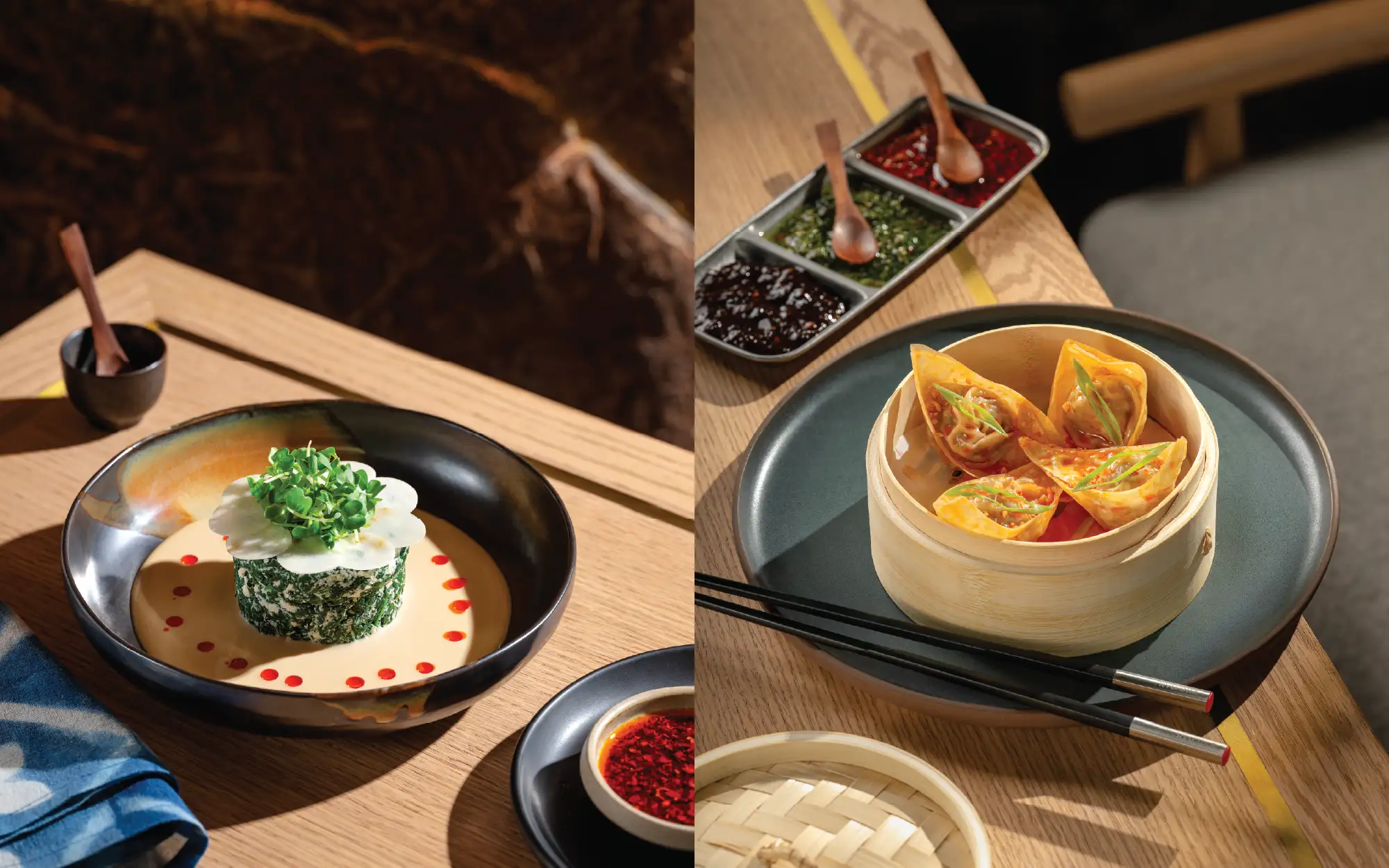
The menu, instead of offering an exhaustive catalogue of Asian cuisine, presents a carefully curated selection shaped by Anjum Qadir’s travels across Japan, Korea, Thailand, China, Bali, and beyond. Each dish remains faithful to its culinary origins, while subtle references to Ladakh emerge through seasonal ingredients such as apricot, barley, and sea buckthorn, gently establishing a sense of place. Ladakh’s high altitude has influenced the menu just as much as its history, with every recipe repeatedly refined to account for changes in humidity, water, and air pressure. The result is a menu that is thoughtful rather than ambitious, encouraging guests to linger over a few well-executed dishes. Standouts include the Mongol Wrapped Tofu, Ryu Oka Clay Pot, and Truffle Fried Rice, each celebrated under one roof for their unique origins.
Also Read: A New Language of Dining: Mumbai’s 7-Best Forward-Thinking Restaurants for 2026
4. Tsas By Dolkhar
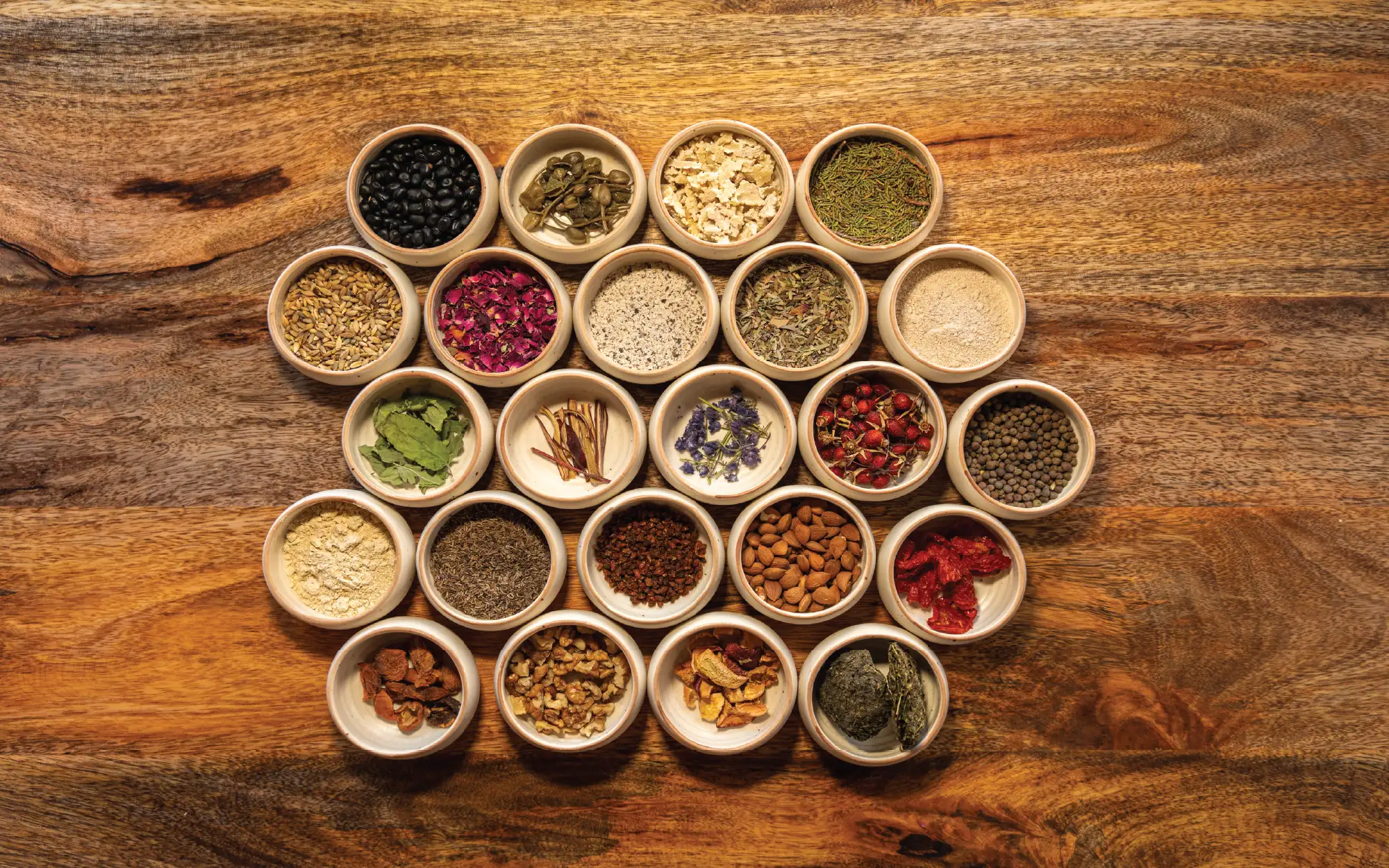
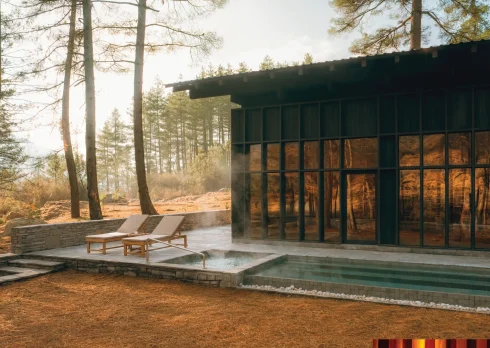
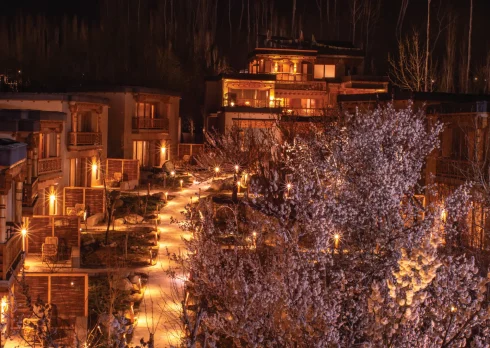
Tsas, located on Lower Tukcha Road, takes its name from the Ladakhi word for a kitchen garden, but for founder Rigzin Lachic, it is rooted in a far more personal memory. She recalls her grandmother spending nights beneath the orchard trees, ensuring they were watered through the darkness—a quiet ritual of care that became the emotional foundation for the restaurant. Today, Tsas sits beneath those same apricot and apple trees within Dolkhar, where the architecture continues the boutique hotel’s commitment to building in conversation with its surroundings. Compressed earth blocks, local willow and poplar timber, handcrafted metalwork, woven yak-wool textiles, pottery and stonework by Ladakhi artisans create interiors that feel less designed than grown from the landscape itself. Much like the orchard that inspired its name, the restaurant embodies a philosophy of patience, seasonality and stewardship, inviting guests to experience Ladakh through its materials, craftsmanship and enduring relationship with the land.
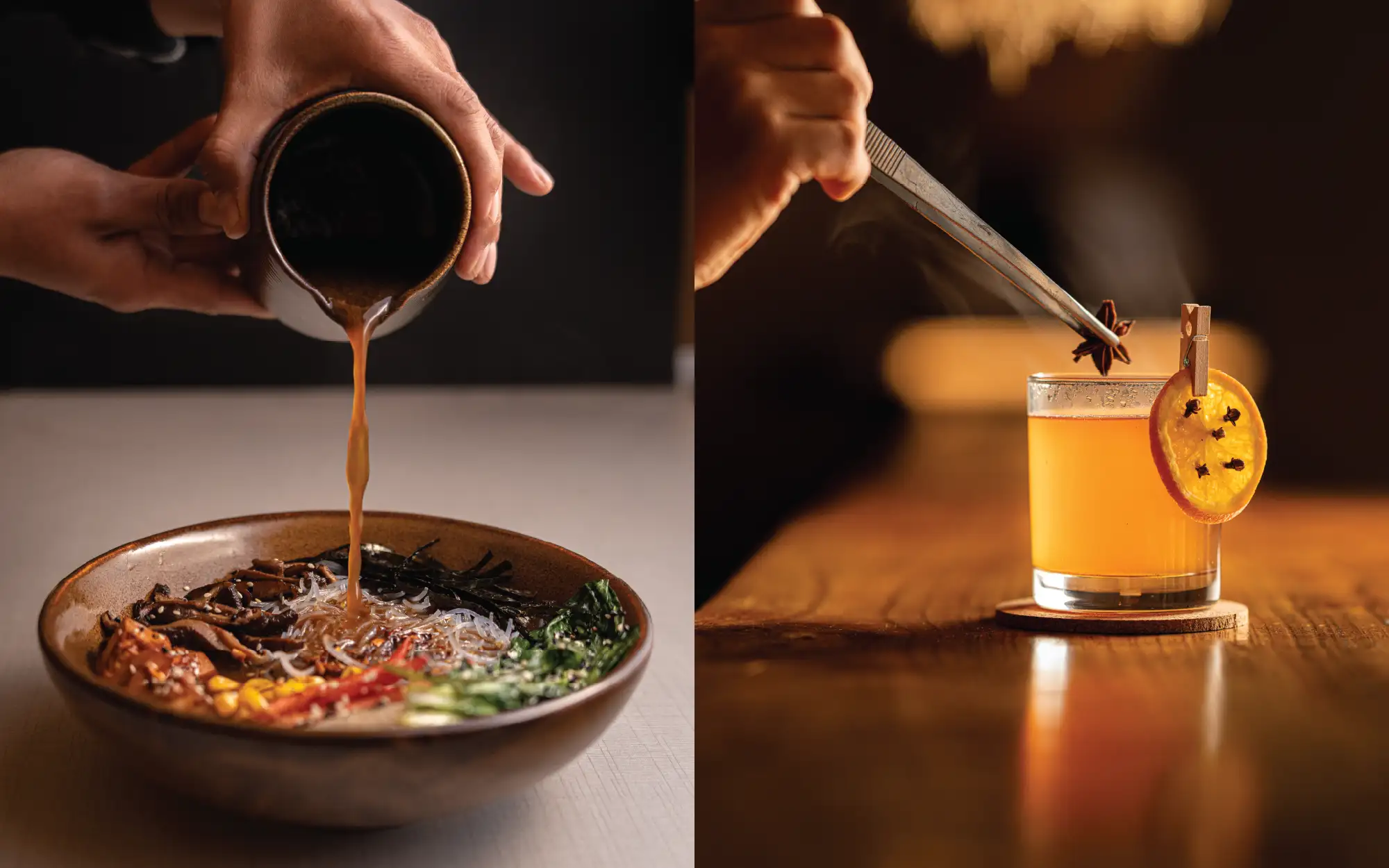
At Tsas, the menu is shaped as much by the landscape as by the kitchen. Drawing from Dolkhar’s own kitchen garden alongside local farmers, and foragers, the culinary team reimagines Ladakh’s seasonal ingredients through contemporary techniques while remaining deeply respectful of their origins. This philosophy finds its fullest expression in the seven-course Chef’s Tasting experience, where each course traces a journey through the Ladakhi landscape—from barley harvested in the valleys to apricots from the orchard—inviting guests to understand the region through its soil, seasons and stories rather than through familiar stereotypes. The adjoining terrace bar extends this narrative into the glass. Inspired by Ladakh’s long history of brewing and fermentation, the beverage programme transforms local mulberries, orchard apricots, buckwheat honey, yak cheese, wild herbs and mountain botanicals into inventive cocktails such as Memories of Turtuk, Yak Yak Yak, Buckwheat Blossom and Himalayan Heat, offering another way to experience the flavours and rhythms of the Himalayas.
5. Gyasé
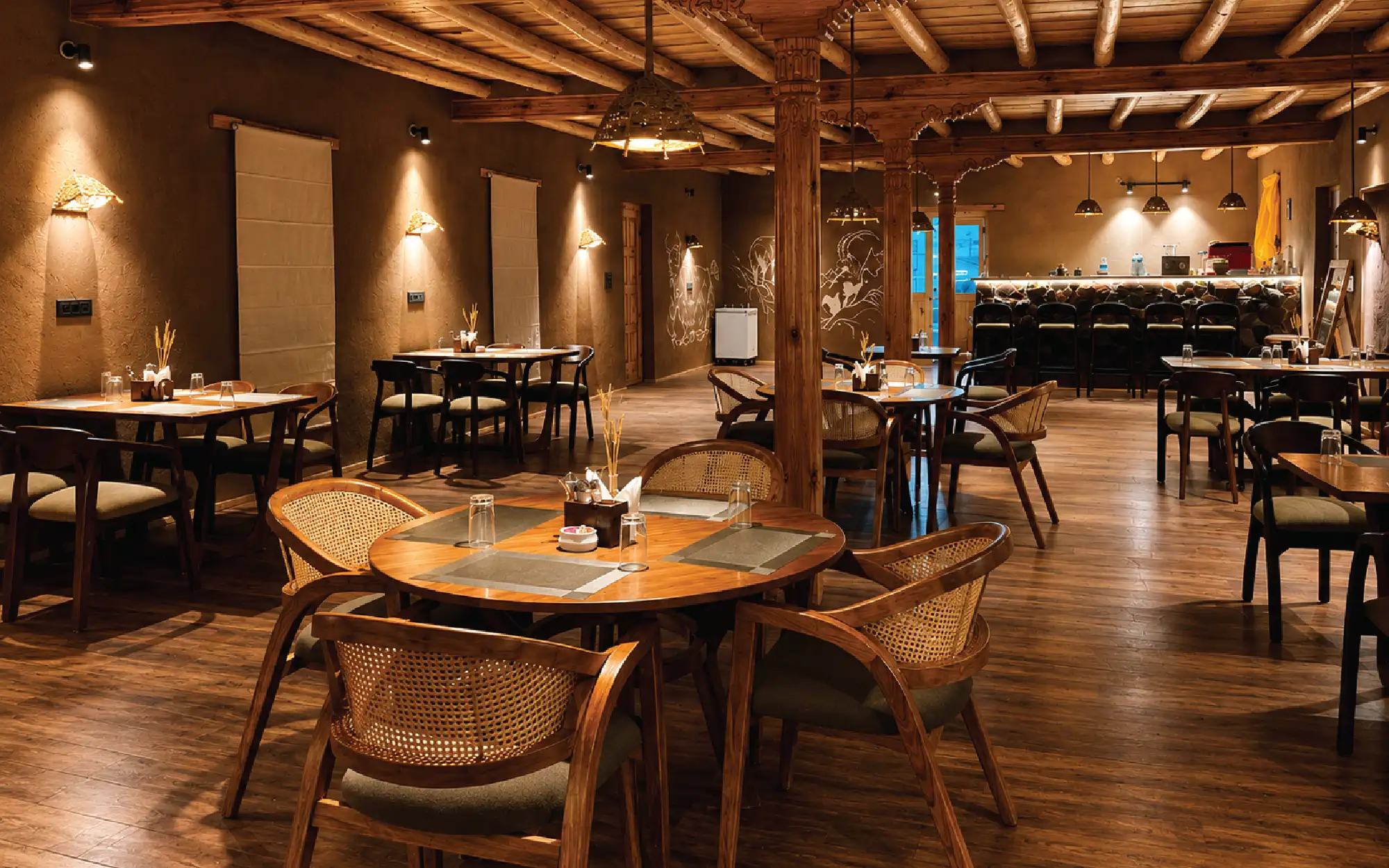
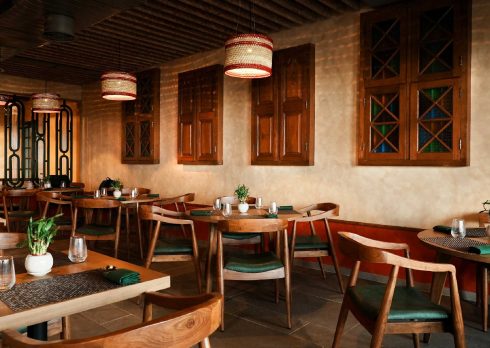
Founded by two engineers: Rigzin Dorje and Phunchok Dolma, with a shared interest in design, food and travel, Gyasé on GH Road is very much a hands-on creation. Rather than commissioning the project, the founders oversaw everything themselves—from laying the first brick to shaping the architecture and interiors. With walls built out of traditional mud plaster and typical Ladakhi window treatments highlighting the facade, the restaurant is entirely built using locally sourced materials from Leh, with handcrafted wooden beams, woven straw lighting, and stone detailing produced by local artisans. The result is a space that feels warm and tactile, where contemporary comfort sits alongside the craftsmanship and building traditions that have prevailed in the valley for generations.
Also Read: A Rouge-Kissed Brutalist Landmark: Jaipur’s Bold New Restaurant
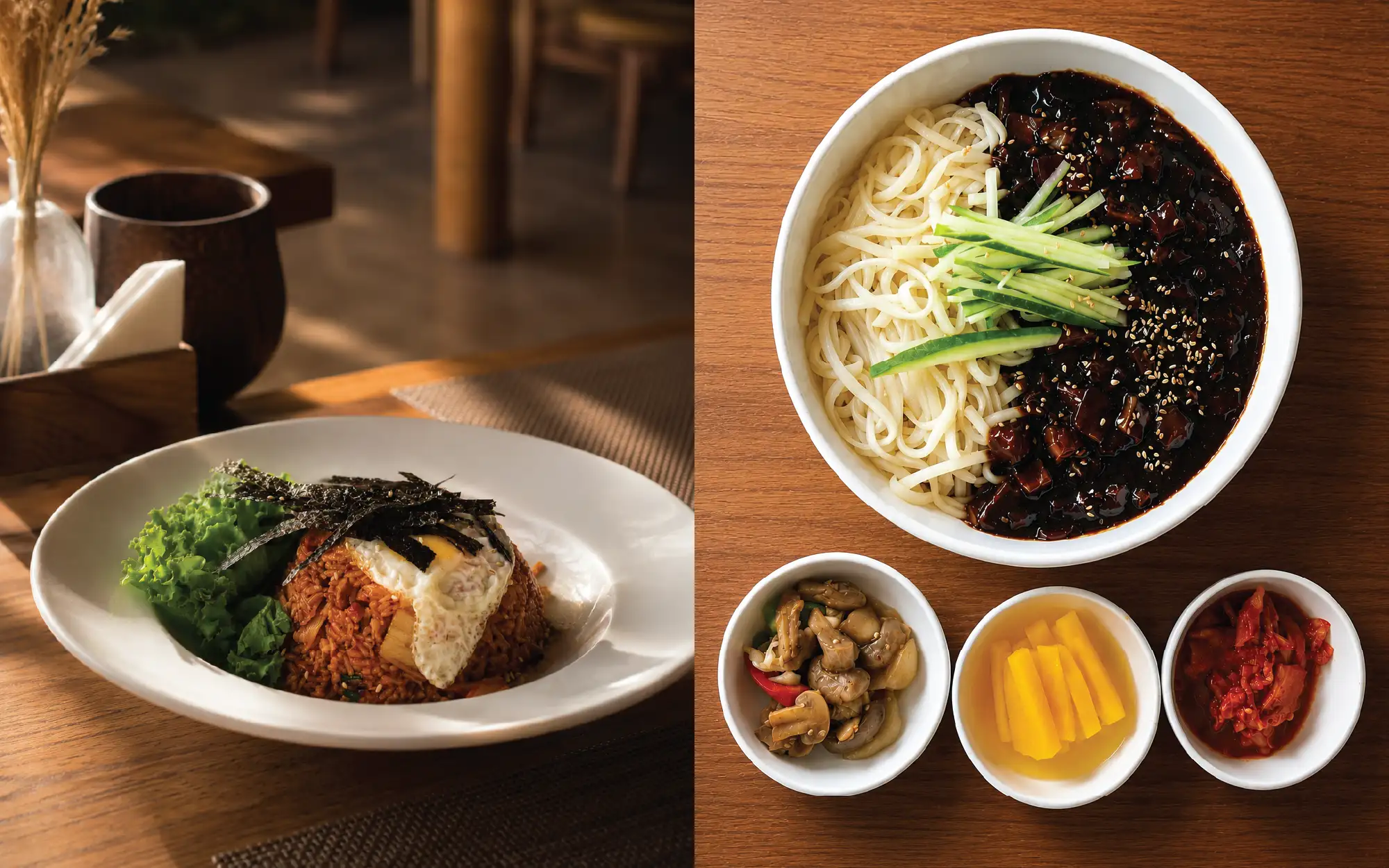
The menu here is inspired by the founders’ experiences across Asia, the restaurant brings together Indian, Ladakhi, Korean, Japanese and Chinese cuisines under one roof, while allowing each to retain its own identity. The kitchen is led by a team of chefs specialising in different culinary traditions, many of whom adapted to Ladakh’s unique climate and high-altitude conditions after arriving in the region. Alongside popular dishes such as ‘Chicken Tikka Masala,’ ‘Butter Chicken,’ ‘Gyasé Special Roll,’ ‘Korean Hot Pot,’ ‘Avocado Sushi,’ ‘Prawns Tiger Tempura’ and ‘Kung Pao Chicken,’ the restaurant also prepares traditional Ladakhi dishes to order, including freshly made Thukpa using local ingredients wherever possible. The beverage programme continues this balance between regional character and familiar comforts, with the Gyasé Special Seabuckthorn Juice showcasing one of Ladakh’s most celebrated ingredients, while freshly brewed Coorg coffee and the popular Peach Green Tea round out the experience.