The Story Before the Sketch: Rolls-Royce’s Domagoj Dukec on the Future of Personal Luxury
Inside Rolls-Royce's Private Office Seoul, Domagoj Dukec shares how design inspiration, human touch, and aspirations of clients are redefining Bespoke luxury for a new generation of collectors.
- 24 Aug '26
- 12:22 pm by Aditi Singla

Luxury has always been defined by rarity. Today, however, true luxury is measured less by exclusivity and more by personal expression. Rolls-Royce understands this shift better than any other luxury marque, as a true House of Luxury that creates highly personal commissions that reflect the passions, stories and aspirations of its clients.
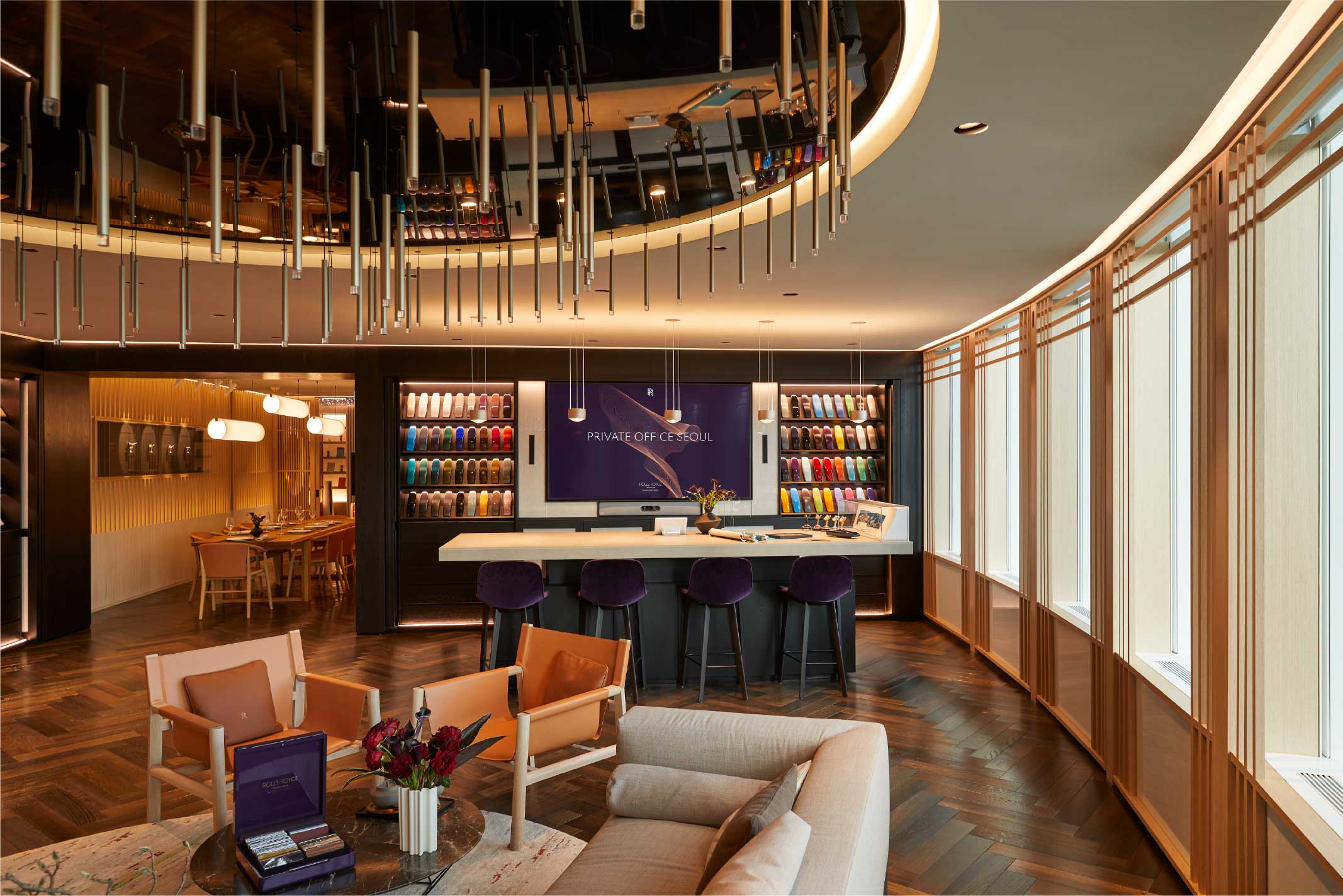
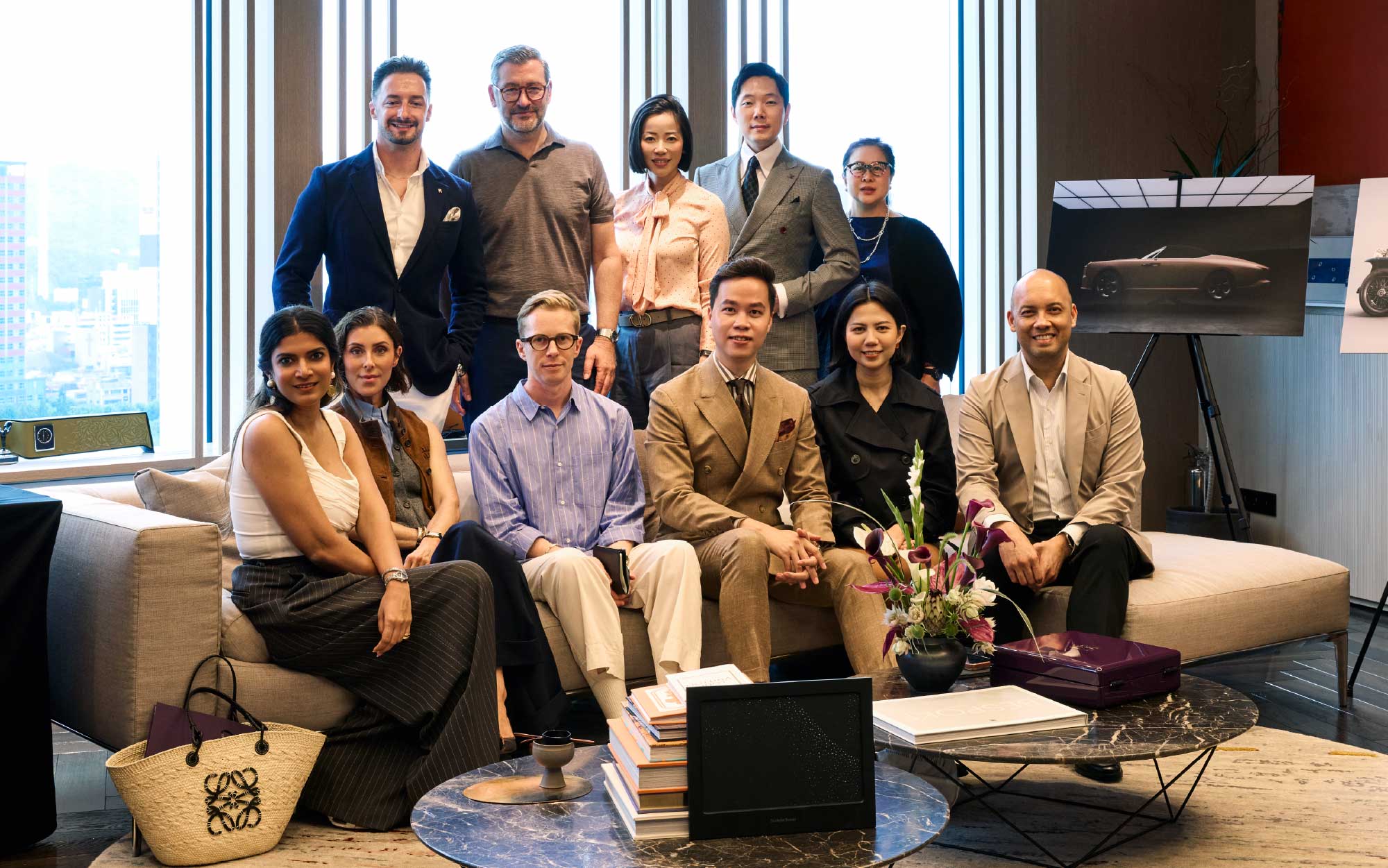
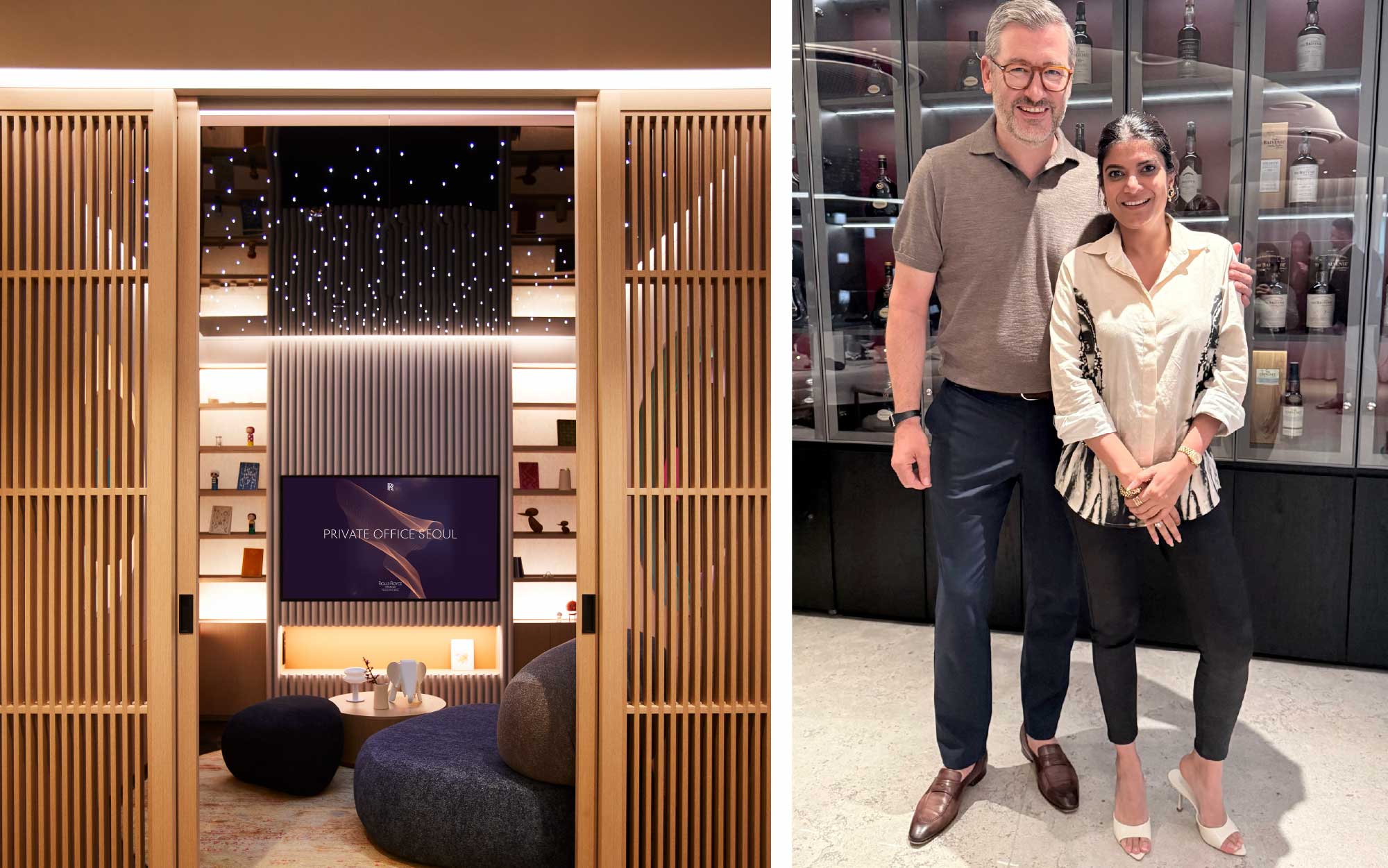
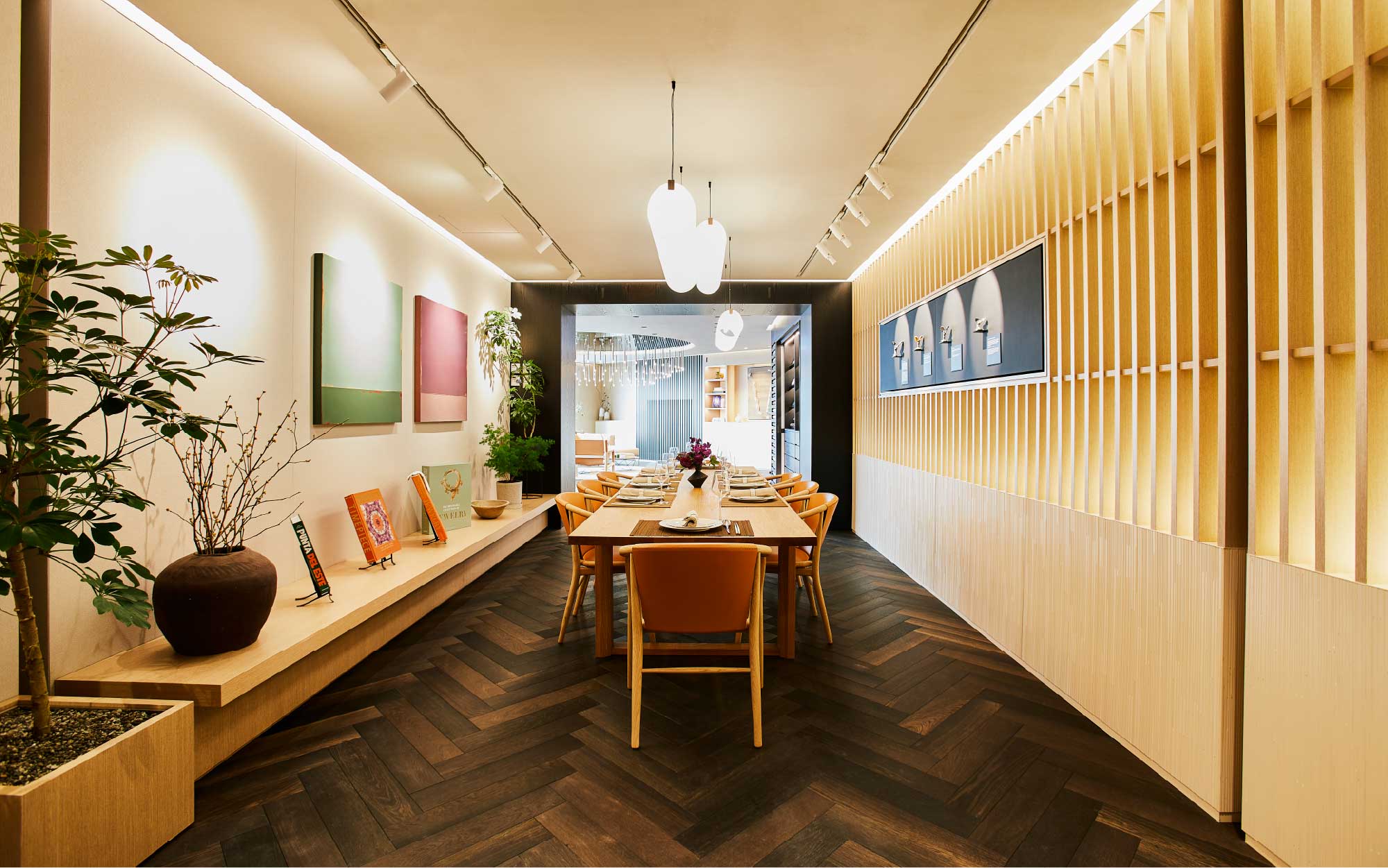
Some of the world’s most extraordinary Rolls-Royce commissions don’t begin on a production line; they begin over coffee and conversations, in a quiet, creative space where ideas, memories and aspirations take shape long before the first sketch of the car is drawn. Hidden above the skyline of Seoul, overlooking one of Asia’s most dynamic cities, the Rolls-Royce Private Office is one such place. Accessible by appointment only, this is where some of the world’s most discerning collectors collaborate with a Bespoke Designer to create what will ultimately become the only Rolls-Royce of its kind. The atmosphere of the private office immediately challenges the traditional notions of automotive retail. Against this backdrop, Domagoj Dukec, Director of Design at Rolls-Royce Motor Cars, made his first visit to the Seoul Private Office. It is also his first visit to the Asia-Pacific region since assuming the role. The occasion presented a singular opportunity to experience the creative world of Rolls-Royce through the eyes of its chief designer.
During this exclusive event, Esha Gupta, Founder and Editor-in-Chief of Design Pataki, sat down with Domagoj Dukec for an insightful discussion on the marque’s evolving language of luxury, the future of Bespoke, and why craftsmanship and emotional connection remain central to Rolls-Royce’s design philosophy.
Also read: A Conversation With Ferrari’s Chief Design Officer Flavio Manzoni At The Launch Of The Ferrari Luce
Design Pataki: We are in the Rolls-Royce Private Office Seoul. What makes it unique from the other Private Offices.
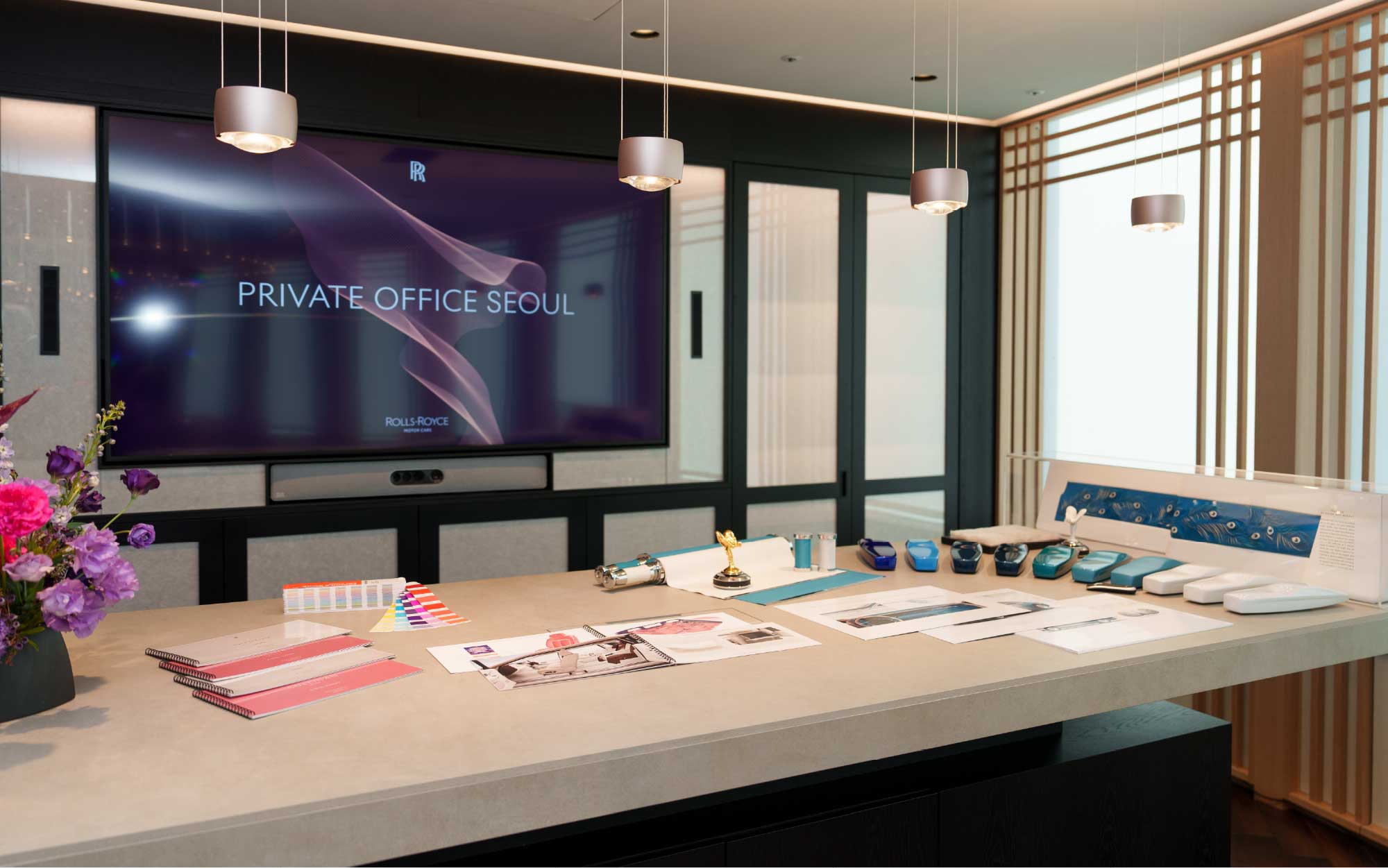
Domagoj Dukec: Our Private Offices have become an increasingly important way for Rolls-Royce to engage directly with clients at the earliest stages of a commission, acting as listening posts for the marque. They provide direct access to our clients’ evolving tastes, aspirations and cultural influences, helping us better understand the future direction of luxury while creating deeply personal commissions.
Every Private Office reflects the culture it sits within, and Seoul is a particularly rich expression of that. Located within the Lotte World Tower in Seoul’s Jamsil district, it’s the fourth Private Office we’ve opened, following Dubai, Shanghai and New York, and it serves clients across the Asia-Pacific region. What makes the Seoul office particularly distinctive is the way it blends Rolls-Royce heritage with Korean design sensibilities. The interiors blend traditional Korean hanok elements—hand-crafted hanji paper, geometric changho window frames—within a warm, contemporary setting.
Another unique aspect is that Seoul was designed around the way our clients in this region actually engage with luxury. In many markets, clients arrive alone or with a small group of advisors. In Korea, we often see clients visiting with their spouses, parents, and children. Luxury here is frequently experienced as something shared across generations. As a result, Private Office Seoul is the only Private Office in our network to include a dedicated children’s room, allowing families to participate comfortably in the commissioning journey together. This may seem like a small detail, but it reflects a deeper understanding of how our clients live and how they make decisions.
I also think what sets Seoul apart is its role as a creative gateway to the wider Asia-Pacific region. Some of the most fascinating ideas we encounter come from clients across Korea, Japan, Southeast Asia and beyond. These conversations enrich our understanding of luxury and often inspire entirely new Bespoke possibilities. Increasingly, our clients tell us that the journey itself is just as meaningful as the finished motor car. This space was designed to make that journey memorable from the very first conversation.
Design Pataki: How has car design evolved from 10 years ago to what it is today and how will it be 10 years from now?
Domagoj Dukec: Ten years ago, design was still largely defined by the product itself, where the proportions were dictated by engine packaging, cooling requirements, and mechanical theatre. Today, especially with Spectre, we’ve had the freedom to ask a different question: what does a Rolls-Royce want to be when those inherited rules no longer constrain it? The answer, for us, has been to double down on presence, silence and surface discipline rather than reinvent the identity. Today, design has also become much more connected to culture, personal identity and experience. Clients increasingly want objects that reflect who they are rather than simply what they own.
Looking ahead, I believe the next decade will make design even more human. Technology will continue to advance at an extraordinary pace, but the real challenge for designers will be creating emotional relevance. The most successful designs will not be those that showcase the most technology, but those that create the strongest emotional connection. Bespoke and Coachbuild are where the real creative frontier is moving. Today, every Rolls-Royce leaves Goodwood with Bespoke content, and we continue to see record levels of client commissioning activity globally.
At Rolls-Royce, our focus remains on timelessness. I expect the fundamentals—the waft line, the waistline, the silhouette—will still be there. What will keep evolving is how personal a motor car can become.
Design Pataki: You recently shared a to-scale car clay model from the studio on your Instagram. In an era of AI, virtual reality, and incredibly sophisticated digital tools, why does clay still play such an important role? What does it reveal that technology can’t?
Domagoj Dukec: We use some of the most advanced digital design tools available today, and they are incredibly valuable. Digital tools accelerate iteration, but there is still no substitute for standing beside a full-scale model. A screen can render a surface, but it can’t replicate how sunlight actually travels across a physical form — where it catches, where it pools into shadow, how a single millimetre of change in a crease shifts the entire read of a car. You can walk around it, observe how reflections move across a surface and understand the emotional impact of a design from every angle. I often say that technology helps us design faster, but physical models help us design better. Clay continues to play an essential role because the human eye remains the most sophisticated design tool we possess.
Design Pataki: Craftsmanship is at the heart of every Rolls-Royce. What does it mean to you and how do you ensure it remains relevant to the car’s design.
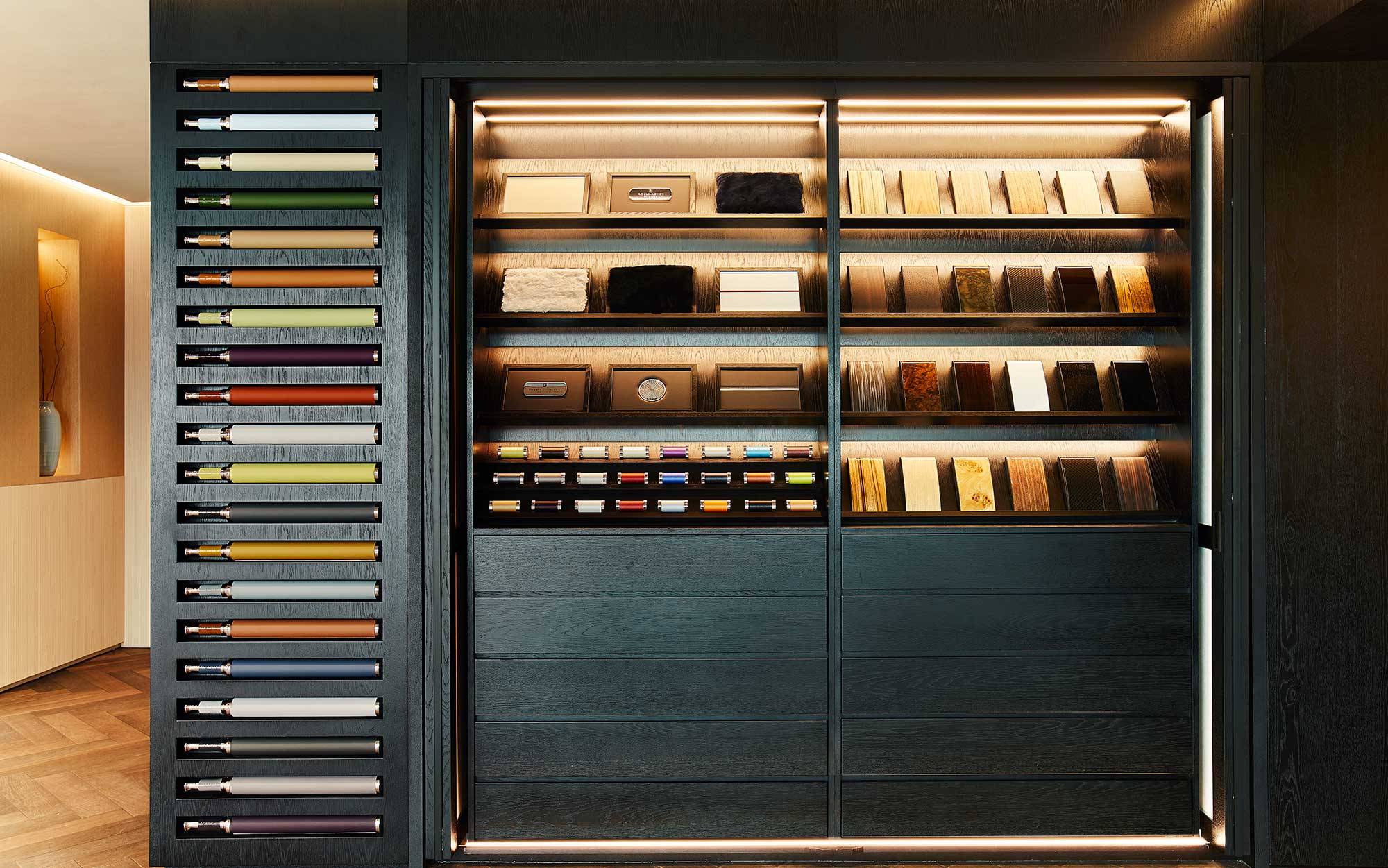
Domagoj Dukec: For me, craftsmanship is what transforms luxury from something expensive into something meaningful. Craftsmanship represents human skill, dedication and attention to detail. In a world that increasingly values speed and efficiency, craftsmanship becomes even more important because it celebrates the human touch.
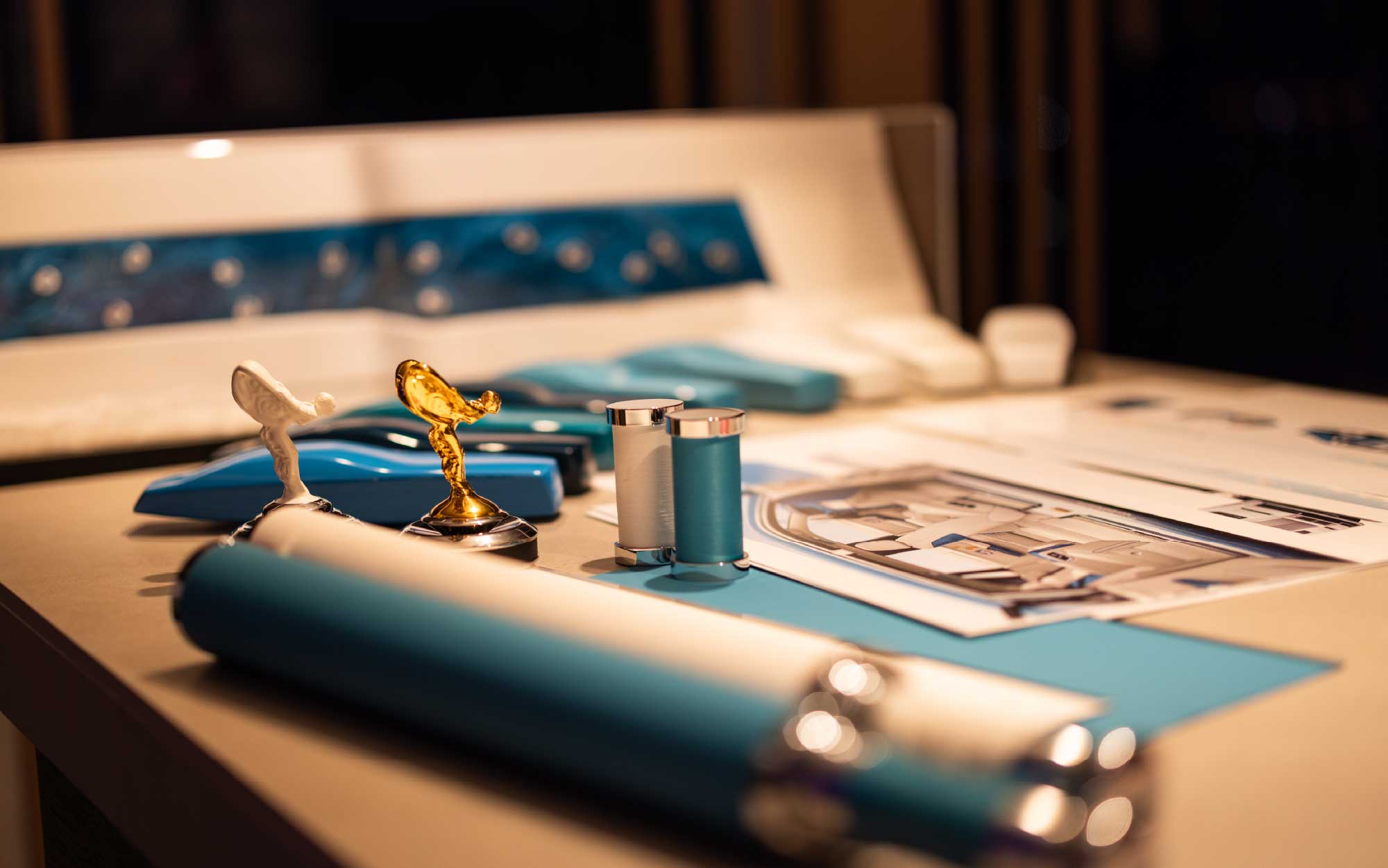
At Rolls-Royce, craftsmanship is never separate from design. The way we develop a Bespoke embroidery, an intricate marquetry composition or a unique material treatment begins with understanding what our artisans are capable of achieving. Many of our most innovative ideas emerge directly from collaboration between designers and craftspeople.
The goal is not to preserve craftsmanship as a historical exercise. The goal is to evolve it. We continually explore new materials, techniques and technologies while maintaining the extraordinary standards that define Rolls-Royce. That combination of innovation and tradition is what keeps craftsmanship relevant.
Design Pataki: Bespoke offers clients the opportunity to create almost anything they desire. Are there moments when Rolls-Royce says “No” to a bespoke request?
Domagoj Dukec: The better word is probably “guide” rather than “no.”
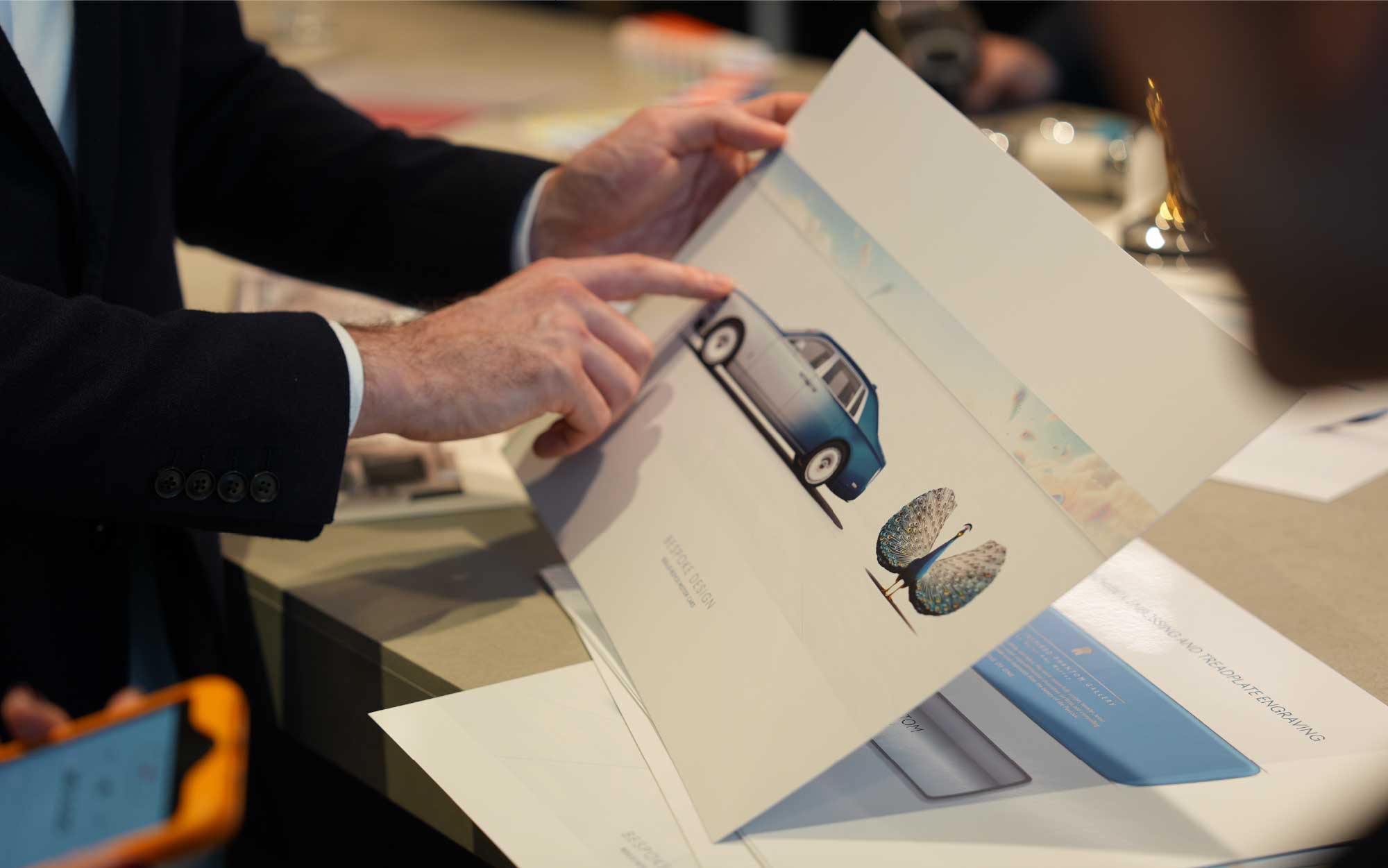
The relationship between Rolls-Royce and a Bespoke client is highly collaborative. Clients come to us because they appreciate our design expertise as much as our craftsmanship. Our role is not simply to execute ideas, but to help shape them into the most beautiful and enduring expression possible.
Every commission is evaluated through the lens of elegance, authenticity and timelessness. We always ask whether an idea enhances the overall integrity of a motor car. The wonderful thing about Bespoke is that creativity and discipline can coexist. Some of the most extraordinary commissions we have created are not the most complex, but the most thoughtfully resolved. Ultimately, every Bespoke motor car should be deeply personal, while remaining unmistakably a Rolls-Royce.
Design Pataki: In your opinion, what’s the one design rule at Rolls-Royce that should never be broken?
Domagoj Dukec: Presence. Presence is expressed through proportion, stance, surface treatment and architectural confidence. It begins the moment you see the motor car and continues throughout the entire ownership experience.
At Rolls-Royce, presence is one of our most important design principles. It is not something you can fully measure digitally. It is something you feel. Alongside presence, there are other timeless principles that define the marque: effortlessness, elegance, silence and what we call the “Magic Carpet Ride”. These qualities may evolve in their expression, but they should never be compromised. Every motor car we create must hold to that sense of monolithic, uninterrupted beauty. It’s what makes a Rolls-Royce instantly legible, even at a glance, even without the badge.
Also read: Honey, I Shrunk the City: 3 Designers Scale Down Indian Cities Into Statement Objects
Design Pataki: Henry Royce famously said, “Take the best that exists and make it better. When it does not exist, design it”. How has that philosophy influenced your own approach to design?
Domagoj Dukec: I think that quote perfectly captures the mindset required to create enduring design. What I appreciate most about Henry Royce’s philosophy is that it combines humility and ambition. First, you must understand and respect what already exists. Then you must challenge yourself to improve it. And if the answer does not exist, you must have the courage to create it.
That philosophy remains incredibly relevant today. Whether we are developing a new Bespoke commission, evolving one of our design icons or creating something entirely new such as Project Nightingale, the objective is never change for the sake of change. The objective is to create something genuinely better, more meaningful and more beautiful.
At Rolls-Royce, we inherit one of the most remarkable design legacies in the world. Our responsibility is to protect what makes the marque timeless while ensuring it remains desirable for future generations. Henry Royce’s words remain an excellent guide for that mission.