
The Second Edition Of Design Salon Debuts In Bengaluru For An Unforgettable Weekend
The second edition of Design Salon by Design Pataki, hosted by Esha Gupta, unfolded in Bengaluru over a weekend with immersive showcases, dialogues, and little moments of repose.
- 4 Jun '26
- 9:28 pm by Simran Almeida

With centuries-old craft traditions and a radically contemporary design culture, Bengaluru is a city championing dialogue and discovery. It is this intersection of heritage and evolving design sensibilities that made Bengaluru the ideal setting for the second edition of Design Salon by Design Pataki, an unforgettable weekend celebrating craft, culture and contemporary design. Curated and hosted by Esha Gupta, founder of Design Pataki India, the Salon transpired at The Leela Palace Bengaluru earlier this month. An invitation-only gathering of India’s leading architects, designers, studios and brands, it became a space where conversations moved fluidly between immersive showcases. “Bengaluru felt like the natural next choice from Design Salon Mumbai because the city has always been at the forefront of shaping contemporary design conversations in India,” says Esha Gupta.
Following the first edition, which was held last year in Mumbai, the second Design Salon, in collaboration with Asian Paints’ Beautiful Homes and Madhusudan Marble, reinforces its position as a distinct platform for India’s design community. Borrowing from the ancient European salons—intimate gatherings where artists and designers met for after-hours musings—Design Pataki reinterprets this for an Indian context. Informed by India’s rich craft ecosystems and contemporary design practices, it blurs the boundaries between making and meaning.
A Curated Tapestry Of Design
From the moment designers stepped into The Maharaja Ballroom at The Leela Palace, Bengaluru, Design Salon carried an unmistakable sense of ease. With thoughtfully curated booths where design and artistry converged seamlessly, the crafted refreshments set the tone for an immersive day ahead. The community of architects, designers and cultural practitioners in Bengaluru gathered to share ideas, listen intently, and encounter niche brands that felt as rarefied as the conversation itself.
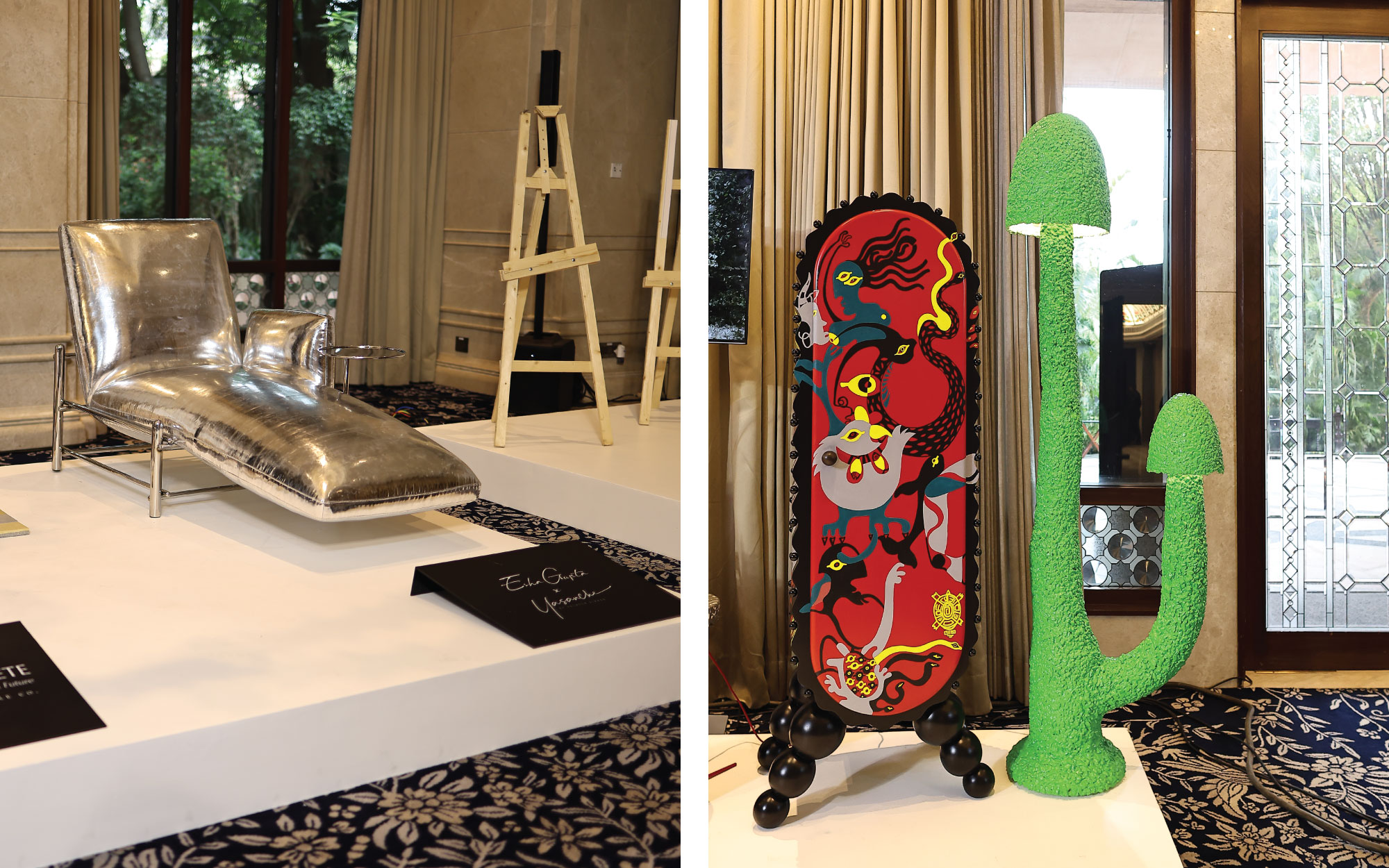
What defined the morning was its deliberate intimacy. Instead of conventional booths, design houses displayed their objets d’art on platforms, inviting designers for one-to-one conversations that unfolded at a more intimate, considered pace. Each encounter offered a different perspective, whether through sculptural forms, tactile surfaces, or meticulously composed spatial narratives.
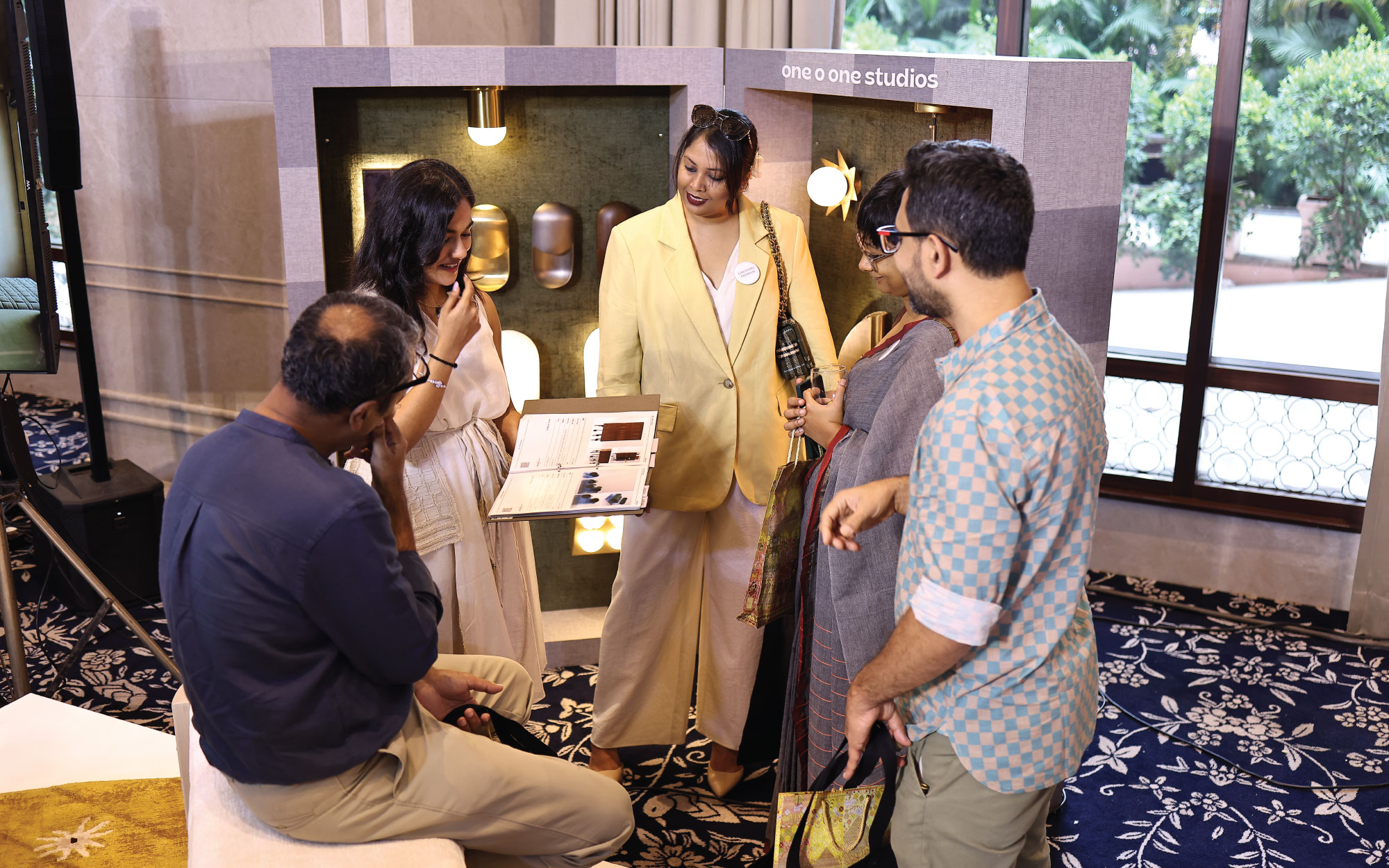
Among the designers were some of India’s leading creative voices, like Lester Rozario of Kamat & Rozario Architecture, Fancy George of Unalome, Sunitha Kondur and Bijoy Ramachandran of Hundredhands and Anisha Chandy of Anisha Chandy Studio. While Komal Menda and Muzamil Hasham of Design Boulevard offered perspectives shaped by contemporary design thinking and spatial narratives, Andre Camara and Shravya Shetty of Studio Camarada brought a grounded approach rooted in lived experience and architectural clarity. In this seamless interplay of dialogue, design and discovery, the second edition of Design Salon found its opening note.
Tracing The Curves
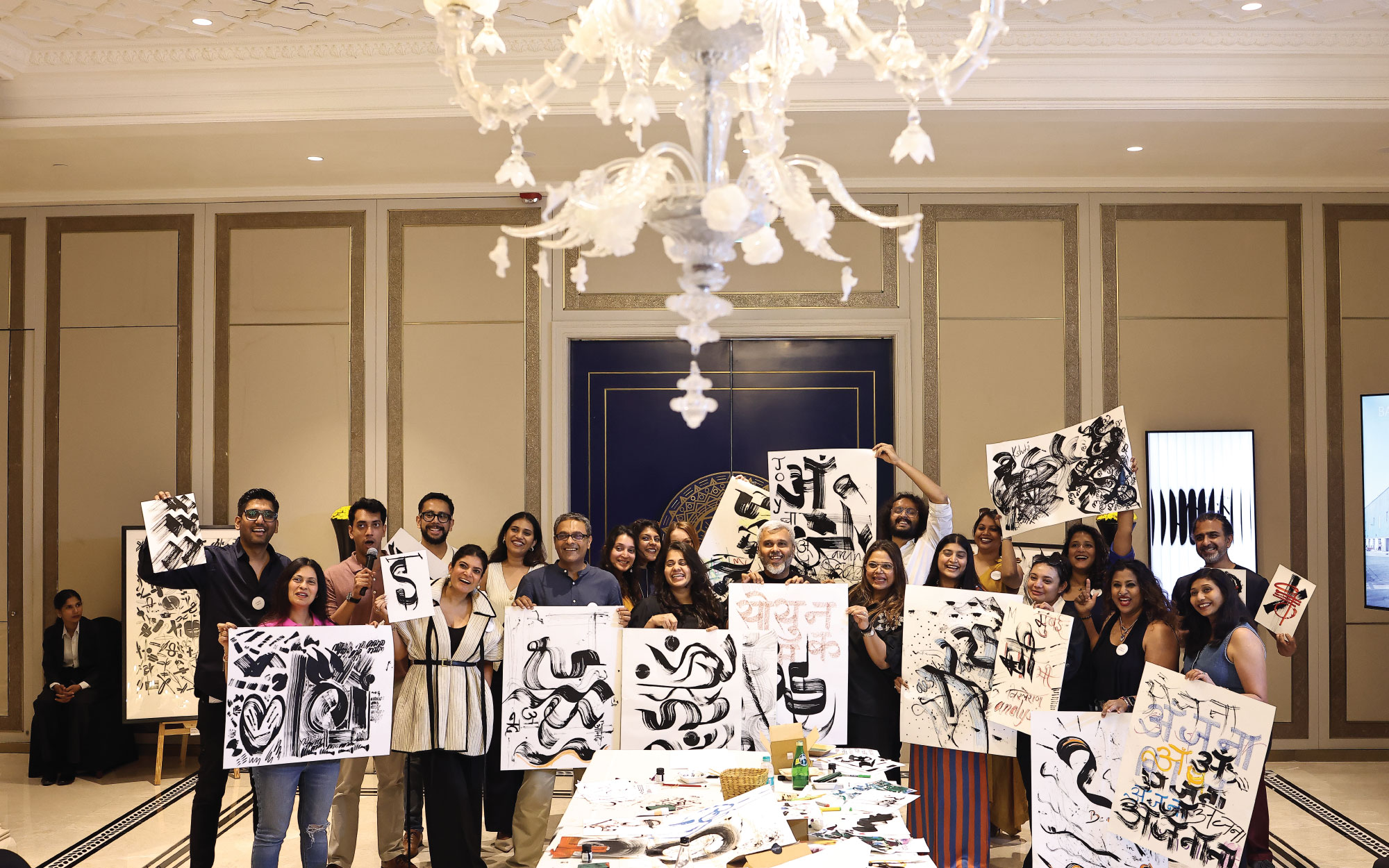
In the afternoon, the Salon shifted from conversation to experiencing the niceties of craft with a hands-on calligraphy workshop led by Nikheel Aphale. A contemporary visual artist whose practice is deeply rooted in calligraphy. Known for transforming Devanagari script into a language of memory, spirituality and lived experience, his work has been internationally recognised, including the ‘Excellence in Calligraphy’ award at the Jikji International Calligraphy Exhibition in South Korea. Set within the Maharaja Ballroom at The Leela Palace Bengaluru, the workshop offered designers and creatives a chance to encounter form, rhythm and script.
Also Read: Nikheel Aphale On Why The Devanagari Letters Feels Democratic And Inclusive
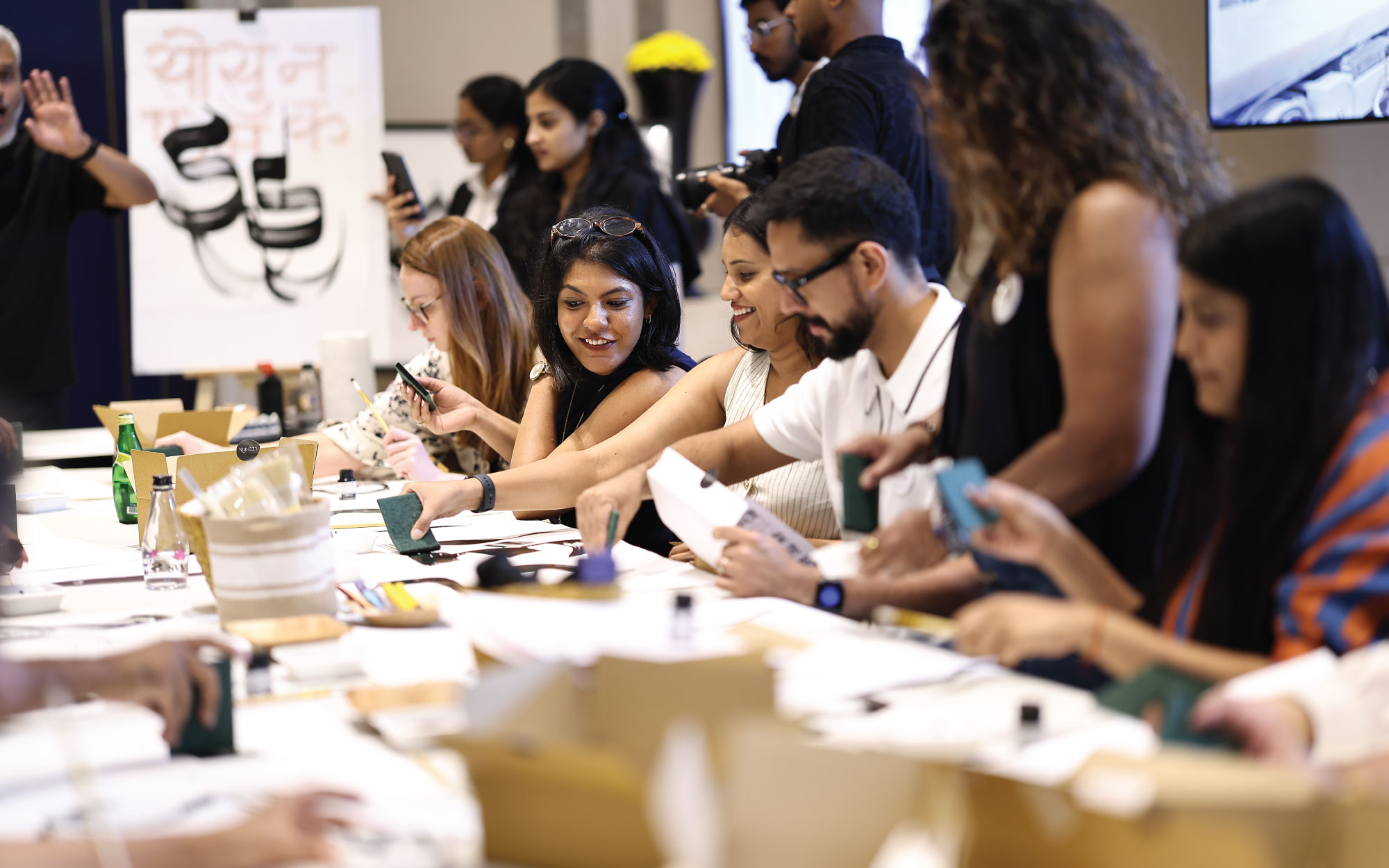
For those drawn to the quieter rituals of self-care, The Leela Palace Spa offered a parallel track of quiet indulgence. From restorative therapies to calming wellness rituals, guests moved between tactile exploration and serene retreat, embodying the dual rhythm of the Salon itself.
The Le Cirque Enchantment
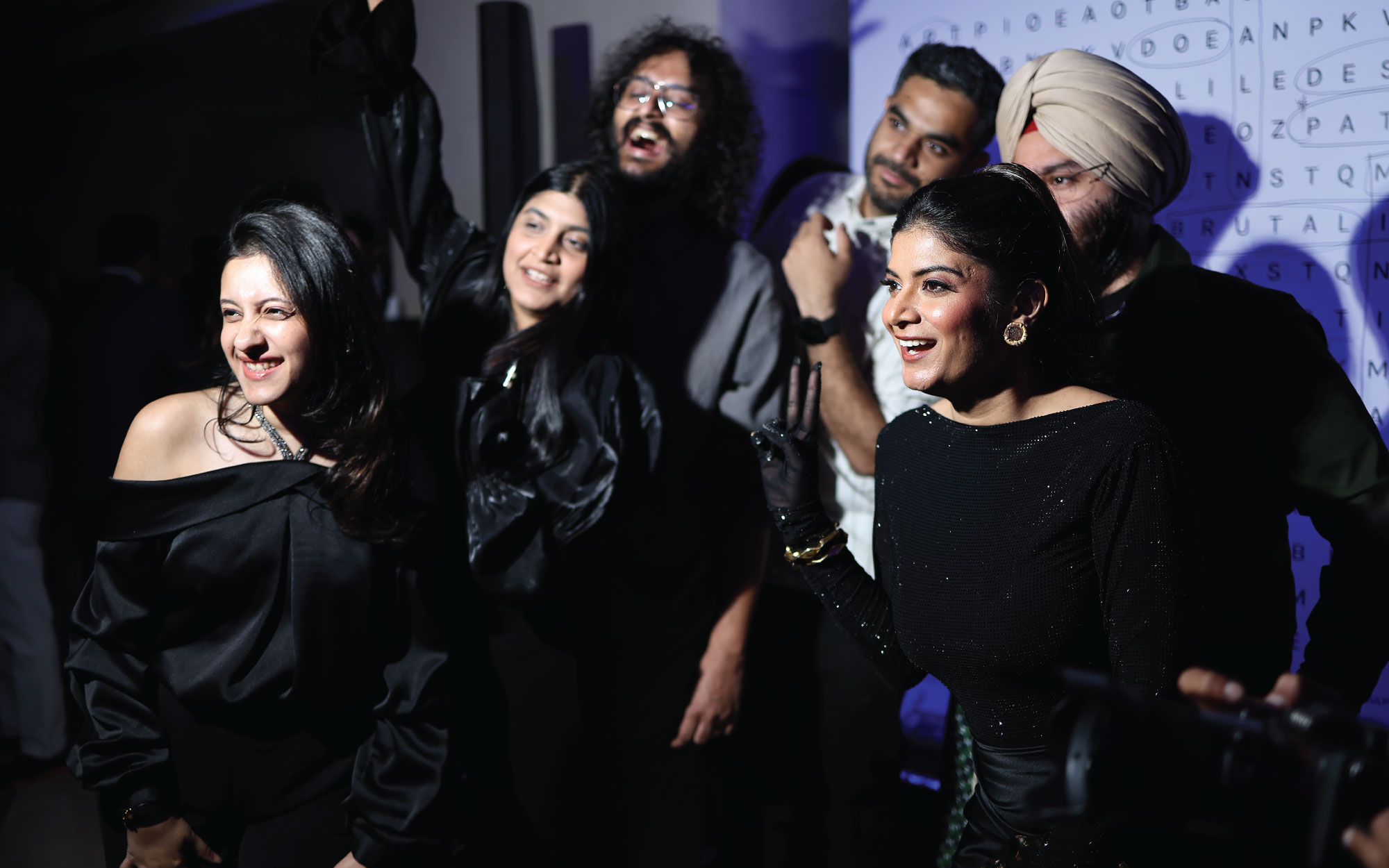
As the city lights of Bengaluru began to shimmer, Design Salon transitioned into a glamorous soirée at Le Cirque at The Leela Palace Bengaluru, where the night unfolded through cocktails, conversation and irreverent humour. Set against the dramatic backdrop of Le Cirque’s colossal arched window, the evening soiree was a moment to an indulgent interlude of flowing conversations, crafted cocktails and uninhibited revelry. It began with a warm welcome from Esha Gupta, animated exchanges, and crafted cocktails from Stranger & Sons.
Also Read: Sculptural Bars & Fluid Forms: Inside Bengaluru’s 5 Stunning New Restaurants
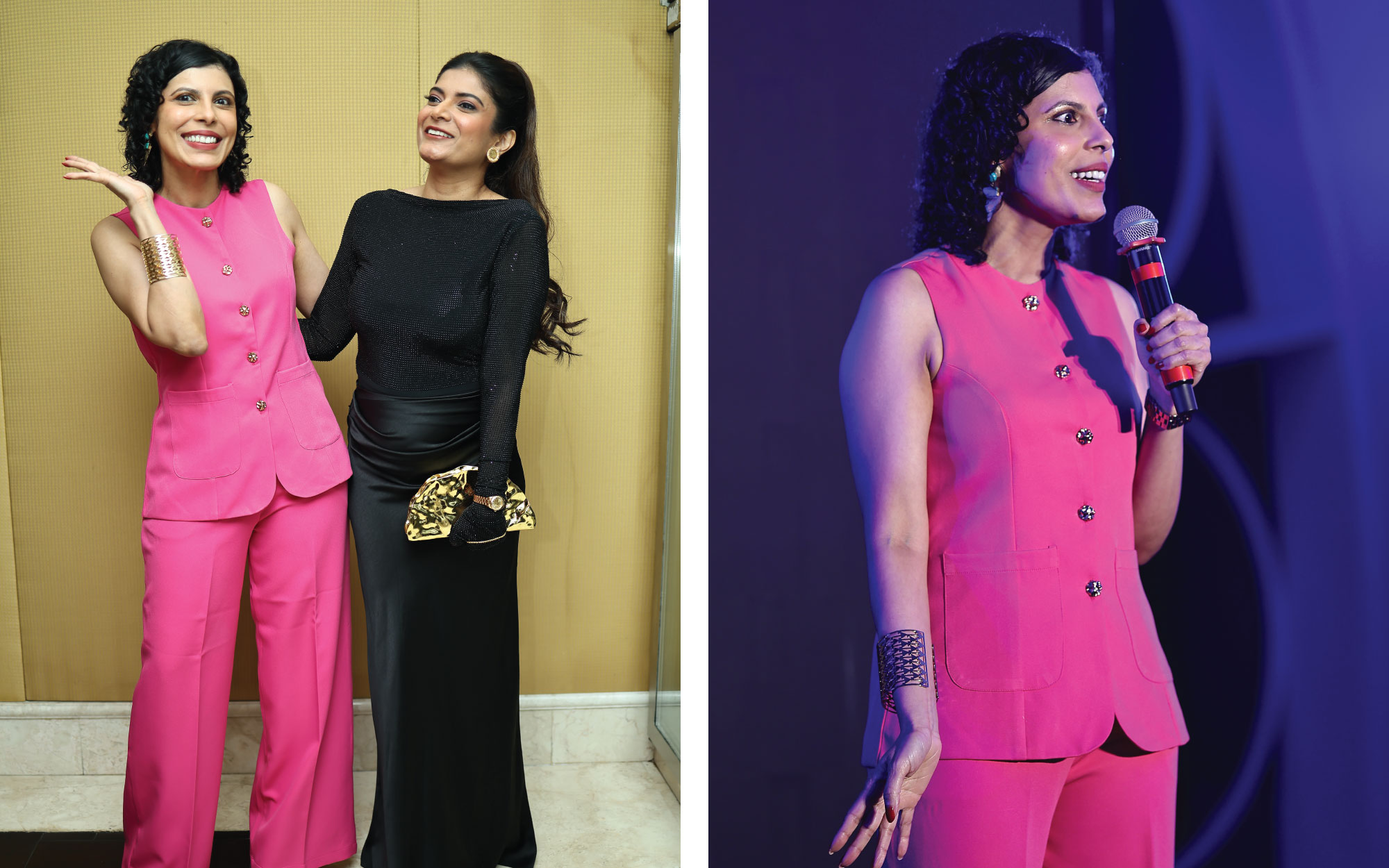
The evening also welcomed reflections from Shajid Galaria of KONE India, the soirée partner, who spoke about the evolving intersections of innovation, mobility and contemporary living. While Annu Menon, aka ex Lolla Kutty, infused the evening with her effortless wit and razor-sharp commentary. She moved fluidly through Bengaluru’s eccentricities, insider city lingo, cricket obsessions and the enduringly playful Chennai-Bengaluru rivalry; the room lingered in a constant state of laughter and recognition.
As the night went on, conversations drifted effortlessly across the room, weaving together designers, architects and creatives in moments of humour, exchange and shared curiosity. There was an unmistakable camaraderie that threaded itself through the soirée.
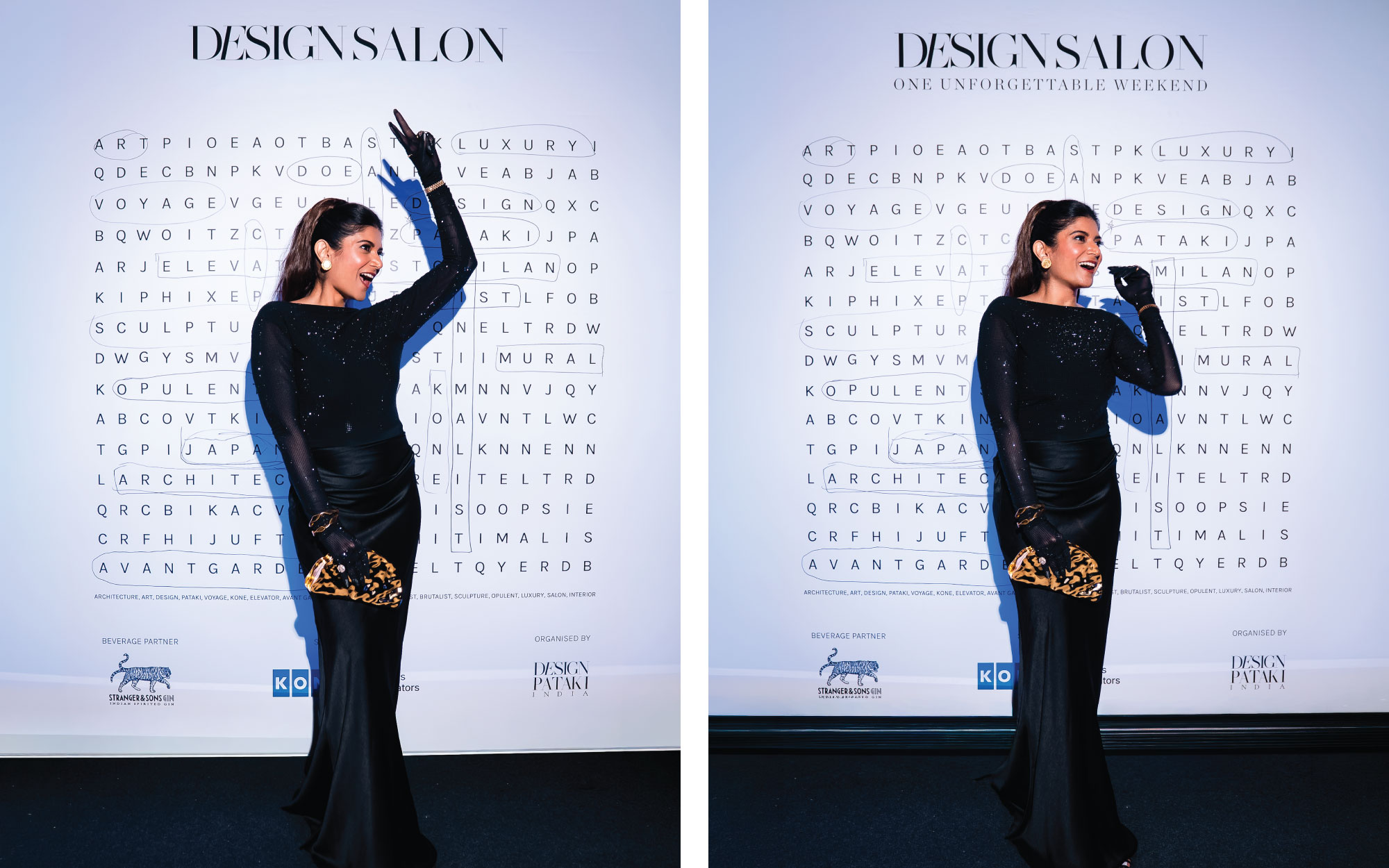
Subsequently, DJ Amritresh took over the console, dissolving the Salon’s poised rhythm into something far more electric. As the music moved between euphoric beats, conversations gave way to celebration, and the room transformed into a spirited after-hours revelry.
The Art Of Gathering
Anchoring the second edition of Design Salon was a collective of partners whose work continues to champion boundaries between craft, design and contemporary culture. Across the weekend, brands including Cocoon Fine Rugs, Exclusiff, Fima Carlo Frattini, Yantra, Stax Living, One O One Studios, Marboocrete and ARD transformed the space into a layered landscape of surfaces, objects and spatial narratives. Ek Kalakaar brought forth a vivacious meditation on reinvention through handcrafted forms while Gado Living, the gifting partner, reimagined the art of giving through handcrafted objects designed to elevate everyday rituals. Yet beyond the showcases and curated installations, Design Salon ultimately revealed itself as something far more enduring, allowing the architects, designers and creatives to step away from the velocity of everyday practice.
Also Read: 10 New Restaurants In Bangalore Pushing Food & Design With Landscaping, Sculptural Art and More
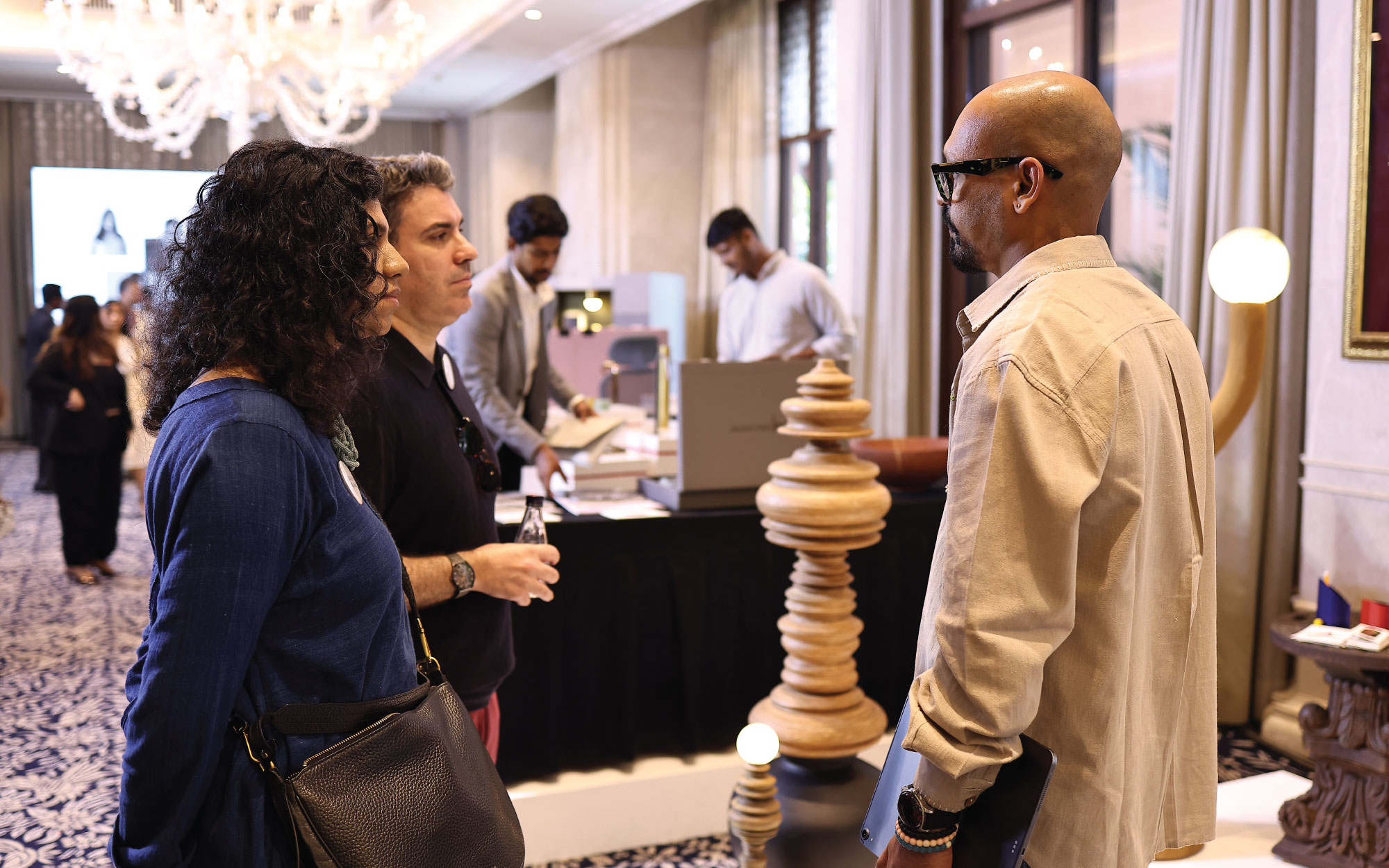
Here, ideas travelled freely across tables and terraces, conversations stretched deep into the evening, and fleeting introductions evolved into meaningful creative connections. In many ways, the Salon existed not in any singular installation or presentation, but in the moments suspended between them. What remained was not simply the memory of an event, but the feeling of a community gathering with intention—bound together by craft, conversation and a collective belief in the transformative power of design.