In Conversation With Raki Nikahetiya On The Highest Regenerative Art Biennale
Co-founder Raki Nikahetiya discusses moving beyond spectacle to build the world’s highest regenerative art biennale, centred on local communities and collaboration.
- 27 Jul '26
- 5:39 pm by Manisha AR

|
Getting your Trinity Audio player ready...
|
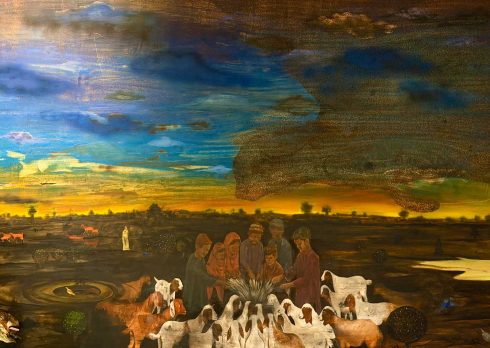
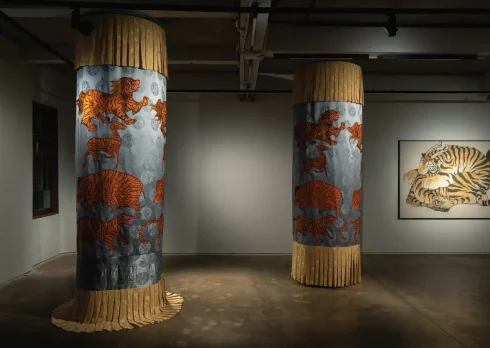
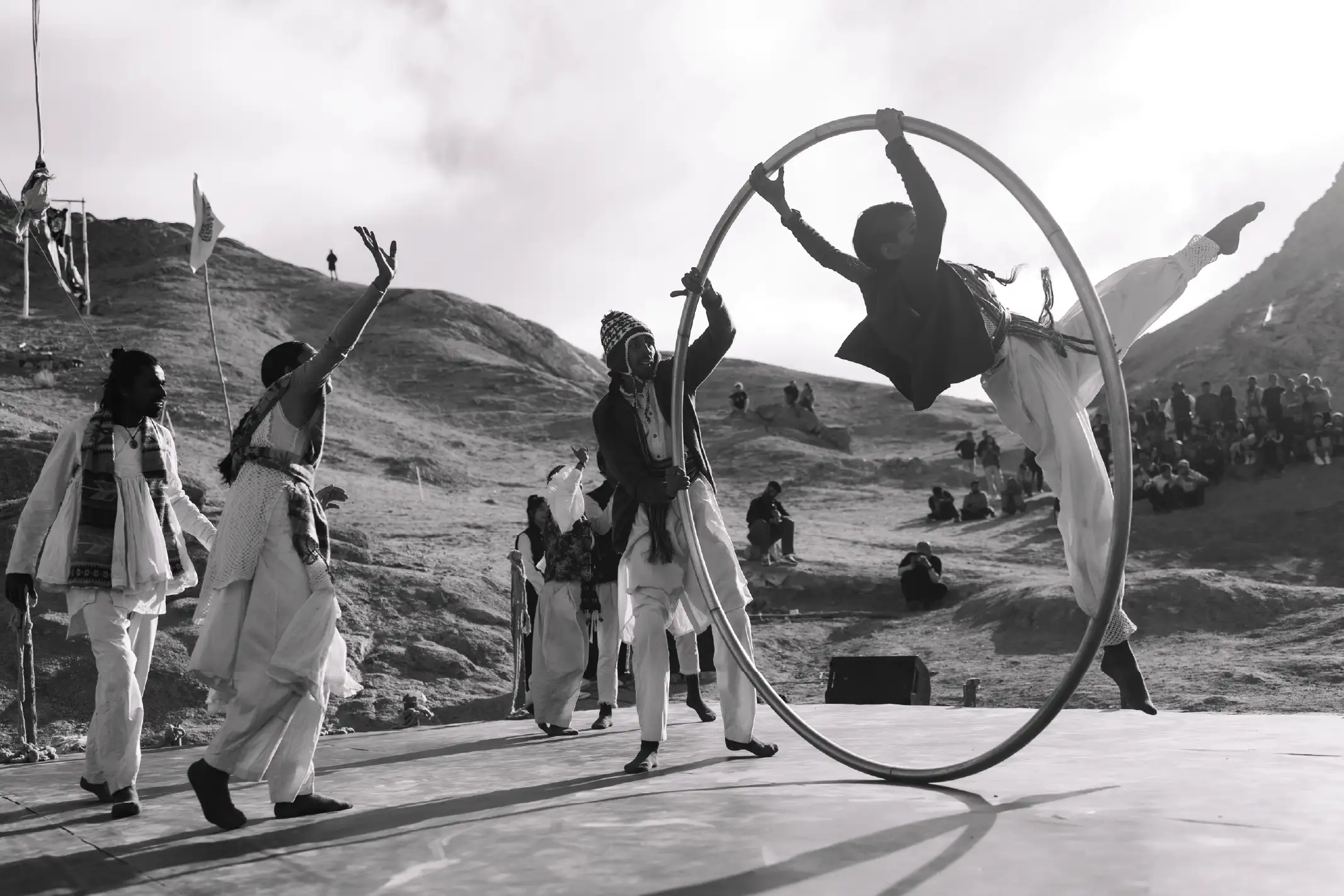
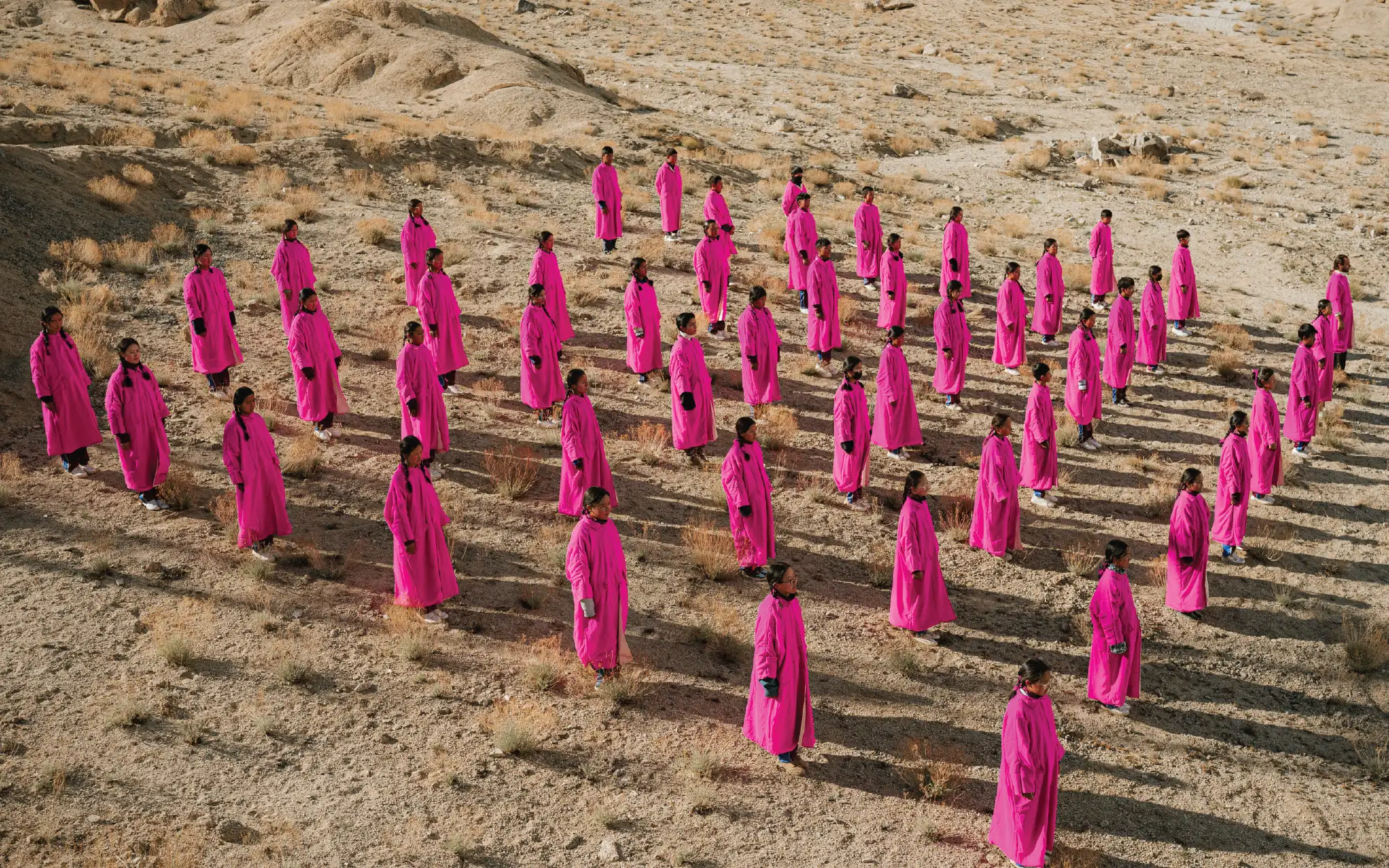
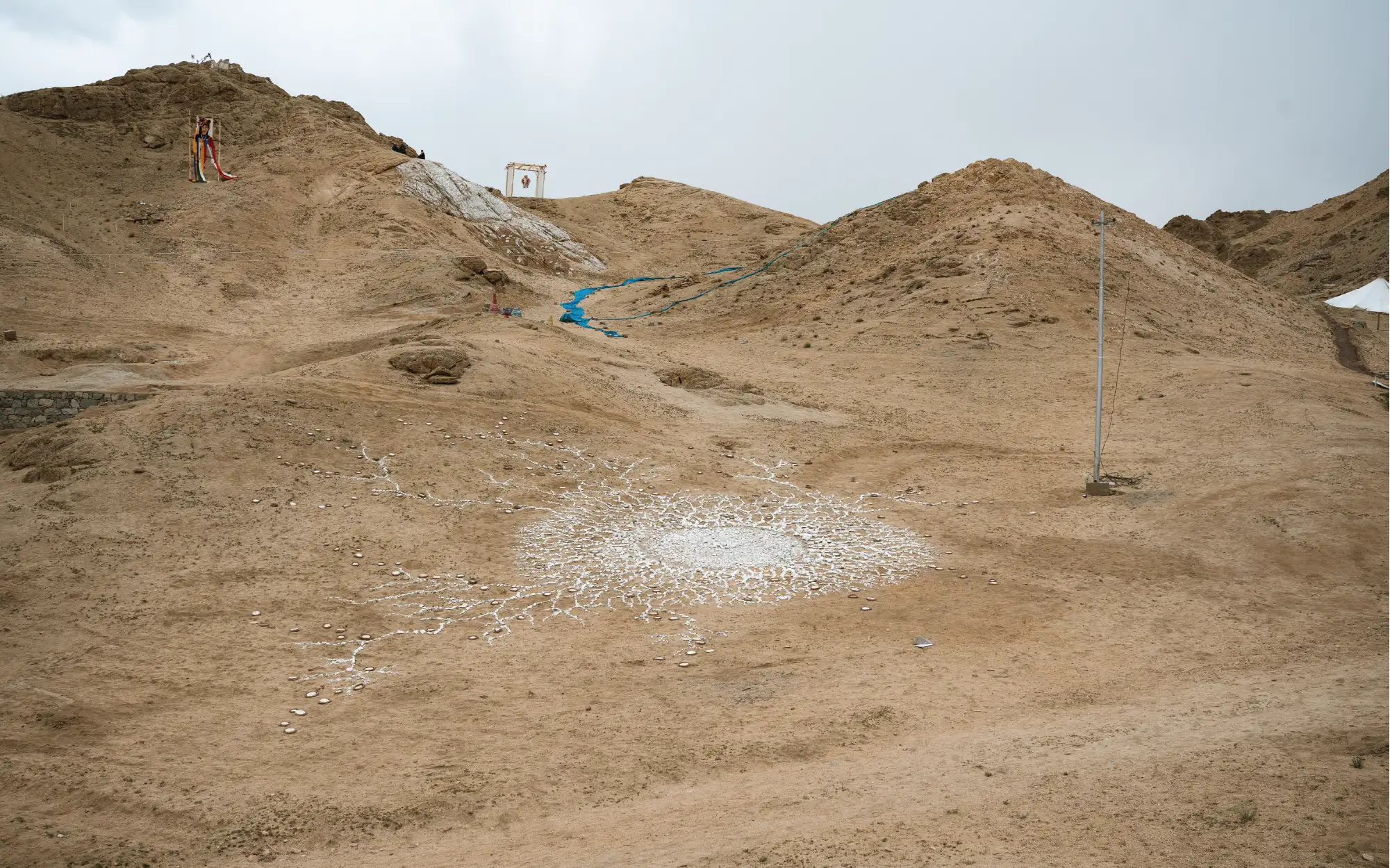
Stretching across eight sites along Ladakh’s 230-kilometre Leh–Kargil corridor, sā Ladakh Biennale 2026 describes itself as the world’s highest regenerative art biennale. What began in 2023 as a collaborative land art initiative by Raki Nikahetiya, Sagar Singh, and Tenzin Jamyang has since evolved into an ambitious biennale rooted in regeneration, ecological stewardship, and long-term collaboration. Visitors are encouraged to spend at least 48 hours acclimatising before setting out, embracing the slower pace that the project asks of both travel and art. Inspired by Hermann Hesse’s Strange News from Another Star, this inaugural biennale edition features an artistic programme curated by Lead Curator Vishal K. Dhar and Associate Curator Tsering Mutop Siddho. The curators have titled the edition ‘Signals from Another Star,’ bringing together 12 Ladakhi and international artists and artist duos around a theme that functions as an invitation to dialogue.
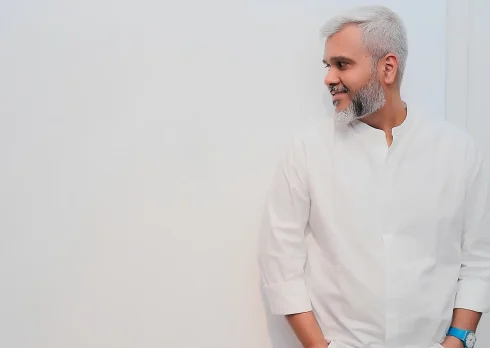
Ahead of the 2026 edition, Design Pataki spoke with co-founder Raki Nikahetiya about the biennale’s evolution from a festival, its regenerative ethos, and the collaborative networks shaping contemporary art in Ladakh. Nikahetiya is a Sri Lankan-born Austrian interdisciplinary artist who works across traditional craft, photography, painting, and site-specific installations that engage with questions of memory, migration, and regeneration. His practice is also informed by his work in journalism and development. Throughout our conversation, Nikahetiya returned repeatedly to one idea: that the biennale is built collectively. From its chance beginnings to its growing relationship with institutions such as LAMO (Ladakh Arts & Media Organisation), the Royal Enfield Social Mission, and Rubin Museum of Himalayan Art, to name a few, the project continues to imagine what it means to build an arts ecosystem slowly, collaboratively, and in dialogue with place.
Also read: Bookmark These 5 Design-Led Stays During sā Ladakh Biennale Along The Leh-Kargil Route
Design Pataki: Could you explain what ‘regenerative’ means in the context of a biennale?
Raki Nikahetiya: For us, regeneration means thinking like nature. In nature, a forest, for instance, can be described as a self-sustaining ecosystem that goes through cycles of repair and renewal. It produces what it needs to function, thrives through collaboration, and is interconnected through networks like fungal systems. Here, every individual element plays an important role in maintaining the larger ecosystem. In that sense, regeneration is about the ability to recover and evolve. For us (with the biennale), it is about learning from failure, from mistakes, and from challenges, and understanding how we can do things differently and better.
The word sustainable is often used, but there is a marked difference between sustainability and regeneration. Sustainability is about leaving something as you found it, ensuring there is no negative impact.
Regeneration goes a step further: you enter a place and, in some way, give something back. You leave it better than you found it.
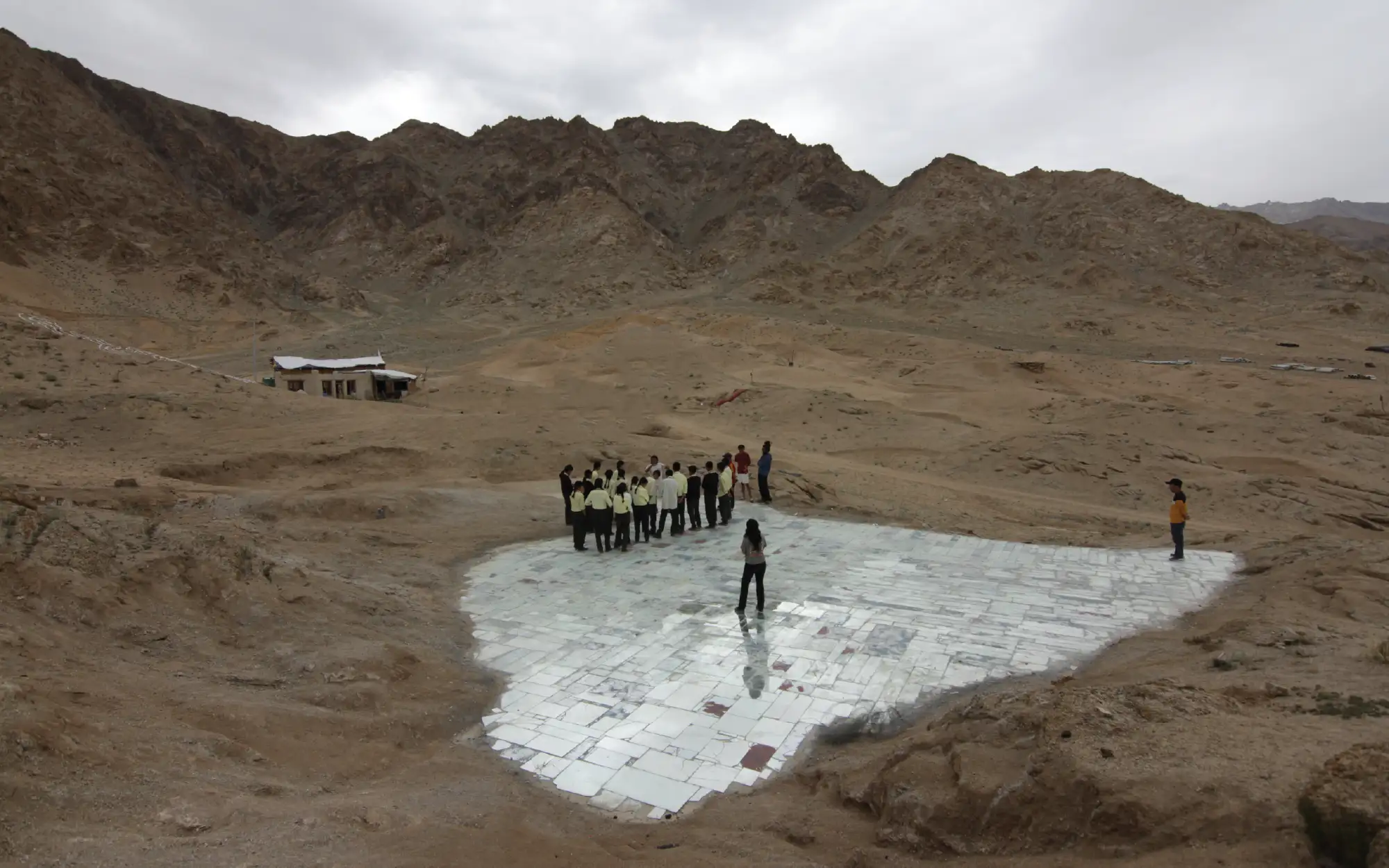
DP: On your website, there is a lot of emphasis on travelling mindfully, especially given the ecological pressures of increasing tourism in Ladakh. As the biennale attracts more visitors to an already fragile landscape, how are you balancing greater visibility with environmental responsibility?
RN: The biennale is not conceived as a spectacle. There is no grand opening or closing event, nor an overwhelming amount of art to consume.
Instead, it is an art pilgrimage, where the landscape is as much a part of the experience as the artworks themselves, and visitors are encouraged to engage at their own pace.
We wanted the experience to be enriching not only for visitors, but also for the artists and local communities. We are not here to entertain, but to experience something together. Artists are here to learn, create, and engage, and local communities are not performers for visitors. This ethos also informs our work with tourism authorities to develop a mindful tourism framework that encourages more responsible travel.
It goes beyond leaving no trace to asking simple but important questions: How do you respectfully enter a village? How do you greet an elder? Is it appropriate to photograph a child or someone at work? These are small acts of cultural awareness that shape more meaningful encounters.
I think about it as three interconnected circles. The first is ourselves as a team: continually asking how we can operate more mindfully, from developing responsible ways of working to ensuring our projects give back. That includes long-term partnerships, such as our collaboration with Pagir (People’s Action Group for Inclusion and Rights) through the ‘Circular Lives’ project with DADAA, Western Australia, as well as educational programmes that invest in future generations and climate awareness. The second is our work with artists, encouraging them to consider how they create and the impact of their work while involving local communities and seeking the approval of village leaders before working in a place. The third is communication: sharing mindful travel guidelines through our channels so visitors arrive with a greater understanding of what to expect and how to engage respectfully.
DP: What is one thing you always carry with you when you are visiting all the different sites?
RN: My hat.
DP: What is a common assumption about Ladakh that you wish people would forget?
RN: I think many people would probably say the same thing: seeing it only as a backdrop. Of course, it is a very “selfie-worthy” place. But it is also a sacred place, in one way or another.
DP: Where is home for you?
RN: Home, I think, is where the people are. Ladakh is definitely home, as are Delhi, London, Vienna, and Sri Lanka.
DP: How has the local community shaped the biennale? Beyond the landscape, has the local artistic context influenced the work being presented?
RN: Everything local has shaped what we are. It influences how we engage, how we listen to communities, whose approval we seek, and whether an artwork is appropriate for a particular place.
You cannot simply arrive and do whatever you want. We do not advise artists to work that way. It has to happen through collaboration and with the community’s approval.
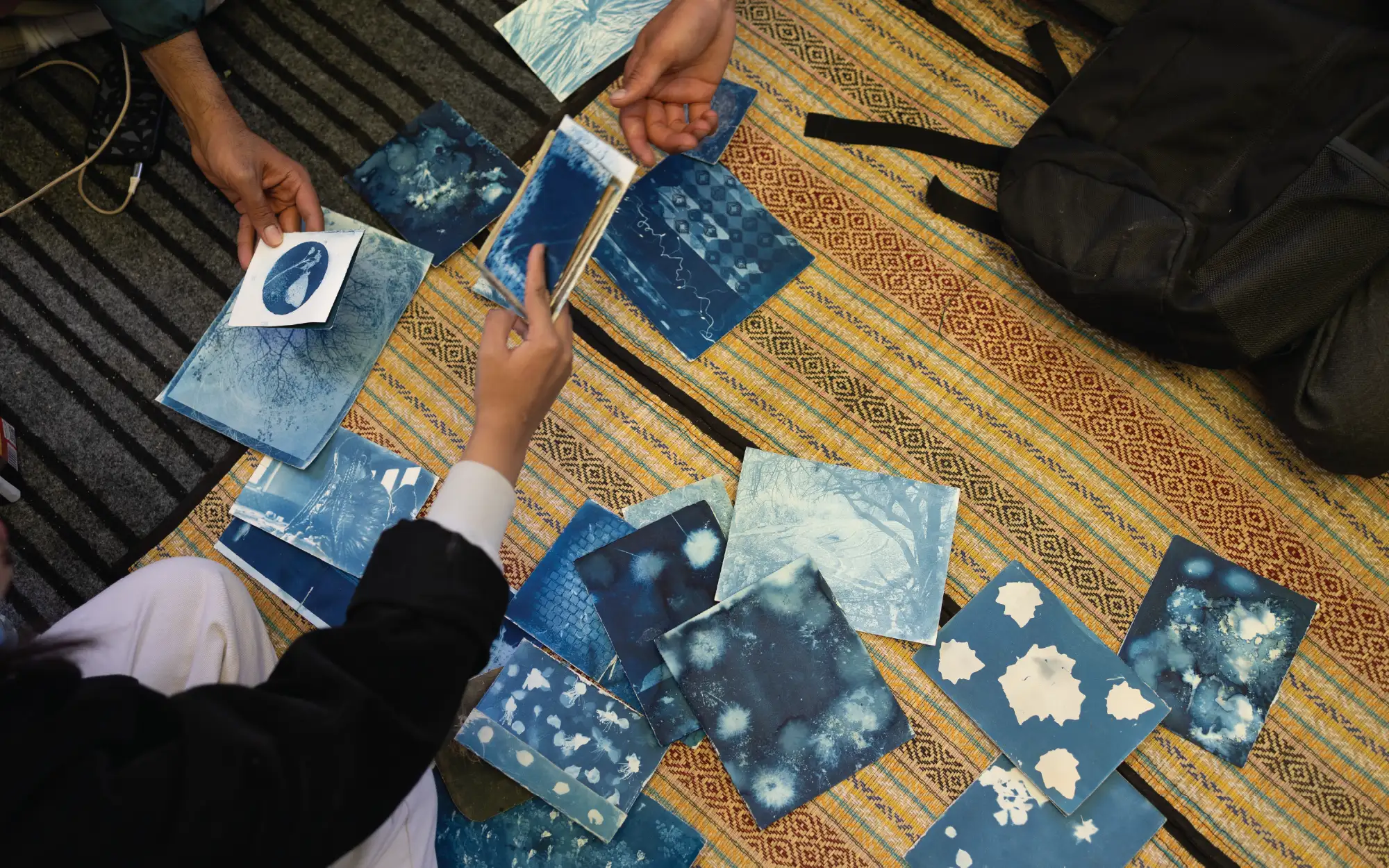
Local artists often find it easier to work at scale because they understand the landscape, the environment, and the context. While established artists come from elsewhere, local artists have an inherent relationship with the land. Through our fellowship with Royal Enfield Social Mission and Trikona Foundation, we are launching the long-term ‘3000m Fellowship’ to support and develop local artistic practices. It reflects our commitment to building sustained support rather than one-off interventions, and this edition will help shape future ones.
Ultimately, the landscape defines everything. We also have another curator: nature itself. Nature determines where things can happen and how they can happen. If it rains, it rains. If sites become inaccessible, that is the reality. We have robust health and safety protocols, but we cannot operate within the controlled environment of a white cube. In that sense, Ladakh is almost a window into the future, where the effects of climate change are already unfolding at a much faster pace. Through these initiatives, we also want to introduce people to other ways of doing things, as a form of climate optimism.
Also read: Meet The People Shaping A Sustainable Future For Havelis In India
DP: Was there a particular place or landscape in Ladakh that changed how you thought about design?
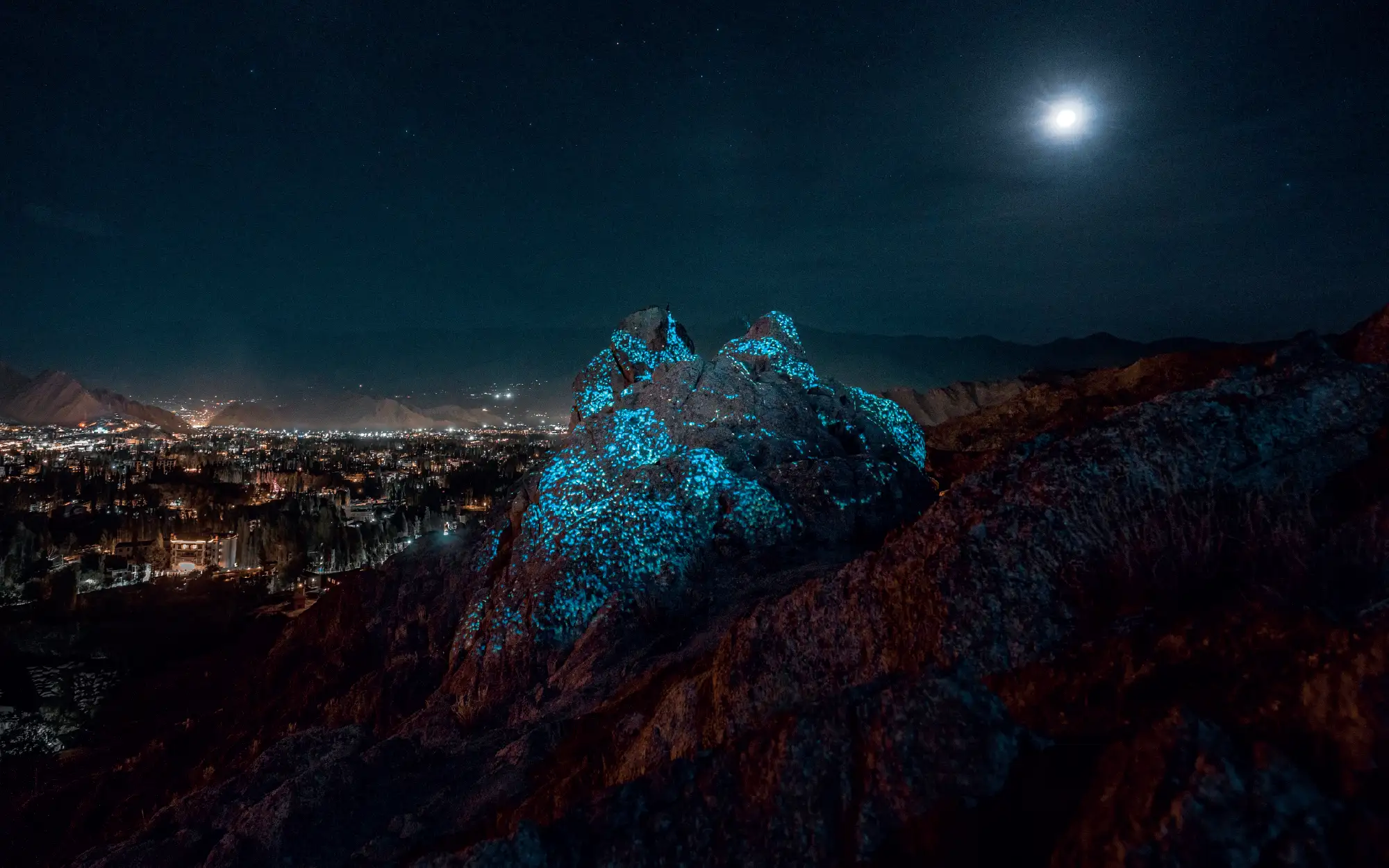
RN: I know this might sound a bit esoteric, but there is an energy here that I find really interesting. I think it is something about being in the mountains. You really feel, and not in a negative way, how small you are in relation to everything around you.
In cities, we often forget our actual place within nature. We tend to see ourselves as separate from it. But here, you are reminded that you are part of it. You are vulnerable to the elements, but you are also connected to them. You develop a deeper appreciation and respect for the environment. Our species evolved within these environments for hundreds of thousands of years, and then, very suddenly, over the last few hundred years, we have moved away from them. When you return to these landscapes, it opens up different ways of thinking. It allows you to see how interconnected everything really is.
DP: On a closing note, what is one belief about biennales that you think should disappear?
RN: I think it comes down to terminology. It is about the institutional value we assign to certain words and concepts. If I call something that happens every year ‘an art exhibition,’ it is still at its core an art exhibition. But if I call it a biennale, then suddenly it carries a certain validation because it is connected to an established model and likened to, say, Venice.
Like the idea of the white cube gallery, or the labels that shape perceptions of value in the corporate world, the biennale is a construct. It is simply a platform that takes place every two years, but over time, we have created expectations around what it should look like, what it should include, and how artists should be presented. Those rules are ours. So it is not that people need to change them, only to recognise that they are constructed. We use the term “biennale” because it is internationally understood, but at its core it is simply a platform for exchange.
sā Ladakh Biennale 2026 runs from 1st – 10th August, 2026. Designed for slow, mindful travel, the biennale can be explored at your own pace. View the full artist lineup and artwork locations on the website. www.sabiennale.com