Sourcing Secrets With Stylist Saniya Tadha: Translating Mood Into Material
This edition of Sourcing Secrets reveals stylist and curator Saniya Tadha’s penchant for transforming interiors into living narratives, evocative of quiet luxury and imbued with emotional resonance.
- 3 Aug '26
- 4:12 pm by Rishma Gill

Sourcing Secrets – a series in which Design Pataki brings you insider tips on shopping for décor and art while uncovering fascinating finds from across the globe.
A stylist’s vision shapes the narrative of a space, crafting atmospheres that bring imagination to life. In rhythm with this intention, internationally renowned stylist and curator Saniya Tadha embodies an artistic intuition that gives voice to stories she believes inherently exist within every space, waiting for their chance to be revealed. With a foundation in chemical engineering and an IIT education, she brings a rare duality to her craft – the precision of an engineer coupled with the sensitivity of an artist. In her world, textured materials, intentionally curated objects and sculptural elements stand out as focal points, styling interiors in a manner that exudes a refined aesthetic.
In collaborations with architects, craftsmen and design studios, Tadha works as a translator of mood and a narrator of material. Beyond commissioned work, she shares her philosophy through workshops and design platforms.
In conversation with DP, we discuss Tadha’s penchant for handicrafts, objects and some of her favourite brands to source from.
Design Pataki: Walk us through the behind-the-scenes actualities that shape a stylist’s day.
Saniya Tadha: A stylist’s day is a balance of selection, concept development, coordination, execution and on-ground problem-solving. It usually begins with understanding the brief in depth, whether it’s a shoot styling, a space styling, or a brand direction. This is where the creative intent is defined: the mood, references, palette and the story that needs to be told.
Then comes sourcing and curation, where I work closely with vendors, artisans, or prop houses to bring together the right elements. A large part of this stage is refinement, deciding what elevates the narrative and what needs to be edited out. On set or on site, the role becomes highly hands-on. It’s about layering, adjusting and constantly refining details based on light, framing and spatial balance. Nothing is fixed until the final visual feels right.
Overall, a stylist’s day is about real-time decisions that translate a concept into a cohesive visual story under pressure.
Design Pataki: What are some of the innovative trends you have seen evolve recently within the industry? Which are the ones you’re most excited about?
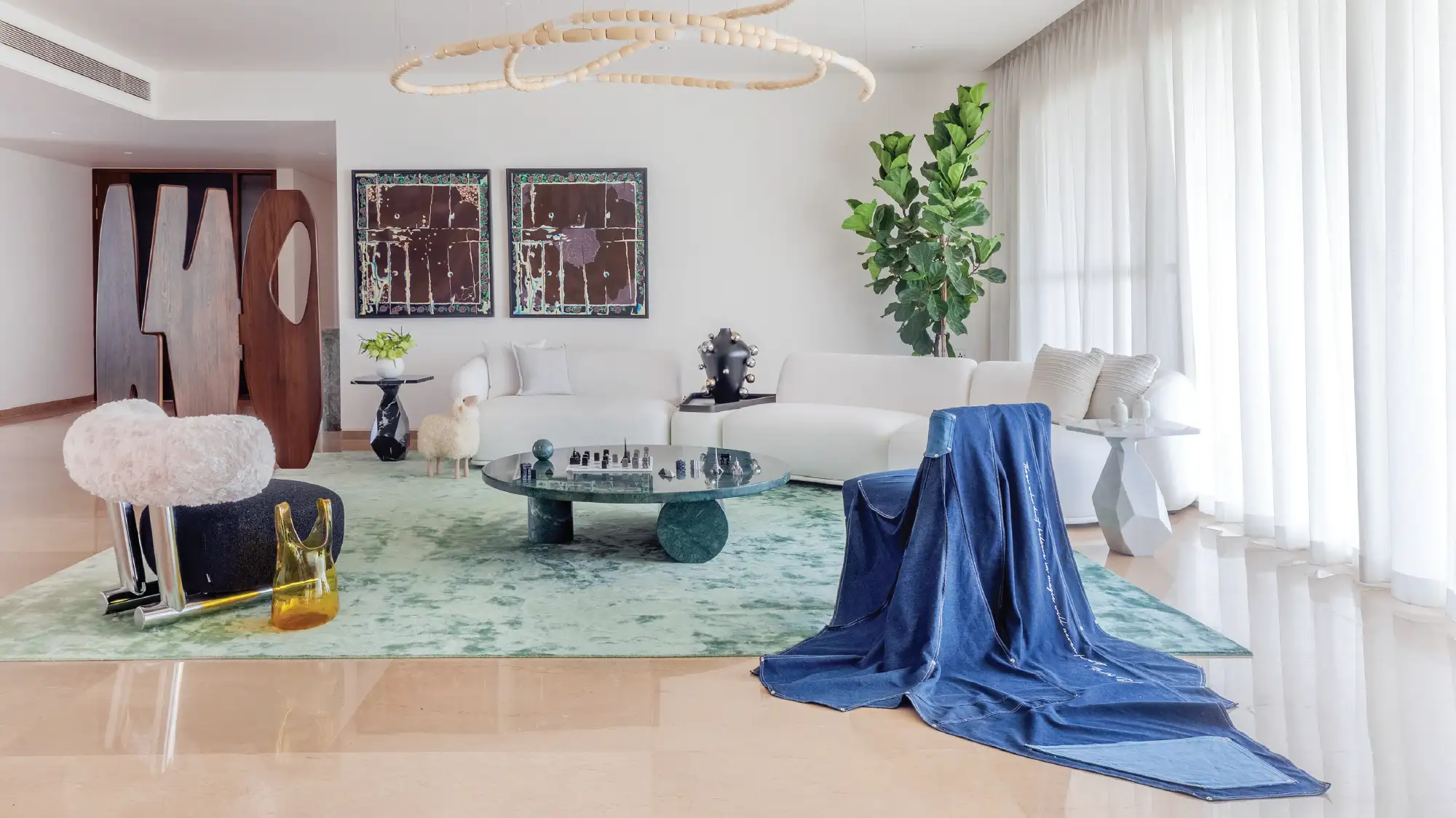
Saniya Tadha: I’m seeing a clear shift toward meaning-led, story-driven spaces rather than just visually curated ones. What stands out most is lived-in luxury, where styling feels authentic and human spaces are not over-perfected, but layered with personal, tactile and imperfect details that feel real.
Another strong direction is heritage-modern juxtaposition, where traditional craft pieces are intentionally placed within contemporary minimal settings to create depth, contrast and cultural continuity. There’s also a growing focus on material honesty, where texture – stone, wood, linen, metal patina – becomes the main language of styling instead of excessive décor. What excites me most is this move toward emotional storytelling through restraint, where every object is intentional and the space communicates a feeling, not just an aesthetic.
Design Pataki: Which traditional crafts are you most drawn towards and what are your favourite sources to curate these from?
Saniya Tadha: I’m most inspired by local crafts that bring authenticity, texture and narrative depth into a space – elements that strongly align with my approach to styling, where everything is thoughtfully made and purposefully placed.
Some of my favourite go-to sources include Nilaya Anthology, Jaipur Rugs, Good Earth, Beyond Design and Studio Orion.
Design Pataki: Maximalism or Minimalism – the design sensibility that excites you more, and why?
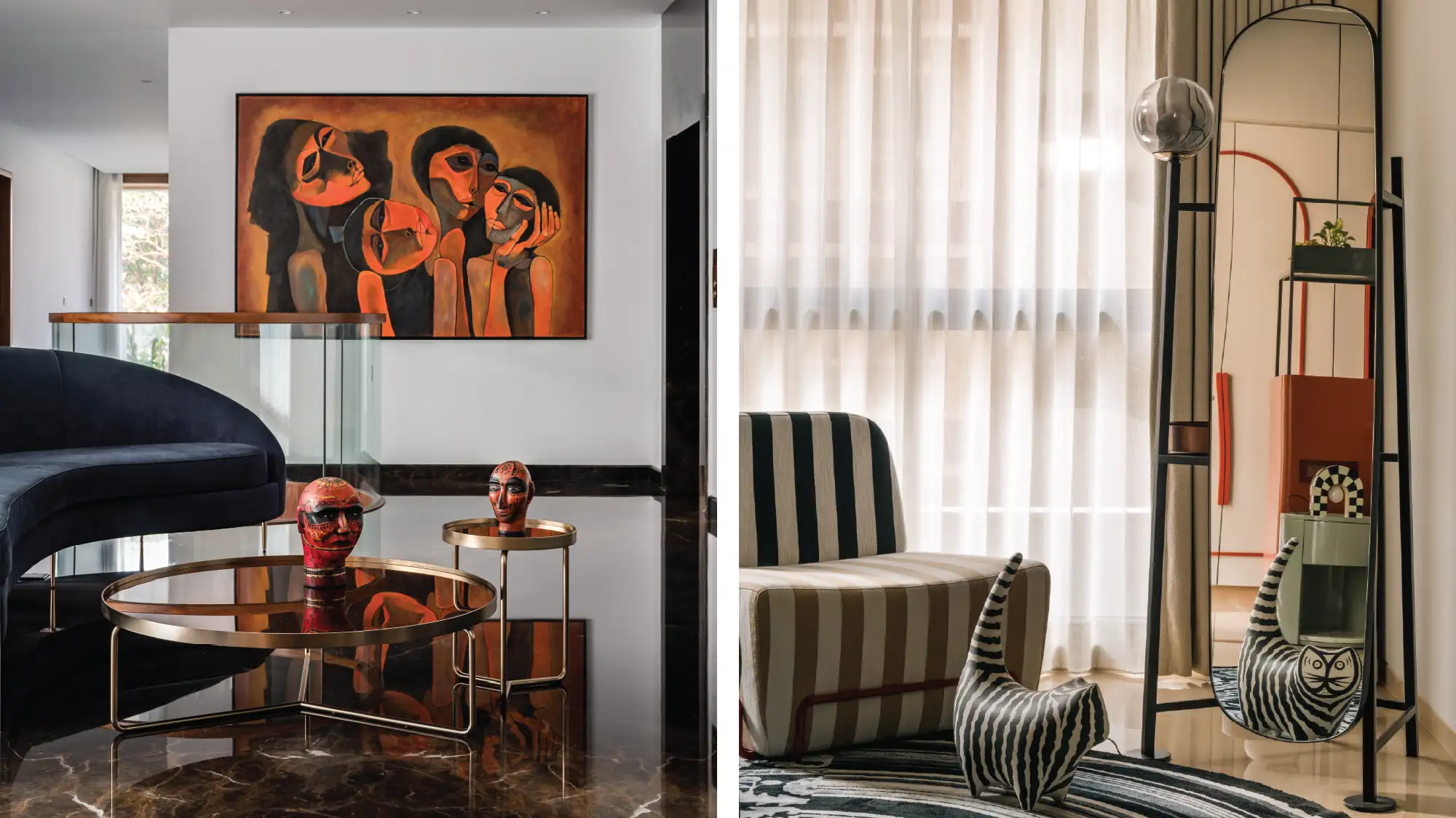
Saniya Tadha: I relate to both, but for me, there’s no real middle ground between them – each has to fully commit to its own visual language. Maximalism is where every corner tells a story, layered and expressive, almost like a visual narrative unfolding through the space. Minimalism, on the other hand, is about restraint, where everything is reduced to its essence and even a single statement piece holds the entire attention.
Personally, I lean toward both, depending on the intent of the space. What excites me is the clarity they each bring when done well, where every detail feels intentional rather than added.
I am drawn to that discipline in both approaches, where space, material and object all carry meaning without excess.
Also Read: 24 Tanjore Paintings Anchor A 15,000 sq. ft. Home Built Around Art, Memory And Collecting
Design Pataki: Take us through the process of juxtaposing traditional pieces within modern spaces.
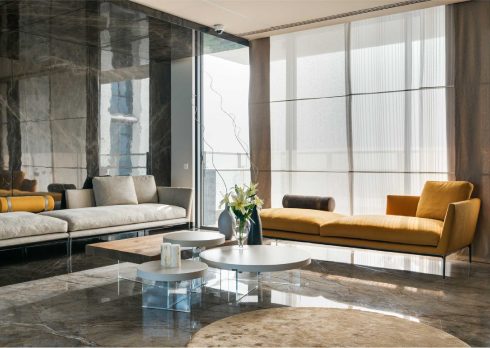
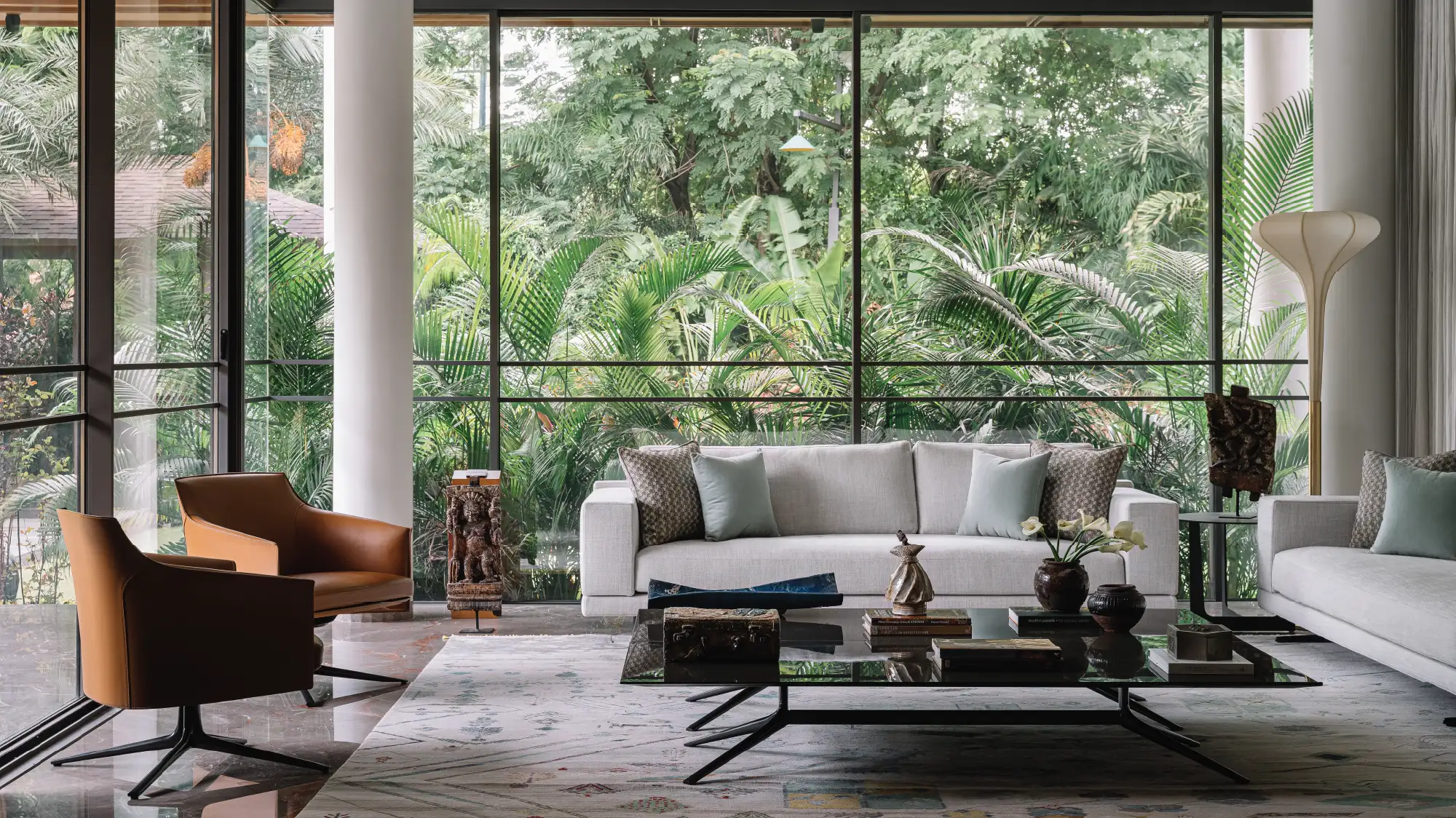
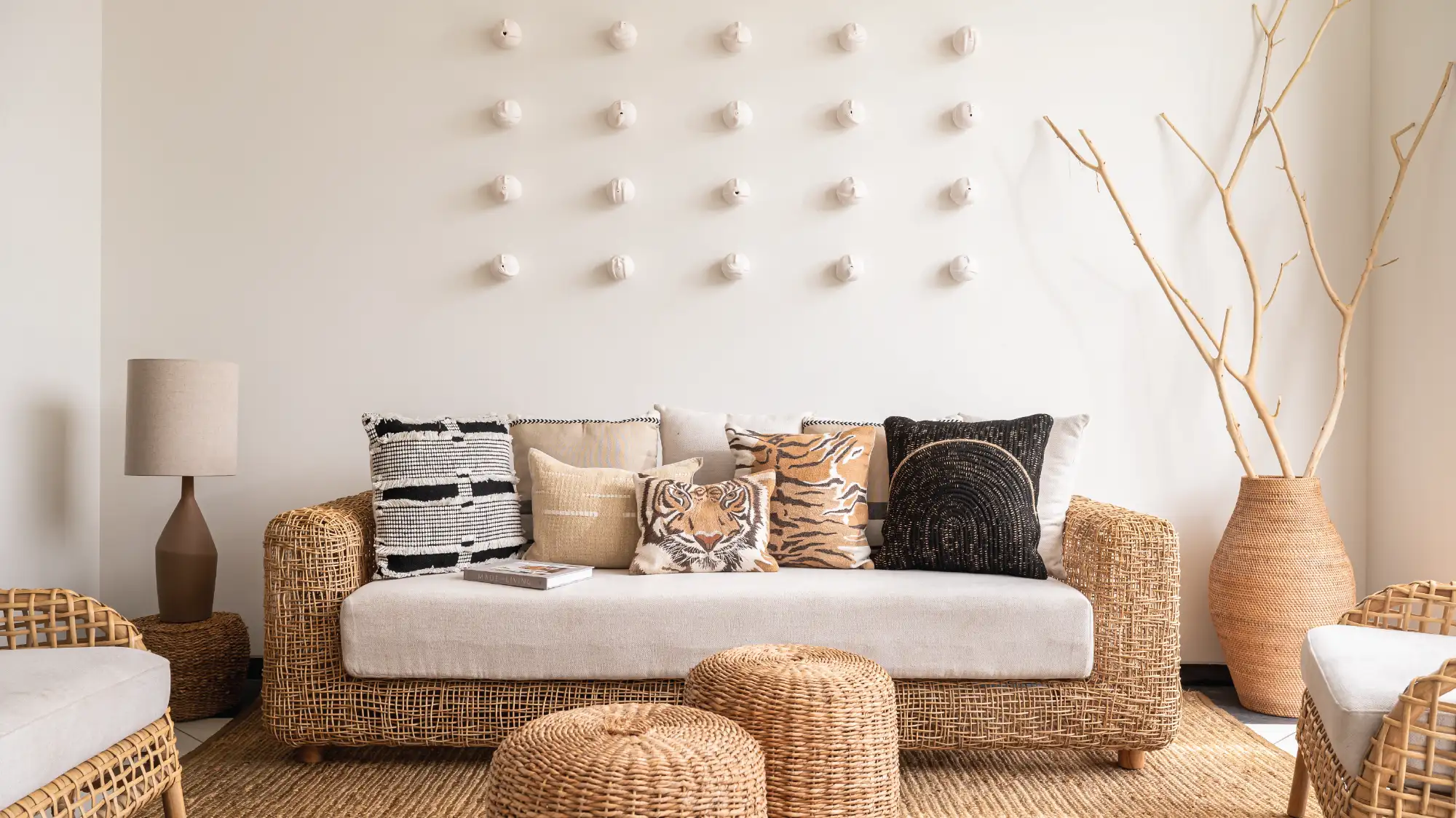
Saniya Tadha: I start by creating a restrained, contemporary base where the architecture and palette are kept minimal, allowing the space to feel calm and uncluttered; almost like a neutral canvas. On this foundation, I introduce traditional elements as intentional focal points rather than decorative additions, such as carved wood, brass artefacts, or vintage textiles – each chosen for its story and craftsmanship.
The balance comes through material contrast, where raw, handcrafted textures are paired with clean modern finishes, so both elevate each other without competing. I also pay close attention to spacing and negative space, treating traditional pieces almost like curated objects in a gallery, so their detail and presence can fully breathe.
Finally, lighting becomes the unifying layer as it enhances texture and patina, helping the traditional elements feel naturally integrated rather than placed. Ultimately, the intent is not to mix styles but to create a harmony where heritage feels seamlessly embedded within a contemporary language.
Design Pataki: According to you, which is the one stand-out element that is a must-have to elevate the aesthetic of a space?
Saniya Tadha: It’s difficult to define in one word, but for me, it’s a thoughtful mix of elements that add character to a space. Coffee table books, statement decor pieces, impactful art that reflects personality and a well-chosen rug can instantly elevate a room. Together, they bring depth, warmth and a curated, lived-in feel.
Design Pataki: Internationally, which are some of the design ateliers whose design sensibility you appreciate the most?
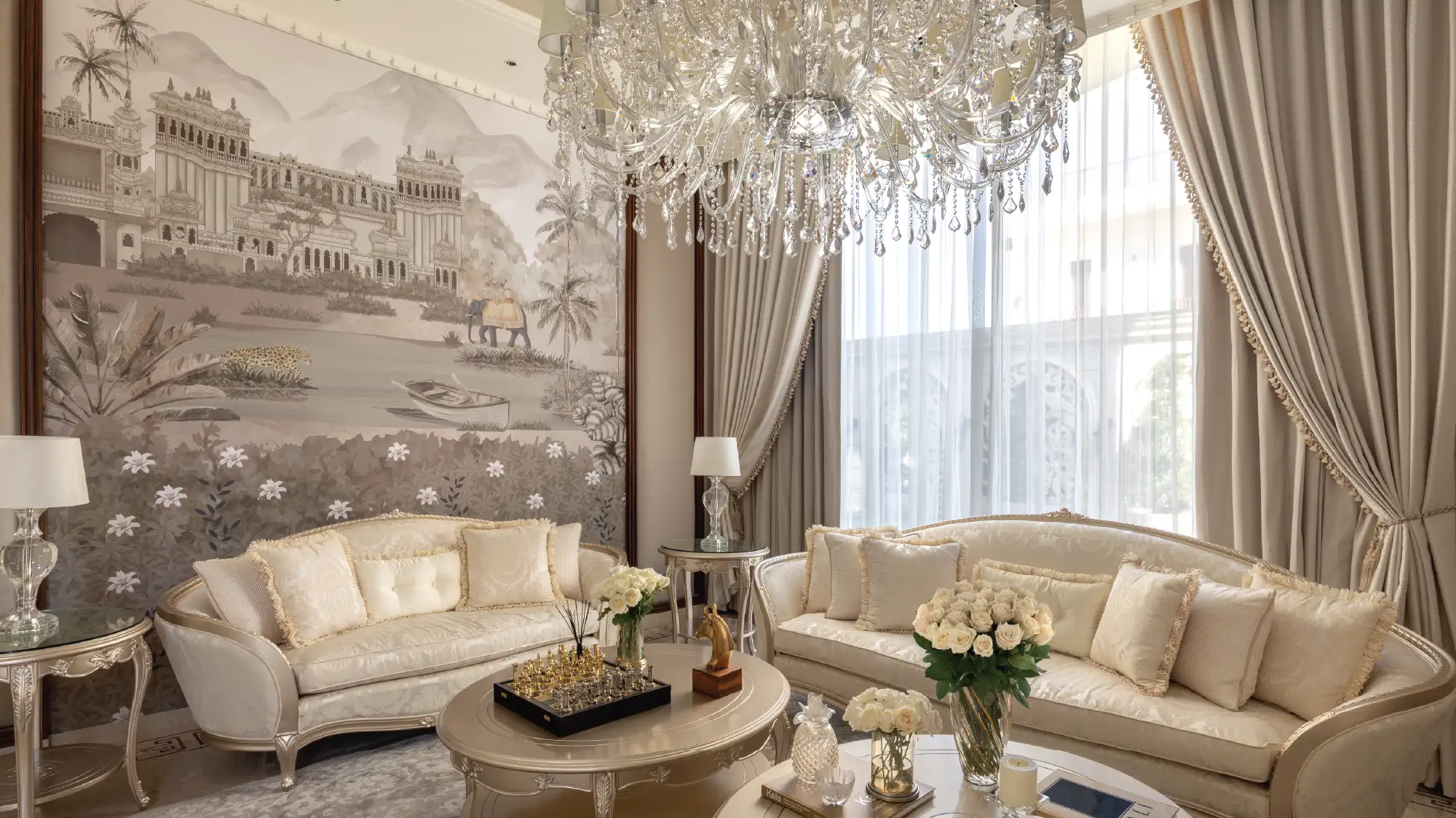
Saniya Tadha: I’m drawn to ateliers, architects, and stylists who balance strong storytelling with refined design sensibilities, aligning with the evolution of my own design language. Studios like Axel Vervoordt Company, Vincent Van Duysen Architects, Zaha Hadid Architects, SAOTA and Studioilse inspire me with their timeless, human-centric approach. I also admire architects like John Pawson and Peter Zumthor for their mastery of minimalism, light, and materiality.
Alongside these, I admire maximalist stylists like Kelly Wearstler and Jonathan Adler, who bring boldness, layering, and personality into spaces. I am inspired by stylists like Colin King and Athena Calderone for their ability to create effortless yet deeply curated environments.
Design Pataki: What is it that you enjoy about your profession and what are some of its challenges?
Saniya Tadha: I enjoy the blend of creativity and problem-solving in my profession – transforming ideas into something clear, meaningful and impactful. The constant variety keeps it engaging and there’s real satisfaction in shaping abstract thoughts into structured outcomes while creating everyday experiences for my clients.
Challenges arise when a stylist is brought in at the final stage and there are budget constraints. Many clients are still hesitant to invest in styling, even though it plays a crucial role in making a space feel both aesthetic and truly liveable.
It’s this balance of creativity, practicality and expectation that makes the work both exciting and demanding. Hopefully, in the coming years, space styling will be recognized as an integral part of design, just as important as interior design itself.