Where To Go During Def Col Gallery Nights, Delhi’s New Art Walk
Def Col Gallery Nights returns with another after-hours gallery crawl, spotlighting the exhibitions, installations, and artist showcases worth seeing this week. From emerging voices to established names, here's your guide to what not to miss.
- 15 Jun '26
- 6:26 pm by Manisha AR

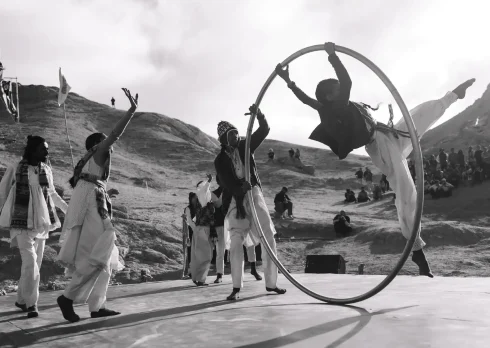
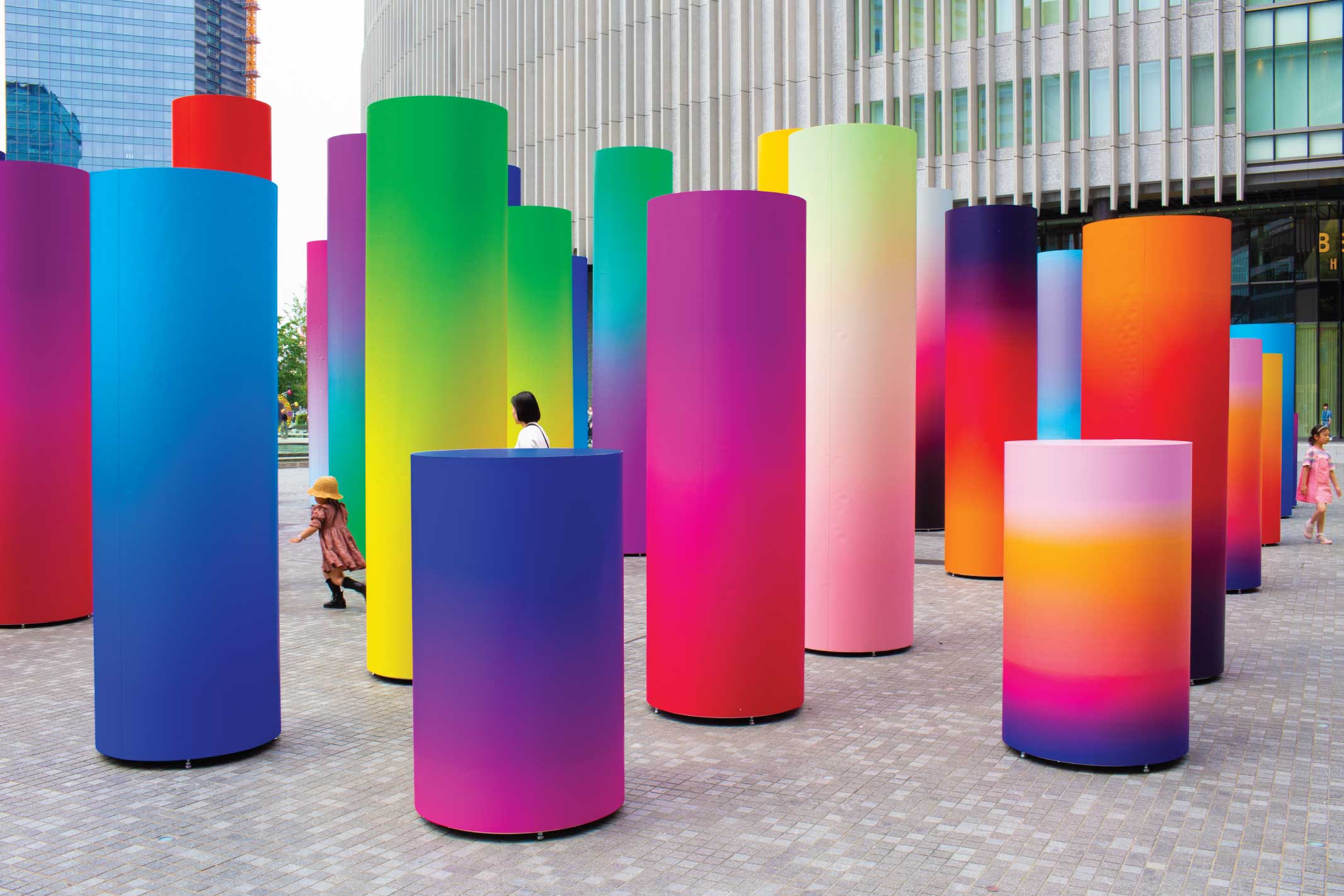
On a recent evening, Defence Colony or Def Col felt less like a residential neighbourhood and more like an open-air art fair. Visitors drifted from gallery to gallery, crossing streets in search of their next exhibition, in a scene reminiscent of Mumbai’s Art Night Thursdays, perhaps the clearest sign yet that Delhi’s Def Col Gallery Nights has found its stride. “At this moment in the Def Col Galleries art district, the galleries are 1.5 km apart, over two lanes, enhancing the way in which 15+ art gallery spaces can be covered on foot, a rarity in Delhi,” shares Shaleen Wadhwana, Independent Arts Educator, Researcher, and Curator, as the Curator of the India Art Fair Tour Guides Training Programme, led the first Art District TakeOver, in December 2025 in the run-up to India Art Fair.
Transforming the neighbourhood into a walkable art circuit, Def Col Gallery Nights brings together galleries, artists, collectors, and curious newcomers in a shared celebration of contemporary art. Wadhwana notes that during the IAF Def Col Galleries TakeOver, over 200 people attended, and that coordination between galleries has helped sustain momentum through aligned opening hours and extended evening programming. “I think it’s brought in new audiences, people who wouldn’t otherwise enter a gallery for fear of feeling intimidated,” says Sreyansi Singh, Associate Director of Vadehra Art Gallery. Def Col Gallery Nights offers a compelling, if partial, window into the city’s art scene. Here are some of our favourite exhibitions from the evening, many of which remain on view over the coming weeks.
Also read: Venice Biennale 2026: Meet The 5 Artists Representing India At The India Pavilion
1. ‘Slow Rot’ at Method Delhi
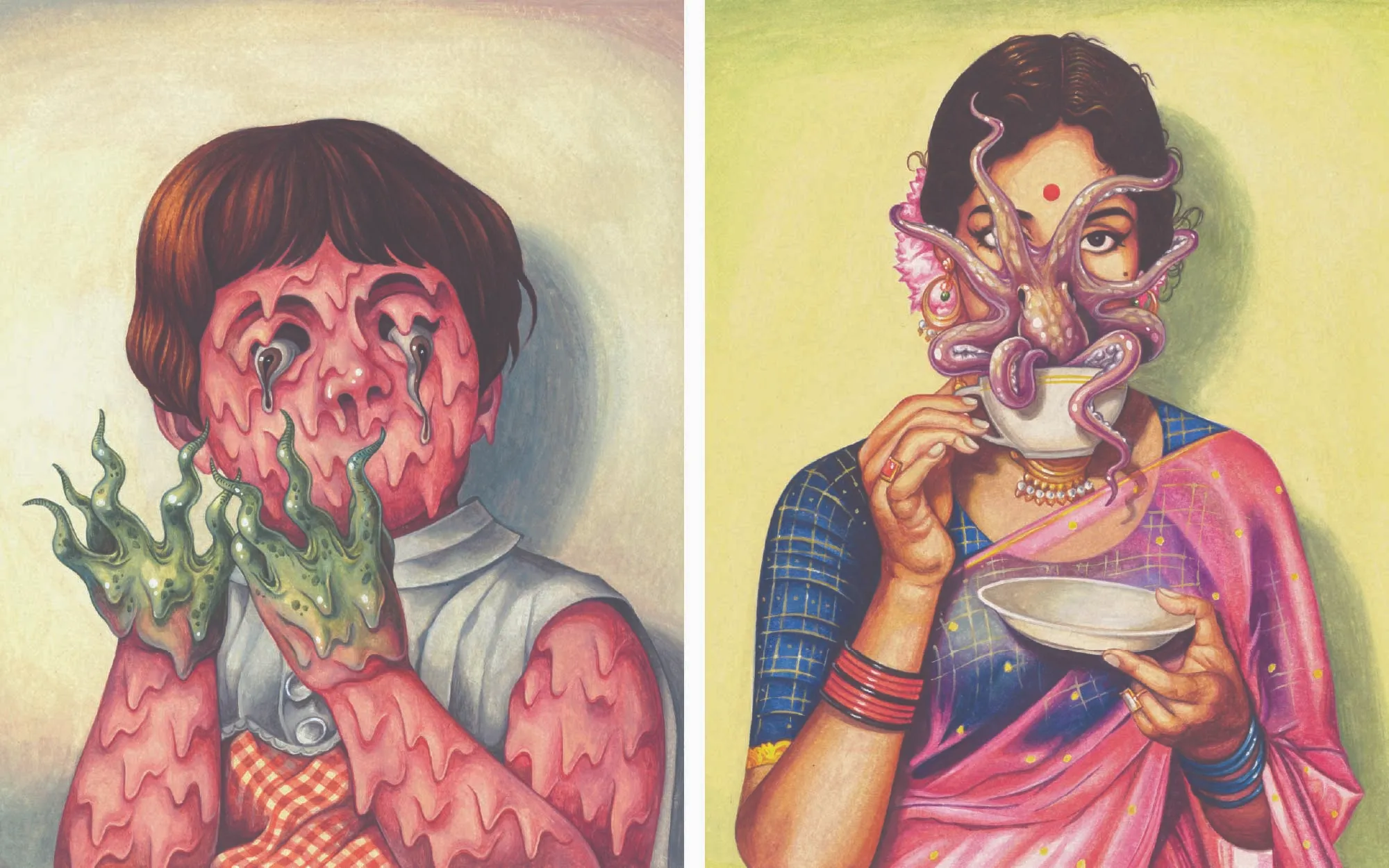
A group exhibition featuring ten contemporary artists, ‘Slow Rot’ confronts the unsettling realities of human fragility, psychological unrest, and the grotesque undercurrents of contemporary life. Bringing together prints, paintings, and sculptural installations, the exhibition probes the extremes of human experience: from ecstasy and desire to decay and alienation. Bright colours, surreal imagery, and flashes of dark humour temper its heavier themes.
Priyesh T’s ‘Untitled,’ a portrait of the iconic Parle-G child slowly melting, situated next to ‘Octopus Lady’ sipping tea, is a sight to behold. Originally conceived by illustrator Maganlal Daiya as a symbol of innocence and nostalgia, the familiar face of the child here dissolves into something uncanny, evoking both cultural memory and disintegration. Nearby, Aditya Dhabhai presents an altar-like arrangement of ceramic portrait busts capturing figures mid-emotion: ‘Durgesh,’ with tears streaming down his face; ‘Santosh,’ tongue out and eyes rolled back in a leer; and ‘Ramesh,’ rendered in a distorted, almost aquatic profile. Together, the works oscillate between humour, discomfort, and vulnerability.
Also read: Ai Weiwei Reimagines Pichwai Through Lego Bricks For His First Solo Exhibition In India
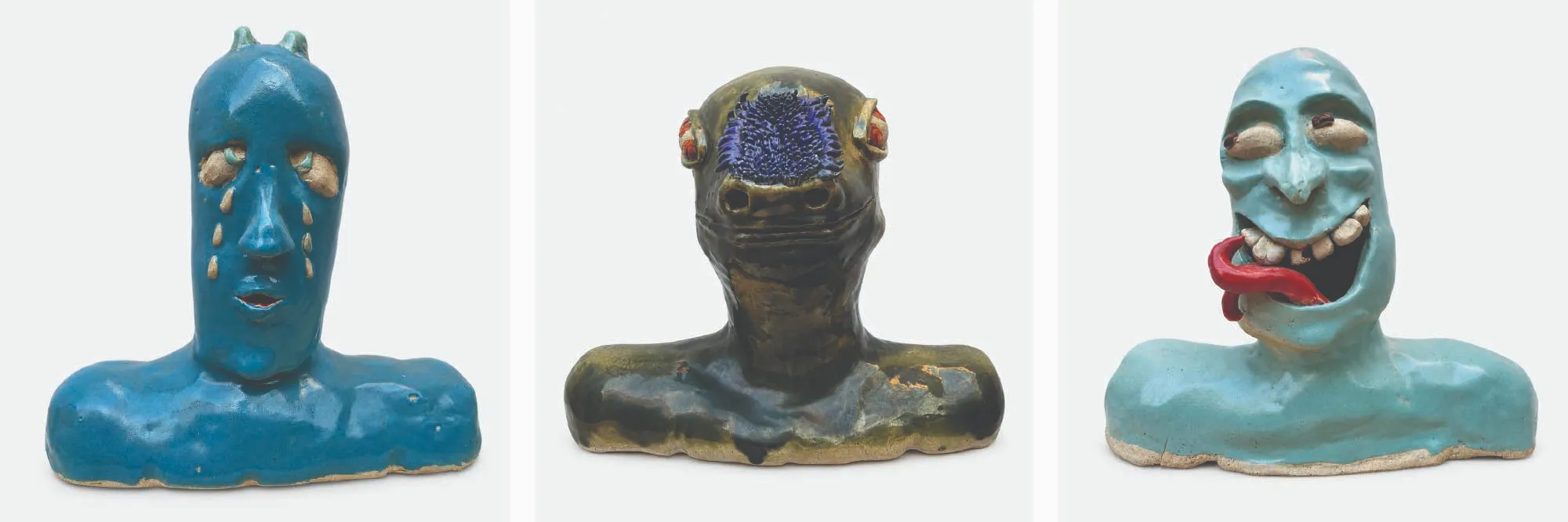
Presented at Method’s recently opened Delhi outpost, a basement space dedicated to emerging practices, ‘Slow Rot’ reflects the gallery’s commitment to work that is “conceptual, community-rooted, and bold in its departure from norms,” often blurring boundaries between the visual, performative, digital, and material. With three spaces in Mumbai and a fourth in Delhi, Method is expanding its presence, each venue serving a distinct role within its broader programme. The Delhi space focuses on contemporary and experimental Indian art and also introduced FRICTION, a listening space that builds community around music and analogue records. Over time, Method has evolved beyond a platform for dialogue and discovery, opening up alternative spaces for experiencing art and exchange.
The exhibition is on view until 3 July, 2026 at Method Delhi, D-59, Basement, Defence Colony.
2. NEXT | NOW at Vadehra Art Gallery
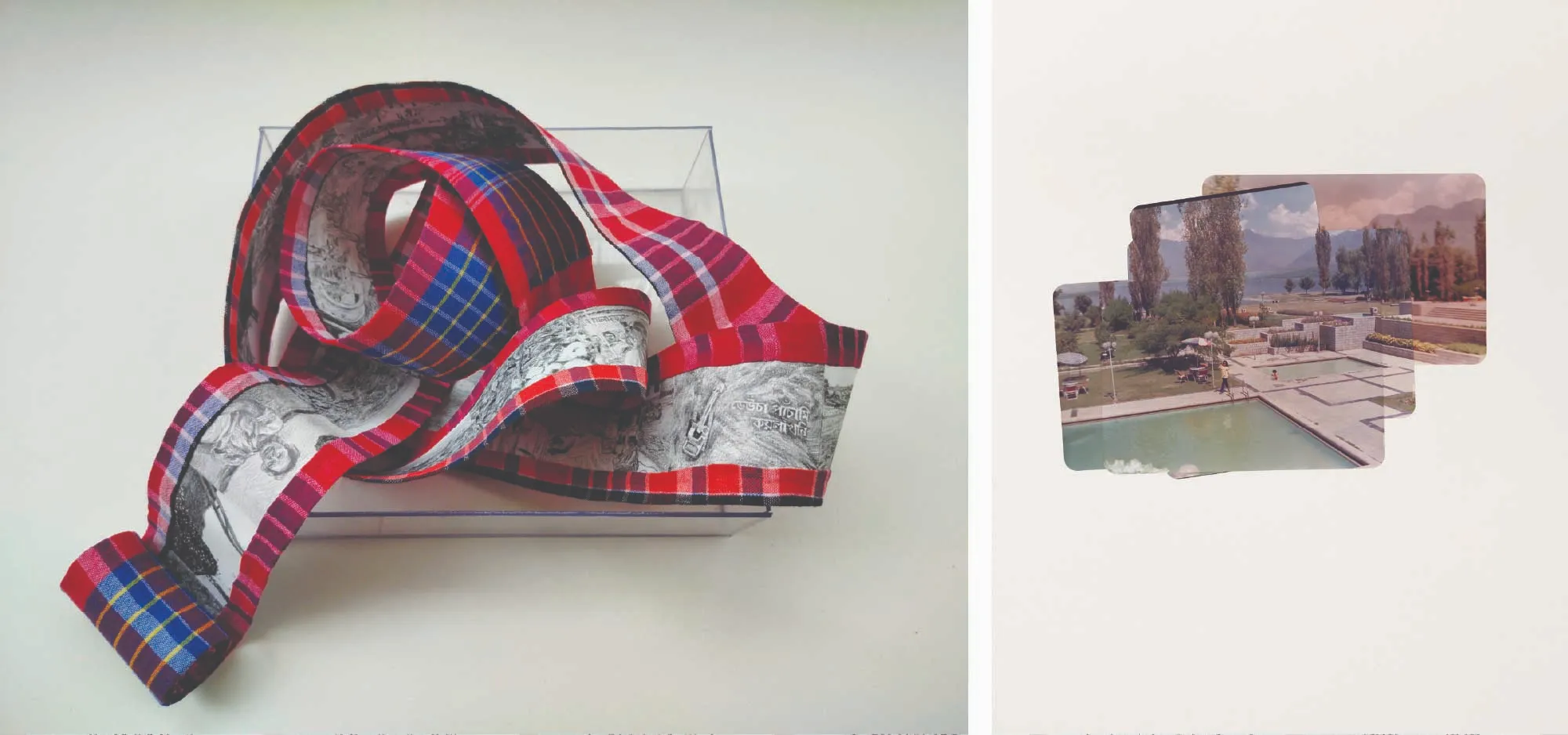
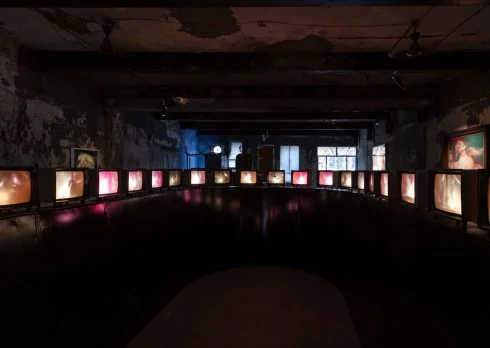
Presented in collaboration with ART India Magazine’s 30 Under 30, this exhibition brings together works by young artists from across India, selected through an open call marking 30 years of the publication. Spanning painting, photography, collage, drawing, sculpture, video, and textile-based practices, the exhibition brings together artists from around 17 states whose work reflects the concerns of a new generation. For curator Dipti Anand Nakai, the challenge lay not in imposing a singular framework but in allowing each practice to retain its distinct voice. “We approached the curation by selecting artworks we felt carried strength and resonance in these artists’ practices,” she says. “I considered concept and materiality in the exhibition design, wanting to draw out contrasts and diversity as much as connection and dialogue.”
Spread across three floors, the exhibition unfolds as a study of the experimental and material-forward approaches emerging in contemporary Indian art. One of the most striking themes was that of personal and collective memory, cultural landscape, identity, and social critique. The first floor opens with quieter works on paper (some on canvas), photography, and line-based compositions. Among them is Yashna Kaul’s ‘The Image World,’ a series of reconstructed images made with pigments on archival paper that reflects on her father’s experience with early-onset Alzheimer’s, rendering memory as both fragile and tangible.
Also read: With The Artist: Why Anju Dodiya Believes Art Is More Than the Hunt For Meaning
‘As the exhibition progresses, the works become increasingly layered and immersive. On the second floor, richer colours and complex compositions foreground material narratives and socio-political concerns. West Bengal-based artist Pritam Das presents sculptural installations responding to regional social movements, including
‘Deucha Pachami in Media,’
a graphite drawing mounted on gamcha cloth associated with labour and construction sites.
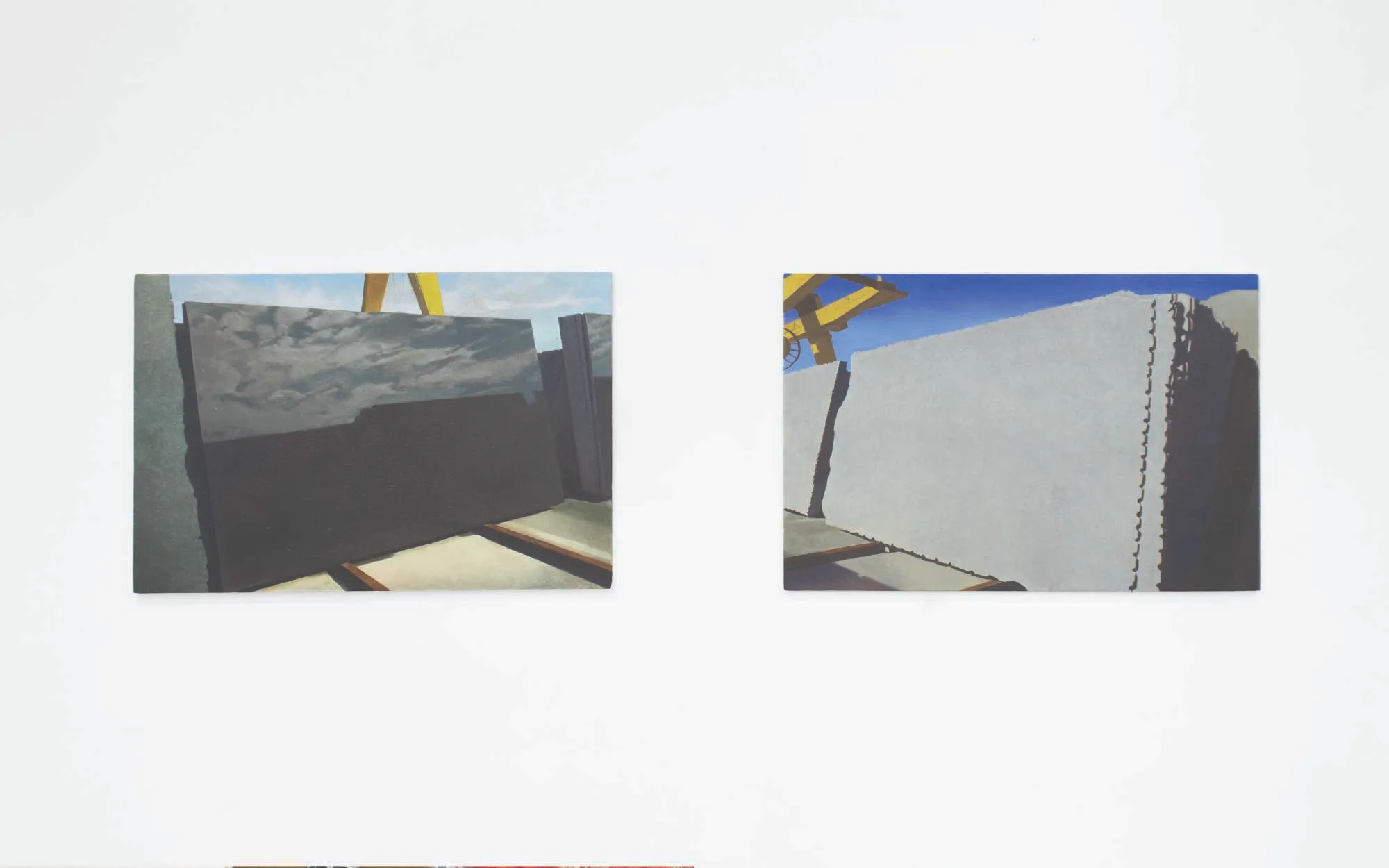
Nearby, oil paintings by Anirudh Shaktawat, ’Star Galaxy’ and ‘Moon Desert,’ named after commercial granite trade terms, reflect on how natural materials circulate through global trade, becoming both commodities and images, linking contemporary catalogue marketing with the historical use of mineral pigments in painting. The exhibition culminates on the third floor with Dhiraj Rabha’s short film ‘Whispers Beneath the Ashes,’ which offers surreal glimpses into life inside detention camps, extending its engagement with memory, displacement, and lived experience.
Founded in 1987, Vadehra Art Gallery has been a longstanding advocate for South Asian art, representing and shaping the trajectories of artists across four generations from the Indian subcontinent and its diaspora. With two spaces in New Delhi, the gallery maintains a strong international presence through exhibitions, art fairs, and projects in London and beyond, including Frieze and Art Basel. Embedded in the city’s art scene, the gallery remains closely engaged with the artists and ideas driving modern and contemporary practice.
The exhibition is on view until 26 June 2026 at D-53, Block D, Defence Colony.
Also read: Marking Her Debut At Frieze 2025, Anju Dodiya’s Paintings Fetch $50,000 Each
3. ‘Bad Actors’ by Sangram Majumdar at Galerie Mirchandani + Steinruecke
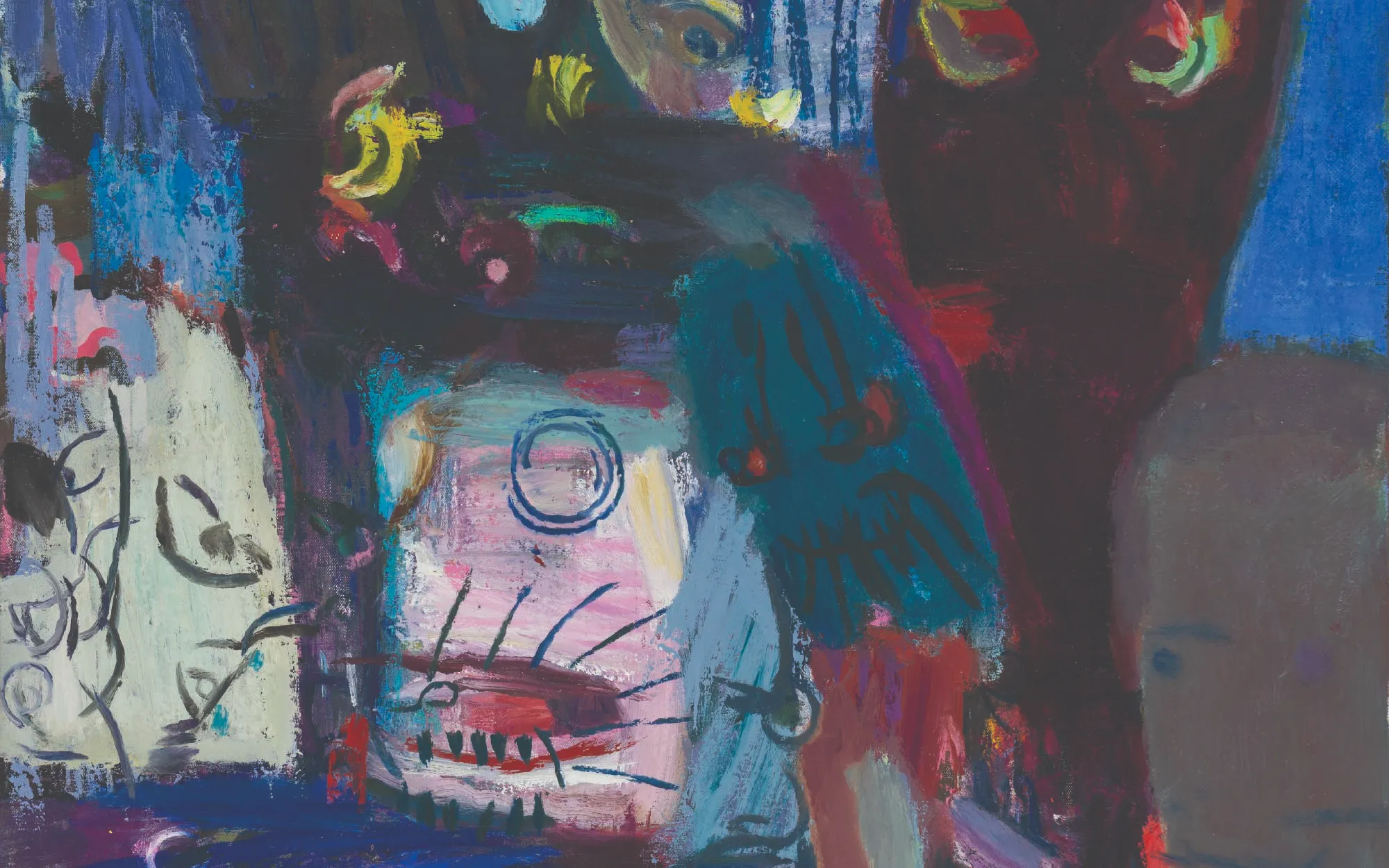
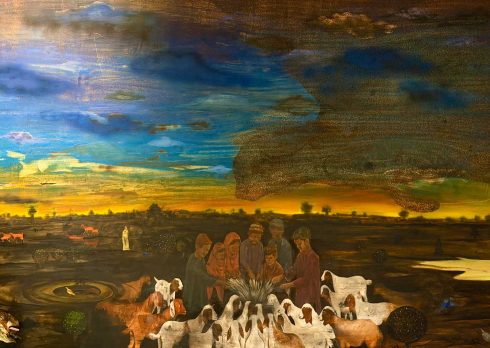
In ‘Bad Actors,’ a solo exhibition of oil paintings by Indian-born, US-based artist Sangram Majumdar, the title plays on the ambiguity of the phrase itself. Commonly used to describe those acting with harmful intent, “bad actors” here become more elusive figures, neither wholly virtuous nor clearly villainous. Across a series of abstract paintings, Majumdar depicts bodies suspended in colour and motion, their identities and intentions deliberately unresolved. Drawing on a lineage of enigmatic figures in Indian art, from the watchful presences in Arpita Singh’s paintings to Tyeb Mehta’s Kali and the Lankinis of Pahari miniatures, Majumdar explores the expressive potential of colour and abstraction.
Also read: 5 Indian Artists Who Made Their Debut At Frieze London 2025
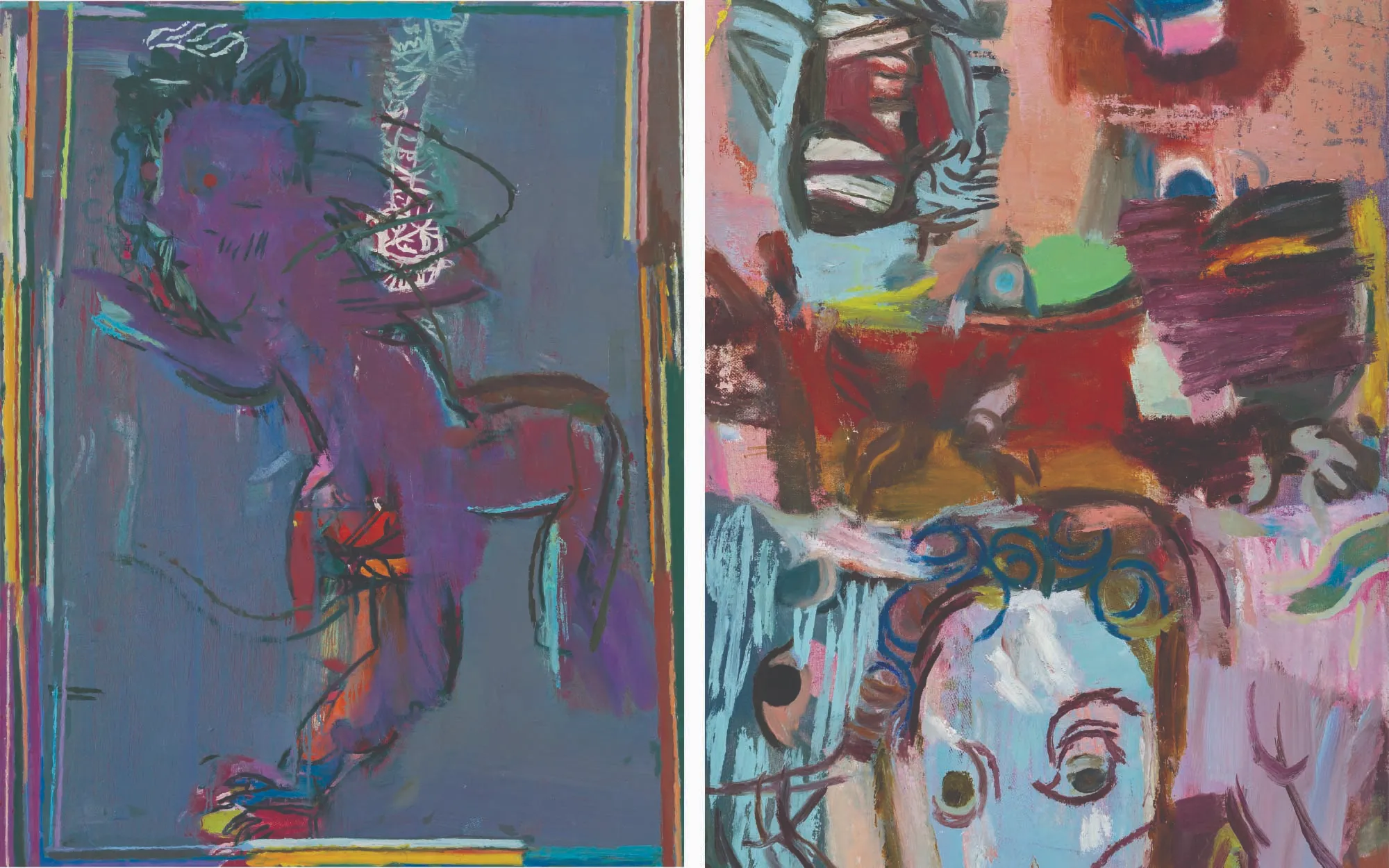
The exhibition examines how we assign moral value to others, presenting figures that resist easy categorisation and complicate fixed notions of good and evil. Following its presentation at Galerie Mirchandani + Steinruecke‘s Mumbai space, ‘Bad Actors’ opened in New Delhi during the gallery’s Art Night programming, introducing the body of work to a Delhi audience. This marks Majumdar’s second solo exhibition in India, following ‘somewhere elsewhere’ (2024), also presented by the gallery.
The gallery’s history traces back to an art dealership established by Usha Mirchandani in Mumbai in the mid-1980s. In 1997, Mirchandani and her daughter, Ranjana Steinruecke, founded The Fine Art Resource in Berlin. In 2006, they launched Galerie Mirchandani + Steinruecke in Mumbai, and in 2024 expanded with a second space in Defence Colony, New Delhi. Known for its concept-driven programme, the gallery has built a reputation for championing experimental and critically engaged practices, bringing fresh perspectives to Indian contemporary art discourse.
The exhibition is on view until 25 July, 2026 at Galerie Mirchandani + Steinruecke, 1st floor, C.R. Tower, D-58, Block D, Defence Colony.
Also read: The Ultimate Gallery Guide To Mumbai: 10 Must-Visit Art Spaces In Mumbai
4. ‘Intimate Gestures: Indian Masters on Paper,’ at Kalakaar
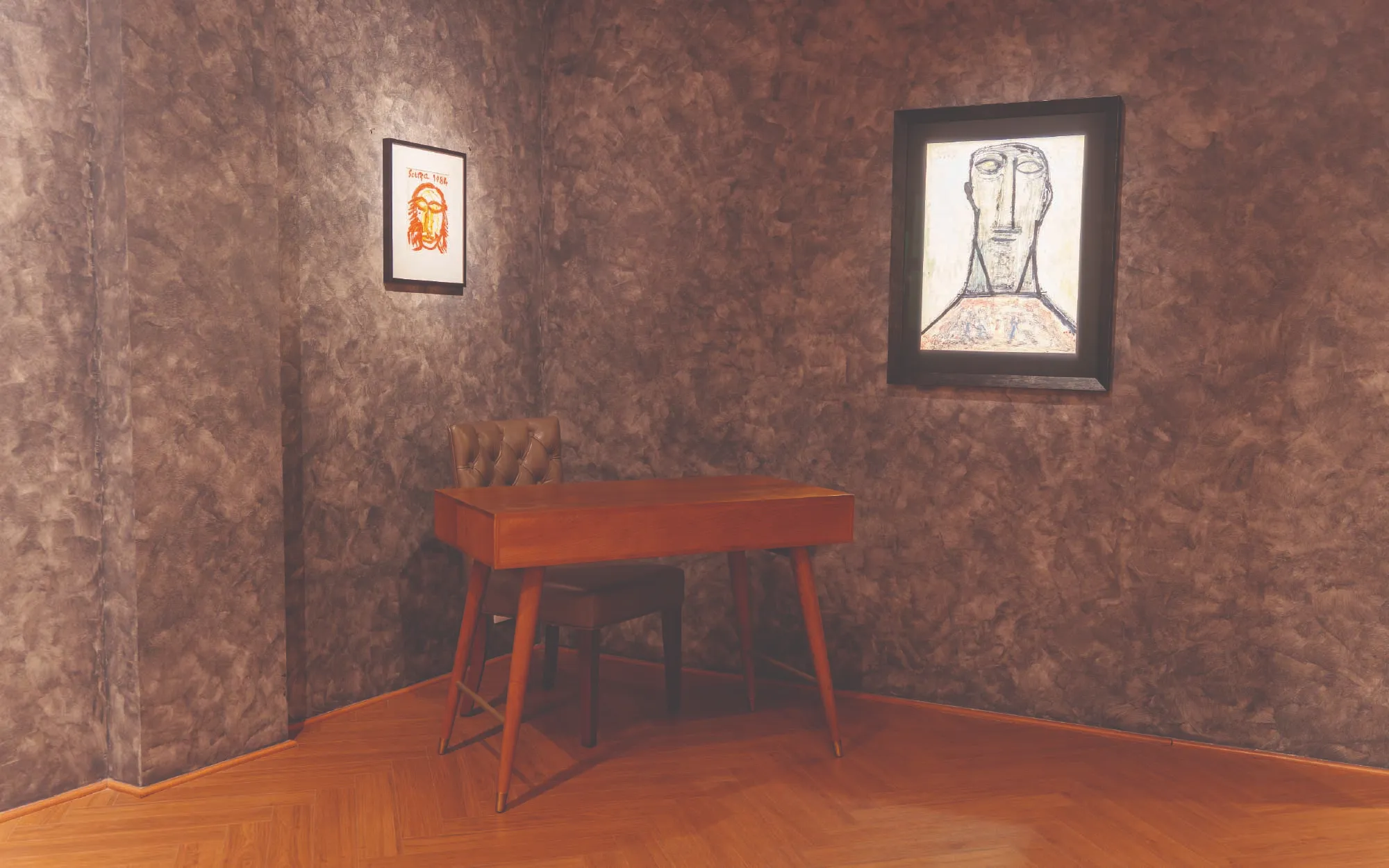
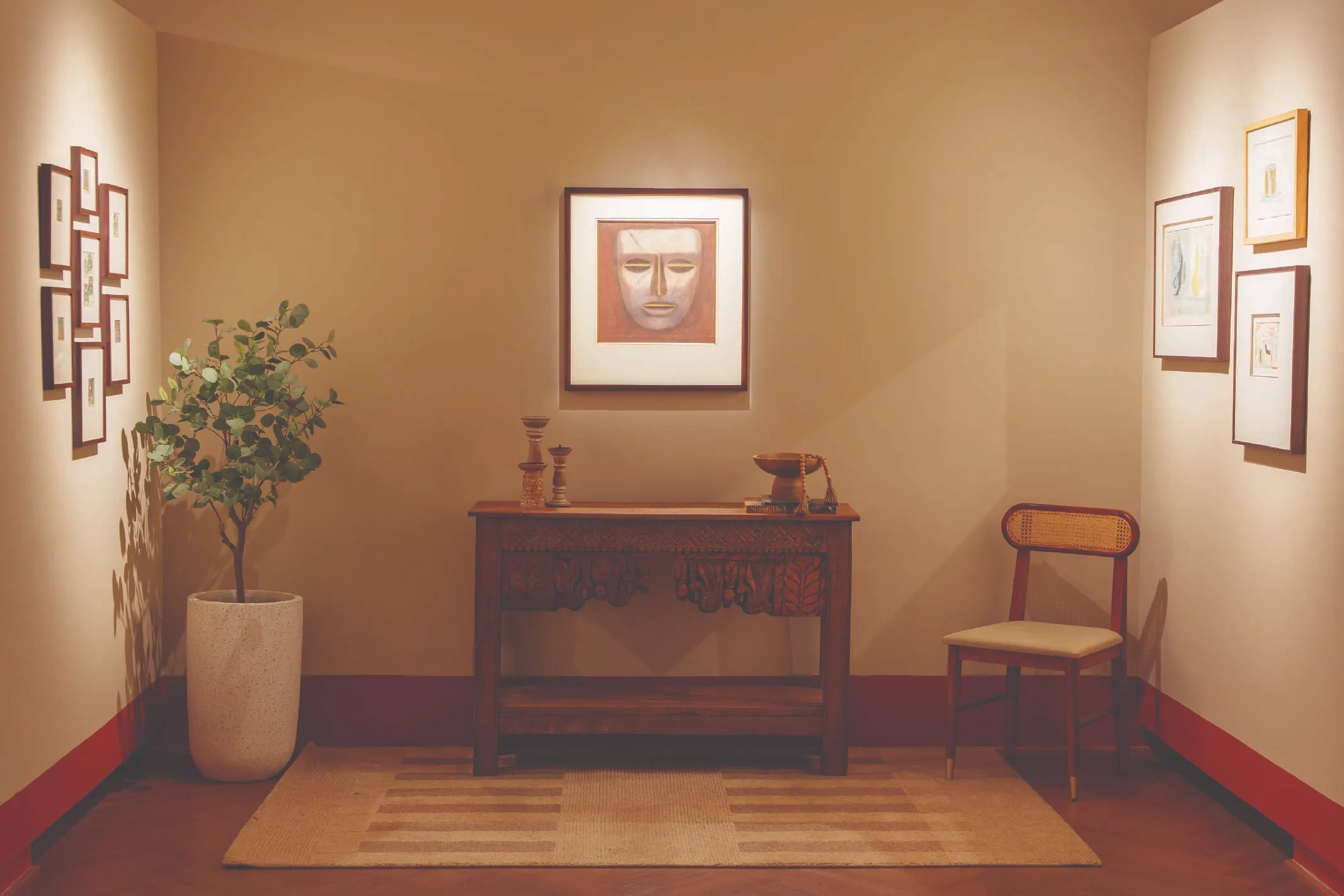
Opening on Art Night, Kalakaar’s third salon presentation, ‘Intimate Gestures: Indian Masters on Paper,’ explores the rich history of works on paper in South Asia. Organised through a series of thematic sections, the exhibition considers the evolving relationship between paper and mark-making. It begins with the line as the foundation of composition, featuring pen-and-ink works by F.N. Souza, M.F. Husain, and Laxman Pai, before exploring how symbolism becomes a vehicle for myth-making, storytelling, and personal expression. Other sections focus on the body and proportion through works by Nilima Sheikh and Somnath Hore, before turning to questions of composition, negative space, and the tension between idea and execution. Featured in the image, and among the works on view, are pieces by Ganesh Pyne and Prabhakar Barwe from the collection. Taken together, the exhibition offers a glimpse into the often private processes that underpin the creation of an artwork.
Also read: The New Geography of Craft From India To New York, Paris and London
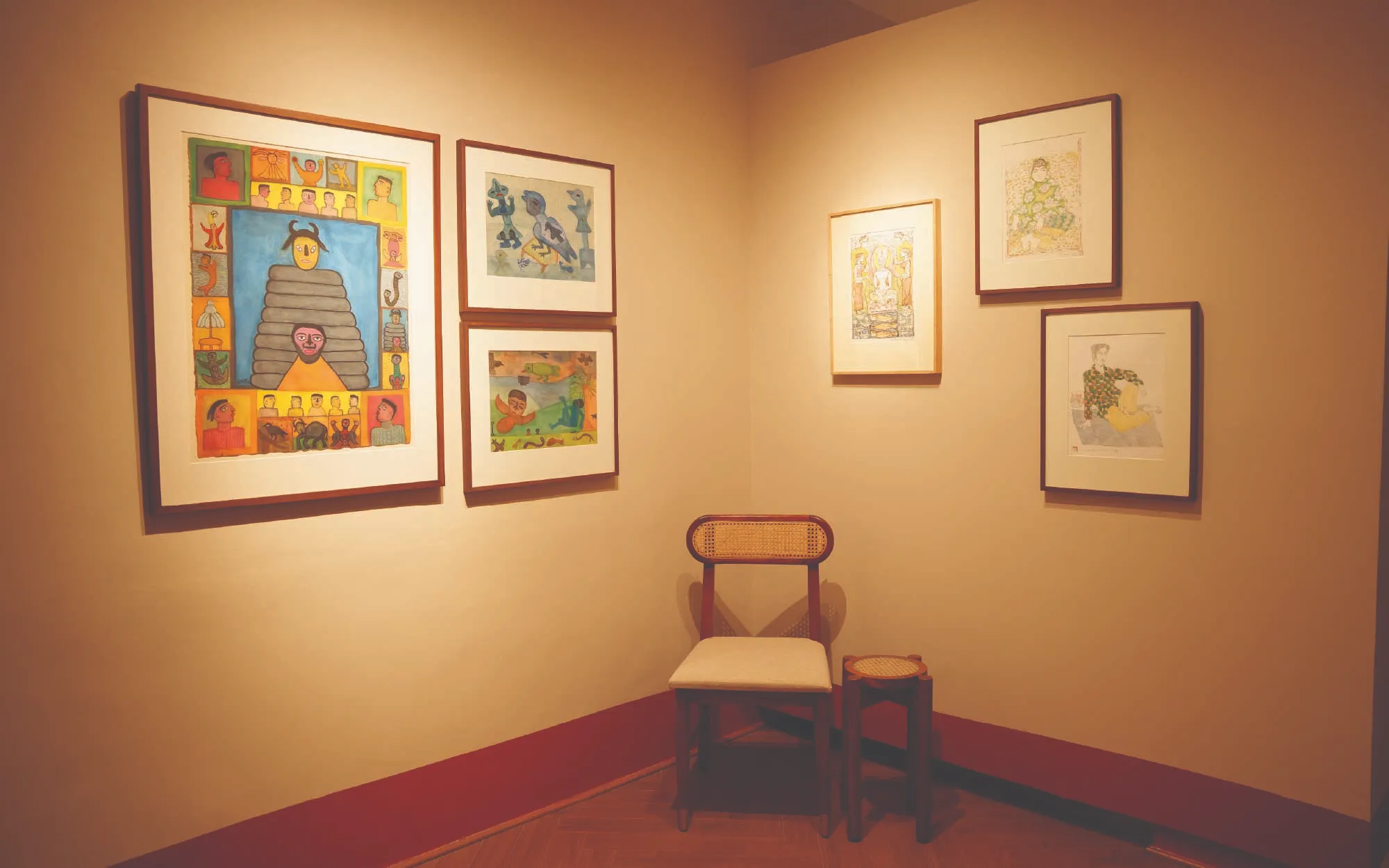
Described as a salon rather than a gallery, Kalakaar offers visitors a guided journey through Saira and Shivin Khanna’s private collection. Conceived as an intimate art salon, the works are displayed within an immersive domestic setting rather than a conventional white-cube gallery space. The aim is not simply to exhibit art, but to generate conversation, provoke reflection, and foster a deeper appreciation of the histories and trajectories of South Asian art.
As international interest in Indian art continues to grow, Kalakaar continues to build narratives and connect audiences through exhibitions, talks, guided walkthroughs, and intimate, invitation-only gatherings. Through this salon model, the Khannas encourage visitors to slow down, spend time with the works, and engage with art outside the urgency and expectations of acquisition. While most programmes are accessible by appointment or invitation, Kalakaar opens its exhibitions to the wider public during Art Night events and welcomes visitors who wish to explore the collection through scheduled visits.
The exhibition is on view until 31 July, 2026 at Kalakaar, D 64, Block D, Defence Colony, Second Floor.
5. Lived in Skin: Textile as Armour at Latitude 28
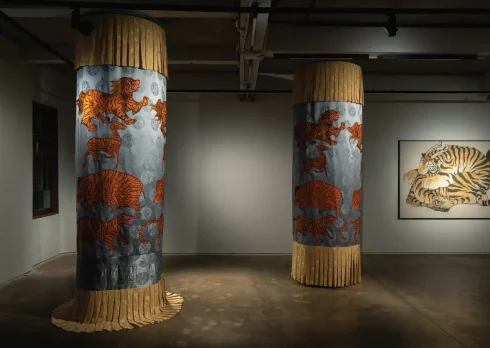
Bringing together three artists whose practices centre textile and stitch-based processes, Latitude 28’s ‘Lived In Skin: Textile as Armour,’ presents textiles not as heirlooms or objects of craft alone, but as active vessels of memory. Each artist approaches the medium from a distinct perspective. For Sabeen Omar, textiles become repositories of personal memory and domestic archives; for Anshu Singh, they offer a means to examine the labour, material histories, and economies embedded within craft traditions; and for Meenakshi Nihalani, they evoke collective memory, migration, and the movement of people across land and time.
Also read: Unfamiliar By Design: Inderjeet Sandhu On Rethinking Taste At Milan Design Week 2026
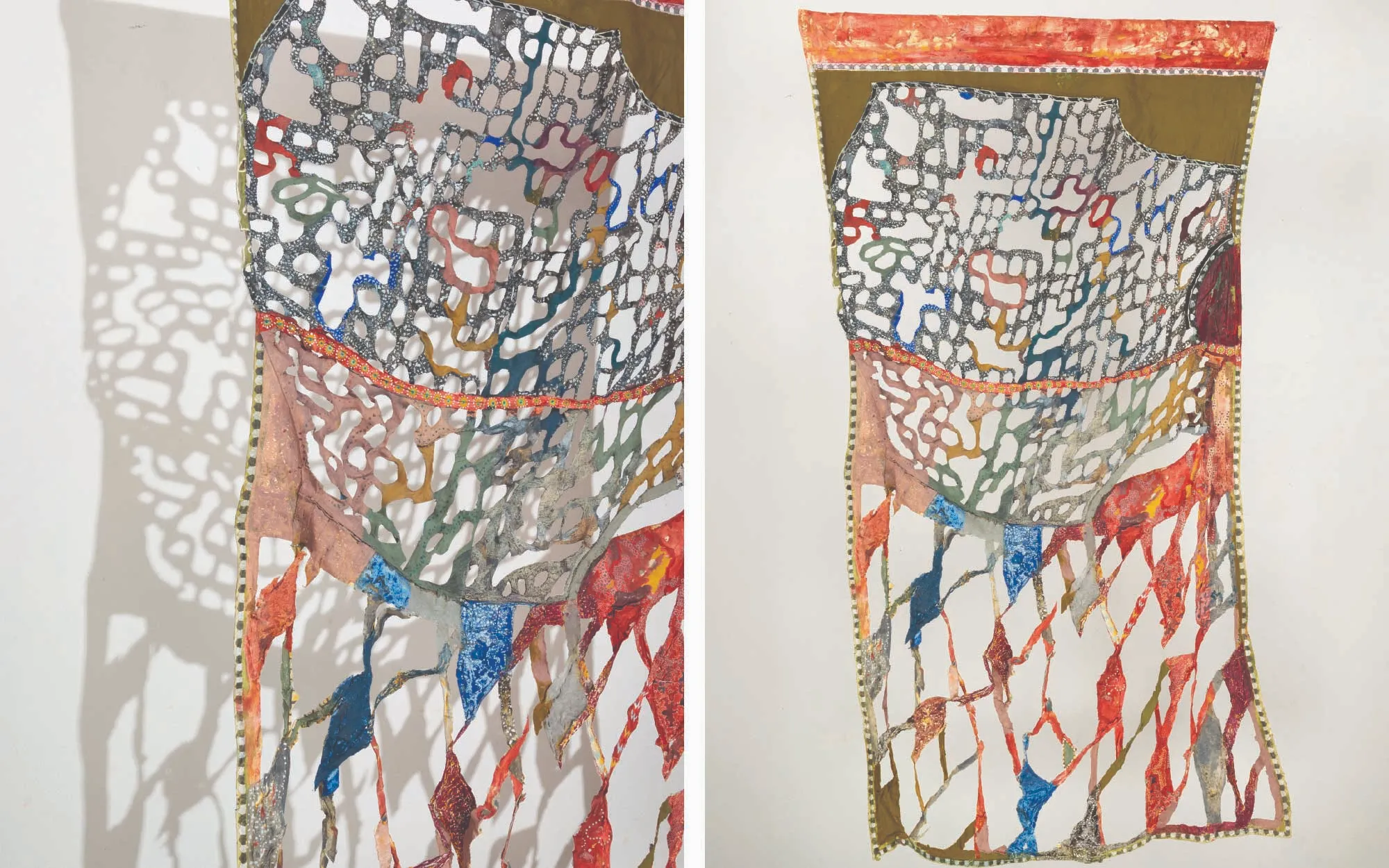
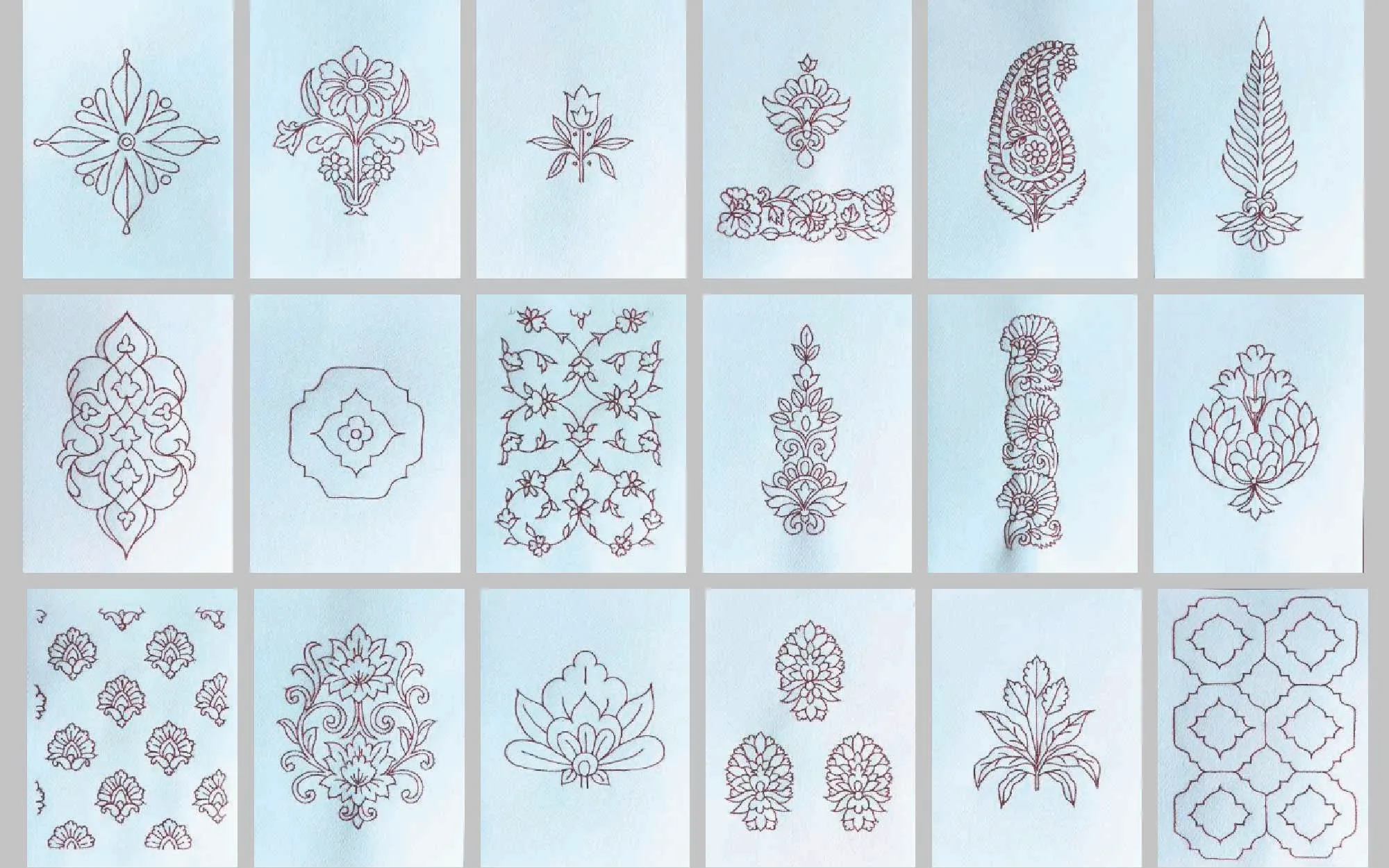
Among the exhibition’s standout works is ‘Gulistan’ by Anshu Singh, which greets visitors at the entrance. Drawing from her uncle’s personal archive of brocade designs, Singh meticulously hand-embroiders the motifs onto Fabriano paper, creating a preserved garden of flowers that rewards close looking. Equally compelling are Omar’s installations ‘does longing rest?’ and ‘body holding its falling/softened armour’ are visually striking works that use the light and shadow within the space, activating the mixed-media surfaces in unexpected ways.
A steady presence in Delhi’s evolving contemporary art scene for over a decade, Latitude 28 has consistently championed practices that treat making as a form of thinking, with surfaces functioning as sites of social and historical memory. “At LATITUDE 28, we are continually interested in practices that allow material to hold experience with sensitivity and precision,” says founder-director Bhavna Kakar.
The exhibition is on view until 25 June, 2026 at LATITUDE 28, B-74, Ground Floor, Block B.