A New Language of Dining: Mumbai’s 7-Best Forward-Thinking Restaurants for 2026
Conceived as cultural living rooms, these new dining spots are spaces deeply rooted in their neighbourhoods, bringing up alfresco dining and allowing art and design to be not just seen, but tasted and felt.
- 10 Feb '26
- 11:34 am by Satarupa Datta

It begins with spaces that reimagine how Mumbai dines. At the Royal Western India Turf Club, bold architectural modernism is transformed into a sanctuary of slow luxury—complete with alfresco, glasshouse dining that the city perpetually yearns for. Elsewhere, nestled on the first floor of the storied Art Deco façade of Eros Cinema, a restaurant born from memory and shaped by fire-led cooking introduces a deeply personal vision, one that culminates in an intimate chef’s table. Culinary storytelling is also finding renewed expression through regional authenticity. Karnataka cuisine, for instance, has emerged as a natural next step for a flagship hospitality group seeking to build a truly authentic South Indian concept. Meanwhile, bar-forward dining continues to evolve. Cocktails today taste like liquid food—layered, complex, and deeply rooted in ingredients sourced from remote corners of India. When food itself becomes a concept, design responds to its narrative with artisanal details that weave together culinary and mixology thought without overwhelming the architectural envelope.
As an insider guide, DP finds the best restaurants to visit in Mumbai 2026, where we speak to chefs and hospitality leaders who serve up experiences to show that dining is not about luring crowds, but about mood, conversation, slow lunches set against green open spaces, and the thrill of nights that feel slightly hidden from the city’s buzz.
Also read: From Rooftop Views to A Members-Only Space: Step Into Four Seasons Mumbai
1. Soraia, Mahalaxmi – Alfresco and Indoors Collide to Create Mumbai’s Club Landscape
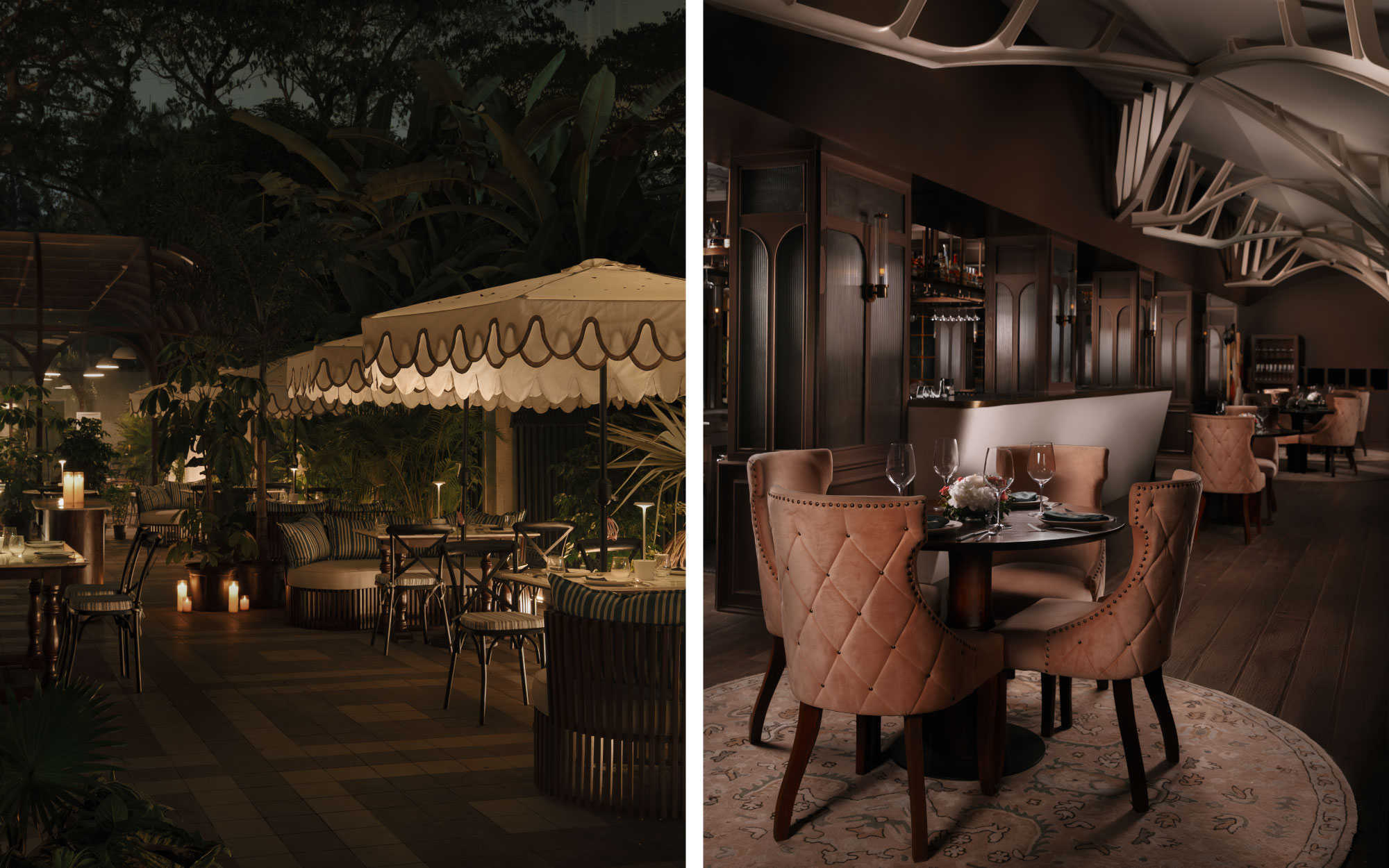
One enters through an intimate green setting, adorned by an ornate fountain at its centre, elevating the alfresco area into a verdant extension of the dining experience. Envisioned and brought to life by interior designer Gauri Khan, Soraia introduces a new dining concept where indoor and outdoor spaces flow seamlessly, unfolding like a European-style garden sanctuary. The indoors are housed within the historic Royal Western India Turf Club, where the existing structure has been reinterpreted with a design language that emphasises the cycle of nature. India’s first Omakase bar console welcomes guests. At the same time, an elongated seating zone at the rear catches the eye with rain–tree–inspired metal beams that support the entire roof, adding a structural elegance while respectfully engaging with the site’s heritage fabric. The spatial narrative moves effortlessly from intimate Art Deco interiors into the green outdoors, where a glasshouse acts as a transparent cocoon, flooding the space with natural light by day and, in the evening, layering the room with warm chandeliers, reflections, and shadows that set the tone for romantic dinners and celebratory evenings.
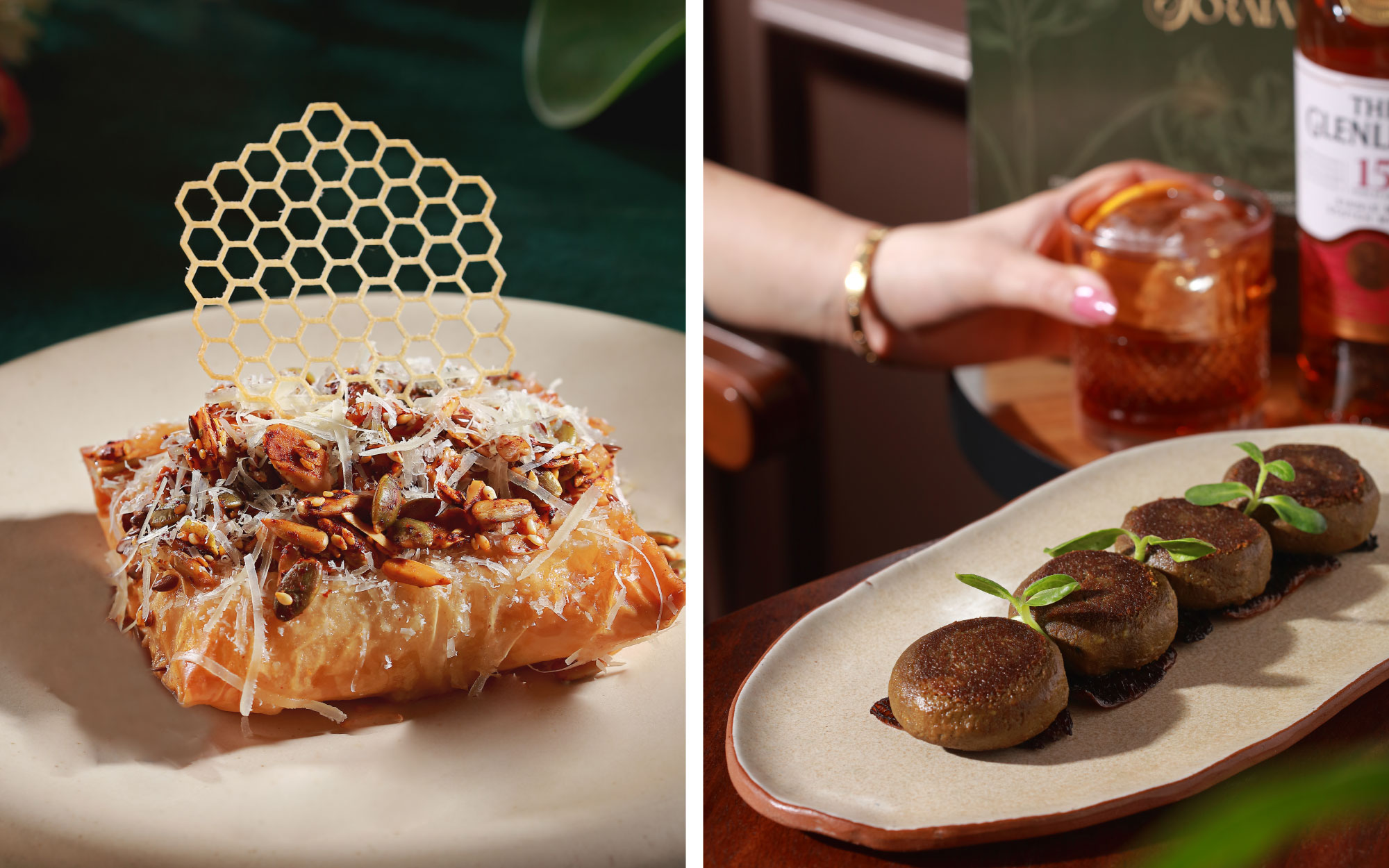
The culinary direction, led by Chef Hitesh Shanbhag, is being defined as ‘neo-botanical’, a philosophy rooted in the life cycle of plants. This philosophy extends seamlessly to the Omakase cocktail bar, where foraged and regionally sourced ingredients from across India’s diverse terrains shape the drinks programme.
Standout dishes include the Warm Brie Hive with apple coulis, Truffled C layered with Parmesan, and a deeply flavoured Forest Mushroom Risotto featuring enoki, shimeji, and shiitake. The tomato gassi–spiced fish with kori rotti is the chef’s modern take on this coastal dish. Those who consider Italian as the soul food, Spicy Mary spaghetti with cottage cheese bolognese and burratina is a must. But the dish that truly steals the spotlight is the Gucchi Silk: the chef’s refined interpretation of a galouti kebab using the prized Kashmiri morel mushrooms. The kebab comes nestled within the spongy, honeycomb cap of the gucchi. For dessert, the house-special Sitaphal Tres Leches is unmissable, while Cocoa & Sin—an indulgent 80% dark chocolate mousse elevated with olive oil and cocoa notes caters to serious chocolate devotees.
2. Hearth, Churchgate – Brings A New Take On Chef’s Table
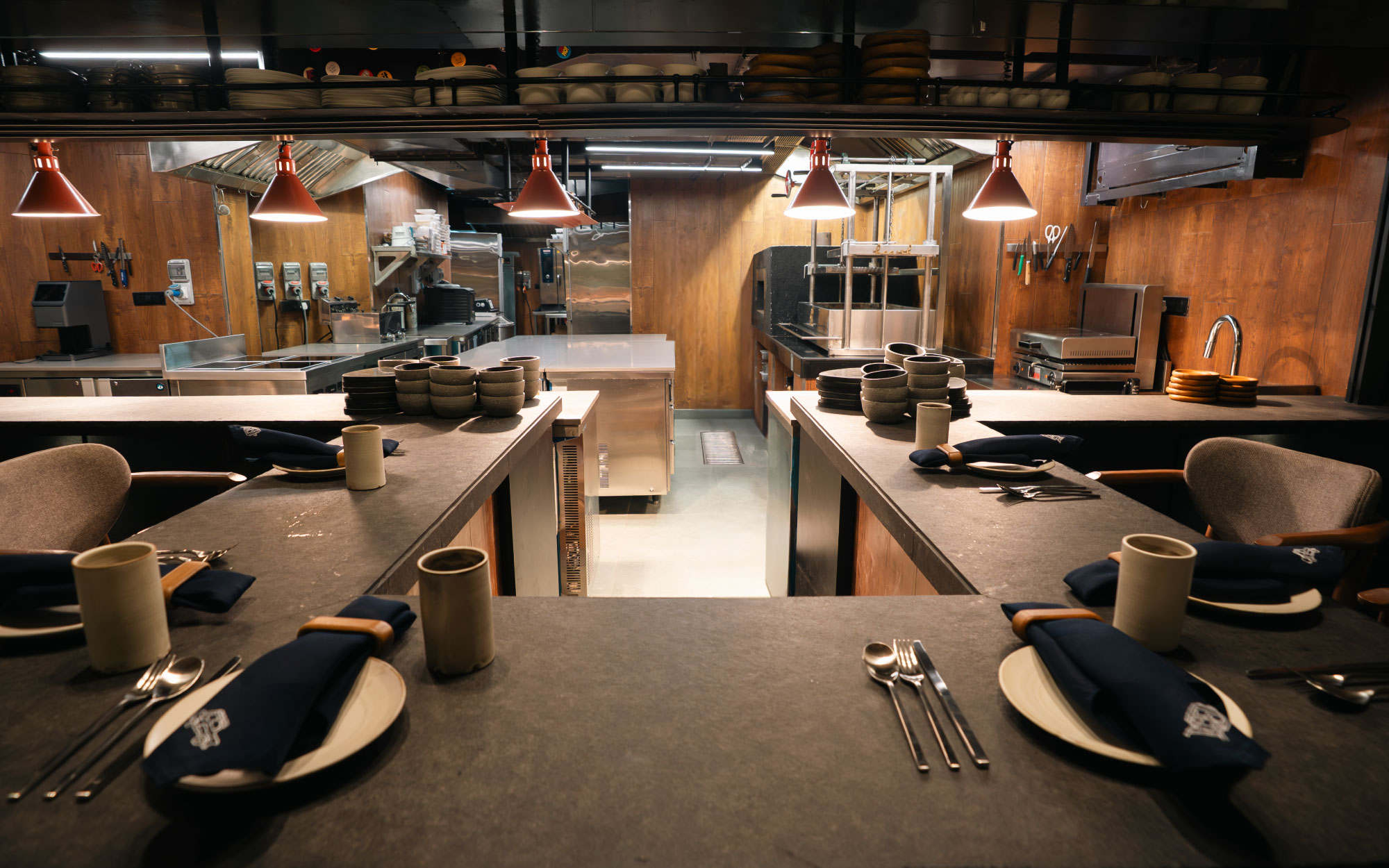
There’s a compelling new reason to visit the newly restored Eros Cinema at Churchgate. Tucked within this Art-Deco landmark, Hearth is a contemporary dining destination led by Chef Sabby and Dhriti, with interiors by FK’D Workshop, headed by architect Faizan Khatri. Arrival itself sets the tone. The design approaches the heritage shell with minimal intervention, revealed through a classical circular hall reimagined with intimate seating. Materiality becomes the narrative device, different wood typologies, each echoing the flavours and fire-led philosophy of the kitchen appear across charred-wood art installations, live-edge tables, and finely calibrated custom lighting. A subdued palette of greys, beiges, and browns grounds the space, allowing texture to take precedence. Even the wall composed of discarded tins or the Art-Deco inspired bar with fabricated counter table, where the regulars clink drinks, are some eye-catching spots of the space. What elevates Hearth further are its quiet, human details. Hand-embroidered napkins, stitched by Chef Dhriti’s grandmother and Chef Sabby’s mother, add a deeply personal layer, though nothing clamours for attention.
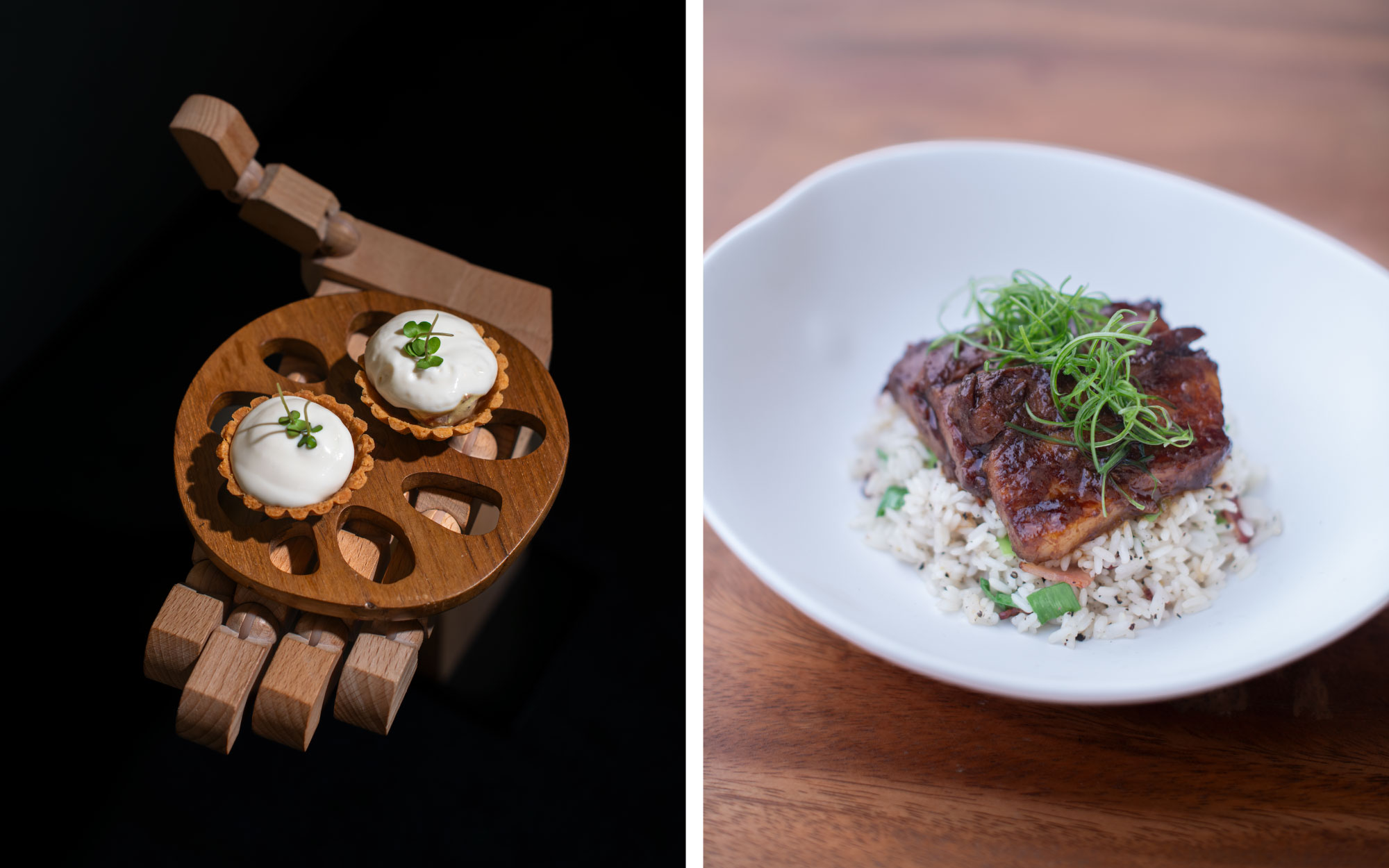
The live kitchen is where the main action begins with the fire-led cooking. Headed by chefs Dhriti and Sabby, both of whom have honed their craft in tasting-menu restaurants, it becomes clear early on that this is not a conventional dining experience. Rather than pledging allegiance to a cuisine, Hearth’s menu reflects what the chefs genuinely love to eat, dishes shaped by memory, nostalgia, and personal comfort, sharpened through technique and quiet innovation. From the grill, sunchoke and shishito peppers arrive as a tapas-style plate glazed in malted barley, offset by potato floss and curry-leaf crème fraîche. A reimagined chilli chicken nods to India’s first connection with “Chinese” food: here, chicken is coated in malt glaze, made of barley sauce, paired with bell pepper confit, and finished with crisp onion and garlic, recognisable yet entirely re-scripted. The seekh kebab challenges expectations further: shrimp and crab form the base, brushed with crab-stock glaze, finished with crab aioli and a bright lift of gondhoraj lime. Wood-fired pizzas are non-negotiable. The biga crust—airy, thin, and beautifully blistered—sets the stage for house-smoked, in-house cured meats. Highlights include tiger prawn with Goan poe soaked in chilli-garlic herb butter, and agave-glazed pork belly served with sushi rice and fennel pollen. Dessert leans into memory: a fruit custard and jelly, reworked with custard ice cream, butter crumble, and grilled fruit, delivers nostalgia with a refined precision. There’s enough here to warrant repeat visits, but the chef’s table elevates the experience; chefs move from flame to table, serving instinctive dishes shaped by the day’s finest ingredients and allowing diners to watch the chefs at work, where off-menu surprises and storytelling complete Hearth’s quietly confident narrative.
Also read: Inside Delhi’s First Members-Only Rooftop Bar That’s Redefining Nightlife
3. 8-Ish, Nariman Point – A Stylish Drinking Den Crafting Cocktails Into Liquid Gastronomy.
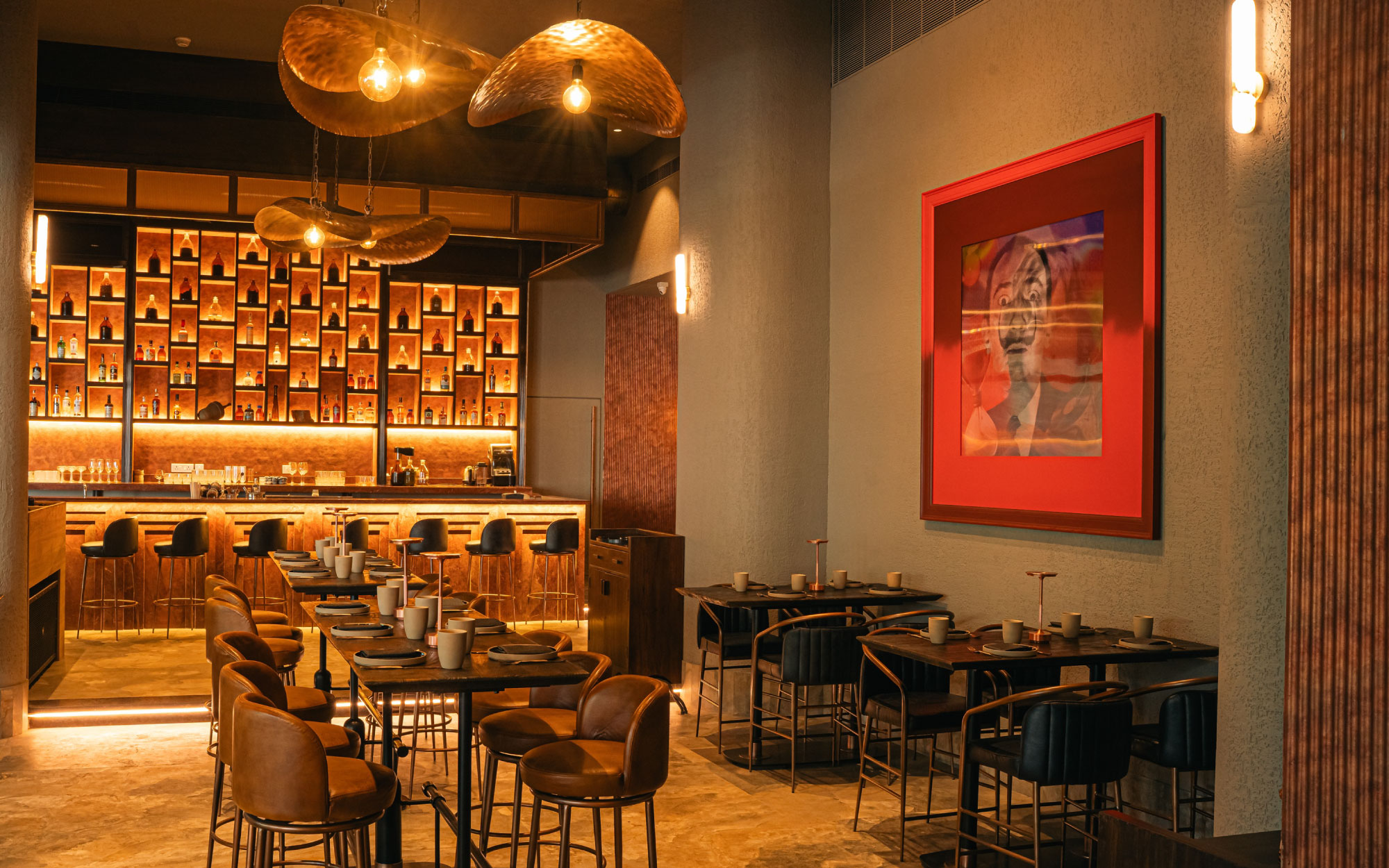
Set in the heart of Nariman Point, 8-ish emerges as a refined address for post-work drinking den. Founded by Rachel Goenka and designed by Shweta Kaushik of SKID, the space is wrapped in warm amber tones and low, atmospheric lighting—equally suited to a quiet drinking with colleagues post-work or an evening catching up with friends that stretches into the night, when you stop checking the time. Textured grey walls, aged wood, and soft leather draw one to appreciate its decor before browsing the menu, while the bar crafted in deep maroon marble and framed with tarnished copper is the showstopper of the space. Copper oyster mushroom pendant lamps cast an amber glow that encourages slow sipping and lingering conversations, while outdoors, a breezy alfresco keeps the energy flowing.
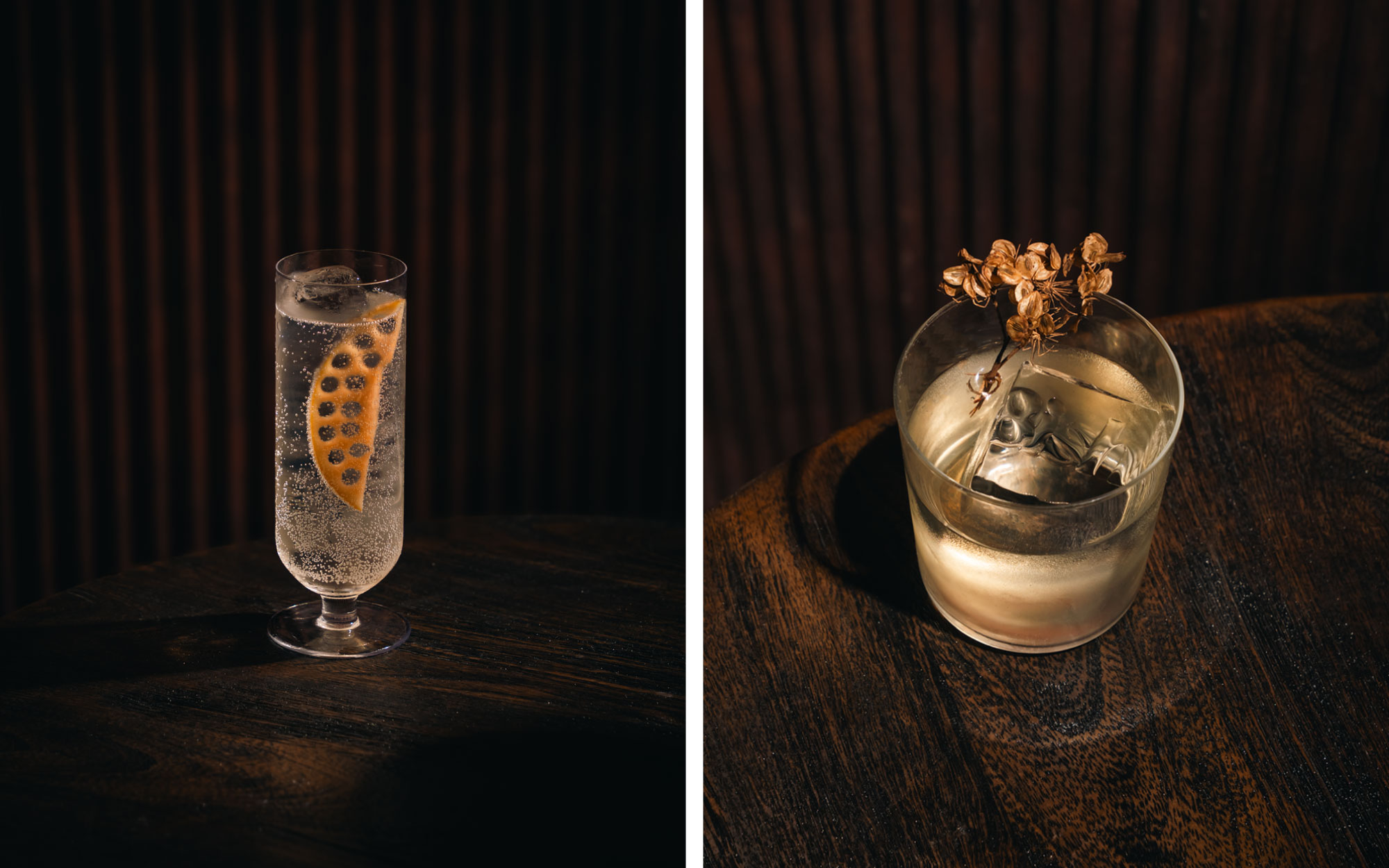
Helmed by Jishnu A.J. of EKAA fame, the bar is guided by a chef’s mind, where mixology leans into culinary science. The result is a menu of expressive cocktails that speak boldly of their ingredients. Nearly Misbehaved layers gin infused with chingfing, mint, and apple juice, revealing gentle earthy undertones and herbaceous notes from the rare herby plant chingfing found in Sikkim. Liquid Sand unfolds with floral accents of dried chrysanthemum, smoked agave, and mugwort, delivering a woody, grounded complexity. The most memorable savoury pour, Parallel Mood, blends Pistola Reposado tequila with plum lacto-ferment, mixed spices, agave, lemon, and vegan foam, served alongside dehydrated cheese and jelly candies for contrast. The food menu follows a small-plates philosophy—Goan chorizo hummus with crackers, crispy chicken with truffle hot sauce and Parmesan aioli on milk bread, and a pull-apart cheese bread with smoked scamorza and tomato-chilli jam—ideal companions to the drinks. One is reminded to return with a larger group to try the Ritual Menu, which offers larger cocktail pitchers served in traditional North-East Indian Tongba mugs, best enjoyed with a lively group.
4. Ammakai, Bandra – A Deep Dive Into Karnataka Cuisine for the Culture-Seeking Diner
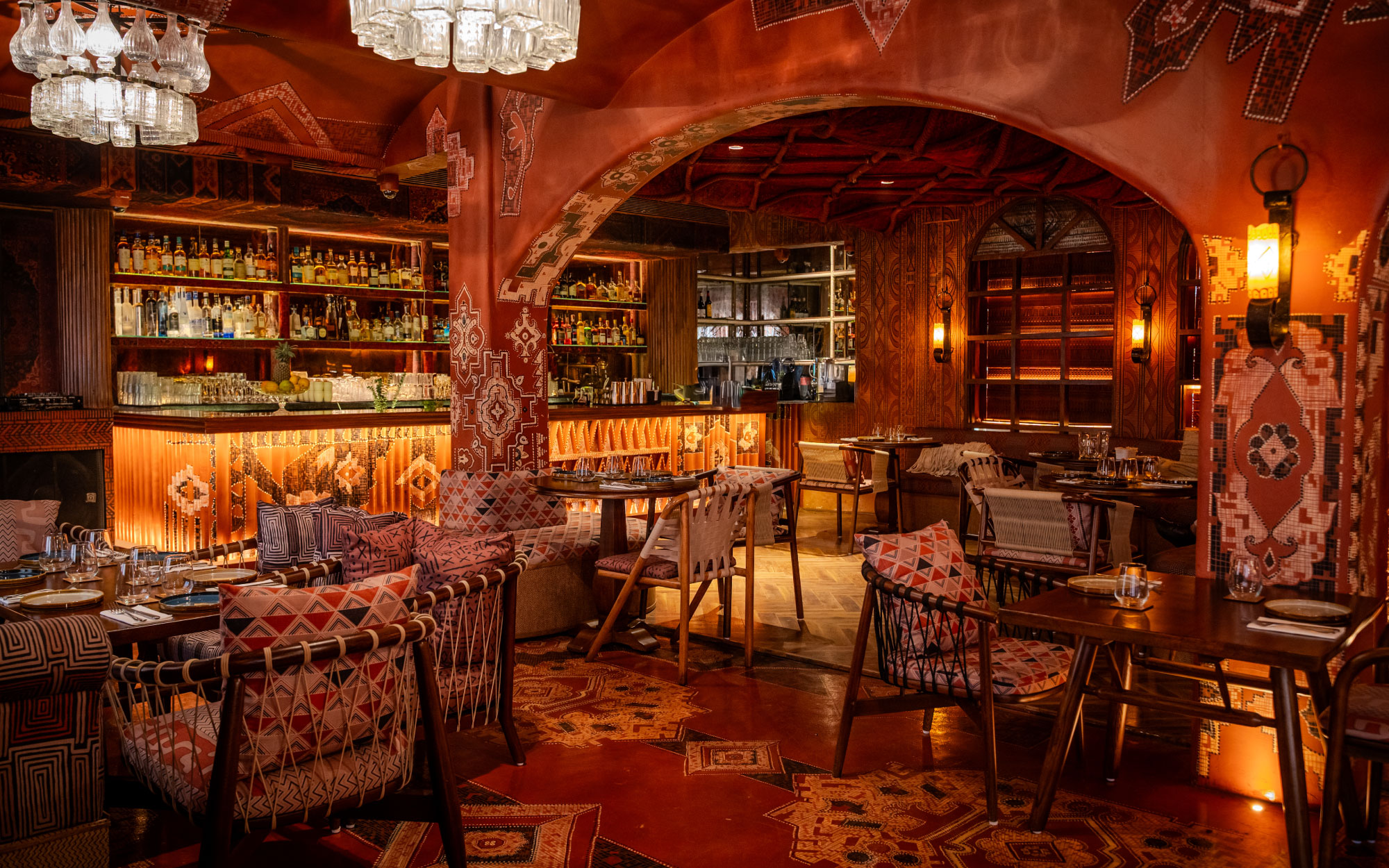
Entering Ammakai feels like stepping into an ochre-toned canvas where colour, craft and pattern take centre stage. Bold hues are layered against a play of prints, wrapping panelling, ceilings, upholstery, linens and wall murals, creating a richly textured interior language. The first-floor bar anchors the space both spatially and socially, emerging as the dining room’s fulcrum with its striking, pattern-led counter that draws the eye and gathers energy. Karnataka’s cultural codes are woven across checkered motifs, inspired by regional sarees, surface-draped in textiles, while the palette leans into earthy, ruddy tones borrowed from everyday rural fabrics. Designed by Minal Chopra—known for shaping the Bastian restaurant identity, the space balances village-rooted warmth with Bandra’s contemporary patina. The result is an ‘India modern’ interpretation that feels grounded, layered, and culture-rich.
Also Read: How India’s Top Architects Are Shaping Community Spaces
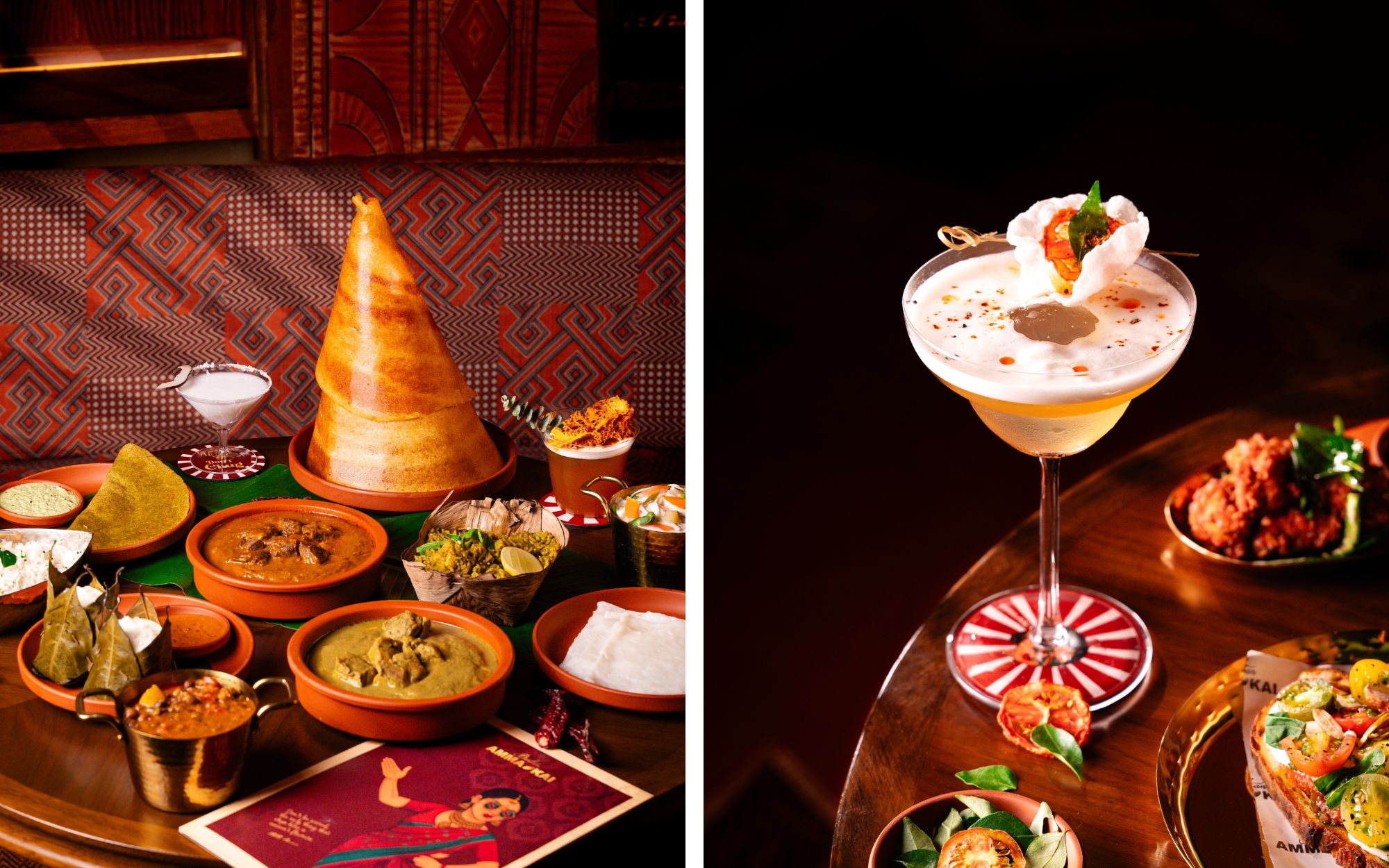
Though rooted in Karnataka cuisine, Ammakai’s menu finds inspiration from the Amma’s (mother’s) kitchen as the chefs have travelled through villages and home kitchens, tracing flavours shaped over generations. Aware of Mumbai’s enduring love for South Indian food, the Bastian team taps into this familiarity to curate a menu designed for long family lunches and generous, shareable dinners. True to the brand’s legacy, a few Bastian classics remain—Korean fried chicken, mac and cheese, tofu bao, and truffle fries remain gentle reminders of where the journey began. For those seeking regional discovery, the chef’s specials stand out. Vegetarians are well looked after with the tangy baby brinjal curry and paneer tomato gojju, while the Mangalorean fish curry paired with neer dosa delivers pure comfort. The Devanagiri benne dosa joins the brand’s already Instagram-famous dosa repertoire with ease. Desserts, inevitably, carry the Bastian signature—the brûléed skillet cookie with vanilla ice cream is indulgence done right. In the end, Ammakai doesn’t ask diners to forget Bastian Bandra; it simply invites them back—this time over dosas, filter coffee, and coastal curries.
5. Call Me Sofia, Bandra – The Aperitivo Bar That Kick Starts An Italian Pre-Dinner Party
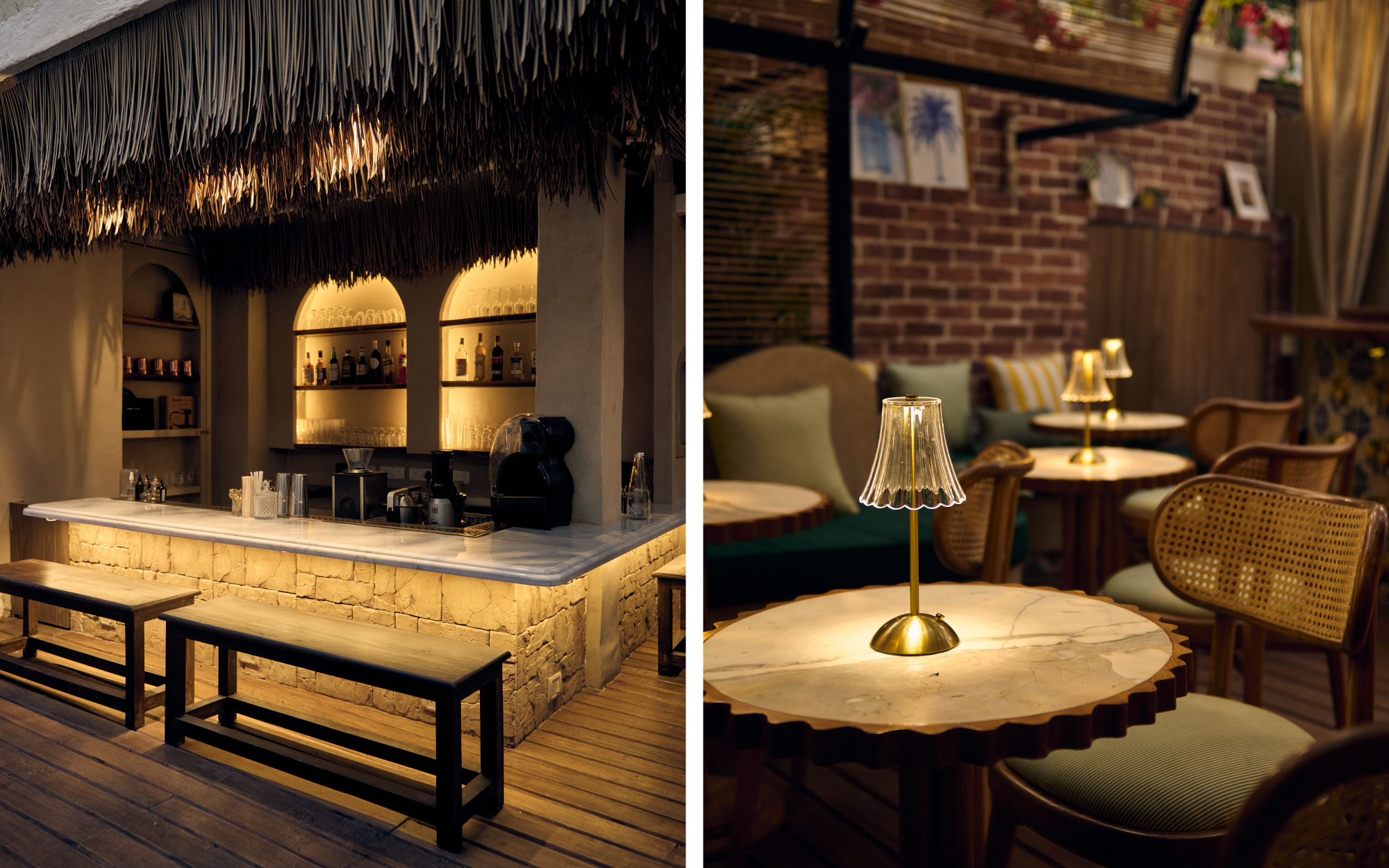
Call Me Sofia, Mumbai’s first Italian-style aperitivo bar, is discreetly tucked behind Olive Bandra’s iconic white walls. A sibling brand under hospitality leader AD Singh, the space is brought to life by the Olive Group’s in-house creative team and channels the easy glamour of European evenings. One enters an open-air setting, dressed in a casual, beachside mood, unpretentious, sun-washed, and bohemian-chic, ideal for the ladies’ gang. Italian cues reveal themselves subtly, lemon tree tiles wrap around a towering tree that anchors the inner courtyard, while the casual sofa seating against nude washed walls echoes whitewashed villa bars of southern Italy—spaces that cling to rocky outcrops, gazing steadily toward the horizon. The design is Bohemia-chic, favouring texture and atmosphere instead. A stone-finished bar counter paired with marble-topped tables evokes a refined beach-shack sensibility, with a little window where guests can simply ring a bell and have a glass of cocktail appear in response – nod to the wine windows of Tuscany. The most special seats are the intimate bar stools at the front, close enough to watch the aperitivo ritual unfold, cocktail by cocktail, as the evening eases into its golden hour.
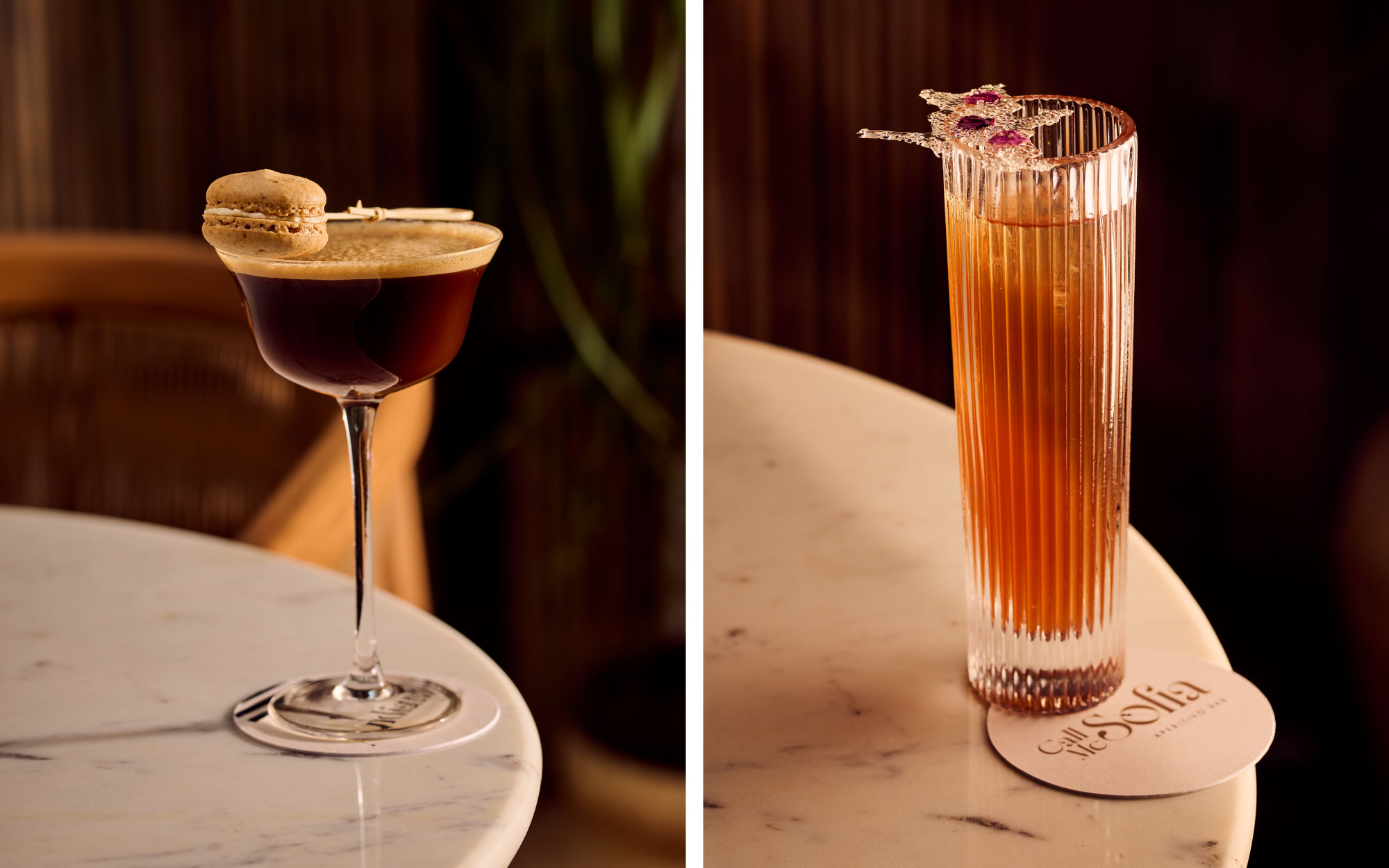
Helming the bar programme is Harish Chhimwal, one of the most trusted voices in Indian mixology, who introduces a thoughtfully composed low-ABV aperitivo menu. The focus is firmly on aperitifs and lighter spirits, championing Italian classics such as Campari, Amaro and Vermouths. At Call Me Sofia, there is unmistakably a chef behind the bar. Take the Caprese-tini—a basil-infused vermouth layered with clarified tomato water and a gin base, translating the essence of a Caprese salad into liquid form. It arrives with capers and a burrata–mascarpone accompaniment, blurring the line between cocktail and cuisine. Infusions of vegetables, fruits and herbs are executed using sous-vide techniques, where ingredients are vacuum-sealed and slow-extracted at controlled temperatures in a water bath before being integrated into spirits, ensuring a depth of flavour. The food offering, curated by Italian chef Alessandro Piso are perfect small plates, tapas style—crispy chicken bites with tangy San Marzano sauce, a Ferrero Rocher–style chicken pâté, and grilled skewers, all complement the drinks. On days you choose to stay teetotaler, the zero-proof offerings are just as compelling—a true exploration in liquid gastronomy. The Evening After blends butter apple, rice syrup and mascarpone foam into a clarified, dessert-like drink that feels indulgent without the alcohol. Call me Sofia is one’s stylish den for a pre-dinner party.
6. Oju Colaba – Takes Terrace Dining To A New Height With A Touch Of Nikkei
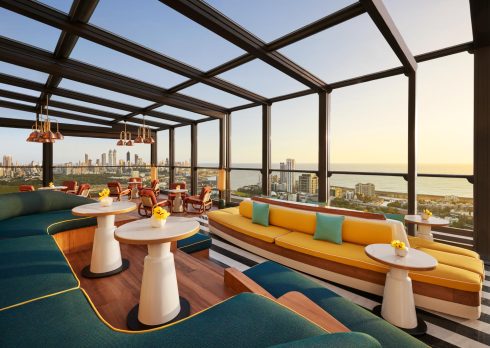
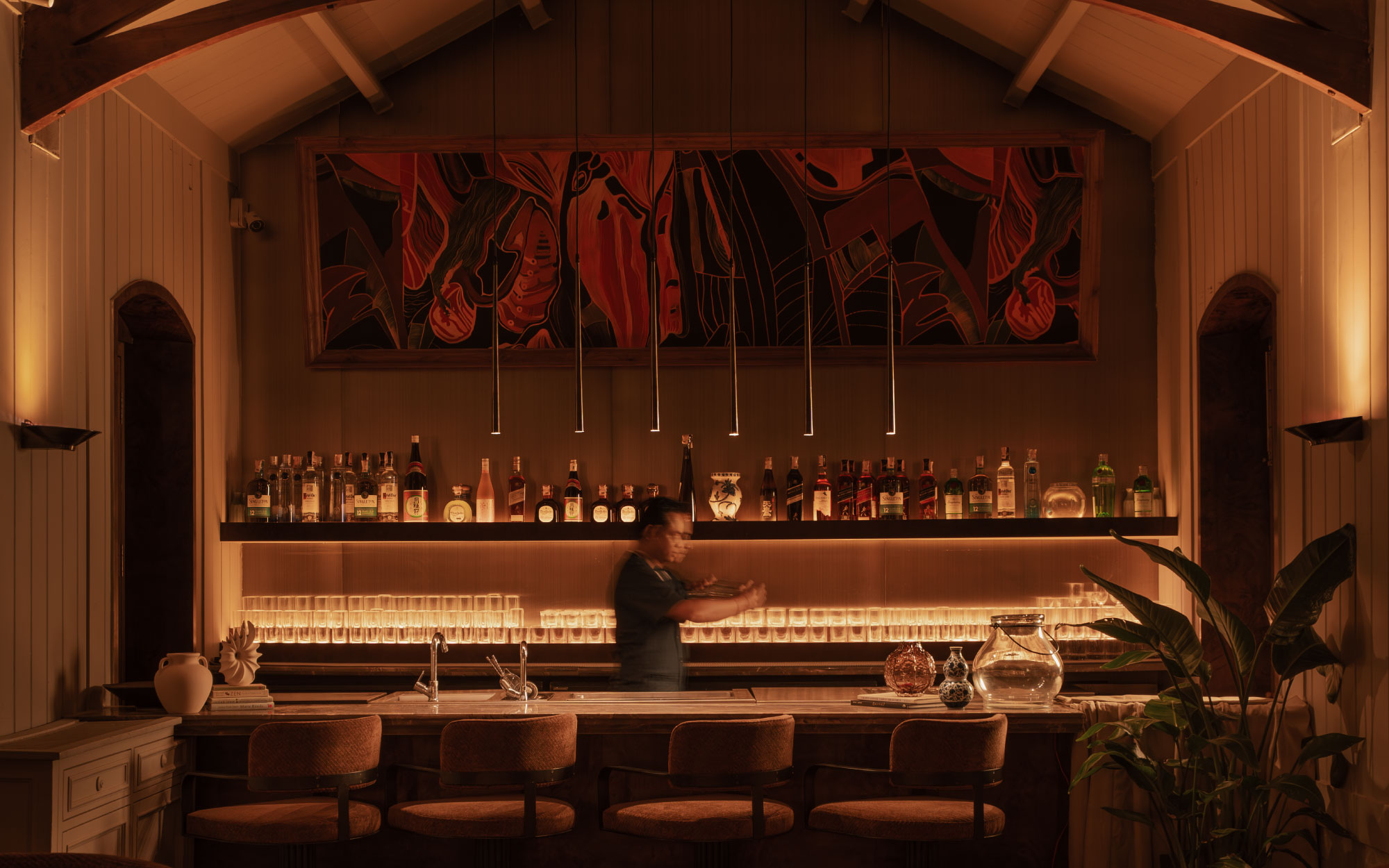
Perched above the white Portuguese villa in Colaba that houses Nuema, Oju crowns the property as an intimate rooftop retreat. Designed by Aayushi Malik, the space unfolds as a layered composition—part enclosed bar room, part lush, landscaped glasshouse, opening into a courtyard sushi counter framed by cosy seating and high tables that comfortably accommodate larger groups, setting the stage for its Nikkei culinary narrative. The design draws from Shibui, the Japanese philosophy that values subtle luxury that reveals across the handcrafted lighting, furnishing and tablewares. Rather than relying on obvious cultural motifs, the space adopts a warm, lived-in, almost residential sensibility, one that feels instinctively suited to long terrace evenings and convivial gatherings. Natural wood, woven cane, rattan and stone form the material backbone, creating a neutral palette that feels timeless rather than styled. By day, the atmosphere is buoyant and open, with natural light filtering through glass roofs to soften the interiors.
Also Read: Eat, Stay, Explore: Art, Culture, And Coastal Charm In Kochi
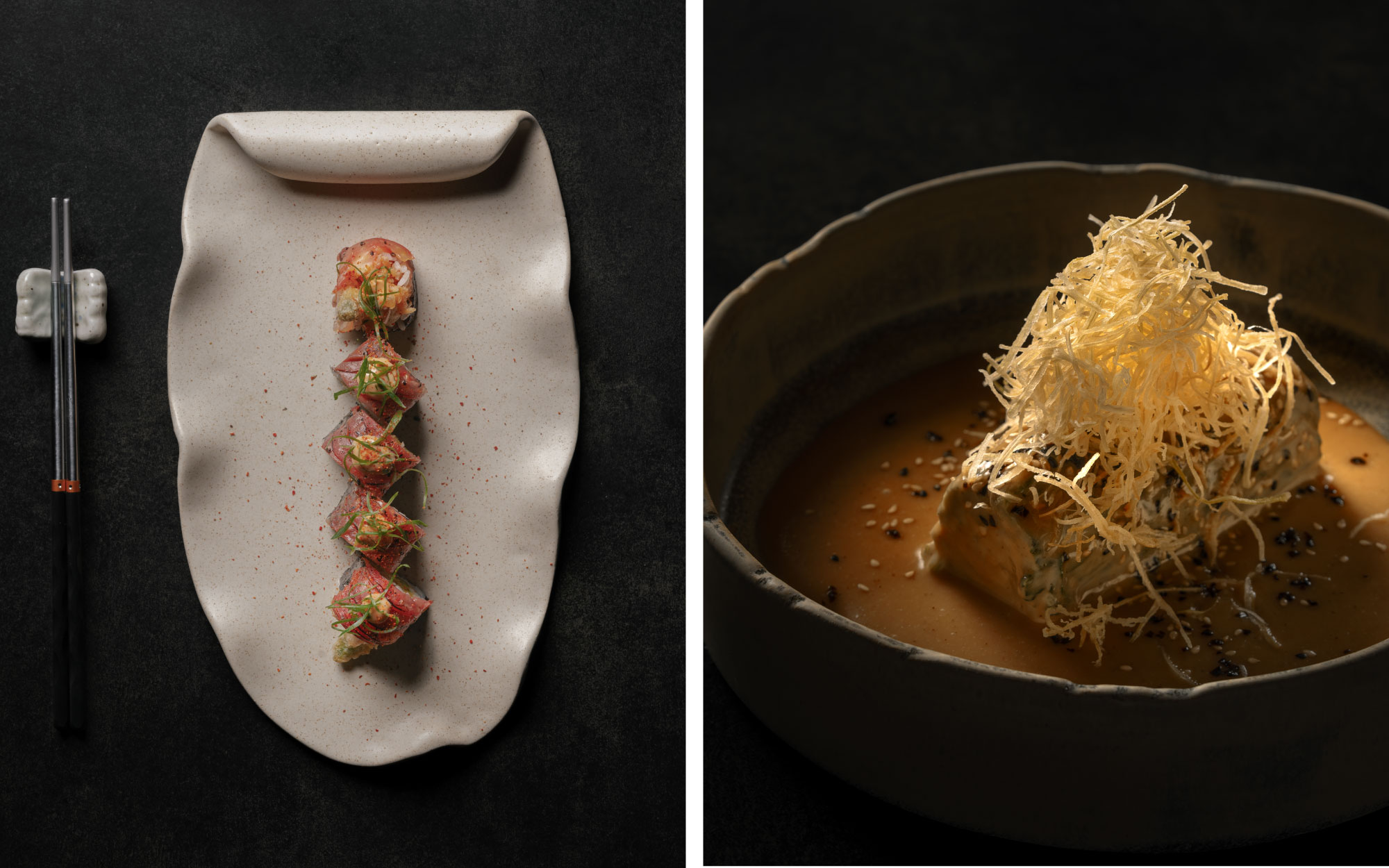
Helmed by Chef Mahmoud, formerly of Nobu London and Dubai’s Nimi Kakushi, Oju brings the discipline of a Michelin-trained kitchen to the plate. At a time when the city leans heavily into contemporary Japanese, Oju carves its own path with a focused Nikkei menu, placing Robatayaki at its centre. The meal opens with salads, the spinach and sesame–based gomadare is a new flavour bomb that hits the palate, while the avocado tempura with cream cheese and sweet potato crisp surprises with its balance of richness and crunch. Chicken gyoza is the standout, meltingly soft, while the mantou, Japanese bao, lightly roasted with a hint of barbecue, is an Indian take on the cuisine. From the robata grill, the chargrilled mirin-glazed chicken wings are unmissable. The smoky fried rice, dense with umami, works as a perfect foil to the grill—whether paired with robata-grilled asparagus or succulent lamb chops. The bar programme is shaped by Mukesh, winner of ‘Best Bartender of the Year 2025’, and continues Oju’s dialogue between Japan and Peru. Drawing from izakaya drinking culture, highballs form the backbone—clean spirits lifted with umami accents and layered flavours designed to complement the fire-led menu with clarity and precision.
7. Chorus World Cafe, Kala Ghoda – A Vegetarian Gourmet Cafe for the Fashionistas
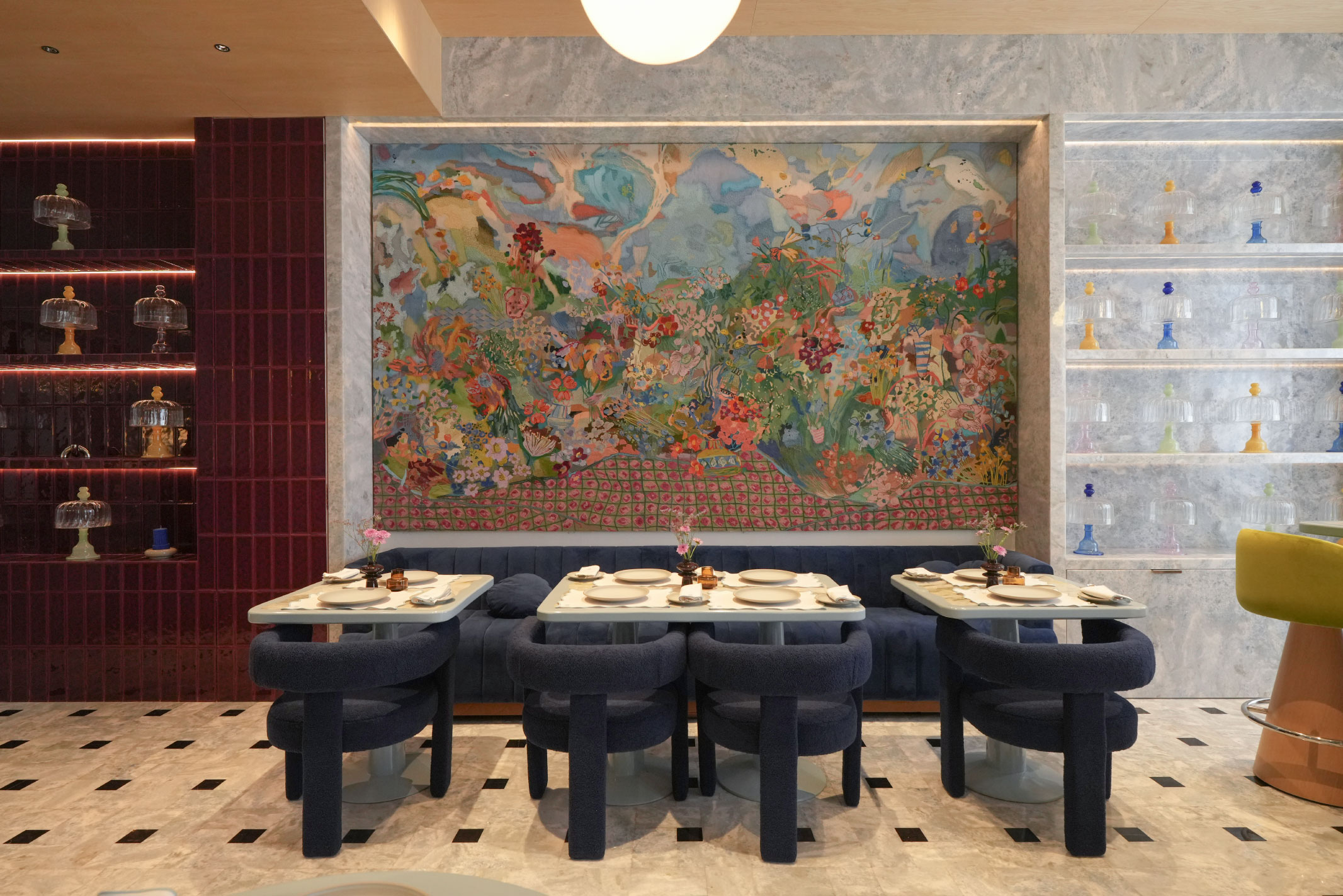
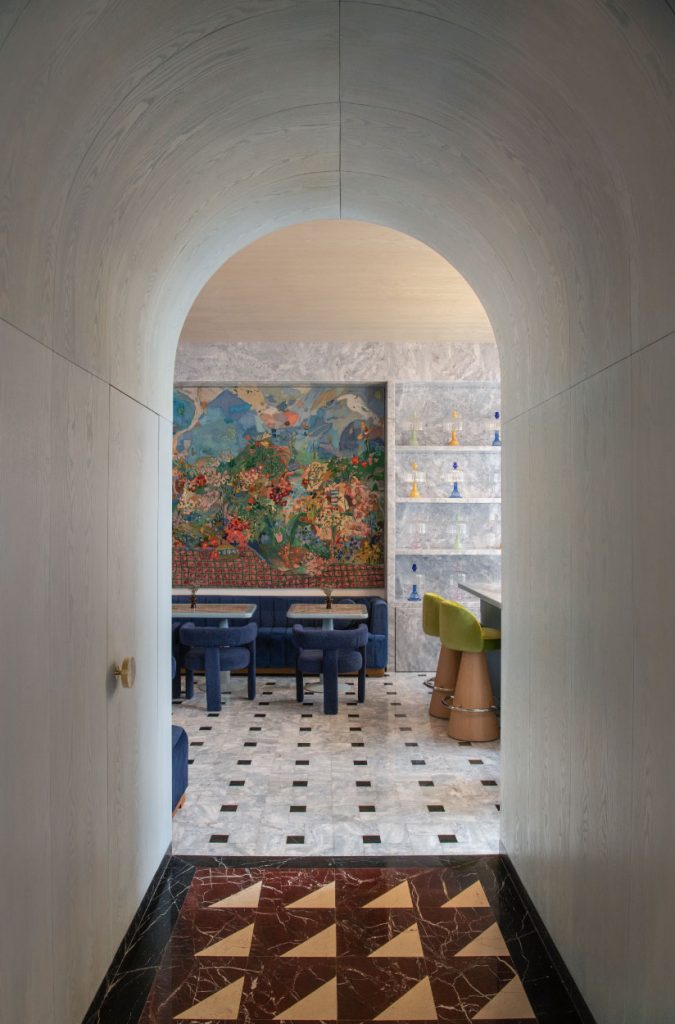
Tucked into the bylanes of Kala Ghoda, Chorus’ flagship store unfolds as a multidisciplinary atelier spread across three design-forward spaces, which is less a retail destination and more a manifesto where craft, culture and contemporary design coexist. The first level introduces ready-to-wear everyday couture, where handcraft reaches its most intricate and elevated form. Regenerative cashmere throws, denim dresses that transform provisional couture markings into permanent surface detail, and sequins sculpted from recycled PET bottles speak to an ethos rooted in conscious slow fashion. Helmed by Kaishma Swali, the atelier’s spatial language reinforces its commitment to craft. Marble-clad facades frame walls dressed in master collections, allowing the garments to perform as artefacts rather than merchandise. Another floor of ready-to-wear seamlessly integrates wellness console, handmade soaps formulated with almond milk, coconut wax–poured candles, small-batch body oils, and hand-built ceramics—extending the brand’s philosophy into everyday rituals. The upper level opens into a café that gives a glimpse into the couture space ahead. Conceived as a cultural living room, the café reflects Chorus’ wider ethos—a design-led multisensory space where food and art converge, offering a thoughtful pause while fittings and alterations unfold.
Also Read: Brinda Miller Explains How The Kala Ghoda Festival Became A Cultural Phenomenon
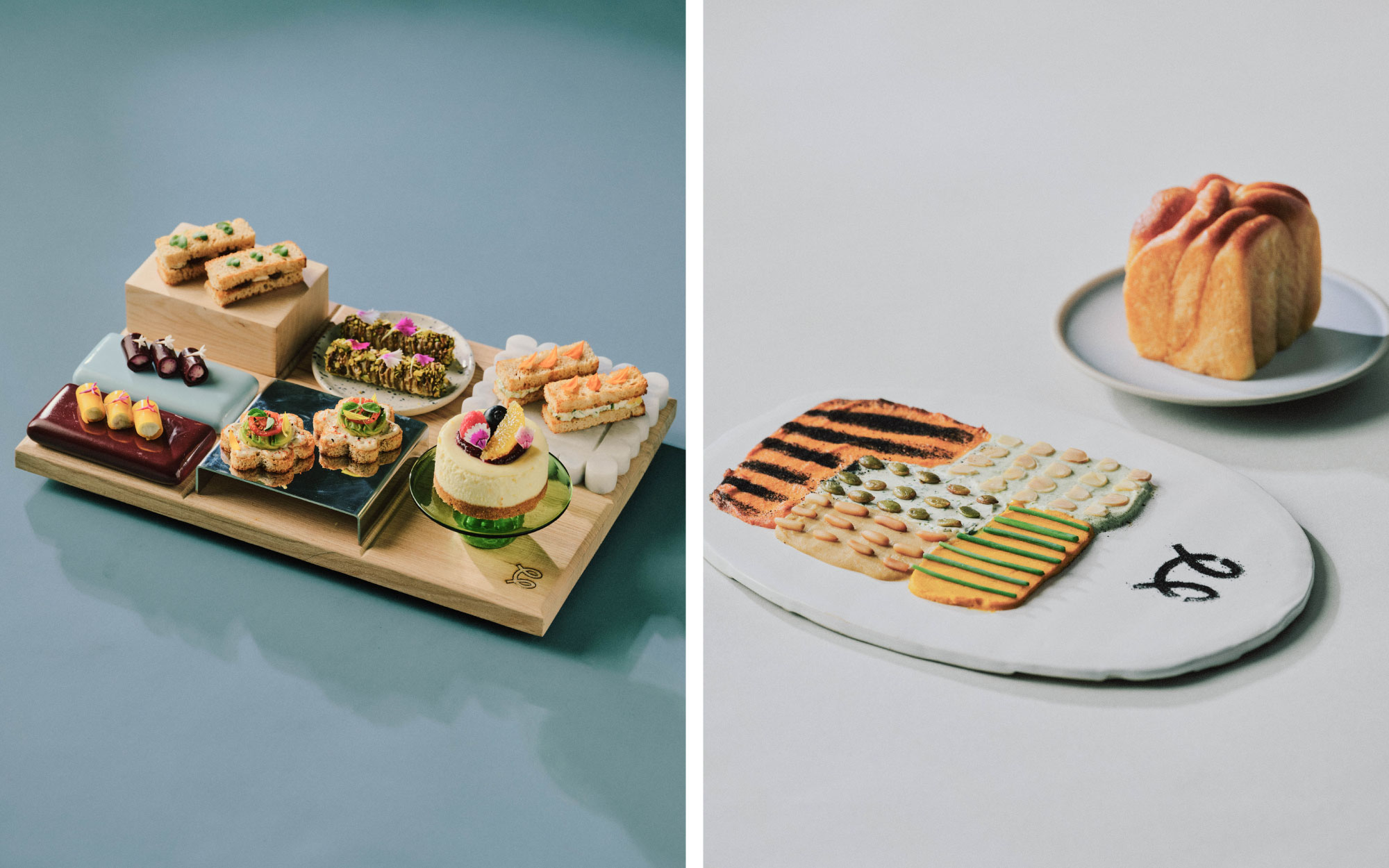
The café’s all-vegetarian and vegan menu feels like an extension of Chorus’ craft philosophy—each plate treated as a thoughtful composition. The Chorus Quilt arrives like its namesake: a painted grid of demarcated squares filled with dips, visually echoing the house’s textile language. Another standout is the Fazzoletti—seasonal vegetables tossed in San Marzano sauce, wrapped in a soft handkerchief-style pasta striped with edible, painterly lines. The signature buttery croissant, layered with dark chocolate and pistachio crumble, is unmissable. For chocolate lovers, Forest Noir is a must: a dark chocolate mousse plated like a forest floor, scattered with “soil,” berries, brownie stones and edible flowers. Ingredients are locally sourced and seasonal, with no refined sugar used across the menu; agave stands as the sole sweetener, even in the cocktails. In Mumbai’s vibrant café landscape, Chorus Café marks a distinct new chapter—where plating rises to the level of couture, flavours are as considered as form, and every dish is served on handcrafted glassware and platters drawn from the Chorus collections. Textile artworks find expression in each plate, mirroring the café’s centrepiece, Construction IV—a wood-and-cotton-thread installation by the Chorus Collective that honours hands who create.